In order to be successful, young entrepreneurs must continuously develop their skills. This can be done in a variety of ways, and it’s essential to find what works best for you. Just make sure that you’re always growing and learning so that you can keep up with the ever-changing landscape of business environments. Here are five valuable ways to continuously develop skills as a young entrepreneur:
Take online courses
There are a plethora of online courses available on the internet, which makes it easy and convenient to learn new skills without leaving the comfort of your home. You can find courses on everything from social media marketing to public speaking, and there’s bound to be something that catches your interest. Once you’ve found a few courses that look promising, dedicate some time each week to completing them. And don’t forget to put what you’ve learned into practice! Also, be sure to take advantage of any free trials that are offered before you commit to anything.
Read books on the topic
If you’re the type of person who prefers to learn by reading, then there are plenty of books out there on entrepreneurship and business. A quick trip to your local bookstore or a browsing through this blog on George Washington biographies will reveal a wealth of titles to choose from. Once you’ve selected a few that look interesting, settle down with them in your spare time and take some notes. Not only will you be gaining valuable knowledge, but you’ll also have something to refer back to when you need a refresher on certain concepts.
Join a networking group or mastermind group
Meeting other entrepreneurs is a great way to learn and grow. You can attend networking events, join an entrepreneur group or start your own mastermind group. This will give you the opportunity to share ideas, get feedback and learn from others who are in the same boat as you. It’s also a great way to connect and build relationships with people who can help you in your business journey.
Attend workshops and conferences
Attending workshops and conferences is a great way to learn new skills and meet other entrepreneurs. You’ll be able to hear from experts in various fields, and you’ll have the opportunity to network with like-minded individuals. This can be a great way to get inspired and motivated so that you can take your business to the next level. You can also find out about new trends and technologies that can help you in your business.
Practice, practice, practice!
One of the best ways to learn and improve your skills is to simply practice them as often as you can. If you want to get better at public speaking, for example, then make a point of giving speeches on a regular basis. Or if you want to improve your writing skills, then start a blog or write articles for online publications. The more you do something, the better you’ll become at it. And once you’ve mastered a skill, you’ll be closer to achieving success in your business venture.
No matter which method (or combination of methods) you choose, just make sure that you’re always learning and growing as an entrepreneur. By continuously developing your skills, you’ll be able to stay ahead of the competition and reach your business goals.
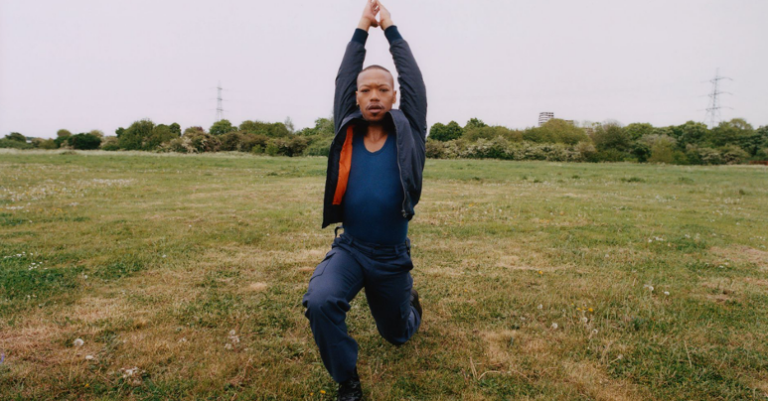
Nakhane has teamed up with Perfume Genius for the new song ‘Do You Well’. The track was produced by Emre Türkmen, with additional production by Nile Rodgers, and comes with an accompanying video from director Jordan Rossi. Watch and listen below.
“I always thought singing with him would be a beautiful thing,” Nakhane said of the collaboration in a statement. “I liked that it’s a song that was not necessarily what people would expect from us: a sad, trauma-mining ballad. Instead I wanted us to make a banger.”
They added of the video: “I wanted to explore the intersection of violence and sensuality, the dance of courting someone before you actually have sex with them. It was inspired by a lot of gay-themed films, where we normally see characters wrestling with their inner dialogue before they give in to their desires. So I said why not make that wrestling literal? Of course the inspiration for that was how homoerotic wrestling is.”
‘Do You Well’ follows Nakhane’s ‘Tell Me Your Politik’, which came out in July.
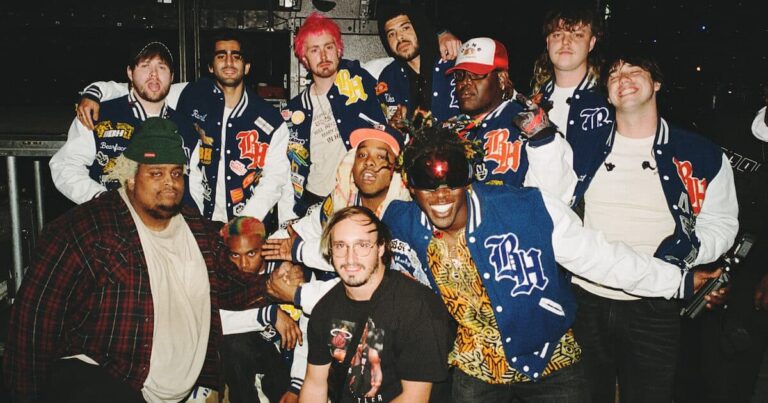
BROCKHAMPTON have announced they have a new album on the way. Their final outing is called The Family, and it will be released on November 17. Today, the group has shared two trailers for the project, which is described as “a story about BROCKHAMPTON” and is available to pre-order here. Check out the visuals below, along with the album’s cover artwork.
Mount Kimbie have released two more tracks from their upcoming double album, MK 3.5: Die Cuts | City Planning. ‘Satellite 9’ was produced by the group’s Kai Campos, while ‘DVD’ was helmed by Dom Maker and features a guest appearance from Choker. Duval Timothy plays piano on ‘DVD’, which also has backing vocals from Sampha. Take a listen below.
Along with the new tracks, Mount Kimbie have announced two works that will accompany each side of the album. They’ve enlisted creative Tyrone Lebon, who also worked on their debut album Crooks & Lovers as well as Fran Ocean’s ‘Nikes’, for a film that will be shown at London’s Frieze Gallery from November 4 until November 5. It will also be available to watch online here from November 4. For City Planning, they commissioned New York-based sculpture artist Tom Shannon to create a piece, titled ‘Four World Set’, that will be displayed at St Giles Square in Central London from October 31 before traveling travel worldwide to new locations.
Horsegirl have released their cover of Minutemen’s 1984 song ‘History Lesson Part 2’, which was previously only available as part of a 7″. Listen to it below.
“‘History Lesson Part 2’ has always been a punk manifesto for us,” Horsegirl explained in a statement. “It was an unusual pick to cover considering the lyrics are so specific to Minutemen, but we thought there was something appealing too about recording a ‘History Lesson’ that doesn’t actually give you any history on us.”
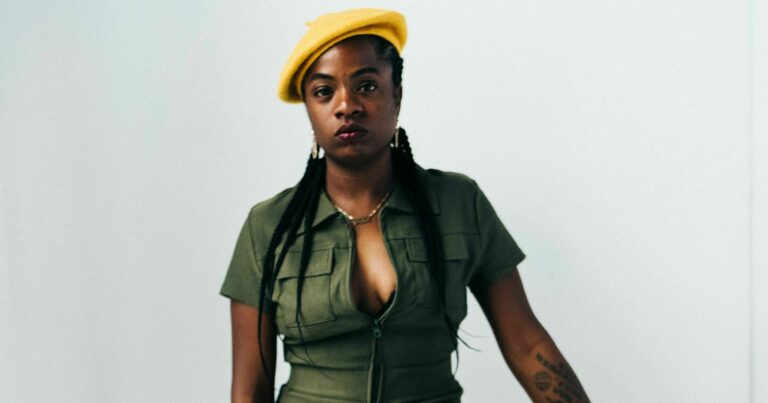
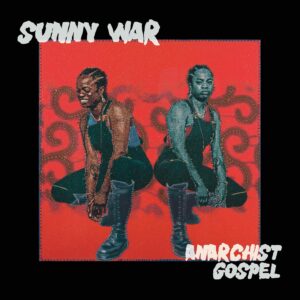
Singer-songwriter Sunny War has announced her signing with New West Records, which will release her new album Anarchist Gospel on February 3. The album was produced by Andrija Tokic (Alabama Shakes, Hurray for the Riff Raff) and features appearances by Jim James of My Morning Jacket, Allison Russell, David Rawlings, Jack Lawrence of the Raconteurs, Micah Nelson, The Deslondes’ John James Tourville, Kyshona Armstrong, Dennis Crouch, The School Zone Children’s Choir, and more. Check out the lead single ‘No Reason’ below.
“This album represents such a crazy period in my life, between the breakup and the move to Nashville and my dad dying,” War explained in a statement. “But now I feel like the worst parts are over. What I learned, I think, is that the best thing to do is just to feel everything and deal with it. Just feel everything.”
‘No Reason’, she added, “is about the internal struggle that all people face just trying to be the best version of themselves. And the guilt that you feel when you’re not being the best version of yourself.”
Anarchist Gospel Cover Artwork:
Anarchist Gospel Tracklist:
1. Love’s Death Bed
2. No Reason
3. Shelter And Storm
4. I Got No Fight
5. Swear To Gawd
6. Earth
7. New Day
8. Baby Bitch
9. His Love
10. Hopeless
11. Higher
12. Test Dummy
13. Sweet Nothing
14. Whole
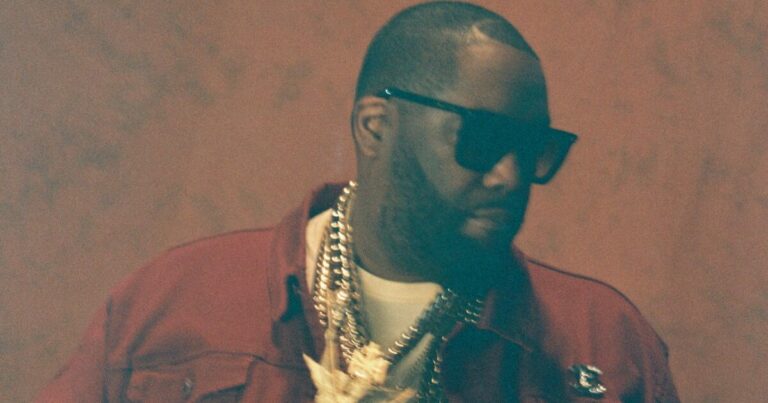
Killer Mike has shared a new song called ‘Talk’n That Shit!’. Produced by DJ Paul and TWhy Xclusive, the track arrives with a music video directed by seck. and featuring an opening cameo from Jamie Foxx. Watch and listen below.
“The song is self explanatory. With the video, I wanted show the freedom and beauty in being able to turn up in spite of all the fuck-shit,” Killer Mike explained in a statement. “That upsets the bourgeoisie even more – in spite of all your criticisms, we’re gonna live free and stay lit.”
Earlier this year, Killer Mike released the new single ‘Run’, a collaboration with Young Thug.
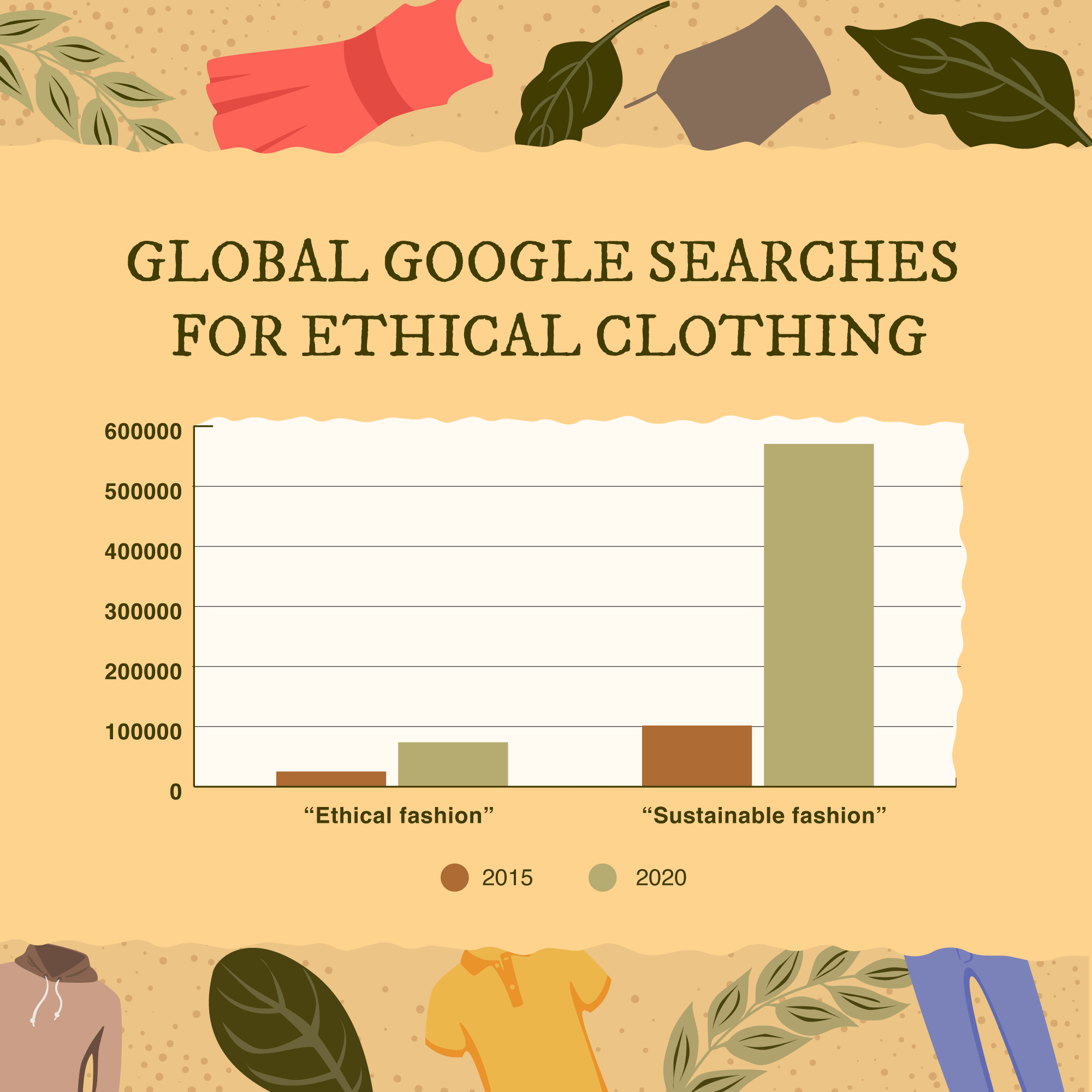
The gritty cycle of unethical fast fashion is still going, even though a more sustainable fashion outlook has been growing. In fact, a study completed by Comparethemarket has uncovered that whilst sustainable fashion becomes increasingly popular in everyday society, the choice for ethical clothing is not of high priority to many when purchasing clothes, causing concerns among a lot of fashion designers and labels.
In this article, we’ll look at the key differences between sustainable and ethical fashion and why they are essential to know for any consumer.
The Similarities
Ethical and sustainable fashion are a crucial part of the future of fashion. They are both focused on a positive notion that rewards the maker and the consumer by providing higher-quality items from factories and artisans that pay their employees a fair share in a safe environment.
Ethical Fashion
As part of its movement, ethical fashion places a high value on the welfare of its labourers and workers. This is something sustainable fashion doesn’t focus on. Instead, it looks at materials, upcycling and distribution. By promoting ethical fashion, we prevent cruel working conditions that can lead to death, illness and slavery. We also create a cycle that cares for animals and the future owners of our clothing.
Sustainable Fashion
From farming the materials to having them stocked in retail stores, sustainable fashion focuses on how life cycles can affect the environment. It is a vital part of moving forward in the fashion world as its primary focus aids in preventing climate change and helps save the world from unnecessary pollution and waste. Unlike ethical fashion, it tends to focus on the environment.
Here are some ethical and sustainable brands:
Patagonia
Nynne
Bottletop
Here are some fast fashion brands to avoid:
Shein
H&M
Primark
Why is fast fashion terrible?
Fast fashion is like fast food — it’s quick, unhealthy and promotes a throwaway lifestyle. The fast fashion culture tends to be promoted by z-list celebrities and Insta models with a worthy following. The most prominent and ethical issue we face with fast fashion is that the clothes are generally made for one-off trends and seasonal gimmicks. This means a lot of material gets wasted, and the consideration for the amount of pollution caused by the production is dismissed. Moreover, the workers of the factories tend to be underpaid and treated poorly with horrible working conditions. Sadly, it’s difficult to move away from this movement as it’s popularised by many personalities who prefer a paycheck over a morally-focused view of fashion.
How to shop better
It’s easy to share a post on fast fashion or mention it when it suits us but buying better is essential. Hitting fast fashion brands where it hurts makes the change we need. So, to shop better, it is important to look for brands that are first transparent about exactly where their clothes are made and have proof behind their claims. Moreover, it would be best if you researched any related topics to the brand you are buying. You’d be surprised how many bend the rules and greenwash the consumer. Lastly, purchase quality. Spending more is not great but paying double or even more can pay off. High-quality clothes last after more than several washes and can belong in your wardrobe for years to come.
Ian Shelton formed Militarie Gun in the spring of 2020, which should immediately tell you something about the impetus behind the project: When everything came to a halt and Shelton had to cancel a tour with his other band, the powerviolence outfit Regional Justice Center, he wrestled with the uncertainty by getting right back to work – even if it meant doing it alone. He wrote and performed the entirety of Militarie Gun’s first EP, My Life Is Over, which came out in September that year, before expanding the band to include guitarists Nick Cogan and William Acuña, drummer Vince Nguyen, and bassist Max Epstein. With influences ranging from Black Flag to Guided by Voices, Shelton used Militarie Gun as a space where the abrasiveness that came to define Regional Justice Center – which is named after the jail where Shelton’s brother was incarcerated in his late teens – could co-exist with the introspective lyricism, melodic sensibility, and openness to experimentation that were beginning to seep into his work.
The result was a pair of EPs brimming with cathartic hooks, All Roads Lead to the Gun and All Roads Lead to the Gun II, both released last year. Newly signed to Loma Vista, Militarie Gun have just put out a deluxe version of the record, which features four new songs, including the early single ‘Let Me Be Normal’. The rest of the previously unreleased tracks see the band embracing the collaborative spirit we first got a taste of with ‘Pressure Cooker’, their infectious joint single with Virginia powerpop artist Dazy: there’s the fiery ‘Can’t Get None’ with MSPAINT’s Deedee and two tracks featuring the Vancouver band Woolworm, ‘I Can’t Stand Busy People’ and ‘Pull It Out’. They all showcase a different side of a band that already seemed intent not to follow any predetermined path, though it’s always a joy to hear where the next one takes them.
We caught up with Militarie Gun’s Ian Shelton for this edition of our Artist Spotlight interview series to talk about getting into hardcore, his creative process, the deluxe edition of All Roads Lead to the Gun, and more.
You’ve been on tour for most of the past year now. What’s your headspace like at the moment?
We know it’s our time to grind and try to make people realize that we exist, so we go out there as often as we can and try to fight for people’s attention. I hope at some point down the line that there can be a more relaxed pace for touring in the future, but as of right now, I’m just in the mindset of doing what needs to be done to get where we want to go. And ultimately, my lifestyle I think fits best on tour. It feels like the appropriate amount of work every day, and my brain doesn’t really wander. I feel very at peace on tour, where at home I get way restless. [laughs] When you want your job to be making music, if you’re not playing music that day, it’s like, “Well, what is my job? What is my purpose?”
Was that kind of lifestyle part of what drew you to hardcore in the first place? How do you look back on your early days in the scene?
It’s always stuck out to me how communal and energetic it is, and how much there’s an energy transfer between the audience and the band. My first hardcore shows were Ceremony, and I remember feeling at peace with the world after expressing the craziest amount of violence and energy and jumping off of something and hurting other people by accident. Something about it made me feel peaceful in my normal life. That energy transfer and that emotional transfer between artists and audience happens probably across all genres, but I think it happens in a very specific way within hardcore and punk. And that same feeling that was right there at the beginning of everything is still there – and probably more so than ever, now that hardcore has kind of been branching out more and more.
You grew up on punk, but you’ve also talked about gravitating to indie rock. In your own listening habits, did you ever draw a line between those genres and what they served for you? Was there a separation in what they helped channel or how you experienced them?
To me, there is no separation. It just felt like “This is what you also like with this,” because the scene of kids that I was involved in also loved Modest Mouse as much as they loved Black Flag. You know, when I went and saw Modest Mouse when I was in high school, I climbed on everyone’s heads and made people upset. So to me, it always felt hand in hand, and the emotion that comes from both is very similar – obviously, one is like an under-the-skin, driving-you-crazy feeling, where indie rock provides something a lot more introspective and less immediate in its incarnation of reaction. But to me, there was never a point where I was like, “Oh, no, I’m into hardcore now, so I don’t like XY and Z anymore.” Because I started with street punk and before I ever got into indie rock, so around the time that I was getting into indie rock was around the same time I was finding all the rest of hardcore as far as contemporary hardcore and things like that. There’s never separation to me.
Are there any styles that you’re drawn to besides hardcore and indie rock that maybe aren’t as obvious?
I listen to vastly different stuff on any given day, but as far as the reflection of the band, I think that hardcore and indie rock are the two cornerstones. I try to find different ways in which to take influence from from hip hop that are not sound things, but the way that artists in basically any other genre besides rock collaborate with each other is a huge influence. I wish that rock bands weren’t so set in their way of like, “We do a record every two to three years, and it’s just a reflection of us in that moment.” Whereas, I think we all could be making music together and expanding our sounds and finding something new. And maybe you try something with someone else and it doesn’t work for your own songs, but still gets to exist within the canon of your band. You can do so much more with other people’s voices and other people’s vibe, and you can explore the way that you fit within a different subsect of a subgenre. I’m really inspired by that, and I just wish that rock music in general was more influenced by that. Even with folk musicians, collaboration is super common. But once you get into amplified rock music, no one’s down to work together, and I don’t understand why.
Before we get to your own collaborations, when it comes to the band’s process outside of that context, do you have conversations about how to straddle that line?
Not really, the process is more just being open to everything and every possibility of what a song could be, and embracing the way that my voice might change the feeling of a song. So what might feel like an indie rock or a classic rock song to me, you put my yelling over it, and it’s like, “Oh yeah, that’s a hardcore song now.” Sometimes the song doesn’t work, in which case it’ll never see the light of day. But otherwise, it’s just the process of what the natural chemistry between all of the ingredients is.
Does there always have to be that moment of, “Yeah, that’s a hardcore song now,” regardless of what your definition of that is? Is that an essential part of the process?
Not at all. I don’t really have too much of a concern with the concept of whether or not something is hardcore at all. And honestly, the goal is to create something wholly unique within the scene of hardcore. I think that stays true to the original identity of the genre, versus doing something that’s traditional. And I think that the mark of doing something traditional, which would be the concept of, “Oh, this has to be more or less hardcore,” would be boring. I think that hardcore will always come across in our energy and our attitude, and I don’t think that it really has anything to do with the sonic profile of the band because I don’t think that that’s a defining trait of hardcore. The concept that hardcore is a purely traditional genre is the most boring concept to me, and I think it’s actually what actively deters people from getting into the music instead of broadening the genre and making it more interesting. It doesn’t have to be fast, hard breakdown, it doesn’t have to be any one thing. It could be everything. You listen to the genre inventors – you know, Bad Brains had reggae songs, and they’re a hardcore band. The genre can be literally anything, is really the attitude that I have towards everything.
Something that struck me about the collaborations with both Dazy and MSPAINT is that rather than leaning more on the style of one band, they seem to aim for a more pure kind of collaboration. Did you approach those songs with a similar mindset?
With working with Dazy, it was very much me wanting to play within his sound and his world. He played everything on that song, and by all means, you could take me off that song and it’s just a Dazy song. I tried to spice it up in my own ways, but that was that was really playing within his sound and vibe and just trying to bring something to it myself. The song with MSPAINT is more so inspired by the spirit of a band like MSPAINT, and in the end it was like, “You know who would be perfect to be on the song, is Deedee from MSPAINT.” So that song started as wholly its own thing before MSPAINT’s involvement. And because I was trying to do something different other than the voice of Militiarie Gun, it felt really natural to bring in a collaborator to make it make more sense and have it not be like, “Oh, this is just a Militarie Gun song.” Because people will go, “That’s a weird Militarie Gun song.” But it’s not a weird Militarie Gun MSPAINT song, because that involvement makes all of the different factors make sense. It provides a lens to look at it through.
In both cases, it’s a chance for you to mess with and be part of a different sound in a way that makes sense and is also just exciting.
That’s the hope in the whole thing, is that I get to explore something new without making people feel like, “Oh, you’ve changed your entire sound, you’ve tried to isolate everybody” or something. I think it shares with the audience that we’re experimenting with things, we’re trying things. No one thing is going to be our sound, no one thing is going to be a significant change. I mean, ‘Can’t Get None’ has been a song for two years with exactly that verse and exactly that chorus, and Deedee from MSPAINT just got on the song two months ago. So, I think a lot of it is feeling out what’s intuitive and waiting for the right moment is. A very similar thing with ‘Pressure Cooker’, that song was completed, just sitting there for probably the better part of a year, and then we went, “You know what? This feels like the right moment to release this song.” And we put it out into the world at that moment, and it seemed to be reciprocated.
It feels like, reception-wise, people are a lot more open-minded about bands embracing that idea – whether it’s bringing in more melodic elements or any kind of experimentation.
Yeah, it just seems like everyone is down to not play the traditional game, really. I think everyone was underserviced by what was happening pre-COVID, where things were purely traditional, and people are really embracing this concept that you can do whatever you want. And I think everyone in general is looking for something a little bit catchy and a little bit more vibey. It just seems like a great time where audiences are willing to take a gamble on bands trying things. And with that, I think that we’ve had a great run of bands that have paved the way for bands to try new sounds. You know, Ceremony was a hardcore band and then changed their sound and had a lot of people hate that, and had probably even more people love it than hate it. And their gambles pave the way for all of us coming up to experiment and do what they did sooner in our in our lifetimes as bands. We don’t have to be a traditional hardcore band and change to something else. We’re just never going to be a traditional hardcore band, and audiences are like, “I have the concept of this, I can’t understand it.”
How did the tracks with Woolworm come about?
Again, those were just sitting around and I had the instrumentals for a long time. Woolworm is a band who I toured with right before the pandemic, they’re a huge influence on the start of the band and me wanting to do something more melodic. I was really nervous about at first because it was just so soft, and it didn’t really feel like a Military Gun song necessarily. After we did ‘I Can’t Stand Busy People’ and it worked so well, I was like, let’s give them this one as well and see if they can transform it. And to me, the second verse that they do in the song is just incredible and completely took the song over the top. Being a big fan of them made me think that they were the right people, and it just worked. And that’s another huge part of the collaborations, is like, “I’m a fan of this band, and you should know it as well.”
What are the origins of ‘Let Me Be Normal’? Is it a hint of where you might want to take things next?
Yeah, ‘Let Me Be Normal’ was the only one that was written more recently. And with that, we had all of the experience and knowledge that writing an entire LP in between gives you, and so it was a good chance to be like, “Oh, we can write a song that has more skilled hands behind it.” I think that the big mark of All Roads Lead to the Gun was that, to me, I was making something that I thought was a lot more pop and a lot more catchy, but I didn’t have the skills to do something that was wholly catchy and poppy. Which I think is a huge part of the whole thing with punk music, which is unskilled musicians trying to make something beyond their means, and falling short but making something new and unique. But ‘Let Me Be Normal’ was a song that has a lot more songwriting experience behind it than other All Roads Lead to the Gun songs. It was nice, because it was a chance to give a peek behind the curtain to what’s coming.
Do you feel equally connected to the EP songs now, given also that a lot of the lyrics were improvised in the moment? Has your lyrical approach changed between then and a song like ‘Let Me Be Normal’?
No, that’s still the process. It’s all meant to be very stream of consciousness, and trying to tap into what I’m trying to say that I don’t know that I want to say. You know, “Let me be normal” is a statement I make constantly. I’ll say, “God, I just wish I can be normal.” And that’s across all facets of my life, but largely has to do with my upbringing and just wishing that you could be be un-fucked up by the past. But it but it’s not possible, and I’ll always be the person I am due to it. So, I think whatever I was going through the day that I wrote largely has to do with, I just wish I had the same problems as other people instead of the ones that I actually do. It’s always the process of just not knowing that something’s bothering me, and then all of a sudden I have a whole song about how something’s bothering me.
And with that, the connection to the All Roads Lead to the Gun songs doesn’t change at all, because those things that were boiling up at the time that I was writing those songs are just as relevant now. And I think that the sum total of the themes is about inevitability. ‘Ain’t No Flowers’ is a very spiteful song, and ‘Big Disappointment’ is a song about wanting to be free of spite. And both those things live in me every day: I am spiteful, and I wish that I was better at letting things go. And because I’ll always – unless I somehow hit my head and change who I am, I don’t think I’ll ever not wrestle with the concept of both those things. I just really treat it as an active lens to view my life. All those lyrics, I try to hold them up against my actions constantly. “I try to live my life with nothing to hide and no one to fight.” I try to have that be the motto of my life.
What can you tell me about the story of signing with Loma Vista, and what does it mean for you to be part of their roster?
Loma Vista was a label that I wanted to be with for a long time. We honestly said no to a lot of other things because I had my eye on it, and it took a long time. And for good reason. I think it was that time for us to grow into being a band that needs resources. At the time that I originally was interested in the label, we were definitely way more of a hardcore band and didn’t need a lot of resources. We had to go out and build our own resources and become a better band to get where we are now. And I think that they saw that change happen and were like, “Alright, let’s fucking go.” I think that they’re an incredible label. It’s incredibly diverse – it seems to reflect a lot of my own taste and the way that I process music. And with that, I think it’s a label that understands hardcore, but also likes when things are more than hardcore. And that is the hope, not to just do something traditional and boring. It’s to do something new and exciting, and I think they understand that.
Are you excited to put out more music with them?
Yeah, I can’t wait. We’ve been working on a lot of music. We’re promoting the current record, so I don’t wanna speak too much on the future. But we’re ready, and we’re excited to get moving on all these other songs that we’ve been working on for two years and getting them right.
This interview has been edited and condensed for clarity and length.
If you’ve been experimenting with a number of biking trousers lately and inevitably failing, this article will help you find the best mountain bike trousers by introducing you to the seven top features that you need to look out for.
The MTB trousers have come a long way in terms of fabrics, tailoring, breathability, and performance. Previously, you might’ve experienced a lot of wear and tear with your existing (or worn-off) trousers; so it’s probably time to get one that’s worth the money and time.
An ideal MTB trouser must be something that is comfortable in different weathers, breathable, and protective for your legs, while at the same time, warm and lasting.
So, let’s find out how to choose the best mountain bike trousers based on specific features.
7 Top Features That Make Your MTB Trouser Stand Out
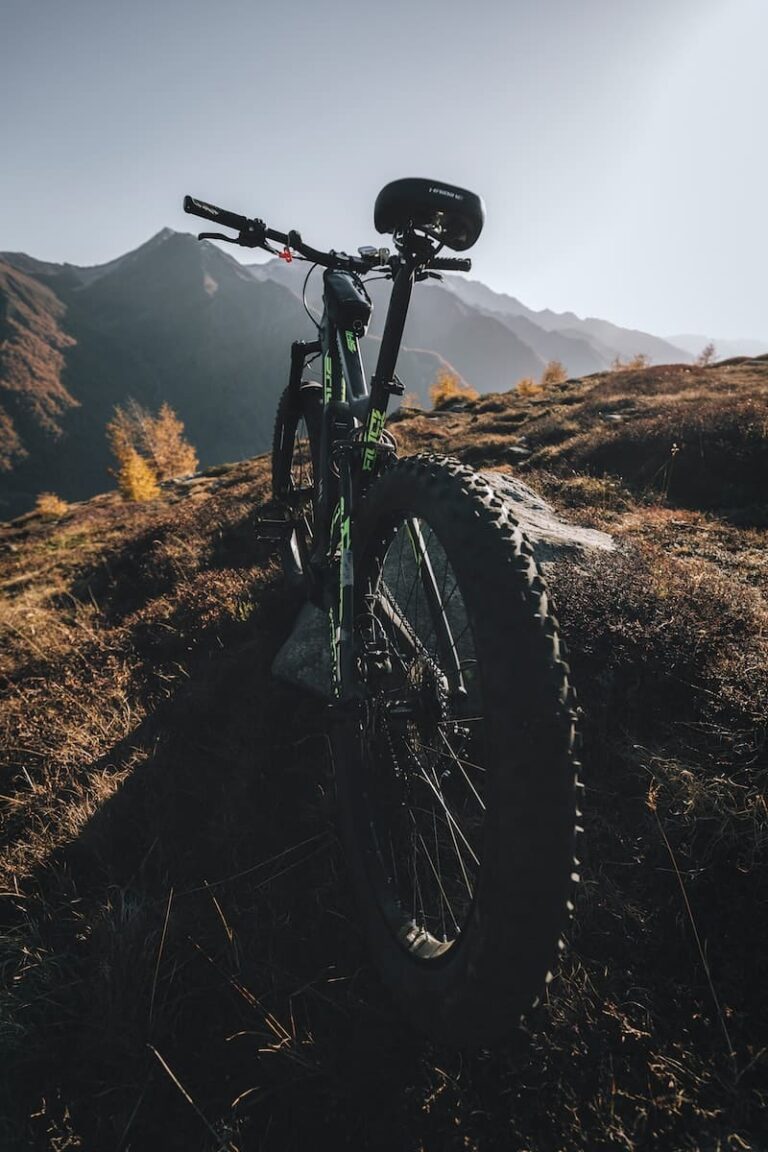
Just as you are better off buying the best mountain bikes for trail riding, the importance of appropriate trousers is also undeniable. A perfect pair of trousers is an inseparable part of your overall riding gear.
All those harsh trails and unknown tracks will always take a toll on your mind, body, bike, and of course, your clothes. However, the MTB riders are unanimous about the importance of high-quality trousers since it protects them from scratches and cuts while ensuring smooth pedaling through the course.
What makes the MTB trousers the best of their quality is sometimes debatable. But you can always come up with some common traits that will help you choose high-end trousers for your next adventures in the wilderness.
So, without any further ado, let’s dive into those telling features of MTB trousers that make them stand out in the crowd of endless supplies in the market.
1. Breathability and Venting
Breathable trousers can make your mountain biking experience cooler while working as your winter workout gear.
Your legs will work as propellers while heating up the pedals on your mountain bike through the bumpy roads and tracks for hours. While doing so, those strong ankles, calves, and thighs will need to vent out the heat occasionally.
With these requirements in mind, manufacturing companies are coming up with trousers and pants with breathability and venting systems. They’re making trousers with mesh-backed pockets that are able to provide more ventilation, unlike the ones made with thick fabrics.
2. Fitting
As you’re darting through gusty winds on your MTB, you always come across flapping and snagging trousers problems. This typically happens when your loose trouser fabrics are breathing in the wind heavily while occasionally getting hooked in the chain.
This problem doesn’t only impede the rhythm of your pedaling and speed but poses a lot of risks of accidents and severe injuries. That’s why you need to look for trousers that are tailored by the manufacturer to fit your pedaling movement.
Go for the 4-way stretch fabric which makes the trousers slim-fit on the riders’ legs.
3. Stretch
Apart from fitting, you must care about the stretchiness of your MTB trousers. Those long pedaling hours will feel gruesome on your legs if you’re restricted from free movement.
An ideal pair of MTB trousers should make you feel free on your legs, from under the waist to up to the ankles. Hence, be smart to choose trousers that contain stretch panels in major areas like shins, knees, and crotches.
Remember, high-end MTB trousers will allow you to propel your legs more freely while ensuring unwavering ease of pedaling.
4. Water Resistant
It’s never comfortable, nor risk-free to ride in soggy and heavy trousers. While mountain biking, you’ll surely ride through murky waters, thick mud, or splashes of fountain waters in the wilderness.
So, don’t ignore the importance of trousers that repel water sprays when you’re on wet trails. It’s not like you’ll always require wearing fully waterproof trousers; water-resistant and rear panel trouser fabric will do the trick.
Fully waterproof pants are only required during fall when you’re about to ride under heavy rain all day long. If you want to go with these pants, look out for the DWR (Durable Water Repellent) finish-based trousers.
5. Tear and Abrasion Proof
Dashing and racing in the jungles, riversides, mountains, or creeks can surely put your bike through dents while your trousers through tears and abrasions. And if your trousers aren’t resistant enough, you’ll have to pay for new ones more often than you want to.
The best solution is to buy tear and abrasion-proof trousers that will save your legs from the thorny bushes and abrasive rocks as you venture through them.
Ripstop nylon fabrics will work for you the best in this case as their manufacturing process involves reinforcing techniques to make the fabric stronger and more resistant.
6. Adjustable to Waist and Ankle
If you’re an avid mountain biker, you must know the significance of dressing comfortably while riding your two-wheelers.
That’s why you better look out for the MTB trousers that have tapered ankle style which will enable you to avoid snagging on the chains. You might want to go with the velcro zip or strap system to have adjustability on the ankle areas.
The standard MTB trousers for waist adjustments are available in ratchet-style buckles, button & fly, micro-adjustable fasteners, etc.
7. Additional Features
If you’ve been able to take care of the fabric, fitting, breathability, and other necessary stuff in your best mountain bike trousers, then you may focus on some additional features to make your choice more ergonomic and viable.
Nowadays, MTB trousers are available with zipped pockets that let you carry biking and camping essentials like a phone, diary, lighter, sunscreen, knife, etc. Besides, you may look for a zipped ventilation system in trousers.
Moreover, if you buy waterproof MTB trousers, you can pull them over your shoes with the help of the lower leg zips.
Final Words
If you want to buy the best mountain bike trousers, you must look for the top features we’ve mentioned in our article. But you can always stay with your old pair of pants if you’re still comfortable riding on your MTB in them.
Nonetheless, since MTB trousers have come a long way like other gear and essentials, it’s best to adapt to the latest designs and facilities that the market can offer.
Also, top-featured mountain bike trousers are not just for fashion; rather, they’re suitable for your safety, durability, and comfort when you’re riding on unprecedented trails under harsh weather.