Who would’ve thought Japan would be the place to be if you’re a rich dude in a suit suddenly craving street cred for owning an oversized hoodie with a stitched heart? Yes, streetwear just got a seat at the adult table, Human Made went public, Nigo and Pharrell Williams keep writing new rules, and distressed denim is officially dating the TSE (Tokyo Stock Exchange).
The Nigo Effect
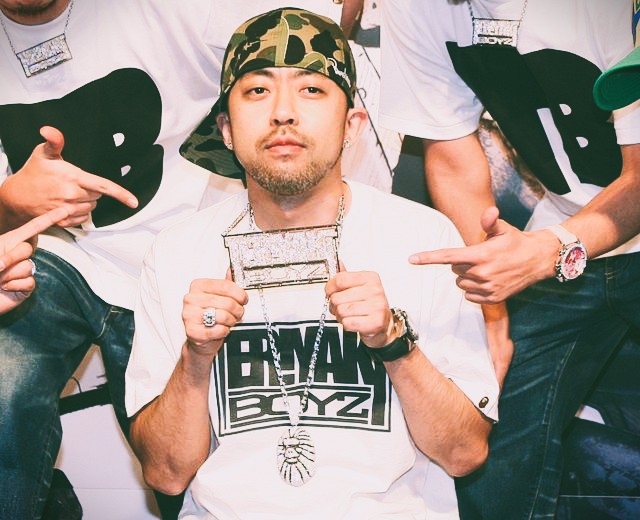
It all started back in the ‘90s, when Nigo was still screenprinting T-shirts for BAPE (A Bathing Ape), one of the big five that basically birthed streetwear as we know it and low-key invented hype culture before we even had a word for it. Then came BBC (Billionaire Boys Club), a collab with Pharrell, manager Rob Walker and lead designer for graphics Sk8thing, which gave ground to Ice Cream and a whole ecosystem of spin-offs. Fast-forward to 2010 when Human Made enters the picture. A brand built on Japanese craftsmanship, American workwear nostalgia, and that very specific vintage-meets-street culture that Nigo pulled off. Fan of it or not, it’s his most personal universe yet, where archival obsession, irony, and collector precision meet in one place, adding onto that urban DNA. Do I need to mention that on top of everything he’s also the man behind Kenzo’s creative direction? Talk about portfolios…
When Streetwear Grows-Up: Human Made Just Went Corporate
Turns out, TSE is the new playground for your favorite hoodie. With its IPO (Initial Public Offering) priced at 3,130 yen per share and roughly 17.8 billion yen (~$115M) raised, a mix of fresh capital and ex-shareholder sales, we see you guys, Human Made surely confirmed that streetwear can pay. Shares popped 13% on day one, which basically means the label still has gravity, it just wore a tie. Japan’s market has always had a soft spot for streetwear, and right now it’s booming, everyone from collectors to investors to people who just want in on the moment, are lining up to get a piece of those baggy silhouettes.
Why Are Investors Loving Streetwear Loyalty So Much?
Do shares come with free merch? Asking for a friend. Not literally, but streetwear loyalty is basically currency, no hoodies included though. But investors are hooked on the streetwear model. Scarcity, community, and die-hards, every drop is basically a mini IPO in itself. Lines, resell, the whole Internet cycle. When Pharrell puts his name on a brand, the market listens, exactly like it did with Kanye and countless other music-born insiders, and suddenly a drop starts feeling rather like an asset than a collection.
Can Nigo Keep It Human While Playing Wall Street?
Now that Human Made is hanging with the finance bros the real question is whether it can stay… well, human. IPOs mean pressure, deadlines, numbers, voices asking “what’s next”, but the vision is still coming from Nigo himself. Limited drops, vintage Americana vibes, and attention to detail make it hard for the brand to turn into another spreadsheet brand. The fanbase won’t let it happen anyway. Japanese streetwear culture has a way of keeping brands authentic even when the balance sheet grows, as long as Nigo’s calling the shots, Human Made is more likely to play Wall Street without losing its stitched heart.
Tokyo’s streets may be watching, but the stock market just learned how to respect a graphic tee.
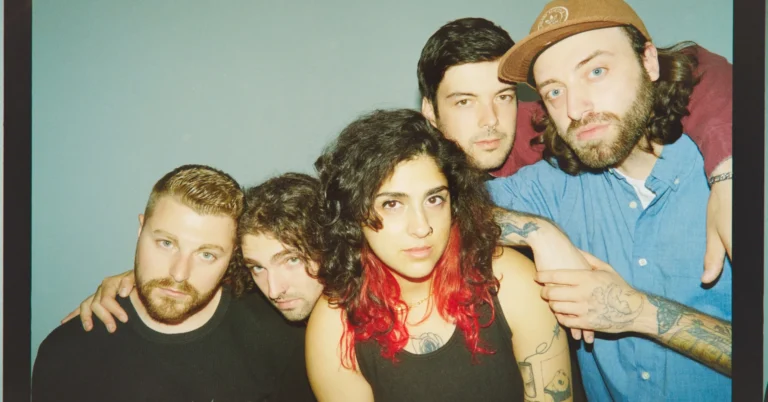
Philadelphia/New Jersey quintet Sweet Pill are back with news of their next album: Still There’s a Glow is slated for release on March 13, 2026, via Hopeless Records. The dynamic lead single ‘No Control’ is out today alongside a Johnny Komar-directed video. Check it out below.
“This is the first song we completed for Still There’s A Glow,” singer Zayna Youssef explained in a press release. “At that time, I was feeling a bit…indulgent. Taking what I want, whenever I wanted it, and disregarding the world all at the same time. I felt like my self worth was cheap, and that I had no boundaries as a healthy person. I quite literally had no self control. This song is sort of my way to rock bottom. It is my fancy way of calling myself a pushover, unconfident, and ungrateful. I had this ‘grass is always greener’ kind of mentality and wanted more when I already had it and then some.”
Following their 2022 debut LP, Where the Heart Is, the new album was written and recorded after the band scrapped essentially an entire album’s worth of demos. “I went through some depression last spring, and then I went into therapy. It was also a big turning point in my life as I was about to turn 30, while I’d written our first record when I was graduating from college–that’s a big change,” Youssef reflected. “I could’ve kept making bad choices because they’re easy, but I had to come clean to myself. Half the album was written before and the other half after, so the songs are kind of hard on myself but some are also hopeful, with a light at the end of the tunnel. You put out a fire, there’s still an ember that’s still glowing–that’s the record. It’s about being at a low and climbing out of it.”
Youssef added: “A lot of the album is about the hurdle of being kind to yourself, making good choices for yourself. This was our first time writing as a band and to an audience, and it’s so honest and vulnerable. I hope it makes people feel like they can be honest with themselves in the same way.”
1. Sunblind
2. Shameless
3. No Control
4. Glow
5. Slow Burn
6. Smoke Screen
7. What the Devil Is Selling
8. Makes Me Sick
9. Rotten
10. Jinx
11. Tough Love
12. Holding On
13. Letting Go
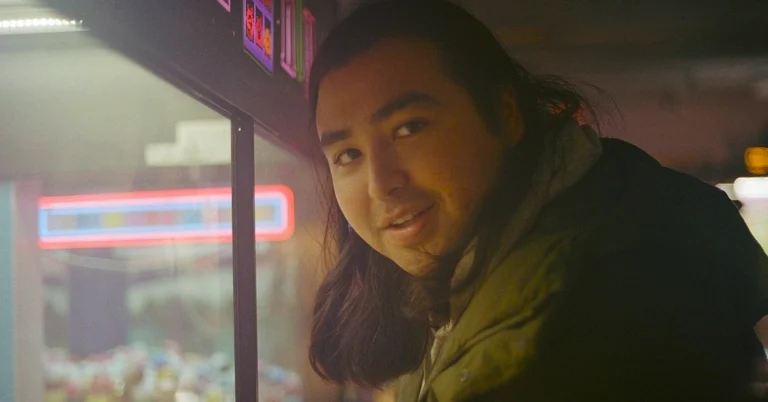
Bory, the project of Portland power-pop artist Brenden Ramirez, is back with a new single titled ‘We’ll Burn That Bridge When We Get to It’. It marks the singer-songwriter’s signing to Bleak Enterprise, a new Toronto-based imprint that will release a new LP, to follow up his 2023 debut Who’s a Good Boy, in early 2026. Check it out below.
“This song (and a lot of songs on this record) explores my non-confrontational tendencies,” Ramirez said in a statement. “I sometimes get caught up in the social gymnastics of wanting to please everyone and I wrote this at an emotional time when it felt like regardless of what I do or say, someone is not going to be happy about it.”
NOTHING have released a new single, ‘purple strings’, the latest preview of their forthcoming album a short history of decay. Following the explosive ‘cannibal world’, the track is stripped-back and shadowy, featuring a full string ensemble, including mesmerizing performances from harpist Mary Lattimore, Jason Adams on cello, and Camille Getz on violin. Check it out below.
a short history of decay is set for release on February 27 via Run for Cover. Along with today’s single, the band has announced an extensive tour that will take them across North America as well as Japan and the UK before performing at their own Slide Away Festival in May.
Between 2018 and 2024, driving after cannabis use among Canadians decreased from 27 % to 18 %, showing a meaningful shift in behaviour. This nearly one-third reduction indicates that more people are thinking carefully about safety, perhaps due to awareness campaigns and a stronger understanding of the risks involved.
Among those who had used cannabis in the past year, 79 % said they believe cannabis impairs driving. This strong majority likely helps explain the reduced driving after use numbers.
What Does “Driving After Use” Really Mean?
The survey asked about two behaviours: driving within 2 hours of smoking or vaping cannabis, or within 4 hours of ingesting edibles or other ingested forms. Overall:
16 % reported driving within 2 hours of smoking or vaping
10 % reported driving within 4 hours of ingesting cannabis
If someone did either, they were counted in the overall 18 %. This method gives a clearer, more conservative picture than assuming any use.
Trends by Gender and Use Patterns
The decline is consistent across different groups, although usage patterns vary. Among males who used cannabis in the past year, 24 % reported driving after use, while for females it was 13 %.
The overall number of people using cannabis daily or nearly every day has remained relatively stable at about 25 % since 2018. While regular use remains common, the willingness to drive afterwards appears to have lessened, which suggests people may be better informed about the risks.
Why This Matters
Driving under the influence of cannabis can impair reaction times, decision-making, and coordination. A steady decline in driving after use reported by users themselves suggests more responsible behaviour and greater public awareness. Considering that nearly three-quarters of consumers now obtain cannabis seeds from legal sources, making regulation, education, and labelling easier, this trend could reflect the effectiveness of public safety and harm reduction strategies.
For people who consume cannabis, and especially those who grow their own, responsible use is key. Whether purchased legally or cultivated from Cannabis seeds, planning and refraining from driving under the influence remains key.
What Remains to Be Seen
Although lower than in 2018, the 18 % figure still reflects a significant share of users. It includes potential repeat offenders and might understate occasional but risky behaviour, like driving after THC-rich edibles or combining cannabis with alcohol. Reporting by users themselves can also underrepresent actual incidents. Ongoing public education and perhaps better detection or enforcement could help lower this number further.
Final Thoughts
A reduction from 27 % to 18 % in driving after using cannabis reported by users themselves is a promising indicator of growing responsibility among Canadians. However, it is not a reason for complacency. If you choose to consume, do so responsibly. Whether you source cannabis from licensed retailers or you grow starting from Cannabis seeds, always plan and avoid driving while impaired.
If you want to explore high-quality strains and start your own grow, check out our seed company at https://rocketseeds.com
In the last ten years, the link between how real a game looks and how emotionally involved a player is has changed a lot. At first, pixel art characters had simple upward curves to show happiness. Now, they have complex facial animations that show small changes in expression that we see every day. One part of this change is improving the graphics. Another part is how players interact with the virtual worlds and the stories that happen in them.
The Science of Processing Emotions in Pictures
Our brains are very good at taking in and understanding visual information. When we see a character’s face twist in pain or light up with real joy, mirror neurons fire in a way that makes us feel empathy right away. Game developers have learned how to use this biological response by making their rendering methods more and more advanced. Real-time graphics engines can now figure out lighting, shadows, and small facial expressions on their own. This makes it look like things are happening on the fly instead of being planned.
It’s not just the number of polygons that make this a technical success. New engines can keep track of hundreds of blend shapes for facial animation, make eye movement look real by using the right saccades and tracking, and even show how light scatters under skin surfaces. We don’t even know how these details get into our heads, but they make characters seem real in ways that fit with everything we know.
Telling Stories About the Environment with Pictures
The way things look in a game world can tell you how the characters are feeling before they say anything. Not only does a street with neon signs that reflect off the rain look cool, but it also sets the mood for some games. When fog rolls through a forest and hides some of what’s ahead, we naturally become more careful. Developers put as much thought into these worlds as filmmakers do into movies, but players control the speed and the camera, which makes it even harder.
A big part of this emotional manipulation is the lighting. The warm, golden-hour light coming through the windows makes me feel calm and nostalgic. People don’t like being in places with bright fluorescent lights. The best games change these things on the fly as the story moves forward, making sure that the mood of the world matches the story beats without being too obvious.
Animation of Characters and Player Involvement
At some point, the quality of the animation affects how much players care about the results. When the characters move like robots, we don’t feel close to them. It’s hard to care about characters who don’t move like real people. It all makes sense when a character naturally shifts their weight while waiting, fidgets with their clothes during tense conversations, or reacts to things happening around them at the right time.
You can get motion capture technology more easily now, but the real magic happens when you make it better. Animators change the timing, add secondary motion, and do other things to make sure that performances look real. A character catching their breath after a sprint, with their shoulders moving up and down with the action, is a better way to show how tired they are than any health bar.
When games do this well, they make memories that last a long time. We can remember how a character looked at us when we had to make a tough choice or how they stood up when they heard bad news. If these visual performances didn’t have advanced real-time graphics that made them look good no matter what lighting or camera angle the player chose, they wouldn’t work.
How Important It Is to Stay Immersed
The visuals need to be the same quality in all parts for emotional engagement to work. Players lose interest when character models look real but environments feel sterile and fake, or the other way around. The best games have a consistent style of art that makes everything look the same, from the main characters to the props in the background.
This consistency also applies to how materials and physics work. These things work together to make worlds that feel real and alive. For example, cloth that hangs and flows naturally, water that moves when things pass through it, and debris that moves realistically during action scenes. Players may not be aware of when these details are done well, but they will definitely notice when something acts strangely, which breaks the emotional spell.
Emotional Design and Interactive Entertainment
The gaming industry has come a long way since the days of story-driven games. The HelloMillions online social casino platform shows how the look of a game can change how players feel, even in games that are more about chance and having fun with friends than telling a story. Real-time graphics make the game exciting by making you feel happy and sad. For instance, how cards flip, how slot animations build excitement, and how players get visual feedback when they win.
These rules for design work for all kinds of games. For visual feedback to be satisfying, it has to come at the right time. To get this balance right, you need to know how players react to visual information when they’re in different moods. For example, numbers that are the right weight and color, particle effects that celebrate achievements without being too distracting, and UI elements that look good while still giving clear information.
What Will Happen to Graphics That Make You Feel in the Future
It’s incredible how fast technology is changing. Ray tracing gives us lighting that is both real-time and accurate in the real world. With just a few simple controls, facial animation systems can make thousands of different faces. And now, machine learning is used to make animations look real. A few years ago, groups of experts worked together for months to build something. These days, it can be done in just a few days or weeks.
Just because something is technically good doesn’t mean it will make you feel anything. The games that have the most effect are the ones that have great graphics, a strong art direction, design choices that are made on purpose, and respect for the player’s freedom. Instead of making things look real, developers are using stylized visual styles that make feelings clearer. They know that sometimes it’s better to use abstraction to show how they feel than to try to be exactly like reality.
People Who Made Technical Success Happen
Every emotional scene in a game is the result of collaboration between a team of designers, programmers, and artists. They make numerous minor decisions. Which hues will create the ideal atmosphere? When speaking, how should this person’s eyes convey that they are struggling? How can I make this ability feel powerful without interfering with gameplay using particle effects?
These creative decisions, made possible by sophisticated graphics technology, can evoke strong emotions in players, such as laughter, tears, triumph, or genuine loss. The vision is made possible by the technology, but the players’ emotions are determined by their imagination and compassion.
Technical proficiency and emotional nuance are partners, not rivals, as demonstrated by modern gaming. We are witnessing a medium realize its full potential for creating intensely personal experiences as real-time graphics technology advances and becomes more user-friendly. The best games evoke emotions in us that we never would have imagined a collection of pixels and polygons could; they do more than just look good.
Helping People Tell Stories That Make Them Feel Things
Over time, the connection between how things look and how they make you feel will only get stronger. As rendering techniques get better and development tools become more widely available, smaller teams will be able to make visuals that used to require a lot of studio resources. Because of this, the medium will be able to show a wider range of emotions and cultural points of view. More people will be able to change how games look and feel.
Even as graphics technology gets better, the goal of making virtual experiences that touch on our real human ability to feel, care, and connect will not change. The best thing about interactive entertainment is that it can make us care about what happens in these worlds.
Artline.bet is a relatively new cryptocurrency-based sportsbook designed for users who value a quick start and privacy. Accounts are denominated in USDT, and all deposits and withdrawals are handled via popular cryptocurrencies with automatic conversion. Support is provided in English, and the platform claims a loyal attitude towards professional betting strategies, including arbitrage and value betting. There are no complaints regarding account blocks or unpaid winnings.
Key Features of ArtlineBet
User Access: Open to players from various countries.
Betting Modes: Both Prematch and Live betting for sports and esports.
Languages: Interface available in English and Spanish.
Account Currency: USDT (Tether).
Deposits: Made via cryptocurrencies, automatically converted to USDT.
Minimum Deposit: 10 USDT.
Maximum Deposit per Transaction: 5,000 USDT.
Minimum Withdrawal: 25 USDT.
Maximum Withdrawal per Transaction: 5,000 USDT.
Fees: No bookmaker fee; users only pay blockchain network fees.
Apps: Currently web-based only; no standalone mobile apps.
Bet Types: Singles, parlays, live, and long-term markets.
Sports Coverage: Includes football, basketball, tennis, hockey, esports (CS2, Dota 2, LoL, etc.), with totals, handicaps, and specialty markets.
Support: Available via email (support@artline.bet), live chat, and internal messaging.
Registration Process
ArtlineBet simplifies onboarding by skipping the traditional KYC process. Users only need an email and password, or can sign up via Google for quicker, anonymous access.
Steps to Register:
Visit Artline.bet and click “Register”.
Choose between Google login or email-based registration.
For email: enter your email, create a password, and confirm it.
Confirm you’re 18+ by ticking the box.
Click Register to complete the process and start betting.
It’s crucial to use a reliable email and secure password. Forgotten passwords can be reset via the “I don’t remember the password” feature.
Depositing Funds
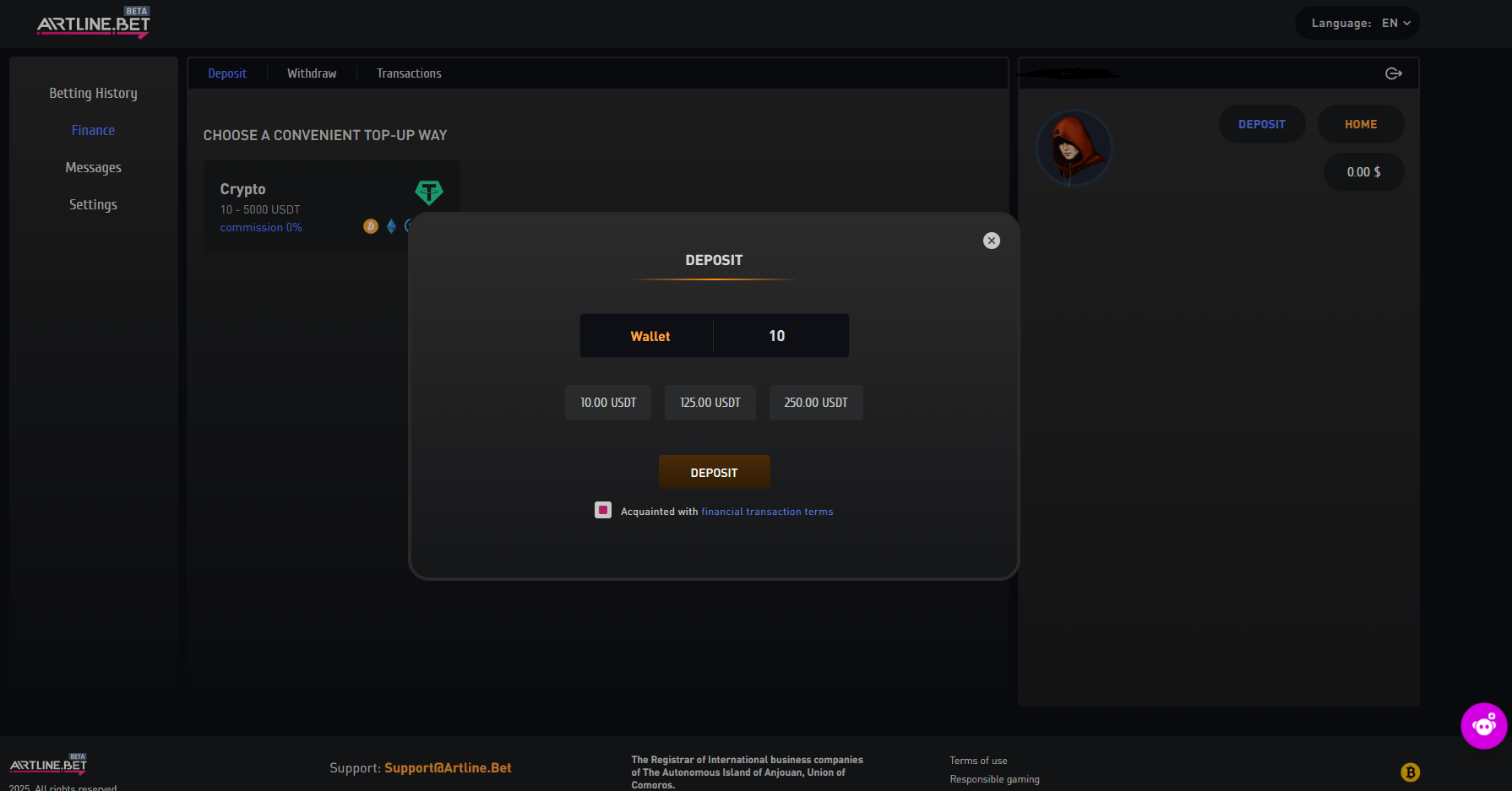
All transactions within Artline.bet are settled in USDT. Users can fund accounts using various cryptocurrencies which are converted to USDT automatically.
Minimum deposit is 10 USDT, maximum is 5,000 USDT per transaction. Blockchain network fees apply (no fees from ArtlineBet). Deposit time depends on blockchain load (usually minutes to tens of minutes)
To Deposit:
Log in and go to “Finance” → “Deposit” → Select “Crypto”.
Enter the amount and generate a wallet address.
Transfer crypto to the generated address.
Withdrawals
Withdrawals are made in USDT via the TRON (TRC-20) network. Minimum amount is 25 USDT. Maximum per transaction is 5,000 USDT. Usually instant processing, depending on blockchain confirmation times. Only TRON network fees apply
Important: Always double-check your wallet address – transactions on the blockchain are irreversible.
Market Coverage, Odds, and Bet Types
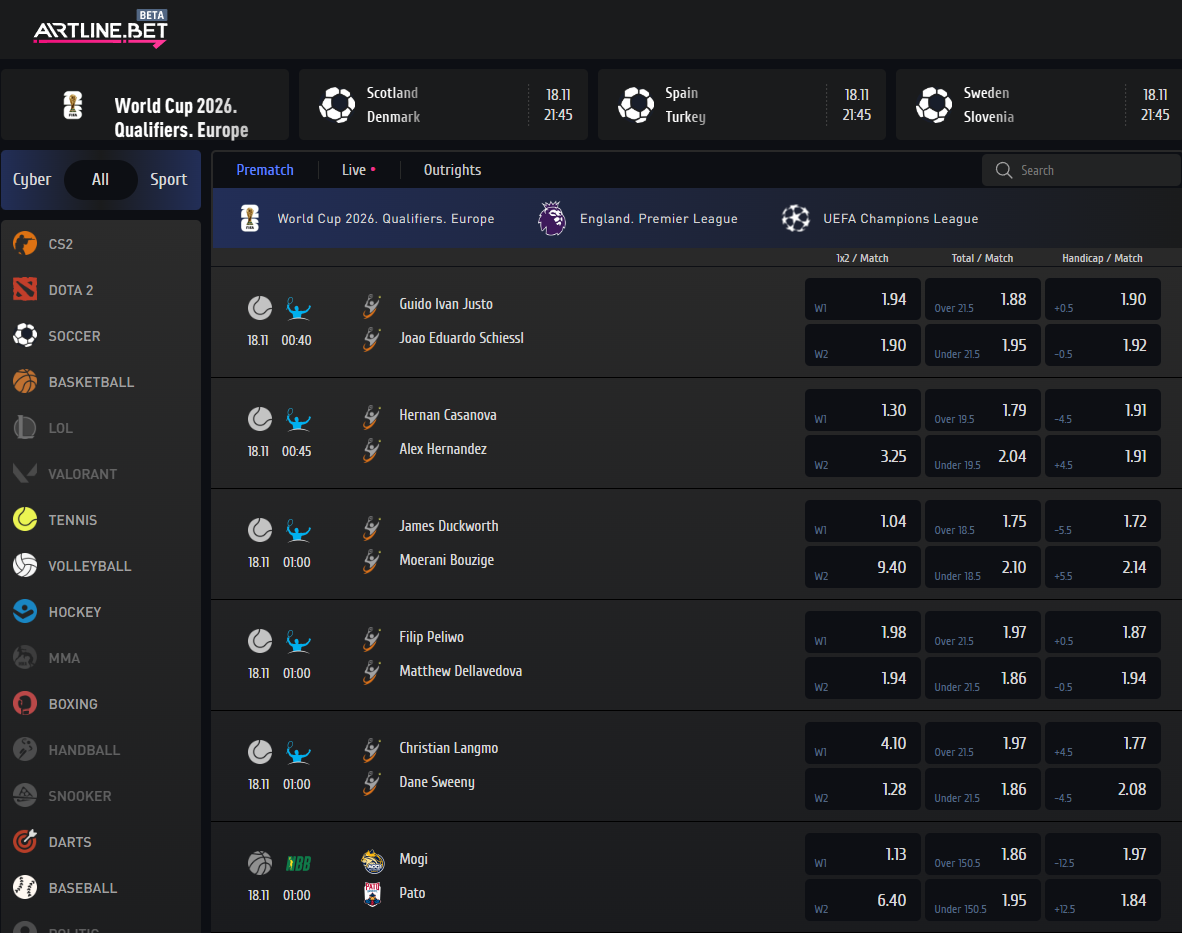
Artline.bet offers a solid range of events across sports and esports, with both prematch and live betting available.
It includes: global/national football, basketball, tennis, hockey, boxing, MMA, volleyball, and more; esports like CS2, Dota 2, LoL, Valorant, with bets on maps, totals, handicaps, and stats; special markets for added variety.
Available market types are traditional outcomes (1X2), totals and handicaps, individual team/player totals, combination of bets, segment-based bets (halves, quarters, sets).
Odds are competitive and margins are aligned with other crypto sportsbooks, ideal for value bettors.
Betting Styles & Strategy Tolerance
Artline supports two main betting formats: Single bets and Parlay bets.
While complex systems must be built manually, the interface is optimized for simplicity and speed.
Importantly, ArtlineBet welcomes professional strategies, such as:
Arbitrage (surebets): bettors often exploit price discrepancies across platforms to profit from arbitrage betting.
Value betting: identifying overpriced odds with a statistical edge.
There are no strict limitations or mandatory verification, making the platform appealing to experienced bettors.
Rules & Settlement
Standard global bookmaker rules apply:
Settlements are based on official results.
Prematch bets placed after event start are void (except for live bets).
Events postponed over 48 hours typically result in refunded bets.
Abandoned or canceled matches lead to refund unless outcomes are already determined.
Sport-specific rules apply; users should review Artline.bet’s detailed terms.
Getting Started: Quick Guide
Register and log in.
Deposit using cryptocurrency.
Choose between “Prematch” or “Live”.
Select a sport, tournament, and event.
Click on desired odds to add to your bet slip.
Enter stake, confirm, and place your bet.
Track results in the “Betting History” section.
Support is available here via email (support@artline.bet), on-site live chat and internal messaging via the user dashboard
Documentation includes “Terms of Use”, “Juego responsable”, and “Política de privacidad”, offering guidance and legal terms.
Pros & Cons
Pros:
No mandatory KYC; simple email or Google registration.
Friendly to arbitrage/value bettors.
All-account operations in USDT with flexible crypto deposits.
Low entry barrier (10 USDT) and reasonable limits.
No platform-side fees for deposits/withdrawals.
Clean split between Prematch and Live interface.
Cons:
No operating license.
Only crypto-based payments (no fiat or cards).
Limited language support and no native apps.
Conclusion
Artline.bet is a niche crypto sportsbook ideal for experienced users who prioritize privacy, USDT transactions, and strategy flexibility. While the lack of a license and fiat options may deter some, its ease of use, strategic freedom, and solid market coverage make it a compelling option for savvy bettors.
“So, how good of a knight are you?” That’s the question ringing through the new trailer for HBO’s upcoming A Knight of the Seven Kingdoms, the second Game of Thrones prequel series that’s set to explore a calmer but compelling corner of Westeros. Taking place a century before the original show, A Knight of the Seven Kingdoms follows the “unlikely hereos” Ser Duncan the Tall and his squire Egg as they work their way through tournaments, shifting politics, and the lingering presence of dragons.
Based on what we’ve seen (and heard) so far, the upcoming TV series will tell a completely different kind of story, with a lighter, more humorous tone that’s more in line with George R. R. Martin’s Dunk & Egg novellas, which have long been regarded as his most laid-back writings. So if you’re curious about when the show premieres, what the story will be about, who’s in the cast, and everything in between, here’s all you need to know about HBO’s A Knight of the Seven Kingdoms.
HBO’s A Knight of the Seven Kingdoms: Release Date and Episodes
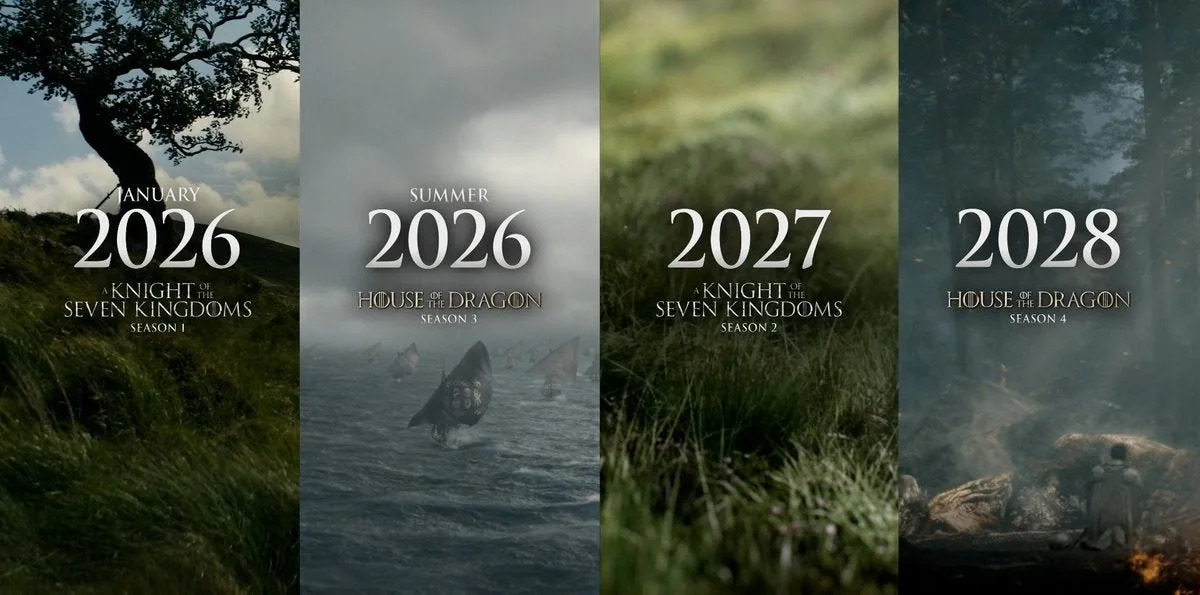
Your New Year’s binge is pretty much sorted, as A Knight of the Seven Kingdoms will premiere on HBO and HBO Max starting January 18, 2026. The first season will consist of six episodes, three of which are directed by Owen Harris and the other three by Sarah Adina Smith.
HBO’s A Knight of the Seven Kingdoms: Cast
Don’t expect to see any familiar faces in the cast of HBO’s A Knight of the Seven Kingdoms, since the series takes place long before Game of Thrones and a little after the events of House of the Dragon. Instead, we’ll meet an entirely new cast of characters, led by Peter Claffey as Ser Duncan the Tall, the titular hedge knight, and Dexter Sol Ansell as his squire Aegon Targaryen (“Egg”). The ensemble additionally includes Finn Bennett as Aerion Targaryen, Bertie Carvel as Baelor Targaryen, Tanzyn Crawford as Tanselle, Daniel Ings as Ser Lyonel Baratheon, and Sam Spruell as Maekar Targaryen.
Here’s the full cast list forHBO’s A Knight of the Seven Kingdoms:
Peter Claffey as Dunk/Ser Duncan the Tall
Dexter Sol Ansell as Egg
Finn Bennett as Prince Aerion Targaryen
Bertie Carvel as Prince Baelor Targaryen
Sam Spruell as Prince Maekar Targaryen
Henry Ashton as Daeron Targaryen
Daniel Ings as Ser Lyonel Baratheon
Tanzyn Crawford as Tanselle
Danny Webb as Ser Arlan of Pennytree
Steve Wall as Lord Leo Tyrell
Daniel Monks as Ser Manfred Dondarrion
Ross Anderson as Ser Humfrey Hardyng
Edward Ashley as Ser Steffon Fossoway
Shaun Thomas as Raymun Fossoway
Youseff Kerkour as Steely Pate
Tom Vaughan-Lawlor as Plummer
What Will HBO’s A Knight of the Seven Kingdoms Be About?
As already pointed out, the plot of HBO’s A Knight of the Seven Kingdoms will chronicle the exploits of Egg, an enthusiastic young squire, and the hedge knight Ser Duncan the Tall. Based on George R. R. Martin’s Dunk & Egg novellas, the series takes place 72 years after House of the Dragon and 100 years before Game of Thrones. Here’s what the official logline of the series reads:
“A century before the events of “Game of Thrones,” two unlikely heroes wandered Westeros… a young, naïve but courageous knight, Ser Duncan the Tall, and his diminutive squire, Egg. Set in an age when the Targaryen line still holds the Iron Throne, and the memory of the last dragon has not yet passed from living memory, great destinies, powerful foes, and dangerous exploits all await these improbable and incomparable friends.”
George R. R. Martin and showrunner Ira Parker have hinted that the series will focus on tournaments and the grounded, boots-on-the-field life of a knight, rather than the sprawling battles of the later shows. Martin had long wanted to build a story around a full medieval tournament and even challenged the show’s writing team to come up with “the best jousting sequences ever put on film,” which ultimately shaped the entire tone of the series.
Talking a bit about the upcoming show during a New York Comic-Con panel, Martin revealed, “I always love Medieval tournaments in other pictures. We had several tournaments in Game of Thrones, they were in the background, but not the center. I wanted to do something set during a tournament. I sent (the TV writers) a challenge: Let’s do the best jousting sequences that were ever done on film. My favorite was 1952’s Ivanhoe.”
HBO drama head Francesca Orsi also teased that the action in A Knight of the Seven Kingdoms will be similar to what we’ve seen in the GOT shows. Talking to THR, Orsi had said, “We’re doing a Game of Thrones spinoff titled A Knight of the Seven Kingdoms for under $10 million in episode, [which is peanuts] relative to what Game of Thrones or House of the Dragon cost episodically,” and went to add, “And the battle sequences that the directors achieved match those across Game of Thrones and are a fraction of the price, so it’s a lesson for us that we need to be challenging these budgets.”
And don’t expect any dragons in A Knight of the Seven Kingdoms, as the show’s story is set 72 years after House of the Dragon and 100 years before Game of Thrones, which puts it in the era when the Targaryens no longer had dragons.
Is There a Trailer for HBO’s A Knight Of The Seven Kingdoms?
Yes, there’s a trailer forA Knight of the Seven Kingdoms, and it gives a clear feel for the type of story the show will tell. The trailer opens on an ominous shot of armored knights ready for battle, seen through the narrow visor of one very anxious knight. We then cut to Baelon Targaryen asking Ser Duncan the Tall, who has just been knighted following the death of his mentor, how good he actually is. Duncan answers with “You’ll see” and then immediately walks into the wrong door, which tells you what kind of vibe this show will lean into.
Instead of following ruthless lords vying for the Iron Throne, the show will focus on a scrappy hedge knight trying to make a name for himself. Despite this, he finds an ally in Egg, who offers to be his squire because “every knight needs a squire” and Duncan looks like he needs “one more than most.”
The trailer also shows Duncan setting his sights on winning a major tournament in the hopes that a powerful house will eventually bring him into its service. However, things take a turn when he’s pitted against Prince Aerion Targaryen and everyone around him advises him to flee since the outcome will be bleak either way. But Duncan ultimately chooses to stay and fight. The trailer ends with him facing Prince Aerion Targaryen and calling out to the crowd, “Has honor deserted the noble houses of Westeros?Are there no true knights among you?”, only to be met with silence. “Was that ill-handled,” Claffey’s Ser Duncan the Tall asks at the end. Well, we’ll soon find out.
Image Credit: Warner Bros.
Will There Be a Season 2 of HBO’s A Knight Of The Seven Kingdoms?
There’s plenty more adventure ahead for our two unlikely heroes as A Knight of the Seven Kingdoms is already confirmed for Season 2. HBO locked in the renewal even before Season 1 debuted, with Season 2 currently planned for 2027.
During the recent CCXP (Comic Con Experience) in São Paulo, Peter Claffey, who plays the titular knight in the show, revealed that A Knight of the Seven Kingdoms will soon begin shooting Season 2, saying, “On Tuesday, we start filming season two!”
While laying out the broader roadmap for upcoming GOT spin-offs, Francesca Orsi, EVP of HBO Programming and Head of HBO Drama Series and Films, said, “We are thrilled to be able to deliver new seasons of these two series for the next three years, for the legion of fans of the Game of Thrones universe. Together, House of the Dragon and A Knight of the Seven Kingdoms reveal just how expansive and richly imagined George R. R. Martin’s universe continues to be. In January, I think audiences will be delighted by the inspiring underdog tale of Dunk and Egg that George and Ira Parker have captured so beautifully. And this summer, House of the Dragon is set to ignite once again with some of its most epic battles yet.”
Are There Any Other Shows Like HBO’s A Knight Of The Seven Kingdoms?
The closest match is, unsurprisingly, the larger world it comes from. If you want more of Westeros, the natural starting point is Game of Thrones, followed by its ongoing prequel, House of the Dragon, which digs deeper into the Targaryen dynasty and the events that shape the kingdom nearly a century before Dunk and Egg’s adventure. If you’re after historical dramas or darker fantasy, check out The Last Kingdom, Vikings, Black Sails and Shogun.
Dijon was the musical guest on last night’s episode of Saturday Night Live, which was hosted by Melissa McCarthy. Backed by a full ensemble, the neo-soul singer delivered a splendid performance of ‘Higher’ and a medley of ‘Baby’ and ‘Another Baby’ from his record Baby – one of the best albums of 2025. Watch it happen below.
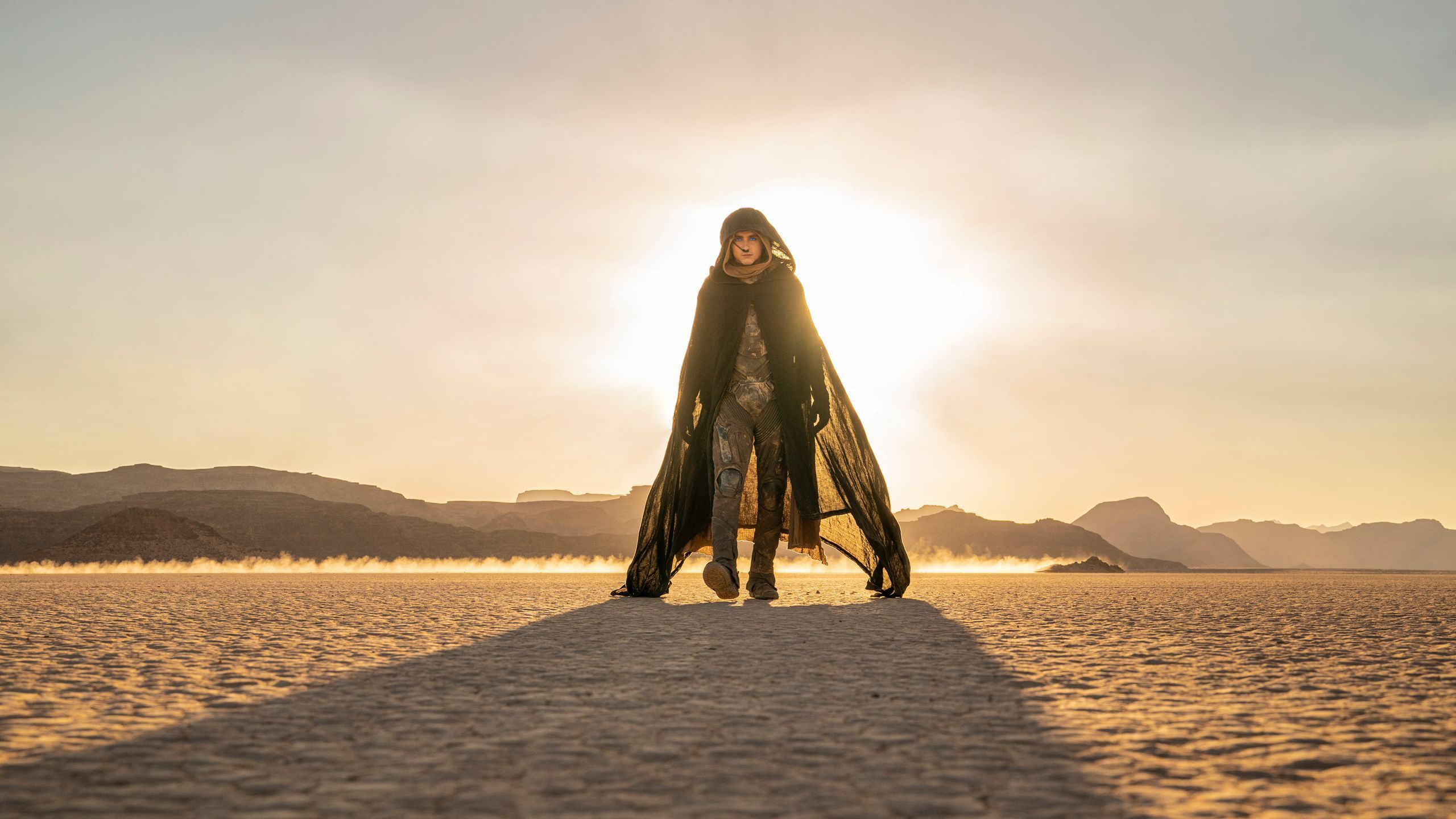
Denis Villeneuve made it clear right from the start that his adaptation of Dune would take three films. The first two would cover the first book and a third one would wrap up the full arc he set out to tell. That plan is finally coming to fruition with Dune 3, which, according to lead star Timothée Chalamet, has already wrapped filming and is set to hit theatres in 2026. Officially titled Dune: Part Three, Villeneuve’s planned final film will adapt Frank Herbert’s second book, Dune Messiah and will most likely explore the aftermath of Paul’s ascension, the cost of the war that began the moment he claimed power, and the political and personal consequences.
With an all-out galactic war about to reshape the Known Universe, here’s a complete guide to everything we know so far about Dune: Part Three, from the release date and cast to plot details, trailers and what Villeneuve’s final entry means for the franchise’s future.
Dune: Part Three: Release Date
Mark the date, as Denis Villeneuve’s spice-fueled sci-fi saga will return with Dune: Part Three on December 18, 2026.
Dune: Part Three: Cast
If you felt the cast of the first two Dune films wasn’t already stacked with top talent, Dune: Part Three adds even more star power, pulling in some big new names while also bringing back the main ensemble from the first two films. Warner Bros. has yet to announce the official cast lineup, but it’s almost certain that Dune: Part Three will see Timothée Chalamet reprising his role as Paul Atreides alongside Zendaya as Chani. Rebecca Ferguson has already announced she’ll be back as Lady Jessica, while Florence Pugh has said Princess Irulan will return in the next chapter.
Jason Momoa has also revealed that he’ll reprise his role as Duncan Idaho, despite the character’s death in the first film. Other cast members, including Josh Brolin’s Gurney Halleck, Christopher Walken’s Emperor Shaddam IV, and Léa Seydoux’s Lady Margot Fenring, are expected to show up as well, though nothing has been officially announced yet.
As for newcomers, the biggest addition has to be Robert Pattinson as Scytale. Pattinson confirmed his involvement in Dune: Part Three by joking about just how hard it was to film in the heat, saying, “When I was doing Dune, it was so hot in the desert that I just couldn’t question anything. And it was so relaxing, like my brain actually wasn’t operating, I did not have a single functioning brain cell.”
Additionally, Dune: Part Three will see Momoa’s son Nakoa-Wolf Momoa make his big-screen debut as Leto II Atreides, while Ida Brooke will star as Ghanima Atreides. Here’s the current expected cast lineup for Dune: Part Three:
Timothée Chalamet as Paul Atreides
Zendaya as Chani
Robert Pattinson as Scytale
Rebecca Ferguson as Lady Jessica
Florence Pugh as Princess Irulan
Jason Momoa as Duncan Idaho
Nakoa-Wolf Momoa as Leto II Atreides
Ida Brooke as Ghanima Atreides
Josh Brolin as Gurney Halleck
Christopher Walken as Emperor Shaddam IV
Léa Seydoux as Lady Margot Fenring
Charlotte Rampling as Reverend Mother Mohiam
Javier Bardem as Stilgar
Image Credit: Warner Bros.
What Will Dune: Part Three Be About?
Now, this is where things get interesting. Dune: Part Three still doesn’t have an official plot synopsis, but all signs point to it adapting Frank Herbert’s second book, Dune Messiah. If that holds true, the upcoming film is unlikely to pick up where Part Two left off, instead moving the story about 12 years, as the events of the book transpire long after Paul first seizes the throne.
In an interview with Deadline, director Denis Villeneuve dropped some major hints about where things might be headed, teasing that the upcoming film will “finish the Paul Atreides arc.” As Villeneuve puts it, “Like Herbert did with Dune: Messiah, I think it’ll be a great idea to do something completely different. The story takes place like 12 years after where we left the characters at the end of Part Two. Their journey, their story is different this time, and that’s why I always say that while it’s the same world, it’s a new film with new circumstances.”
Herbert’s Dune: Messiah’s synopsis reads, “Dune Messiah continues the story of Paul Atreides, better known—and feared—as the man christened Muad’Dib. As Emperor of the known universe, [Paul] possesses more power than a single man was ever meant to wield. Worshipped as a religious icon by the fanatical Fremen, Paul faces the enmity of the political houses he displaced when he assumed the throne—and a conspiracy conducted within his own sphere of influence. And even as House Atreides begins to crumble around him from the machinations of his enemies, the true threat to Paul comes to his lover, Chani, and the unborn heir to his family’s dynasty…”
If Villeneuve sticks to the book, Dune: Part Three will pick up in the aftermath of a galaxy-spanning jihad that has killed billions. Chalamet’s Paul, now Emperor, will face growing resistance as the Bene Gesserit, Spacing Guild, and Tleilaxu team up to topple him. Given that Momoa, along with his son and Ida Brooke, are in the film, we can expect the film to feature some important bits from Herbert’s book, like the return of Duncan Idaho as a clone, the birth of Paul and Chani’s twins, as well as Paul confronting his own future as he goes blind but continues to “see” through prophetic visions tied to his children.
The ending of Dune: Part Two teases some of these story bits as Paul secures the imperial throne by agreeing to marry Princess Irulan while sheltering himself from the Bene Gesserit and the royal court. He even unleashes the Fremen across the galaxy, which triggers the holy war he has foreseen from the very start. Devastated by his political choices, Chani walks away from him, but Paul’s visions show that the two of them would eventually meet again, something the book explores in painful detail.
Are There Any Other Films Like Dune: Part Three?
Well, you can start by catching up on the first two Dune films, and if you are already done with those, we’d recommend that you check out Denis Villeneuve’s Blade Runner 2049 and Arrival. Moreover, you can also watch 1968’s 2001: A Space Odyssey, which continues to be a cult sci-fi classic even today, as well as Ridley Scott’s Alien and James Cameron’s Aliens.