Home Blog Page 125

Mastering the Art of Independent Cinema: Producer Zhiyan Li on Achieving Cinematic Brilliance on a Shoestring Budget

0

In the competitive landscape of filmmaking, the pursuit of artistic vision often clashes with the stark realities of limited budgets. Yet, for Los Angeles-based producer Zhiyan Li, this challenge is not a deterrent but a fertile ground for innovation. With a rich background blending Eastern aesthetics and Western narrative structure, Li has carved a niche for herself by producing compelling, visually distinct films that resonate deeply, often with remarkably modest financial backing. Her philosophy centers on strategic planning, creative collaboration, and a deep understanding of how to translate directorial intent into achievable, cost-effective execution.

Li’s most profound lesson in low-budget filmmaking came during the production of the micro-short film, Liminal. Shot in a single day with a crew of fewer than ten individuals, the project demanded an extraordinary level of resourcefulness. “The lowest budget I’ve worked with was on a micro–short film, Liminal, that had to be shot in a single day with a team of under ten people,” Li explains. “Even with extremely limited resources, we still achieved a polished visual tone through careful planning, minimal but expressive lighting, and designing every shot around what we could realistically execute.” 

This very experience, she notes, fundamentally reshaped her approach to all subsequent low-budget endeavors. “That experience shaped the way I approach all low-budget projects now: by leaning into simplicity, clarity of intention, and creative restraint rather than trying to imitate large-scale productions.”

The success of Liminal wasn’t a matter of luck, but meticulous planning and a deep commitment to collaborative spirit. Li elaborates on the pragmatic strategies employed: “On LIMINAL, most of the work was driven directly by the director (Jiaying Jing) and myself, and our total cash spending was very low. To make it possible, we minimized fixed costs and maximized collaboration.” 

Resource acquisition was a key focus. “We secured additional equipment support through small grants and sponsorships, which allowed us to access higher-quality camera and lighting gear without paying rental rates.”

Beyond equipment, Li recognized the power of human capital. “We then pitched the project to crew members who resonated with the story’s themes, inviting people who were genuinely excited about the film rather than assembling a large team,” she said. 

This helped cultivate a dedicated, motivated film crew, despite the budget. “Our own motivation helped inspire a focused, efficient environment where everyone contributed beyond their job title.” 

Visually, the film’s aesthetic was deliberately shaped to fit the budget. “By shaping the visual style around handheld movement and naturalistic lighting, we avoided expensive setups while still achieving a distinctive look.” The synergy of these elements – “creative planning, community support, and resourceful execution,” notes Li – proved to be the winning formula for Liminal.

Li’s ability to guide directors through the financial constraints of independent filmmaking is a testament to her communication and problem-solving skills. Her approach is rooted in a deep understanding of the director’s vision and a practical translation of that vision into actionable steps. “I translate their creative vision into concrete, achievable actions,” Li said. 
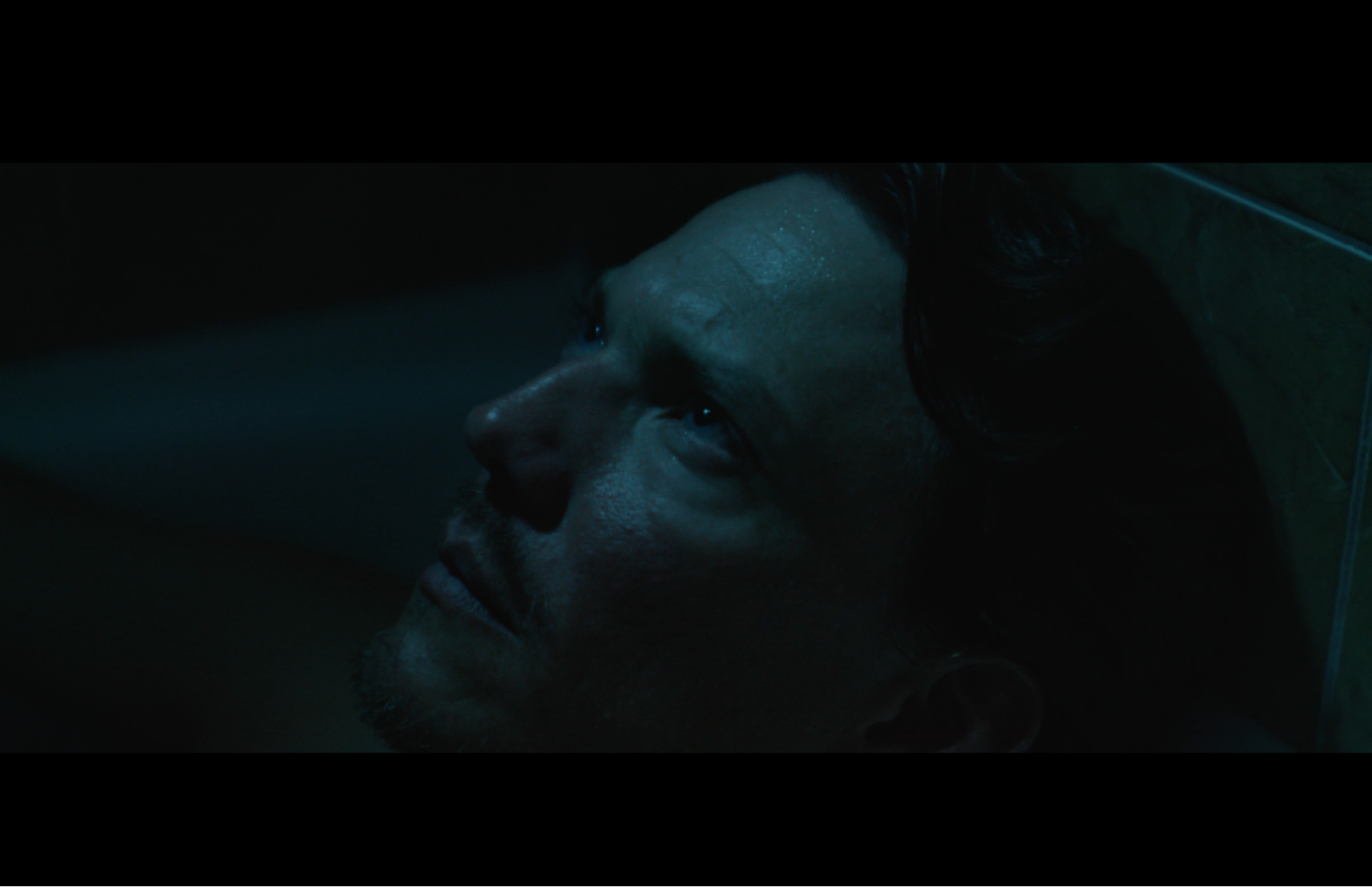
The process begins with a clear understanding of priorities. “We clarify what must be protected—tone, performance, key visuals—and what can adapt.” This leads to offering economical alternatives without sacrificing artistic integrity. 

“I present cost-conscious alternatives such as consolidating locations, simplifying blocking, or using visual strategies that preserve emotion without additional spending,” she said. Transparency throughout the production process is paramount. “Throughout prep and production, I keep communication transparent so directors understand how each decision affects the budget. This alignment lets them stay creative without risking overspending.”

Fundraising for independent films is an ever-evolving challenge, and Li has employed a diverse range of tactics to secure necessary capital. She acknowledges the multifaceted nature of funding: “I’ve used a mix of private investors, small-scale crowdfunding, and strategic grant applications,” she said.

Crucial to this process is a compelling pitch. “I am used to building pitch decks that highlight a project’s festival potential, themes, and achievable scope.” 

Networking and community engagement play a significant role. “Relationships with film programs, alumni communities, and local arts organizations often open unexpected doors.” Perhaps most importantly, Li advocates for a flexible and adaptive approach to production planning. 
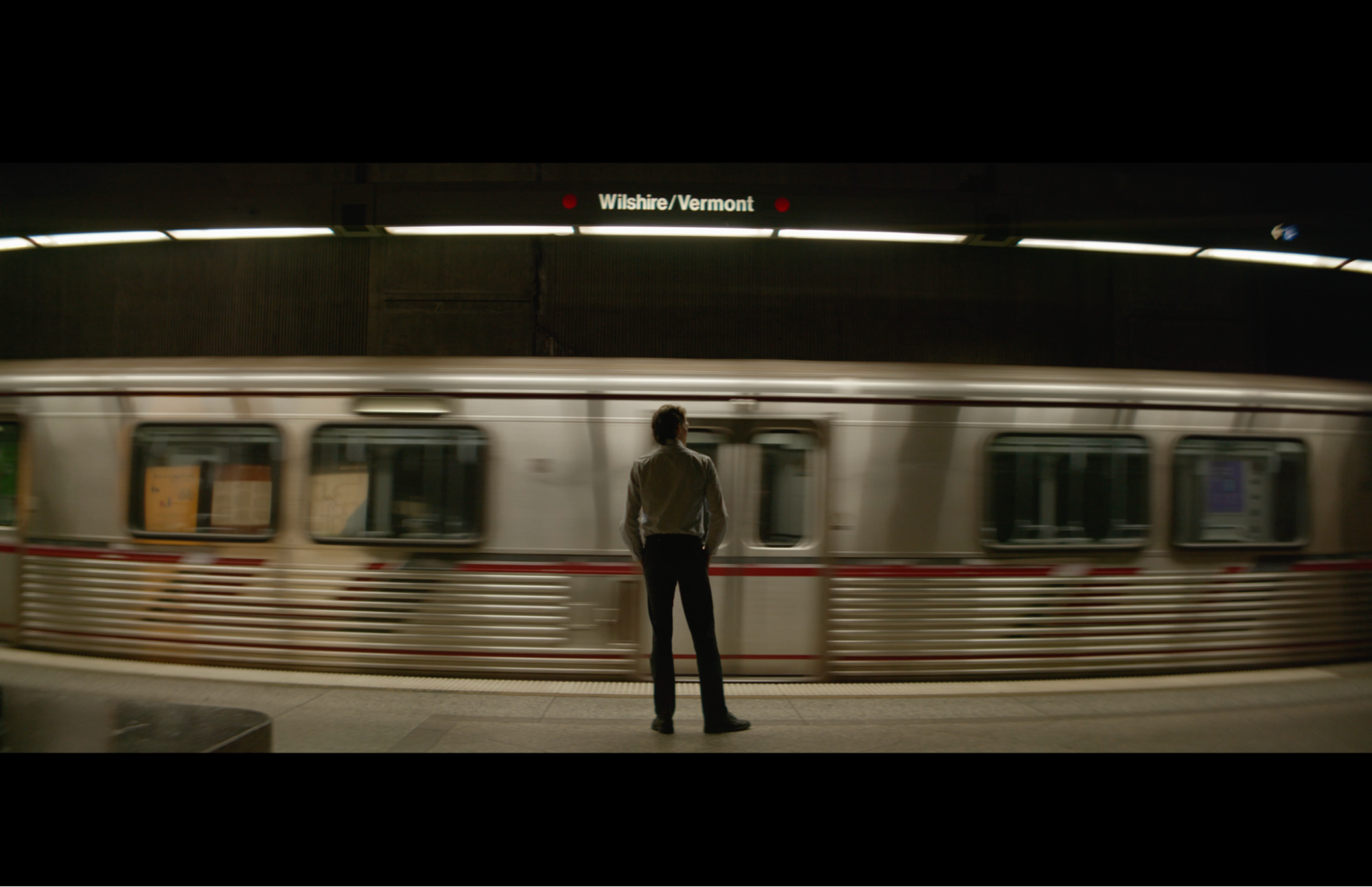
While not a primary focus, Li has also explored the potential of sponsorships and product placement, particularly in smaller-scale projects. “For small projects, I’ve collaborated with local businesses who provided props, wardrobe items, or locations in exchange for credit or visibility,” she said. This demonstrates a pragmatic approach to securing resources, leveraging community partnerships for mutual benefit.

Zhiyan Li is dedicated to women-focused film narratives. Her unique cross-cultural storytelling perspective, honed through an MFA from ArtCenter College of Design and academic experiences in China and South Korea, inform her production methodology. Her work on critically acclaimed shorts like Ligeia (a gothic reinterpretation of Poe), Liminal (a fusion of Eastern and Western visual sensibilities), and Fragile (a psychological drama exploring perception) showcases her ability to achieve distinct visual tones and emotional depth even within budgetary constraints. 

Li’s recent foray into the burgeoning vertical TV drama format, producing high-engagement series for platforms like Drama Box and ShortMax, further highlights her adaptability and mastery of diverse storytelling ecosystems.

As Zhiyan Li continues to champion new cross-cultural and female-led projects, her approach to filmmaking remains a powerful testament to the fact that compelling cinema is not solely dependent on lavish budgets, but on the ingenuity, vision, and collaborative spirit of its creators. “The most important thing is adjusting the production plan to match realistic funding levels, rather than waiting for ideal circumstances—momentum often attracts additional support,” said Li.

Film stills courtesy of Liminal.

Artist Interview: Olivier Leger, ‘Ambassador’

Olivier Leger is an ocean wildlife artist based in the UK. His intricately detailed paintings and drawings tell stories of our ocean from around the world, inviting people to explore both the artwork and our connection with our blue planet. His art is informed by research trips, scuba diving and collaborations with international conservation groups, and has toured in shows across the UK.

Where did your path as an artist begin, and what inspired you to center your practice on ecological and marine subjects?

From a young age I found it easier to make sense of the world through drawing rather than words. Over time, the things that were on my mind – our natural world, our place in it – started to show up in my drawings.

That curiosity about how all life on Earth is connected gradually pulled me towards the ocean. We live on a blue planet: the ocean covers around 70% of the Earth’s surface, yet over 80% of it remains unexplored. The more I learnt about marine ecology and ocean systems, the more it turned my understanding of the world on its head. You’ve got these bizarre creatures, strange phenomena like underwater lakes and siphonophores – it’s like science fiction, but real – an alien world right here on our planet!

My work now is really about that feeling of wonder but also concern. I create intricately detailed drawings and paintings that celebrate life in our oceans, draw attention to the threats they face, and highlight the work being done to protect our blue planet.

You often complement your artwork with ‘behind the piece’ videos. Why is it important to you that your audience is acquainted with the context behind your work?

My paintings are super detailed images of ocean life and they’re certainly meant to be enjoyed as that! But also behind each piece there might be my first-hand experiences as a diver, or conversations with scientists and communities connected to a particular marine environment.

‘Behind the artwork’ videos are a way of sharing those stories. As well as being something to enjoy, the artwork can also be a doorway into a bigger conversation about the ocean and our relationship with it.

The UK has lost approximately 90% of its seagrass meadows… Your piece Ambassador draws attention to both the beauty and vital importance of this ecosystem. How did you first become aware of this crisis, and what inspired you to address it through your art?

Many people in the UK don’t realise we have seagrass meadows just off our shores, let alone how much we’ve lost – myself included just a couple of years ago.

Seagrass is a flowering plant that grows in shallow coastal waters. Project Seagrass and North Wales Wildlife Trust showed me how vital these meadows are to us all, and introduced me to their work conserving and protecting what remains.

I wanted to tell a story through a painting that could help raise awareness and reduce the gap between how important this habitat is and how overlooked and underreported it is.

The seahorse became the perfect main character for this painting. Again, many people don’t realise that the UK is home to two species of seahorse, and one of them depends on seagrass to survive. People love these charismatic, iconic animals, so by putting a seahorse front and centre, covered in seagrass and surrounded by all the life it supports, she becomes an ambassador for seagrass.

You joined Project Seagrass and the North Wales Wildlife Trust, visiting a seagrass nursery and helping plant seeds on beaches across the UK. What was that hands-on experience like, and how did it shape your approach to this work

Getting out of the studio and into a wetsuit in the Irish Sea was brilliant. I helped collect and plant seagrass seeds around North Wales alongside volunteers from the community. Seagrass restoration is muddy, hopeful work. It’s people on a beach, in any weather, measuring the length of seagrass blades because they care about what these meadows mean for their coast.

Being part of that process shaped the painting. Ambassador became a way of reflecting the biodiversity, people and places I’d met along the way – from the brilliant young people of the North Wales Wildlife Trust’s Ocean Rescue Champions to scientists like Russell Connelly, a PhD researcher at the University of Essex who studies UK seahorses and pioneering ways to detect them – because it turns out they’re really tricky to spot in their seagrass home!

There’s this haunting angel of death figure in Ambassador – subtle but unmistakably there, in contrast with the vibrant seahorse. What were you trying to evoke with that tension?

The angel of death in Ambassador is dragging a chain across the seagrass. Seagrass meadows are full of life – they support such beautiful biodiversity and provide benefits for people and nature – but they’re disappearing because of pollution, coastal development, and anchoring or dredging damaging the seabed.

Elsewhere in the piece you see hope such as advanced mooring systems – a simple solution that ligs the chain up to prevent damage.

The details in the painting reflect where we are right now – somewhere between loss and possibility.

What role do you see art playing in restoration and conservation efforts?

Restoring and protecting our natural world will require lots of different approaches. Art is one tool among many, alongside science, community action, policy and more. Science can tell us what is happening and why; art can help people feel why it matters to them.

It can help make an invisible habitat like seagrass feel real. Ambassador now helps share seagrass with lots of people – I’ve shown it on a beach, at a festival, at art exhibitions and online – sparking curiosity and raising awareness.

If art can help people see our blue planet and their connection with it a little differently, and feel that they have a stake in its future, then it becomes a small but useful part of the wider work of restoration. 

Explore the details in Ambassador with the artist in this short video.

Kirby Air Riders: How to Get the True Ending

0

You might think finishing Kirby Air Riders’ story mode is the end of the road, but the game actually has a hidden true ending that only unlocks after you fully complete the campaign and enter New Game Plus. There’s already plenty to do and unlock in Kirby Air Riders, and even its main story mode, Road Trip, offers a surprisingly fun story for a racing game. Getting the game’s first ending is a pretty standard affair, as all you need to do is complete the 11th stage, defeat the final boss, and win a race against Nova Dedede. However, if you are looking for something extra, Kirby Air Riders’ true ending offers a tougher challenge and some (more) grinding. Here’s how you can unlock the true ending in Kirby Air Riders.

Kirby Air Riders: How to Get the True Ending

To get the true ending in Kirby Air Riders, you’ll have to first beat the Road Trip story mode and unlock New Game Plus. This is so because the game’s true ending only becomes available when you’ve collected all 22 Machines, several of which turn up only on specific routes. After unlocking New Game Plus, you can collect all of the Machines you haven’t collected yet, since the mode will highlight paths with yet to be collected Machines. Then, simply defeat the Final Boss in New Game Plus to access Stage 12 Journey’s End, which is also the mode’s hidden final stage.

Journey’s End plays as a boss rush level and your Machine will automatically be swapped for the Legendary Machine, Leo. You will have to duke it out against Galactic Nova in a two-phase battle that basically has you dodging attacks and striking his weak point when it opens. Completing Journey’s End with Leo will unlock the full true ending.

If you manage to complete over 140 checklist boxes, you will also unlock additional rewards, including Noir Dedede as a playable character and Leo as a Machine.

What to Expect at the 2026 Met Gala (Besides Emotional Support Stylists)

0

Once a year theatrics get a dress code, and that’s called the Met Gala. And it’s approaching, which means New York’s oxygen levels are about to be 50% hairspray and 50% anticipation. Creativity goes feral. Stylists stop sleeping, designers enter survival mode, celebrities start writing down their “vision talks”, and the internet prepares itself as the global judging panel. Everyone’s aiming for the sky, or at least the top shelf of the archive.

The Met Gala Explained:

So, just in case you’re living under a rock, the Met Gala, born in 1948 and now held every first Monday of May, is a fundraiser for the Metropolitan Museum of Art’s Costume Institute and fashion’s favorite event. For 2026, the date is May 4, feel free to take a note. Basically it’s all prayers to be on the good side of Anna Wintour. Everyone wants the invite, few get it, and the rest watch as brands and designers purchase a minimum of $75000 tickets to secure their table and dress their favorite celebrities and muses, pending approval from Wintour herself. And the lengths people go to catch a glimpse behind that carpet! For most, the only extra content is a bathroom selfie or two, bless you Kim K. It’s a night for exclusivity, couture, and panic, while the rest of the world scrolls and watches from a distance.

All About The Art, Themes & Dress Codes

Think of the Met Gala as the Costume Institute’s annual exhibition’s premiere. The Gala’s theme is always flirting with the exhibition, they are sort of superglued together. So is every guest’s look with the concept. Every outfit’s goal is to embody it, or at least try. The whole thing shapes the industry for a moment, it affects trends, social media, your favorite campaigns, and designers pulling from art, history and culture. But don’t get it twisted, theme and dress code are two very different things and announced in very different times. Trying to stay on both is basically performance art, which is exactly what makes the night so popcorn-worthy.


Δείτε αυτή τη δημοσίευση στο Instagram.


Η δημοσίευση κοινοποιήθηκε από το χρήστη Vogue (@voguemagazine)

2026 Theme: Costume Art

The most judged red carpet isn’t always red, and this year’s theme is “Costume Art”. Curator in charge Andrew Bolton told Vogue that the exhibition looks into “the centrality of the dressed body in the museum’s vast collection,” with more than 5000 years of art sitting pretty across the Met. “It’s the common thread throughout the whole museum, which is really what the initial idea for the exhibition was, this epiphany: I know that we’ve often been seen as the stepchild, but, in fact, the dressed body is front and center in every gallery you come across. Even the nude is never naked. It’s always inscribed with cultural values and ideas.” Bolton basically says that the art world has spent decades pretending the body doesn’t exist, like aesthetics only count if everything feels detached and “above it all”. Very Met, very ironic. So yes, this year the spotlight is on the body itself and “the indivisible connection between our bodies and the clothes we wear.”

When the off-theme anxiety eases and the last camera clicks, the Met’s steps remind us that fashion really is art, and to do it justice, we have to stay connected with every part of it. For one night, the industry ditches practicality, silence, and politeness, and that’s exactly why we’ll be watching.

Nostalgia as Currency: How 2000s Aesthetics Became Gen Z’s Revolutionary Act

Do you remember the early 2000s? It was an era of dial-up internet and pixelated graphics, a time when the digital world felt both clunky and full of endless possibilities. For those who grew up in that era, it’s a fond memory. But for Gen Z, a generation that came of age with sleek smartphones and minimalist design, the Y2K aesthetic means something else entirely. It’s a visual language, a cultural currency, and a form of rebellion. They are embracing a digital past that feels more authentic and human than the polished, algorithm-driven present. By mining the recent past for inspiration, Gen Z is redefining what it means to be cool, creative, and countercultural.

The Gamification of Nostalgia: Why Retro Casino Aesthetics Are Dominating Gen Z Culture

One of the most interesting aspects of the Y2K revival is the adoption of visuals from early digital entertainment. This includes the look and feel of video games from the 2000s and, surprisingly, the interfaces of early online casinos. With their flashy animations, vibrant colours, and sound effects, platforms like Lucky Circus provided an overwhelming sensory experience that has become a powerful source of inspiration.

For Gen Z, the retro aesthetics of these online casinos are not associated with their original function; instead, they are seen as kitsch—an ironic appreciation of something considered in poor taste. The visual language of spinning reels, blinking lights, and bold, chunky fonts has been repurposed for use in social media content, music videos, and digital art. It’s a way to tap into a sense of excitement and possibility without engaging with the activity itself. This engagement is purely stylistic.

This trend is a paradox. It involves borrowing the aesthetics of a highly commercialized industry to critique modern corporate culture. Gen Z treats these visuals as a playful, ironic toolkit, stripping them of their original context. The aesthetic becomes a commentary on consumer culture itself, using the tools of one commercial world to poke fun at the sterile nature of another.

The Y2K Revival: More Than Just Fashion

The resurgence of 2000s aesthetics extends well beyond clothing. It’s evident in music videos, graphic design, and social media filters. Expect to see blurry, overexposed photos; bold, clashing color palettes; and a rejection of the clean, sanitized look that has dominated corporate branding for the past decade. This revival is a direct response to the ultra-curated, minimalist perfection that defined the 2010s.

For Gen Z, it’s not just about copying the past. It’s about reinterpreting it. They mix and match elements from various subcultures of that time, such as pop-punk, rave, and early internet culture, to create something new. This eclectic approach allows for a level of self-expression missing from today’s homogenized digital landscape. It’s a way to stand out in a sea of sameness by using the visual tools of a bygone era to build a unique identity.

A Rebellion Against Corporate Minimalism

The sleek, flat design seen in most corporate logos and tech interfaces today is the result of years of brand optimization. It’s clean, efficient, and universally inoffensive. For many young people, however, it is also incredibly dull. The Y2K aesthetic, with its chaotic energy and unapologetic embellishments, is the perfect antidote.

By embracing pixelated fonts, 3D WordArt, and glitter graphics, Gen Z is making a statement. They are rejecting the idea that “good” design must be simple and unobtrusive. Instead, they are drawn to visuals that are loud, playful, and even a little tacky. This “maximalist” approach is a form of visual protest. It declares that personality and fun are more valuable than corporate-approved tidiness. This movement celebrates imperfection, handmade creations, and the delightfully messy side of creativity that the early internet promised.

Authenticity in a Digital Age

At its core, the obsession with 2000s aesthetics is an attempt to find authenticity. The early internet was a digital frontier where people could freely create and share without worrying about algorithms or personal branding. It was messy, unpredictable, and refreshingly human. In contrast, today’s internet often feels like a highly polished marketplace where every post is a performance.

Gen Z’s nostalgia for a time they may not fully remember is a yearning for the freedom of that era. By adopting the visual styles of the Y2K era, they are attempting to recapture its chaotic, creative spirit. They are trying to make the digital world feel personal and expressive again, rather than a space dictated by corporate interests.

This movement reminds us that culture is cyclical. Each new generation looks to the past to find the tools needed to shape the present and future. For Gen Z, the pixelated, glittery, and imperfect aesthetics of the 2000s are more than a passing trend. They are the building blocks of a new visual identity that values personality over perfection and authenticity over optimization. It’s a revolutionary act disguised as a velour tracksuit.

Pokémon Go Debuts 3 Pokémon in the Journey to Paldea Event

0

Pokémon GO has just shared key details of its upcoming Journey to Paldea event. Specifically, this brings three new Pokémon from the Paldea region. At the same time, players can try lots of activities and tasks that will earn them bonuses and prizes.

Pokémon Debuts and Bonuses in Journey to Paldea

Niantic said that Nacli, Naclstack, and Garganacl are making their first Pokémon GO appearance during the event. Trainers can evolve Nacli into Naclstack using 25 Nacli Candy. In the same way, 100 Nacli Candy will change Naclstack into Garganacl.

Players can also enjoy these bonuses throughout the week:

  • Doubled XP for evolving Pokémon.
  • Doubled XP after winning Raid Battles.
  • Higher chance to see Shiny Bagon and Shiny Larvitar.

Wild Encounters and Raids During the Journey to Paldea Event

According to the official announcement, trainers may face Nacli, Nymble, Pawmi, and Smoliv in the wild during the celebration. As always, lucky ones have the chance to encounter shiny versions of these characters. Different Pokémon will also be available on alternating days. In particular, Drifloon, Larvitar, Skrelp, and more get featured on December 2, 4, 6, and 8. Meanwhile, players can see Bagon, Clauncher, Misdreavus, and others on December 3, 5, 7, and 9.

Besides the wild encounters, the adventure will have raids showing various Pokémon. Appearing in three-star raids are the following:

  • Bombirdier
  • Dondozo
  • Paldean Tauros (Aqua, Blaze, and Combat breeds)

Collection Challenges and Research Tasks

Journey to Paldea lets players catch event-themed characters and earn XP and Stardust through Collection Challenges. Likewise, there are field research tasks and a paid timed research. The former gives trainers encounters with featured Pokémon. On the other hand, the latter includes the following rewards:

  • 3,000 Stardust
  • Bagon, Larvitar, and Nacli encounters
  • Two Premium Battle Passes

Note: A ticket that costs $1.99 is needed to access the Paid Timed Research.

Availability and Important Reminders

The Journey to Paldea event in Pokémon GO will start on December 2 (10 AM) and end on December 9 (8 PM) local time. It follows the Max Battle Weekend, which debuts Dynamax Lugia and the Final Justice event. Meanwhile, this comes before the December Community Day 2025 kick-off on December 6.

For $1.99, players can buy the Journey to Paldea Ultra Ticket Box at the Pokémon GO Web Store. Upon purchase, they will get the event ticket and five Ultra Balls.

Like in any offering of the popular AR mobile game, Niantic reminds all trainers to stay aware of their surroundings. They are also advised to observe every local health guideline. Pokémon GO promotes a fun and safe gaming experience.

Battlefield 6 Kicks Off Free Trial For Season 1

0

Battlefield 6 is opening its doors to more players with a limited-time free trial of Season 1. This offer comes more than a month after the game’s launch on October 10. It also continues to give everyone a chance to test the best-selling shooter of 2025. In particular, the free period features three playlists and access to three maps.

A Starter Mode in the Free Trial

According to Electronic Arts, newcomers can first try the Initiation Breakthrough. It is a mode that takes place on the Siege of Cairo map. The goal is to give new players a more casual introduction to Battlefield 6’s combat style. Likewise, wins and losses do not matter as much here, for it is mainly for learning. The mode also helps players learn the basics of Classes, Gadgets, objectives, and weapons.

Specifically, Initiation Breakthrough supports 48 players and Bots in a Multiplayer experience. Teams fight against each other in a frontline war. A game ends when the Attackers capture all sectors or when the Defenders eliminate all opponents.

Team Tactical Modes in the Free Trial

Based on the announcement, the free access period has two smaller team-based modes. For instance, players can experience Team Deathmatch. This mode offers classic elimination gameplay. At the same time, Sabotage mode will feature a two-round format. In here, teams switch roles. They go from attacking to defending cargo in different areas.

All-Out Warfare in the Free Trial

The core Battlefield 6 experience is also in this limited-time offer, said DICE. Returning with large-scale battles that combine infantry and vehicles are Conquest, Escalation, and Breakthrough. It allows new and old players to experience what defines the Battlefield franchise.

Availability and Reward

Battlefield 6’s Season 1 free trial is now available and will run until December 2 (4 AM PT).

To access, players only need to download REDSEC on any supported gaming platform. The offer comes at no cost, too. Those who already play REDSEC will have all their progress carried over to the free trial. In the same way, all the progress made in the period carries over to the main game upon purchase.

As part of the California Resistance celebration, the developers are giving away a free Weapon Package. Fans can claim the “Lethal Force” Weapon Package until November 30 to get the M2010 ESR Sniper Rifle. By simply logging into Battlefield REDSEC, players will receive the long-range powerhouse.

With this offer, Battlefield 6 may continue outperforming its biggest competitor, Call of Duty: Black Ops 7.

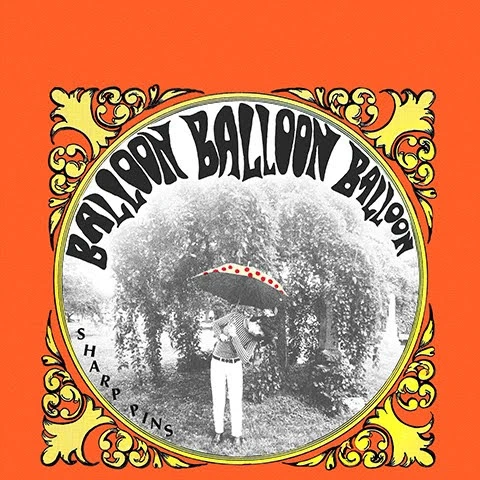
Album Review: Sharp Pins, ‘Balloon Balloon Balloon’

As murky and lonesome as Sharp Pins songs can be, Kai Slater has a gift for making them feel strangely radiant. On ‘Stop to Say “Hello”’, he sings about “the tired light where you open your eyes,” and that openness – same as a heart stripped of all defenses – is what buoys many of the songs on Balloon Balloon Balloon, his third album under the moniker; the inevitable pop. Though uniformly lo-fi and hook-laden, the 21-track collection doesn’t wash away its yearning or reverence for music of decades past, but allows their different shades to melt into one. As much as you may want to listen to it alone, as it was mostly made, you can only hope it stays out of the dark.


1. Popafangout

The opening track was one of the few songs on the album that took a whole day to complete instead of being written and recorded in less than half an hour. Though it began as a nonsense phrase Slater found himself humming, the hook becomes slightly sinister more than just catchy, the arrangement more dense than you might assume.

2. I Don’t Have the Heart

The second track is as much of a classic pop song in affect as it is in spirit; it’s up there with the hookiest songs on the album.

3. I Could Find Out

Slater leans into the album’s lo-fi sensibilities with the more reserved ‘I Could Find Out’, which finds him really muffling his vocals in line with its murky headspace. “Your mind is grey and without repose/ Into your dozen chambers/ Like a kiss but from a stranger’s eyes,” he sings. He even sneaks another song at the very end, intent on utilizing every breeze of inspiration.

4. Queen of Globes and Mirrors

The guitars shimmer like shattered glass as Slater takes things in a psychier direction, continuing to drift in and out of consciousness. It spins a mythical tale in which the narrator’s perspective isn’t revealed until the very end: “I don’t want you to see me/ When I’m all alone/ By that time you’ll know my mind is gone.” ‘Queen of Globes and Mirrors’ is a taste of that sweet escapism.

5. (I Wanna) Be Your Girl

When ‘(I Wanna) Be Your Girl’ was released as a single, it felt like the kind of song you’d heard somewhere before but can’t quite place. By now, it feels decades old, and still thrives off its simplicity. It’s the longest song on the album without feeling overstuffed, but rather to repeat the titular desire enough to give the illusion that’s affirmed at the end of the lyric sheet: “(ad infinitum).”

6. Gonna Learn to Crawl

‘Gonna Learn to Crawl’ is mournful and trepidatious, yet still doesn’t shy away from some indelible harmonies. It comes straight from a heart that gets a shrinking feeling as the sky balloons over it, a reminder to lie low and swallow the loss.

7. Balloon 1

The first act is over; the interlude lends a sense of structure to what could seem like a formless collection, vaporous as it still might feel.

8. I Don’t Adore-Youo

“I’ve lost you now,” Slater sings, picking up the sentiment from ‘Gonna Learn o Crawl’ from a clearly embittered point of view, punctuated by zany, overdriven guitars and booming, itchy drums that tap out way before any kind of real explosion, let alone explanation.

9. All the Prefabs

Slater sweetens things up with a truly endearing opening lyric: “I got small/ Stepped inside the radio/ But I got lonely waiting for your call.” But then he has fun playing with what it might actually sound like to step into the (pirate)radio, dampening the song so it oddly feels like we’re hearing it from within, then cutting back out again as if losing signal. So far, the album’s second part self-consciously eludes some of the immediate pleasures of the first.

10. Talking in Your Sleep

‘Talking in Your Sleep’ arrives as a more fully-formed song, steeped in nostalgia yet foregrounding Slater’s voice in a way that emphasizes the storyline, which isn’t quite as insular and yearnful as the rest of the songs. The narrator is forced to sit with someone else’s hurt, and not having it disjointed lends credence to the passage of time.

11. Fall in Love Again

Slater continues to punch through his vocals on the punkier ‘Fall in Love’, which treats the situation like a real bummer. “When you’re all alone/ Do you think of me or just acetone,” he quips.

12. Serene Haus of Hair

The track spins an enchanting melody, ratcheting up the reverb on Slater’s vocals as they get back to lyrically muddier territory. “I’m not bitter/ I’m just a snake with jealous eyes/ Let me lie,” he offers curiously before fading off into the night.

13. (In a While) You’ll Be Mine

It’s not hard to argue the album’s best songs start with parentheses in the title – and ‘(In a While) You’ll Be Mine’ does scan a bit like a sequel to the first one, except instead of girl it’s rock ‘n’ roll queen. The tune is appropriately more rambunctious, armed with a killer chord progression that trades jangle for White Stripes-level swagger.

14. Balloon 2

A rowdier interlude than the first, slicing together unintelligible singing and scratchy guitar that sound miles – or maybe just moments – away from another earworm.

15. Ex-Priest / In a Hole of a Home

The guitar tone has a brittle bite to it, and Slater’s voice isn’t up front in the mix so much as uncomfortably close. The best bit, though, is hearing that bass roil in right before he sings “Well the lights are all right.”

16. Takes So Long

Sometimes you walk down a certain street but feel like you’re spinning at lightning speed, itching with anticipation someone will cross your path. “In your orbit I’m like a puppet on a string/ I could reach you but it takes so long,” Slater sings, elongating the titular words, the instruments around him racing like a body keeping up with an anxious mind.

17. Stop to Say “Hello”

The album fittingly slows down for ‘Stop to Say “Hello”’, a pure pop song that serves as a kind of palate cleanser. There’s a tenderness to it that also justifies its placement, still hammering home the feeling of aloneness but less afraid to embrace friendship, uncertain as its future may be.

18. All the Shops and Store Are Closing Now

And all the narrator wants is a chance to show them around, to share in the hazy afterglow of bars and neon lights loving, untouched stations. The line, endearingly, is “bars and stars,” which says a lot about the kind of romanticism Slater is enamoured with. It’s just him and his guitar, which he almost sounds eager to set aside and go out.

19. Maria Don’t

The album’s big – emotionally, if not instrumentally – sentimental lament comes toward the very end of the album, drawing you in with Slater’s falsetto and a golden melody. Just looking at the title, your imagination can fill out what the song is about – the tomorrow that feels like it’s already come, the missing that gets ahead of itself.

20. Crown of Thorns

For all its lyrics about hiding away and crawling back into your skin, all Balloon Balloon Balloon does is open itself up to the listener. Over guitar chords that drop like crusty snow, Slater gets to the crux of the album: “I want you to know me baby/ If it doesn’t show/ In a lion’s home/ Lust and all the games we play/ When it all will melt away.”

21. Balloon 3

It was bound to happen, wasn’t it?

The Null Club Enlists Miss Grit for New Single ‘Overgrown’

The Null Club – the project of Alan Duggan-Borges, the guitarist and producer for Dublin’s Gilla Band – has teamed up with Miss Grit for a new single. The frenetic, mesmerizing ‘Overgrown’ was mixed by Daniel Fox (Gilla Band) and mastered by Jamie Hyland (M(h)aol). Listen to it below.

“The hypnotic but kind of punishing nature of a 909 kick drum is something I’ve always searched for in music,” Duggan-Borges said in a statement. “When I first got a 909 drum machine and heard how full the kick drum could be by itself, I got lost in that specific low end for a good few weeks. The studio where I write has some big big subs, so I would sit there for hours chasing the full sound of those drums. That was the starting point of this track.”

“When I had a rough pass of the instrumental done, Miss Grit added vocals and life to the track,” he added. “The whole thing came together quite naturally, and the vocals added so much feel and texture to the track.”

Miss Grit commented: “I’ve been a fan of Alan’s work for a while now, so I was honestly shocked he wanted to work with me. When he sent over the track, I was obsessed but also intimidated because it was so good and I didn’t know how I was gonna make it sound any better than it already was. I ended up writing lyrics about that, basically — the overthinking and self-consciousness that often gets stirred up in myself when collaborating. I was so happy hearing the final version. Alan made me sound so much better than I thought I did.”

Beyond Playtime: How Proper Exercise Reflects the Heart of Responsible Pet Ownership

Exercise is more than just a fun activity for dogs. It is a cornerstone of responsible pet ownership that affects their health, behavior, and happiness. Dogs that get regular physical activity are healthier, calmer, and better-adjusted than those that do not. Whether it is a short walk around the block, a game of fetch in the yard, or a weekend hike, keeping pets active ensures they thrive physically and emotionally. To learn more about breeds that benefit most from structured play and exercise, visit the Infinity Pups site and explore options for pets that fit your lifestyle.

Physical Health Benefits

Proper exercise is essential for maintaining a dog’s physical well-being. Regular movement helps maintain a healthy weight, strengthens muscles, and keeps joints flexible. Dogs that are active are less prone to obesity-related conditions, including diabetes, heart disease, and joint problems. For families seeking a playful and energetic companion, a Mini Bernedoodle for sale can be an excellent choice.

In addition to long-term health, daily exercise helps expend energy that might otherwise be channeled into destructive behaviors, such as chewing furniture or digging indoors. Dogs that get the right amount of activity are calmer at home, making life easier for their owners and more enjoyable for the pet.

Mental Stimulation Matters

There is more to exercise than just burning calories. Additionally, it offers vital mental stimulation. Dogs are smart animals that do best when their minds and bodies are working together. They can discover new sights, sounds, and scents while taking walks outside, which stimulates their curiosity and mental acuity.

Cognitive development is improved by interactive games, puzzle toys, and obedience training combined with exercise. Active dogs are often better trained, more receptive, and less prone to stress- or anxiety-related behaviors. Physical exercise combined with mental stimulation improves the human-animal bond and fosters harmony in the home.

Tailoring Exercise to the Breed

Not every dog needs the same amount of exercise or energy. Larger breeds or highly active dogs require longer runs, hikes, or swimming sessions, while small breeds may be content with short walks and indoor play. The secret to keeping your dog happy and healthy is to understand their needs.

Long walks, fetch games, and engaging training sessions are ideal for high-energy breeds like Australian Shepherds, Labradors, and Goldendoodles. Gentle walks, short play sessions, and mild mental challenges help keep older or low-energy dogs interested without overtaxing them. You can ensure your pet gets the proper type and amount of exercise by routinely evaluating their level of activity.

Building a Routine

One of the most crucial elements of responsible pet ownership is consistency. Dogs do best with regular routines, and routines are strengthened when daily exercise time is set aside. Your dog can stay active and fit into a busy household schedule with a straightforward routine of morning walks, midday play, and evening excursions.

Activity variety is also advantageous. Dogs are kept mentally and physically stimulated by alternating between walks, playtime, and training. It keeps things interesting while promoting flexibility, sociability, and self-assurance. Children who participate in family exercise develop better relationships and learn patience, empathy, and responsibility.

Outdoor Adventures and Socialization

Physical activity is not the only benefit of exercising outside the home. It promotes interaction with people and exposure to different settings. Dogs learn how to interact with people, navigate new places, and react calmly to new situations when they visit dog parks, nature trails, or pet-friendly locations.

When socialization and physical activity are combined, dogs become less fearful and more confident. Active, well-socialized dogs are a pleasure to have around friends, family, and other pets because they are less likely to exhibit aggressive, nervous, or hyperactive behaviors.

Benefits Beyond the Dog

Dogs who receive the right kind of exercise also benefit their owners. People who walk or play with pets are more likely to be active, experience less stress, and have better mental health. Everyone in the home benefits from strengthened bonds and the sense of trust and companionship established through the shared experience.

Working out as a family teaches kids responsibility and the value of caring for a living thing. Active dogs encourage their owners to stick to a schedule, encourage outdoor activities, and put their own needs and those of their pet first.

Final Thoughts

Proper exercise is more than a daily obligation. It reflects responsible pet ownership and a commitment to a dog’s physical and emotional health. By tailoring activity to their breed, maintaining consistency, and including mental stimulation, owners create happier, healthier pets and stronger bonds. From walks around the neighborhood to active play sessions and outdoor adventures, exercise shapes behavior, promotes well-being, and strengthens connections. To learn more about breeds that thrive with active lifestyles and how to provide them with the best care, visit the Infinity Pups site and discover pets that match your family’s energy and lifestyle.