Home Blog Page 991

Interview: Duke & Jones “Mary Berry… we reckon she 100% has bars”

Duke & Jones are one of the quickest-rising names in the U.K. music scene, having released their single, Jiggle Jiggle, featuring documentary filmmaker Louis Theroux, earlier this year. With their recent release State of Mind published, they joined us for an interview to discuss the latest piece and their plans for 2023.

Firstly, how are you, and how is the music world treating you?

We’re doing good thanks! Living, breathing, and producing.

You’ve recently released your single State Of Mind, how did the idea for the song come about?

The Duke & Jones mission statement is to try and do as much as possible with the fewest number of sounds. The drop of State of Mind is a good reflection of that concept – with one bass sound, some vocal chops, and some pretty uncluttered drums. The idea for the break sections, on the other hand, was to pay homage to the euphoric progressive songs we grew up with – songs by people like Eric Prydz and the Swedish House Mafia. To that end, the verses have lots of classic synth elements and rhythms, and I think Marlhy’s vocals fit perfectly into that vibe.

You collaborated with Marlhy for the song; who approached who, and what was it like teaming up?

Marlhy’s vocals landed in our inbox one day like a gift from the gods! The topline was an absolute dream to work with as well, because it was already structured perfectly for a slow-building house tune. Marlhy has a very instinctive understanding of how to use melody and timing to underscore key moments in the song where the instrumentation changes – which is especially important for house music, where the sense of build and release needs to be extremely overt.

With the year coming to an end, you’ve had quite a successful year with big collaborations like Louis Theroux and releases like ‘Vertigo’ and Lucid. What has been your favourite project to work on in the past year?

Obviously the whole Louis Theroux thing has been a lot of fun. Getting in the studio with Louis was, I think we would both say, one of the most fun [and surreal] things we have ever done, never mind just in the past year. In terms of which musical project was the most fun to work on, though, it is actually a song we can’t really talk about yet. We made it in about 45 minutes, and we both got extremely giddy while we were doing it.

With 2023 on the way, are there any sneak peeks you can give us into your projects for the new year?

We can’t give you anything too specific, but we are putting the finishing touches on lots of new music. We joked about doing a Christmas version of Jiggle Jiggle (Jingle Jingle almost writes itself!), but it’s probably for the best if that one stays in drafts. We’ll also be getting US visas for 2023, so we’re very excited to head stateside and work with lots of people over there too.

If you could collaborate with any celebrity on a song in 2023, who would it be?

We’ve said it before and we’ll say it again – Mary Berry. We reckon she 100% has bars, and it’d be a lot of fun to bring that to the world. Apart from that, I’m going to keep manifesting an Ariana Grande collab.

Finally, what advice would you give up-and-coming music producers looking to thrive in the music industry?

Be patient! It very, very rarely happens overnight and it could take years before you get anything close to a break. It helps to have some confidence in what you make, but, after (rightfully!) basking in the glory of your new banger for a few days, it’s also important to be honest with yourself when comparing your music to professional tracks, and to be able to take constructive criticism. You’ll only be able to improve if you’re able to notice and reflect on issues with your own music. You should ALWAYS be polite too – new connections and opportunities can come from surprising places. You never know which person you meet might turn round a year down the line and ask you to help with a project, so it’s good to be nice to your whole network, both friends and friends of friends.


Stream State of Mind on Spotify.

What are Electrolytes, and Why Are They Vital?

If you are not a newbie in the wellness sphere, you have probably heard the word “electrolyte”. It is a common word that some people throw around in daily conversation, especially when talking about nutrition products. However, just knowing this world doesn’t mean that everyone knows what it means, and electrolytes are vital for the body. Let’s explore this below.

What Are Electrolytes?

Electrolytes are the term used to describe chemicals found in our body that are made up of both positive and negative ions. These chemicals are responsible for electricity when mixed with water. Sodium, calcium, potassium, and magnesium are key examples of them. 

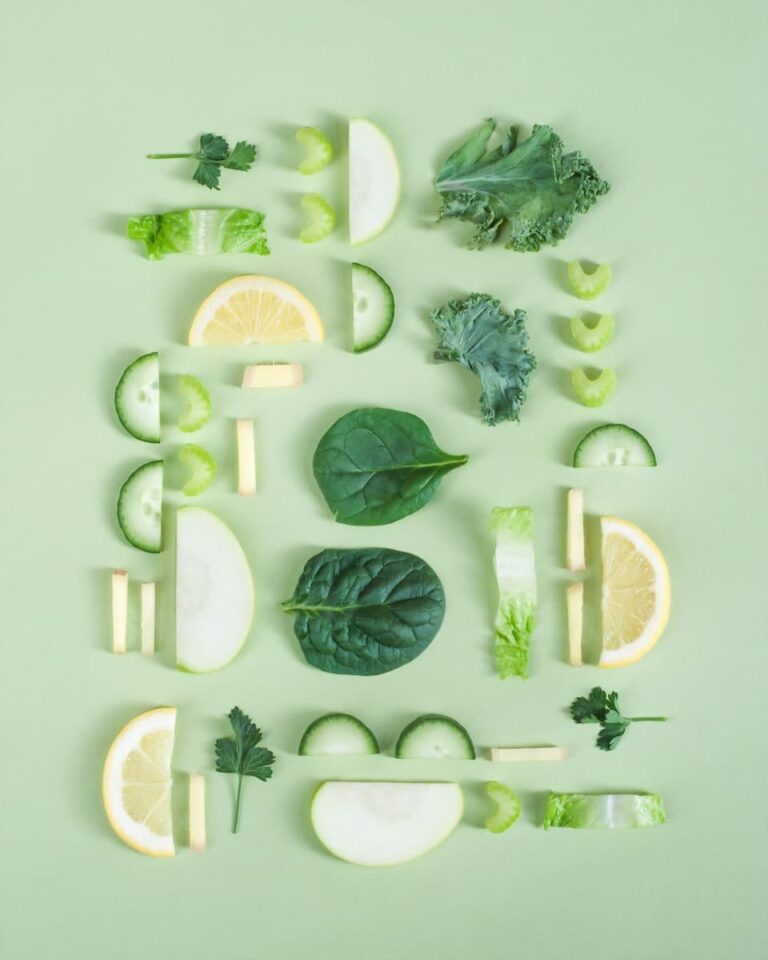
Our bodies produce electrolytes on their own, but we also get them through certain foods and beverages that we eat and drink. Foods that are high in electrolytes are watermelon, cucumbers, bananas and lemons.

What Do They Do?

Electrolytes are essential since they regulate body pH levels and nerve and muscle function while also being responsible for hydrating the body and rebuilding damaged tissue. These chemicals also help to boost nutrient absorption and remove waste from the cells. Therefore, it’s vital to get enough electrolytes as we lose them on a daily basis through fluid loss, including sweating, urination, vomiting and diarrhoea. 

Imbalance

Electrolyte levels in our blood can become either too high or too low, which leads to an imbalance. This imbalance can change in relation to water levels in the organism and other vital factors.

There are different types of electrolytes where crucial ones, such as sodium and potassium, are usually lost as we sweat during exercise. A rapid loss of fluids, like in the case of diarrhoea or vomiting, can greatly affect electrolyte levels. That is why this imbalance should be restored. 

Our kidneys and some hormones are in charge of regulating the level of each electrolyte. If the levels are too high, our kidneys remove them from the body while different hormones work to restore balance. An imbalance can cause health issues when the level of a certain electrolyte becomes too high or too low for our bodies to regulate. 

How to Improve the Balance Naturally?

There are many ways we can get electrolytes naturally. For example, sports drinks are good but may not fit someone. Some of these beverages can contain a large amount of sugar and artificial additives. If you are working without stressing your body on a regular basis, water will be enough to maintain good electrolyte levels.

If you want a more natural alternative than sports drinks that will also be delicious, consider Ful, the best spirulina brand that offers electrolyte-rich sparkling blue spirulina drinks. These drinks with electrolytes are a delicious and quick way to replenish your electrolyte levels. Spirulina is known as the best electrolyte drink that is also rich in nutrients and vitamins to help your body stay healthy and improve your overall wellness. 

Coconut water is also a great source of electrolytes. We recommend reading the label carefully to make sure there is no sugar added. Coconut water contains high levels of electrolytes, enough to replenish the level after an intensive workout.

Final Thoughts

All of us need electrolytes to survive. Many automatic processes in our bodies depend on a small electrical current, and electrolytes provide this charge. An imbalance can affect not only how the body works but also lead to a range of issues. Luckily, we can improve the balance naturally by consuming sports drinks, spirulina drinks, coconut water or foods like watermelon, cucumbers, bananas and lemons.

Cybersecurity for Startups | Quick Guide

Running a modern business is a challenging task yet an exciting part of any new founder. You finally kick off the process, have a team, and your plans and dreams begin to materialise, where the only limitation is money. Digitalisation also allows you to reach customers all across the world, boost marketing, get fundraising and achieve your highest goals.

However, digitalisation also comes with challenges. One of the key challenges that modern companies face is threats and cyber attacks. Since most dangerous attacks happen with large enterprises, startups believe that they don’t need to protect their business. But the truth is that they represent an easy and appealing target for attackers, mainly because of their poor cybersecurity.

Why do Startups Need Cybersecurity?

Cybersecurity is essential in modern realities. Since 2019, companies have moved to remote work, the use of mobile phones has greatly increased, and attackers have found new ways of damaging company data. So whether you’re a startup or a market giant, cybersecurity is a must-have for any organisation.

Not having enough security in place can damage your business. That is because hackers will either steal or damage your sensitive data, which will reduce customer loyalty and cost millions. Based on the 2019 Hiscox Cyber Readiness Report, almost 65% of all businesses have faced a cyber-related issue. And 60% of these businesses are targeted by hackers every six months.

How to Secure Your Startup

Assign an Account Admin and Role-based Users

If you run a startup, you may think that giving admin access to everyone will boost transparency and allow them to work more efficiently and download all needed programs. While this is true, it can also leave any (and sometimes all) information that you store vulnerable to cyberattacks. That is why it is recommended to assign one or a few people to manage access to sensitive information like customer info, employee info, financial data, and all other data you don’t want a stranger to see.

Perform a Penetration Test

One of the most advanced and effective methods to boost a company’s security is performing penetration testing. This process is done by cyber specialists that use the same tools and technologies as hackers, mimicking real attacks. The vulnerability assessment stage helps organisations to explore their main vulnerabilities and see how effective their security is at the moment.

Cybersecurity Training

Just testing your security posture isn’t enough in modern reality. Cybersecurity and steps needed to protect your data should always be in place. That is why it is highly advised to include security awareness training in your workflow, so experts can teach your employees about attacks and ways to prevent them. Bear in mind that lack of knowledge is the key way for attackers to damage your business.

Multi-factor Authentication and Single Sign-on

Even though it has been a long way, now multi-factor authentication is becoming a must-have rather than a preference for most organisations. Instead of using only a password, we recommend you employ multi-factor authentication as an extra step and another layer of cybersecurity that will protect your data. You can do this by using specialised applications like Authy or Okta, which also send a push notification to the account owner in case someone tries to log in and verify the identity.

8 Things Affecting Your Sleep Schedule

It’s official, having enough sleep is important for the human body to function well. People with less than the required amount of sleep daily end up setting themselves up for a breakdown or worse. Sleep deprivation has been known to cause health conditions like diabetes, hypertension, and even psychosis in some situations. 

Knowing this, it’s more important than ever that everyone has a sleep schedule with a set time to wake up and fall asleep. 

Some people still struggle to sleep and wake up early, even with sleep schedules. In most cases, the impediment to getting a good night’s rest is you. 

Some normalized behaviours sabotage the sleep schedule and make it challenging for you to wake up early. We’ll be discussing eight of these habits. 

Mentally Stimulating Games 

Mentally stimulating games like puzzles, chess, cards, monopoly and scrabble may seem like the best after-dinner activity, especially if you live with your family. What better way to end your day than having fun and buying prime monopoly real estate? 

Studies have shown that engaging in mentally stimulating games can affect your bedtime and the body’s gradual winding down at the end of the day. Towards the end of the day, the brain becomes less alert and enters a lassitude period as it prepares the body for bed. Engaging in these mentally stimulating games’ perks’ the brain up and puts its bedtime preparation back by 30 minutes to an hour. 

In addition, these games increase the chances of having vivid dreams that may disrupt your sleep. 

Try the following activities in place of mentally stimulating games:

  • Yoga; 
  • Meditation; 
  • Listening to soft music.  

Lack of a Nighttime Routine 

The brain is signalled by the approaching evening that it is time to wind down and go to sleep. A nighttime routine has the same effect on the brain. If you consistently read a book before sleeping while lying on your bed, your brain accepts it as a signal for sleep. So, the brain would interpret it as bedtime if you try to read a book during lunch while lying down. 

What this says is, having a bedtime routine is an excellent way to stick to your sleep schedule. Sleeping between a fixed time can also be part of your routine. Some activities to include in your routine are meditating, wearing comfy nightwear, dimming the lights, mediating and taking a supplement to wake up easier.

Long Daytime Naps 

Few things are as refreshing as long daytime naps. They always seem to leave you clear-eyed and satisfied with that sweet lethargic feeling. As good as they are, they might be why you aren’t getting enough sleep at night and your days are starting to get tired. 

When you sleep in the afternoon or early evening, you disrupt your body’s circadian rhythm, and when you wake up, you feel refreshed and alert. When nighttime rolls around, you’ll be more alert than you should be, and your brain will still be primed to ‘work’ for a few more hours. This is why most people find it hard to sleep at night after a long afternoon or evening nap. The downside to this is that you start your morning tired and groggy. 

Naps aren’t the enemy, though, so if you need some respite during the day, having a short nap of 30mins to an hour is an excellent way to get refreshed without sabotaging your sleep schedule. 

Late Night Snacking 

The ideal thing to do is to stop eating 2 hours before bedtime. But for some people, late-night snacking is a rite of passage, and that’s okay because some snacks even help you sleep better at night. So, you don’t have to give it up. The trick is to eat snacks that don’t affect your sleep schedule. Avoid snacks high in sugar, salt, and high saturated fat. This pretty much covers chocolates, chips, and other fatty snacks. 

Healthy snacks that can improve your sleep include avocado, cheese, and yoghurt. The next time you feel peckish before bedtime, try a healthy charcuterie board.

Exercise 

Exercising should be a staple in your daily routine. It keeps you alert during the day, increases your metabolism, keeps you fit, and now helps reset your circadian rhythm. 

Studies at Johns Hopkins Center for Sleep prove that exercising improves sleep time and quality. However, the trick is in the timing. Exercising in the morning and early afternoon seems to be the ideal time. Late evening exercise might affect your sleep schedule if you retire early. A good rule of thumb would be to exercise for 1 to 2 hours before sleep. That way, the body would have wound down from the stimulation caused by exercising. 

Ditching Your Weekly Routine 

After a week of going to bed and waking up early to meet up with your work schedules, the weekend feels like a mini holiday. Many people start their mini weekend vacation with a Friday happy hour which may or may not end up with a morning hangover on Saturday. 

The weekend might feel like a mini-vacation but throwing your sleep schedule to the wind is not the best. For one, you have to go through an adjustment period for the first two days of the week or more if your body is more resistant to change. 

Secondly, if you’re trying to fix your circadian rhythm with a sleep schedule, ditching it can throw you off and delay your progress. 

This doesn’t mean you must wake up with the birds daily. You can relax your schedule a bit without totally upheaving it. 

Too Much Thinking 

It’s common for people to fall asleep to thoughts of their day or plans for the next day. Most people think until they wake up the next morning, unable to pinpoint when they went to sleep. 

Thinking so much before bedtime might mess up your sleep schedule if you’re a worrier. Instead of worrying, write a to-do list and plan the day. This way, you feel more comfortable and in control of the coming day. You could also try meditating and some yoga to calm your mind. 

Stimulating Scents 

Some scents encourage sleep, while others don’t. Think of the essential oils you associate with calm and sleep, like chamomile and lavender. Using some of these scents in your room can encourage your body to wind down. Pour some drops into a diffuser or light a candle to fill your room with these calming scents. 

Calming scents to use: 

  • Cedarwood;
  • Lavender; 
  • Bergamot; 
  • Ylang Ylang; 
  • Rose; 
  • Sandalwood.

Some scents to avoid include jasmine, peppermint, rosemary, and citrus.

In conclusion 

Falling asleep is a complex process. On the one hand, the body goes through a complicated process involving hormones, night light and the eyes to initiate sleep. On the other hand, as mundane as they seem, human activities can throw off these processes and change the sleep cycle. To avoid sabotaging your sleep cycle, take note of the eight activities outlined above.

Soy Wax Candles: The Clear Choice for a Cleaner and More Sustainable Burn

Are you looking for a better alternative to regular candles? Soy candles are a natural, sustainable, and clean-burning option that offers many benefits. Due to its pleasant smell and many health and environmental benefits, the vanilla scented type, in particular, is gaining in popularity. Additionally, if you’re looking to enhance your candle experience, consider pairing them with our bulk flower vases for an exquisite touch of decor and ambiance.

In this article, we will go through the reasons why soy candles are a better option than regular candles.

What are Soy Candles?

Soy candles are candles made from natural soy wax, which is a type of vegetable wax derived from soybeans. Soy wax is renewable, biodegradable, and non-toxic, making it a popular alternative to traditional candle waxes such as paraffin.

Soy candles are distinguished from paraffin candles by their capacity to retain more aroma and to burn in a more environmentally friendly manner. They are also often less expensive and longer lasting than paraffin candles.

Why are Vanilla Scented Soy Candles So Popular?

Vanilla-scented soy candles are popular for several reasons:

Vanilla is a universally appealing scent

Vanilla is often associated with relaxation and comfort. This makes it a popular choice for candles used in the home.

Vanilla is a versatile scent

This scent can be combined with other fragrances to create unique, appealing scents. Vanilla has a light and distinct aroma that is not overbearing in any way, making it an excellent choice for usage in a wide range of contexts.

Vanilla scented soy candles provide a stronger, longer-lasting scent

Vanilla candles are likely to have a stronger, longer-lasting scent than vanilla scented paraffin candles.

What Makes Soy Candles The Better Choice for Your Health?

When it comes to scented candles, soy wax candles are clearly the healthier and more sustainable choice for your home. We’ll go through some of the most compelling arguments for why soy candles are a superior choice to traditional candles, including the following:

Better for Your Health

Soy candles are made from a completely natural ingredient, which makes them a healthier option for your home and family. Since soy wax releases no toxins or smoke during the burning process, it is a safer alternative to paraffin candle wax.

Cleaner Burning

Burning a soy wax candle produces 4 times less soot than traditional paraffin wax candles. This means that soy candles can be burned indoors without worrying about the harmful effects of inhaling paraffin wax fumes. In addition, soy candles are less likely to trigger allergies or respiratory problems than paraffin candles. Soy wax candles are also water-soluble, meaning that if a spill were to occur, the wax could easily be removed with hot water and soap.

More Eco-Friendly

Soybeans are a renewable resource that can be easily grown and harvested. This means that soy wax is a sustainable alternative to traditional candle waxes, such as paraffin wax, which is derived from non-renewable petroleum. On top of that, soy wax is biodegradable, which means it won’t contribute to landfill waste. The lack of toxins and soot produced during the burning process also makes soy wax candles a much better option for the environment.

Conclusion

Soy candles are an excellent alternative to regular candles. They are made from a natural, renewable, and sustainable resource that offers a plethora of health and environmental benefits.

Vanilla scented soy candles, in particular, create a pleasant ambience and burn longer than vanilla candles with paraffin wax. Whether you are looking for a more eco-friendly, safe, and healthy option for your home or a scent that will relax and calm, vanilla scented soy candles make an ideal choice.

5 Foods That Improve Cognitive Function

The benefits of food go far beyond getting some energy or feeling full when we’re hungry. It is literally fuel for the body. Eating healthy food provides your body with the best quality of fuel out there. Some foods have significant amounts of varying nutrients that improve the body’s functions. You can carefully create a diet containing foods with the nutrients you need. 

Want to improve your cognitive function and memory retention? Add these foods to your diet. 

Leafy Green Vegetables  

Leafy green vegetables always have been and will always be a superfood. They contain so many nutrients and vitamins that they are a staple for most diets, like the four-hour body diet. If you study the best biographies of all time, it turns out that many prominent people included a lot of vegetables in their ration.

Leafy greens contain beta-carotene, phylloquinone, lutein, and folate in significant quantities. These vitamins have neuroprotective abilities, which promote a slow decline in cognitive function with age. 

Examples of leafy greens include collards, kale, spinach, and broccoli. You can try these vegetable recipes and start your journey toward a more nutrient-rich diet while exploring new flavors. Incorporating a variety of greens into your meals can enhance both taste and health benefits, making it easier to enjoy wholesome eating.

Turmeric 

In the last few years, turmeric has gained a reputation as one of the world’s superfoods despite it being a spice. Deep yellow, like its curry cousin, turmeric contains curcumin. This antioxidant and anti-inflammatory compound has substantial benefits for cognitive development. 

For one, curcumin increases the production of a brain cell growth hormone which encourages brain cell growth. 

Curcumin also has properties that aid in clearing amyloid plaques, which are detected in the brains of Alzheimer’s patients. 

You can include turmeric as a spice to your dishes and also as a vitamin supplement

Dark Chocolate 

Dark chocolate has many benefits, including but not limited to bolstering immunity and improving cardiovascular health. 

Now you have one more reason to eat dark chocolate. Studies show that dark chocolate may have strong benefits for the brain. 

Cacao, a significant component of dark chocolate, contains a type of antioxidant known as flavonoids. These flavonoids reduce the levels of oxidative stress in the brain. The long-term effects may lead to having a stronger mind in later years.  

Fruits with High Levels of Vitamin C 

Everybody knows vitamin C as a staple for people hoping to improve their immune system. But vitamin C also plays a vital role in brain health. Studies have successfully linked vitamin C to the prevention of Alzheimer’s. In addition to that, vitamin C also prevents brain cell damage leaving your mind sharp and in tip-top shape. 

What fruits contain high levels of Vitamin C? Bell peppers, tomatoes, strawberries, oranges, guavas, etc. 

Fatty Fish 

Fatty fish such as salmon are splendid sources of Omega-3 fatty acids, proteins, and other vitamins, which play a vital role in keeping the heart healthy. 

It isn’t only fatty fish that contain a larger-than-normal amount of Omega-3 fatty acids; the brain also does! 60% of the human brain is made up of these fatty acids. 

Omega-3 fatty acids are so essential for cognitive development that a deficiency can lead to depression and cognitive disabilities. 

You can get your daily dose of Omega-3 fatty acids from fatty fish like trout, sardines, and salmon. If you don’t eat much fish, consider getting the Omega-3 vitamin supplement.

Tracing the Source of Cannabidiol: Where Does CBD Come From?

As human beings, we are programmed to have critical thinking. It is an essential part of our cognitive function that helps us to make an informed decision by evaluating available information and weighing the pros and cons. That is why when it comes to new things or products such as mushroom tea, it is understandable why a lot of us do not trust them easily due to many reasons. This includes not having enough information about the company that produces it, false advertisements, or the uncertainty of its origin and where it comes from. Often, we are sceptical about things that we know little about. 

One good example of this is Cannabidiol, better known as CBD. Because the first thing that usually comes to people’s minds is its association with the addicting plant, cannabis, this compound sometimes gets frowned upon. 

Cannabis has long been considered a dangerous and addictive drug with few medicinal benefits. Despite its long history in many cultures, cannabis has been demonised, tarnishing its reputation in many countries. This also significantly affects the legalisation of cannabis-derived products worldwide. 

Despite its bad reputation, there is growing evidence that cannabis has many medicinal benefits and can be used to treat various health conditions. In recent years, the stigma around cannabis has lessened, and more people are beginning to recognise the potential therapeutic value of the drug. 

The spotlight of CBD has been earning many fans across the globe. With the growing scientific and anecdotal evidence, more and more people are seeking benefits from this cannabinoid and finding relief using CBD products. Despite this, many are still asking where does CBD come from?

The Origin of CBD

In recent years, researchers have been studying the effects of CBD and discovering its potential therapeutic and medicinal benefits. The origin of this active chemical compound is the hemp plant. Believed to originate from Asia, archaeological evidence proposed that the hemp plant started in China around 8,000 BCE before it spread widely across other parts of the world. These hemp plants were originally cultivated as a commercial source of rope, fabric, paper, construction materials, food, and even medicines.

Some people get confused with hemp and marijuana hence the scepticism about using CBD. Although it is true that CBD is also present in marijuana, the source of most CBD oil nowadays is industrial hemp plants which yield more CBD than THC. Unlike hemp plants, marijuana, on the other hand, is abundant in THC and has very little CBD. And despite being from the cannabis plant family, hemp-derived CBD products do not contain high amounts of THC making them non-psychoactive.

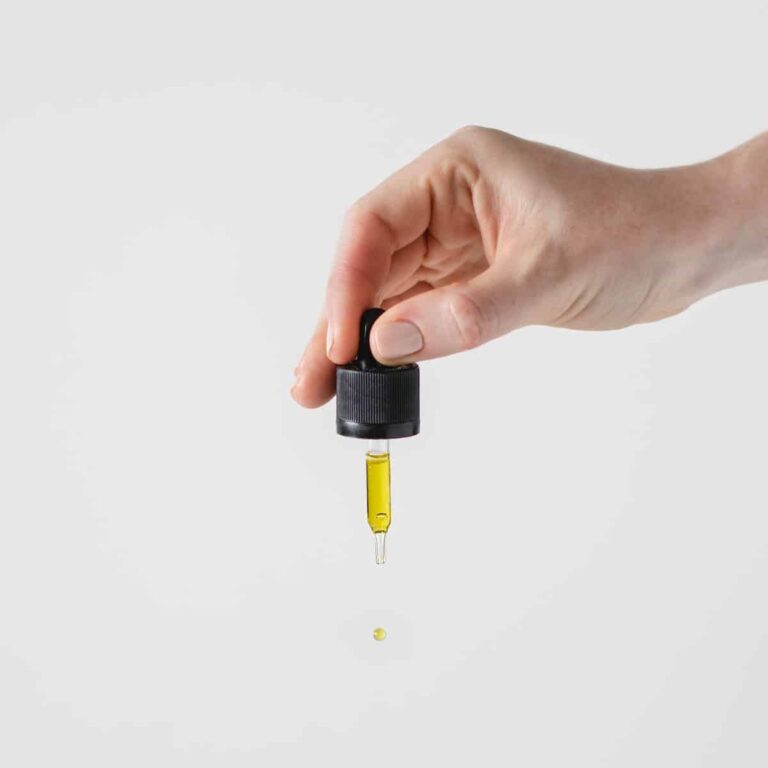
CBD is extracted from the leaves, stalks, flowers, and buds of the hemp plant. And to create the CBD oil that we now all know, it undergoes an extraction process before diluting with a natural carrier oil, like hemp seed oil or coconut oil. Depending on the type of CBD, at the end of the extraction process, there can only be small traces of THC left or none at all. Only then can CBD oil be added to create other CBD products, including tinctures, vapes, gummies, creams, balms, edibles, and more.

How Long Does CBD Stay in Your Body? 

Whether for relief or overall wellness, after taking CBD, you are probably wondering, “how long does CBD stay in your system?”. Several factors can influence the duration of CBD in your system, including:

Metabolism

Each person’s metabolic rate differs from another. So, the duration of CBD in one’s body can be longer or shorter than the other user. Metabolism can significantly affect how long CBD stays in the body. Meaning the faster your metabolism, the faster CBD will be eliminated. 

Dosage

Finding the right dose for you is one thing, but it is different when we speak about the duration of its stay in the body. The amount of CBD a user takes can also affect how long it lingers. Hence, it is true that if you take higher doses of CBD, its presence in your system may be longer, you can learn more from the DNH CBD oil Guide.

Frequency

Depending on one’s preference in taking their CBD dose, the frequency of how often you use CBD can also affect how long it stays in your system. Taking smaller amounts of CBD more frequently can increase the time CBD remains in your body. 

Body fat

Our body fat affects how long CBD stays in the body. Each individual’s body fat percentage can affect how long CBD stays in your system as it is stored in fat cells. This means that if you have a higher body fat percentage, CBD might stay in your system for a longer period. 

Diet

Remember how CBD is stored in fat cells? This explains why diet plays an important role when determining how long CBD stays in the body. Eating a healthy diet consisting of fibre, fruits, and vegetables can help to speed up the elimination of CBD from your body. A high-fat diet is suggested to significantly increase CBD’s bioavailability and slow its elimination from the body. 

There is no definitive answer to how long CBD stays in the body as the amount of time CBD remains in each individual’s system varies significantly depending on the abovementioned factors. However, CBD is estimated to stay in the body for up to 5-10 days.

Health Benefits of CBD

Without the psychoactive and intoxicating effect that THC causes, CBD has caught the attention of cannabis fans. According to scientific anecdotal reports, CBD is beneficial in many health problems, including:

Pain relief and Reduced Inflammation

According to a 2015 study published in the European Journal of Pain (EJP), pain and inflammation are suggested to improve with CBD, which is one of the major concerns of many. As CBD interacts with the endocannabinoid system, it decreases inflammation which helps improve chronic inflammatory and neuropathic pain. 

Anxiety and Depression

As CBD interacts with the endocannabinoid receptors, which regulate many body responses, including emotional responses, a 2016 review published in the Frontiers in Immunology journal suggests that it works the same as mood stabilisers, delivering an anxiolytic-like effect to the user.

Sleep 

Many people use CBD to help them improve the quality and quantity of their sleep. But besides positive anecdotal reports, a ​​2019 study published in The Permanente Journal suggests that CBD can be beneficial in managing sleep problems as it can reduce cortisol production in the body resulting in its users having a good night’s sleep.

Neuroprotection

Based on the 2021 in vitro study published in the Cannabis and Cannabinoid Research Journal, CBD is suggested to be beneficial in the brain. Its ability to increase the glutamate and serotonin levels in the body may help protect and preserve the neuronal structure and function of the central nervous system. It is also proposed that CBD has anti-oxidative stress and excitotoxicity properties that help prevent cell damage. 

Are there side effects?

CBD oil is generally considered safe and has few, if any, side effects. It is generally well tolerated, and its potential side effects are usually mild. These may include: 

  • dry mouth; 
  • diarrhoea;
  • low blood pressure; 
  • drowsiness; 
  • fatigue;
  • lightheadedness; 
  • changes in appetite.

While only a few CBD users experience these symptoms, it is still suggested that users take precautions and consult a healthcare professional before taking any CBD products. This especially applies if they have a pre-existing medical condition and are taking other medication. 

Takeaway

CBD, although initially associated negatively with marijuana, is non-psychoactive and is generally extracted from industrial hemp plants, primarily produced for commercial products like paper, construction materials, food, and more. It is a versatile compound with many potential therapeutic benefits. However, determining how long it can be present in the body can vary depending on many factors such as metabolism, dosage, frequency, body fat, and diet. But, it is suggested to stay in the body for 5-10 days.

Have Some Heart: 3 Ways to Care For Your Heart

The heart is arguably one of your most important organs, as it works nonstop to keep blood pumping around the body. Looking after your heart health is essential to feeling energised and living life to the fullest while preventing issues such as unusual blood pressure or blood sugar levels. This article takes you through three ways to care for your heart and prevent serious issues from developing.

3 Steps to Take Care of Your Heart

Consider Making Lifestyle Changes

While genetics can play a role, your lifestyle habits have the most significant impact on your heart. In addition to sleeping, it’s essential to be conscious of the other factors that keep blood pressure and blood sugar at their ideal level. 

Some lifestyle changes may include:

  • Eating a balanced range of food;
  • Move your body regularly;
  • Quit smoking;
  • Cut down on alcohol.

Get a Biological Age Test

Understanding your unique biology is the first step to improving your health. Since wellness is a hugely complex area, it can help to get a clear picture of your overall health and identify which areas need improvement. An inner age test might be one way to better understand how your lifestyle choices impact your wellbeing. 

A body age test can tell you the age of your immune system according to your lifestyle choices and biological factors. For example, a person aged 30 might have a biological age of 45. Their results will give them a clear plan for lowering their biological age. Rather than making generic changes that might help you care for your heart, you can test biological age and receive a personalised plan to improve your health. 

Don’t Neglect Sleep

Sleep is crucial to overall wellness as it plays a role in muscle recovery, immune support, balancing moods, and so much more. Among this list is the support it provides your heart. Studies show that people can prevent cardiovascular disease by sleeping between 7-9 hours per night. Prioritising good sleep habits is one of the best things you can do for your wellbeing.

There are several things to try and improve sleep quality, including:

  • Ensure you’re getting to bed at the same time every night;
  • Switch off electronic devices approximately one hour before sleeping;
  • Reduce alcohol and caffeine intake;
  • Avoid being productive in your bedroom; instead, keep it for sleep and relaxation.

Final Thoughts

The best way to support the functioning of your heart is to understand and identify which areas of your life could use improvement. While sleep, exercise, and diet are common areas to address, a biological age test can give you an accurate picture of your health and determine your unique areas of improvement. 

Making small, daily changes is the best way to maintain proper wellness and care for your heart. Always ensure you’re consuming various balanced foods, moving your body in a way that feels good for you, and prioritising sleep as a necessary self-care activity.

Do Sleep Tracker Apps Work?

Google Fitbit, sleep score, sleep cycle, and Sleep++ are a few of the popular sleep tracker apps that have flooded the market. These apps are touted to help users know how well and how much they sleep each night. 

They have become a staple in society, with many relying on them to know what happens when they sleep and if they have sleep disorders. 

But do sleep trackers work? And if they do, do they provide accurate information? Let’s find out. 

What are Sleep Tracker Apps?

Sleep trackers are applications built with technology that claims to track the wearers’ sleep by collecting data throughout the night. Such applications cannot help you fall asleep like a sleep aid sounds app. Your average sleep tracker app can measure the duration of sleep, the quality of sleep, and the depth of sleep. 

These apps use sleep-tracking technology based on motion sensors to gauge how deeply asleep a person is. Some sleep trackers also monitor other body vitals, such as heart rate, to give a clearer picture of the individual’s sleep. 

Pros of Sleep Tracker Apps 

Are sleep trackers worth it? Here are some advantages of using sleep trackers. 

Sleep Trackers Could Detect Sleep Disorders 

Sleep trackers measure the depth and quality of sleep to detect sleep disorders that typically manifest during sleep, like sleep apnea and restless legs syndrome. These disorders might be more difficult to pinpoint by the individual because symptoms occur when they’re asleep. However, a sleep tracker can only suggest the possibility of a sleep disorder. You should visit a doctor for an official diagnosis and therapy plan. 

They Give Insightful Data 

Sleep trackers can pinpoint environmental factors that affect your sleep. For instance, if your sleep is affected by an environmental routine noise, the data collected from the sleep tracker can help you note this disruption and make changes. A sleep app for iPhone and Android also measures heart rate and oxygen levels during the night, and these data can provide deep insights into the user’s health. 

Sleep Trackers Can Improve Bedtime Routines

Sleep trackers keep you aware of your sleep health. You can’t improve what you can’t measure, so most people who track their sleep improve their sleep in the long run. Most of them also have a sleep schedule and bedtime routine. 

Cons of Sleep Tracker Apps 

According to a study published on February 15, 2017, in the Journal of Clinical Sleep Medicine, the major con of sleep tracker apps is sleep anxiety. Where sleep trackers make users aware of their sleep health, some users develop sleep anxiety. They worry so much about “perfecting” their sleep that they often develop sleep disorders like insomnia and orthosomnia. 

Do Sleep Tracker Apps Work? 

Sleep tracking technology used to collect sleep data is largely based on movement. According to some specialists, movement isn’t an accurate measure of sleep quality. Some loopholes could distort the data collected. For instance, sleep tracker apps measure little movement as a sign of deep, healthy sleep. So, if a person lay down quietly without moving, the sleep tracker would note that they had a deep, restful sleep. 

On the other hand, movement isn’t entirely a wrong parameter for measuring sleep. The body tends to relax and have limited movement during sleep, so in typical situations, sleep tracker apps can give correct data on the quality of sleep. 

Should You Have A Sleep Tracker? 

Given the pros, cons, and questions around the efficiency of sleep tracker apps, should you get a sleep tracker app? 

Absolutely. The technology behind sleep tracker apps is still developing and getting better. From motion sensors to heart rate monitoring, sleep trackers are getting more accurate with their data collection and interpretation.

10 Common Music Festival Mistakes and How to Avoid Them

Music festival attendees travel 433 miles to get to their event on average. Between travel and expenses, preparing for music festivals properly is a must if you want an enjoyable experience.

Common music festival mistakes can turn these events from the best time of your life into a total nightmare. Are you planning to attend a music festival but don’t know what to expect or how to prepare?

The following guide will explore how to avoid typical mishaps that occur at all types of music festivals. Read on to ensure that your time and money are well spent!

  1. Not Hydrating or Using Sunscreen

Make sure to pack a water bottle before anything else when preparing for your festival. Festivals usually let attendees bring in an empty water bottle that they can fill after passing through security.

You’ll risk dehydration if you forget a water bottle and probably end up spending way too much money on bottled water. Heat isn’t the only issue, you’ll most likely do a lot of walking and dancing as well.

Know your limits and pay attention to your body during a music festival. Some symptoms of dehydration include feeling light-headed, headaches, dry mouth, and urinating less. If possible, try to eat water-rich fruits and veggies in addition to drinking water.

Next, pack broad-spectrum sunscreen so a sunburn doesn’t ruin your festival experience. Other than being uncomfortable, sunburns can lead to serious skin damage, skin diseases, and cancer. Apply it every hour or so because you’ll probably sweat it off.

Bring a pair of sunglasses and a wide-brimmed hat in addition to sunscreen for added protection. You can also consume extra vitamin D and saturated fats beforehand to help protect your skin. Remember that nothing ruins a music festival outfit like sun-scorched skin!

  1. Taking Random Drugs and Drinking Too Much

It’s not uncommon for music festival attendees to come across some questionable drug offerings. Using or ingesting unknown substances can be an awful and potentially life-threatening mistake.

It might be tempting to take drugs from another friendly festival goer, but resist the urge at all costs. There’s no way to tell if the substance is actually what it’s supposed to be, even if the person offering them has good intentions.

If you drink too much, you’ll end up more likely to make bad decisions like taking drugs from strangers. You might also irritate the people you came with if they have to babysit you and deal with your drunkenness.

Too much booze can ruin your music festival budget because of high concession prices, too. Alcohol also makes you get dehydrated faster and leads to bad hangovers.

  1. Losing Your Friends and Belongings

With so much going on at world music festivals, it’s easy to get separated from the group you came with. Make sure to keep your phone charged and consider bringing a portable power pack for backup.

Develop a plan with your group if you intend to separate at a festival. Set a time and location to meet back up and try not to keep your friends worried and waiting for you.

Keep your money and valuables secured and on you at all times. Many festival goers bring backpacks or fanny packs to carry and protect their belongings. Consider wearing things like sunglasses, keys, and vapes around your neck so you don’t misplace them. For an extra layer of convenience and personalization, you might also explore options to order custom polyester lanyards, ensuring your essentials stay within easy reach throughout the festivities.

Also, stay aware of your surroundings and don’t keep money in your back pocket. Unfortunately, theft happens even at the most free-spirited festivals. If possible, rent a locker for the most secure way to protect your valuables.

  1. Forgetting the Location of Your Car or Tent

Dude, where’s my car and tent? Walking around and endlessly searching for your vehicle or tent can be a frustrating experience.

Try to remember permanent landmarks near your car or tent to easily find them after a long day. It’s not uncommon for festivalgoers to let the excitement overwhelm them and head off to the stage without thinking.

Before you even arrive, be sure to study the venue’s map and layout for a few minutes. It will help you know where everything is including parking lots and camping areas. You’ll also know where to find bathrooms and a first-aid tent in case of an emergency.

Both Google Maps and Apple Maps have features to help you find your car or tent, too. Simply pin and save their locations so that you can navigate back to them later. Just keep in mind that this technique becomes useless if your phone dies!

You can also take a bus to most festivals or have someone drop you off so that you don’t have to worry about parking or finding your car. It’s also a great way to help cut down on gas emissions at the event.

  1. Having Poor Festival Hygiene

No one wants to be the smelly person at a festival, so plan accordingly. Bring extra deodorant so that you stay smelling as fresh as your dance moves.

You can pack baby wipes to help boost your festival hygiene game between showers. It’s also helpful to use bring dry shampoo and use leave-in conditioners to maintain your hair over the weekend.

Some festivals have onsite showers but check ahead of time and don’t assume they’ll be there. Some festivalgoers even bring portable showers to their campsites. Of course, a jug of water might do the trick if you don’t have any other options.

A travel-sized toothbrush and toothpaste should easily fit into a fanny pack or backpack. Drinking and smoking can especially take a toll on your breath after a night of partying.

Pack some extra clothes if you’re attending a multi-day festival. It’s a great way to stay fresh and also an opportunity to switch up your wardrobe each day.

  1. Having a Lack of Respect for Others

This should go without saying, but don’t be a jerk to your fellow festivalgoers. Be aware of your festival etiquette and always stay respectful.

Heat, hunger, and exhaustion might make you feel irritable and prone to arguments or fights. Remember that music festivals are all about togetherness and positivity. Take a deep breath and avoid confrontation with other attendees at all costs.

For example, you might get frustrated if someone pushes past you in a crowd or cuts in front of you in a line. Try to let it go and remember not to do those things yourself.

Keep in mind that everyone paid money and scheduled time to be there just like you did. No matter how annoyed you might get with an individual, try not to let it ruin your mood and potentially affect others in your group or around you.

  1. Regrettable Hookups

Often at festivals, you’ll find that love is in the air. It’s a party, there’s drinking, and inhibitions get loosened. Don’t let that be a recipe for regret or possible diseases!

Bring plenty of condoms and a level-headed friend to look out for you if possible. At Lollapolooza, 30 percent of attendees planned to have sex with a stranger. That might sound like a spectacular adventure, but you don’t want to take home an unwanted souvenir.

Unfortunately, a high percentage of women have reported sexual harassment or assault during music festivals. While festivals have done more to improve safety in recent years, it’s important to take precautions and be careful who you trust.

  1. Not Knowing the Schedule

Music Festivals feature a ton of great artists and you might not have time to see them all. Make sure to prioritize your favorite musicians and find out exactly when and where they’re performing.

It’s easy to get sidetracked so you might want to set reminders on your phone so that you don’t miss out on a show. You also don’t want to show up too late or you might not get a good spot.

With all that being said, don’t sweat it if you’re not feeling up for a headliner or get distracted by something else that’s fun. Music festivals are a great way to discover new artists that you’ll love in addition to seeing your favorites.

  1. Don’t Litter

Nothing kills a music festival vibe quite like piles of trash on the ground. Remember to pick up after yourself and leave no trace behind as if you were in a national park. Keeping the festival grounds clean shows respect for the environment and those around you.

If the grounds already have a lot of trash thrown about, you might get tempted to join in the littering. Instead, try picking up some trash even if it isn’t your own. Others might see your generous act and follow in your footsteps.

Big festivals like Coachella can generate over 200,000 pounds of trash daily. Volunteers usually do their best to keep the grounds clean at these large festivals, but it’s important not to make it more difficult for them.

Remembering to bring a water bottle helps cut down on disposable plastic bottles and reduces waste. Also, you won’t have to ingest any harmful microplastics while you vibe out.

Some careless festivalgoers straight up ditch their tents after the event ends which creates a ton of plastic waste. If you think you’d like to leave your tent behind, consider more eco-friendly cardboard tent options.

Have you thought about incorporating glitter into your festival outfit? Make sure it’s bio glitter so that it can decompose naturally instead of polluting waterways.

  1. Running Out of Money

Budgeting doesn’t end after you’ve bought your festival wristband or after you’ve arrived. You still need to worry about how much cash you have for things like merch stands and food.

Novice music festival attendees need to work out their budget before they leave home. There are usually ample ATMs to use at festivals, but the fees can add up quickly.

Determine how much food you’ll need and research menu prices ahead of time. Chances are you’ll come across merch that catches your eye, too. Decide how much you’re willing to spend on things like t-shirts and vinyl records and stick to that number.

It’s also important to note that some festivals offer financing options. But these might be risky investments with expensive interest rates, so make sure to read the fine print.

Sometimes you can get a discount on your festival tickets via early bird specials. The drawback is that these deals usually occur before the full lineup gets announced. But it’s a great way to save money and leave extra cash to use at the festival itself.

If you’re planning on going to a festival with a bunch of your friends, check to see if there are any group discounts available. Some credit cards even offer discounts for music festivals so make sure you don’t miss out on potential savings.

Make sure you look at the lineup for each day of a festival to ensure that you want to see those artists. For instance, maybe you save money and skip one of the days if you don’t see anything that interests you.

Avoiding Common Music Festival Mistakes

Now you know 10 easy ways to prevent common music festival mistakes from ruining your good time. Remember to study the lineup schedule and the festival layout thoroughly before you arrive.

Keep track of your belongings and friends throughout the event and keep your phone charged. Always be aware of your surroundings and avoid heavy drinking and unknown substances.

We hope this guide helps you stay safe and satisfied during your music festival experience. Check out the rest of our site for more information about live music and other helpful tips.