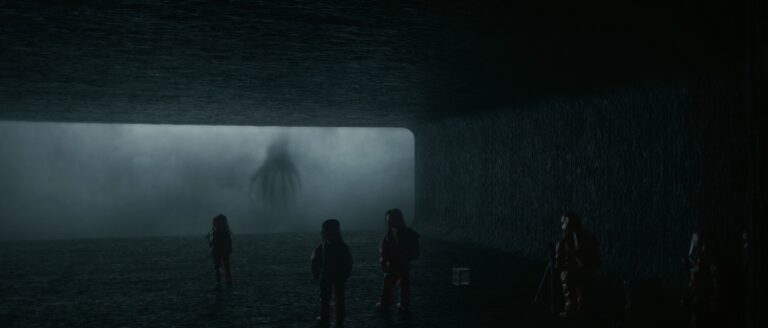
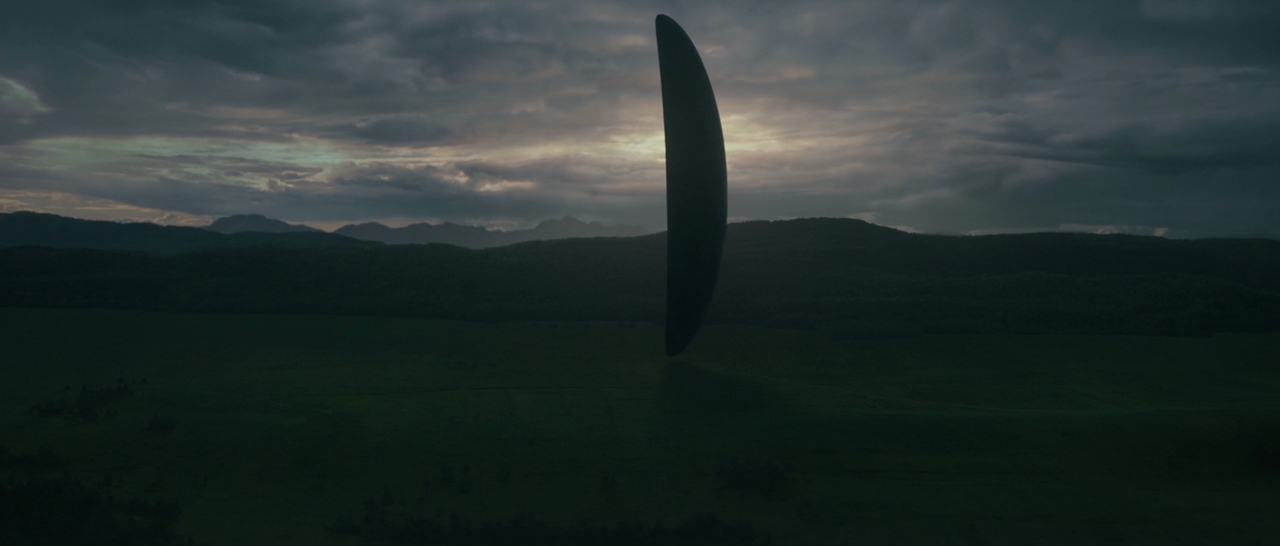
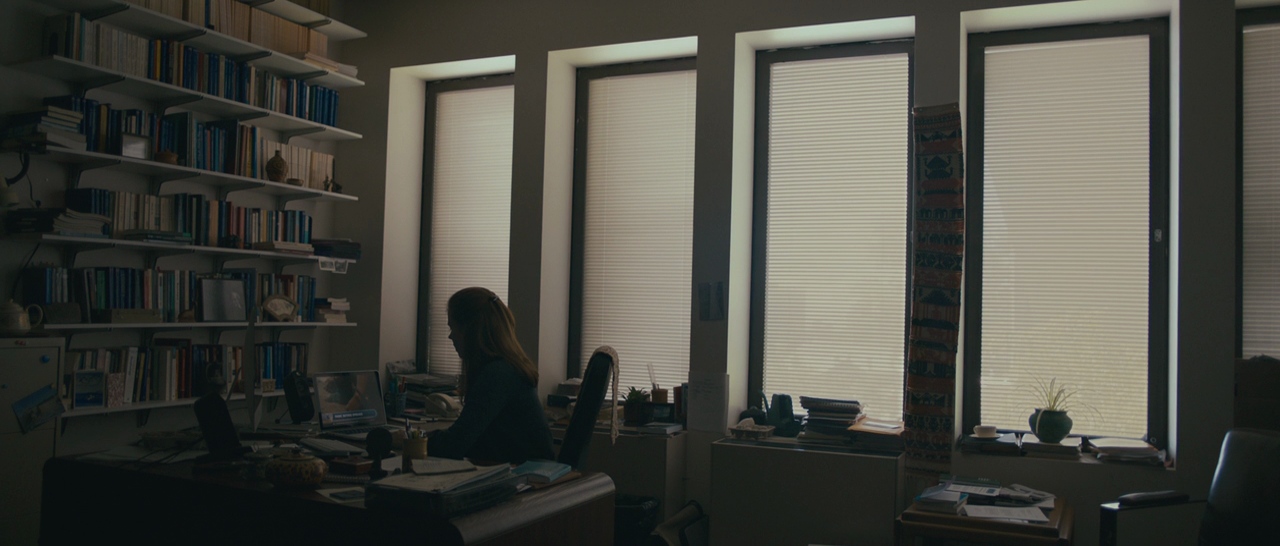
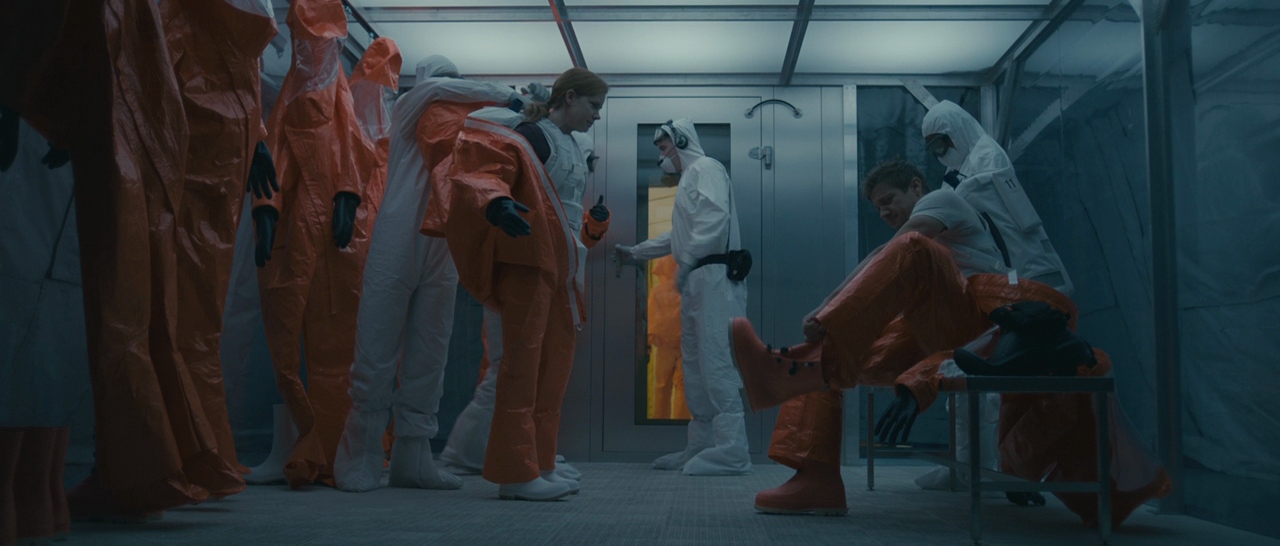
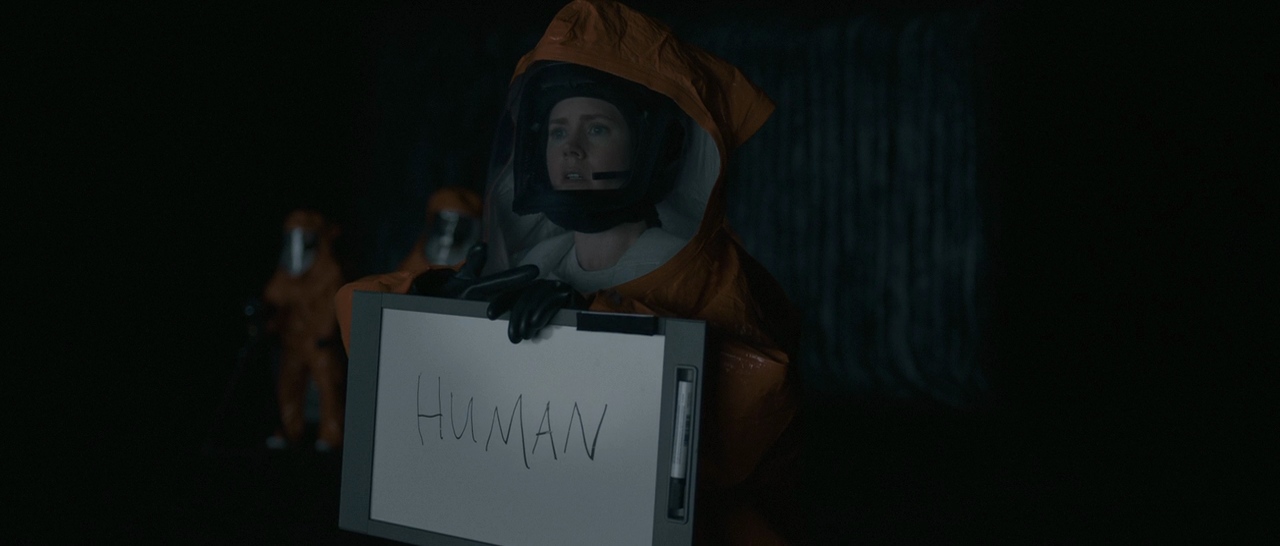
Arrival is a 2016 film directed by Denis Villeneuve and starring Amy Adams and Jeremy Renner. Adams portrays Dr. Louise Banks, a linguistics expert tasked with interpreting the strange language of aliens who have arrived on Earth without warning. These aliens do not mean any harm, which makes them all the more confusing to authorities. Their means of communicating, like everything else about their existence, don’t follow the rules humans have becomes accustomed to on Earth.
The film won an Academy Award for Best Sound Editing, but the cinematography is enthralling as well. Here are fifteen captivating stills from Arrival.
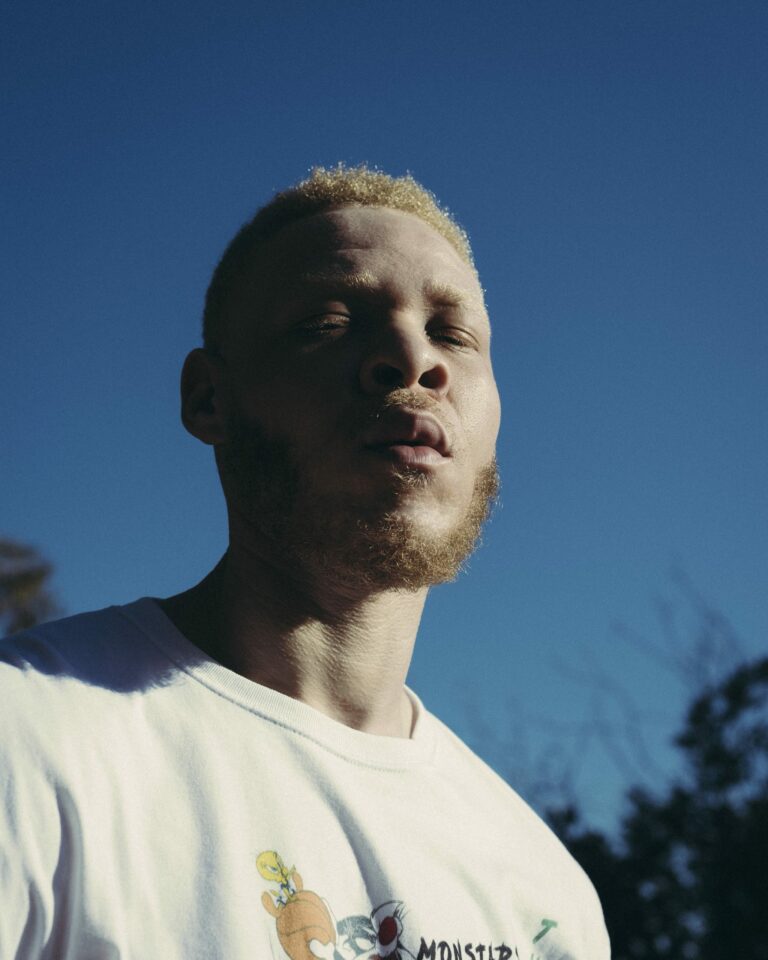
Davy Boi, a Los Angeles based artist, has released his new single Do Myself Better. The single comes after his 2019 EP errything so far, which includes all of his previous songs including Foundation, Dirty Mind, and what u like. errything so far has currently over 1.7 million streams.
Do Myself Better is a superb track with euphonious production by MKBLV & Shiftee which help showcase the stunning vocals of Davy Boi.
Talking about the song Davy Boi stated “Do Myself Better is a pledge to take self-care more seriously. It’s about looking at Imposter Syndrome in the face and confronting daily anxiety in a tongue & cheek manner. I know other people are experiencing feelings of not being the best versions of themselves, so I wanted to give a voice to that and say, ‘Hey, you’re not alone. Same here.‘”
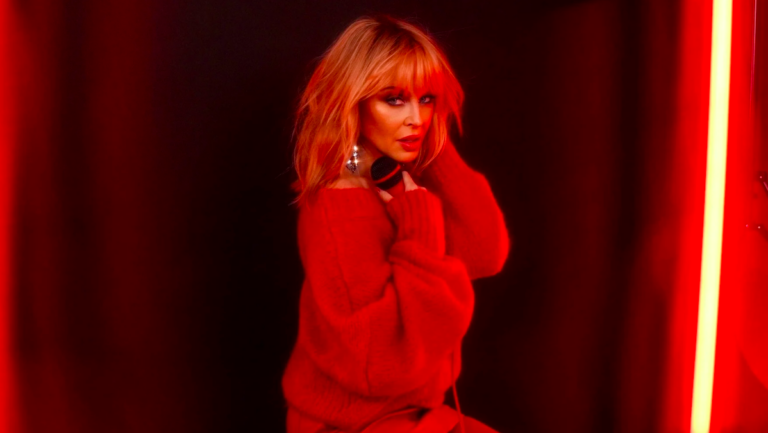
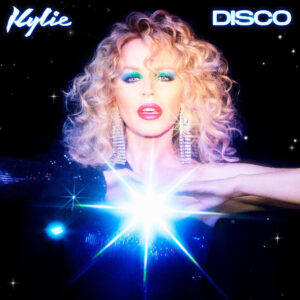
Kylie Minogue has announced a new album called DISCO, to be released on November 6th. The singer has also shared the first taste from the new album, ‘Say Something’. Check it out below, and scroll for the album’s cover artwork.
The 16-track LP will be the follow-up to 2018’s Golden. The lead single was produced by longtime collaborator Biff Stannard, while all the visuals for the album were handled by Minogue with help from creative director and graphic designer Kate Moross (Jessie Ware, Simian Mobile Disco) and music video director Sophie Muller (Radiohead, Beyoncé). More details about DISCO will be revealed soon.
Last year, the singer put out a greatest hits collection called Step Back in Time: The Definitive Collection and headlined Glastonbury 2019.
Eponymous records have been a favoured statement of self-identity for a plethora of artists gone-by. They can mark career intersections – 2014’s Beyoncé was the singer’s first visual album and first release without promotion. Or, for TV talent-show alumni, prompt the memory of supermarket shoppers just enough to take it from shelf to trolley. And they can serve as mission statements – The xx’s 2009 debut detailed their eclectic blend of influences and defined their sound.
Lianne La Havas, the London singer/songwriter’s third album, sees her join this coterie. A break-up record at heart, it’s inspired by the lifecycle of plants, and follows a failed relationship through love at first sight, its demise, and independence thereafter. Her only self-produced record, Lianne La Havas feeds off little more than guitars and percussion, but it’s her vivid vocals and intricate storytelling that emerge its salient qualities. It’s no wonder she gave it her namesake.
Sophomore Blood was accused of harbouring little more than its standout singles, but Lianne La Havas reveals a wellspring of latent wonders. Most notable is ‘Read My Mind’, a breezy jaunt through the first moments of infatuation. La Havas skips nimbly between wordy lines like “Feels like I’ve got nothing to hide/ a serendipity/ I noticed you noticed me”. It’s addictive and seamless – the musical equivalent of the sand-segmenting or soap-scraping of an Oddly Satisfying Instagram video.
Lianne La Havas’ storytelling supersedes both her previous work and much of her contemporaries. A Bossa nova guitar leads into opening lines “You didn’t pay your rent/ so I guess you’ll be leaving” on ‘Seven Times’. Driven by persiflage, the often mousy La Havas is now seen embodying the chutzpah of Blu Cantrell or TLC. But La Havas uses her voice as much as her lyrics to paint her pictures. The modestly monumental ‘Bittersweet’ is driven by its trudging rhythm section. However, it’s her varying inflections as she repeats “Bittersweet summer rain/ I’m born again” that hints first that her mojo is maintained, before ringing out her liberation as she belts it again.
Songwriter/producer Matt Hales (Aqualung) returns as La Havas’ primary collaborator, alongside guest production spots including Mura Masa on ‘Can’t Fight’. Here indie guitars lead into La Havas’ first realisations of her lover’s flaws, told through soaring melismas that further prove her vocal dexterity.
However, it’s ‘Weird Fishes’, a cover from Radiohead’s 2007 LP In Rainbows, that’s Lianne La Havas’ highlight. Despite not penning it herself, she’s performed the track live throughout her career, and it reportedly had a propulsive influence during the album’s primitive stages. Split in two parts – the first slashes the original’s bpm and dims its frenetic guitars in favour of woozy keys. This decelerates into layered vocal harmonies, before erupting to sound more akin to the original, providing the bedrock for La Havas’ heart-wrenching cries “hit the bottom/ the bottom and escaped”.
By three albums in, many artists would have reached their zenith. If this was La Havas’ it would more than suffice. However, her trajectory hitherto inspires optimism. The next move is anyone’s guess.
Taylor Swift has announced a surprise new album titled folklore will be released at midnight EST tonight (July 23). The follow-up to 2019’s Lover will include 16 tracks and no previously released singles. Check out the announcement below, along with the album’s tracklist and cover artwork below.
Much of the album was produced and co-written alongside Aaron Dessner of the National, with additional orchestration from his brother Bryce Dessner. It also features contributions from Justin Vernon of Bon Iver and previous collaborator Jack Antonoff, who co-produced her previous album, as well as Wiliam Bowery. “Most of the things I had planned this summer didn’t end up happening, but there is something I hadn’t planned on that DID happen,” Swift wrote on Instagram.
She added: “Before this year I probably would’ve overthought when to release this music at the ‘perfect’ time, but the times we’re living in keep reminding me that nothing is guaranteed. My gut is telling me that if you make something you love, you should just put it out into the world. That’s the side of uncertainty I can get on board with.”
In addition to the new album, Swift will also unveil a video that she wrote and directed for a track called ‘cardigans’ tonight. A bonus track titled ‘the lakes’ will also appear on deluxe physical editions of the LP, the singer-songwriter revealed.
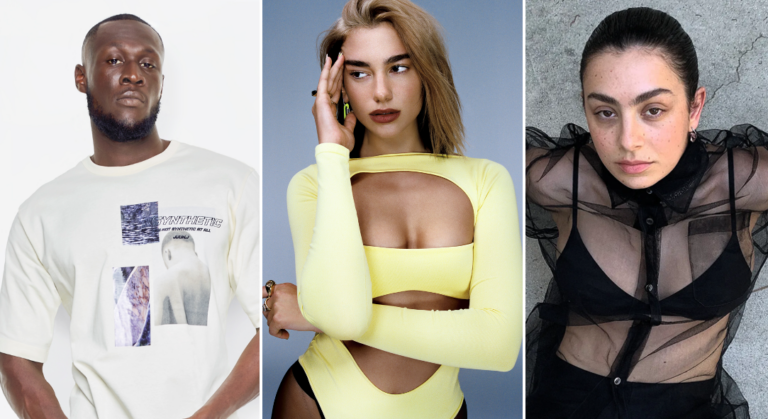
The nominations for the 2020 Mercury Prize have been revealed. Dua Lipa, Charli XCX, and Stormzy are among the artists leading the competition for the prestigious £25,000 prize. Michael Kiwanuka, Porridge Radio, and Georgia are also part of the shortlist. Check out the full list of nominations below.
The shortlist was selected by an esteemed panel of industry professionals, including radio presenter Annie Mac, Supergrass’ Gaz Coombes, as well as new judges Anna Calvi and Gemma Cairney.
“In these difficult and uncertain times the Hyundai Mercury Prize is proud to celebrate the remarkable power of music to inspire and exhilarate,” the judges said in a statement. “The albums on the 2020 shortlist showcase a great diversity of sounds, styles, ambitions and experience. What these albums share is an irresistible urgency, a belief that their music matters more than ever.”
The winner of last year’s coveted award was Dave for his album Psychodrama.
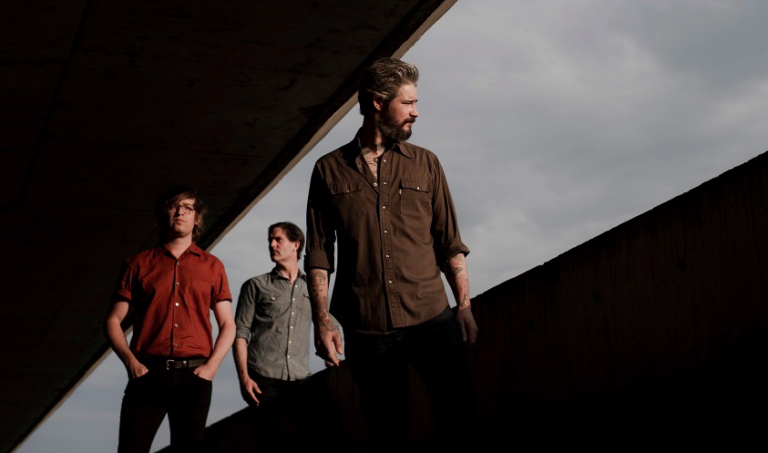
METZ have announced their fourth studio album, Atlas Vending, set for release on October 9 via Sub Pop. The Toronto punk trio, consisting of guitarist/vocalist Alex Edkins, drummer Hayden Menzies, and bassist Chris Slorachalso, also unveiled the first single from the album, ‘A Boat to Drown In’, along with a music video directed by Tony Wolski. Check it out below, and scroll for the album’s artwork and tracklist.
Containing 10 tracks, the new album was recorded at Machines with Magnets in Rhode Island and was co-produced by Ben Greenberg (Uniform) and engineered and and mixed by Seth Manchester (Daughters, Lingua Ignota, The Body). As METZ’s Alex Edkins explains, the new album is “about leaving a bad situation behind. About overcoming obstacles that once held you back, rising above, and looking to a better future. The title refers to immersing yourself fully into what you love and using it as a sanctuary from negativity and a catalyst for change.”
He added: “Our goal is to remain in flux, to grow in a natural and gradual way. We’ve always been wary to not overthink or intellectualize the music we love but also not satisfied until we’ve accomplished something that pushes us forward.”
Speaking of the new song and video in particular, director Tony Wolski said in a press release: “The song has a beautiful, crushing numbness to it that we wanted to mirror in the visual. So we chose to romanticize our main character’s descent into her delusions of love and togetherness. At a time when everyone’s simultaneously coping with some sort of isolation, a story about loneliness—and the mania that comes with it—seems appropriate to tell.”
Atlas Vending follows from the band’s 2017’s album Strange Peace. Last year, they released a compilation of B-Sides and rarities called Automat.
Atlas Vending Cover Artwork:
Atlas Vending Tracklist:
1. Pulse
2. Blind Youth Industrial Park
3. The Mirror
4. No Ceiling
5. Hail Taxi
6. Draw Us In
7. Sugar Pill
8. Framed by the Comet’s Tail
9. Parasite
10. A Boat to Drown In
Back in May, it was announced that Fiona Apple would be one of the songwriters to contribute to Apple TV’s new musical comedy series Central Park, created by Josh Gad, Bob’s Burgers’ Loren Bouchard, and Nora Smith. Ahead of tomorrow’s (July 24) finale, A Fish Called Snakehead, a new Fiona Apple-penned track has been shared called ‘New York Doesn’t Like Your Face’. Check it out below.
The track was co-written by Apple’s friend and collaborator David Lucky, and is sung by one of the characters on the show, Ashley, voiced by the six-time Tony winner Audra McDonald. The full soundtrack for Central Park will also be released tomorrow, including contributions from Cyndi Lauper, Meghan Trainor, Sara Bareilles, Aimee Mann, Andy Hamilton, and more.
Back in April, Apple released her much-anticipated, critically lauded album Fetch the Bolt Cutters. Last month, she pledged to donate all of the proceeds from the use of her tracks ‘Shameika’ and ‘Heavy Balloon’ in film and TV to charity.
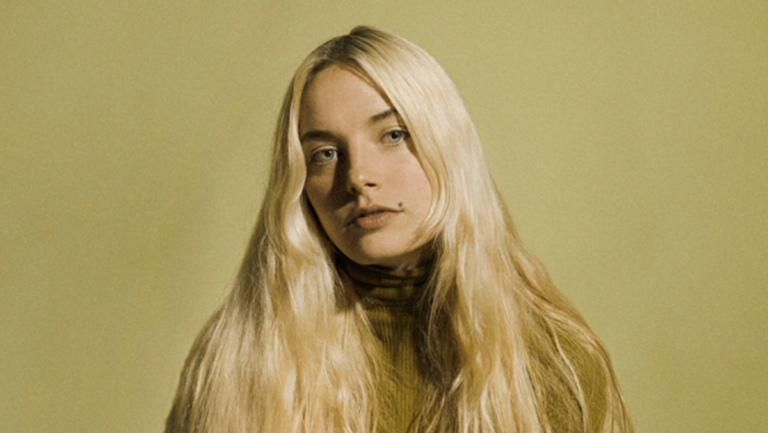
Following her breakout 2019 single ‘Moral of the Story’, California indie pop artist Ashe has released her latest single, the catchy yet emotionally stirring ‘Save Myself’. Check it out below.
Though recorded after ‘Moral of the Story’, the two singles are closely related. “I look at ‘Save Myself’ as the precursor to ‘Moral of the Story’ instead of the follow up,” Ashe explained in a press release. “People say there are five stages of grief; I wrote ‘Moral of the Story’ in the fifth stage of grieving my relationship: acceptance. ‘Save Myself’ (although, written post ‘Moral’) is about my second stage: anger.”
She added: “It means the world to have a chance to express the anger I felt in a healthy way, because whether we like it or not, our anger demands to be felt and let out.”
Last year, Ashe released two FINNEAS-produced EPs: Moral of the Story: Chapter 1 & 2. Back in June, she released a new version of ‘Moral of the Story’ featuring ex-One Direction member Niall Horan.
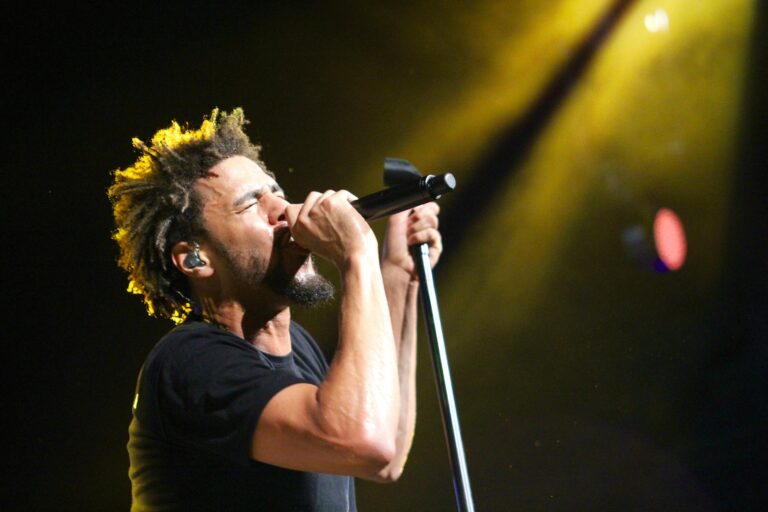
J. Cole has shared two new songs, ‘The Climb Back’ and ‘Lion King on Ice’. The tracks appear on a new single called Lewis Street, and will be featured on the North Carolina rapper’s upcoming album The Fall Off. Check them out below.
‘The Climb Back’ was produced solely by Cole, while ‘Lion King on Ice’ features co-production from ‘MIDDLECHILD’ collaborator jetsonmade and T-Minus. The Fall Off will be the long-awaited follow-up to 2018’s KOD. No release date has yet been announced. “Taking my time, still finishing,” Cole wrote on Instagram.
The rapper has been busy since releasing KOD. Last year, he spearheaded the latest installment in the Dreamville collaborative series, Revenge of the Dreamers III, which featured Kendrick Lamar, Vince Staples, J.I.D, Young Nudy, DaBaby, EarthGang, Smino, T.I., and more. Last month, he released the surprise single ‘Snow on tha Bluff’, in which he appeared to take aim at Noname, who responded with her own track.