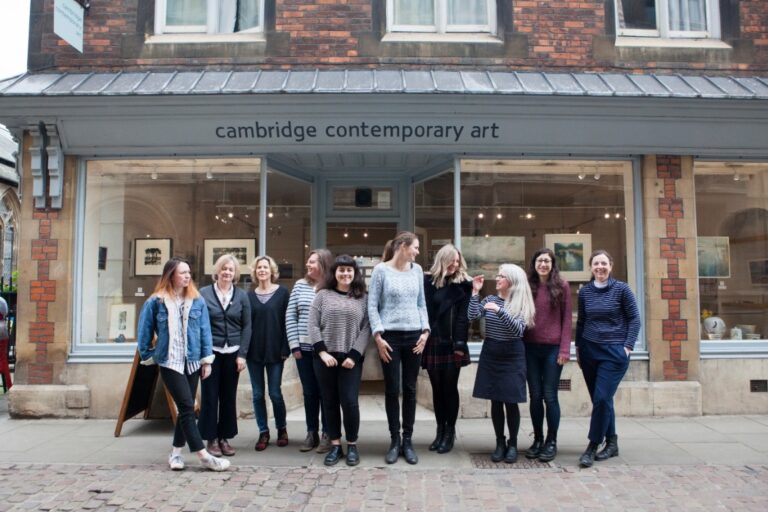
If you’re an art lover, artist or love to support great projects, then here is your chance to help support a superb gallery based in Cambridge. Cambridge Contemporary Art is a gallery based in Cambridge which currently represents around 500 artists. They need your help so they can survive the COVID-19 outbreak, which has caused them to close and lose a lot of their income.
There are two ways to help. Firstly, you can donate via their GoFundMe page and in return for every £2.50 donation you are will be invited to collect a greetings card at their gallery when it re-opens. Secondly, if you love to own art, you can make a purchase via their online store.
Per Störby Jutbring The Lynx, The Fawn, The Squirrel
Our first entry on this Sound Selection is by Per Störby Jutbring who presents us with a soothing piece named The Lynx, The Fawn, The Squirrel. In this ear-pleasing piece, Jutbring brings out a delicate melody that brings out a sway of emotions with its gentleness.
Slowburner Everything will be ok
More exquisite and refined music appearing on our Sound Selection is by Slowburner, a composer and music producer based out of Lisbon, Portugal. Slowburner has a lovely sound in his piece Everything will be ok, reminding us of artists such as Joep Beving and Nils Frahm with gentle dynamics, and fluid melodies. Having presented this superb piece, Slowburner puts himself on the map as an artist to follow.
Josa Barck The Future
Shifting to more 80s inspired music, we have The Future by Josa Barck that reminds of artists such as David Bowie and Talking Heads. The Future as a song has shifted meaning since the recent events but still stands firm on its spirit and sense of freedom. Barck manages to showcase his unique and raw vocal power while also keeping you hooked with an addicting production. With this song released, we are thrilled to see what is next for Josa Barck.
Eli & Fur Fuse
There is no introduction needed for Eli & Fur. The duo delivered a magnificent single named Fuse in which they explore melancholic atmospheres with haunting-like vocals and throwback synths, reminding us of artists such as Depeche Mode. This one is for the playlists.
Cimo Fränkel, a Pop singer-songwriter based out the Netherlands, released his latest self-titled album which features fourteen songs including Happier Before and World is Waking Up.
The album itself is quite eclectic; it explores different types of Pop styles throughout its duration. It begins with Drifting, a song which has a raw energy and some interesting dynamics. From then on, we see a mixture of different styles from Fränkel. We hear a shift to a calmer, more reflective mood with songs such as Happier Before and World is Waking Up. While we also get a taste for throwback-inspired beats in such songs as Where Do You Hide Your Love, and I’m Alright.
In this segment, we showcase the most notable albums out each week. Here are the albums out on April 10th, 2020:
The Strokes,The New Abnormal
The Strokes are back with their sixth studio album, The New Abnormal, out now via Cult and RCA Records. Following 2013’s Comedown Machine, it marks the rock band’s first album in seven years and their first release since the 2016 EP Future Present Past. The album was produced by Rick Rubin and recorded at his Shangri-La studio in Malibu, California, and was preceded by the singles ‘Ode to the Mets’, ‘At the Door’ and ‘Bad Decisions’, the latter of which debuted live at a rally for Democratic presidential candidate Bernie Sanders. The artwork was taken from the 1981 Jean-Michel Basquiat piece Bird on Money.
Laura Marling,Song for Our Daughter
Announced earlier this week alongside the single ‘Held Down’, singer-songwriter Laura Marling has a new album out titled Song for Our Daughter. The follow-up to 2017’s Semper Femina, released through Partisan/ Chrysalis, wasn’t originally intended to see the light of day until later this year, but Marlin decided that she “saw no reason to hold back on something that, at the very least, might entertain and, at its best, provide some sense of union”. She continued: “It’s strange to watch the facade of our daily lives dissolve away, leaving only the essentials; those we love and our worry for them. The album, stripped of everything that modernity and ownership does to it, is essentially a piece of me, and I’d like for you to have it. I’d like for you, perhaps, to hear a strange story about the fragmentary, nonsensical experience of trauma and an enduring quest to understand what it is to be a woman in this society.”
Nightwish,HUMAN. :II: NATURE
Nightwish have come through with their follow-up to 2015’s Endless Forms Most Beautiful, titled HUMAN. :II: NATURE, via Nuclear Blast Records. The metal band’s ninth studio album is a double LP, with nine tracks on the first disc and one long- eight-part song on the second. It marks their second album with singer Floor Jansen, who took over for Anette Olzon in 2012. “Tuomas once said that whenever he creates a new record he has the intention of capturing something rare and unique, a monument and a true album experience,” Nightwish said in a statement. “In 2020 he’s certain to achieve his objective once again. We have completed the recordings for their 9th studio album and are proud to announce the title, artwork and track listing.”
The Dream Syndicate,The Universe Inside
This is the third studio album in four years from krautrock and electronic music pioneers The Dream Syndicate. The band reunited in 2017 with the release of How Did I Find Myself Here?, with the current lineup consisting of Along of founding singer and guitarist Steve Wynn, founding singer and guitarist Steve Wynn, founding drummer Dennis Duck, bassist Mark Walton, guitarist Jason Victor and keyboardist Chris Cacavas. The album includes the 20-minute single, ‘The Regulator’, which is “a microcosm of the entire record — it was just a formless, trippy mass as we all started playing together,” as described by Wynn. The album was largely improvised and recorded during an 80-minute studio session. “All we added was air,” Wynn said.
Other albums out today:
Joe Satriani, Shapeshifting;Sparta, Trust the River; Hamilton Leithauser, The Love of Your Life.
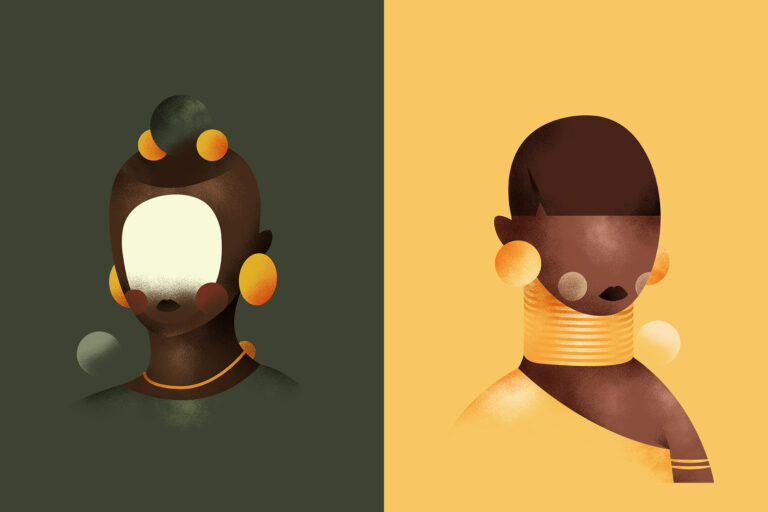
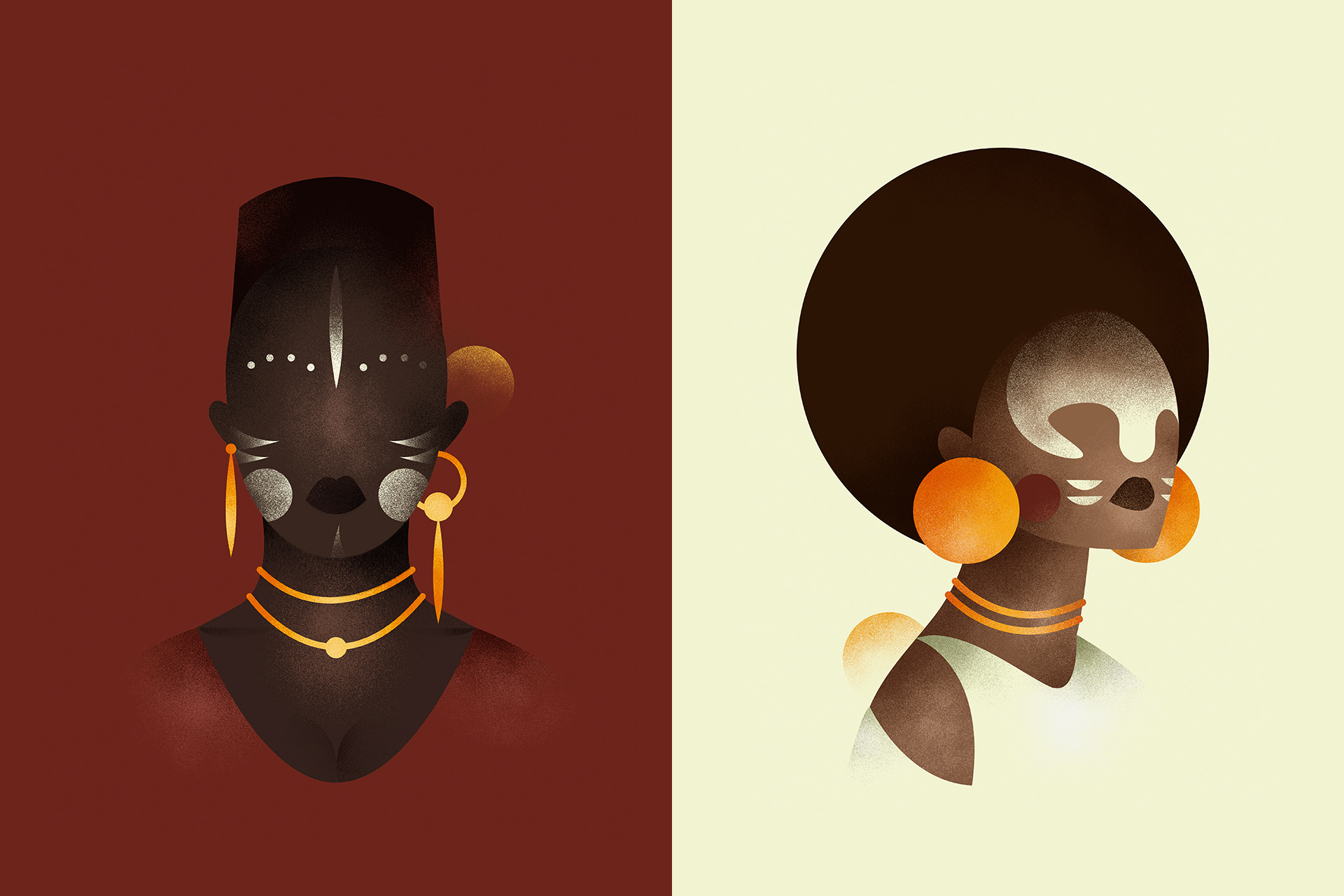
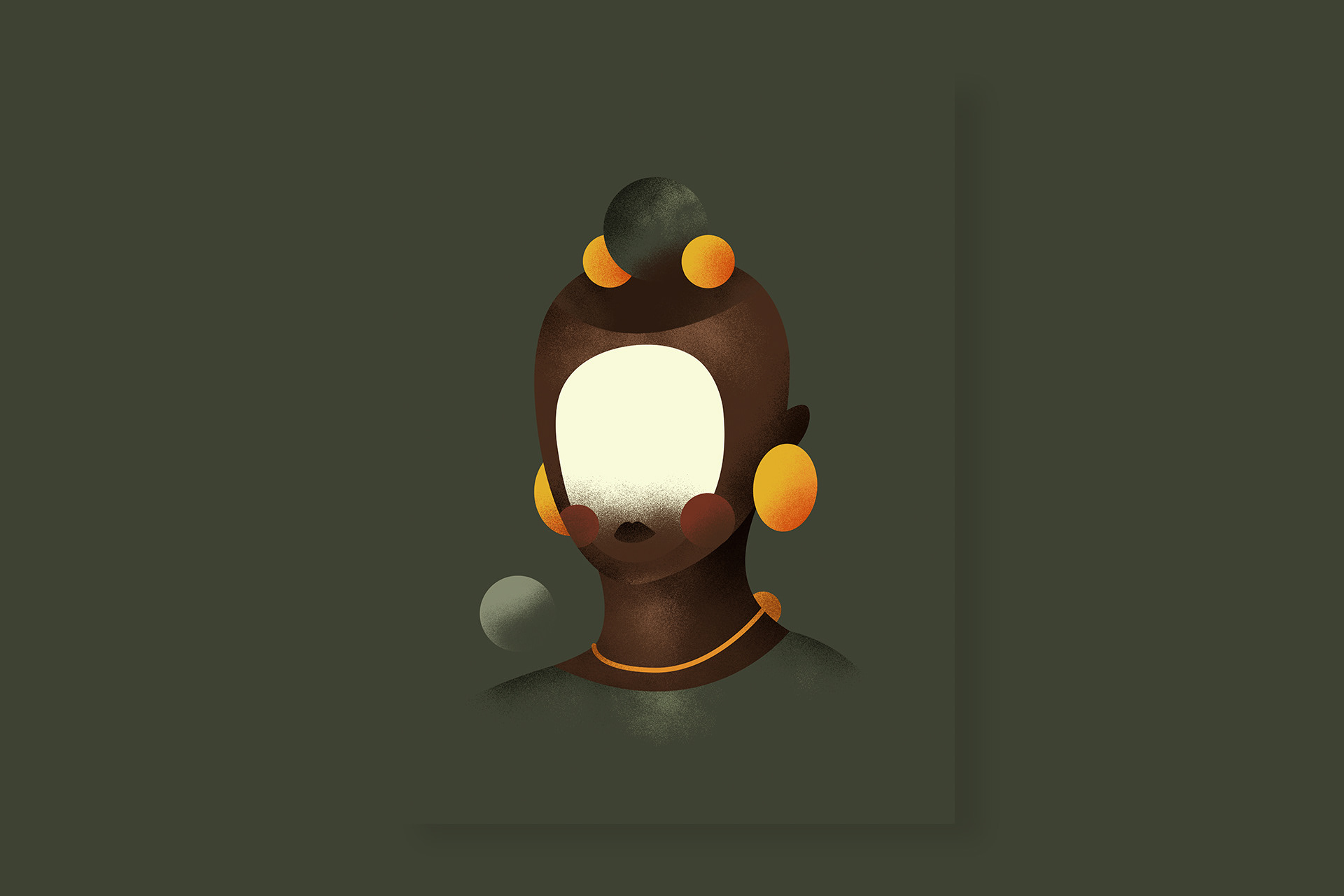
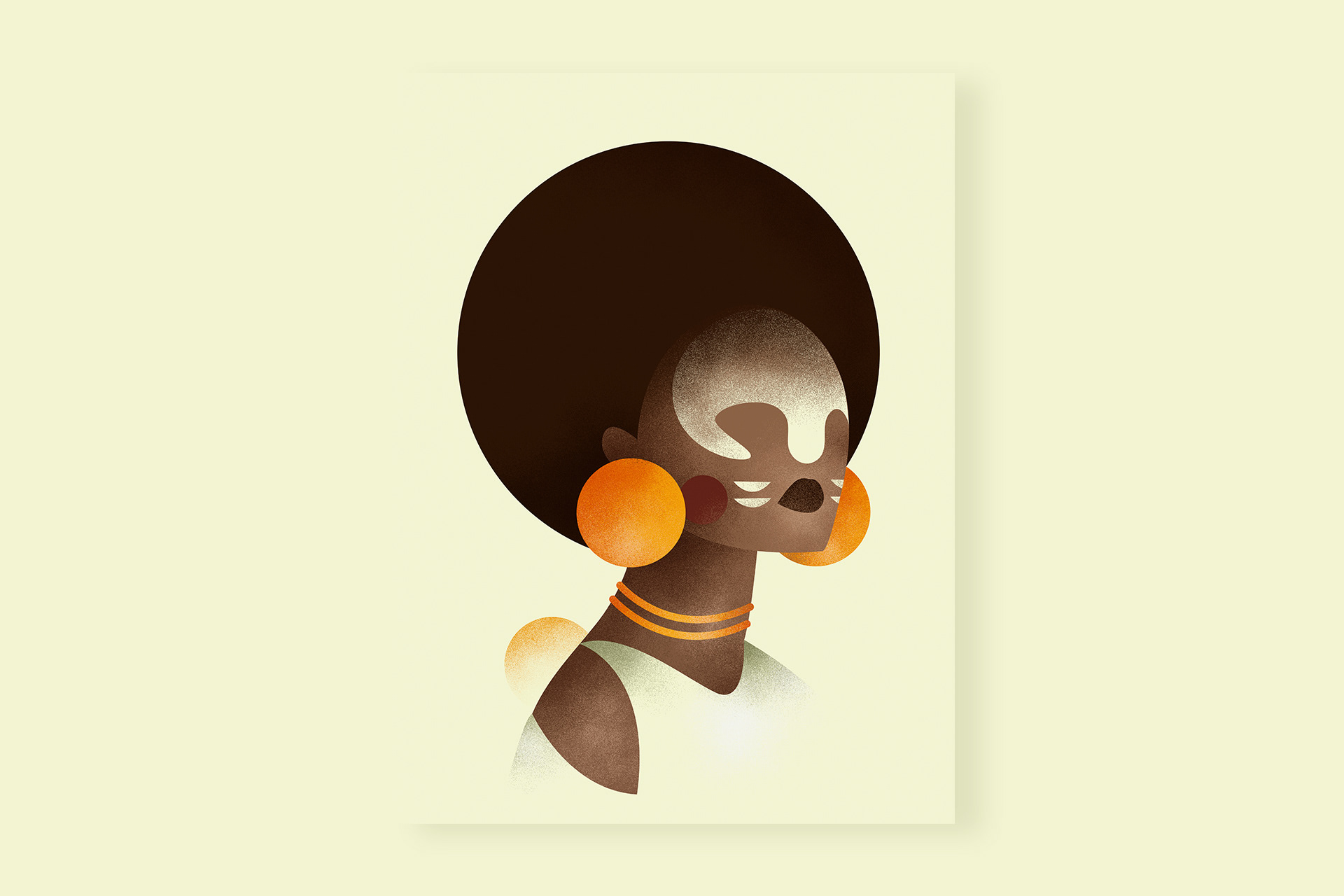
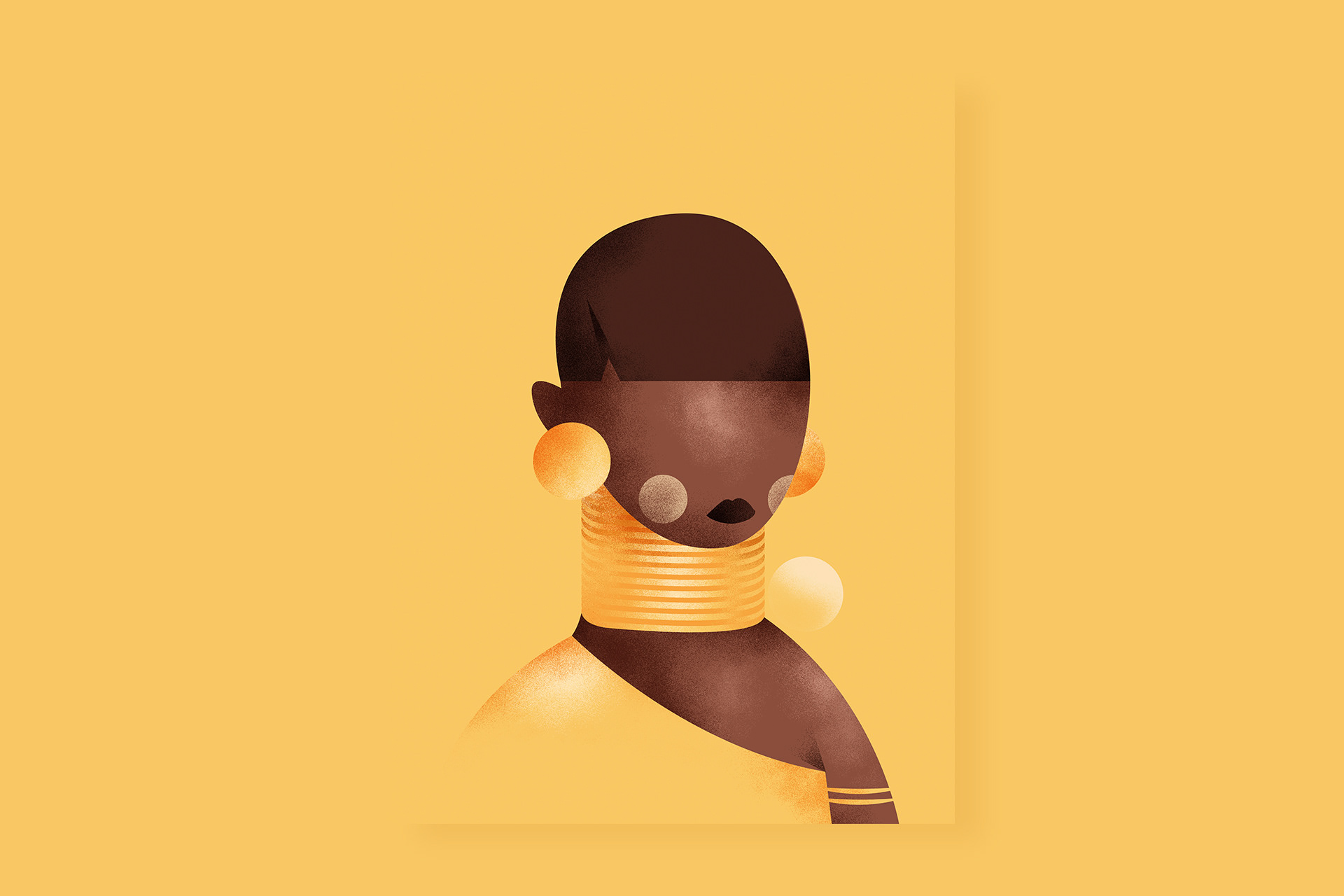
Juan Sebastián Moreno, an art director and illustrator out of Bogotá, Colombia, presented a stunning personal series named Beauty in which he explores he beauty of women in different cultures around the world. Moreno utilises simple shapes, eye-catching colours and splendid textures to bring out a balance between illustrations.
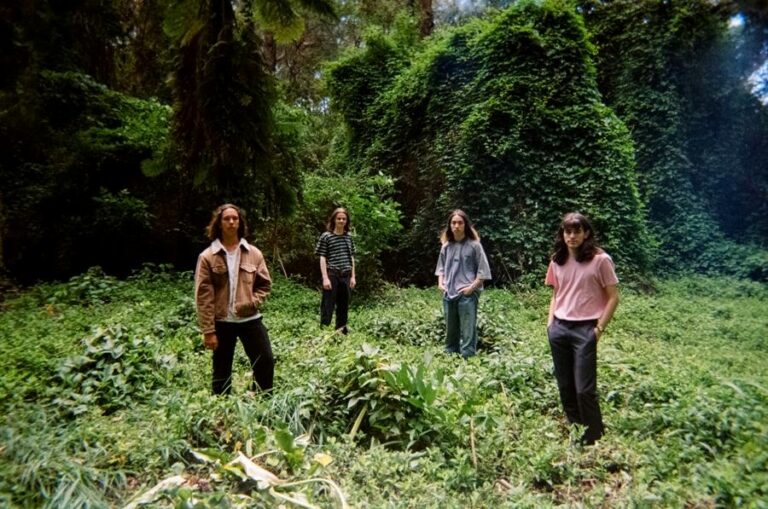
The Lazy Eyes, a four-piece band out of Sydney, Australia, released their latest single Tangerine. The song follows the band’s first release Cheesy Love Song which already passed over 300,000 streams via Spotify alone.
Talking about the song the band stated “Tangerine is the first original we ever learned to play. It’s funny looking back on it because the rhythm of the melody was so hard for everyone – especially poor Noah on the drums – to nail. Nowadays the song is a breeze and It would be weird if it wasn’t, considering we have played it more than any other song in the set. Harvey finds a new and inventive way at every show to make the guitar solo ‘interesting.’ Expect the unexpected from him. The recording came together slowly, adding layers one by one and producing it in our home studio. Sonically it’s still nostalgic of the time when we were just starting to learn to play with each other and really becoming a band.”
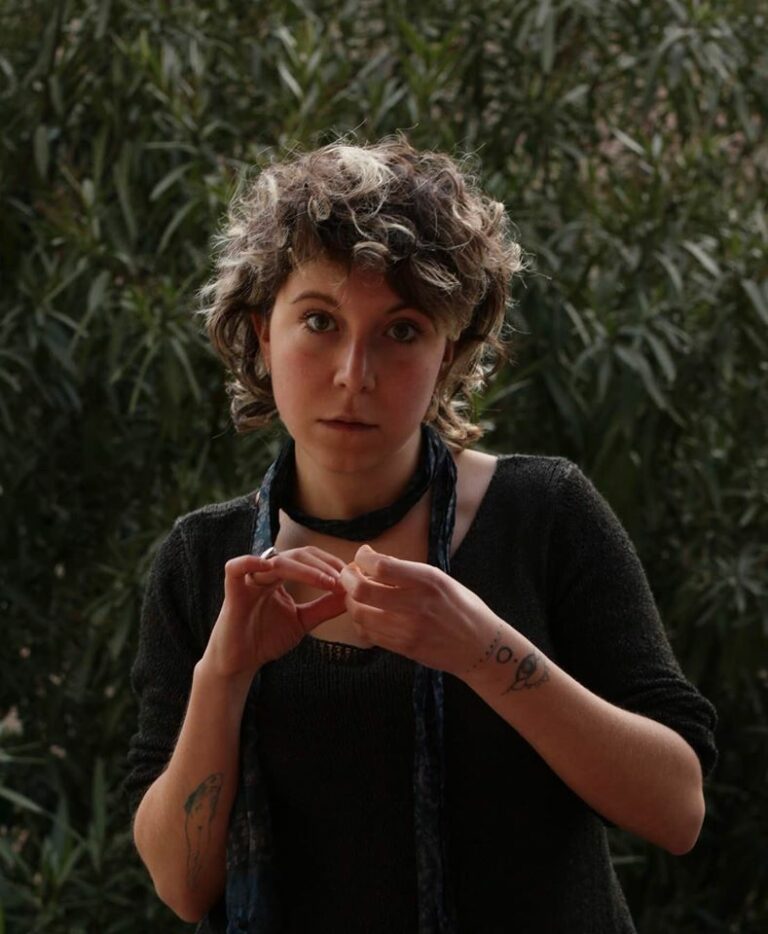
Emma Grace’s music is not the kind we usually cover on this segment, but the natural, raw beauty of her compositions, which traverse through the fields of classical, ambient, and folk, made it impossible to ignore. An Italian-American composer, singer, and violinist from Assisi and Florida, Grace released her first album, Backgrounds, at the age of 22, and two years later, she has come through with a new double LP, the earthy and enchanting Wild Fruits and Red Cheeks. Right from the beginning of the record, Grace displays the different elements of her music that flourish throughout – opener ‘Animated (Midnatt)’ is an ambient piece incorporating lo-fi recordings, which transitions to the more fully-formed, tension-filled, and melodic ‘Random Precision’, while ‘On Top of Our Worlds’ introduces Grace’s ethereal voice, which so naturally dances around the violin. The nearly 8-minute ‘Red Fruits’ is a flower of its own, changing form as it grows, while the guitar-based, folkier ‘The Tree’ and ‘Blue Woods’ explore a more intimate type of beauty. The slowly-unfurling ‘Climbing on Waters’ is wonderfully evocative as its propulsive rhythm pushes forward, a remaining echo first unveiled on ‘Red Fruits’. The graceful beauty of this album is undeniable upon first listen – but the journey it takes you through, the different creeks you discover along the way, is the reason you’ll want to return to it again and again.
We caught up with Emma Grace for this edition of our Artist Spotlight series, where we showcase up-and-coming artists and give them a chance to talk a bit about their music.
How and when did you decide to pursue music?
I always had the dream of touring with bands but after finishing my music studies at 13 I didn’t touch the violin for about two years. After that I started playing again on my own and also with other musicians from my neighborhood in their projects. Even though at 17 I completed my first violin composition, never had i thought about writing and playing my own music. I figured that playing music was a big inevitable part of my life once I started travelling with the violin as my only suitcase.
What are some of your biggest influences?
I think travelling has always been my greatest influence, and quite an addiction, it taught me to constantly adapt and to realize when it’s time to stop and create. The people along the way have all guided me to come up with new songs and views of the world. From the musicians i worked with in Paris, to my latest music therapy studies. Musically speaking, movie soundtracks and minimal ambient music are always a great inspiration. In this way I discover a lot of new sounds.
How did your current approach to songwriting develop, and how has it changed over the years?
I never intentionally wanted to write music, I think that the world is already full of lots of fantastic music, so much that it’s hard to keep up with it. But making music turned out to be a daily necessity.Originally I was keener on listening and accompanying others. My composing developed naturally from this. It’s probably a cliche nowadays to say the music writes itself, but when i write it really feels that way. It’s not something I want to control with my mind. I just let it happen, it can’t be planned or predicted.
Can you talk to us about the process of making ‘Wild Fruits and Red Cheeks’?
Wild Fruits and Red Cheeks started composing it self in India. I started writing one of the guitar songs “Blue woods”. Once got back to Venice “On Top Of Our Words” just came out as soon as I tried the Viola that was kindly lend to me on one of my trips back to the States. After that I remember it was raining outside and I pressed Rec when i first tried a friend’s Loop Station and then realized that I almost had a new album to work on, and probably it was going to be a double. Some tracks have remained first takes recorded in my room in Venice, others have been recorded a second time in a bathroom in the countryside in Umbria. Finally I added some sounds and songs made on my phone during my latest travels.
What were some of the inspirations behind it?
As I already mentioned, I started work on the first songs in India where I stayed a month in an orphanage working on musical activities with kids and older women. After that experience I found that I couldn’t relate to my earlier works as before, so I felt it was time to try and push “rec” again as soon as i had the possibility to do so. The album is an update to where I am now musically.
If you could collaborate with any musician, who would it be?
Always a hard question, let’s see…At the moment it would be late nights composing with Moondog, dance sets with Arthur Russel, and morning ritual writing with Franco Battiato, amongst others. Rather than working only with musicians, I would like to combine my music with other artforms and the artists I meet day to day.
What are your plans for the rest of the year?
For now I am in quarantine as we all are, so it is very difficult to plan. But it is good to stop, focus on other rhythms, daily routines, old books and new notebooks.
I will continue with my music therapy studies and perhaps will soon be pressing “rec” again! Who knows?
It is 2020 and summer is not far away, it is now the perfect time to think about what you may want to wear for the warmest season of the year. For this list, we have selected ten superb-looking shirts for you to consider getting. From what we know, bowling shirts and oversized shirts are in so we did our best to include some in our list.
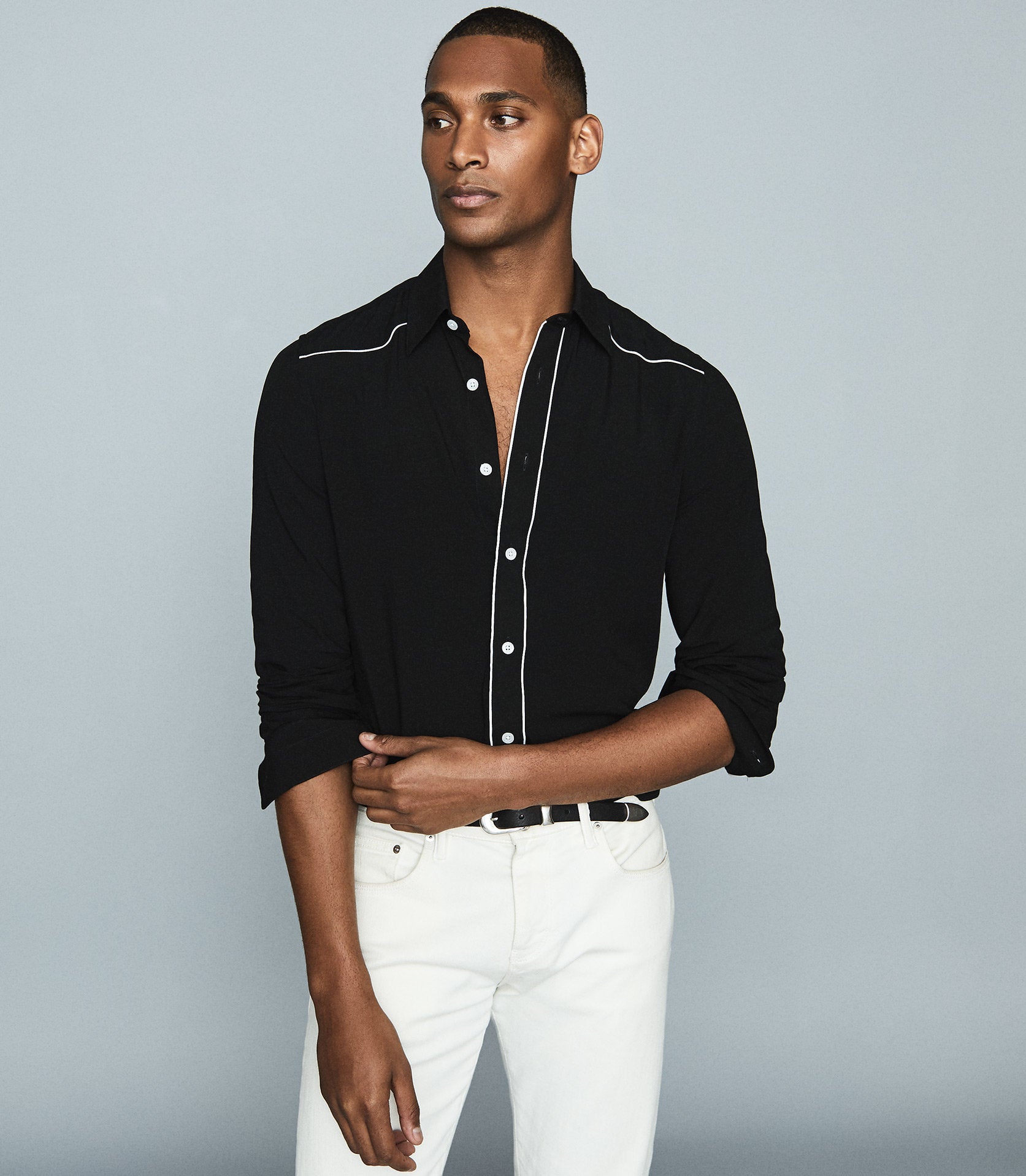
Reiss Calahan Western Stitch Detail Shirt – Black
Reiss are known for some stunning shirts in the past few years at least. Combining a touch of seventies-inspired style to your summer look with the Calahan button-through shirt in black might be just the way to go. The shirt is crafted from a lightweight fabric and features a point collar, Western-stitch piping detail and buttoned cuffs. It will look great with a pair of slim fit white trousers, or even some shorts. Remember, Western styled shirts can also go with some classic denim colours, so jeans are an option.
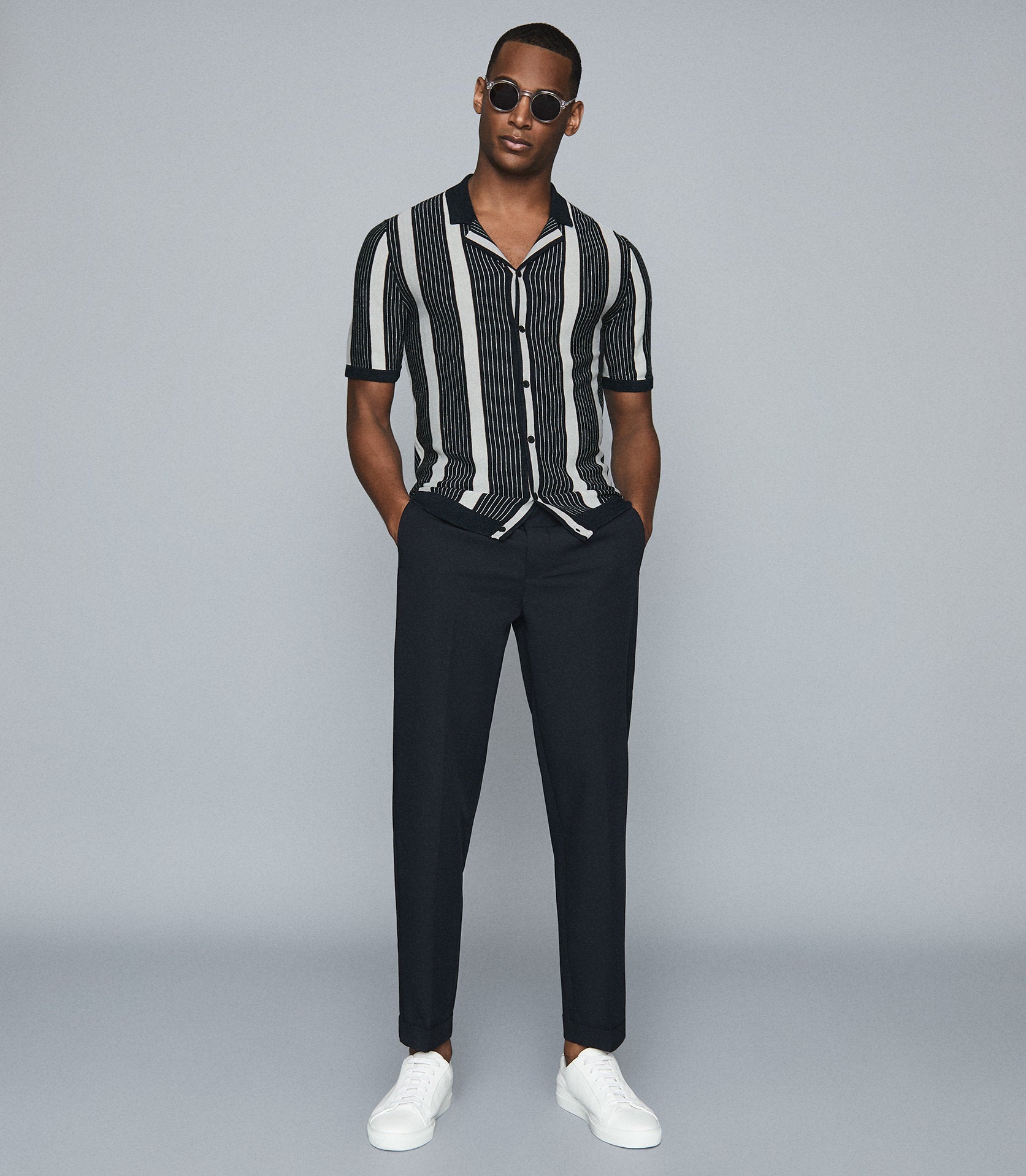
Reiss Bowen Striped Linen-blend Cuban Collar Shirt – Navy
This is another magnificent shirt by Reiss. This shirt revives a classic silhouette with a retro-inspired polo silhouette, with a striped navy, white and navy palette and ribbed detailing. You can pair this shirt with smart chinos, or a pair of dark shorts.
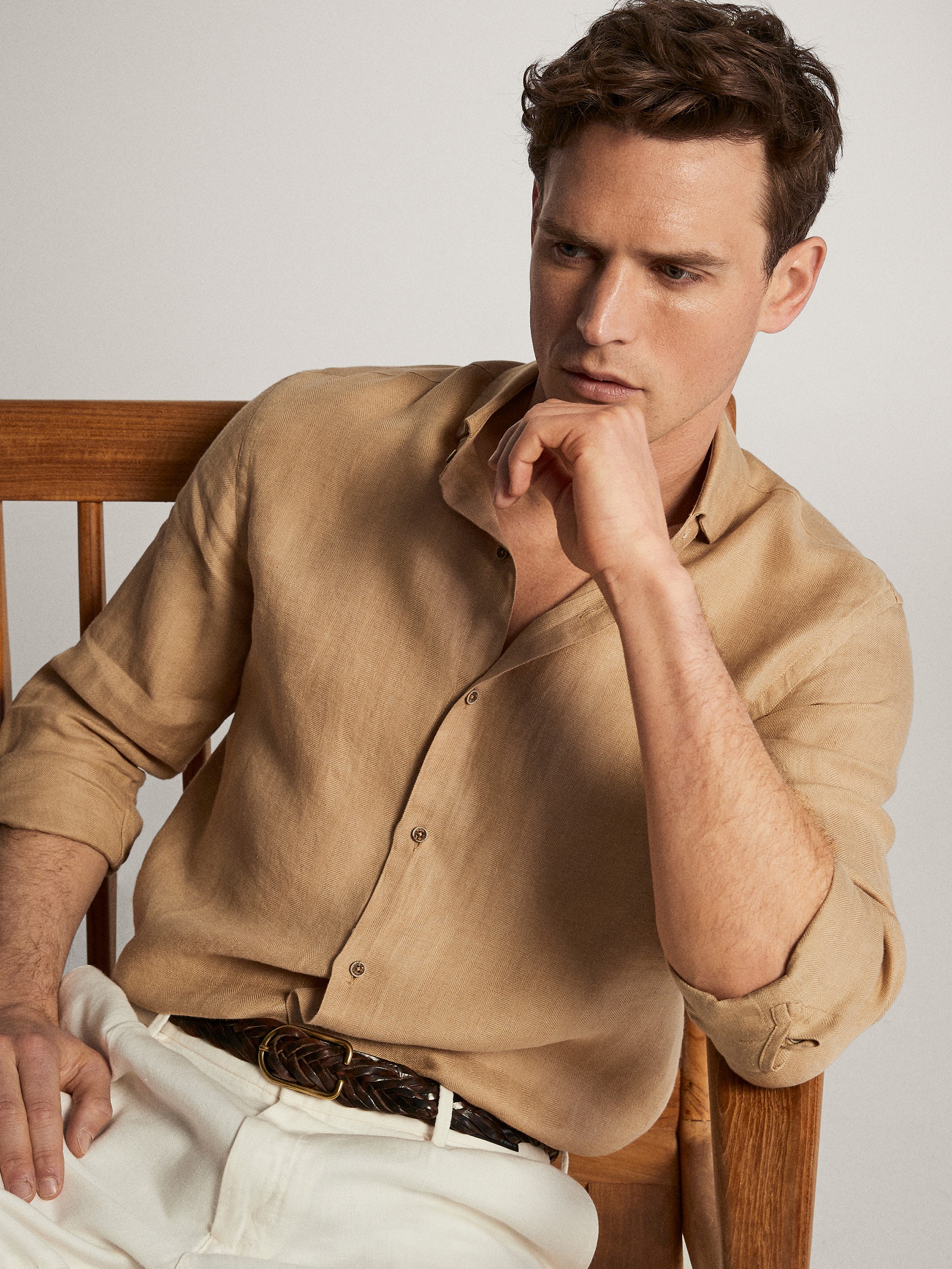
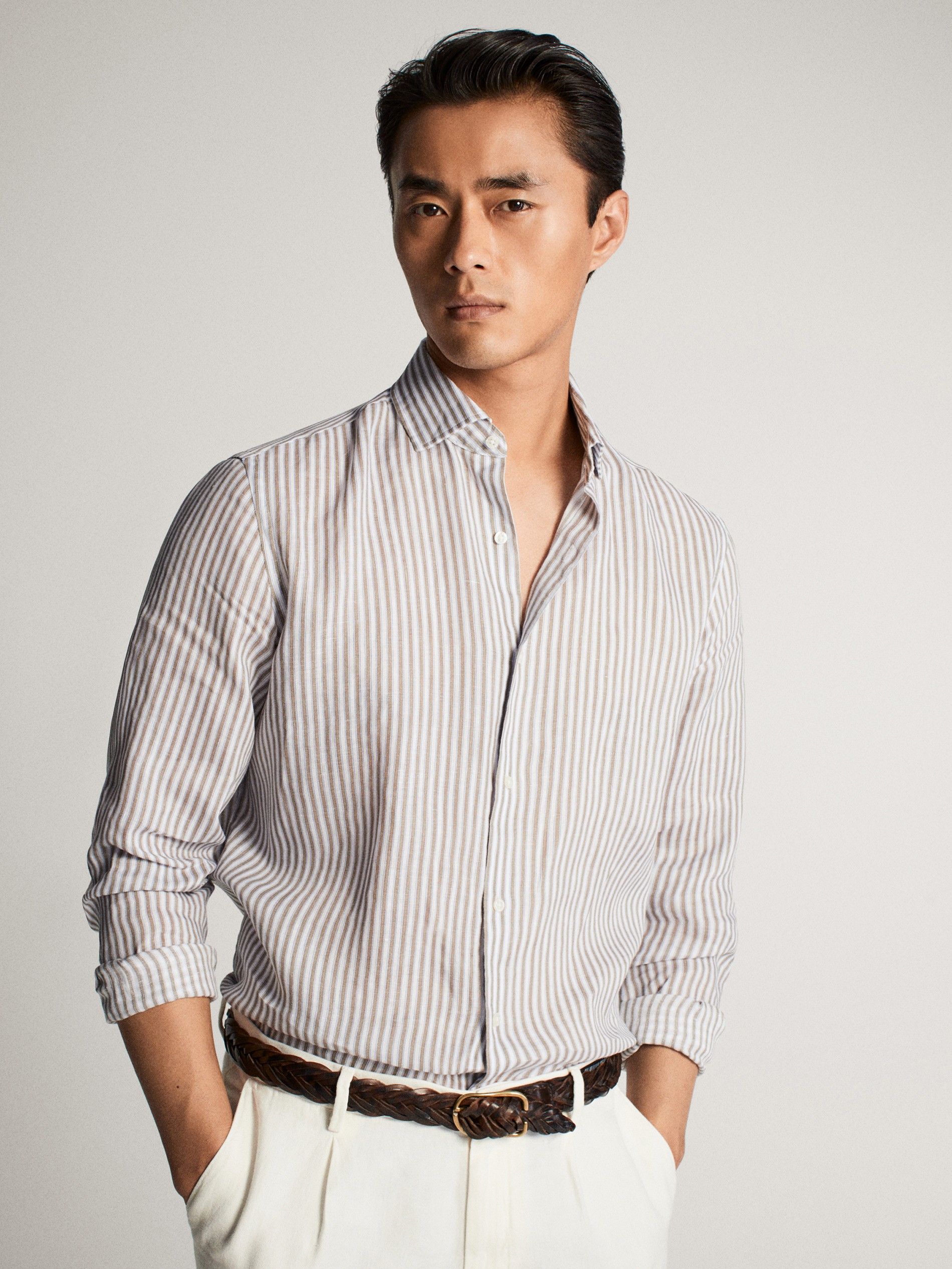
This beautiful, eye-pleasing shirt with a plain washed look is made from linen. It is slim fit with a Kent collar that will help reflect a calming, chilled-out look on you. If you’re looking for something serene, this shirt will be ideal for you.
This is another stunning addition to our list by Massimo Dutti. Like the previous entry, this Linen shirt is not just comfy but also a lovely look that is casual yet elegant, perfect for summer.
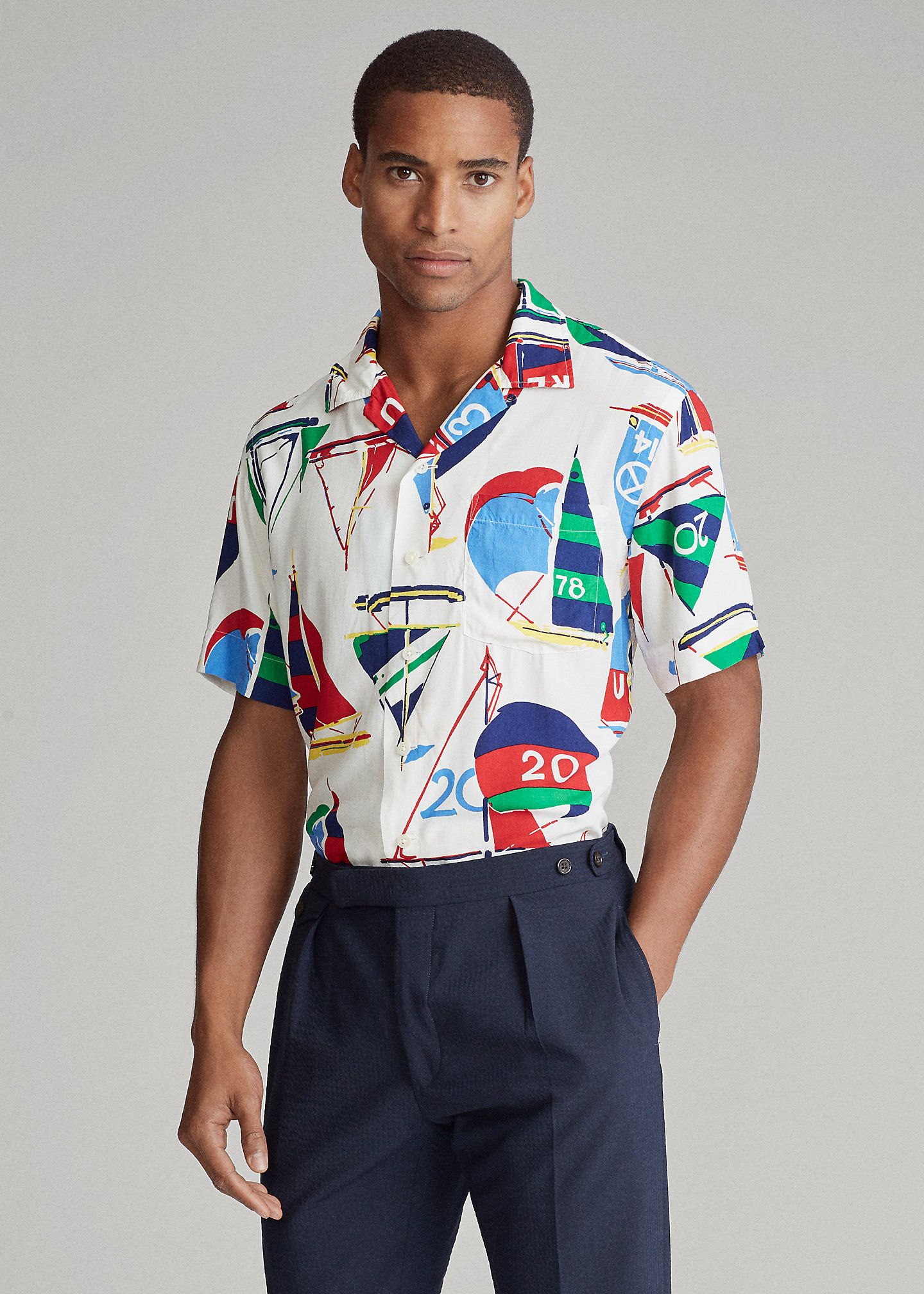
This gorgeous short-sleeved shirt by Ralph Lauren is a must-have for anyone with a love for spectacular eye-catching colour. It’s not something worn every day, but one for a special occasion or when you feel just a little special.
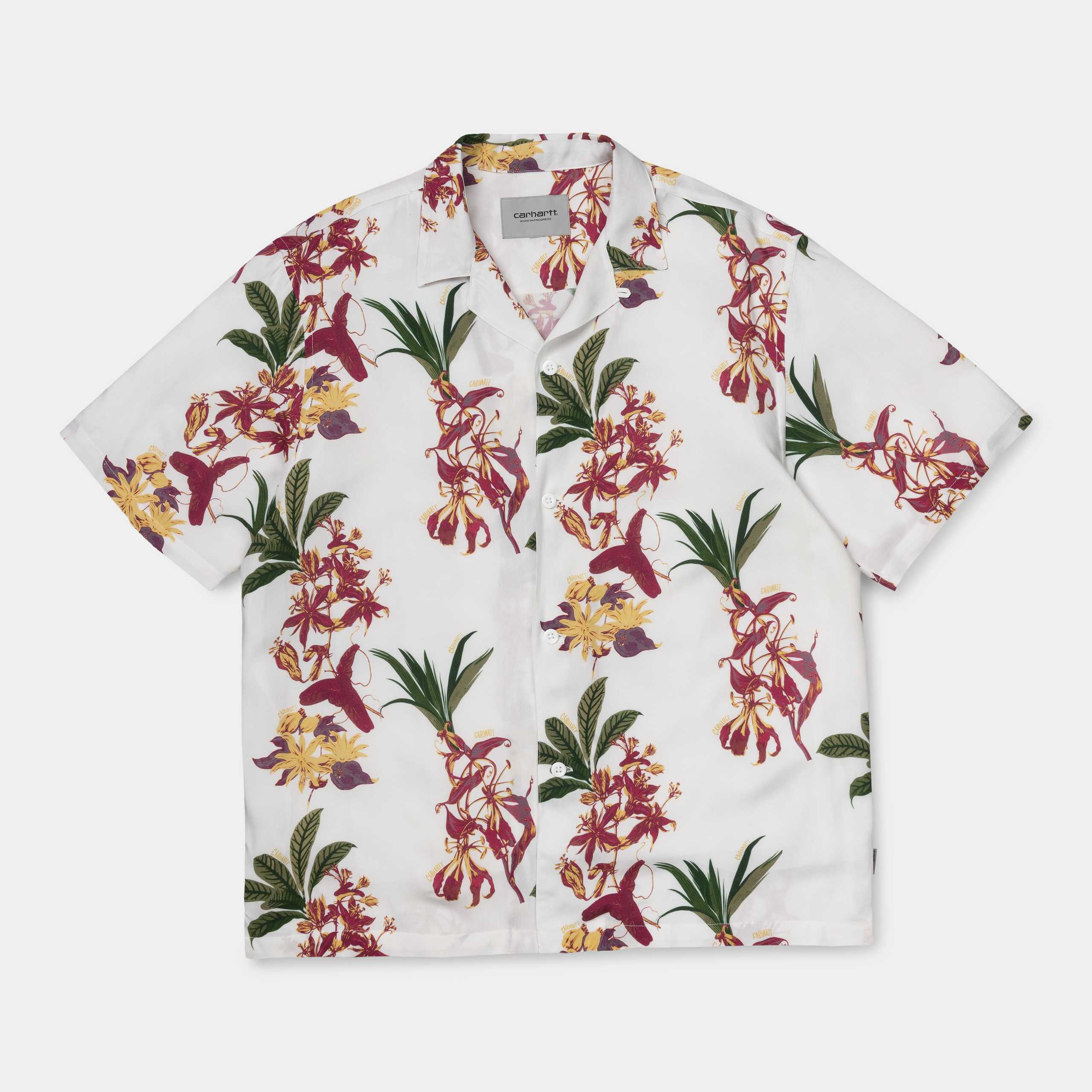
The S/S Hawaiian Floral Shirt is constructed from a lightweight viscose poplin fabric with a repeat floral motif, featuring a notched lapel collar. Carhartt are known for some superb pieces and have become popular with the youth and this shirt showcases that quite well.
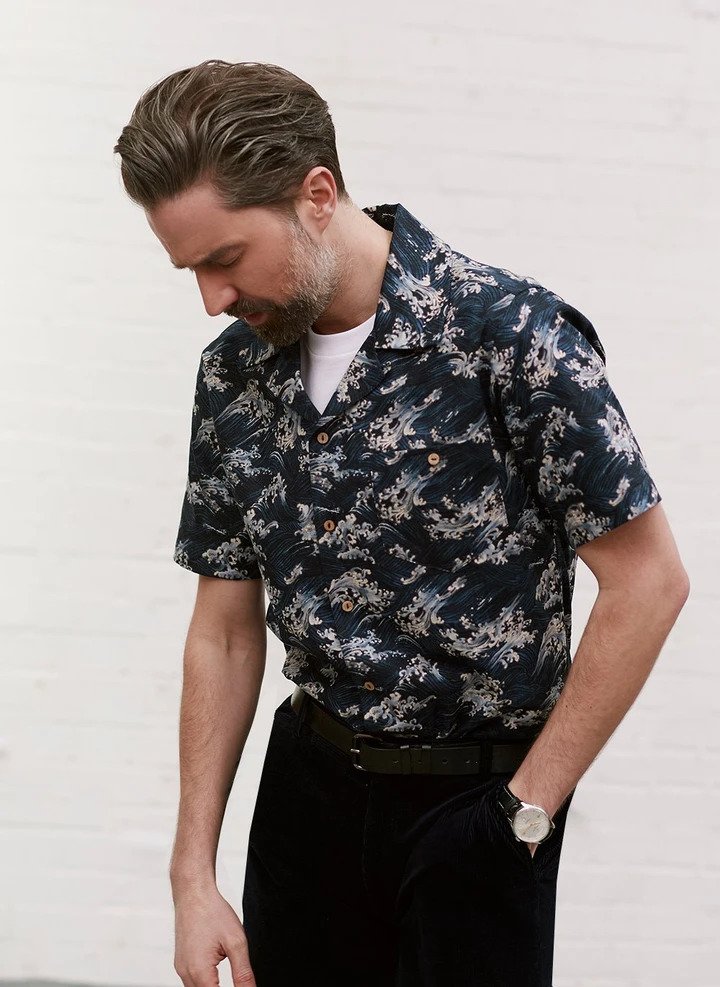
Percival Cuban Short Sleeve Shirt, Waves of Kanagawa
This Japanese hand screenprinted brushed cotton shirt is covered with a repeat pattern of the Great Waves inspired by Hokusai. It’s a stunning shirt that can be worn with simply shorts, chinos or even a pair of black jeans.
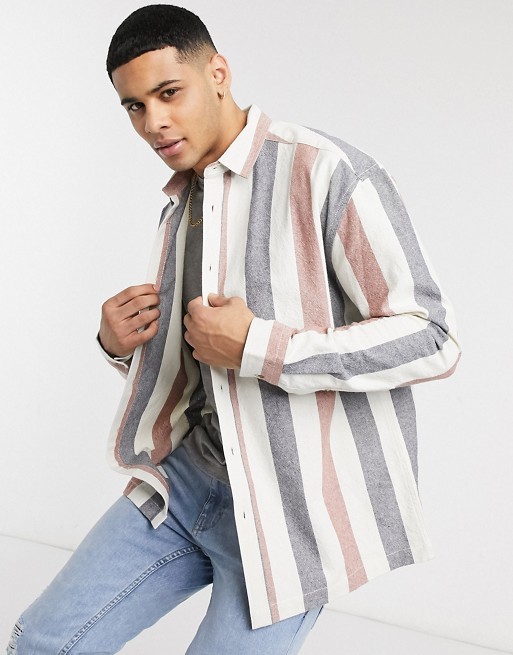
ASOS DESIGN 90s oversized stripe shirt in slub red and blue
Oversized is in now and this 90s inspired shirt will be the perfect one for you. It goes not just with jeans but also shorts and rightly matched chinos. A solid casual look.
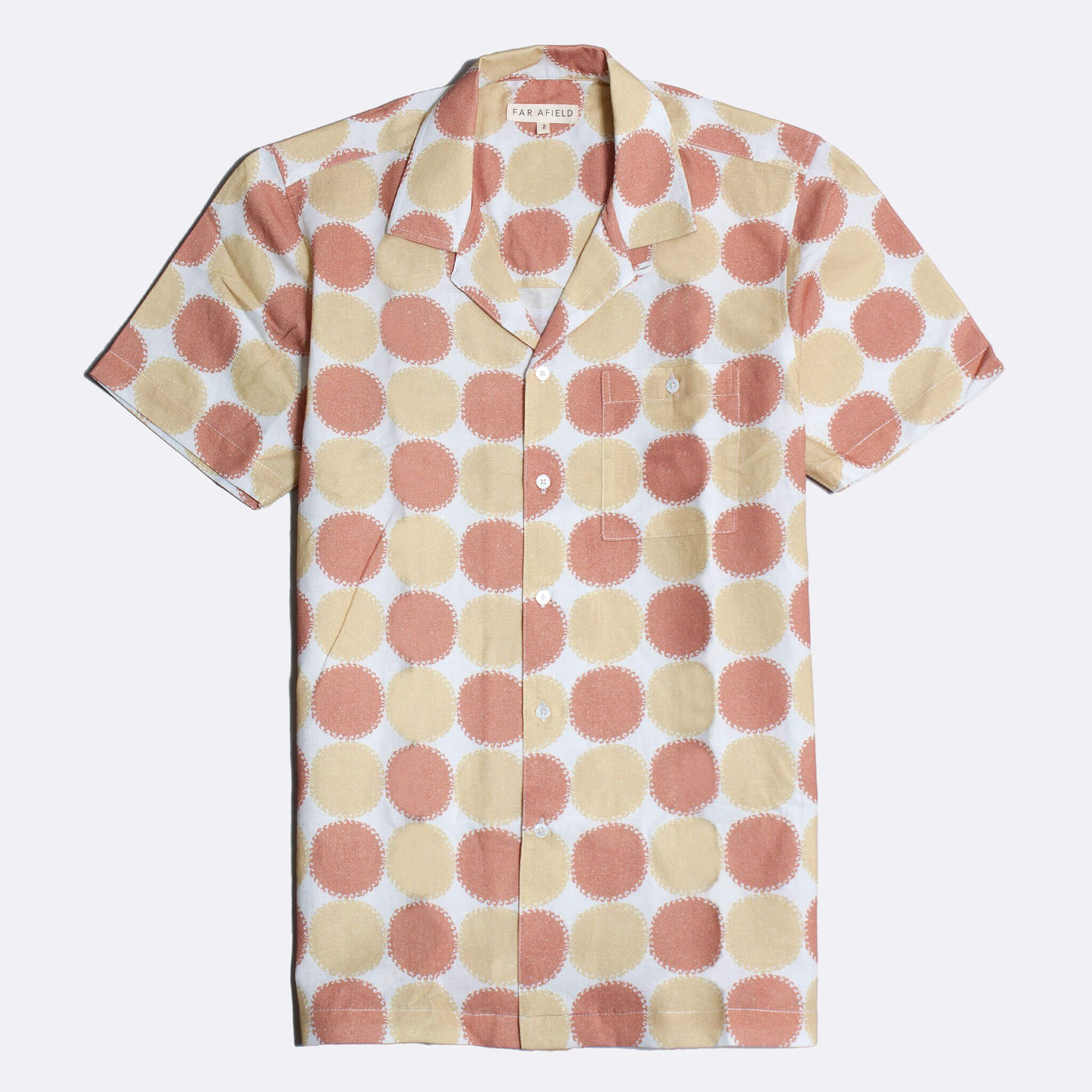
This short-sleeved bowling shirt in a textured slub linen fabric reflects a very chilled-out look, matching the summer vibe. Far Afield have delivered a delightful piece here that I would greatly recommend.
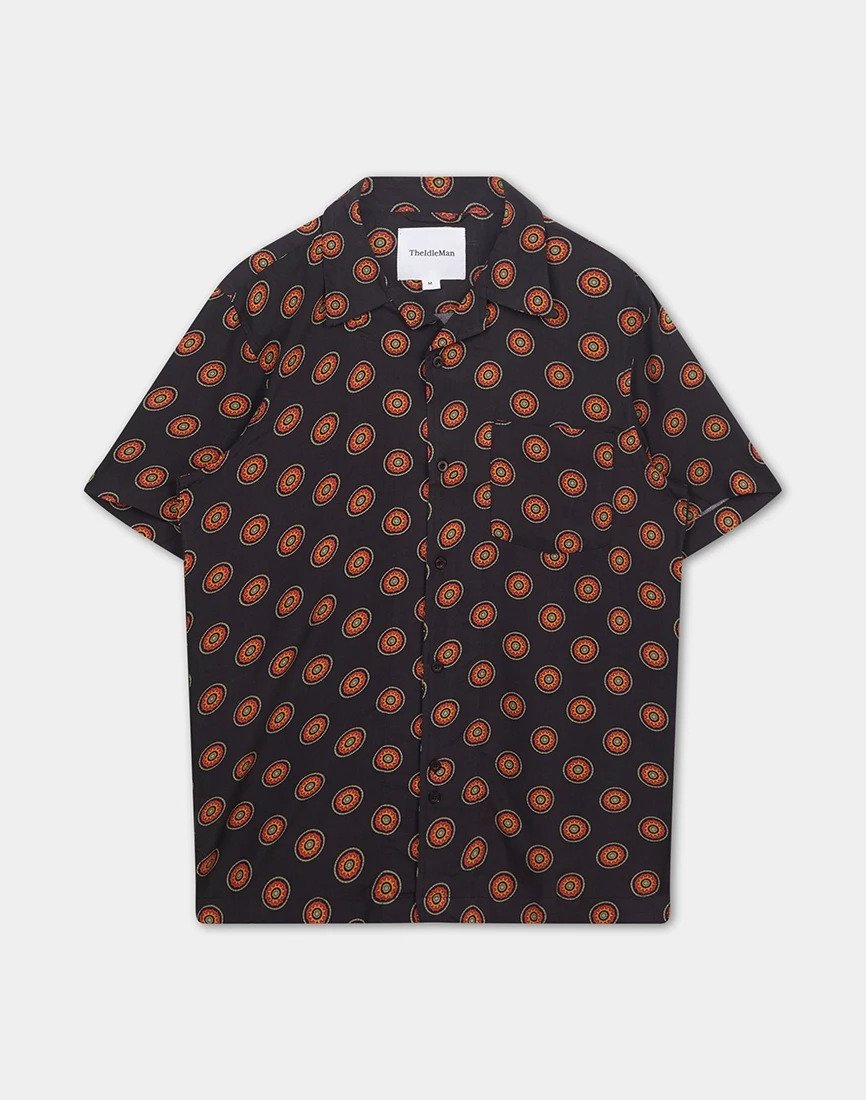
This regular fit shirt has a revere collar and a lovely pattern perfect. It’s doesn’t go over the top whilst it remains an eye-catcher. A round of applause for The Idle Man.
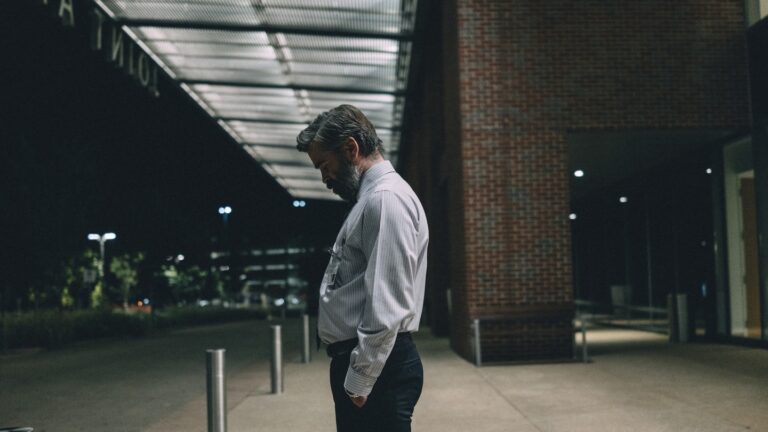
The Killing of a Sacred Deer, the film by Yorgos Lanthimos, won the best screenplay at Cannes Film Festival in 2017. Alongside, the brilliant storyline, the film included some striking visuals by Thimios Bakatakis who also worked on The Lobster (2014) and Dogtooth (2009).
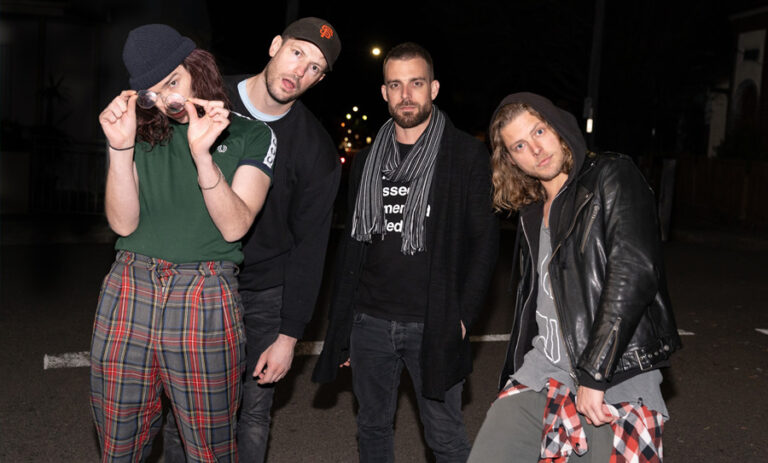
Gasper Sanz, a four piece band based out of Sydney, Australia, released their new single Cheryl, just a few days ago. The single marks the first in 2020, and showcases the brilliant energy, rawness and euphonious sound of the band.
Talking about the song the band stated “This song was inspired by a cat called Cheryl who used to live with Jimmy (singer) and Sammy (drummer). Cheryl was a stray who was living on the roof of our other flatmate’s previous residence and after a period of time, he ended up adopting her. She was very old and had a litany of health issues, but was a beautiful and gentle old soul, who had clearly seen some shit. The meows that are featured in the song are from Cheryl herself. Jimmy followed her around the apartment with a microphone for about half an hour to capture them.”



 The Strokes are back with their sixth studio album, The New Abnormal, out now via Cult and RCA Records. Following 2013’s Comedown Machine, it marks the rock band’s first album in seven years and their first release since the 2016 EP Future Present Past. The album was produced by Rick Rubin and recorded at his Shangri-La studio in Malibu, California, and was preceded by the singles ‘Ode to the Mets’, ‘At the Door’ and ‘Bad Decisions’, the latter of which debuted live at a rally for Democratic presidential candidate Bernie Sanders. The artwork was taken from the 1981 Jean-Michel Basquiat piece Bird on Money.
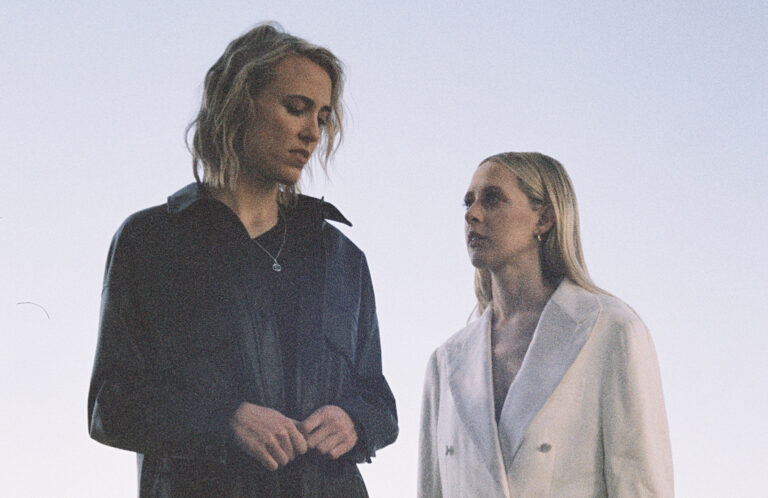
 Announced earlier this week alongside the single ‘Held Down’, singer-songwriter Laura Marling has a new album out titled Song for Our Daughter. The follow-up to 2017’s Semper Femina, released through Partisan/ Chrysalis, wasn’t originally intended to see the light of day until later this year, but Marlin decided that she “saw no reason to hold back on something that, at the very least, might entertain and, at its best, provide some sense of union”. She continued: “It’s strange to watch the facade of our daily lives dissolve away, leaving only the essentials; those we love and our worry for them. The album, stripped of everything that modernity and ownership does to it, is essentially a piece of me, and I’d like for you to have it. I’d like for you, perhaps, to hear a strange story about the fragmentary, nonsensical experience of trauma and an enduring quest to understand what it is to be a woman in this society.”
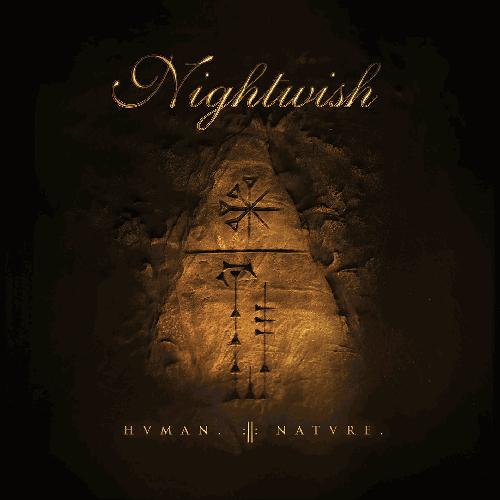 Nightwish have come through with their follow-up to 2015’s Endless Forms Most Beautiful, titled
  This is the third studio album in four years from krautrock and electronic music pioneers The Dream Syndicate. The band reunited in 2017 with the release of How Did I Find Myself Here?, with the current lineup consisting of Along of founding singer and guitarist Steve Wynn, founding singer and guitarist Steve Wynn, founding drummer Dennis Duck, bassist Mark Walton, guitarist Jason Victor and keyboardist Chris Cacavas. The album includes the 20-minute single, ‘The Regulator’, which is “a microcosm of the entire record — it was just a formless, trippy mass as we all started playing together,” as described by Wynn. The album was largely improvised and recorded during an 80-minute studio session. “All we added was air,” Wynn said.