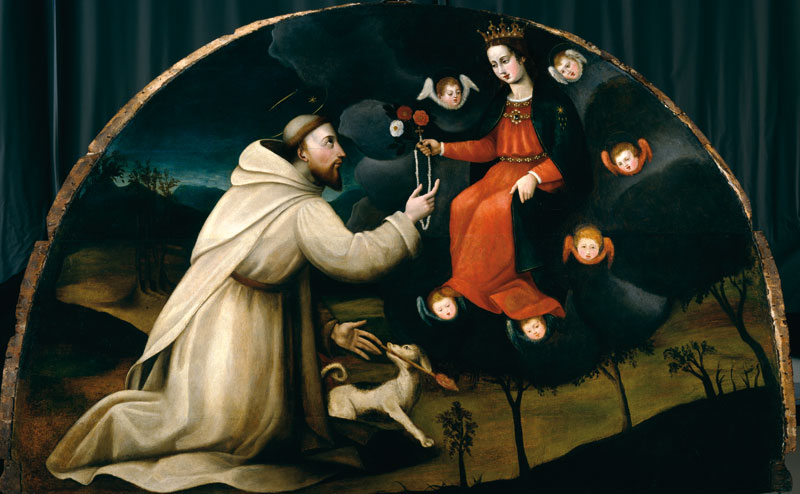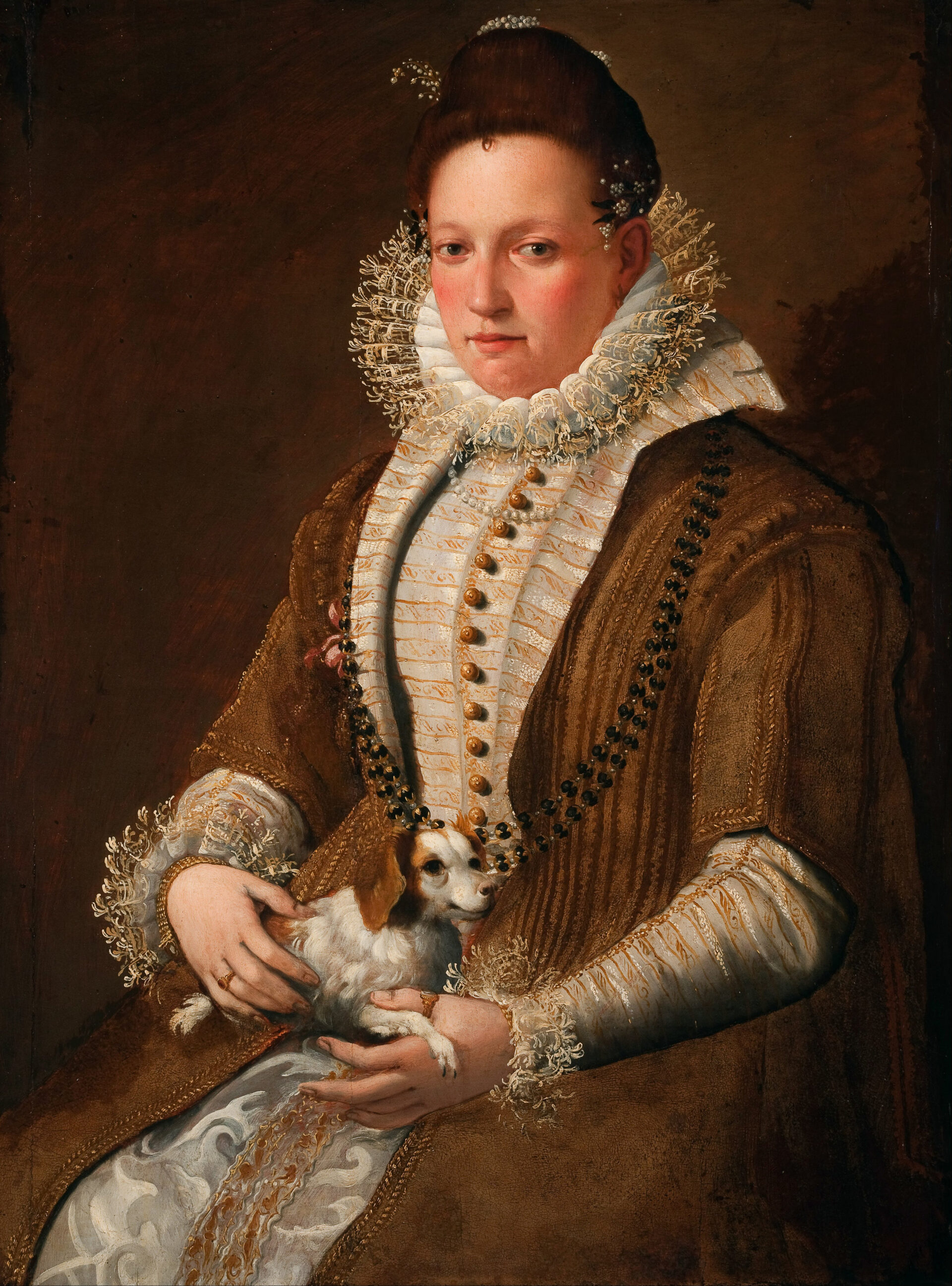
In 1971, art historian Linda Nochlin asked a question that would reshape the discipline: “Why have there been no great women artists?” Her answer pointed partly to how the institutions of art, from academies to patronage, made artistic careers far harder to pursue for women. The Renaissance was no exception. Although many women were denied the training and opportunities available to their male contemporaries, a remarkable group of artists built successful careers, challenged convention and left an enduring mark on European art.
Sofonisba Anguissola (c.1532–1625)
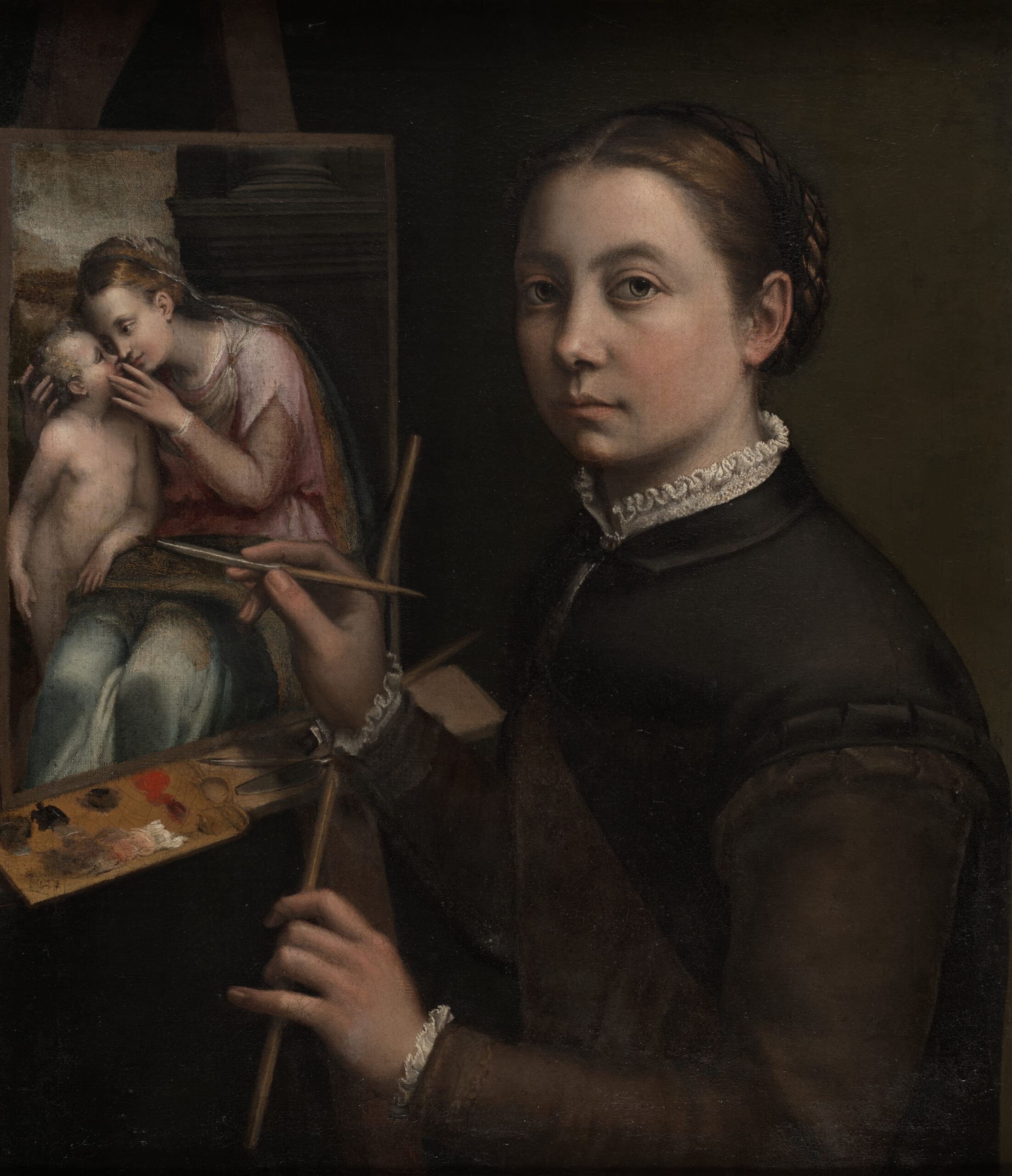
One of the most celebrated women artists of the Renaissance, Sofonisba Anguissola earned international acclaim for her portraits. Born into a noble family in Cremona, she received an unusually thorough artistic education, with her father encouraging all of his children, including her five sisters, to study the arts and humanities. Anguissola later became court painter to Philip II of Spain, and even received informal guidance from Michelangelo. Her sensitive portraits, especially ones of children and members of the Spanish court, helped expand portraiture through unusually naturalistic depictions of the sitters.
Lavinia Fontana (1552–1614)
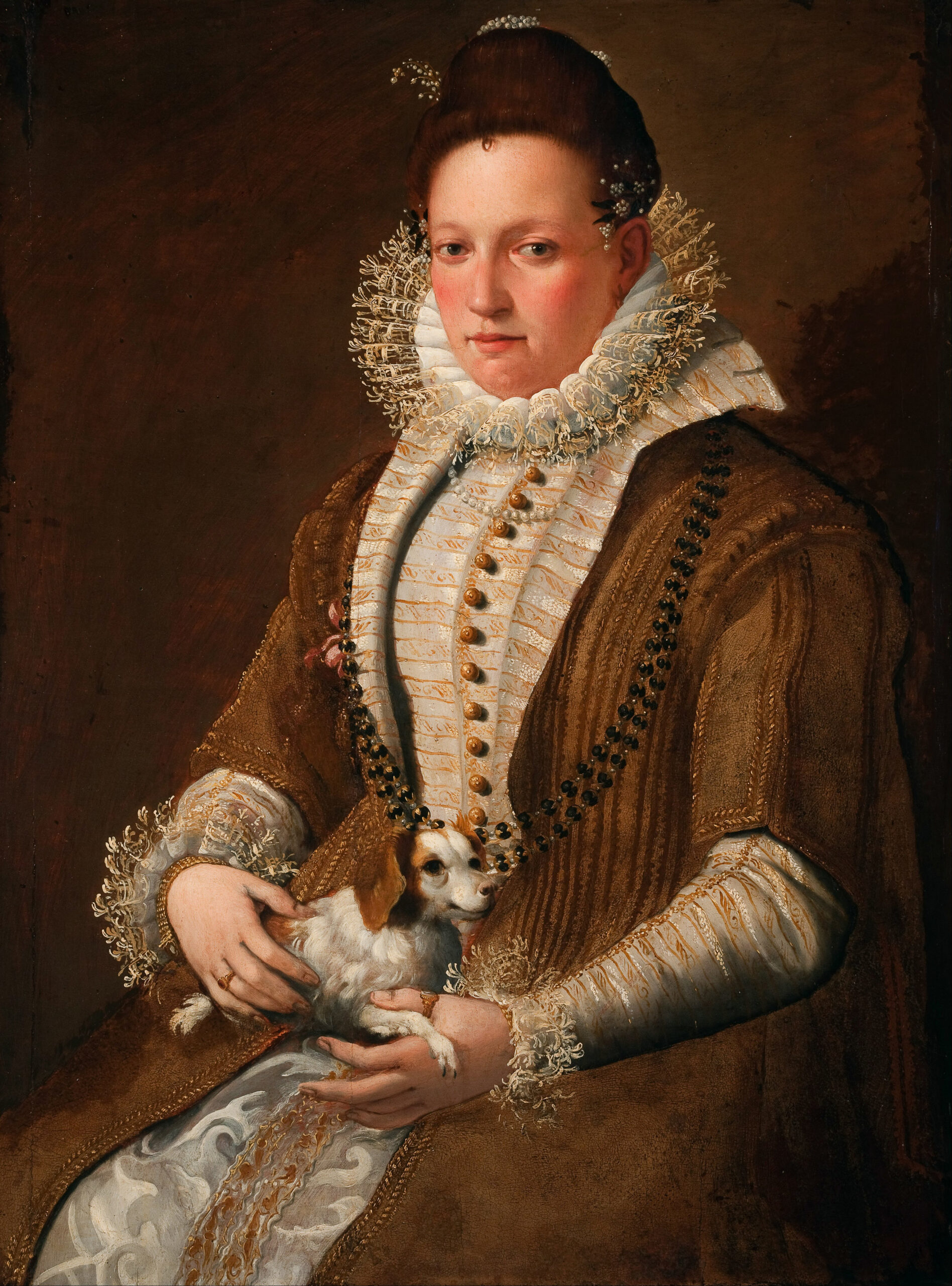
Working in Bologna, Lavinia Fontana broke into a field almost entirely closed to women: large-scale, official portraiture and religious commissions for the city’s elite and eventually the papal court in Rome. Trained by her father, painter Prospero Fontana, she built a reputation distinctly her own, supporting a household of eleven children largely through her work — her husband, Gian Paolo Zappi, unusually for the era, stepped back from his own painting career to help manage her workshop instead. Her portraits are celebrated for their meticulous rendering of fabric, lace, and jewelry, capturing how Bologna’s noblewomen presented themselves, while she also ventured into mythological and religious subjects, including nude figures, a bold move for a woman artist at the time.
Properzia de’ Rossi (c.1490–1530)
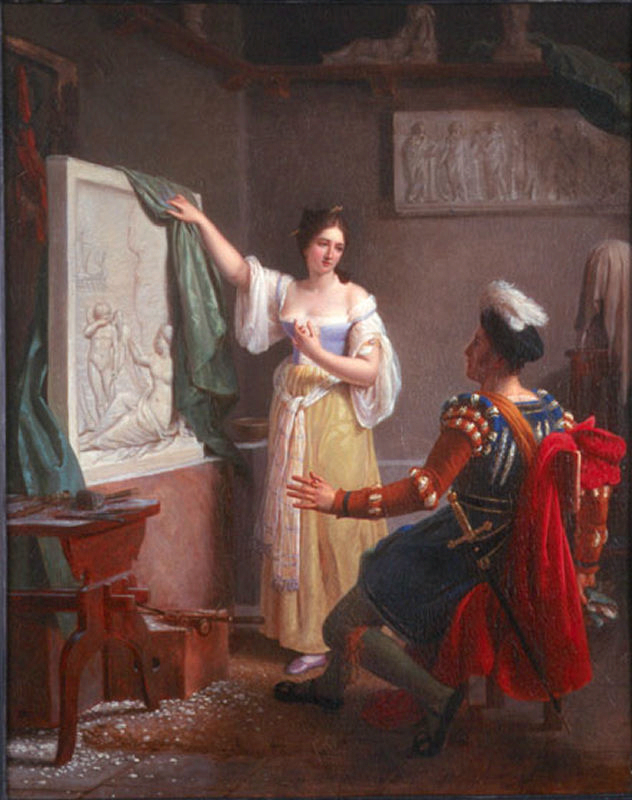
Long before most women were allowed near a chisel, Properzia de ‘ Rossi carved miniature Passion scenes into peach pits, a display of skill so precise it caught Giorgio Vasari’s attention. That ingenuity led to a rare commission, namely, marble reliefs for Bologna’s Basilica of San Petronio, worked alongside the city’s leading male sculptors. Her masterpiece, Joseph and Potiphar’s Wife, is a marble relief that secured her the sole female spot in Vasari’s Lives of the Artists. Unfortunately, her work still remains far less known today than that of her peers.
Caterina van Hemessen (1528–after 1565)
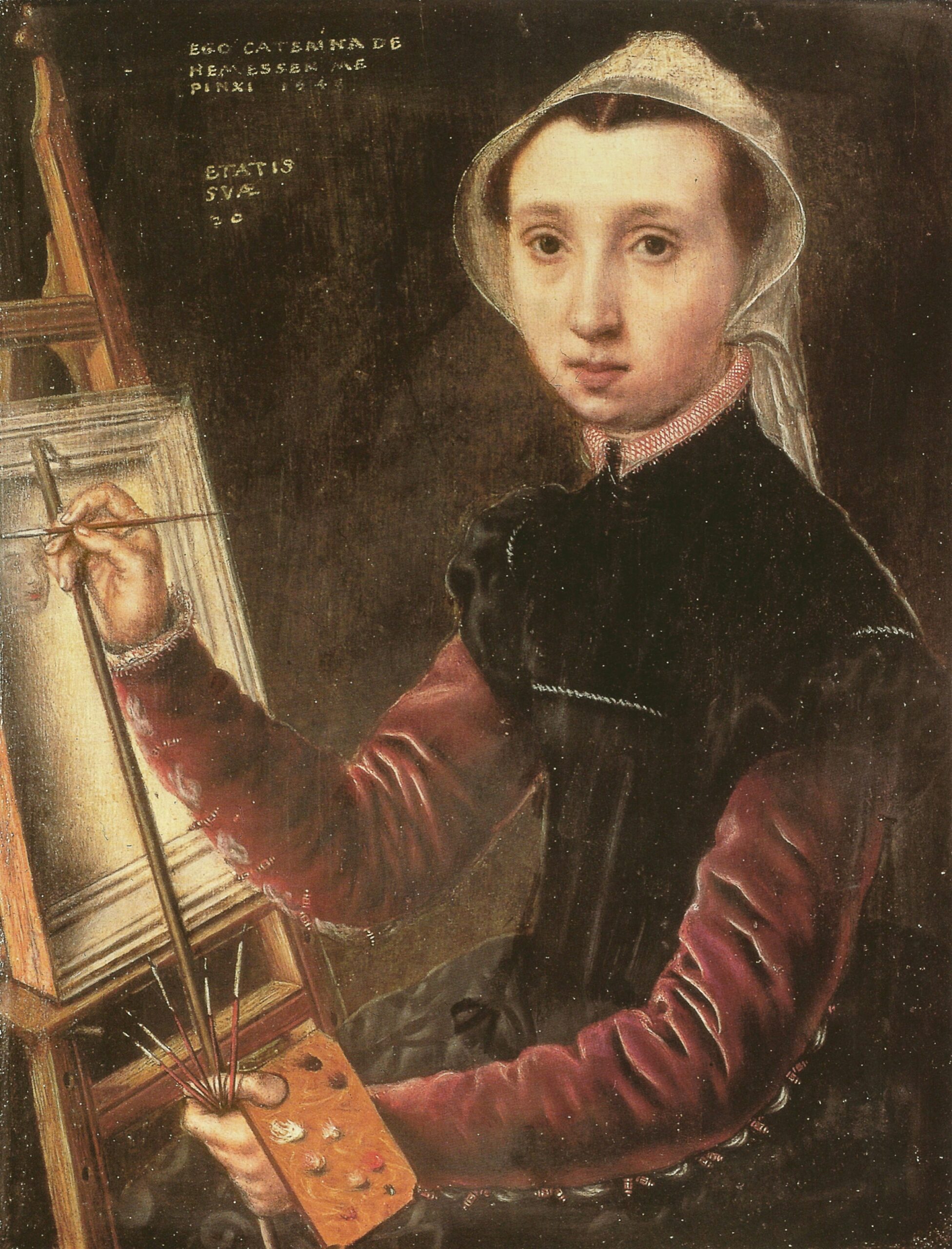
Trained by her father, Antwerp painter Jan Sanders van Hemessen, Caterina made history at just twenty years old with her 1548 Self-Portrait, widely considered the earliest known self-portrait by a woman artist and the first ever to show a painter at work at the easel. Signed and dated on the front of the panel, it presented painting as a serious profession rather than just a private hobby, which was a bold statement for a young woman in Flanders to make. Her skill soon caught the eye of Mary of Hungary, Governor of the Habsburg Netherlands, who brought her into her court and later to Spain, cementing her reputation among Europe’s cultured elite.
Diana Scultori (1547–1612)
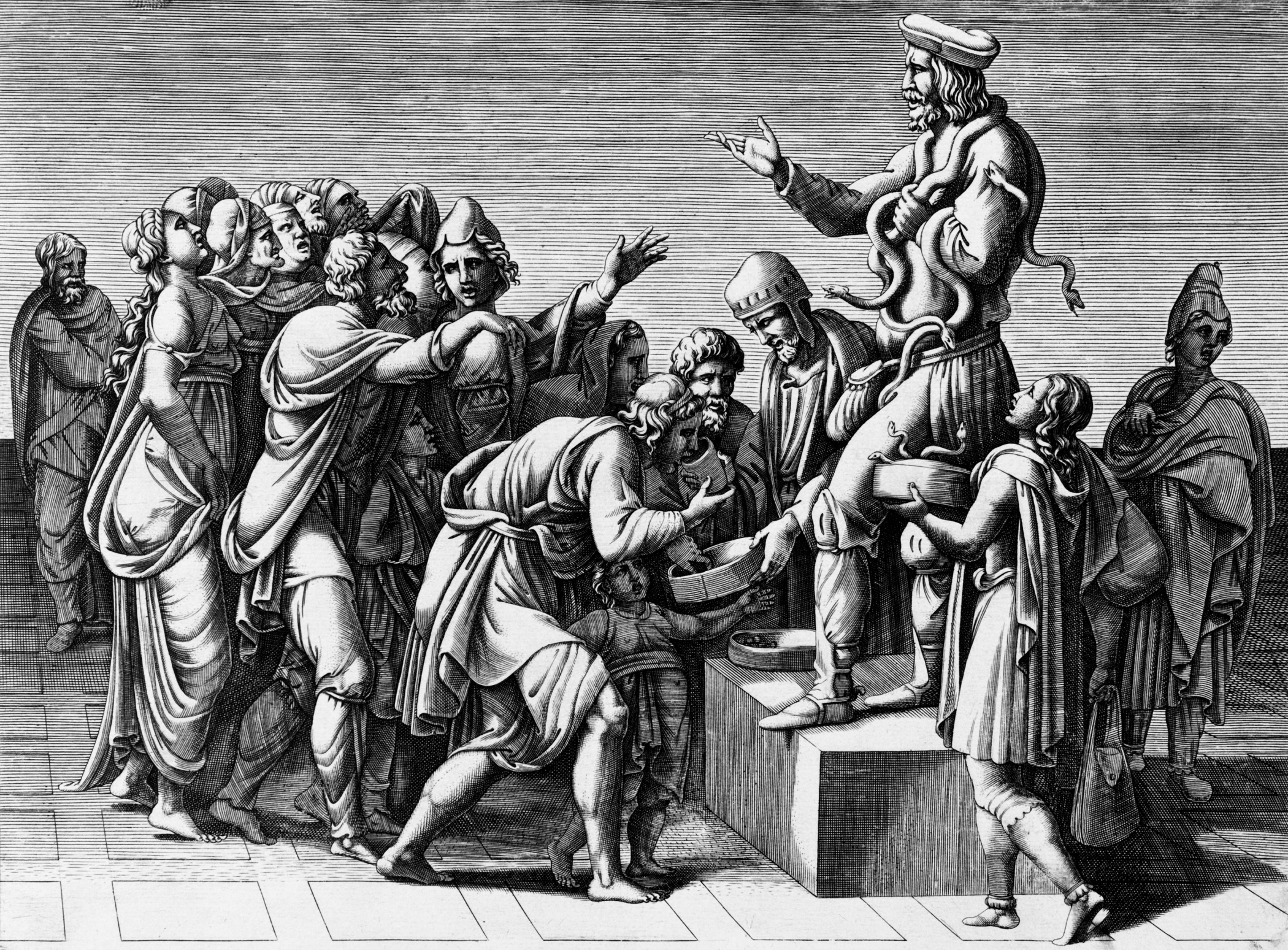
An accomplished engraver from Mantua, Diana Scultori became the first woman to receive a papal privilege allowing her to publish and sign prints under her own name. Her engravings reproduced works by leading Renaissance artists and helped to circulate compositions across Europe long before photography or mass reproduction. Thus, she played an important role in spreading Renaissance artistic ideas far beyond Italy.
Plautilla Nelli (1524–1588)
A Dominican nun in Florence, Plautilla Nelli largely taught herself to paint by studying the drawings and paintings available in her convent. She went on to produce large devotional works at a scale rarely attempted by women of the period, including a monumental Last Supper. Although her work fell into obscurity for centuries, recent conservation projects and exhibitions have restored her place within the history of Renaissance art.