Anne Hathaway plays a pop star in the upcoming A24 film Mother Mary, and we’ve already heard her sing ‘Burial’, co-written by Charli XCX, Jack Antonoff, and George Daniel. Today, she’s shared a new song penned by FKA twigs, who stars alongside her in the film. Koreless, Xquisite Korpse, Tobias Jesso Jr., and Jeff Bhasker are all in the credits for ‘My Mouth Is Lonely for You’, which sounds like a facsimile of an FKA twigs track. Listen to it below.
The Mother Mary soundtrack is set to arrive on April 17 via A24 Music. The film comes out in limited theaters that same day before receiving a wider release on April 24.
Not counting 2021’s Bloodmoon: I, their collaborative LP with Chelsea Wolfe, Love Is Not Enough marked Converge’s first album in nearly a decade. It came out in February, and the hardcore legends have already announced its follow-up. Hum of Hurt is set for release June 6 via Deathwish/Epitaph, and the ferocious title track is out now. Check it out below.
“When we came together to write, we ended up with a wealth of material,” frontman Jakob Bannon explained in a press release. “As work progressed we realized we had created two separate albums, and treated them as such.” He added, “It’s not a sequel. The unifying musical idea early on was, ‘Let’s make a noise rock album.’ But we never really did. The first one wasn’t. This one touches on that spirit, but it’s much more dynamic than that descriptor. To me, it leans more into being an emotional hardcore album, while Love Is Not Enough feels more metal leaning album. In the end, we simply gave creative birth to another Converge record with its own unique identity and character.”
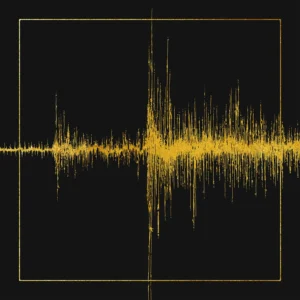
The new LP was once again recorded and mixed by guitarist Kurt Ballou, with engineering assistance from Zach Weeks. Bannon and UK artist Thomas Hooper collaborated on the album artwork. “For the cover, I had a vision of an EKG signal fusing with some kind of volatile seismography,” Bannon reflected.
He continued: “This amalgamation represents the conditions that would theoretically create a ‘Hum.’ Specifically the heart skips beats before dissolving into static. The signal is then interrupted by a seismic event at the center point of the cover. In conversation, I shared some of these ideas with artist Thomas Hooper, who offered to illustrate them using scientific diagrams as a source of inspiration. I then spent months creating a mixed media piece for the interior. The figures represent the five elements of our planet, or ‘Pancha Bhuta’: Prithvi (Earth), Ap (Water), Agni (Fire), Vayu (Air), and Akasha (Aether). I present them in the throws of chaos, as if the elements themselves are entangled in the Hum of Hurt.”
Hum of Hurt Cover Artwork:
Hum of Hurt Tracklist:
1. Slip The Noose
2. Doom In Bloom
3. It Only Gets Worse
4. Detonator
5. I Won’t Let You Go
6. It’s Not Up To Us
7. Dream Debris
8. It Used To Matter
9. Hum Of Hurt
10. Nothing Is Over
In our July 2024 interview with Robber Robber, Nina Cates outlined the conditions that would allow the band, which she co-founded with Zack James, to tap into their ideal workflow. “One of our goals in making music over the next couple of years is to have an infrastructure in place for our lives so we can be in positions to do that,” she said. Not half a year later, the building that the couple lived in caught fire, and though theirs was the only apartment that was spared major structural damage, all of it was demolished, leaving them displaced. Relying on the generosity of the Vermont music community, they couch surfed for months, and while that infrastructure may have now seemed like a distant dream, music remained their only constant – “a new familiar place,” to quote ‘Backup Plan’ from their first LP, Wild Guess. Once again, the pair, along with guitarist Will Krulak and bassist Carney Hemler, returned to Little Jamaica Studios to lay down their new album for Fire Talk, Two Wheels Move the Soul, with engineer Benny Yurco. At once groovier and grimier than their debut, it hammers down on the same themes of shaky communication and perpetual unrest as if almost no time has passed between records. Yet through the rubble, they find new ways to navigate their shared space.
1. The Sound It Made
The restless volatility that fuels ‘The Sound It Made’ sets the tone for Two Wheels Move the Soul. As Cates’ stream of consciousness flits between extremes, the rubbery bass and shuffling drums match its persistent rhythm; a simple guitar pattern drags along, only for the instrument to bend a storm to its will, tightly coiled and distorted, during the bridge. Cates’ nonchalant delivery over increasingly chopped-and-screwed production is comparable to Water From Your Eyes’ It’s a Beautiful Place, so you wonder how far Robber Robber’s sound will have traveled by the time they reach their seventh album.
2. Avalanche Sound Effect
For a song that appears scrappy and repetitive, the overall effect is strangely particular. It builds tension not by mounting like an avalanche – that would be too obvious, though the titular sound effect, presumably emulated, is stitched in right before the climax – but through fussy repetition and monosyllabic lyrics. Even two-syllable words seem to be broken down, almost like directional commands: “Up/end.” As the rhythm section becomes more muscular and busy, the harmonies Cates layers on top of her main vocals are gentler, not rigid, preserving that bit of humanity in the midst of catastrophe.
3. New Year’s Eve
‘New Year’s Eve’ throbs and hypnotizes in familiar Robber Robber style, but the real swagger of the groove allows you to catch your breath. “I’m tired, so is everyone/ How can I complain?” Cates sings, turning burnout into an opportunity for commiseration. But rather than keeping cool in a slacker zone, the song spins around an honest-to-God pop song melody in the chorus, and Cates’ voice reaches a stirring high as it laments the passage of time. Staring down the New Year, she pleads: “Won’t you let me sink my teeth instead of playing round the ends?”
4. Imprint
Just under a minute long, ‘Imprint’ floats past like a fragment of an argument never uttered, as it might appear on the edge of sleep.
5. Watch for Infection
Underneath the scorching fuzz of bass and guitars, Cates lays out a cautionary tale that still takes the form of a surreal vision, pressing on the slippery nature of memory. The bitterness festering in the first half of the track softens as she repeats the titular words, implying that the emotion itself is the cause for concern.
6. It’s Perfect Out Here in the Sun
If “It’s a perfect out here in the sun” seems a bit like a chorus Damon Albarn would sing after a wordy verse, it might have to do with the song’s rudimentary groove resembling a Gorillaz hit. Nothing about this lumbering tune sounds synthetic, though; you can feel the dirt vibrating off James’ percussion, which is slyly unpredictable. Every element seems on the verge of collapsing under the heat, crashing out for a beat before the surprisingly sweeping outro. They might as well have titled it ‘Icarus’.
7. Pieces
Cates peels the curtain back on the headspace behind her lyrics: “Caught me stewing in the sound of it/ Not thinking what it meant,” she sings. Meaning is always secondary in Robber Robber’s music, and even ‘Pieces’ keeps the identity of “it” elusive. The band chews on the feeling behind her words, beefy guitar notes lingering with no discernible logic. It might be the hardest track to latch onto, but there’s another half-illuminating couplet: “We’ll take something for the dissonance/ And something for the dream that you forgot.”
8. Talkback
Rightly released as its first preview, ‘Talkback’ still stands out as the best song on the LP. Cates’ nagging self-consciousness comes into sharp focus, almost neatly sequenced: she recognizes the opportunity for the perfect retort has passed, then lets the moment go. The irony, in the context of the album, is that here is where some of the nervousness actually diffuses.
9. Enough
Cates’ fiery conviction persists, mirrored by a particularly sturdy groove where every hit seems designed to snap you out of a dissociative state. “I’d try a lot to start feeling like myself again,” Cates sings, easing back as tight chords give way to jagged notes and finally arpeggios.
10. Again
A shining example of the band’s playful conversationalism, ‘Again’ might be the most lighthearted song on Two Wheels. The premise is simple: “Lean in, or go/ I’ll settle into sickness till you know.” ‘Again’ finds Cates running off, wandering around, almost tripping over, and telling everything to a can above her head. Again, “everything” could be anything – for now, at least, she can pretend it’s no big deal.
11. Bullseye
You have to squint a little less hard to make out the scene unfolding in ‘Bullseye’, where the setting could plausibly be one of the band’s shows. Musically, it’s a bit of an oddity, grungy and melodic, but you get its placement as the closer as soon as the shrieking bridge explodes. It’s one hell of an exit.
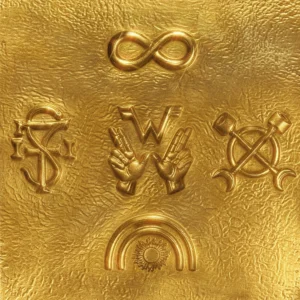
Weezer have announced a new self-titled album. The Gold Album will be released on August 21 via Reprise/Warner. Here’s everything we know so far.
What does the album cover look like?
Who produced the album?
Kenneth Blume, fka Kenny Beats, helmed the record. The producer discussed the sessions in a Discord Q&A, saying, “Every single song on the record was started all together, in the room at the same time, no tempo references. No matter what the tracklist ends up being.”
Klas Åhlund, who recently contributed to Robyn’s latest album, co-produced the album with Blume. They talked about “tones from Desert rock bands like Kyuss .. kind of like stoner metal tones,” Blume said. “Nothing to do with the writing, just as references sonically.” In a press release, he said he wanted to make “the most violent Weezer album ever.”
What was the recording process like?
The band started rehearsals for the album in Europe through the summer of 2025. Rivers Cuomo kept fans up to date on Discord, noting that the first batch of songs were done before mid-December. The album was reportedly completed in February 2026. We also know that Cuomo met Cameron Winter, whose band Geese worked with Blume on Getting Killed, during the sessions. “I joked that rivers passed the test and he could join geese now and he immediately just said ‘…….geezer?'” Blume recalled.
There is no shortage of alternative investment options out there in 2026, which means that the real problem isn’t finding one, but choosing the right one for you. Property, commodities, precious metals, and cryptocurrency are just some of the markets that you will find plenty of information about online, but there’s a lot to be said for following your interests.
Cask whisky is a growing niche that allows investors to go on a journey that extends far beyond a potential return. By learning about how the brewery works and gaining a greater appreciation of the subtleties and nuances, you can diversify your portfolio in a way that also feels like a hobby.
Cask whisky is a commodity for those who are passionate
Investing in gold, raw materials, and other precious metals is one thing, but do you really feel a connection with the underlying asset? A number of Investors who enter the whisky market do so because they have a passion for the product and want to feel closer to the industry. And although you should never invest purely with your heart, there is a lot to be said for getting some enjoyment out of your portfolio as the years go by.
A tangible asset can be more stable than a digital asset
You only have to look at the volatility of the cryptocurrency markets to see plenty of proof of this point. By contrast, cask whisky tends to appreciate slowly over time, making it a long-term hold for those who want a more sedate, pragmatic approach to investment. You’ll also find that, when you connect with the right people, there will be no hyperbole around guarantees and overnight profits.
“Anyone who says to you that the market is completely guaranteed is an extreme red flag,” says Alphie Valentine, Co-founder of Hackstons, whisky specialists who provide opportunities for both investment and consumption. The point here is that if you focus on a tangible asset you have a genuine interest in, you may well get an investment that you feel more comfortable with and that you get more pleasure out of.
Real estate and whisky are two options with a lot in common
You would never think of buying an investment property without having a surveyor take a closer look at all of the fine details, and you should never invest in whisky without a Delivery Order. The point here is that you need to verify any investment you decide to make, regardless of how well you feel you understand the underlying asset. Make sure that you have written documentation clearly describing what you have bought and stating that you are the owner. Without this level of due diligence, you may find that you are exposing yourself to a lot more risk than may first appear.
Longer-term holdings may perform better in a volatile economy
The price of oil is particularly unstable in 2026, meaning that energy, transportation, and the final price of a huge range of goods and services will be too. You will always find people online who talk about how they are profiting from short-term, high-volume speculation designed to take advantage of price volatility, but do you really want to be continually rolling the dice? Professional investors and bankers do, but they typically do so with money that isn’t their own. If you want to have a potentially more stable, lower-work investment portfolio, longer-term holds that extend for years after market volatility has died down may be the best approach to take.
Investment options are only as good as the person offering them
Take a look at Hackstons on Instagram, and you will see that they have a public presence, reviews, and a track record. They will not promise you a return, but they do have the experience and industry knowledge that allows you to make an informed decision about which direction you want to take. By going with experience, you’re tipping the balance of risk and reward a little more in your favour.
The best investment opportunity is always clear and transparent
The last thing you want to see is constant deductions, surcharges, and management fees eating away at your return. Regardless of the asset you choose to invest in, making sure that the fee structure is simple and transparent is essential. It’s about making sure that you understand the entirety of the offer so that you can come to a balanced judgement as to how likely a return is and how big it may be over a specific timeframe. This will never be an exact science, but things become much clearer when you understand the fee structure.
Think about these key points when you come to assess each alternative investment opportunity, and you’ll be taking a pragmatic approach to diversifying your portfolio in 2026.
In 2026, the iPhone is more than just a device known for capturing high-resolution art photos. It is also a creative hub where everyone can find tools for face swapping to create image gags or viral videos. With several sophisticated options in the iOS App Store, the right face swap apps for iPhone can transform imagination into polished edits in just a few taps. These tools make face swaps effortless and social media-ready.
Here is a closer look at the top-rated face swap apps for iPhone that are leading the face-swapping scene this year.
Simfa – AI Face Swap
Imagine an app that does not awkwardly place your face on top of an image or video — that is the promise of Simfa. It prioritizes quality over anything else, employing a calibration-first pipeline. Particularly, Simfa’s advanced AI system carefully analyzes the source photo to produce realistic and natural results in minutes. With multiple file format support, this tool is perfect for iPhone users who need to create content for Instagram, TikTok, and YouTube on the go.
Reface: AI Face & Photo Editor
Another face swap app on any user’s list is Reface. This is one of the most advanced options, which enables you to paste faces on videos, movie clips, or random character art. Users can even access animation features to make their images sing. Moreover, Reface allows face morphing, gender swapping, and digital hairstyle replacement.
Face Swap Live
Unlike most apps that only enable face swaps using still images, Face Swap Live lets users perform face swaps in real time, live from the device’s camera. Aside from this, everyone can take advantage of other creative features, such as built-in masks and effects, Face Goo Studio, and party mode. Users can go from switching faces to distorting images and adding fun overlays.
Faceover – Photo Face Swap
If you are looking for a straightforward photo editing app with a face swap twist, Faceover is the solid pick. It turns iPhones into a tool with photo editing effects and quick face-swapping features. Faceover delivers realistic results that are extremely entertaining.
RemakeFace AI: Face Swap AI
Sometimes the best apps are the ones that use AI technology, and RemakeFace is one of them.From single to multiple face swaps, it gives users the power to switch faces with anyone and everyone. RemakeFace also allows the use of prompts and image templates for better digital face customization.
How to Select the Best iPhone Face Swap App
When choosing a face swap app, the device is not a problem. The iPhone is more than capable of handling and running these creative tools. With that said, the main concern would be narrowing down numerous options. To avoid unnecessary headaches, always make a decision based on the usage purpose. In particular, determine if the app is for social and viral content, live interactions, precise photo editing, or modern AI artistry.
Embracing Expressive Face Swap Apps for iPhone in 2026
Image Credit: Freepik & Simfa
This lineup of face swap apps for iPhone offers AI-powered transformations and intuitive editing. They are ideal for aspiring digital creators, meme makers, or someone who just loves to swap faces for laughs. Regardless of the purposes of use, always follow ethical guidelines, as consent and privacy are always essential.
Ready to satisfy your face swap craving? Grab your iPhone and try Simfa! It is easily the top contender among the apps here. Simfa fits any creative style. It also allows everyone to swap faces like a pro without overwhelming complexity. With the perfect balance of cutting-edge AI performance and everyday usability, Simfa stands out as the most well-rounded choice in the vast digital landscape of face swap apps for iPhone.
Twice a year in Florence, Pitti Uomo gathers a few hundred brands, a lot of buyers, and even more variations of the same tailored jacket. Think less front row, more order sheets. Of course, each season carves out space for a guest designer or two to stage a runway moment that isn’t exactly built for wholesale. For its 110th edition this June, that slot goes to Simone Rocha, who will present her first standalone menswear show, running parallel to Kei Ninomiya.
This might be the first time Rocha’s runway only belongs to men, though her co-ed runs were never shy of company, at least since SS 23. Her menswear carries the same sense of romance and fragility she gives her womenswear, with lace, volume, drapes, softness, embroidery, and flowers, letting utility and tailoring play coy instead of bossing around. Rocha painted the picture for Vogue, “He’s into texture, craft, and conversation. He’s down to earth, and he’s also very comfortable with femininity. He’s interested in tradition but twisting it. We’ve been thinking a lot about who he is!”
The designer could have picked a postcard-perfect Florentine backdrop. Although the official location is yet to be announced, she didn’t. She wants her debut’s space a little out of place, a room that belongs to no city and winks at her own sensibilities. Maybe she’s just hinting, maybe not, but this show smells a lot like the opening act for a new menswear chapter. Rocha could very well be planting the seed for a regular, standalone men’s line, showing up on the seasonal radar, and making sure the boys finally get that full Rocha treatment.
Madonna has teamed up with Sabrina Carpenter for a new song, ‘Bring Your Love’. Taken from Madonna’s forthcoming album Confessions II, the track was debuted during Carpenter’s set at Coachella weekend 2. Check it out below.
The sequel to Madonna’s Confessions on the Dancefloor arrives on July 3. It was led by the single ‘I Feel So Free’.
30 March marked the birthday of Vincent van Gogh, a figure whose life story has become almost as famous as his art. From his years of struggle with mental health, including the well-known episode in Arles where he cut off part of his ear, to his time spent in the asylum at Saint-Rémy-de-Provence, Van Gogh’s story is often narrated through moments of hardship. To this day, he is celebrated for masterpieces like The Starry Nightand his vibrant Sunflowers, works that have come to play a pivotal role in modern art.
Beyond these memorable pieces, though, lies a vast body of work that rarely receives the same attention. This week offers a chance to pause and reflect on Van Gogh’s legacy as well as the richness and emotional depth of paintings that remain less widely recognised. Here are four works that deserve a closer look:
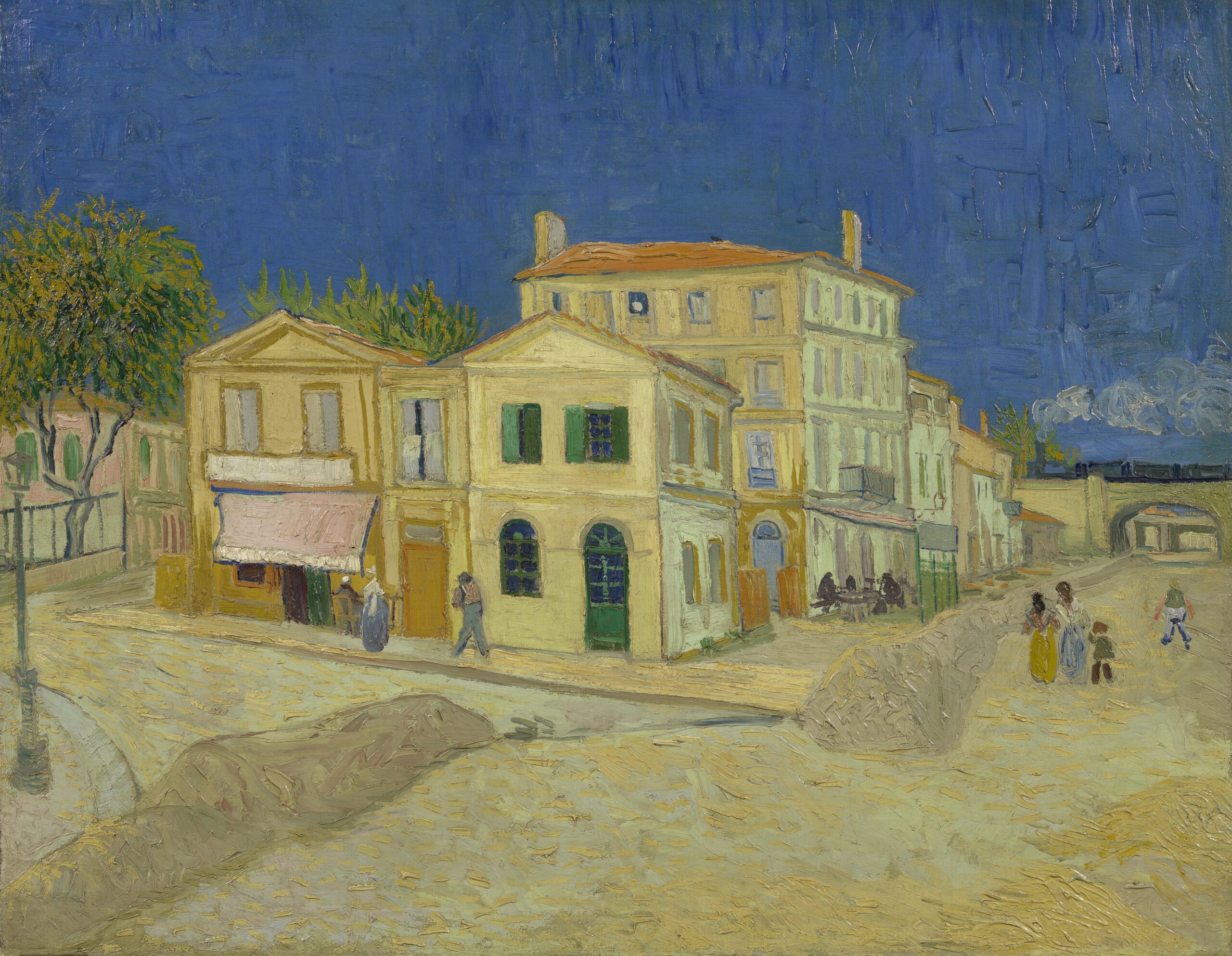
The Yellow House (1888)
Painted during his time in Arles, this piece of art depicts the home where Van Gogh hoped to establish a community of artists. The bright yellows radiate optimism and warmth, making the painting even more poignant when considering how that dream ultimately unraveled.
The Yellow House by Vincent Van Gogh (1888). Source: Wikipedia
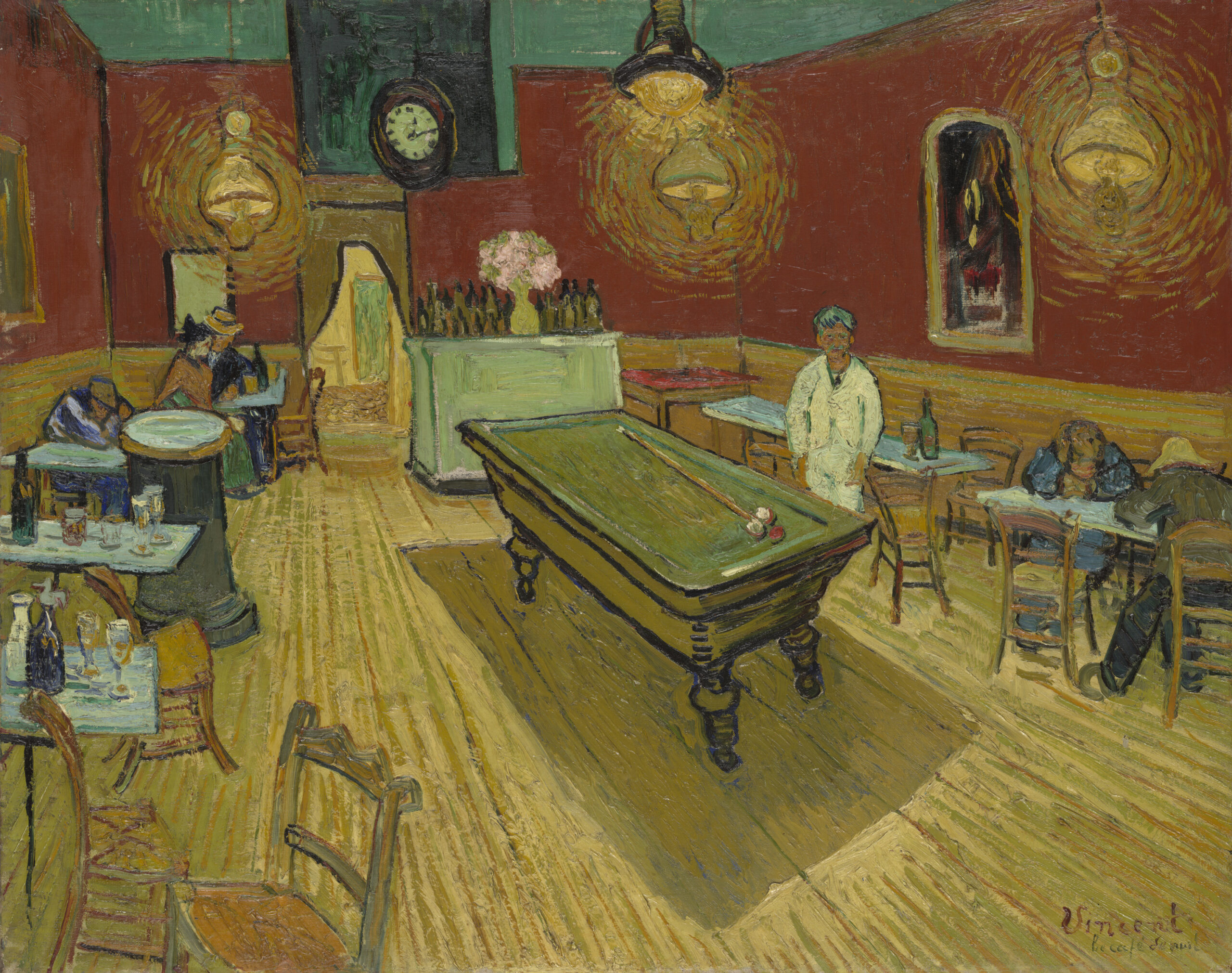
The Night Café (1888)
Far from the serenity of The Starry Night, this interior scene is intentionally unsettling. Van Gogh aimed to convey the café as a place where one could “ruin oneself, go mad or commit a crime.” The clashing reds and greens create a palpable sense of unease.
The Night Cafe by Vincent Van Gogh (1888). Source: Wikipedia
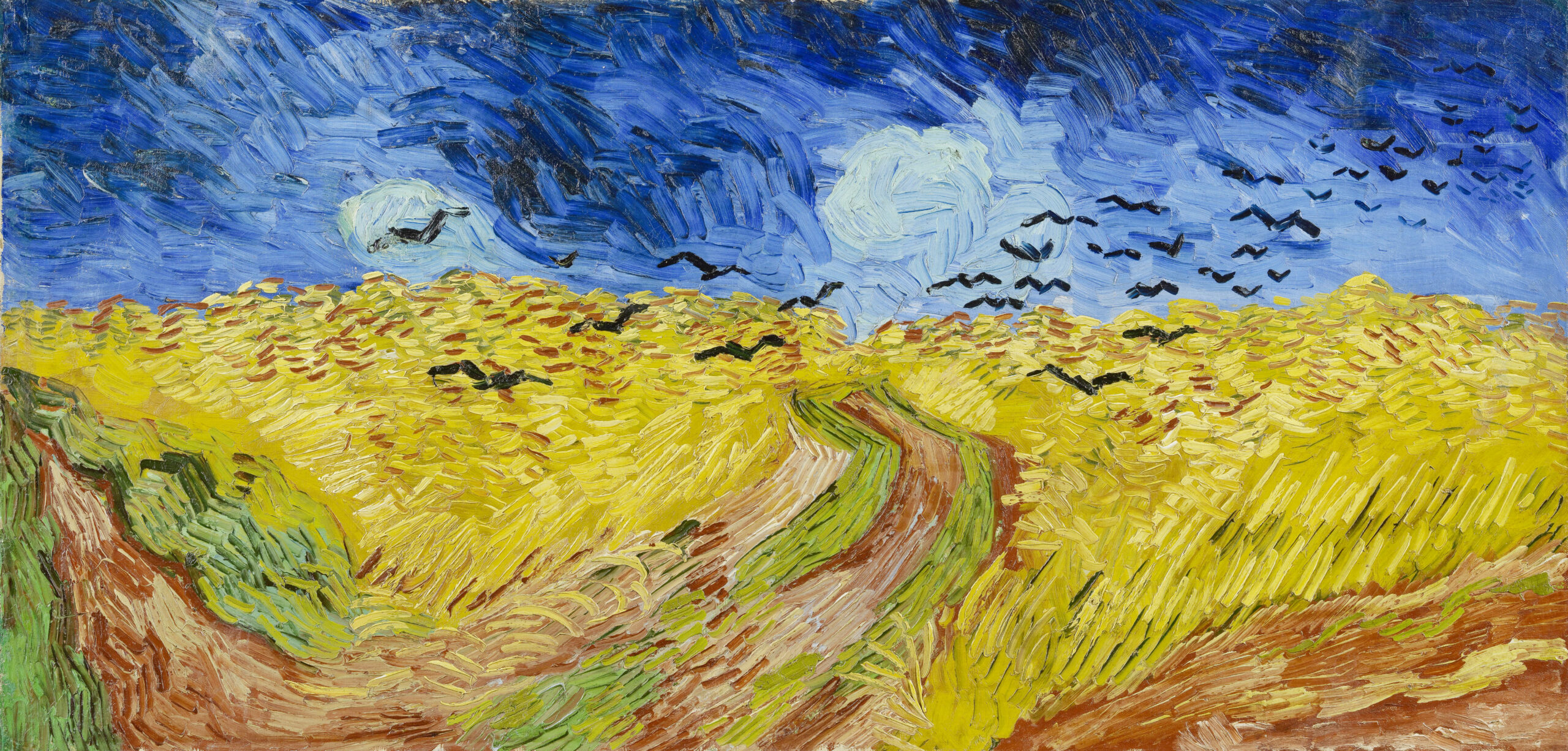
Wheatfield with Crows (1890)
This haunting landscape is one of Van Gogh’s final works. The turbulent sky and dividing paths have led many to interpret it as a reflection of his inner turmoil. This piece serves a powerful example of how he used colour and movement to convey emotion.
Wheatfield with Crows by Vincent Van Gogh (1890). Source: Wikipedia
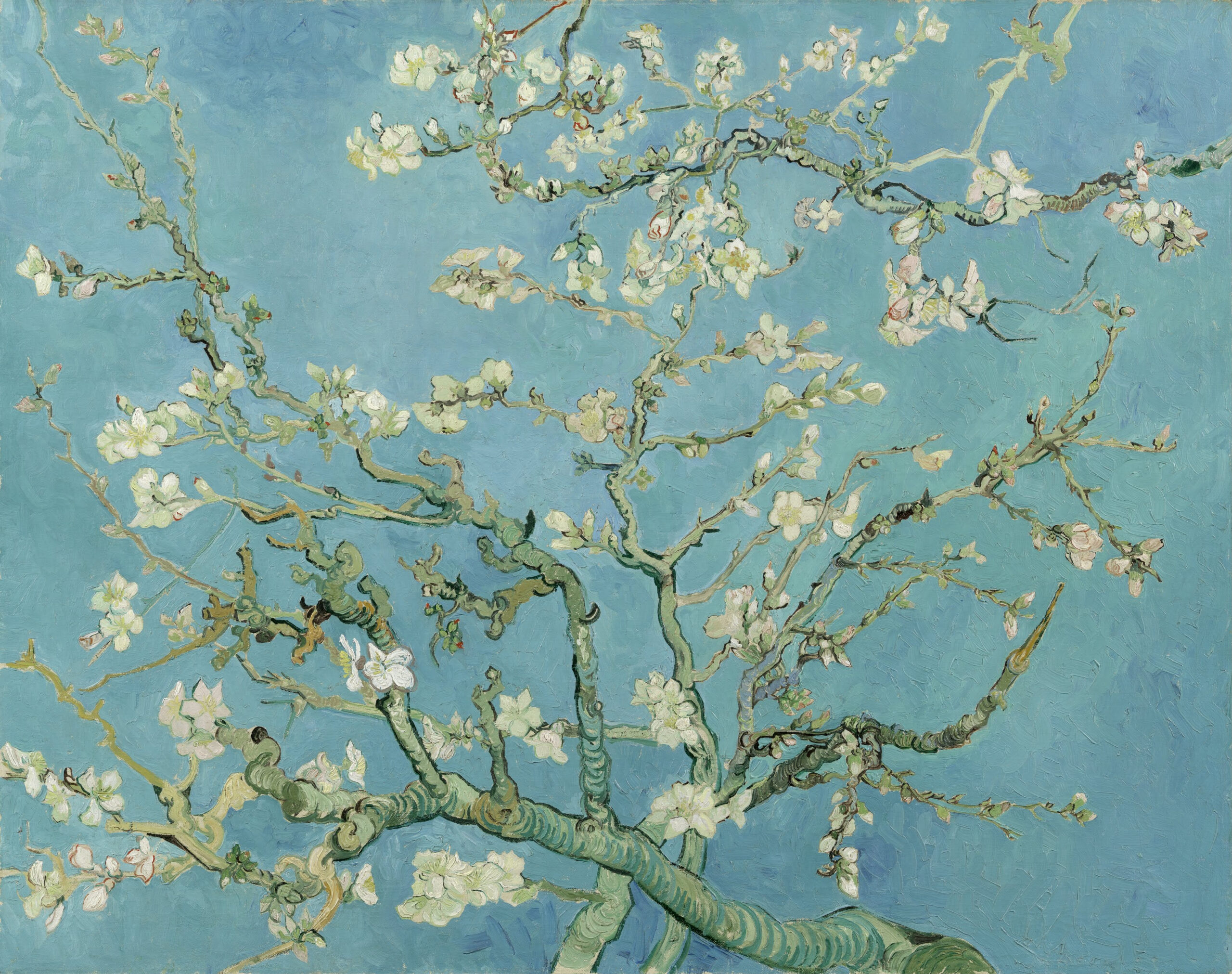
Almond Blossoms (1890)
Created as a gift to celebrate the birth of his nephew and namesake, this painting feels markedly different from Van Gogh’s stormier works. Its delicate branches and clear blue sky are inspired by Japanese prints, symbolising hope and renewal.
Almond Blossom by Vincent Van Gogh (1890). Source: Wikipedia
When a struggling actor lands an audition to play James Bond, his life begins to spiral. That’s the premise at the heart of Bait, a fresh comedy created by and starring Riz Ahmed.
Available on Prime Video, the show is wildly entertaining and unafraid to experiment with its format, which makes it come across as a breath of fresh air. It’s also a quick watch, so many fans are wondering whether more episodes are on the way. Here’s what we know so far.
Bait Season 2 Release Date
At the time of writing, there’s no official news available about a potential Bait season 2. The ending is thematically satisfying, so the comedy works well as a limited series.
That said, we’re sure the story could be expanded in interesting ways down the line. For now, all we can do is wait and see.
Bait Cast
Riz Ahmed as Shah Latif
Guz Khan as Zulfi
Aasiya Shah as Q
Sheeba Chaddha as Tahira
Sajid Hasan as Parvez
Ritu Arya as Yasmin
Weruche Opia as Felicia
Maxine Peake as Helen
What Is Bait About?
In Bait, Ahmed plays Shah Latif, a struggling British Pakistani actor in London. His career is going nowhere, until he lands an audition for the role of James Bond. When a rumour leaks that he might actually be in the running to play the part, his life explodes overnight.
We then follow him over the course of a few days, as his existence becomes chaos. The media attention, public scrutiny, family pressure, and his own deep insecurities get to him. Bait blends satire and surrealism to tell a story about identity and fame. The result is an engaging series that never feels boring.
Ahmed wrote the show drawing from his personal experiences. “A good example is when it was announced that I was in Star Wars. A lot of people were congratulating me, but the exact same week, I was banned from Tesco’s for suspected shoplifting because I forgot to scan some birthday candles,” he told Esquire.
While Bait season 2 isn’t a sure thing yet, the comedy is drawing critical acclaim, currently boasting a 96% score on Rotten Tomatoes. Hopefully, good word-of-mouth will translate to strong viewership, and we might get a sequel somewhere down the line.
Are There Other Shows Like Bait?
If you liked Bait, you might also enjoy We Are Lady Parts, The Comeback, Ramy, The Studio, and Episodes.