Home Blog Page 92

Animal Crossing 3.0 Update: Everything You Need to Know

0

Animal Crossing: New Horizons is officially getting a new update. It follows the last DLC launched five years ago. Also, version 3.0 of the social simulation title came as somewhat of a surprise. Specifically, longtime fans expected Nintendo to focus on other projects before this. Now, the hit cozy game is back with new content, fresh features, more activities, and many improvements.

Animal Crossing 3.0 Update Offerings for Switch and Switch 2

At the center of the latest version are the following additions available on both versions of the Switch consoles:

  • Better item storage for organizing inventories
  • Bulk crafting for creating items more quickly
  • Dream World and Slumber Islands for broader exploration
  • Kapp’n’s family resort hotel for fun tasks involving tourists
  • Resetti’s Reset Service for getting a fresh start on the island

Notably, these features aim to streamline gameplay and enhance convenience rather than completely altering the gaming experience.

Likewise, there is one standout addition that lets players put Nintendo consoles inside the homes of villagers. On top of that, Nintendo Switch Online subscribers can directly play classic NES and Game Boy titles through these in-game items.

This nostalgic feature allows players to experience classic gaming while continuing their daily island life.

At the same time, this version has exciting collaborations with big names in the scene. Particularly, there will be themed items from LEGO, Splatoon, and Zelda. In the same way, players can find new villagers based on these series.

Animal Crossing 3.0 Update Exclusive Offerings for Switch 2

According to Game Rant, fans who own the Switch 2 hardware will gain access to special features. In detail, this includes a 12-player multiplayer mode, mouse controls, and a megaphone tool. Similarly, there are technical enhancements such as better visuals and faster loading times.

These changes enhance group play and the overall gaming experience.

Release Schedule and Platforms

Based on reports, version 3.0 of Animal Crossing: New Horizons is set for a January 15 launch. It will be available on supported platforms such as the Nintendo Switch and Nintendo Switch 2.

Players can access the latest update for free. Meanwhile, fans playing on the Switch 2 have the option to grab an upgrade for $19.99.

Pre-Update Highlights

It is a special time for Animal Crossing fans as they do not have to stare at nothing while waiting until next week. In particular, the developer announced on an X post that players can get some 2026 freebies at no cost.

Nintendo Switch Online members can use the Custom Design portal to receive a flag, knit cap, and sweater. All items arrive in blue with touches of purple and 2026 markings. These downloadable freebies let fans refresh their islands and prepare for the full 3.0 update.

Sonic Racing: CrossWorlds Set to Launch New Pac-Man Content

0

Sonic Racing: CrossWorlds finally shared details for the Pac-Man content. It also becomes the third Season Pass content following the ones based on Minecraft and SpongeBob SquarePants. Along with the new DLC, SEGA is offering a limited-time festival in the same week as the content launch.

This move by the Japanese video game company shows that it will continue to build on its ongoing success. Since its drop in late 2025, it has been a crowd favorite, gaining positive reviews on Steam. Although it has not bagged the Best Sports/Racing Game of the Year award, there is no doubt that the racing title is a hit.

New Sonic Racing Pac-Man DLC

In a post on X, SEGA revealed that the latest content will drop tomorrow. The announcement also includes a trailer that confirms Pac-Man as a playable racer. At the same time, players can find the Ghost characters, such as Blinky, Clyde, Inky, and Pinky.

As part of the Pac-Man pack, fans can expect a themed racing machine and a new course. However, the current game teaser did not reveal specific details about the track. It leaves fans room for speculation about its layout and visual style.

Who Can Access the Content?

Unfortunately, the Pac-Man DLC in Sonic Racing: CrossWorlds does not come for free. In particular, it is a paid release and available to players who own the Season Pass and Digital Deluxe edition.

Surprise Sonic Racing Pac-Man Festival

SEGA is also throwing a festival to celebrate the launch of the new offering, said Game Rant. Unlike the actual content, this limited-time event is free. It will be available to all players, including those who do not own the Pac-Man pack. Although the developer has not yet shared information, past festivals typically offer challenges and rewards.

Pac-Man DLC and Festival Release Schedule

The fresh content for Sonic Racing: CrossWorlds will officially be available on January 7 (Wednesday). On the other hand, the festival runs from January 8 (Thursday) at 7:00 p.m. to January 11 (Sunday) at 6:59 p.m.

What’s Next?

As SEGA embraces the rivalry against Nintendo’s Mario Kart World, fans can expect more additions to the game soon. With the latter banking on native characters, the former leans into DLC and crossovers.

In fact, 2026 is set to be a year full of surprises for Sonic fans.

“We plan to deliver content throughout the 2026 season, but we’ve also prepared even more surprises than at launch,” said Director Masaru Kohayakawa via VGC.

After the Pac-Man pack, players will have the chance to experience more crossovers that include Mega Man, Teenage Mutant Ninja Turtles, and Avatar Legends.

Pokémon GO Unveils Wattrel’s Debut in the High Zaptitude Event

0

Pokémon GO is all set for the High Zaptitude event, continuing a strong start for the popular AR mobile game. In particular, the offering will add the Storm Petrel Pokémon for the first time. Similar to other in-game events from Niantic, this one includes bonuses, challenges, and research tasks for trainers around the world.   

High Zaptitude Event Schedule

Fans of the game will be able to experience one of the first events of Pokémon GO next week. Specifically, the High Zaptitude event is available from January 13 (Tuesday) at 10:00 a.m. to January 18 (Sunday) at 8:00 p.m. local time. For five days, every player can enjoy all sorts of activities prepared by the studio.

Debuts, Wild Encounters, and Eggs

According to Niantic, Wattrel is joining the mobile game during the in-game event. For those who do not know, this one is an Electric/Flying-type Pokémon. It was first shown in Generation 9. Its evolved form, Kilowattrel, will also be making its first appearance.

At the same time, trainers have the chance to see many Pokémon in the wild. Among others, they can find Chinchou, Helioptile, and Tadbulb. Plus, there is a possibility for players to see Shinx in a wild encounter.

Hatching 2 km Eggs will also unlock many Pokémon, said the developer. In detail, the trainers in the game can get Elekid, Pichu, Tadbulb, and Toxel.

As always, lucky ones may catch and hatch a Shiny version of the available characters.

Bonuses and Rewards

Based on the announcement, the odds are better for players hatching Shiny Tadbulb during the High Zaptitude event.

Trainers will also be getting rewards for every level during the occasion. Below is a more specific look at what awaits fans:

First Level

  • Doubles XP after catching Pokémon

Second Level

  • Doubled Stardust after catching Pokémon
  • Wattrel and Kilowattrel debut in the wild and Field Research (to get Kilowattrel, use 50 Wattrel Candy).

Third Level

  • Doubled XP after hatching Pokémon
  • Doubled Stardust after hatching Pokémon

Global Challenges and Research Activities

Pokémon GO trainers can join in Global Challenges that are available in the January event. In line with this, Niantic is offering a good deal; players can do challenges together and get bonuses. Similarly, completing one challenge will add more rewards and lead to the next challenge tier.

True to the tradition, there are Field Research tasks that give Pokémon encounters as rewards once completed. Players can also pay $1.99 to experience a Timed Research that offers a bonus and many rewards.

Looking Ahead

With all the events and offerings, it is a promising start for Pokémon GO. Fans are surely in for an epic gaming experience in 2026.  

Fashion Trends That Started As A Bardot Problem

0

She said things we shouldn’t repeat, did things we shouldn’t condone, and somehow ended up in every conversation about style anyway. That’s Brigitte Bardot. She made nothing, fashion-wise, popularized everything, and your closet still knows her name. Her voice might’ve been loud, occasionally unbearable and all toο often wrong, but the trends were too, and surprisingly, they still are.

Bardot Neckline

Brigitte Bardot just shrugged, literally, and the world lost its mind. Shoulders out, mass hysteria, and voilà, the Bardot neckline. Of course it existed long before her, Regency women wore it with empire-waists, Victorians wore it with corsets, Marilyn wore it with sequins, and to be fair, this trend probably predates them all, hello, pirates. Bardot just did it messier, casually, effortlessly, and here we are still naming shoulders after her.

Bikini

She didn’t invent the bikini, obviously, humans had been exposing torsos for centuries, but after And God Created Woman (1956), magazines screamed, parents fainted, and the beach became a battlefield of shocked glances. Swimwear turned into a symbol of casual sexiness, and the very idea that showing skin could be both normal and scandalous at the same time. And decades later, your summer wardrobe still pays homage.

Gingham Dress

The fabric of picnics, school uniforms, and boring afternoons. After her wedding in 1959, suddenly everyone was staring at a dress that previously said “bake pies and behave” but suddenly became a flirtation manifesto. Thanks, Bardot. Messy hair, a twirl or two, and suddenly the plaid country girl look was good enough to warrant its own section in fashion history.

Ballerina Flats

Flat shoes. Imagine the horror. Could just be the ultimate crime in a world that obsessed with heels. Enter Bardot, who decided comfort was the way to go. Partnering with Repetto, she aimed to make those ballerinas acceptable, but instead made them a must-have. You can be feminine, sexy, and shockingly practical at the same time, and we’re all still pretending that flats require courage to wear.

Little white dresses, flats, checks, head scarves, basically the French girl aesthetic… the sacred relics of the Bardot era. Bare shoulders and messy bangs, possibly the most important contributions to civilization since sliced bread. All thanks to someone who mostly smiled, at least she looked happy. To history’s most casual revolutionary, thanks for the push I guess.

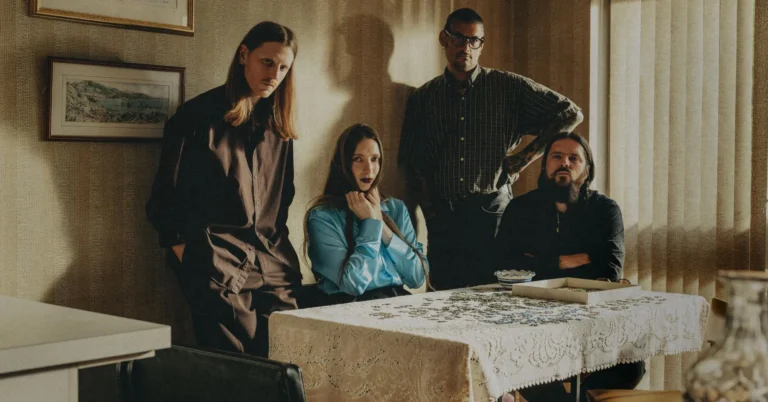
Dry Cleaning Share Video for New Single ‘Joy’

Ahead of the release of their new album Secret Love on Friday (January 9), Dry Cleaning have shared one more single. The spiky, dryly hopeful ‘Joy’ – which follows ‘Let Me Grow and You’ll See The Fruit’, ‘Cruise Ship Designer’, and ‘Hit My Head All Day’ – was originally pieced together from advertisements in Virginia Tech University’s History of Food and Drink archive. Check it out below.

“Recently I’ve felt pessimistic about the world,” Florence Shaw commented in a press release. “The influence of what they call ‘the manosphere,’ the genocide against Palestinians continuing despite huge protests, the rise of the racist Reform party in the UK, the promotion of AI in art and music. I wanted to try and stoke my drive to stay positive and spread softness and compassion. The wishes in the song have a naive quality.”

Four Art Exhibitions To Explore In London This January

Emerging from the holiday season and looking for artistic inspiration? Here are four London exhibitions to bring colour and contemplation into your life this month:

At the Mistress’ Request by Sverre Malling’s at Kristin Hjellegjerde Gallery (9 Jan – 7 Feb)

At Kristin Hjellegjerde Gallery, Norwegian artist Sverre Malling presents a solo exhibition of charcoal drawings that conjure an unsettling, meticulously constructed visual universe. Through these works, Malling blurs temporal boundaries and invites viewers to reconsider how history and artistic tradition are shaped. A private view will take place on 9 January, from 6–8pm, for those keen to attend the opening.

Weird Weather by Jane Hayes Greenwood at IONE & MANN (23 Jan – 7 Mar)

In Weird Weather at IONE & MANN, Jane Hayes Greenwood transforms the landscapes of her West Yorkshire childhood into charged emotional terrain, where swelling clouds and straining valleys carry memory and wonder. Created after the loss of the artist’s mother in 2025, the exhibition transforms personal grief into meteorological forms. A private view will be held on 22 January 2026.


Afficher cette publication sur Instagram


Une publication partagée par Jane Hayes Greenwood (@janehayesgr)

Tales from the Caucasus at Gazelli Art House (23 Jan – 14 Mar) 

At Gazelli Art House, Tales from the Caucasus brings together four artists from Azerbaijan and the surrounding region: Agil Abdullayev, Ulviyya Iman, Farhad Farzali and Ramina Saadatkhan. Through painting and moving image, they weave folk stories and myth into scenes of contemporary life — from domestic interiors to the Caspian shoreline — exploring personal and collective transformation.


View this post on Instagram


A post shared by Gazelli Art House (@gazelliarthouse)

The Weight of Being: Vulnerability, Resilience and Mental Health in Art at Two Temple Place (24 Jan – 19 Apr)

Curated by Angela Thomas, The Weight of Being: Vulnerability, Resilience and Mental Health in Art explores how artists navigate and represent mental health in their work. The exhibition brings together a diverse range of twentieth-century and contemporary artists, showcasing how they capture the psychological impact of societal pressures and existential uncertainty. Woven throughout is the work of lesser-known artist John Wilson McCracken (1936–1982), whose paintings reflect a profound sensitivity to the emotional and social pressures of his time.


View this post on Instagram


A post shared by Two Temple Place (@twotempleplace)


Against the Wind: The Ink-Born Language of Maya Yaroshenko

Maya Yaroshenko belongs to a generation of artists whose visual language is inseparable from displacement, fracture, and constant motion. Born in Moscow in 2004 into a family with both Russian and Ukrainian roots, her biography from the outset has been shaped by cultural intersections that, in recent years, have become painfully charged. Sensing instability early on, her family left Russia in 2016. Maya was twelve.

The following eight years were spent in Israel – a formative period in which her artistic identity began to take shape. It was there that drawing shifted from an intuitive impulse into a disciplined daily practice. Crucial to this transition was her mentorship under Ilya Gefter, a major Israeli artist of Russian origin known for working exclusively with mature, established practitioners. Gefter made a rare exception for Maya, recognising in her an unusual sensitivity to form and movement, and a seriousness of intent far beyond her age.

Even during her early studies, her works were described as strikingly alive and emotionally charged. Still lifes, traditionally exercises in restraint, appeared tense and tactile in her hands, as if vibrating from within. What distinguished her work was not virtuosity for its own sake, but an ability to compress feeling into gesture.

Another armed conflict, another relocation.

Today, Yaroshenko lives in the United Kingdom, studies at university, and is steadily building her career as a contemporary artist. Her practice remains in flux-deliberately so. Instead of allowing herself to settle into a recognizable style, she continues to push visual language for its limits, seeking forms capable of sustaining complex and often contradictory emotional states.

It is among the different mediums she has used that ink has proved the most accurate and expressive. It can be done quickly, but lacking in depth. It can be intense, but restrained. Ink records hesitation, resistance, pressure – it does not forgive indecision. To heighten contrast and extend the expressive range of her drawings, Yaroshenko frequently incorporates digital post-processing, not as an aesthetic shortcut, but as a way of amplifying what is already present in the physical mark.

Her ambition is not decorative. She aims to unsettle, to surprise, and to articulate emotional conditions that are difficult to name yet instantly recognisable to anyone living within a tense and rapidly shifting world.

This has had an appeal that has traversed continents. Her works have been exhibited in Russia, Israel, the UK, and Italy, where her works have drawn the attention of not only the audience but also pioneers within the field of modern art. 

Trace of the Wind: Movement as Meaning

Created in 2019, Trace of the Wind is one of Yaroshenko’s most coherent and conceptually resolved series to date. The project draws inspiration from Chinese calligraphy – not in its ornamental aspects, but in its philosophy of movement as meaning. Each work is executed in black ink using a dry brush technique, later refined through digital intervention.

Here, motion itself becomes the primary carrier of sense. The recurring motif of the horse is not symbolical, in the traditional sense, and serves instead as the conduit for certain internal conditions, those of resistance, momentum, and endurance. The series revolves instead around the sense of wind as an external and internal push and holdback. 

Windbound freezes the moment of resistive balance. The horse is poised against the unseen force, its body defined through the rapid, controlled movements. The image is poised in a state of balance, with the movements frozen, suspended. It is not about defiance as spectacle, but about the quiet discipline of standing one’s ground.

Mayya Yaroshenko 02 – Storm Within
2019, ink, dry brush and digital, 32 × 32 cm

Storm Within turns the energy inside. The raising horse is not the symbol of power, but the response to the pressure that is building. The dry brushstroke breaks the body down into oscillating marks, implying volatility and discharge. The figure is clearly caught between falling apart and blowing its top.

Mayya Yaroshenko 03 – Daemon
2019, ink, dry brush and digital, 32 × 32 cm

In Daemon, the darkness reaches a peak. It is where the lines come together to form a shape that is not strictly representationa l – the abstraction of a figure that is screaming in agony. The surface has a textured quality that is close to being abrasive. This is not an illustration of a creature, but a visualisation of inner conflict made external. The weight of the brushwork produces a sensation of compression, as if the image itself were struggling to breathe.

Throughout the series, the fact that black ink is used exclusively elevates the hellish and brutal connotations of the imagery to a phenomenal degree. The use of dry brushwork lends unpredictability to each line, so no line is passive and resolved. Even in instances where there is no movement, the drawings pulsate.

Nintendo Switch 2: How to Transfer Your Old Games and Save Data

0

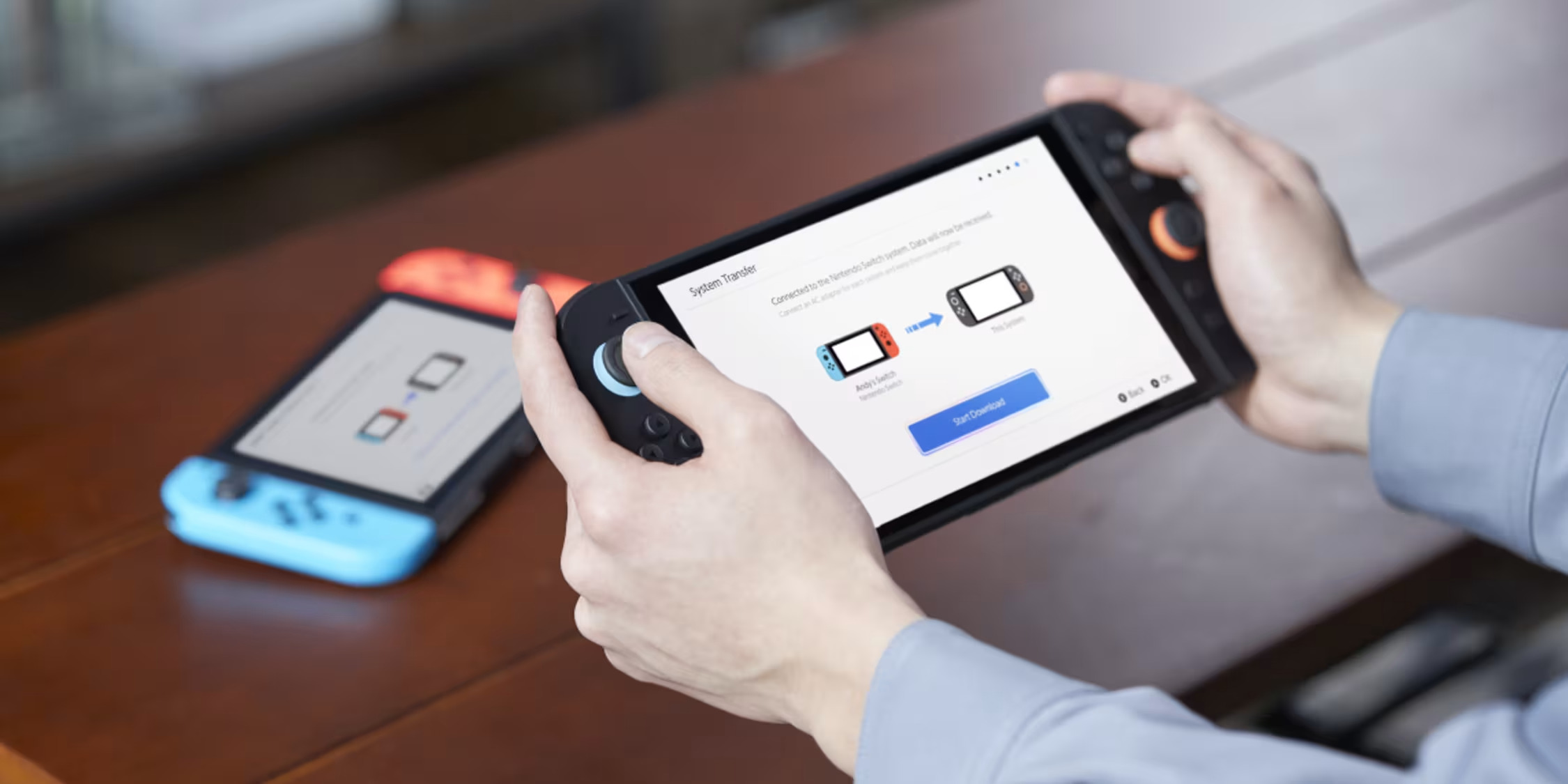
If you’ve finally made the jump to the Nintendo Switch 2, first of all, congratulations. Once you’re done with the basic setup, one of the first things you’ll want to do is transfer your existing games to the new console, along with things like your account, saved data settings (or preferences) and more, so you can pick up where you left off. Thankfully, Nintendo has made the whole process of moving your games and data pretty simple, with your existing setup carrying over to the Switch 2. Here’s how to transfer your old games and save data to the Nintendo Switch 2.

System-Transfer-Switch-2-transfer-old-games
Image Credit: Nintendo

Nintendo Switch 2: How to Transfer Your Old Games and Save Data

Before you get started with transferring your old games to the Switch 2, make sure your original Switch and your Switch 2 are fully charged and connected to the same Wi-Fi network. You’ll also want to update your original Switch to the most recent system firmware and double-check that the user profiles you plan to move are linked to a Nintendo Account.

Now, to transfer your old games to the Switch 2, open System Settings on your original Nintendo Switch. From there, go to Users and select “Transfer Your User & Save Data.” Select the user profile you want to move, confirm the linked Nintendo Account, and then follow the on-screen instructions. Next, power on your Nintendo Switch 2 and go through the initial setup. When the console asks if you wish to transfer data from another system, select Start System Transfer.”

If you’ve already set up your Switch 2, you can still start a system transfer by heading to System Settings, selecting Users, and choosing Transfer Your User & Save Data from there. Once the Switch 2 detects your original Switch, it will guide you through pairing the two consoles. After that, your user profile, saved data, and settings will begin transferring automatically.

When the transfer is complete, you’ll be logged into Switch 2 using your Nintendo Account. Nintendo’s System Transfer does a pretty good job of moving everything tied to your Nintendo Account to the Switch 2, including your user profile, purchased digital games, save data for compatible titles, system settings and parental controls, Nintendo Switch Online membership, as well as screenshots and video grabs.

As for what doesn’t transfer automatically, you’ll need to set up a few things manually, like Bluetooth connections for controllers, headphones, and other accessories. Moreover, as passwords do not carry over, you’ll need to sign back into your Wi-Fi network. Finally, for some housekeeping, take a quick pass through your system and game settings after the transfer to confirm everything is set up the way you want.

For more gaming news and guides, be sure to check out our gaming page!

Loyalty and VIP Programs: What Benefits Do They Offer?

0

In the competitive world of online casinos, operators constantly seek ways to reward and retain their most dedicated players. Loyalty and VIP programs have become a cornerstone of this effort, offering exclusive perks and personal recognition to those who play regularly. Far from being just marketing tools, these programs aim to create a sense of belonging and enhance the overall gaming experience, at pacific spins casino, known for its customer-focused approach and transparent loyalty structure, players can enjoy a system that genuinely rewards consistency and engagement. The platform combines generous benefits with a clear progression model, allowing members to see tangible results for their continued activity.

Understanding Loyalty and VIP Programs

A loyalty program in an online casino functions similarly to those in retail or travel industries — the more you engage, the more rewards you accumulate. Players earn points for their wagers, gameplay, or deposits, which can later be exchanged for bonuses, free spins, or other benefits. Over time, these points determine a player’s tier or status within the casino’s loyalty system. VIP programs, on the other hand, cater specifically to high-value or long-term players. They often operate on an invitation-only basis and provide access to exclusive privileges that go well beyond standard bonuses. Together, loyalty and VIP systems encourage player retention and help casinos build stronger relationships with their customers.

Common Benefits of Loyalty Programs

The structure of a loyalty program can vary from one casino to another, but most share a few common elements:

  • Point-based rewards: Every wager contributes to earning loyalty points, which can be redeemed for bonuses, cashback, or merchandise.
  • Tier progression: Players advance through levels (for example, Bronze, Silver, Gold, or Platinum) as they collect more points. Higher levels unlock better perks.
  • Exclusive promotions: Members of loyalty programs often receive special offers, such as extra free spins or deposit bonuses that are not available to standard users.
  • Cashback and loss recovery: Many casinos integrate cashback options into their loyalty systems, granting a small percentage of losses back to the player each week or month.
  • Faster withdrawals and personalized support: Advanced tiers often provide speedier transaction processing and dedicated account managers.

The key advantage of these programs is that they reward consistency. Even players who don’t make large deposits can benefit from incremental loyalty points that accumulate over time.

The Exclusive World of VIP Clubs

VIP programs take loyalty rewards to a higher level. These are typically reserved for players who wager frequently or maintain high levels of activity over time. Benefits can include:

  • Personal account managers: VIP members often have direct contact with a casino representative who assists with transactions, promotions, and special requests.
  • Higher transaction limits: VIP players enjoy increased deposit and withdrawal limits, allowing for greater flexibility.
  • Tailored bonuses: Exclusive deals, holiday gifts, or event invitations — these personalized touches strengthen the player–casino relationship.
  • Luxury experiences: Some casinos extend their rewards beyond the digital realm, offering tickets to sporting events, travel packages, or fine dining experiences.

Casinos such as pacific spins casino illustrate how a well-designed VIP scheme can blend personalization with fairness. Rather than focusing solely on high-spending players, the system rewards long-term loyalty and responsible gaming, ensuring a more inclusive experience.

Why Loyalty and VIP Programs Matter

These programs go beyond just financial incentives — they tap into human psychology. Players appreciate recognition for their time and effort, and this acknowledgment encourages them to maintain long-term engagement. For casinos, loyal players represent a stable community that supports sustainable growth. Moreover, from a player’s perspective, well-structured loyalty programs make gaming more engaging. They introduce goals, milestones, and a sense of progression that transform casual play into a more rewarding journey. When the rewards are transparent and achievable, these programs create trust and satisfaction among users.

Things to Consider Before Joining

Despite their advantages, not all loyalty and VIP programs are created equal. Before committing to one, players should consider several factors:

  • Transparency of terms: Ensure the casino clearly states how points are earned and redeemed.
  • Wagering requirements: Some rewards may come with playthrough conditions that affect their actual value.
  • Accessibility: Check whether the program is open to all players or limited to higher depositors.
  • Responsible gaming: A loyalty system should never encourage excessive spending. The best casinos promote balance and set clear boundaries.

It’s always wise to choose platforms that emphasize responsible participation and fairness rather than aggressive incentives.

Conclusion

Loyalty and VIP programs are an integral part of the modern iGaming landscape. They offer a more personalized and engaging way to enjoy casino entertainment, rewarding players not only for their deposits but for their ongoing participation. When designed transparently, these systems create mutual value — players feel appreciated, and casinos build lasting relationships. Through a balanced and player-friendly approach, pacific spins casino exemplifies how these programs can enhance enjoyment, trust, and satisfaction, turning the gaming experience into something more than just a series of bets — into a meaningful, rewarding partnership between player and platform.

How Cruises Are Becoming the New Way to Experience European Culture

Trends, storytelling and a slower way to travel. For decades, European travel has followed a familiar rhythm: flights, city breaks, museum queues and tightly packed itineraries. While this approach still holds appeal, a growing number of travellers are seeking something different — a way to experience culture that feels more fluid, less transactional and more connected to place.

Quietly, cruising is emerging as an unexpected answer. Far removed from outdated perceptions, modern European cruises are becoming a cultural travel format in their own right, offering a slower, more narrative-driven way to explore the continent. One that prioritises context, continuity and immersion over constant movement.

From transport to cultural framework

Traditionally, cruises were seen primarily as a mode of transport between destinations. Today, they function more like a moving cultural framework — a way of stitching together multiple regions, histories and identities into a single, evolving journey.

Rather than treating cities as isolated stops, cruises allow travellers to experience how cultures change gradually across geography. Sailing from Northern Europe into the Mediterranean, or from the British Isles into mainland Europe, offers a sense of transition that flights simply don’t provide.

This continuity gives destinations greater narrative weight. Each port feels like a chapter rather than a standalone moment.

A shift towards slower cultural consumption

Cultural travel is undergoing a broader shift. Many travellers are moving away from checklist sightseeing and towards experiences that allow time for reflection, observation and connection.

Cruising supports this shift naturally. With no daily packing, transfers or accommodation changes, travellers arrive in each destination with more energy and mental space. Port days become opportunities for wandering, people-watching and informal discovery — often the most meaningful ways to engage with culture.

Rather than rushing between landmarks, travellers can spend time in neighbourhood cafés, local markets or small galleries, absorbing atmosphere as much as information.

Ports as gateways, not interruptions

One of the most significant changes in cruising is how ports are experienced. Many European cruise terminals are located within walking distance of historic centres, allowing immediate immersion without the friction of long transfers.

Cities such as Amsterdam, Lisbon, Copenhagen and Barcelona place travellers directly into cultural life — canals, streets, cafés and museums unfolding organically from the port itself.

This proximity encourages independent exploration, which often leads to more authentic cultural encounters than structured tours. The city is encountered on its own terms, not filtered through an itinerary.

The rise of experience-led itineraries

Cruise itineraries are increasingly designed around cultural themes rather than just geography. Routes now reflect shared histories, artistic movements and culinary traditions.

Examples include:

  • Northern Europe itineraries centred on design, architecture and modern urban culture

  • Mediterranean routes shaped around ancient history, food and regional identity

  • Atlantic and Iberian sailings that highlight maritime heritage and cultural exchange

This thematic approach aligns well with how modern audiences engage with culture — contextually, rather than in isolation.

Onboard spaces as cultural extensions

The cultural experience doesn’t stop when travellers return to the ship. Onboard environments have evolved to complement the destinations being visited, rather than distract from them.

Public spaces increasingly resemble galleries, libraries and salons rather than entertainment halls. Talks, exhibitions and performances are often inspired by the regions on the itinerary, offering deeper insight into local history, art or social movements.

Dining, too, plays a role in cultural storytelling. Menus frequently reflect regional influences, using ingredients, techniques and flavours tied to the destinations visited that day.

Why European cruises suit cultural travellers

Europe’s geography makes it uniquely suited to culturally rich cruising. Distances between countries are short, histories overlap and identities shift gradually rather than abruptly.

This makes sailing between regions a powerful way to understand how culture evolves — linguistically, architecturally and socially — across borders.

Exploring Cruises from the UK also adds another layer to the experience. Departing from home allows travellers to contextualise Europe in relation to the UK, tracing shared histories, influences and contrasts as the journey unfolds.

Storytelling through movement

At its core, cruising offers a form of travel storytelling that feels increasingly relevant. Each day builds on the last, creating a continuous narrative rather than a series of disconnected experiences.

There’s a rhythm to sea days and port days that encourages reflection. Time spent sailing allows travellers to process what they’ve seen, read further, write, photograph or simply observe the changing landscape.

For writers, creatives and culturally curious travellers, this rhythm fosters deeper engagement — turning travel into a lived story rather than a highlight reel.

Redefining accessibility to culture

Cruising also challenges the idea that cultural travel must be expensive or logistically complex. By bundling accommodation, transport and dining, cruises make multi-country cultural exploration more accessible.

This accessibility broadens who gets to engage with European culture in depth — not just those with the time or budget for extended travel, but also those seeking meaningful experiences within tighter constraints.

A cultural format for a changing audience

As audiences become more conscious of how they travel — socially, environmentally and emotionally — cruising is adapting. Smaller ships, fewer ports and longer stays reflect a desire for quality over quantity.

Rather than collecting destinations, cultural cruising is about inhabiting them, however briefly, with attention and curiosity.

A new way forward

Cruises are no longer simply about where you go, but how you experience the journey between places. In Europe, they offer a uniquely layered way to engage with culture — one that values continuity, context and storytelling.

As travel continues to evolve, cruising’s transformation into a cultural medium feels less like a trend and more like a natural response to how people want to experience the world now: thoughtfully, connectedly and with time to truly take it in.