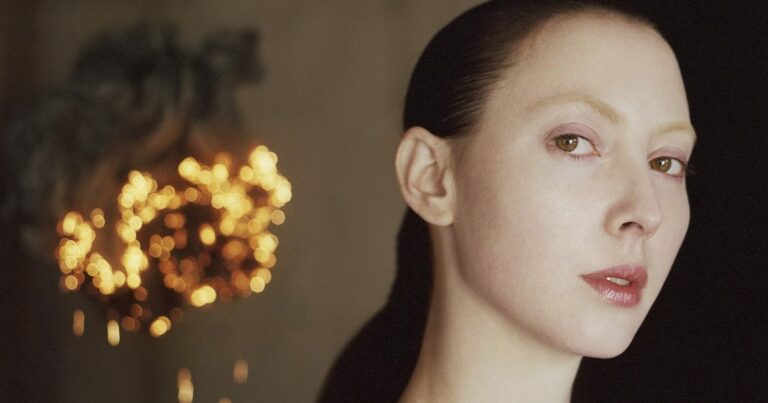
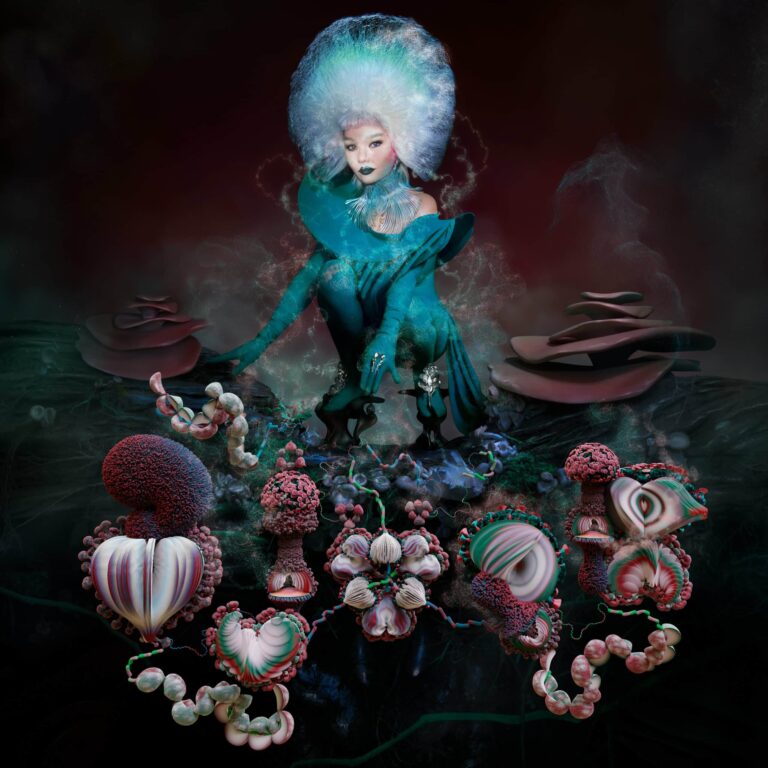
Björk is back with a new album, Fossora. The Icelandic singer-songwriter’s tenth studio LP – her first since 2017’s Utopia – was previewed with the singles ‘Atopos’, ‘Ovule’, ‘Ancestress’, and the title track. It features collaborations with serpentwithfeet, Indonesian dance duo Gabber Modus Operandi, bass clarinet sextet Murmuri, and Björk’s own children, Sindri and Ísadóra. “Each album always starts with a feeling that I try to shape into sound,” Björk explained in a statement. “This time around the feeling was landing (after my last album utopia which was all island in the clouds element air and no bass) on the earth and digging my feet into the ground.”
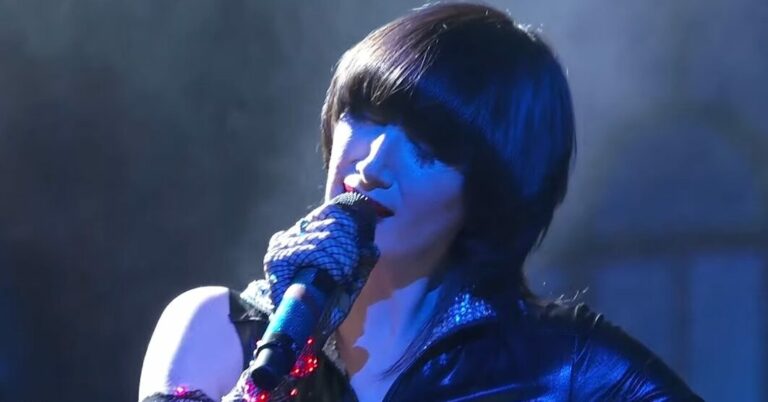
The Yeah Yeah Yeahs have returned with Cool It Down, their first album in nine years. Preceded by the singles ‘Burning’ and the Perfume Genius-assisted ‘Spitting Off the Edge of the World’, the follow-up to 2013’s Mosquito was produced by longtime collaborator Dave Sitek of TV on the Radio. “For a lot of the songs on this record, we’re giving voice to the feelings I want to hear reflected back to me in music,” Karen O said in press materials. “It’s confrontational, and it’s emotional, and it’s addressing things that nobody wants to look at. As an artist, there’s a responsibility to do that. I know when I feel that reflected back to me, I’m so grateful, because it makes me feel less crazy and less alone in the world. That’s where music reigns. This record was a chance for us to use that superpower. This record feels like it has a different kind of urgency.” Read our review of the album.
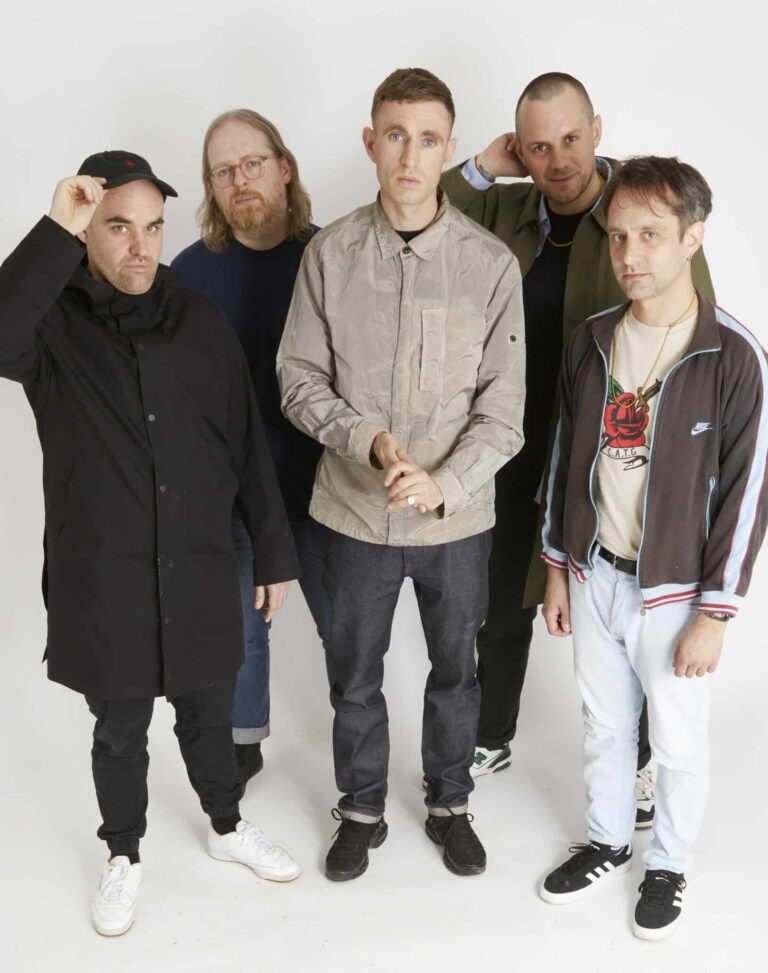
London hardcore quintent High Vis have dropped their sophomore LP, Blending, today via Dais. The singles ‘Trauma Bonds’, ‘Fever Dream’, ‘Talk for Hours’, ‘0151’, and the title track arrived ahead of the release of the album, which follows 2019’s No Sense No Feeling. “The first album felt so tense – it was so tense. I was very angry and confused and just sort of inside myself, and that really shows on the record when I listen to it,” frontman Graham Sayle said in our Artist Spotlight interview. “I think the new record is trying to find some clarity in yourself and in how you feel, and really understanding where those feelings came from.”
Freddie Gibbs’ new album, $oul $old $eperately, has arrived via Warner. The Gary, Indiana rapper tapped Moneybagg Yo for ‘Too Much’, which previewed the album along with the recent single ‘Dark Hearted’. Pusha T, James Blake, Anderson .Paak, Scarface, Offset, Raekwon, Rick Ross, and more guest on the record, which also features production from Madlib, the Alchemist, Kaytranada, Jake One, Boi-1da, Justice League, DJ Dahi, and Three 6 Mafia’s DJ Paul.
Shygirl has released her long-awaited debut album, Nymph. After writing the LP in Brighton, working with collaborators such as Karma Kid, Mura Masa, Sega Bodega, and Cosha, Shygirl recorded the follow-up to 2020’s Alias EP in LA with producers including BloodPop, Arca, Vegyn and Kingdom. The British artist shared a string of singles ahead of the record’s release: ‘Firefly’, ‘Come for Me’, ‘Coochie (a bedtime story)’, ‘Nike’, and ‘Shlut’. “Every piece of work or project is like a sculpture to me, something made of marble that slowly reveals itself as I chip away…” she commented in press materials. “Something that was always there to begin with.”
Titus Andronicus have returned with a new album, The Will to Live, out now via Merge Records. The album was largely created as an attempt to process the death of Matt “Money” Miller, a founding member of Titus Andronicus and frontman Patrick Stickles’ closest cousin. “Loved ones we have lost are really not lost at all, as they, and we still living, are all component pieces of a far larger continuous organism, which both precedes and succeeds our illusory individual selves, united through time by (you guessed it) the will to live,” Stickles explained. “Recognition of this self-evident truth demands that we extend the same empathy and compassion we would wish for ourselves outward to every living creature, even to those we would label our enemies, for we are all cells in the same body, sprung from a common womb, devoted to the common cause of survival.”
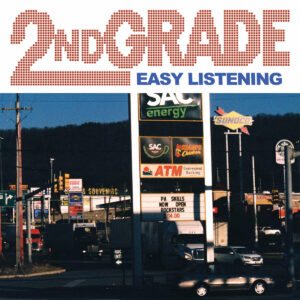
Easy Listening is the latest album by Philadelphia’s 2nd Grade, the power-pop outfit composed of singer Peter Gill, guitarists Catherine Dwyer and Jon Samuels, bassist David Settle, and drummer Francis Lyons. Following 2020’s Hit to Hit, the 16-track LP is out now via Double Double Whammy and includes the advance tracks ‘Strung Out on You’, ‘Me & My Blue Angels’, and ‘Teenage Overpopulation’. “This one is the most collaborative so far,” Gill said in our Artist Spotlight interview. “And that was definitely a big goal of mine, to have the band just take up more space […] I love the way it turned out, and I think that’s a testament to how much they inspire me as musicians.”
billy woods has put out the new album Church, a collaboration with Messiah Musik, via Backwoodz Studioz. Fully produced by Musik, with executive production by woods and engineering by Steel Tipped Dove, the 12-track record features appearances from Armand Hammer’s ELUCID, Bruiser Brigade’s Fat Ray, AKAI SOLO, and FIELDED. woods also co-produced the track ‘Fever Grass’. Church follows Aethiopes, the rapper’s Preservation-produced LP that dropped back in April.
Ashley McBryde’s latest project is out today via Warner Music Nashville. Originally inspired by the late Nashville songwriter Dennis Linde,Ashley McBryde Presents: Lindeville was co-written with Aaron Raitiere, Nicolette Hayford, Connie Harrington, Brandy Clark, and Benjy Davis. “I just hope that when a few, even just a handful, of people listen to the record and it ends with the line ‘Nothing but stars over Lindeville,’ they put their hands over their heart and say, ‘What a nice trip that was,’” McBryde said of the concept album. “And for the whole running time of the record, nothing else had to matter. You got to focus on other people’s drama and other people’s problems and got the reminder that everything’s all right.”
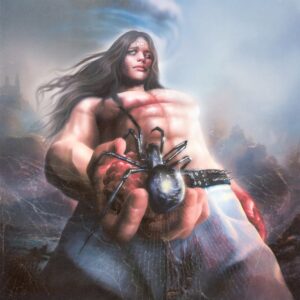
Bladee has come out with a new album, Spiderr, released via Year 0001. It follows the Stockholm-based musician’s 2021 LP The Fool, as well as his recent collaborative album with Ecco2k and Whitearmor, Crest. Whitearmor also serves as the primary producer on Spiderr, which features the promotional single ‘Drain Story’ as well as guest appearances from Ecco2k and Wondha Mountain.
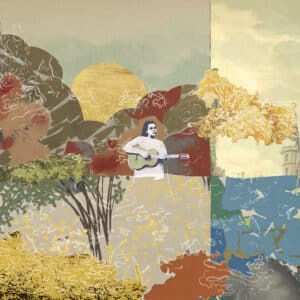
Shannen Moser has followed up I’ll Sing, which came out back in 2018, with a new album called The Sun Still Seems to Move. Out now via Lame-O Records, the record features contributions from co-producer Alex Melendez, Tyler Bussey (Thank You Thank You/Strange Ranger), Julia Peters, Maxwell Stern, Tyler Carmody, Mark Nestman, Eric Muth, and Josh Marre (Blue Ranger). “At a certain point I was like, let’s just go for it. Let’s just really lean into the sadness of the world,” Moser said of their songwriting approach. “I really wanted to make a thing that I had never made before, because I was feeling a way that I had never felt before.”
Kurt Wagner has issued his latest Lambchop record, The Bible, via City Slang/Merge. The follow-up to last year’s Showtunes was co-produced alongside Andrew Broder and Ryan Olson. “I had this idea that – I’m not a religious person but I do believe that there’s a spirituality to a lot of people and they’re not religious,” Wagner commented of the album’s title. “You don’t have to be religious to be a spiritual person, right? You just don’t have to, there should be an acceptance, or a way of recognizing spirituality without it being overtly religious.” The singles ‘Police Dog Blues’, ‘So There’, and ‘Little Black Boxes’ came out in the lead-up to the album.
Other albums out today:
Kid Cudi, Entergalactic; Slipknot, The End, So Far; Mamalarky, Pocket Fantasy; Kolb, Tyrannical Vibes; Melody’s Echo Chamber, Unfold; Sam Prekop, The Sparrow; OFF!, Free LSD; Boldy James & Nicholas Craven, Fair Exchange No Robbery; YG, I Got Issues; Pixies, Doggerel; Disheveled Cuss, Into the Couch; The Big Pink, The Love That’s Ours; Blancmange, Private View; sports dreams, weather admitting; Fujiya & Miyagi, Slight Variations; Tyler Childers, Can I Take My Hounds to Heaven?; Perera Elsewhere, Home; Office Culture, Big Time Things; Dropkick Murphys, This Machine Still Kills Fascists; Oren Ambarchi, Shebang; Pixey, Dreams, Pains & Paper Planes; Autopsy, Morbidity Triumphant; Gabriels, Angels & Queen; Regulate, Regulate; The Bad Plus, The Bad Plus; Free Time, Jangle Jargon; Sammy Hagar & The Cirlce, Crazy Time; Julie Odell, Autumn Eve; Mamaleek, Diner Coffee; City of Caterpillar, Mystic Sisters; Soft Pastels, Shutters View; Grandamme, Holy Mountain; Dominic Voz, Right to the City.
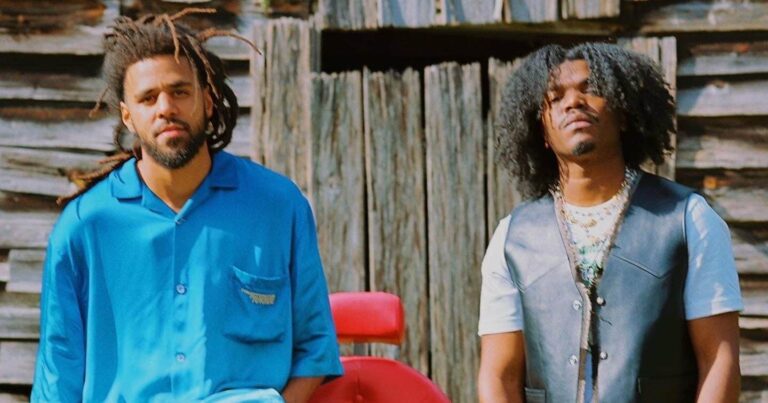
St. Louis rapper Smino and J. Cole have teamed up for the new song ’90 Proof’. It’s set to appear on Smino’s forthcoming album Luv 4 Rent, which does not yet have a release date. Give the track a listen below.
Luv 4 Rent will follow Smino’s 2018 album Noir. J. Cole, whose most recent album was last year’s The Off-Season, previously linked up with Smino on the Revenge of the Dreamers III cuts ‘1993’ and ‘Sacrifices’. Earlier this year, he joined Moneybagg Yo and YG on the single ‘Scared Money’.
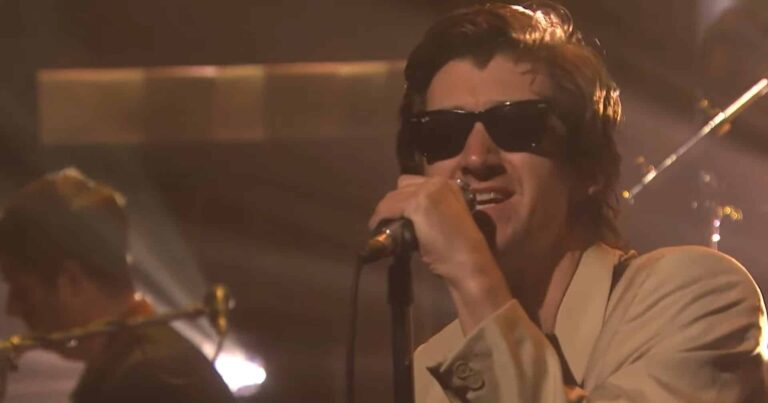
Arctic Monkeys appeared on The Tonight Show Starring Jimmy Fallon last night (September 29), delivering a performance of their brand new single ‘Body Paint’. Watch it below.
Released on Thursday, ‘Body Paint’ is the second offering from the band’s forthcoming album The Car, following lead cut ‘There’d Better Be a Mirrorball’. The LP is set for release on October 21 via Domino.
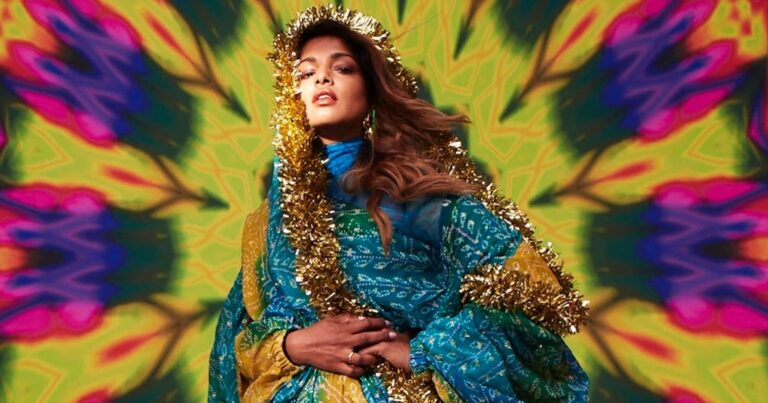
M.I.A. has released another single from her upcoming album MATA. It’s called ‘Beep’, and it follows previous entries ‘Popular’ and ‘The One’. M.I.A. has also shared the album’s cover artwork. Check it out and listen to ‘Beep’ below.
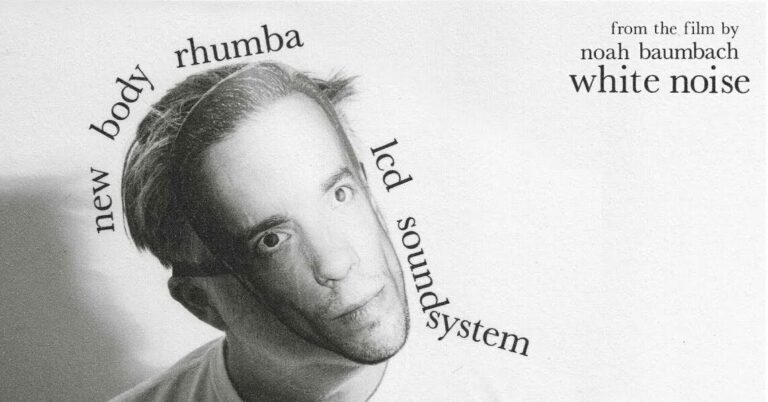
LCD Soundsystem are back with a new track. Marking their first new music in five years, the song will appear on the soundtrack to Noah Baumbach’s upcoming film adaptation of Don DeLillo’s White Noise. Listen to ‘New Body Rhumba (From the Film White Noise)’ below.
LCD Soundsystem frontman James Murphy previously scored Baumbach’s films Greenberg and While We’re Young. The band, whose last album was 2017’s American Dream, appeared on Saturday Night Live in February 2022.
Hyd, the alias of PC Music affiliate Hayden Dunham, has a new song out called ‘Breaking Ground’. It’s the latest offering from their upcoming debut LP CLEARING, which was previously teased with the Caroline Polachek-produced single ‘Afar’ and ‘So Clear’. Finn Keane (EASYFUN) co-wrote and produced the track, which features additional production by A.G. Cook. Check it out below.
CLEARING is slated for release on November 11 via PC Music.
London punk five-piece High Vis formed in 2016, but its members – vocalist Graham Sayle, guitarists Martin Macnamara and Rob Hammeren, bassist Rob Moss, and drummer Edward ‘Ski’ Harper – have been playing in influential UK hardcore bands for years. In late 2019, the group released their debut LP, No Sense No Feeling, a fiery post-punk record that confronted nihilism, violence, and social disenfranchisement from an unflinchingly political, working-class perspective, but struggled to find much meaning beyond rageful catharsis. A different kind of emotional awareness permeates their sophomore album, Blending, out tomorrow; Sayle’s bracingly vulnerable lyrics are given more space against the grand, shimmering instrumentation, which draws more openly from genres like shoegaze and Britpop. At once poignant and anthemic, Blending suggests there’s no end to the battle between hope and desperation, but it can at least be fertile ground for clarity as much as fear. “We’re destitute and we’re demoralised/ Our suffering disguised as pride,” Sayle proclaims on highlight ‘0151’, but Blending makes no attempt to hide the bleakness behind the surface. Even in its most downcast and disarming moments, it’s the sound of a group lifting itself up.
We caught up with High Vis’ Graham Sayle for this edition of our Artist Spotlight interview series to talk about the personal changes that led to their new album Blending, vulnerability, growing up in hardcore, and more.
The album comes out in a few days. How are you feeling?
I’m excited and scared, I think is the best way to put it. I’ve talked a lot about it, and I don’t really have a filter. I’ve kind of put everything out there. Obviously, that’s the correct way to act in a safe space. But I just clocked that it’s not a safe space, is it? [laughs] It’s a vicious world. So I’m a bit terrified, to be honest. I still feel comfortable that everything we’ve done is true to ourselves. It’s a real representation of the space we’re in as people and at a time. But I also feel really vulnerable, and I think a couple of us are feeling vulnerable. It’s very easy to exist in a microcosm where almost everyone is self-regulating, it’s self-policing. For its failings, punk and hardcore is quite a familiar space. You know, I had someone in my workplace come up to me and say, “Do you play in High Vis?” And I was like, “Yeah.” He’s like, “I know your band.” And I was in my head just thinking, “No you don’t. [laughs] You haven’t got a clue.”
Going back to when you formed High Vis in 2016, how do you look back on that time in your life now?
It’s taken a lot of shapes, the line-up’s changed a few times, but we’ve definitely grown with it. I don’t like to romanticize it too much, but the people that we were when we started are miles apart from the people we are now. The band’s definitely been a vehicle for change and support, and it’s been a constant in all our lives. Which is good, because I think we were a lot more volatile as people back then. Having a relationship with four other people, it’s hard work. It’s not an easy thing to stay together and keep making music and stay creative. I feel very different from that person. Obviously, how you feel about that changes all the time.
With the release of Blending coming up, are you tempted to compare the album to your debut?
There’s so much more space in the new record. When I hear the songs on it, it does all take me back to the moment of writing them, and there’s a lot captured in that. I don’t have any defence mechanisms really now, like, what you see is what is happening. I can’t hide anything on my face, I cry at fucking anything nowadays. [laughs] It’s insane. But the first album felt so tense – it was so tense. I was very angry and confused and just sort of inside myself, and that really shows on the record when I listen to it. Some of them, I can hear my voice breaking, I remember putting everything into it – this sort of screaming into nothingness, just feeling empty and feeling pretty hopeless. And it’s still better to be active and taking the risk to do something, even if it’s quite familiar and it’s just an expression of anger or confusion. It’s better to do something. I think the new record is trying to find some clarity in yourself and in how you feel, and really understanding where those feelings came from.
You’ve said that the lyrics are “less selfish” this time around. What did it take for you to shift your perspective and open up your songwriting in this way?
I started going to talking therapy, just exploring my past, trying to have open conversations with everyone around me about how I felt and how things made me feel. Taking the difficult steps of being honest and trying not to take the easy route for anything. I got diagnosed with ADHD, finally – people had thought that for a long time, I didn’t get diagnosed in school. My brother is disabled and had a nightmare in school, getting terrorized because people are awful. I’ve always had a lot more energy than people and I’ve always been really scattered, I struggle to stay on topic. When I got diagnosed with that, that taught me a lot about myself, so I forgave myself and I started to understand myself a bit better. I’d started being more medicated in a sense, and it slows things down for me to be able to work methodically and not have this erratic, fucking racing mind just drive me mental. [laughs] I also stopped drinking, which is a big thing. I basically tried to do everything to make sense of my life.
Did that change the role that music had for you, or was that a constant? How did it fit into your songwriting?
It definitely made me more open to taking chances. Historically, I’ve had an idea about something and I will pursue that idea, and I think it was quite ego-driven. It didn’t necessarily give space for other people to put ideas forward. And then it kind of softened my approach to stuff. That’s where the kind of “blending” thing comes from, in the sense of, I stopped having such solid dividing boundaries between subsections of my hobbies or tastes, and start pulling from a lot of different places. Being like, I can talk about this side of my life and this, whereas in the past, you just try and fit into the mould and blend in, like if you’re into punk you’re a certain way. I just tried to stop thinking like that.
A lot of people reduce hardcore to this cathartic release of anger. What other potentials do you see in it, that maybe you didn’t recognize growing up in the scene?
When I found it, I was like, “Oh yeah, this is me. This is the energy, this is what I feel.” It gave me a space to be someone, essentially. I felt felt seen and felt a part of something. And it had good role models is one thing as well – hardcore has a lot positive action. And the approach of people putting records out for their friends – I made some amazing friends, some my best mates, and worldwide. You’d meet someone, and you knew you’d have something in common with them because you both felt this the same thing towards, you know, feeling mental and wanting to dive on people’s heads. [laughs] You do perpetuate a cycle where you release energy, but I never quite got to find out where all that anger came from. But maybe if everyone started talking about their feelings, there wouldn’t be any hardcore bands. Yeah, hardcore’s the best. Even when I listen to records I loved as a kid now, I still feel the same thing. I still feel my blood boil and want to kill everyone. [laughs] That’s kind of cool.
There’s still that emotional connection, even if –
Even if I know, you know what, I shouldn’t go out and… [laughter]
Right.
It’s a useful feeling.
I wanted to talk about the idea of “competitive morality” that you sing about on ‘Morality Tests’. It sounds to me like it comes less from a place of resentment towards others or society than a genuine sense of self-acceptance around shame.
Yeah, absolutely. I really love that song. I’m trying to make sense of – we’re all flawed humans, you know. No one’s right. A lot of people are more right than others, but we all fuck up, and we all need to try and understand why we fuck up rather than trying to cut other people down or step on people. What happens when people fuck up? Do people just get written off and that’s it? And I’m not trying to – everyone needs to be called out for any bad behaviour.
I’m trying to make sense of this stuff myself as well. Because in my life, I was thinking about –you know, my friend was killed when I was young, by these kids, and trying to understand that kind of thing and not being… In the past, I was a reactionary person. I’d kick off at situations and things that I saw to be morally wrong. I’ve really fought with this stuff. And especially with my brother, he’s disabled and he’s vulnerable, people taking advantage of him – I was extremely protective and I wanted to just punch sense into everyone, you know. And I’m trying to find out what’s the right thing to do. What is the right way to react to this stuff? As a society, as a human, what’s the best way to deal with this kind of thing? It’s not necessarily about forgiveness or something straight away. Holding on to the hate and all that, it’s like the old hot coal burning yourself analogy. I still have a lot of things that I hold on to, and I want to let go.
Vulnerability is something that’s talked a lot about in the music world, but it’s easier to preach about than put into practice. As a band, how do you go about creating that space of authenticity? How did the openness you found in yourself feed into your ethos as a group?
We’re super open with each other now and having conversations about how we feel about stuff. Everyone has an equal voice. A lot of bands, there’ll be one person or two people who write stuff and then people play, and they’ll be, “We’re the songwriters, and you guys play.” I think it’s a lot more open, because some periods, Rob Hammeren and Ski would write most of it, and on Blending, Ski and Martin, when Martin joined, he was writing a lot more. But everyone has an input. No one’s like, “No, that’s not gonna work.” You kind of have check your ego a bit and be open to everything. That’s the thing, it’s kind of an ego thing. We’re a proper band of mates who sometimes might find each other difficult. [laughs] But we’re stuck with each other. We can’t be like, “Fuck it, we’ll get another guitarist.” We’ve all been through so much together. You can’t pick your mates, can ya, as they say.
What inspires you the most about your bandmates?
I mean, Ski, the drummer, he’s one the most important people in my life. He’s really done so much for me. He’s the person who’s given me a space to do this stuff and feel, and like, be better. I’ve gone from being in quite a bad way and not really seeing the future in anything to – see, I get emotional. [laughs] It’s mad. But everyone – you know, Rob Moss was in the first band I was ever with with me. I love playing in a band with him, he’s amazing. Rob Hammeren has brought himself back from really the pits of depression, which is super inspiring to see. And Martin is just the most straight, easy constant in my life. It’s amazing. As people, they’re fucking nutters, but I love them.
This interview has been edited and condensed for clarity and length.
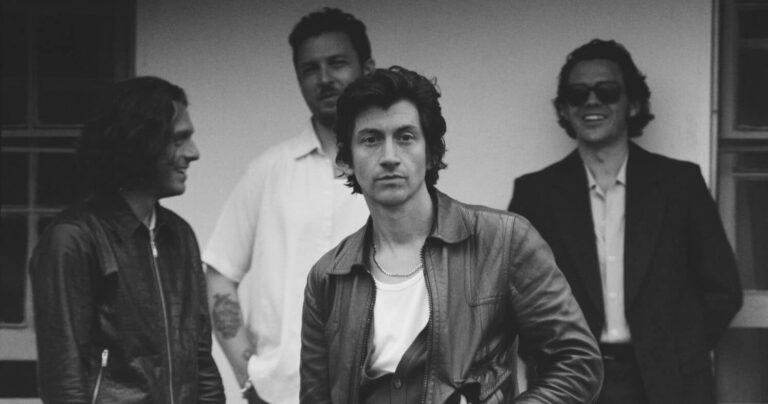
Arctic Monkeys have shared the second single from their seventh album The Car, which is set to arrive on October 21 via Domino. Following lead single ‘There’d Better Be a Mirrorball’, which made our Best New Songs list, ‘Body Paint’ comes with an accompanying video directed by Brook Linder and filmed in London and Missouri. Watch and listen below.
Based on James Sallis’s 2005 novel, Drive is a 2011 film adaptation directed by Nicolas Winding Refn. Refn is known for helming cinematic crime dramas with a vibrant visual aesthetic, and for his collaborations with Ryan Gosling, who stars in Drive as an unnamed stunt driver (he follows this role with a similar one in the 2012 film, The Place Beyond the Pines).
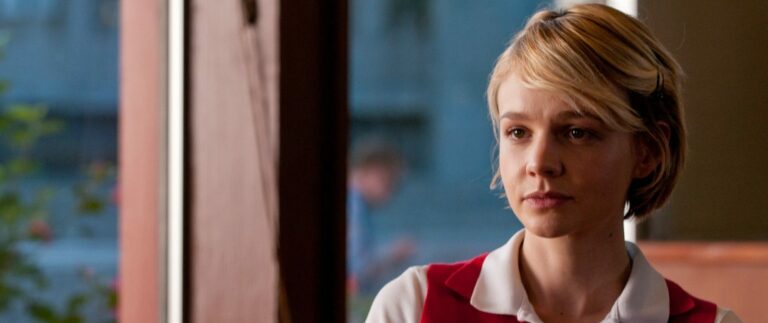
When Irene (Carey Mulligan) and her son (Kaden Leos) move into an apartment next to the driver’s, he feels drawn to the pair and grows close to them. Their new bond is disrupted when Irene’s husband Standard (Oscar Isaac) is released from prison. Wanting to protect the family and help Standard pay his debts, the driver offers to be his getaway driver in a robbery. Over the course of the film, Gosling’s character is pushed closer to his limits until he’s on the wrong side of the law; despite his solitary nature, he’s learning how to show love and care for someone, which results in a neo-noir blend of tenderness and violence (which is reflected in the film’s use of lighting).
Cinematographer Newton Thomas Sigel often lingers on Gosling as he drives down deserted city streets at night, or shows the driver cutting glances in the rearview mirror. Color contrasts are a big part of Drive‘s aesthetic, as seen in the following stills:



 Björk is back with a new album,
  The Yeah Yeah Yeahs have returned with
  London hardcore quintent High Vis have dropped their sophomore LP,
  Freddie Gibbs’ new album,
  Shygirl has released her long-awaited debut album,
  Titus Andronicus have returned with a new album,
  Easy Listening
 billy woods has put out the new album Church, a collaboration with Messiah Musik, via
  Ashley McBryde’s latest project is out today via
  Bladee has come out with a new album,
  Shannen Moser has followed up I’ll Sing, which came out back in 2018, with a new album called
  Kurt Wagner has issued his latest Lambchop record,