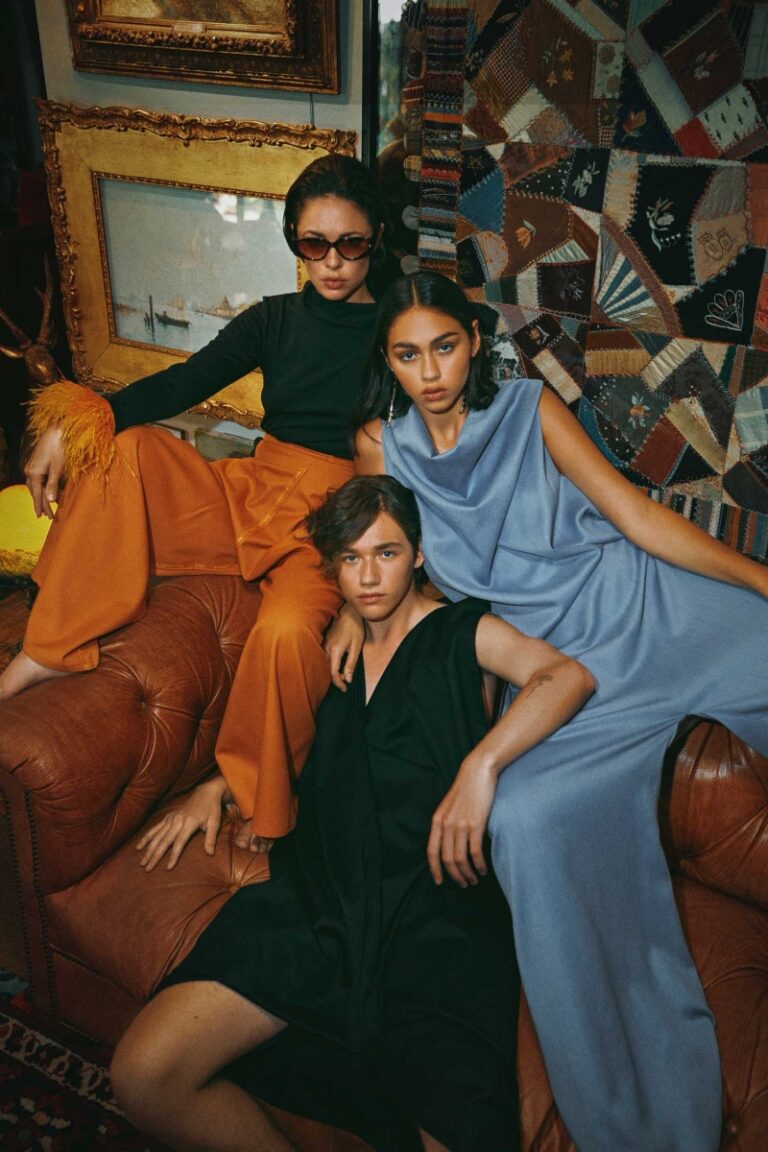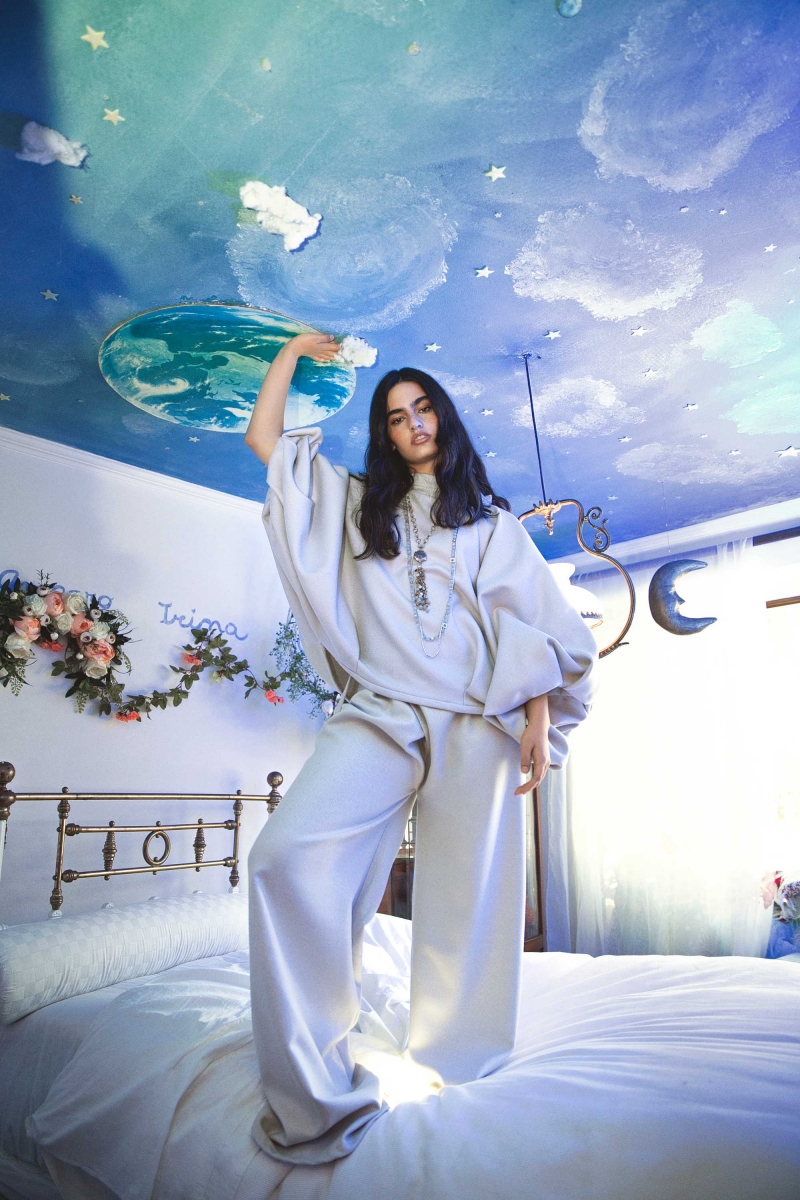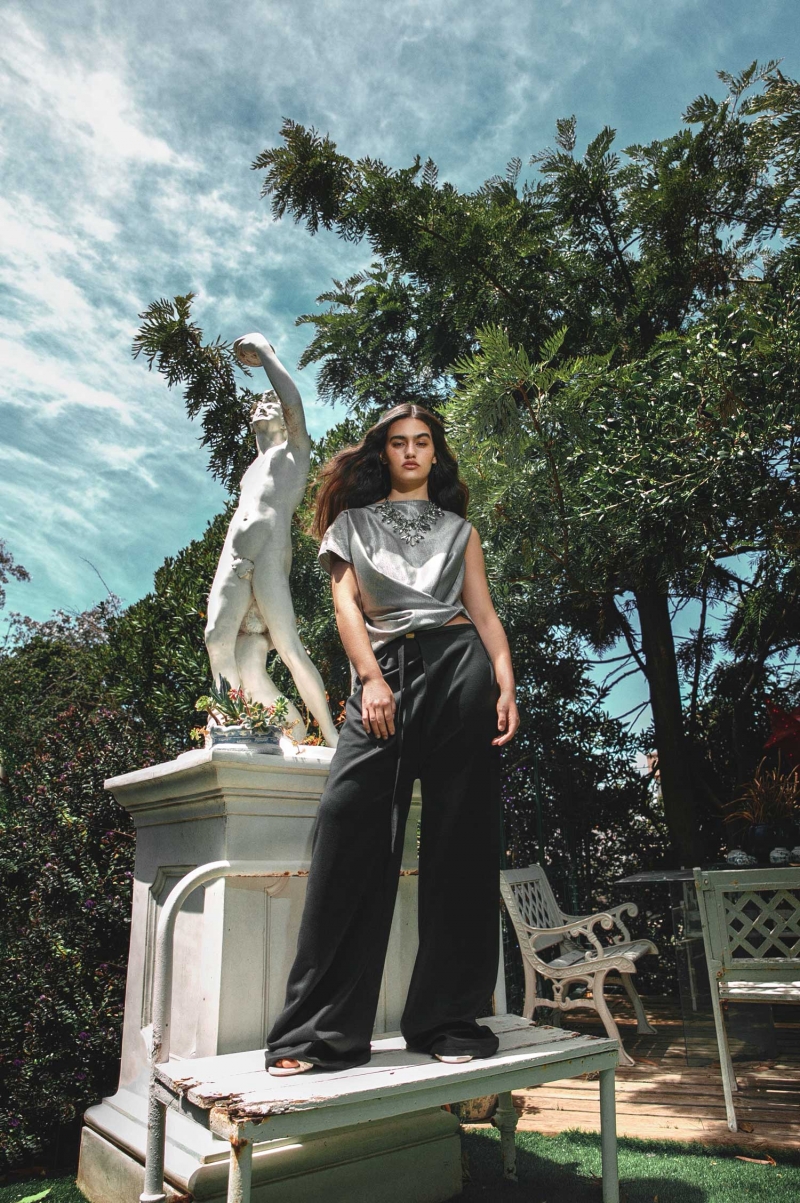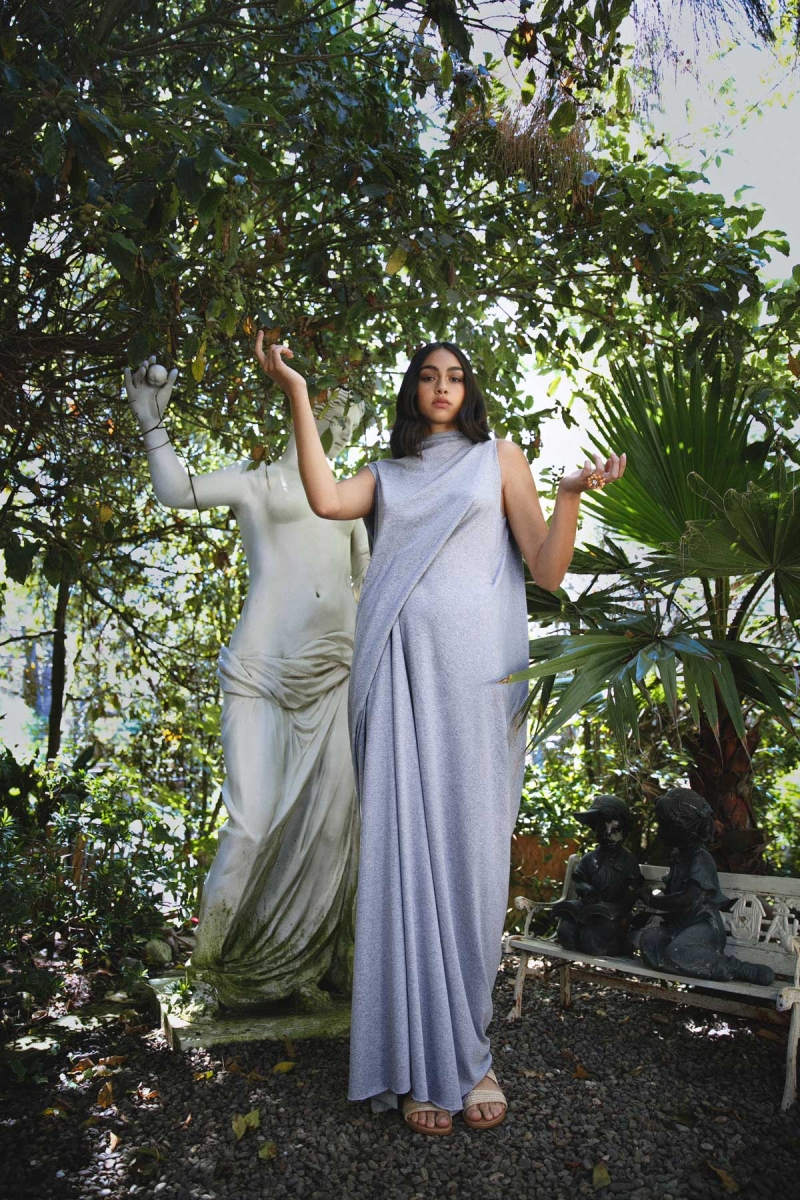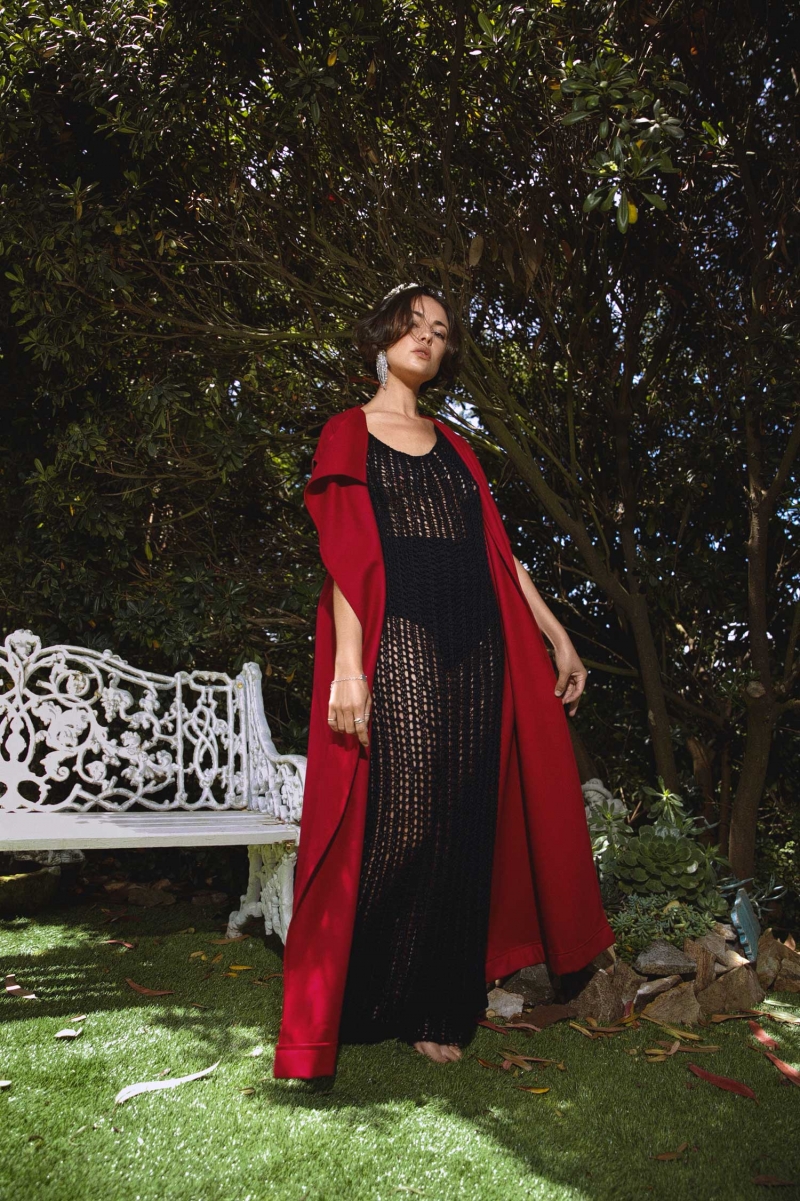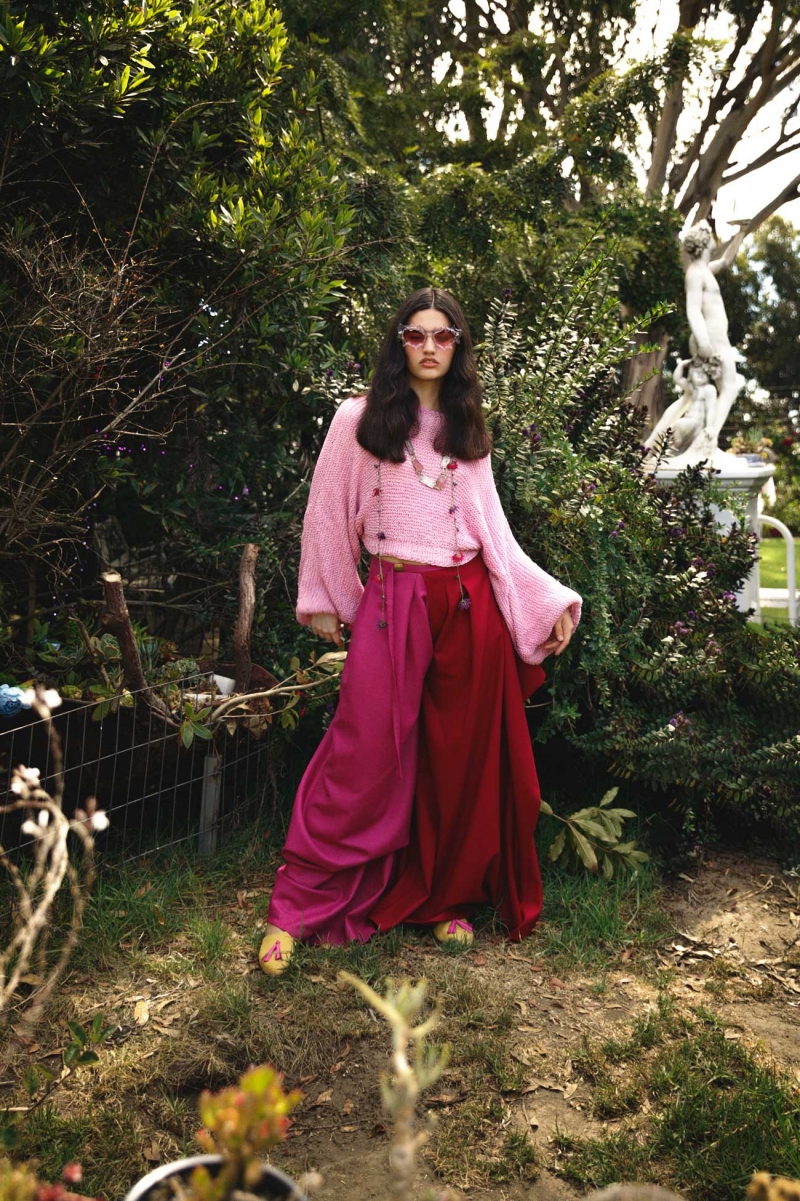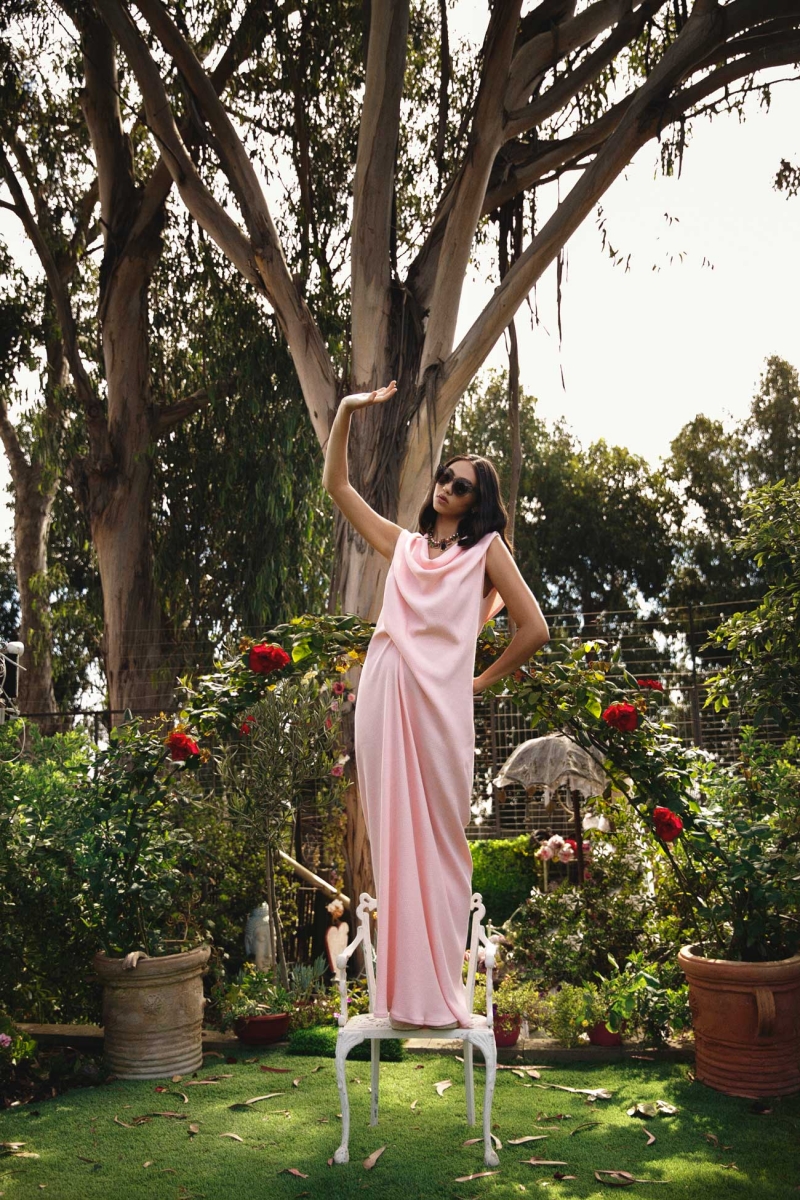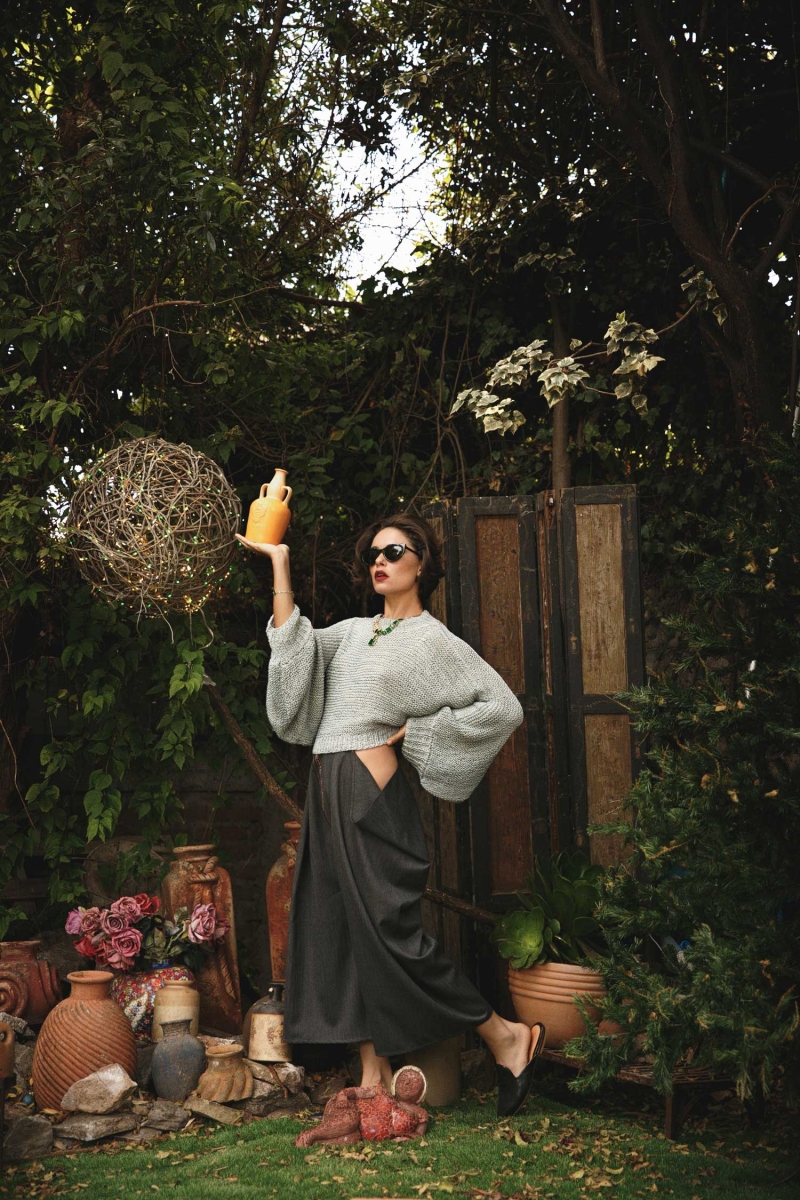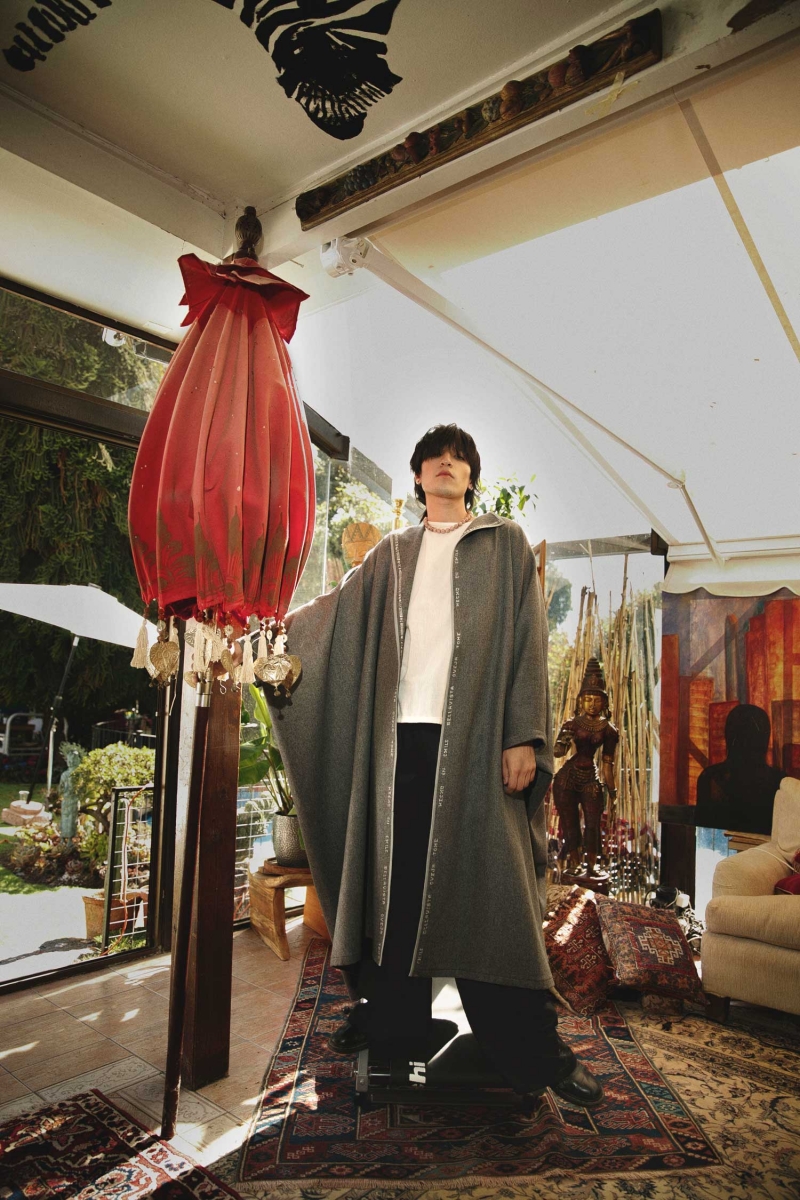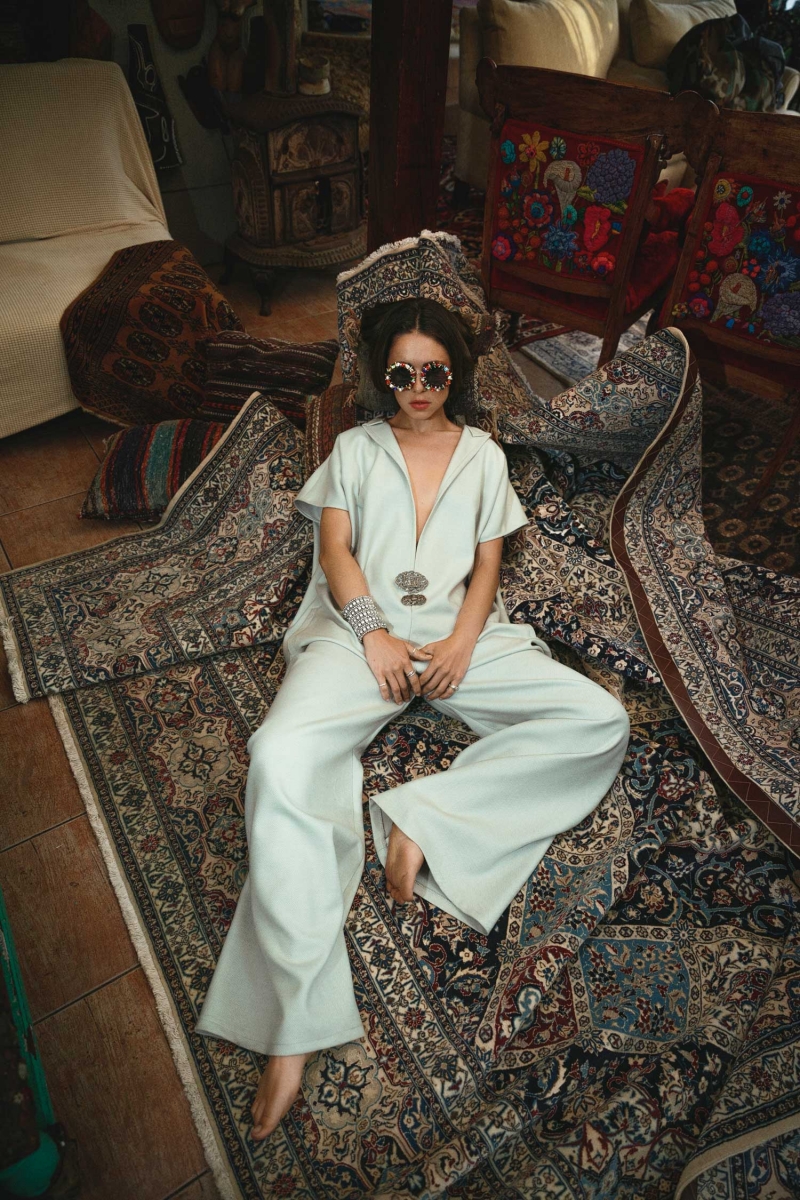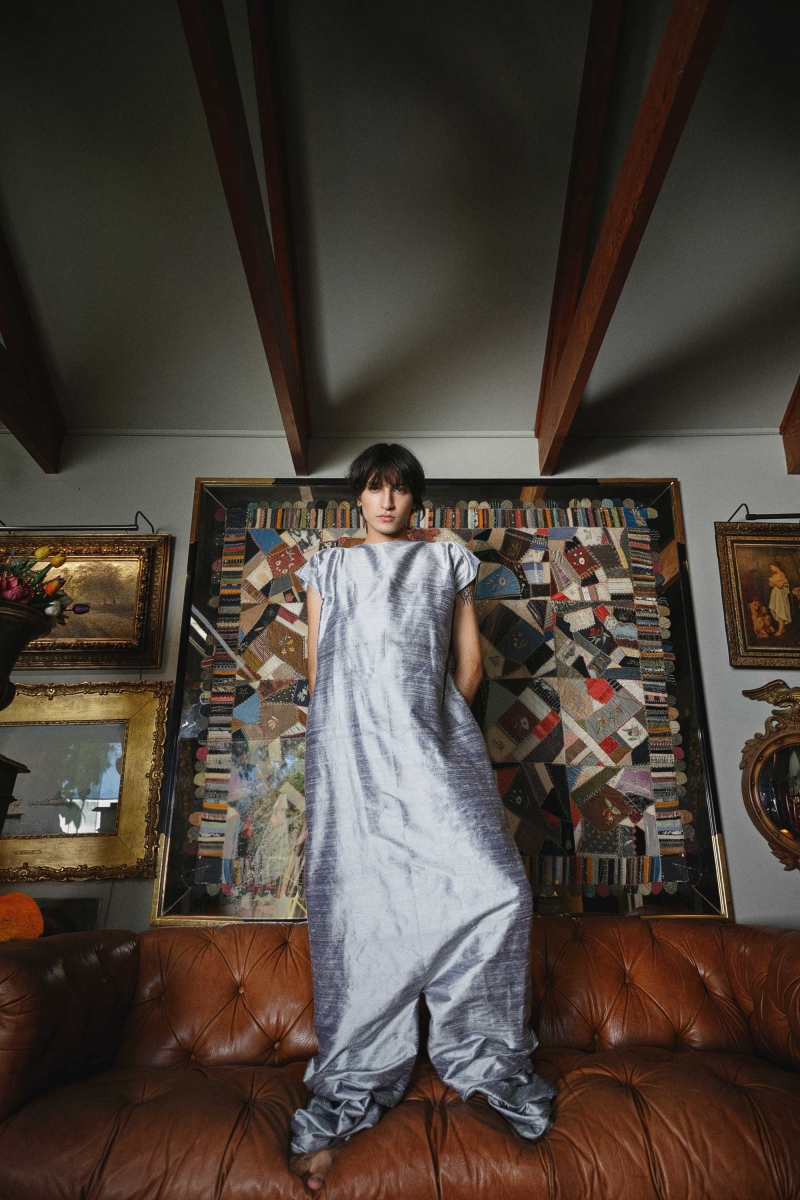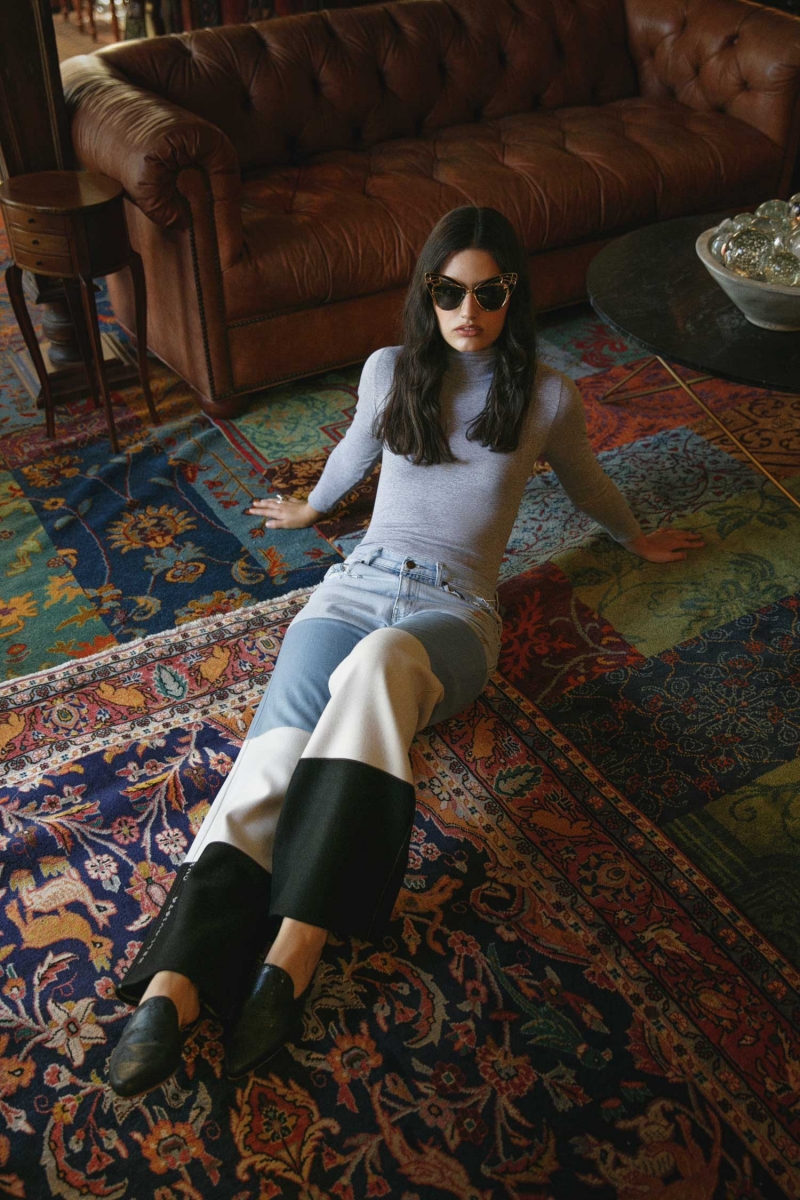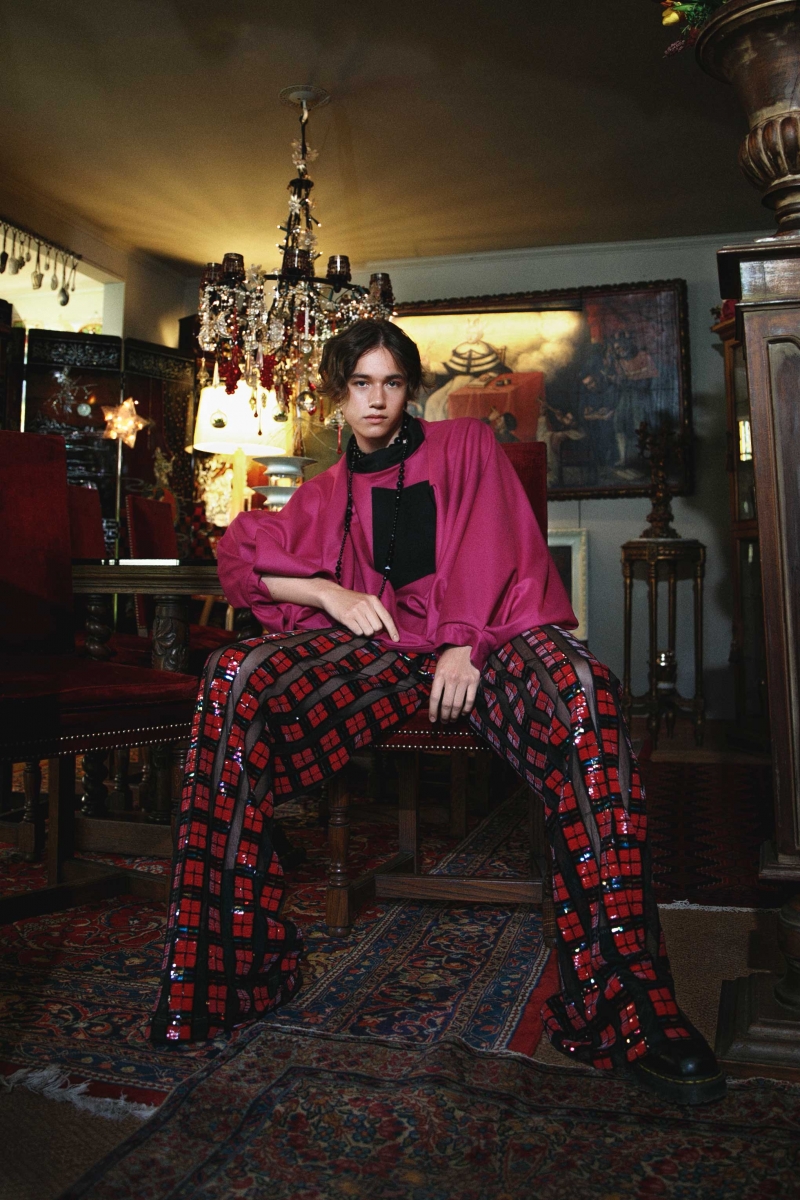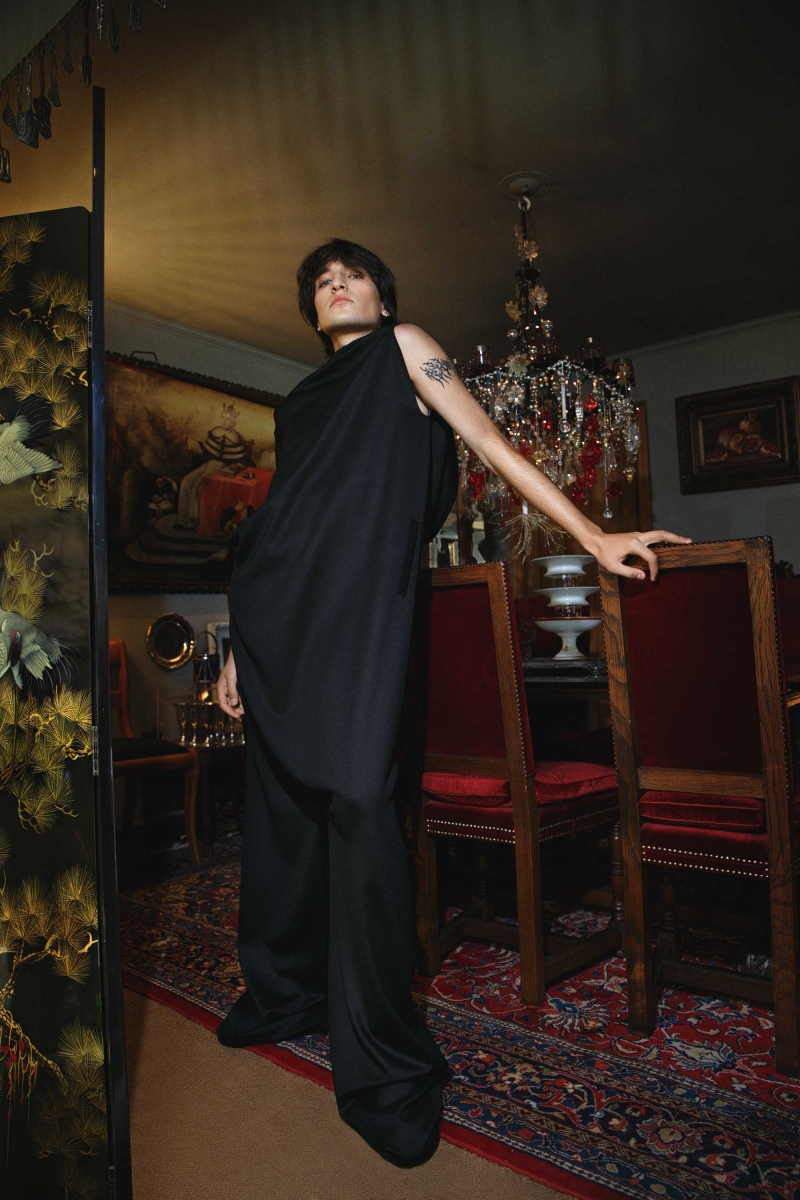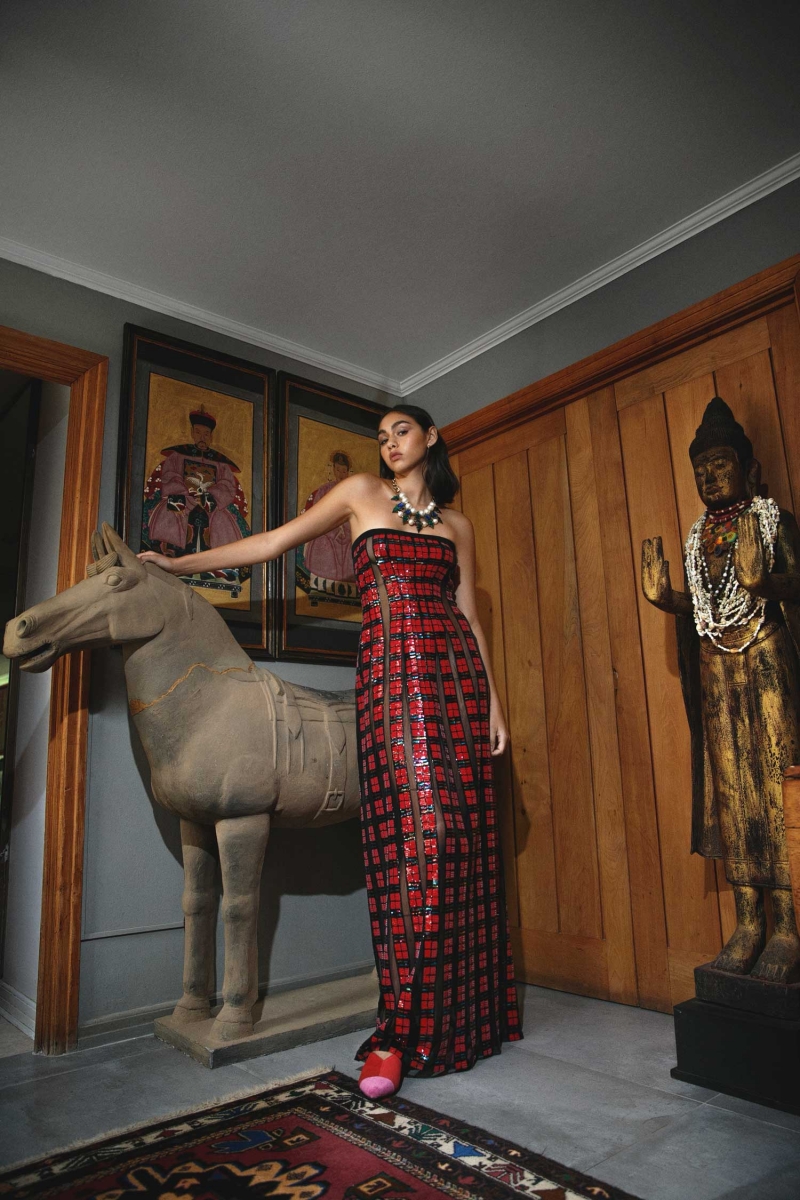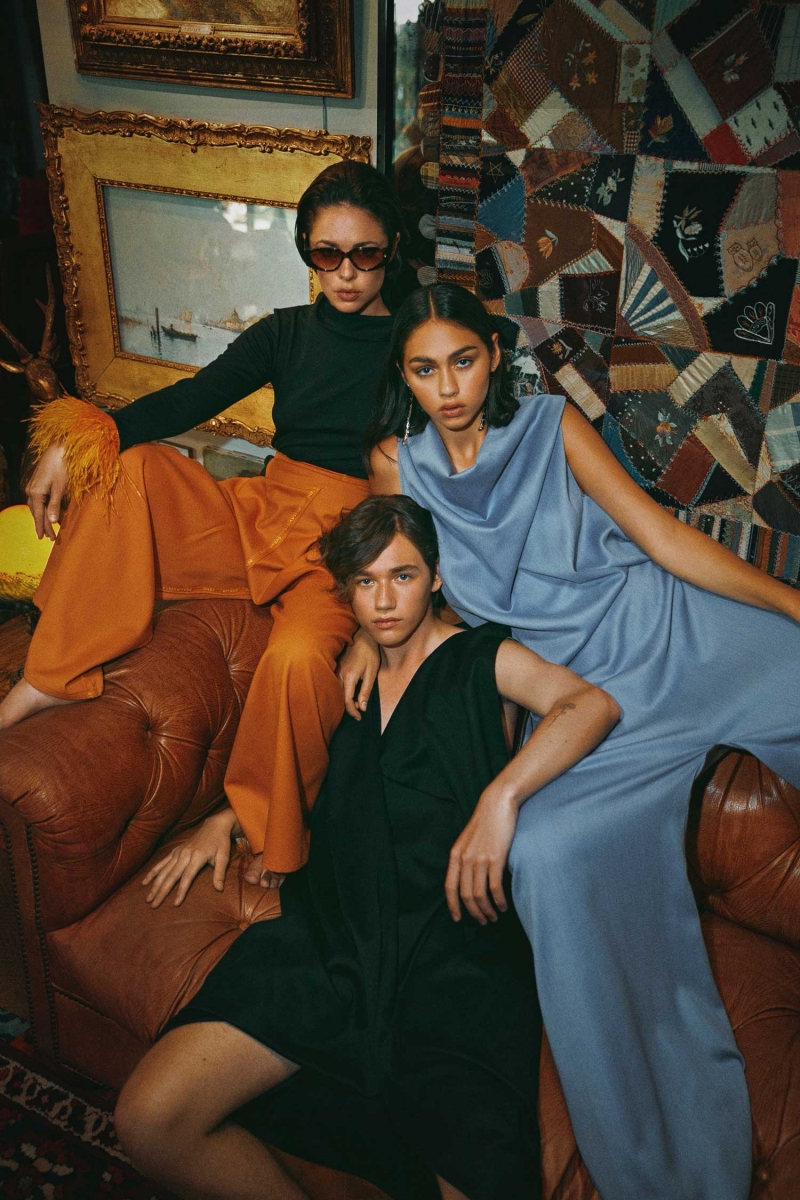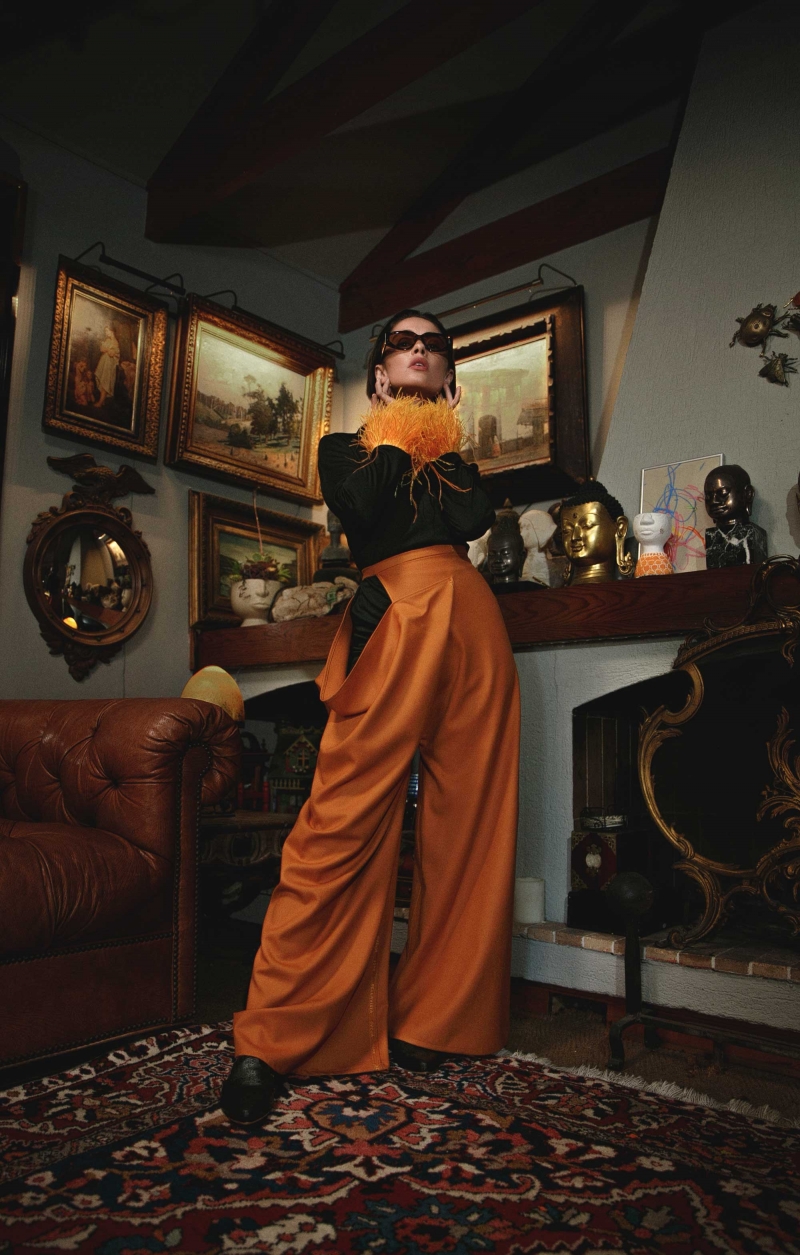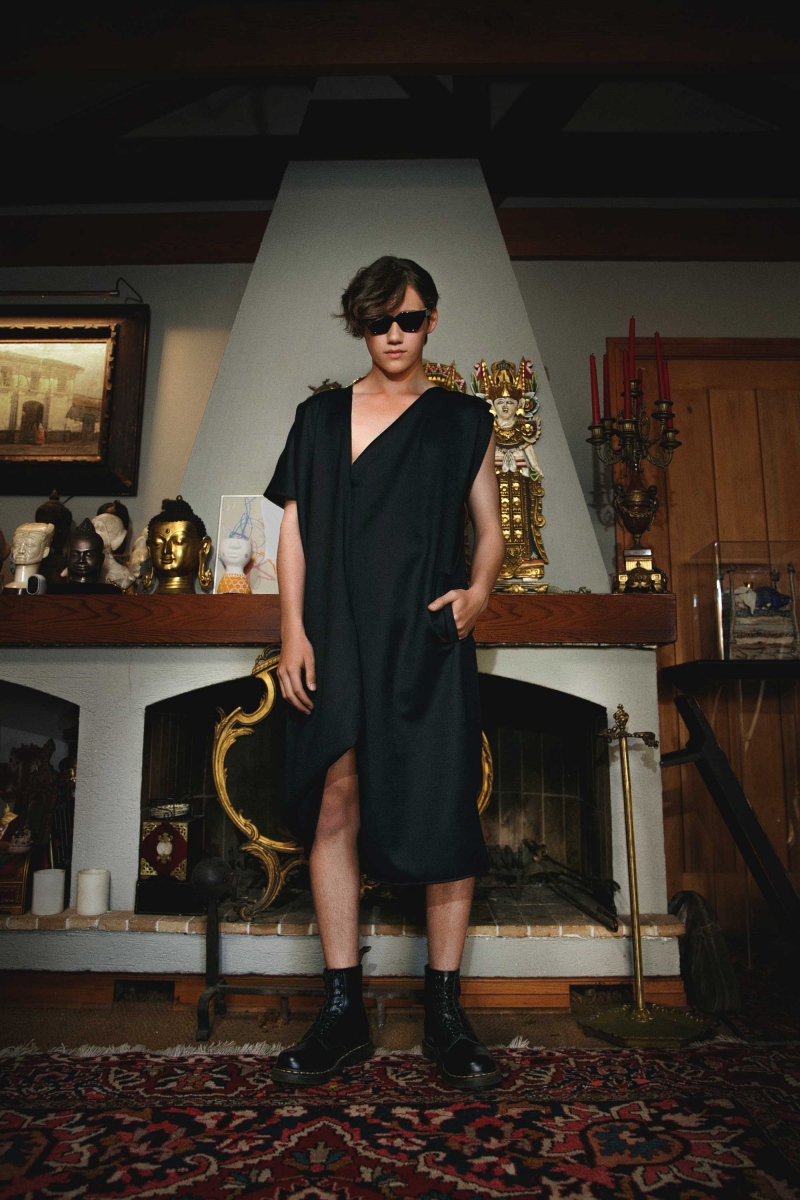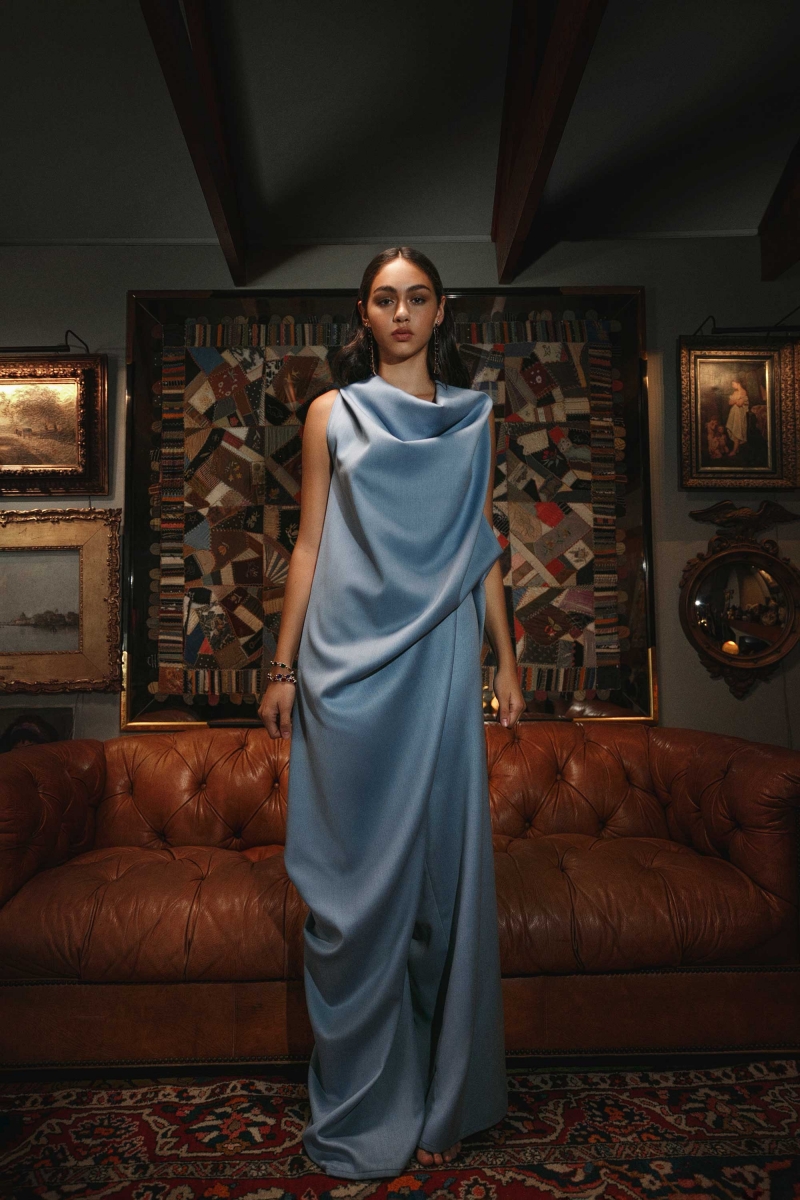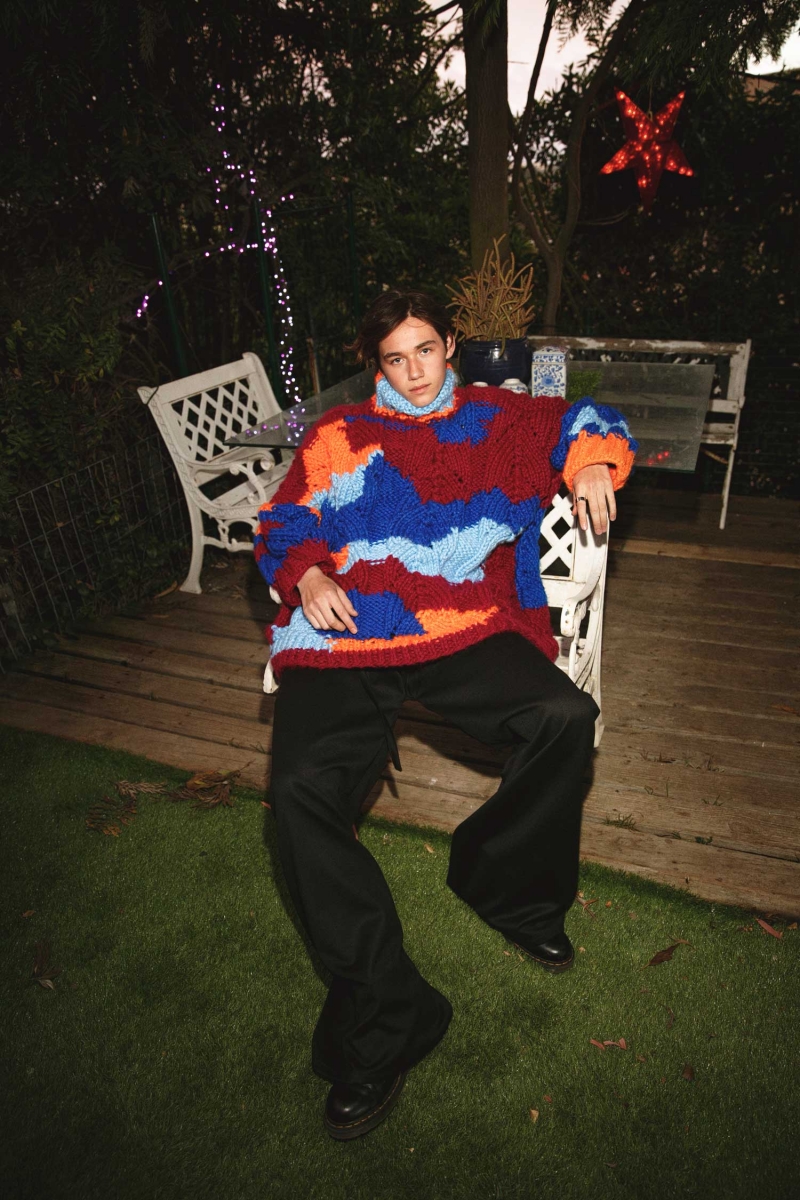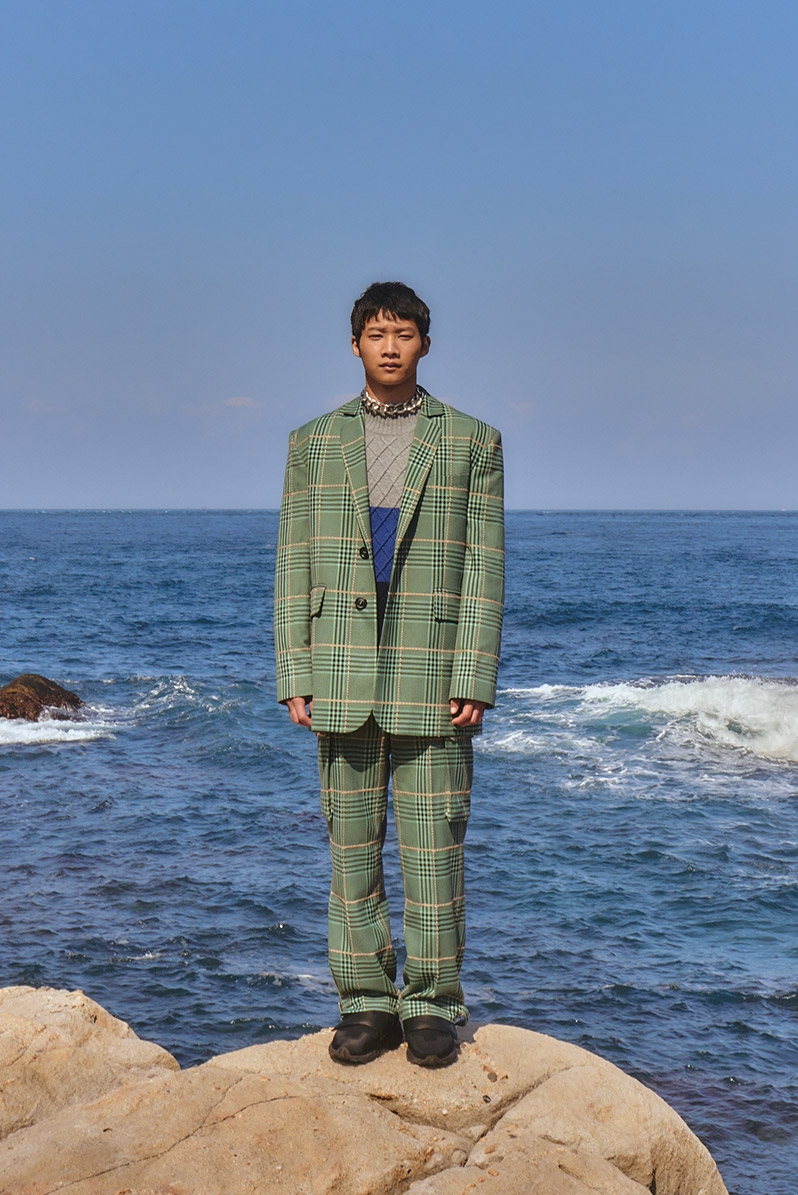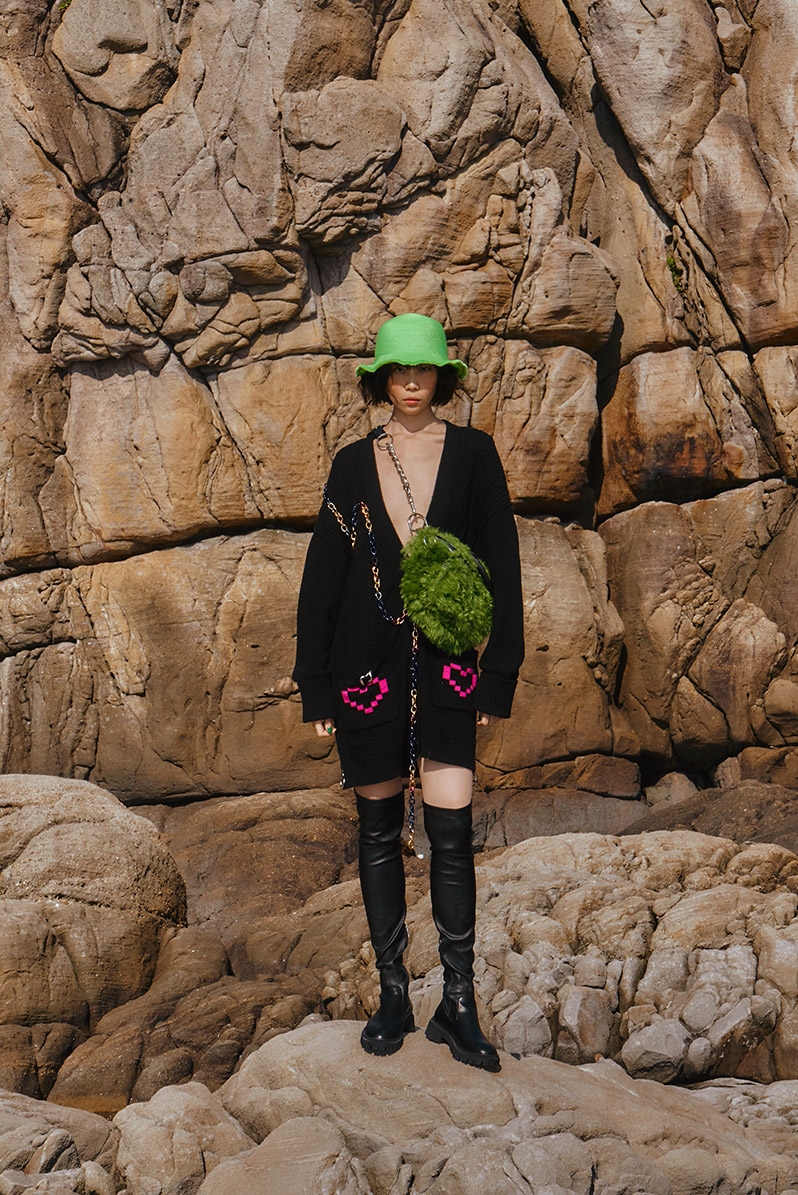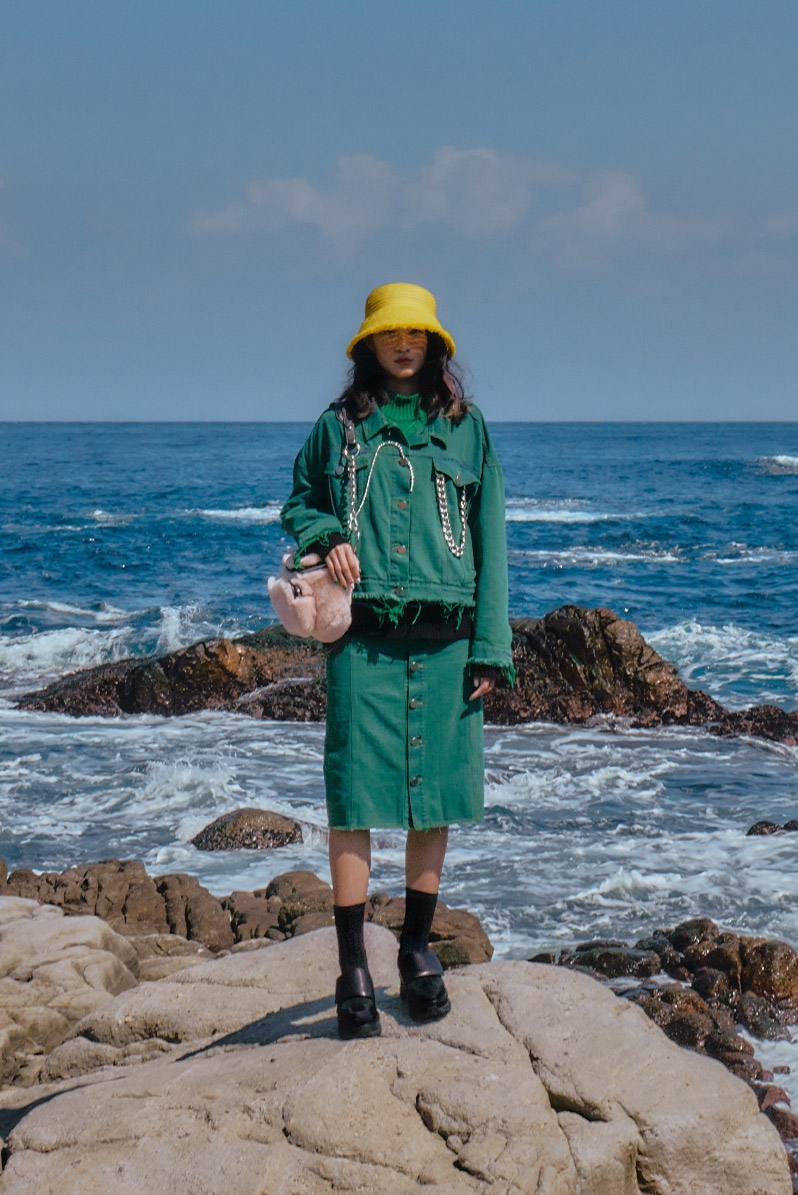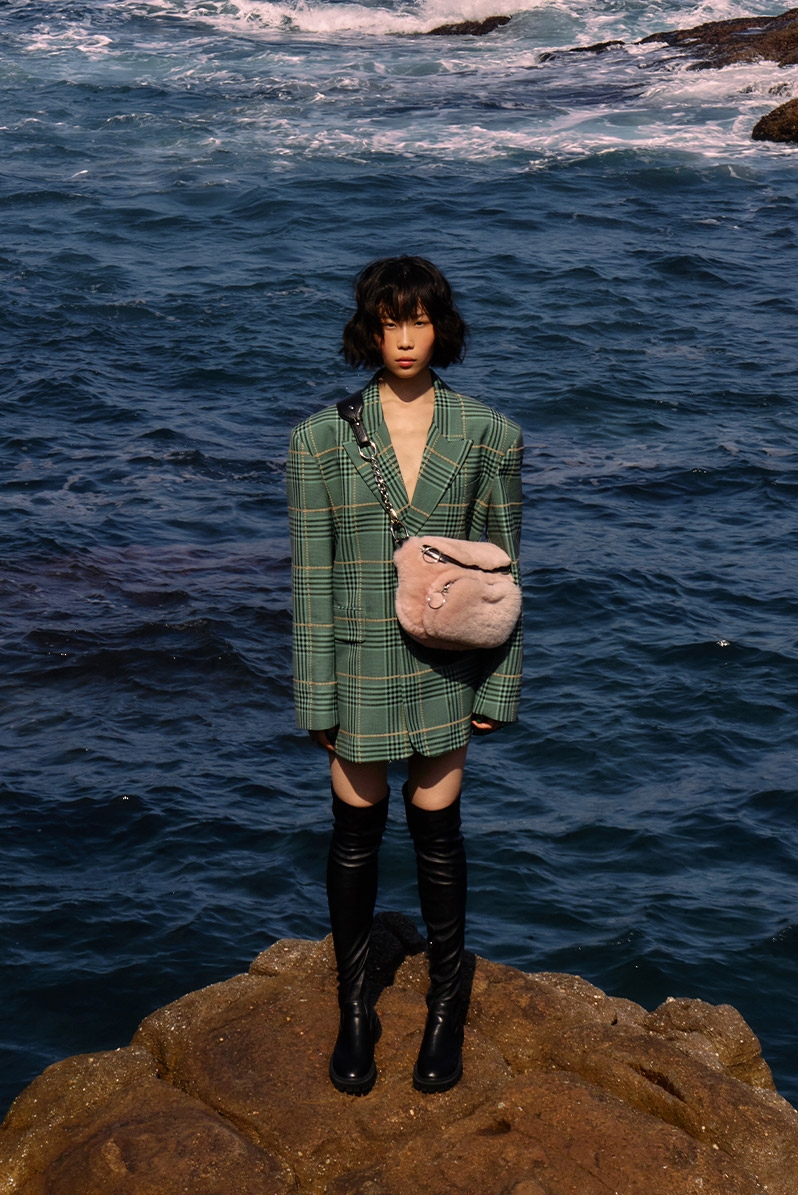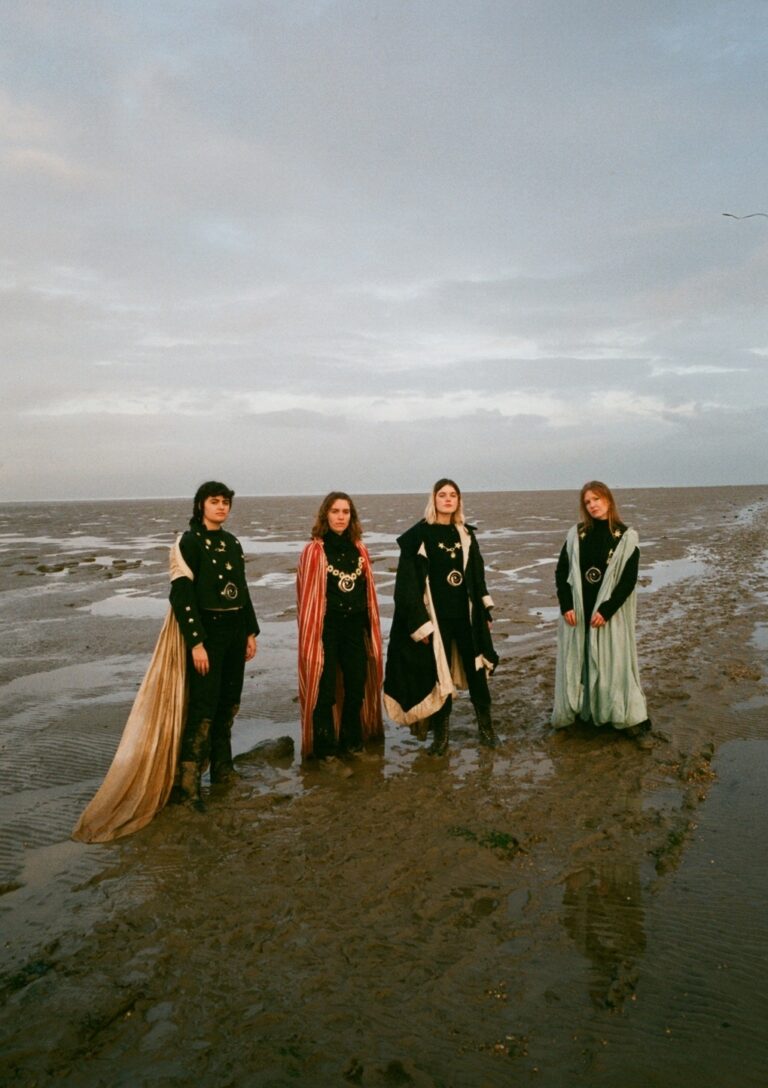
Having previously performed in various groups around South London’s music scene, Alice Barlow, Lara Laeverenz, Ella Rimmer, and Izzy Risk wanted to created a space where they could further explore their love of singing as a collective. They formed a concept-choir called WOOM, spent years practicing and performing, and finally sought to capture the magic of their live shows with their debut EP, Into the Rest. Released last week via House Anxiety, the six-track collection was produced and mixed by Tom Carmichael at London’s Fish Factory studios, where the four members recorded a selection of covers and originals nearly all in one take. Perhaps that’s part of the reason why it all sounds so seamless as they transition from the haunting original ‘Walk’ to a fusion of Bonnie Beecher’s Twilight Zone track ‘Come Wander’ and Linda Perhacs’ ‘Chichicum Rain’, or when a Frank Ocean medley leads the way to a beautiful rendition of Angel Olsen’s ‘Unfucktheworld’ and Outkast’s ‘Prototype’ segues into ‘Limit to Your Love’. But the appeal of WOOM goes beyond the harmonious nature of their almost-acapella reworkings – it’s because of their shared connection as singers that they’re able to tap into and combine the qualities that make different songs resonate, immersing the listener into a world that feels uniquely their own.
We caught up with WOOM for the latest edition of our Artist Spotlight interview series to talk about the origins of their project, their new EP, and more.
I know you were all part of the same music scene in South London. How did you connect over your mutual love of singing, and how did that lead to the idea for WOOM?
Lara: It felt like it happened really naturally. We were all kind of going to these gigs in South East London, where individually everyone was singing and everyone was playing in different bands. I remember going – I wasn’t singing yet, really – but I remember going and seeing Ella perform, seeing Izzy perform, seeing Alice perform, all in their individual groups and just being so awed by their voices and just really wanted to sing with them.
Izzy: I think it came a bit out of being in projects but kind of wanting to do something more with singing and focused in singing.
Alice: Yeah, a space as well in which we could all have control and really collaborate, because we’d all been in bands or situations where we were the front singer, but the idea that came with WOOM was one of total collaboration.
Lara: I think also, Alice was singing Izzy’s band and Ella was singing in Izzy’s band, and then Ella and I were singing together, just like for fun, and then we would sing in our friend’s band as well. These things were already happening, so then for us all to come together just felt like it needed to happen. There was definitely a hunger for it.
Do you remember that specific conversation of how the idea came about, or was it more gradual?
Alice: I feel like I remember the conversation. I think it was one night, we were at a gig, and I think a few of us had been talking about starting a choir. And we were all probably quite drunk and sitting outside. I think it was just me, Lara and Izzy. We were like, “Yeah, let’s do this!” And then Lara was like, I know Ella wants to do something. And then at some point, I think Lara was like, “We should call it WOOM.” But the interesting thing about WOOM was that we started this idea as a project just for us, and we got asked to play at Brainchild Festival. But going there, we kind of had no idea how it would go down. We were planning to do a workshop and then we ended up being booked for a gig on that weekend. And it was when we played the gig and the feedback we got after that that I think really solidified it.
Over the four years that you’ve been together as a group, what would each of you say you’ve learned during that process of getting to know each other and singing together?
Ella: There’s something that happens within the body when you’re saying with other people, and I think there’s even been studies into how people’s heart rates will match up when they all sing together. It’s a very kind of visceral, ritualistic, embodied experience. And I think that focus on trying to be present in that has been something that I’ve definitely gotten from this. And more so than that, the challenges and limitations that occur when you’re four very different voices trying to create quite a unified sound, no one’s individual skill could substitute for the time that has been put into finding a space where everyone’s voice sits.
Alice: Another thing I’d say I’ve learned is the power of collaboration, because prior to that, I’d released stuff on my own and it’s such a different experience. Sometimes it’s tricky because we’ve all got really strong ideas, but it’s been an amazing thing to learn how to amalgamate all of those things and present it as one.
Izzy: Moving from what Ella said, a lot of the singing I’d done before that was just like, fronting a band. And although that can be really nerve-racking because you’re the only one singing, you also have the texture of the band and the instruments behind you. And I found sometimes these WOOM gigs are kind of even more nerve-racking because the vocals are so exposed and you’re creating songs and textures with just vocals.
Lara: I like what Ella was saying about being present. I think the four years of doing WOOM, it does just confirm that feeling you get when you sing and how much it puts you into your body. And then, harmonizing is really just listening most of the time, so it’s just about learning to listen to each other.
I think it’s interesting what Ella said about communal feeling of it, but at the same time what Izzy mentioned about how exposed it can feel. Especially because with the songs you perform, there’s often a lot of intimacy to them that’s accentuated in that way. Could you talk about what goes into the process of selecting the songs?
Alice: Usually the songs we choose are ones that collectively we’re all excited about. And really quickly, quite often, you can tell whether it’s going to work, like there’s been a few songs that we’ve really wanted to cover and we start doing it and it doesn’t necessarily click in the right way. But the ones that we do end up fully arranging are ones that quite quickly feel like it connects on some level. All of the covers we’ve done so far, I think, are some of our favorite songs ever.
I wanted to talk about the Frank Ocean medley in the EP specifically. Because all those songs are from Blonde, so I’m curious what the significance of that album is for you collectively, and what the process of bringing those tracks together was like.
Ella: All of us have a very deep respect for Frank and the way that he writes, like every aspect of the process is kind of masterful, I think, and Blonde in particular is such a triumph of an album. I remember being in Alice’s house or in Izzy’s house, and we would be singing like the ‘Seigfried’ part and someone would come in with another line from another song. And I think it’s this idea that those songs have this like liminal membrane between all of them, where when you listen to that album it’s not just like listening to separate songs on a list. It’s like they already speak to each other. And it was such a pleasure to experiment with kind of swimming through that a little bit. It felt very natural that they would all just sort of fit with each other in that way.
There’s definitely this natural kind of connection between these songs, as opposed to something like ‘Prototype’ and ‘Limit to Your Love’, where maybe it’s not as obvious.
Izzy: Maybe because we love melodies and these melodies of all these different songs that we love are kind of echoing in our mind, when we sing one, something else just pops in. It can be like a little trigger in the music or a word.
Ella: There’s a lot of background work and particular disciplines that we have to practice in order to make the arrangements we do, but I think when we’re really in the moment, you do sometimes feel like a vessel through which different melodies, like you said, pop in an echo in your head. It’s not like we’re sitting down being like, we’re going to construct this thing, necessarily. A lot of work goes into it beforehand and after afterwards, but in that moment, it’s almost like you just have to get out of the way to let that happen.
Alice: I think that’s the nice thing about ‘Limit to Your Love’, for example. Obviously, it was written by Feist, but probably the most commonly known version of it is by James Blake. When we were talking about it recently, it’s like this idea of these songs that are written that have multiple lives, and reimagining something or giving it a different life. I think it’s the same with ‘Unfucktheworld’, the Angel Olsen cover. We’ve had a few people come up to us and say, “When we listen to it, we even hear the lyrics differently because of the way you sing it,” even though they absolutely adore the original.
What I love about your rendition of that song is that there’s this loneliness to the track, especially with the line “I am the only one now,” but when you sing it all together it takes on a new resonance. How much of that was a conscious choice?
Lara: It was cool to find a song that we could really all just sing this chorus in unison. And I love what you say about that line, it does recontextualize it when you have four voices singing it. And when we sing it together, it’s really empowering. I feel like it does feel a bit like this idea of collective pain or collective grief that you can share, and it kind of eases that pain.
Alice: One really lovely thing was when we did the video for this one, we then got to really explore the meaning of the song and what it meant to us and the sense of escapism. We kind of got to relive a whole new meaning when we were creating the visuals; it felt like even more of a reimagining of a reimagining, if that makes sense.
My introduction to your sound was actually the original composition, ‘Walk’, and it did very much feel like a collective musical identity came through on that track. What do you remember about making the song, and how does it compare to reimagining other people’s tracks?
Ella: We’ve been wanting to do our own original material alongside the covers for quite a long time. And that’s something that we’ve kind of done maybe more in private and haven’t shared a lot of it. But I think we had like a little – I have old voice notes on my phone of the [sings melody from ‘Walk’] part. We were at my old house, I think it was towards the end of a writing session or something, and we were all just knocking around a little bit, allowing ourselves to be a bit dramatic or theatrical. And then I think Lara and Alice had a session and wrote lyrics for it and added a structure and sent back some ideas. But yeah, that was a special one. I think it’s representative of maybe more stuff that we might like to experiment with in the future.
Alice: For sure, I think what’s beauituful, when we came to writing that, we’d been arranging covers for so long that we’d already kind of had this form between us and almost like an unspoken knowledge of how our voices work together. And similarly to how you were saying earlier, Ella, some things, it does feel like you’re just like plucking them from the ether. And I feel like the songs we have written, they’ve all kind of come about like that.
You mentioned that it’s maybe more representative of where you might want to go in the future – do you think the covers will still be an integral part of the project?
Ella: The ratio might be a little different in terms of output, but I think the covers are a part of our – ‘cause we’ve actually had quite a few conversations about this over the process of making, and I don’t think we’ve arrived at an answer yet, but I think the covers are definitely part of our DNA and part of our art as well. They’ve taught us so much, and I don’t think we need to necessarily distance ourselves from that. But I do feel like ‘Walk’ was a really important marker in our history because it represents – there is almost sometimes a little bit of a pressure when you’re standing on the shoulders of giants, representing these names through your own versions of them. And the release of ‘Walk’, for me personally, marks a thing of like, “No, this stuff can stand alongside the work that we do that is an homage to other people.” And I find that really empowering, and that’s maybe something that all of us are quite keen to continue to step into.
This interview has been edited and condensed for clarity and length.
WOOM’s Into the Rest EP is out now via House Anxiety.