For Jews across the globe, Hanukkah is a special religious holiday that’s commemorated by spinning the dreidel, eating traditional Jewish foods like potato latkes, and lighting candles on the eight branches of the menorah for 8 consecutive nights. However, when the holiday kicks off – on the 25th day of the Hebrew month of Kislev – many Jews in the US will turn their attention to a more familiar holiday tradition: giving gifts.
Interestingly, Hanukkah originally had no gift-giving component to the holiday, as it’s something that appeared sometime along the way. So, how did Hanukkah become such a popular gift-giving holiday, especially amongst Jewish Americans?
Taking a step back: a brief history of Hanukkah and gift-giving
Also known as the Festival of Lights, Hanukkah (sometimes Chanukah) is a holiday that’s part historical, part religious, and part nationalist. There are many confusing versions of the story of Hanukkah, but it’s generally agreed that it commemorates the rededication of the temple and altar in Jerusalem in the 2nd century BCE.
In this period, the Jewish land was under Hellenic rule. In the second century B.C.E., Maccabees (a clan of Jewish warriors) waged a successful uprising against Antiochus, a Greek-Syrian ruler who reigned over Israel with an iron fist. Not just that; he had pressured Jews to embrace the Hellenic lifestyle and banned them from worshiping their God. There are cruel stories that the monarch even forced captured Jewish fighters and dissidents to eat pork.
Despite being a family of just five sons, meaning they were outnumbered by far and away, the Maccabees did overpower the oppressors, recapturing the Holy Temple in Jerusalem. From there, they rebuilt the altar and started offering sacrifice to their God once more.
Hanukkah is a Hebrew word that essentially means “rededication”, which is why the holiday is marked to pay homage to this monumental event in the Jewish fight for religious freedom and nationalist rights.
There’s also a religious element to the holiday because Hanukkah is also held in celebration of the miracle that happened after the fighters recaptured the Holy Temple. The altar and the sanctuary were destroyed by Greek forces, and the Maccabees managed to find enough oil to light the lamp for just a day.
Miraculously, the little oil fueled the said lamp for 8 full days & nights. So, when the Jewish people light the candles on the menorah for 8 nights of the holiday, they pray and extol God for making miracles for their ancestors during this time of tribulation.
Americanization of Hanukkah and the rise of gift-giving
Hanukkah gift-giving is a modern addition to the holiday tradition. In fact, unlike giving gifts on Christmas or Passover, gift-giving on the Festival of Lights has very little, if anything, to do with the religious aspect of the holiday. Up to the late 19th century, giving presents wasn’t really part of this nationalist holiday.
Instead, Jews who celebrated Hanukkah lit the menorah, played with the dreidel, and indulged in special Jewish delicacies, typically oil-fried snacks. They also gifted children with gelt, a coin that could be real money or made from chocolate.
The tradition of gifting money, instead of physical items, originated from Talmud, which stresses that every Jewish person must celebrate Hanukkah by lighting candles on a menorah. So, if you were poor or couldn’t afford to buy Hanukkah candles for some reason, you would be given the “right” by Talmud to walk from one door to the next asking for money to light the menorah.
Historically speaking, however, the Festival of Lights wasn’t a highly celebrated holiday, unlike other major Jewish holidays like Rosh Hashanah, Yom Kippur, and Passover. From the turn of the century to the late 1880s, Jewish religious leaders, most notably Rabbi Gustav Gottheil, worked hard to redefine and revive Hanukkah.
At the same time, Jewish media and Yiddish leaders made concerted alterations to the way the Festival of Lights was celebrated in an attempt to make the holiday popular. One of these significant changes initiated in the early 1920s was the inclusion and popularization of the tradition of giving gifts on the 8 days of Hanukkah.
When the holiday caught on with Jewish Americans in the early 20th century, a whole range of Hanukkah-themed songs, decorations, greeting cards, recreational games, and menorahs were integrated into the celebration. Thanks to all these efforts and the Americanization of Hanukkah, gift-giving has become a big part of the Festival of Lights by the 1940s. This is also how Chanukah became a huge part of the so-called holiday season.
Taking the spotlight from Purim
What most people don’t know is that Chanukah has transformed almost dramatically in the US over the years. Most modern Jews think that the holiday has always been celebrated the way it’s currently, but they’d be mistaken.
Part of the reason gift-giving has become consistently popular during Hanukkah is the closeness of Purim and the Festival of Lights. Purim, which is the actual Jewish traditional holiday of giving gifts, is celebrated just ten weeks after Hanukkah. In the past, some Jews lamented that Hanukkah was slowly stealing the limelight from Purim. And they were right — as the Festival of Lights became more and more popular, it siphoned the gift-giving energy off Purim, driving it to the back-burner.
Hanukkah Gifting Tradition Today
In America, where Santa reigns supreme during the holiday season, some Jewish Americans have chosen to incorporate a touch of Christmas into their spirit of Hanukkah. Some households choose to give Hanukkah gifts on all 8 nights of the holiday; other families, however, may simply decorate their homes with Hanukkah décor.
Although Hanukkah and Christmas have hugely different historical and religious focus and roots, both have infused an element of gifting to appreciate loved ones and spread a little bit of joy. In some families, the eight nights begin with smaller gifts like socks or underwear (No Cold Feet has more on Hanukkah socks), with progressively bigger gifts as the holiday continues.
Your choice gift can range from small, sock-stuffer ornaments to big-ticket electronics and top-dollar jewelry. It’s all up to you and, of course, the preference of the recipient. It would be wise to stick to the holiday’s go-to colors of white and blue, though.
Born to evangelical Christian parents and raised in small-town Texas, Katy Kirby grew up homeschooled and started singing in church at an early age. Like many people, she started questioning her faith around the time she moved to college in Nashville, where she graduated from Belmont University with an English degree and a few original songs, some of which she continued to refine over the years. For her debut album, Cool Dry Place – out this Friday via Keeled Scales – she’s reworked the three tracks from 2018’s Juniper EP alongside six additional songs. The result is a shimmering and heartfelt collection of songs that spring from a place of radiant intimacy and attempt to not only capture but also latch onto those sacred spaces: “I tap twice on your doorframe and you let me in/ I tap twice on your forehead and a heart appears,” she sings softly on ‘Tap Twice’, while the title track sees her repeating the question, “Can I come over? Is it too late? Would you keep me in a cool, dry place?”
With lyrics that feel personal even when she assumes an outside perspective (‘Juniper’, ‘Fireman’), Kirby has such a delicate way of tapping into everyday moments of beauty and poetry that the codes of communication she comes up with in the process – her “secret language” – feel both new and familiar, wonderfully complex yet approachable. ‘Cool Dry Place’ opens with the lines “just another episode of tenderness/ in a long, long string of similar events,” and Kirby’s gift lies in the ability to hold each of them still just long enough so she can draw a line between them.
We caught up with Katy Kirby for the latest edition of our Artist Spotlight interview series, where we showcase up-and-coming artists and talk to them about their music.
How are you doing? Where are you currently?
I’m in Alabama right now, I’m helping a friend produce their first record. I’m quarantined here with a bunch of friends; a friend’s parents have this big farm and so we set up a recording studio on it and we’ve been tracking since then.
How’s that been so far?
It’s been amazing. I haven’t been able to play in a room with people in over a year. And everyone here is someone who worked on Cool Dry Place, so it was really cool to see them again and to get to play with them in person, I missed them. It’s overwhelmingly joyful.
That sounds really exciting. How do you feel about your album coming out soon?
I feel super excited, and I’m especially excited that almost everyone who worked on it with me will be with me in the same place on the day it’s released. So that’s just such an unexpected gift.
I hope it’s okay to kind of go back in time a little bit – I’ve read a bit in other places about your upbringing, but I’m interested in hearing more in your words about how you look back on those formative years and what your relationship to music was like at an early age.
I think the first band rehearsal I was ever in was probably for the church I attended, like worship team. I was asked to play bass as a 13-year-old or something. And that was a really forgiving place to learn how to be part of a band and to learn how to construct songs in a way that people respond to. Once you’re sort of deep into the worship realm you realize that there are a few songwriters who are writing a lot of the hits. And just seeing patterns there and being able to play with, like, a bunch of 30-year-olds, and it didn’t really matter if I screwed up a bunch, was a great place to learn stuff. Honestly, I have a lot of friends who have that same entry point as well. Church worship bands have given us a lot of talented musicians.
At the time, did you feel connected to the music or did that happen later on when you started discovering different types of music?
That’s a great point, I hadn’t really been exposed to many types of music other than things under that worship music umbrella or Christian pop music until I was like, maybe 13 or 14, and a friend’s mom started playing The Strokes and like, the Sufjan Stevens album Age of Adz when we were driving around. And actually, now that I’m thinking about it, she was in the worship band that I played in. And even now that I’m realizing, like, other types of popular music that I was exposed to outside of Christian was honestly the dads who were playing guitar and bass talking about Zeppelin or King Crimson or whatever, and me being like, “What’s that?” And so I think even in that way, I guess it was a jumping-off point, in the sense that was maybe the first place, at least in a small way, that I met other people who were also into music and were really excited by just how something sounded.
Honestly, Sufjan Stevens sounds like the perfect link to go from that to more alternative music.
Oh, for sure.
When did you start challenging those ideas in a more significant way, be it from a personal standpoint or in relation to music? Was that something that kind of went hand in hand as you grew up?
Weirdly not, it would be interesting if it was. And I mean, I definitely was getting into cooler stuff as I was growing up, and as one grows up, generally one starts being slightly more critical of their parents’ faith and that’s pretty normal, but the way that my parents engage with their faith and the way that the community I was in engages with religion is really open and flexible, for the most part. So it was really like a safe place to ask questions a lot of the time and argue about things. So there wasn’t like a big impetus for me to leave that community because I could ask questions and I could have doubts and be still be accepted, and I think that’s beautiful. But I was a very compliant high school kid. It definitely wasn’t like, I brought home a Led Zeppelin record and my parents are like, “That’s Satan music.”
Yeah, that’s the narrative we often hear, but it’s not always like that. I’d like to talk more about the record specifically – could walk me through the timeline of making the album?
Yeah, so in late 2018 I decided I wanted to make another record. I had put out an EP earlier that year called Juniper and I did it with no money, essentially. And it sounded better than I thought it would, and people liked it more than I thought they would. And that was really encouraging. And so I grabbed my friend Joelton [Mayfield], who’s the person I’m producing the record for, and we started talking about it. And it was basically a series of conversations on how we were going to do that and what songs we’re going to wind up there for the next, like, two years. But the bulk of the imagining of the album was done with Logan Chung, who produced Cool Dry Place and helped me demo it in 2019. And we were in his old house in West Nashville, the week that he was moving out. And so there wasn’t a lot of furniture in there, so we had space and time to just demo a bunch of songs. And just the two of us working together during that week or so is pretty much where the spirit of most of the songs on the record emerged. Then we started tracking in Nashville in August 2019, and we finished tracking over Thanksgiving at my parents’ house, which was super fun to be there for and have dinner with all of them. So it does seem we function best as a group, me and all the other people here, when we’re locked away in the middle of nowhere on my parent’s ranch or out here on a farm.
Do you feel like it was a very collaborative process?
It feels like such a collaborative process. Honestly, I continue to feel weird, almost, doing interviews and answering questions about the record when I only feel I did like a third or a quarter of the actual work that was required to bring it into existence. Especially when they’re like in the other room and I could yell at them. But yeah, like Logan Chung and Joelton Mayfield and Alberto Sewald and all the people who played on the record are just so brilliant and it wouldn’t have sounded very good at all without them.
How did you decide you wanted the songs on the EP to be on the album?
Well, to be honest, they seemed like really solid songs, and I still liked them after about a year. And so I wasn’t sure about it at first, but I think we decided on that because I really did think that we could do those songs the same, but a little bit better.
[Logan Chung enters the room] Hello. This is Logan. Uh, why did we put the songs on the EP on the album? Logan says, “I don’t know, because they deserve to be on it.” So yeah. And also, I don’t write songs very quickly.
Both good answers! Moving on to some specific moments on the album – and feel free to stop me if it’s all too much – but I love what sounds like a slight vocal manipulation on ‘Traffic!’ And how it seems to come right when you sing “I’m slipping into an accent.” I don’t know if that’s the exact moment where it comes in, but what was the idea behind that?
Yes, it absolutely is. We were very pleased with ourselves on that one. I think it just sounded really fun and sort of spiritually right for the song. The reason that it was on there initially is because Logan and I were demoing that one and I had a really terrible cold and a shitty job where I talked on the phone for 40 hours a week. While we were working on it, I asked him to just throw in the bad AutoTune patch on Logic or whatever, so that I wouldn’t be distracted by how terrible my voice sounded. And it felt really cool. And when we showed it to other people, they kind of thought that it was part of the song and it felt kind of tonally appropriate as the most pop song on the record.
Yeah, definitely. And then on ‘Tap Twice’, I just love the tenderness of it and how tentative it kind of is, and the line about a heart appearing is so lovely. But I’m actually curious whether there’s any special symbolism in oranges, because they’re also referenced on the title track.
That is a great question. Yeah, oranges are mentioned twice in the record and so are grapes. I did not notice that until it was out, and I was like, “Oh, damn.” Here’s the thing, so both of the mentions of oranges in those songs are very, like, organic – organic oranges, nice. I kind of wish there was some symbolism, and I mean, as a former English major, I kind of want to self-analyze and be like, “What are oranges a symbol for?” That’s probably not a good idea, though. But literally, my friend Tom had a terrible cold and was sort of in a broke college student place where he hadn’t eaten fruit in like, a week or something. And I remember bringing him a grocery store bag of apples and oranges and leaving it for him so he didn’t get scurvy. And that just felt like a fun line. And then later, for ‘Cool Dry Place’, the person who at least initially inspired a lot of the lines in that song was someone that I toured with for a while, earlier that year, just for a few days. But while we were in the car with the other two people in the band, we would go through this bag of clementines and pass them around. And what I would do is I would open one up – I’ve never told the story – but I would open one up and like, give each of them a piece until like it was gone. And I think doing that over and over again made me realize like, “There’s always 10 segments in an orange, crazy!” And so it happened in real life. I just live in a world with a lot of oranges.
And it doesn’t need to have a symbolic meaning, I just love those small details that stem from reality. And then on ‘Secret Language’, obviously, there’s the Leonard Cohen interpolation. But I also just love how you use repetition in the lyrics of that song, and it kind of reminds me of another line from ‘Cool Dry Place’ about the rhythm being more important than the melody. First of all, how did that repetition come about?
So ‘Cool Dry Place’ and ‘Secret Language’ were written years apart, like maybe three years. I would say that the repetition or the rhythm consciousness in ‘Secret Language’ is trying to reflect not knowing what to say; I tend to repeat myself because I have ADD and [chuckles] I’m a talker. But I think that repeating yourself in a sentence or saying something to yourself twice as if to remember felt aligned with what I was thinking about as I was writing ‘Secret Language’, like memorizing something to recall it. And that song is a little bit about prayer in general, and there is a lot of repetition in at least traditional prayers, which is not something I grew up with, but I think repetition in that way always feels – sacred is too strong of a word, but yeah, there’s something special about it.
Yeah, that makes sense. What about the significance of the rhythm being more important than the melody?
So the rhythm being more important than the melody was just – if I may quote the line right before that, “With all my extra rods and cones, I see/ That the rhythm’s more important than the melody.” So women have more literal like rods and cones in their retinas on average, which allows most people born female to see more colors, literally. And so I think that line is maybe me wondering if women specifically, or at least women that I know, seem to occasionally have more of a gut instinct about the timing of relationships being very important. I don’t know if that’s true or not, but it just felt like something that I had an instinct for that did kind of feel gendered. But it didn’t seem like the other party understood my reservations about timing in that relationship.
That’s interesting, I hadn’t thought of it that way. Another specific question – the effects at the end of ‘Portals’, I saw in the credits that there’s wine glasses and bowls and a pencil. And I related it to the previous line about punching through glass, but that sound comes later, so I’m wondering what the inspiration for it was.
Are you talking about the tiny little glass shattering sound at the end?
Yes, yeah.
Nice, I’m so glad someone noticed that also. Also a very silly fact, I was talking to Alberto yesterday and he mentioned that sample in there for some reason. And we named that track in the Pro Tools sessions as Phillip. And I was like, “Why are you calling it Phillip?” And he’s like, “’Cause Philip Glass.” And I was like, “No, God, get out of here.” Anyway. They’re hilarious. I can’t remember if I was thinking about the “hand punched through a pane of glass” line when I was like, “We should put a glass sample at the end of that.” I honestly think that I was just like, “I just hear the sound of shattering glass at the end of the song for some reason. I don’t know, do you?” And they were like, “Yeah, sure.” I don’t think that lyric was ever brought up in those conversations, which is hilarious. But yeah, I guess the line or just like glass shattering in general and the idea of ‘Portals’ is just a nod to this notion that transformation is almost always painful. I guess if I feel like I’m changing and it doesn’t suck, I don’t quite believe it. I don’t quite believe that change comes without some sort of pain, usually. But maybe that’s a really messed up way of relating to growth, so who knows?
On a more hopeful note, I don’t know why, but when I heard it, instead of shattering glass, for some reason it kind of sounded like the reverse of that to me, like pieces of glass coming together and reforming.
Oh, that’s amazing. Like that one scene in Harry Potter where they fix the room with their wands and there’s like all of those like clinking noises of things coming back together. We talked about that a lot as we were fucking with wine glasses and things at my parents’ house while we’re recording that. Oh, wow. That’s amazing. I love the idea of just like a wine glass thing like [imitates swoosh sound].
I don’t think I have any other specific questions about the album, but I wanted to ask you what your current headspace is like and whether you have any thoughts as to what your next steps might be.
Honestly, I love the songs on Cool Dry Place and I’m still proud of a lot of the work that we did, but I’m kind of more excited to record some of the songs I’ve been writing. And honestly, I’m excited that it seems like the record’s being received pretty well. Because I feel like then I’ll be allowed to make a second record. And that’s good, because I felt like making Cool Dry Place was mostly me learning how to make a record. And that’s part of the reason it took a really long time, and it was really scary and really hard to learn how to produce things at all. But I really love doing it and I’m honestly just excited to do it again, but better.
This interview has been edited and condensed for clarity and length.
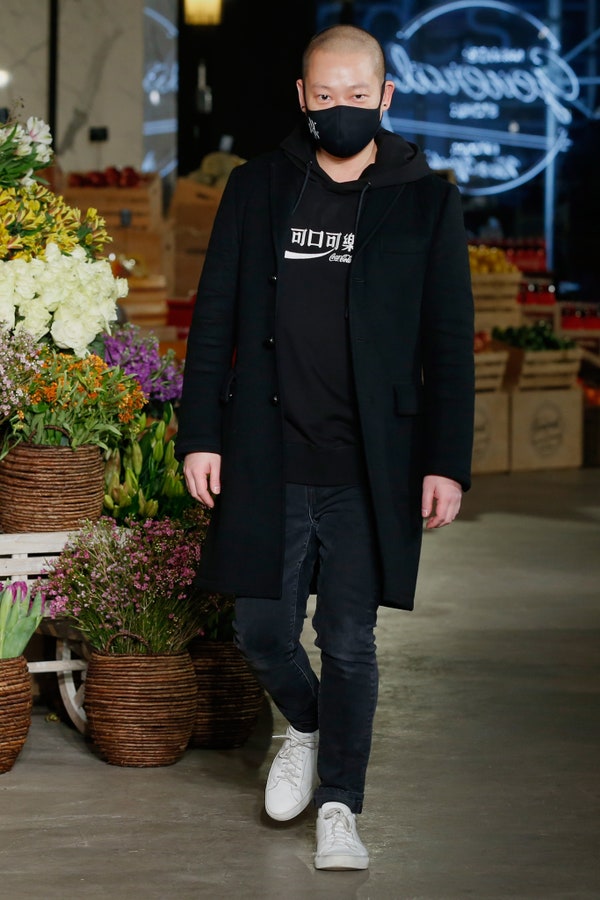
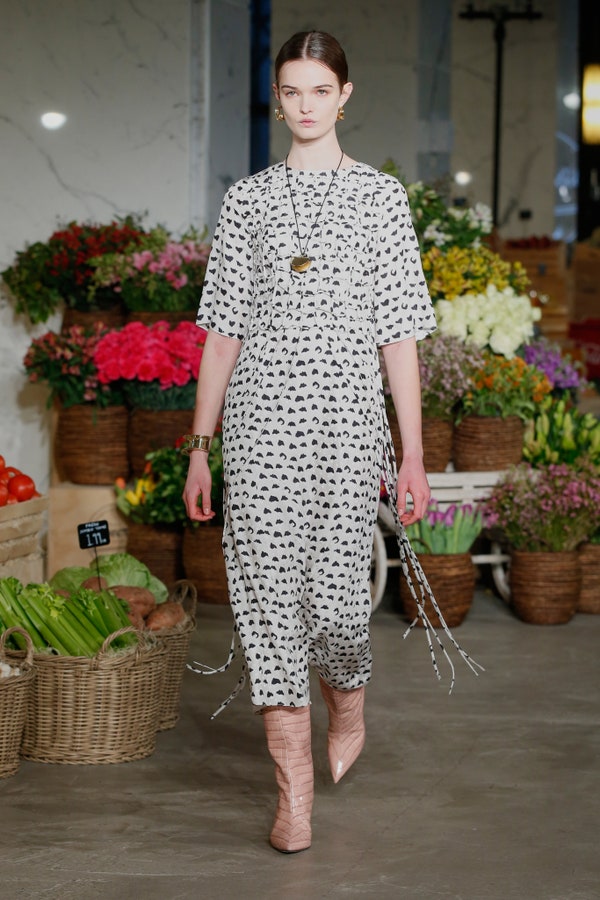
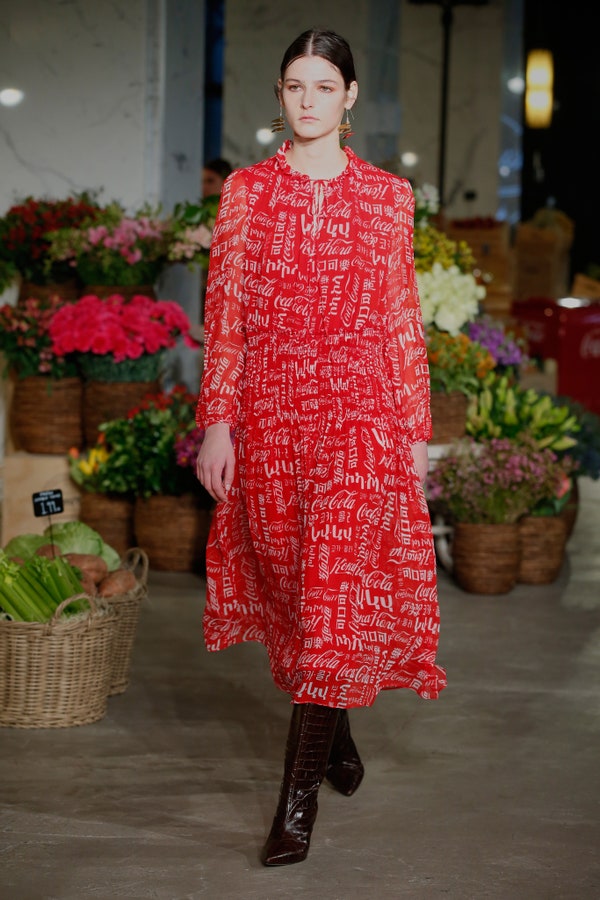
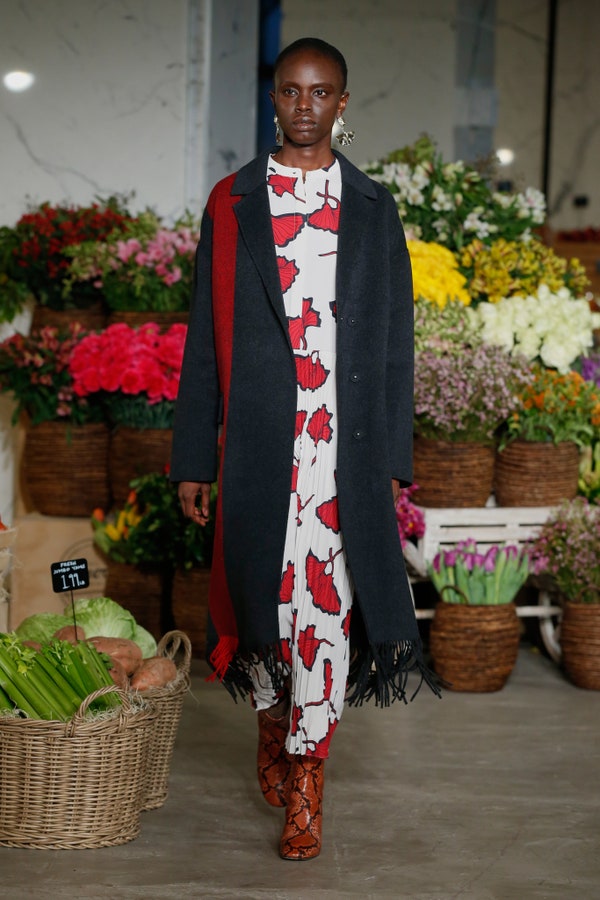
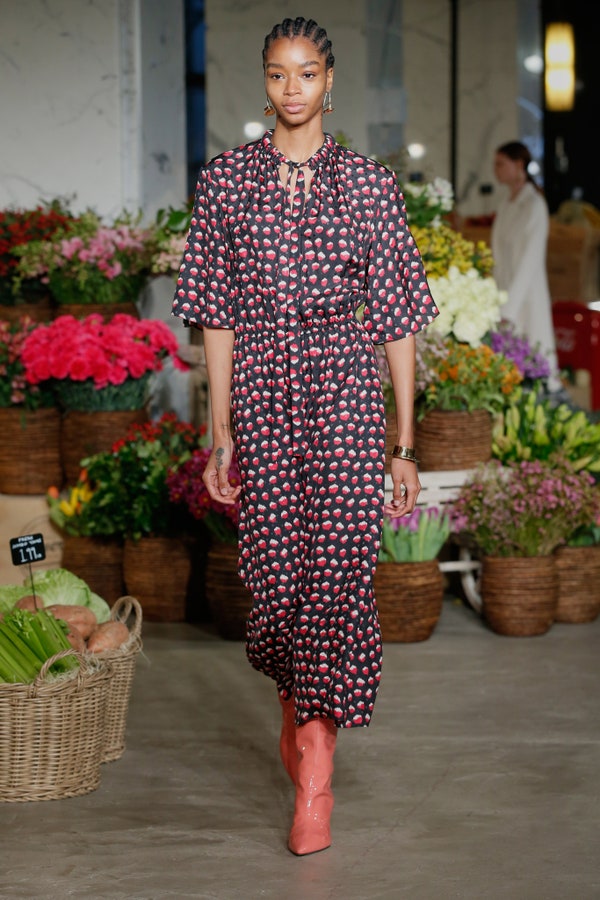
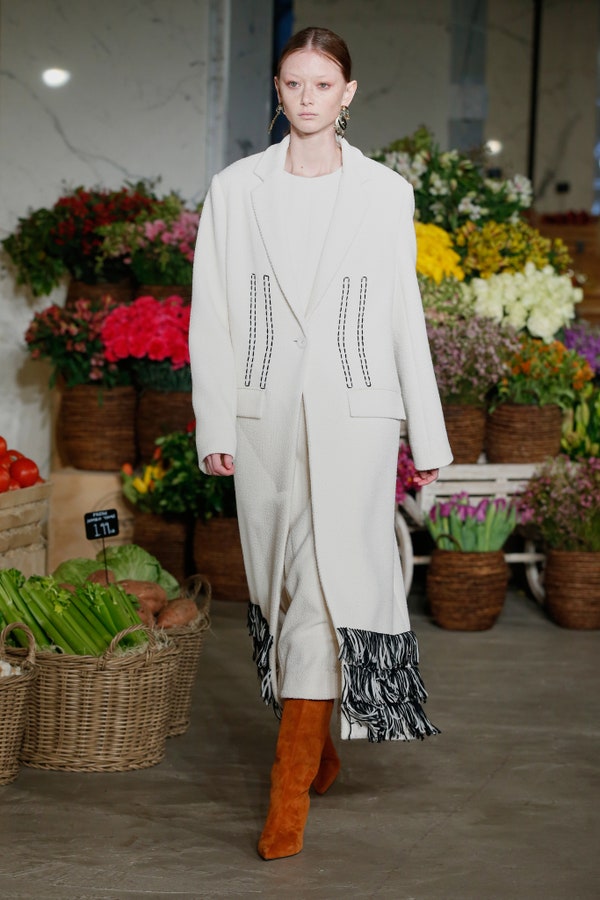
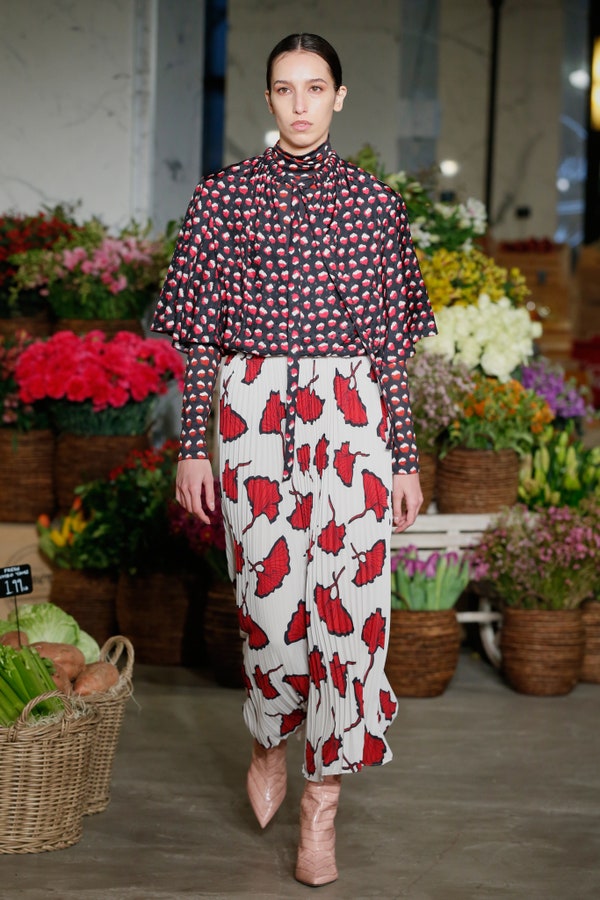
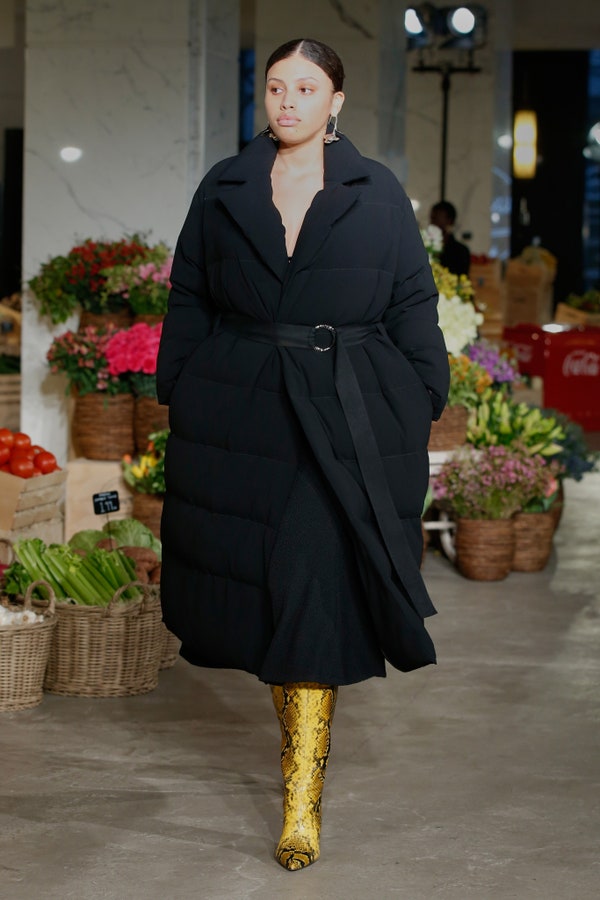
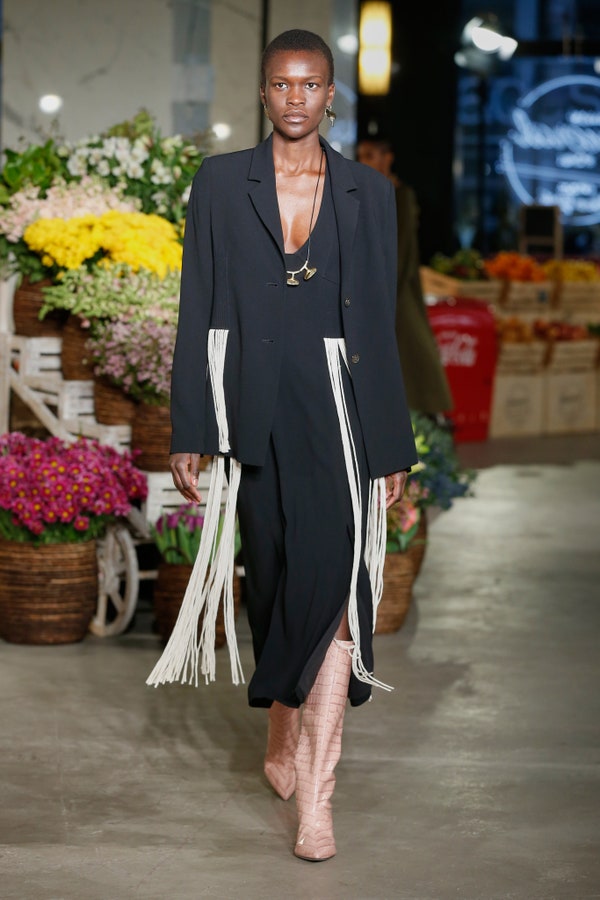
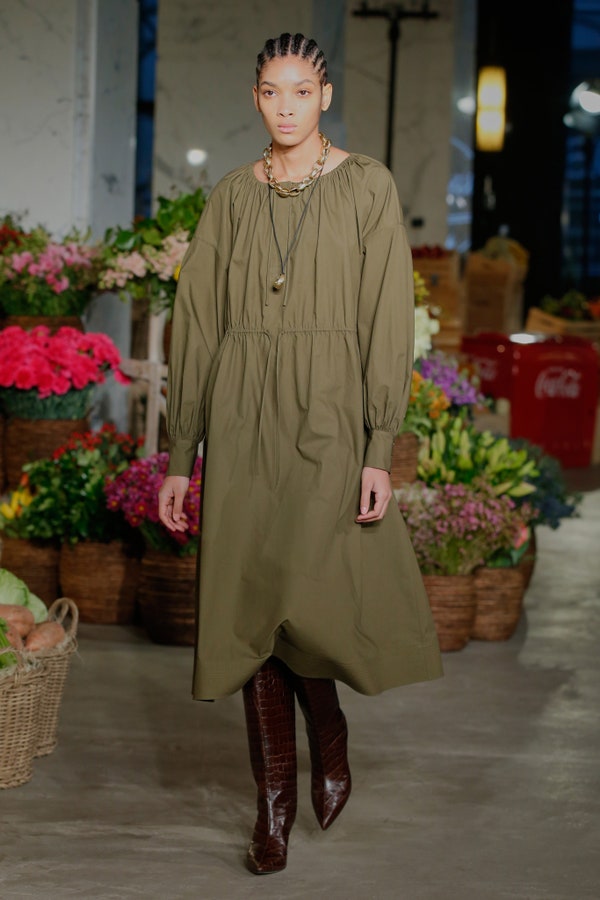
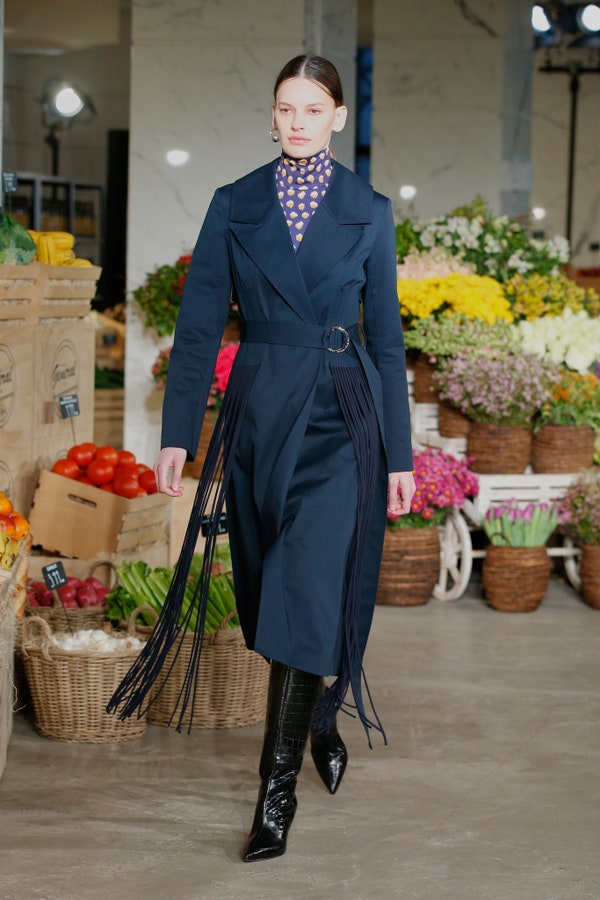
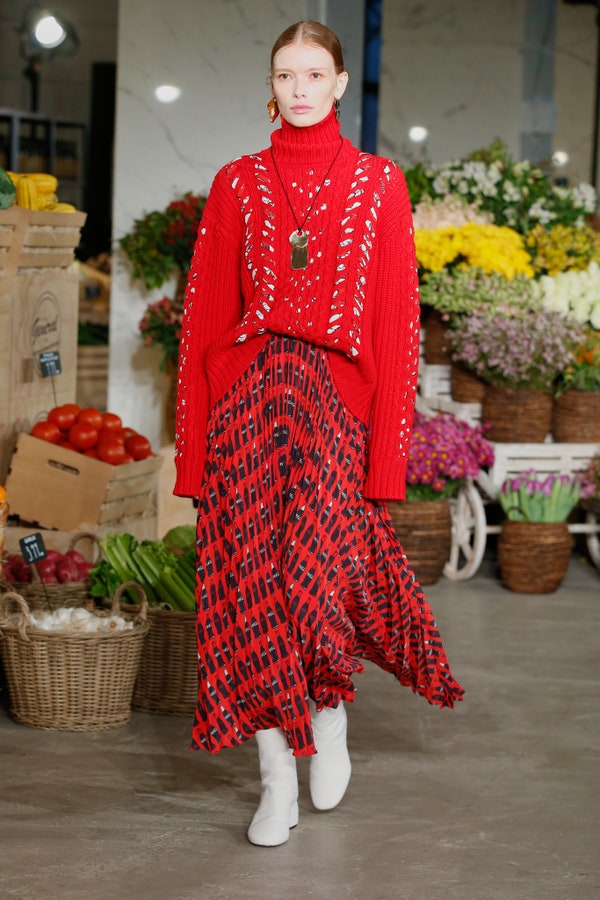
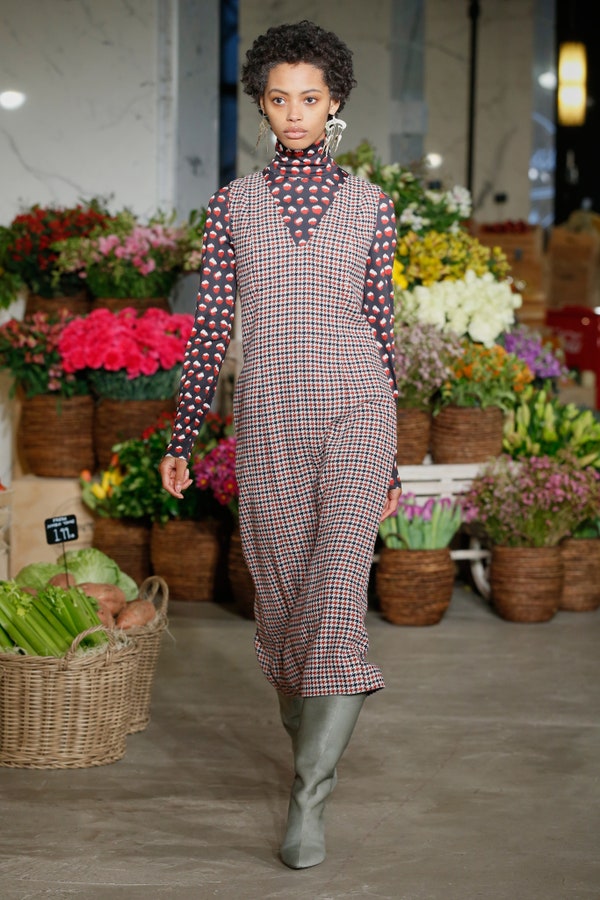
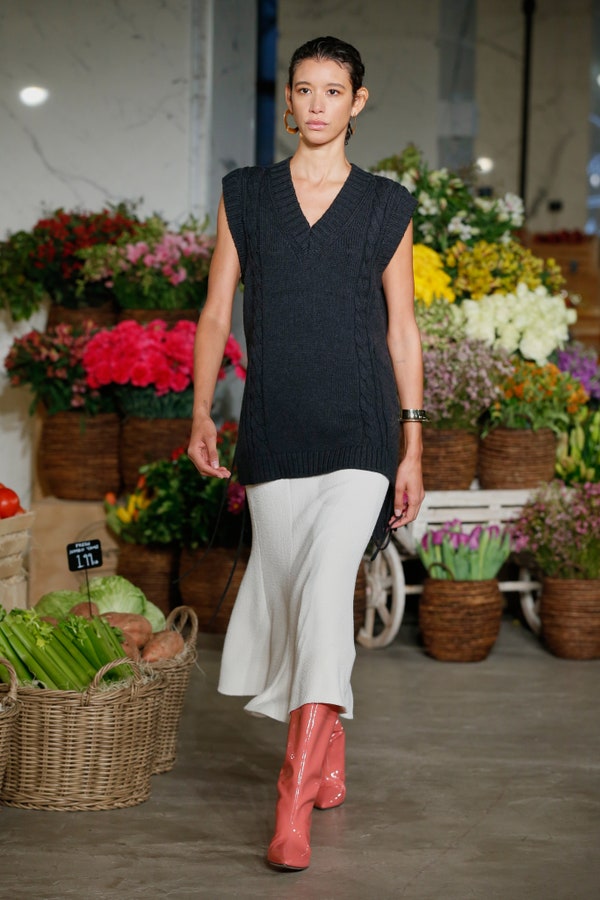
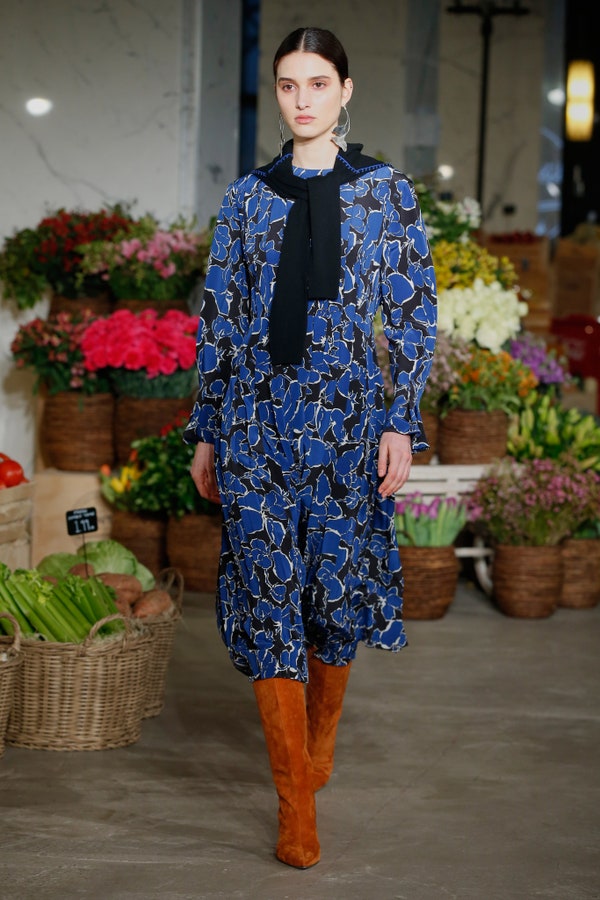
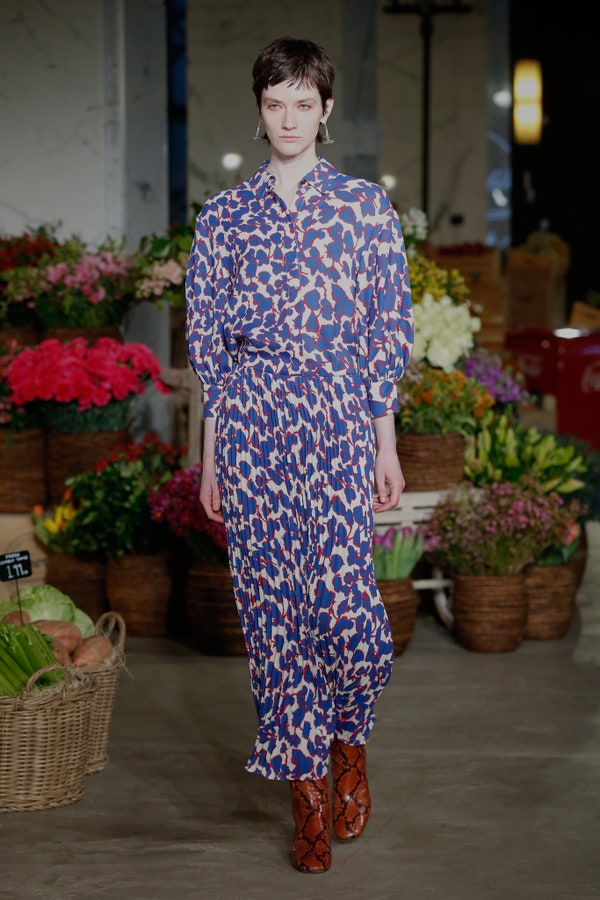
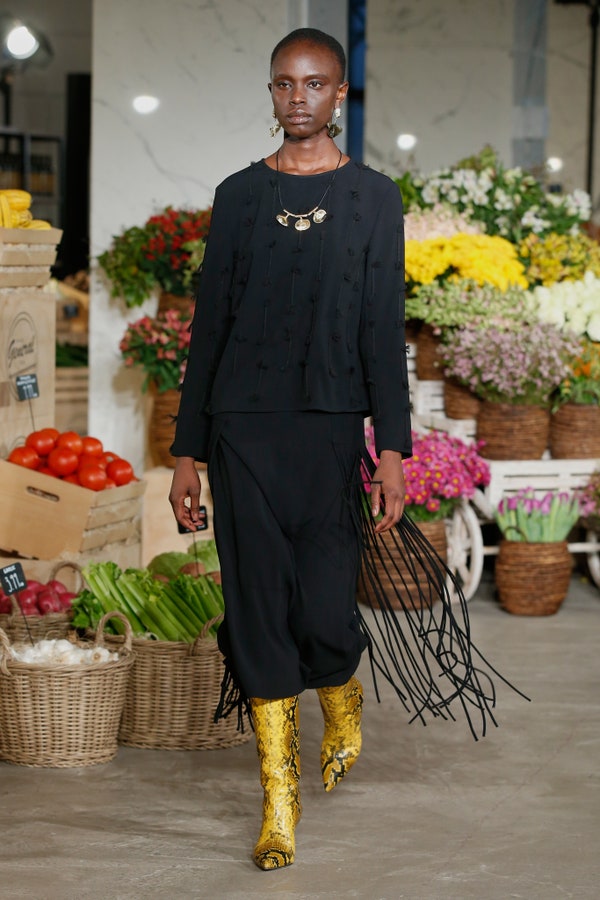
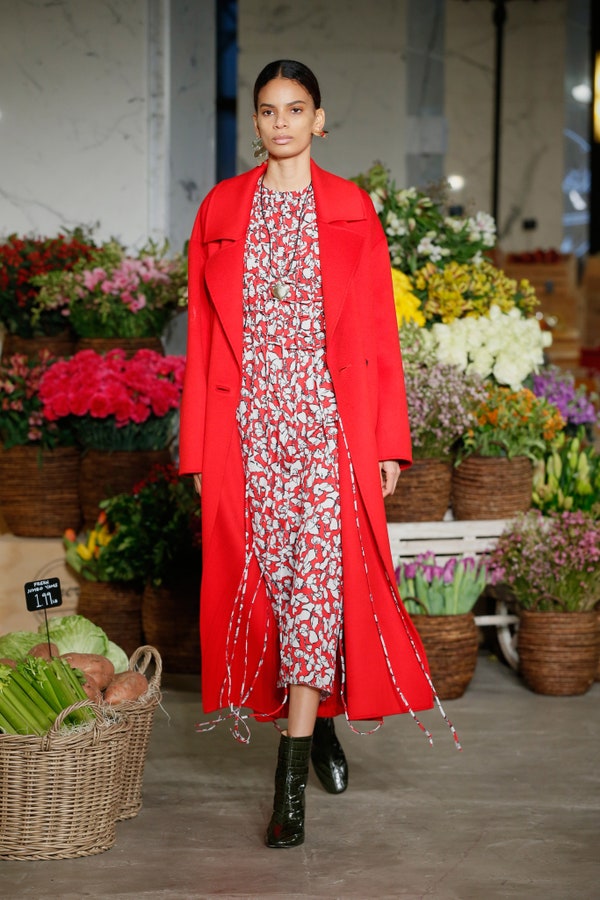
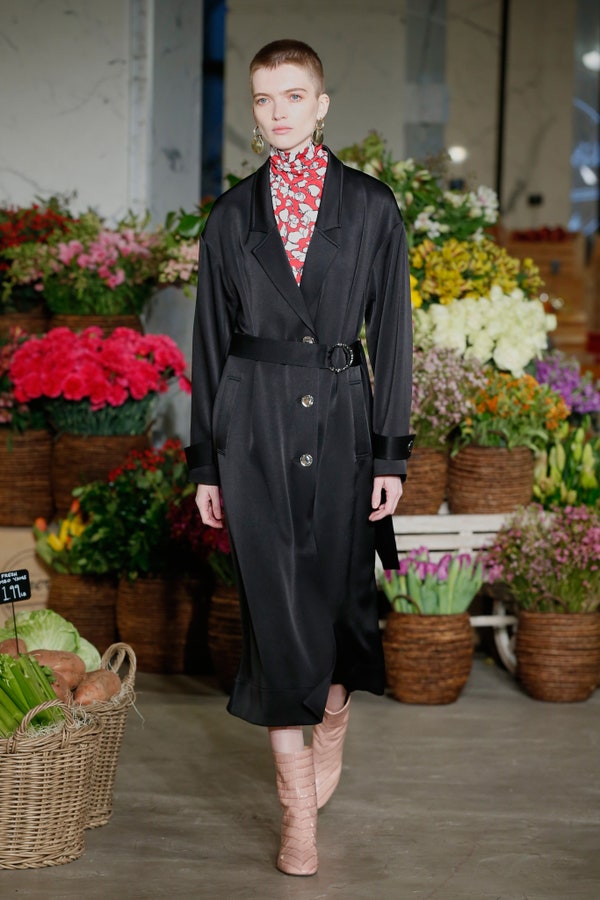
Jason Wu presented his contemporary FW21 collection during New York fashion week. The show did have a limited number of guests, which brought us back to a little bit of normality. Wu’s collection takes on a new approach to how fashion should be representing the moment of now.
“After the year we had in 2020, it felt like it wasn’t just my duty as a fashion designer to show pretty clothes — we all love pretty clothes, but I also think it needs to be a representation of what’s going on right now. Fashion has always been on the pulse of what’s going on culturally. When we’re talking about a very divisive country, I thought it was very important for me to represent all forms of beauty and be as diverse as possible on the runway.”
The theme for the collection was cooking. Due to the pandemic, we have had more time to cook more and create dishes as Wu shows on his Instagram @mrwueats. The set was in Mr Wu’s general store, the fresh produce seen at the show was later donated to City Harvest, a food rescue organisation.
The collection itself expresses the different stylings you can take from and incorporate into the everyday style such as mix and matching prints, wearing a pop of colour, styling with chunky jewellery and having statement boots. It shows us the fun smaller details such as the fringing on some clothing pieces but mainly the abstract floral print and the unmissable Coca-Cola print, which Wu had partnered up with for the collection.
“Our ‘going out’ now is going to the market. I wanted it to feel like chic strangers walking amongst this utopia of a beautiful general store,” Wu
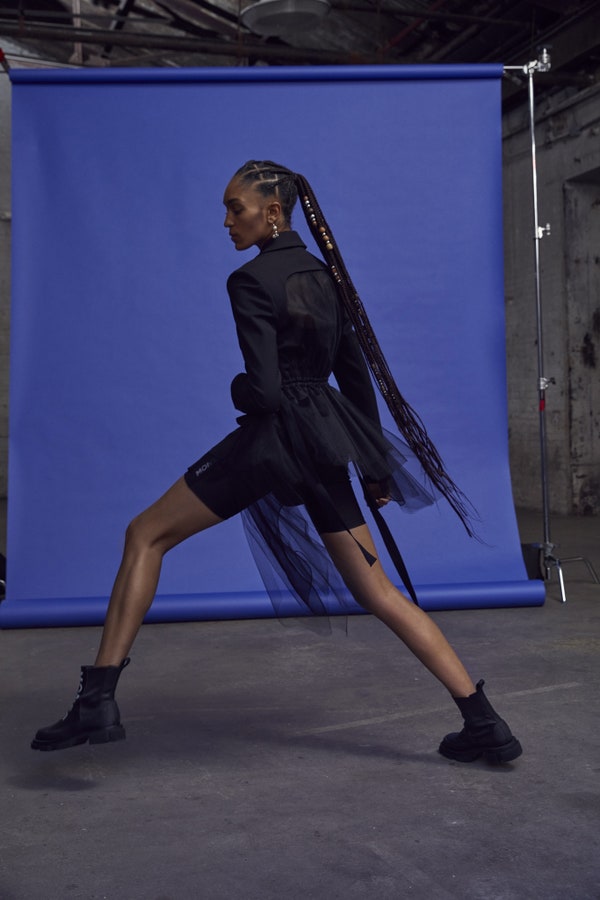
Notable luxury label Monse took an innovate approach to their Spring 2021 Collection. Due to the pandemic, both founders Fernando Garcia and Laura Kim decided to take a sustainable route repurposing and combining leftover materials and samples. The collection takes the direction of creative and sporty looks with its innovative, distinct layering of colours and materials integrated into the outfits. The collection is quite fun; it mixes their typical style with striking elements, combining a hoodie with an asymmetrical tulle skirt or mixing half of a blazer with a tulle top and cycling shorts. The styling of these outfits keeps up with the trends of now and comfort whilst remaining stylish.
COOL BOY, the genre-shifting moniker formed by Zach Zono, progressed well since his debut release back in 2018. Starting 2021, COOL BOY released two singles which followed up to his new EP Classic Charm, Pt.1 bringing out more euphonious synth-pop music to our ears. To talk about the EP, he joined us for an interview.
Firstly, how are you, and how is your 2021 going?
Hey there, I’m doing super good. My 2021 started off slow, which was nice, but I’m excited it’s slowly starting to pick up, I’m always finding something to do now. I always think I’m more productive in February than January, it’s my favorite month, but I’m also turning 22 next week, so I’m not too sure how I feel about that.
If someone asked what type of music you make, how would you describe your music in the form of an elevator pitch?
Hey, I’m COOL BOY, but you can call me Zach. I think there is something for everyone in my music, but it definitely falls under the genre of indie pop.
You released your new EP Classic Charm, Pt.1, how did the idea for it come about and what was the process like putting it together?
I made Classic Charm when I went back home to Cape Town last March just when lockdowns started to happen. Even though it was such a surreal time, leaving London and not really having a plan on when I would be able to go back, I was really grateful to focus all the unexpected time on my music. I split the project because I felt like there were two distinctive experiences for the listeners and I wanted them to be heard individually before they were heard together. A big part of ‘COOL BOY’ is the visual aesthetic my brother and I try to create for each album. I think Classic Charm is no different and if not my favourite so far of everything we’ve created, it feels most me of all my music so far.
With it being a part one EP, how do you feel it will tie in with your wider discography?
I want my music to evolve and change with me, so I don’t really think about how my new music will fit with the old. I mean, I probably do subconsciously, but the reason I know it will always tie together some way or another is because it’s me, there’s no crazy list of writers and producers, it’s just me and my guitar hahah as cheesy as that sounds.
For the EP, did you utilise any new techniques or ways of making music? Do you feel you have developed on your sound?
I made the whole album in the first lockdown, when I was back home in Cape Town. I have a little studio setup there in my room at my parents house. It felt pretty surreal making this EP back where I started when I was 16, after being in London for three years, so I think the environment definitely impacted the songs. I had a routine; wake up, take the dog for a walk, eat, then make music. I tried to keep some structure in my little world, as everything else in the world kept changing.
What do you hope the EP will bring to your listeners?
I really hope when people listen to my EP that they can find something they like in every song. I think the reason I enjoy the process of making music is the thought that maybe someone who is listening to my songs, can relate to it in one way or another.
Lastly, do you feel the current COVID-19 crisis has made you think differently about music and how you present it?
100%. Everything I knew about releasing music has changed, for starters, no one is touring at the moment. I would always think how a song would sound live when I was making it, but now with this new EP I didn’t focus too much on that. So covid-19 has definitely changed how I think about making a track now.
There are good individuals out there who have a piece through a perfect playlist that suits academic study. This article brings you a cool compilation of an excellent study playlist for you to enjoy your reading. Now, the remaining thing is for you to focus on your studies as you enjoy this cool collection. This collection ranges from electronic to instrumental to classical to pop genres. Besides, the playlist will create an excellent auditory environment for your scholarly success.
Studying in silence has excellent benefits to readers. However, it can be challenging to get a truly silent place to study. Libraries have their fair share of its distraction, such as the analog clock ticks, the occasional sneeze, and the random paper shuffling. Let’s take a look at the list of playlists, crafted by MyPaperWriter.
Spotify has a huge collection of music in its repository. It is a challenge to throw in a playlist to yourself when you are studying. While studying classical music is a great way to keep company; however, you will be at pains to choose a suitable song if you have limitations in locating composers. Ambient noise sounds good when reading. Wait until you stumble on the wrong sound bite and mess up your reading experience. You can attempt to search for the best song of the week and end up choosing a dance song in the study room and jeopardize your academic work.
Study with Piano Guys
Its origin is Utah. It is for students who desire to listen to music they know.
Study Vibes
This playlist is for an electronic-tinged collection. Beats run high while you are still calm. It is great if this your method for interacting with academic material.
Study Soundtrack
Soundtrack playlist helps students wean off from binging TV shows while reading by giving them their theme song. This collection includes a wide selection of video games and movies.
Study: Classical Concentration
Babies get smarter when they listen to Beethoven, so this makes a good playlist for students. This collection is good for elevating both senses for education and fanciness. It includes music from Ludwig to Wolfgang.
Pop Study
If music without a message bores you, then a pop study playlist is for you. This playlist features hits such as Billboard rather than piano compositions. You will get collections such as God is dead.
Peaceful Piano
The peaceful piano playlist has many followers, and the most curated study music playlist by Spotify. It offers what most students expect from a study playlist, such as good 8 hours of great soothing harmonies to cool the brain.
Just Focus
This playlist’s objective is to create an environment of relative silence and isolation, thus creating a good study bubble.
Instrumental Study
It is an option for those who like a relaxed environment. The instrumental study provides a good collection of instrumental sections. Some songs in the collection will have you on a piano, while others epitomize “look through the window and pretend you are in a movie.”
Chill Lofi Study Beats
You will get this playlist on YouTube, thanks to the Spotify team. These tracks’ low-fi structure adds extra while noise components to the music that help keep our brains to focus on the difficult task.
Brain Food
This playlist is for students whose brains crave various sound bites, much as their brains crave knowledge. This playlist features electronic mainstays such as Aphex Twin, What So Not, San Holo, and Disclosure.
We’ve not heard from the English folk trio The Staves since 2017’s The Way is Read, a collaboration with the New York chamber music ensemble yMusic, but their absence, unfortunately, was not without reason. In 2018, the sisters’ mother – the person who had inspired them at an early age to pursue music – passed away; the following year, one of the trio, Emily, became a mother; a horrible breakup also disrupted their lives. It’s why Good Woman feels like an exercise in catharsis, a means to process the deep emotions of these events, a record for the sisters as much as anyone else.
The tight-knit group have truly mined their personal lives for the material on Good Woman. It’s an honest and mature reckoning with womanhood, love, and the patriarchy; they recently lost a good woman, they gained a new one, and they freed themselves of an unsuited ex-partner. Good Woman starts with strength in numbers on the title track: lots of female voices gather in the background, including that of their mother and grandmother. “I cover my mouth and I straighten my back,” is the sardonic acknowledgment of staid gender roles. They’re similarly self-deprecating and acerbic on ‘Failure’: “I’m a failure now/ No one wants to sing with me,” is the hyperbolic admission.
More often though, they are open and serious. “When I’m late out, I can hear your keys in the door/ I wanna believe it,” they sadly sing on ‘Sparks’. “All the kicks in the ribs/ But they can really make you weak,” they sigh during ‘Careful, Kid, reflecting on the realisation that a relationship was abusive. ‘Nothing’s Gonna Happen’ is the gorgeous heart of the album, a tender and plain folk song that captures the tension of post-breakup existence: “Nothing’s gonna happen with your back against the door/ Could I be the only one still waiting/ I can wait some more.” Surviving a difficult breakup is about the tug-and-pull of our fears and emotions; we want to give them another chance, a little more time, but we know that it’s really a futile endeavour. It’s why the sisters juxtapose their awareness of the folly of waiting with the assertion that they might do it longer anyway.
Although mostly self-produced, the sisters recruited the acclaimed producer John Congleton to assist them, and his efforts were both a blessing and a blight. He encouraged them to write more honestly and directly about their emotions, which can be felt throughout the album. At times, however, he also overwhelms the tracks with production that recalls his work with more exuberant artists such as St. Vincent and Sharon Van Etten but doesn’t entirely fit the intimacy of the group’s harmonies. ‘Careful, Kid’ is slathered in pounding drums and gritty guitars. ‘Sparks’ and ‘Best Friend’ are loud and uptempo indie pop (the latter an ode to high school memories). The melodrama of ‘Devotion’ and theatrical ballad ‘Satisfied’ sound more befitting of a HAIM record.
The Staves’ intertwining voices are, of course, too beautiful and well-honed at this point to be dominated too much though. A quiet track like ‘Paralyse’ is when the structure is at its best and their voices most prominent, a simple lo-fi acoustic ballad of aching romantic notions. “Don’t snuff me out/ I used to be magic, I used to be rage/ Uncontained,” the sisters fire at the unnamed ex. It’s direct and meaningful and unburdened by any domineering production.
The album closes, effectively, with the piano-led song ‘Waiting On Me To Change’. It’s a melancholic ending but a confident one: after admitting that the ex has consistently implored them to become a different person, the sisters cry “I’ll change when I want to.” Four albums in, The Staves are certainly doing that; there aren’t as many with as consistent and individual a catalogue in folk music as them in recent times.
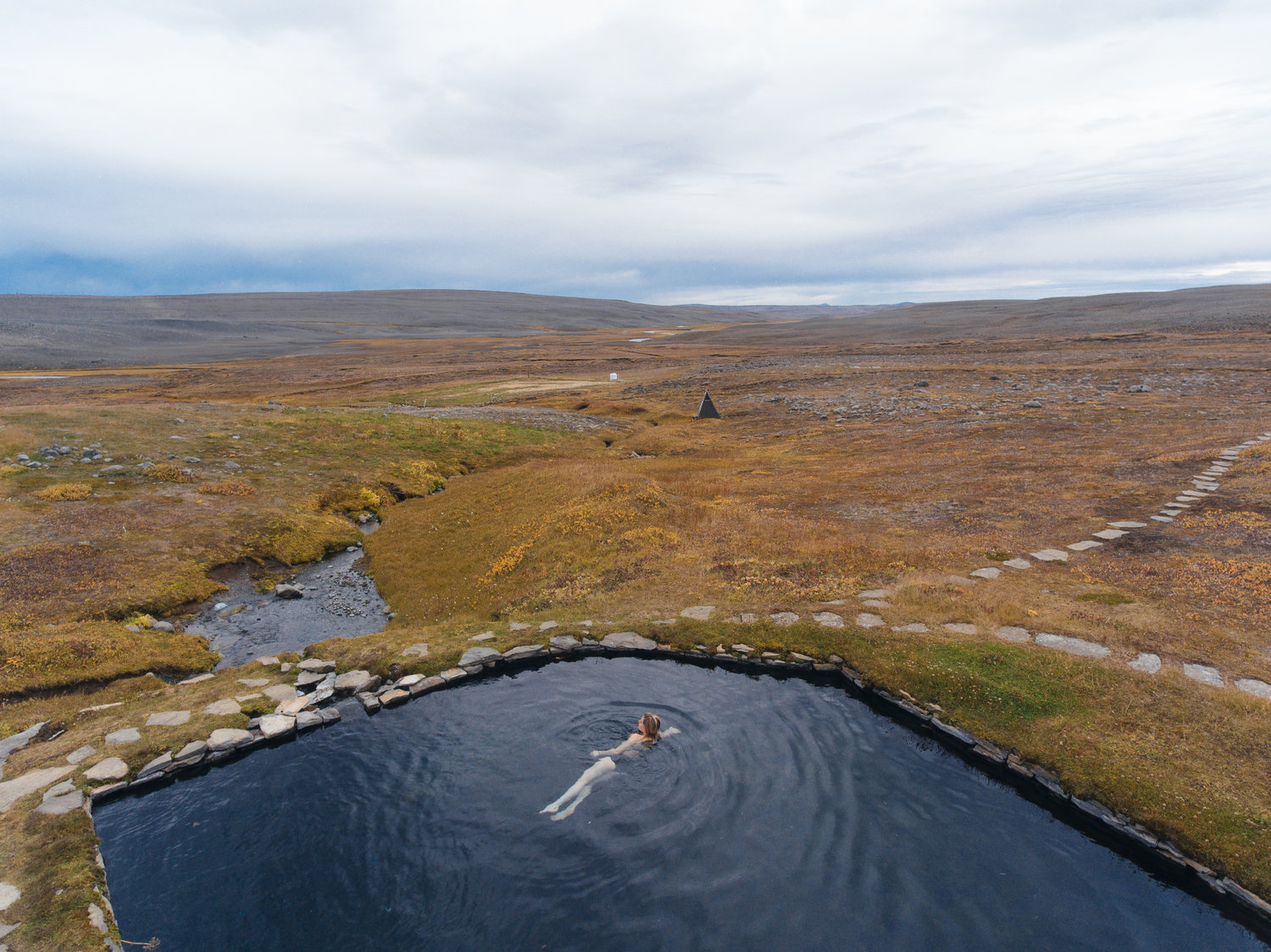
Alex Strohl’s photo series Highlands of Iceland captures the country’s breathtaking scenery, from black sand beaches to glacier-cut fjords. Originally from France but currently based in Whitefish, Montana, Alex takes great pleasure in travelling and translating the beauty of various corners of the world into photos for everyone to enjoy. Strohl himself has called Iceland the “creme de la creme for anyone who is drawn towards places where the ocean meets jagged mountains and cliffs”, and his appreciation for the country is far from invisible.
Browse the landscape photos and lose yourself in the fog, deep turquoise water and untouched fields.
Check out more of Alex Strohl’s photography here or give him a follow on Instagram.
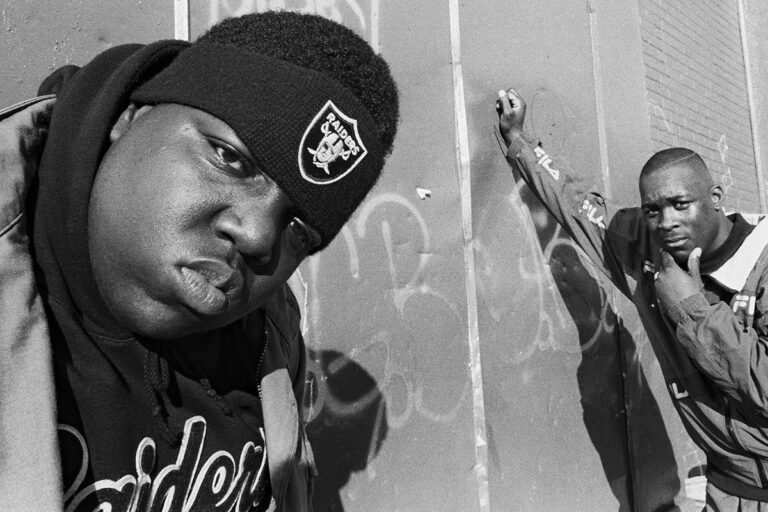
In Netflix’s latest project, we are following the life of one of the biggest Hip-hop icons The Notorious B.I.G. The documentary directed by the well-renowned music video director Emmett Mallo tells the story of Notorious B.I.G in the wake of his landmark induction into Rock and Roll Hall of Fame. Biggie: I Got a Story to Tell follows the intimate life of Biggie through rarely seen footage which filmed by Biggie’s friend Damion “D-Roc” Butler and also includes interviews with Biggie’s closest friends and family. The film is executive produced by Sean Combs, Voletta Wallace, Mark Pitts, Stanley Buchthal, and Emmett and Brendan Malloy.
Watch the trailer for Biggie: I Got a Story to Tell below.
Today’s online gambling industry is worth billions of dollars in revenue globally and is destined for success in the years to come. In the previous year, 2020, the online gambling sector experienced tremendous growth due to the covid 19 crisis that saw the closure of land-based casinos. As a result, gamblers had few options other than to play in online casinos.
The internet has significantly revolutionized the gambling sector. It has opened it to a new audience that wants to play their favorite games at their convenience. While online casinos such as the Sloto Cash online casino are the perfect platform for punters to win money from their favorite games, these brands are not behind either when it comes to social networking.
Given the large number of users that social media has, casino operators have many reasons to use it for their benefit. That is to connect and engage with the users hence boost their businesses. Lets us look at how online casino operators use social media for marketing their brands.
To attract new players
Every online casino aims to expand its player base, and social media offers the best way to achieve that. Posting adverts and casino offers on social media platforms is an excellent way to convince new players to sign up and play. Again, a casino operator can track social media marketing to analyze how successful it is in converting engagements into new players.
One of the most enticing casino bonuses that appeal to social media users is the first deposit bonus that gives a new player a chance to win without using money. Studies have shown that online casino adverts appeal more to men, while online bingo is the most popular one with females.
For brand exposure
In the highly saturated online gambling industry, brand exposure is very crucial for any online casino. Posting content that can be shared on social media is one of the strategies online casinos use to get their name out there. Many online casinos have to spend thousands of dollars creating and launching social media marketing campaigns that portray their brands as modern and witty.
That is because they acknowledge the power of social networking to expose their brand to a broad gambling audience. Exposure on social media also means that they attract more gamblers to their land-based casinos.
Sharing guides and tutorials
Every player is always a beginner at some point. For online casinos to win fresh punters, sharing playing guides and tutorials is one way of achieving that. For instance, when a random social media user comes across an instructional guide on playing classic table games, it triggers them to give the game a try and win some money.
What makes this strategy unique is that it is not easy to share guides and tutorials in land-based casinos. Landbased casinos attract connoisseurs in gambling more than fresh players. Social media platforms such as youtube and live streams help online casinos achieve organic traffic through sharing.
For customer support
Have you ever tried to contact a company’s customer service to no avail? Well, that is overly frustrating. However, many savvy online casino operators are using social media to connect to their players and offer customer support. Many players always check the customer support option before they sign up to play in an online casino.
If the customer service supports engagement using different social media channels, the better placed the online casino is. Online casinos use social media to provide all-round the clock player support. Apart from emails, phones, and live chat, social media is an excellent platform for online casinos to offer customer support.
To manage customer reviews and feedback
Operating an online casino is very tricky. Any negative review about an online casino can be a turn off to potential players. The fact that players trust the online casino with their money is reason enough to be too keen when selecting an online casino to play at.
Online players check online customer reviews before they sign up to play at any casino so, the reputation of a casino matters a lot. The ability to respond to issues quickly and professionally is vital to uphold the casino’s reputation. The benefit of using social media to manage customer feedback and reviews is that it drives a positive message about the brand.
For instance, online casino operators can retweet positive customer feedback to show how good their brand is to win more players. Many people use social media to get in touch with brands, including casinos. That also allows casino operators to monitor what players are saying about their competitors.
Advertise new games
Social media advertising is free unless you are launching a paid social media advertising campaign. Online casinos use social media for advertising new games tailoring their marketing strategies around their target audiences. For instance, modern slot games are designed around different niches such as pop culture, movies, music, etc. Online casinos can tailor their advert messages to bespoke audiences depending on their game interests.
The bottom line
Online casinos have acknowledged that social media is beneficial to their business as a tool for networking with players, advertising new games, rewards, and deals, which earns them fresh players. Online gambling is now more socially accessible than before.