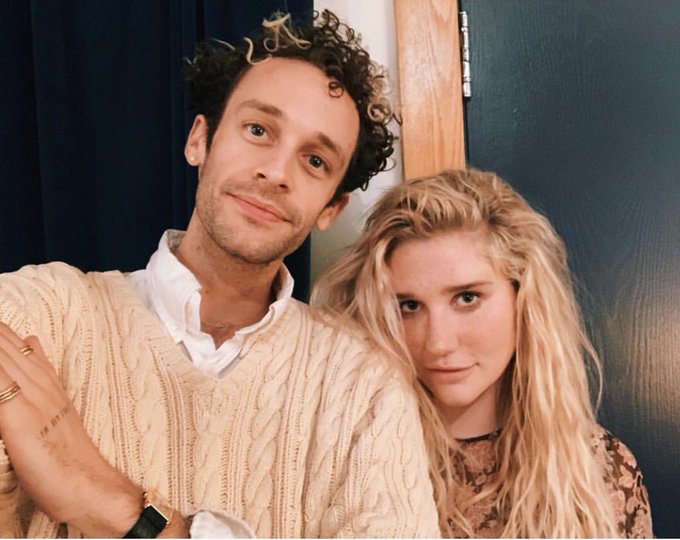
Kesha and L.A. singer-songwriter Wrabel have shared a new song called ‘since i was young’. Listen to it below.
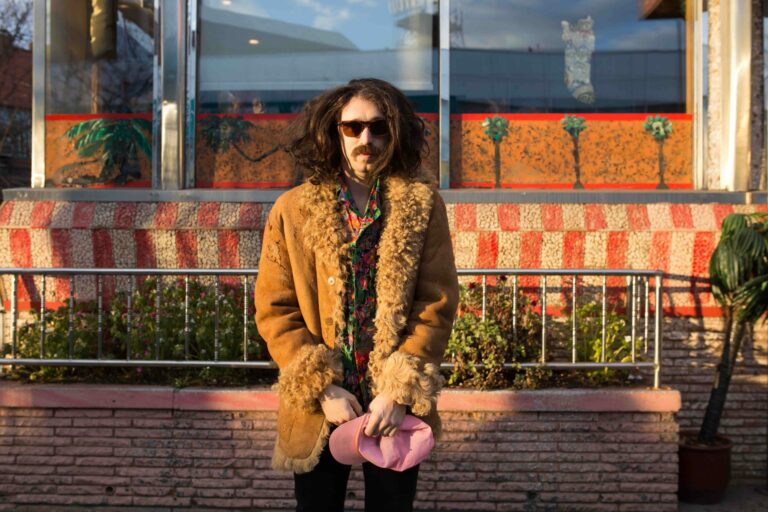
‘since i was young’ is the latest collaboration between the two artists, who previously worked together on many of the songs from Kesha’s 2017 album Rainbow and its 2020 follow-up High Road. Kesha sings backing vocals on the track, a nostalgic tune that sees Wrabel telling the story of growing up as “the weird one” and how it turned him into the person he is today.
Earlier this year, Kesha shared a song with Big Freedia called ‘Chasing Rainbows’ and contributed a cover of T. Rex’s ‘Children of the Revolution’ for a new Hal Willner–produced compilation called Angelheaded Hipster. Kesha was planning to go on tour in support of High Road this year, which has been canceled due to the COVID-19 pandemic. “I truly can’t wait to get back on the road again and play songs from High Road for you,” the singer wrote in the announcement. “Thank you for being here, and for your understanding.”
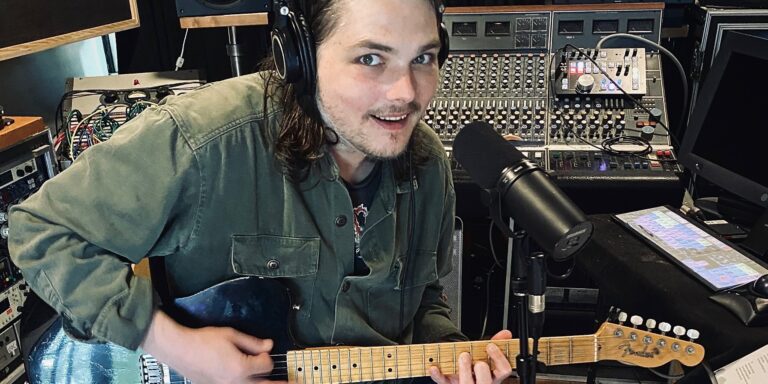
My Chemical Romance’s Gerard Way has released a new song called ‘Here Comes the End’, alongside the the trailer for the second season of his Netflix series The Umbrella Academy. The track features vocals from Judith Hill, who previously worked with Prince, Michael Jackson and Josh Groban. Check it out below.
“I was originally inspired to write this track when series one of The Umbrella Academy was being shot; by the time I finished it 2020 was in full swing, the world had taken a profound turn and the song was finished in a surreal new reality,” the My Chemical Romance frontman explained in a statement accompanying the release.
Way had dropped a number of previously-unreleased solo demos this year, but ‘Here Comes the End’ marks his first official solo release of 2020. My Chemical Romance, who reformed late last year following a long hiatus, had booked an extensive worldwide tour for 2020, which was postponed due COVID-19.
Phoebe Bridgers will appear on the first episode of Zack Fox’s new livestream series, RELEASED!, which is set to premiere this Sunday, July 12, at 7 p.m EST (Monday July 13 at midnight BST) on Twitch. Presented by IHEARTCOMIX and Beats By Dr. Dre, the new variety show will be hosted by Fox and creative directed by Kitao Sakurai, who’s known for previously working on The Eric Andre Show and Bad Trip. Check out the promo for the debut episode below.
According to the video’s description, the show will be “based around a situational narrative and a headline music artist” and will include “DJ sets, performances, special guests, 3D intergalactic worlds, live animated characters and an absurd premise”. In addition to performing songs from her latest album, Punisher, the episode will also feature Bridgers and Fox “travelling through space as they try to make their way to the cyber goth prom”, according to an Instagram post.
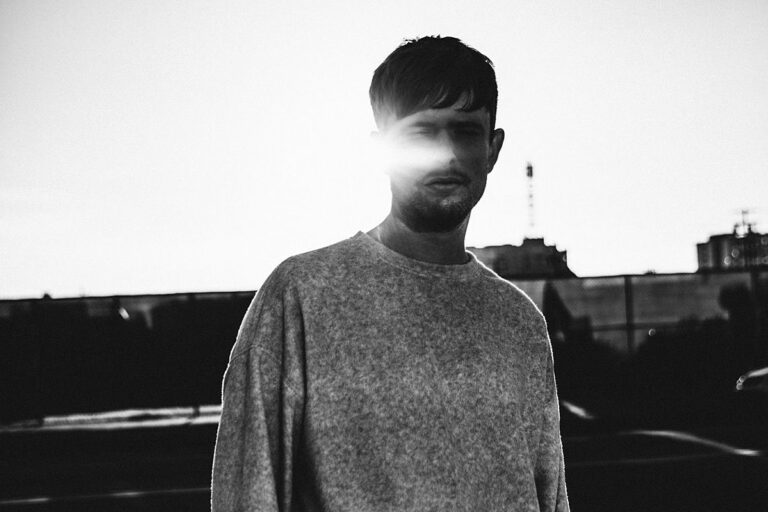
After teasing new music earlier this week, James Blake has shared a new song called ‘Are You Even Real?’. The track was produced by Blake and co-written with Starrah (whose songwriting credits include Camila Cabello’s ‘Havana’ and Maroon 5’s ‘Girls Like You’) and Ali Tamposi (Beyoncé, Camila Cabello, Kelly Clarkson). Listen to it below.
“All I can do is trust in her/ Late nights I can see the lust in her,” Blake sings tenderly amidst sublime keys, lush violin (played by Peter Lee Johnson), and a warm beat. “Acid rain is a first for her/ Skies open up, share a cup with her.”
The track was recorded at various locations, including Pulse Studios in Burbank, California and Electric Lady in New York. It also features additional production from Josh Stadlen and arrangements by Kushi and Dominic Maker. Check out the full list of credits below.
The singer-songwriter also shared behind the scenes footage of the making of the track in collaboration with Apple’s Behind the Mac series on social media. “A window into the solo part of the process making ‘Are You Even Real?’,” he wrote.
“It’s experimental for me to make Pop,” he also joked.
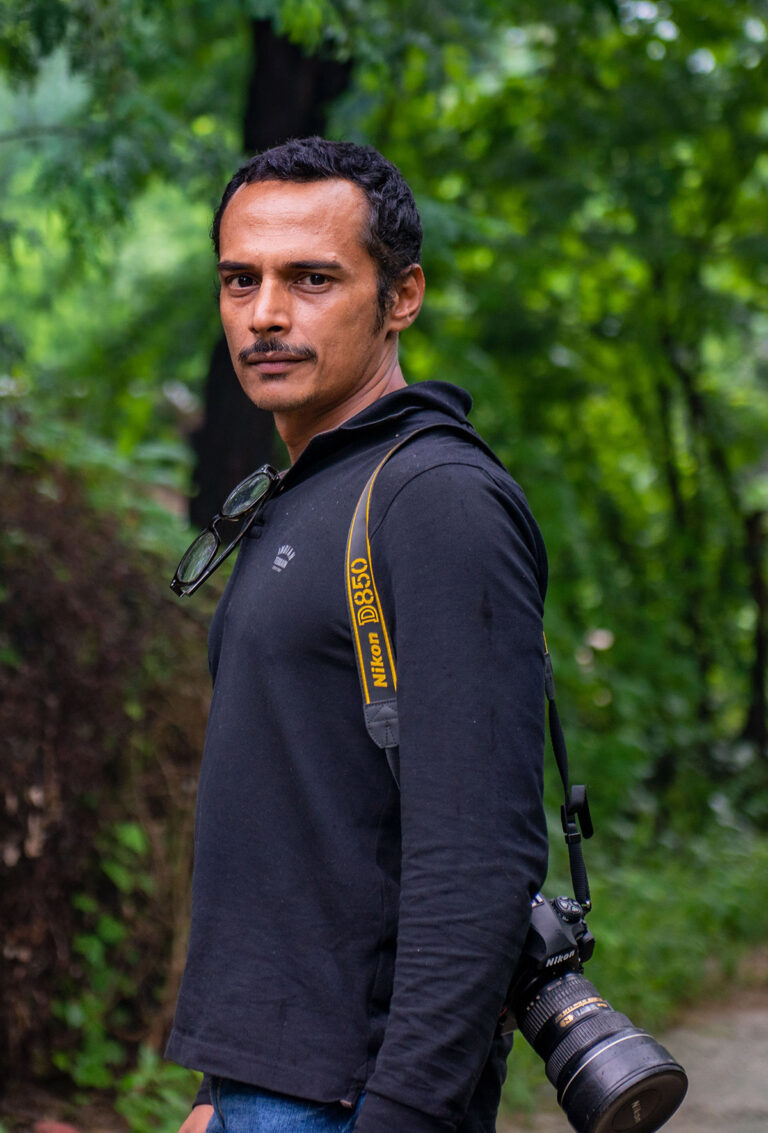
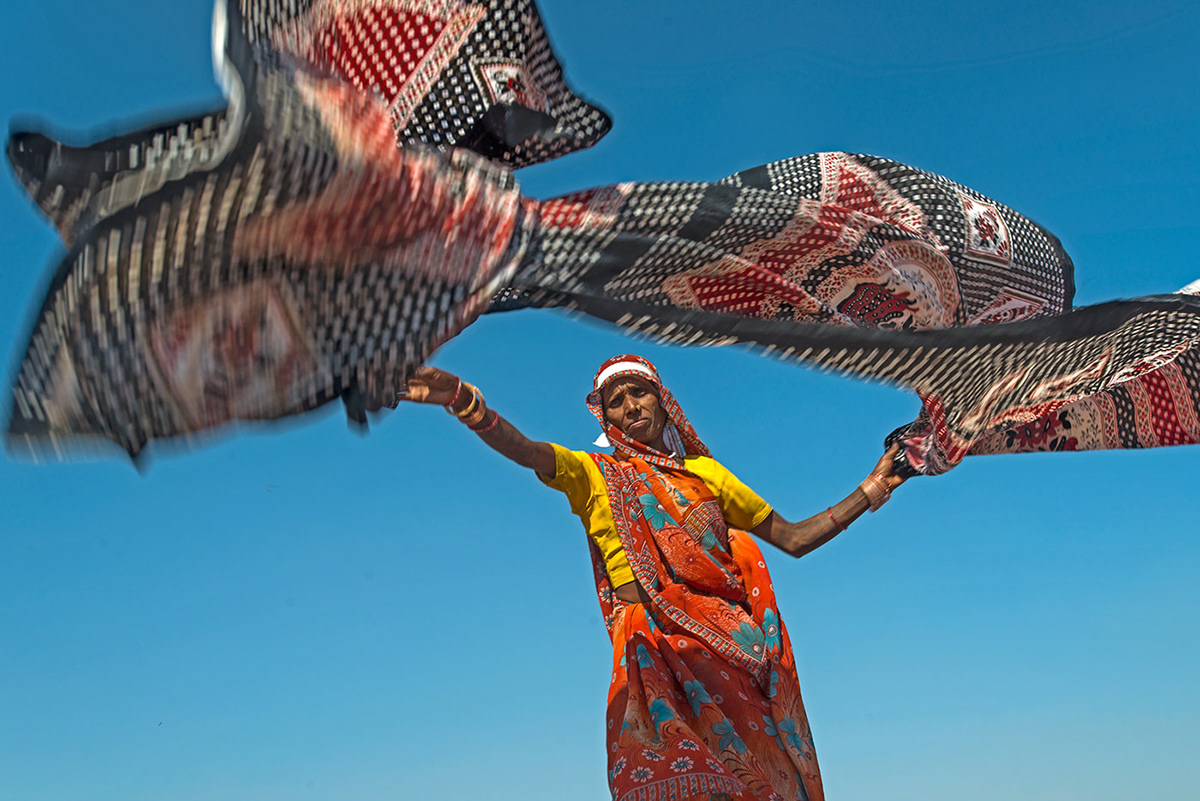
Sankar Sridhar is an award-winning photographer whose works have been published in numerous publications including CNN International, Royal Geographical Society’s Geographical, and Action Asia — to name a few. Sridhar has released various series over the years, many of which explore different cultures around the world.
Sridhar joined us for an interview to talk about how he got into photography, his influences, and his advice for new photographers.
So, how did you get into photography, how did your journey start?
That would be in 1996 (though I didn’t know it then), when I borrowed a Hotshot camera from my elder brother and went on a 15-day trek into the Himalayas. The images by themselves were not outstanding, but the experience got me hooked to long solo travels and the process of photography. My love for the mountains led me to complete mountaineering courses and during a climbing expedition in 1999, I crossed paths with nomads. Despite pursuing mountaineering, I couldn’t forget the hardscrabble lives, the lives these nomads lived, while also understanding how quickly change was overtaking them. That’s where I found direction in photography, beginning with documenting the lives and lifestyles of nomadic communities within the environment.
How would you describe your style of photography and what makes it unique to you?
I’m a slow photographer, because I spent more than a decade shooting transparencies. Just as important, I was taught early on to not just understand but worship light, and respect the people that I shot. I can’t really judge the uniqueness of my images, but I have been told my images are evocative and insightful. That is largely because I spend days or even weeks with those I shoot, and shoot people and communities I want to learn more about.
The Lives of Others by Sankar Sridhar
Are there any influences that relate closely to your photography?
The works and the approach to photographs by the likes of doyens such as Raghubir Singh, Sebastiao Salgado and David Alan Harvey I have remained smitten with for a long time now. I also spend hours looking at paintings by masters like J.M.W Turner and John Constantine.
Whether these influences seep into my shooting I can’t say for sure, but I’d be happy if they did!
If you could give advice to new photographers, what would it be?
At a time when we are overwhelmed by images on social media, it’s important not to follow “trends” and lose sight of developing a style of your own. Do your best to ensure your camera spends more time on your shoulder than in your bag, and spend time looking at the works of photographers and artists you admire. That goes a long way in helping you understand what elements – expression, setting, light, subject – makes the images so appealing. And last, know your camera well. There’s a lot that goes on in the head when it comes to shooting, and all that matters much more than just pointing and shooting.
Finally, what are you working on at the moment?
I’m currently working on coming to terms with being stuck at home – 100 days and counting. Once things come back to normal, I’ll be plan on continuing and hopefully wrapping up my personal projects on documenting the Aahir community in Gujarat and then heading to West Bengal, where I was born and raised to begin a project on the man-elephant conflict in the region.
Find superb work by Sankar Sridhar on his website.
Pink Flamingo Rhythm Revue is a solo project from Eric “Doc” Mendelsohn. With a funky sound and a comical-like vibe, he has made quite the appearance in the scene having collaborated with names such as Jean Tonique and Babert.
Just yesterday, the exciting Pink Flamingo Rhythm Revue released his single Diamond Man, a refreshing track for the current times. With this song, Pink Flamingo Rhythm Revue brings out exquisite energy that will have you dancing within seconds.
Nana Adjoa, an Amsterdam-born singer-songwriter, has today released her latest ear-pleasing single No Room. The song comes after the release of her mellifluous song Throw Stones.
Adjoa became more prominently known after the releases of her song No Sleep and Honestly, which both took off in 2018 as part of her Down At The Root, part one and part two releases. No Sleep and Honestly, collectively have reached over three million streams via Spotify alone.
Talking about No Room Adjoa said: “I wrote No Room about the feeling of having a conversation with someone which gets stuck in habitual small talk. Trying to control the moment, but leaving no room to discover the moment, each other or something new and unexpected.”
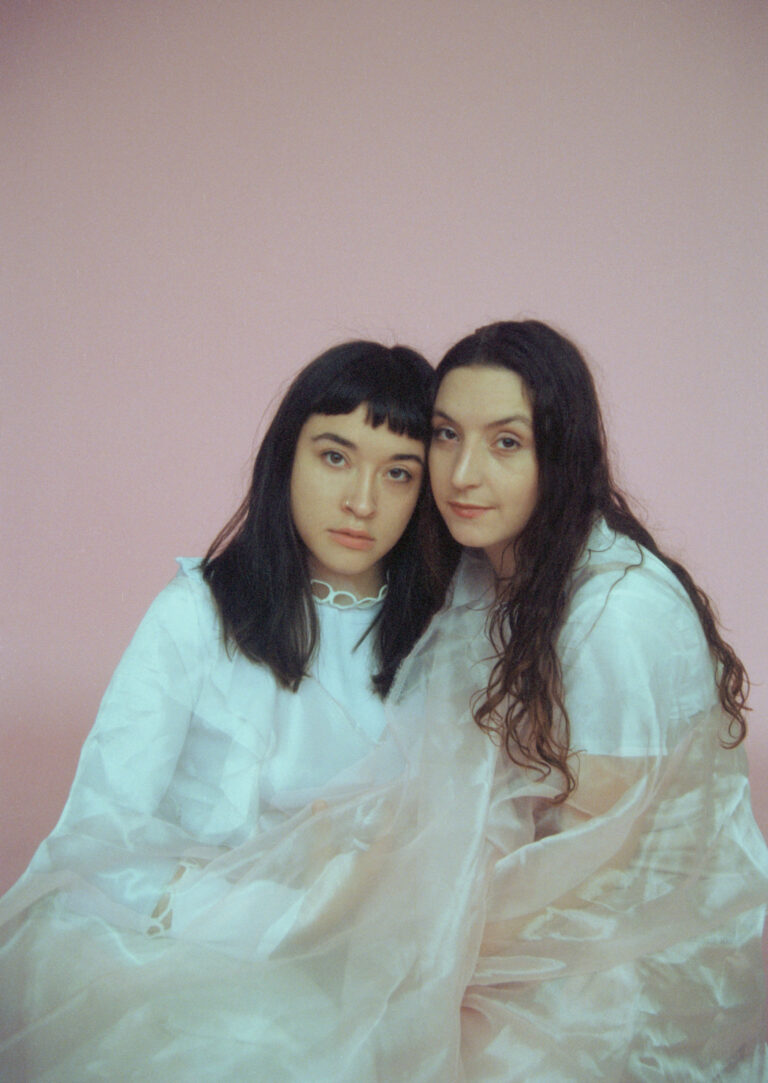
Ohmme, the Chicago-based duo comprised of Macie Stewart and Sima Cunningham, have made a name for themselves for making experimental rock music that challenges the boundaries even that term entails. In addition to being active in Chicago’s improvized jazz scene, they’ve collaborated with Wilco’s Jeff Tweedy, performed with Vic Mensa in high school, and even contributed vocals on Chance the Rapper’s Coloring Book. The band’s second LP, Fantasize Your Ghost, serves as a microcosm of their diverse musical palette, while also offering their most immediate collection of songs yet. From start to finish, Stewart and Cunningham showcase their unique dynamism as a duo: opener ‘Fantasize Your Ghosts’ summons the magnetic energy of a live show while boasting one of the album’s most captivating psych-rock hooks, while the propulsive ‘Selling Candy’ cascades into a chaotic whirlwind of guitars that sends the track soaring. The steady rhythm and angular guitar work on ‘Ghost’ are straight off the Sleater-Kinney playbook, while tracks like ‘Spell it Out’ and ‘Twitch’ introduce string arrangements to evoke a more composed but equally entrancing atmosphere. Each of the album’s three final tracks – the contemplative ‘Some Kind of Calm’, the noisy ‘Surgeon Moon’, and the pop-inspired ‘After All’ – might make you question whether you’re still listening to the same album, but it feels so natural and intuitive that it’s impossible not to let yourself get lost in the journey.
We caught up with Ohmme’s Macie Stewart for this edition of our Artist Spotlight series, where we showcase up-and-coming artists and give them a chance to talk a bit about their music.
How did you form Ohmme?
Ohmme began as an idea for a singular project. Sima and I had been orbiting around each other for a while, and felt excited about combining our songwriting and desire for experimentation with the electric guitar. We had been singing backup vocals with each other for a few years and felt like there was already a connection between the two of us, so the next logical step was to create something with just the two of us.
What have you learned from playing with each other?
Collaboration is a beautiful thing. We’ve learned a lot – we come from similar backgrounds, but our methods were vastly different and often challenge each other in new and exciting ways. I’ve learned a lot about fearlessness from playing with Sima, and learn so much about songwriting from her every day we play together. It’s so creatively stimulating to see how we grow towards and away from each other simultaneously while we move forward as a band.
You’ve both been active in Chicago’s improvised jazz scene – how has that influenced your music?
The improvised jazz scene in Chicago has a long and beautiful history, notably to groups like the AACM which have drawn so many people to the city over the years. There are some amazing venues here like Constelllation and The Hungry Brain and ESS which allow this music to thrive – and are what brought us to the realization that this music exists and is such an incredible art form. I don’t think I can say enough to how the scene has influenced our music; it has empowered us to create and compose in ways that feel intuitive to ourselves and not to anyone else but ourselves. Some of the people in this scene have been our biggest champions, and to them we are forever grateful for supporting us early on and still today.
How has your approach to songwriting changed since your debut album, Parts?
Fantasize Your Ghost feels more direct than Parts. It came at a time where we were in constant motion, and the only consistent thing in life was each other and our own brains. Life often felt like a movie or out of body experience- watching ourselves move and not knowing exactly where we were going, but knowing that we would end up somewhere. I think letting ourselves give in to this sort of powerlessness and aimlessness actually ended up giving us a lot of power to make choices and decisions that we would not have otherwise made.
What are some of the ideas that went into the making of Fantasize Your Ghost?
Lyrically, a main theme of this record is the idea of change. Not only accepting it, but actively making it happen when you need it and encouraging yourself to follow that path. As far as recording goes – we were fascinated by the idea of space and how that plays into a recording. We decided to record the record in a barn to capture the sounds around us: bugs, birds, faint wind, because all of that contributes to how the listener takes it all in. To me a record feels like a marker in time – it captures the place you were in emotionally and physically. Going into recording and knowing that whatever happens at the end of 3 weeks is “the thing” is both terrifying and exhilarating, but absolutely necessary as our parameter for creativity. There’s always wiggle room around it, but the sentiment rings true.
Is there anything you’re looking forward to in the next few months?
Camping, and spending lots of time outside. Biking. Reading.
Future Islands are back with a new single titled ‘For Sure’, accompanied by a post-apocalyptic visual directed by Sam Mason. It’s the indie rock band’s first new material since their 2018 Adult Swim single ‘Calliope’ and features Jenn Wasner of Wye Oak on backing vocals. Check it out below.
The last album Future Islands released was 2017’s The Far Field, after which many of the band’s members went on to pursue solo projects. As NME notes, the band previewed seven new tracks during a show at the Pearl Street Nightclub in Northampton, Massachusetts in September of last year. The songs were called ‘The Painter’, ‘Hit The Coast’, ‘Born In A War’, ‘Thrill’, ‘B.Ham’, ‘Plastic Beach’, and ‘Moonlight’, according to a fan who was there.
NOS Alive has announced the first list of names to play at the Lisbon festival’s 2021 edition, including Red Hot Chili Peppers, Alt-J, Moses Sumney, Angel Olsen, and more. Fontaines D.C., Caribou, Two Door Cinema Club, and others are also set to perform. Check out the full list of names announced so far below.
Like many other summer festivals, NOS Alive was cancelled due to the COVID-19 pandemic, but is set to return next year July 7-10 at Lisbon’s Passeio Marítimo de Algés. Today (July 8) marks what would have been the first day of the festival, to be headlined by Taylor Swift, The Strokes, Billie Eilish and Kendrick Lamar.
“This will be the first July without NOS Alive,” the festival’s organisers said in a statement at the time of postponement. “It is with a heavy heart that we announce that NOS Alive 2020 is postponed until July 2021.”
Tickets are currently on sale here. Those who hold tickets for the 2020 event can exchange them for new tickets or a voucher of the same value. Refunds can also be requested starting July 25.