Home Blog Page 264

Spider-Man: Brand New Day: Release Date, Cast, Plot, Trailers and More

0

It’s been a long wait for our friendly neighbourhood Spider-Man, who’s been missing from the MCU for almost five years. Marvel’s upcoming Spider-Man: Brand New Day is going to finally change that, bringing Tom Holland‘s web slinger back at a time when the MCU is already knee deep into Phase 6 and busy setting up Doctor Doom as its next Avengers-level threat. So, the timing could not be more perfect for the character’s return. And with Tom Holland calling it “a fresh start” for the character following the end of Spider-Man: No Way Home, there’ll be a lot riding on this new arc and how it sets him up within the MCU’s larger scheme of things.

So, what will Holland’s return look like, and how is this new chapter shaping the road ahead for the MCU? From the planned release date to the confirmed cast and the early plot details, here’s everything we currently know about Spider-Man: Brand New Day.

Spider-Man: Brand New Day: Release Date

Spider-Man: Brand New Day webs its way to theatres on July 31, 2026, marking Holland’s Peter Parker’s first MCU appearance since Spider-Man: No Way Home. It will also be the first MCU film release of 2026.

Spider-Man: Brand New Day: Cast

The cast lineup for Spider-Man: Brand New Day will be a packed affair, with returning favorites and (a lot of) high-profile additions, creating one of the most eclectic Spider-Man ensembles yet. Tom Holland will be leading the cast once again as Peter Parker, joined by Zendaya as MJ and Jacob Batalon as Ned Leeds. Tony Revolori is also “reportedly” going to reprise his role as Flash Thompson, alongside the already confirmed Michael Mando as Mac Gargan/Scorpion (thanks to leaked set photos), who we first saw in 2017’s Spider-Man: Homecoming.

Spider-Man: Brand New Day will also bring in a sizable wave of fresh faces and undoubtedly, the biggest the most talked-about addition is Sadie Sink. While the Stranger Things star is keeping quiet about who she will be playing, Sadie did acknowledge all the fan theories that have been making the rounds on the internet. In an interview with Entertainment Weekly, she jokingly said that “a lot of people forget that hair color can change,” adding that she understands the speculation. “A lot of people forget that hair color can change, but yeah, I understand all of the theories,” Sadie said. “People will just have to wait and see. I’m excited for all of it to maybe be put to rest.”

Severance actor Tramell Tillman and Wynonna Earp star Melanie Scrofano are also part of the cast, though details about their characters also remain under wraps. Additionally, Marvin Jones III has joined the cast as Lonnie Lincoln/Tombstone after voicing the character in Into the Spider-Verse, and The Bear star Liza Colón-Zayas has reportedly signed on in an undisclosed role.

The film will also likely bring in several major MCU veterans. Per Variety, Mark Ruffalo will appear as Bruce Banner in the film in some capacity, though it isn’t official for now. In a September interview with The Hollywood Reporter, Ruffalo stated that he had not yet seen a script for the film but appreciated the rumors surrounding his casting, explaining, “If I’m doing that, which the rumors are that I am, once I get a script, I’ll know it’s real.” Lastly, after years of fan demand, Jon Bernthal is finally going to appear as Frank Castle/The Punisher in Brand New Day; however, it’s unclear whether he’ll be a friend or foe.

Here are all the confirmed cast members for Spider-Man: Brand New Day so far:

  • Tom Holland as Peter Parker / Spider-Man
  • Zendaya as MJ
  • Jacob Batalon as Ned Leeds
  • Michael Mando as Mac Gargan / Scorpion
  • Mark Ruffalo as Bruce Banner / Hulk
  • Jon Bernthal as Frank Castle / The Punisher
  • Marvin Jones III as Lonnie Lincoln / Tombstone
  • Sadie Sink
  • Liza Colón-Zayas
  • Tramell Tillman
  • Melanie Scrofano
Spider-Man-Brand-New-Day-Plot
Image Credit: Sony

What Will Spider-Man: Brand New Day Be About?

Keeping in line with the previous Holland-era films, Spider-Man: Brand New Day is written by Chris McKenna and Erik Sommers, with Shang-Chi director Destin Daniel Cretton stepping in for Jon Watts this time. While we’re still waiting for an official logline for the film, considering how Peter’s life was completely wiped clean at the end of No Way Home, Spider-Man: Brand New Day will likely move the narrative forward in the aftermath of that reset.

Holland, who’s been both vocal about his Spider-Man run and famously prone to dropping occasional spoilers, has billed the film as “a fresh start” for his character following Doctor Strange’s mind-erasing spell that closed out the Home Trilogy. The upcoming film might draw some inspiration from the iconic comic arc of the same name, where Peter rebuilds from scratch after losing almost everything. Still, it’ll be interesting to see how Spider-Man: Brand New Day will fit into the larger MCU’s storyline and what role Holland’s web crawler will play in the fight against Doom.

The actor hinted at the tone of the movie at CinemaCon, saying, “I know we left you with a massive cliffhanger at the end of No Way Home, so Spider-Man: Brand New Day is a fresh start. It is exactly that. That’s all I can say.”

Speaking a bit about the script and how it landed for him personally, Holland told the Rich Roll podcast, “We have a creative, and we have a pitch and a draft, which is excellent. It needs work, but the writers are doing a great job.” He then went on to add, “I read [the script] three weeks ago, and it really lit a fire in me. Zendaya and I sat down and read it together, and we, at times, were bouncing around the living room like, ‘This is a real movie worthy of the fans’ respect.’ But there’s a few things we need to figure out before we can get that really going, but it’s exciting.”

On The Tonight Show, he also teased that Brand New Day’s script might take fans by surprise, saying, “It’s a little different to anything we’ve done before, but I think the fans are gonna really respond to it.”

Is There a Trailer for Spider-Man: Brand New Day?

We hate to be the bearer of bad news, but there’s no official trailer for Spider-Man: Brand New Day just yet. Tom Holland did toss fans a small treat, sharing a brief video of him stepping into frame in a “brand new” suit, which sports a much bigger black spider emblem.

Even Sony dropped a super-short teaser to kick off the one-year countdown. The 9-second clip only gives a few fast flashes of the Spidey suit, along with the caption “Something brand new is coming…”

Are There Other Films Like Spider-Man: Brand New Day?

While you wait for Spider-Man: Brand New Day, you can catch up on Tom Holland’s first three MCU entries, Homecoming, Far From Home, and No Way Home. However, if you want something outside of the MCU, Sam Raimi’s original Spider-Man trilogy starring Tobey Maguire is always a great pick.
Watch the Official Trailer for Charli XCX’s Movie ‘The Moment’

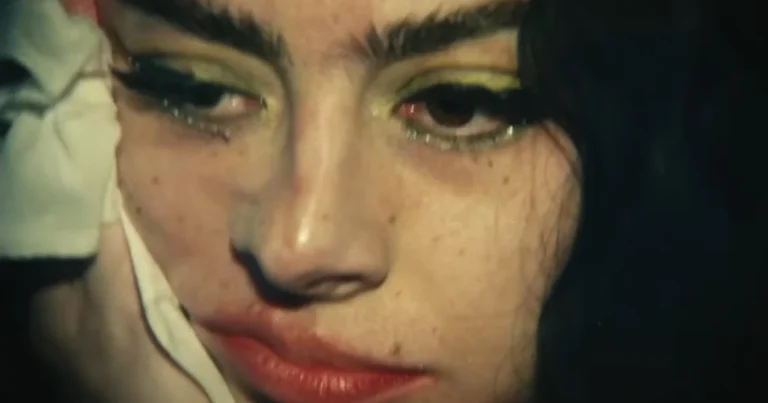
The official trailer for The Moment, the new A24 movie starring and conceived by Charli XCX, has arrived. The Aidan Zamiri-directed film premieres at Sundance next month, and the trailer frames it essentially as a mockumentary. Charli XCX plays a fictionalized version of herself as she “navigates the complexities of fame and industry pressure while preparing for her arena tour debut,” according to the official tagline. Alexander Skarsgård plays the director hired to make her concert film, and the cast of friends and influencers that surround her include Hailey Benton Gates, Kate Berlant, Jaime Demetriou, Kylie Jenner, Isaac Powell, and Rachel Sennott. Watch the trailer below.

The Moment is one of three Charli XCX films premiering at Sundance Film Festival, the other two being Olivia Wilde’s The Gallerist and Gregg Araki’s I Want Your Sex. The pop star has also been releasing songs from the soundtrack of the upcoming Emerald Fennell-directed adaptation of Emily Brontë’s Wuthering Heights.

GENA (Liv.e and Karriem Riggins) Announce Debut Album, Share New Single

The debut album by GENA, the new duo of Los Angeles-based artist Liv.e and drummer/producer Karriem Riggins, is on the way. The Pleasure Is Yours is set to arrive on February 27 on Lex Records, and it features contributions from Isaiah Sharkey, James Francies, and Telemakus. Today’s announcement comes with the release of the woozy ‘HOWWEFLOW’, which follows November’s ‘CIRCLESZ’. Check out its Mackai Sharp-directed video below.

The Pleasure Is Yours Cover Artwork:

The Pleasure is Yours cover

The Pleasure Is Yours Tracklist:

1. Who’s Got a Problem With Gena
2. Theybetterbegladihavetherapy
3. Left The Club Like ‘Really N***a!’
4. You’ve Outdone Yourself Today
5. Unspokern
6. TGD
7. readymade
8. Douwannabwithastar
9. This Is So Crazy
10. Lead It Up
11. HOWWEFLOW
12. Doobie Doo Wew
13. Circlesz
14. Dream a Twinkle
15. Thatsmyluvr
16. omo iya ati baba

Sassy 009 Enlists yunè pinku for New Single ‘Mirrors’

Sassy 009 has linked up with Malaysian-Irish producer and singer yunè pinku for ‘Mirrors’, the latest single from her forthcoming album Dreamer+. The intoxicating track, which follows the Blood Orange collab ‘Tell Me’, ‘Enemy’, and ‘Butterflies’, finds Sunniva Lindgård confronting a recurring dream where “you can’t tell where the way out is – you just see different angles of yourself.” Check it out below.

Dreamer+ is set for release on January 16 via HEAVEN-SENT / [PIAS].

What To Look for When Selecting a Professional Hair Removal Clinic

Thousands of clinics nowadays offer hair removal, from laser procedures to electrolysis and advanced IPL treatments. It’s easy to feel overwhelmed and go with the first available option. However, taking your time to weed out the bad actors will help you save money, protect your health, and keep returning for more.

We’ve outlined the main factors that should influence your decision when booking your professional hair removal session. Keep reading to learn more!

Qualifications and Experience

As the old saying goes:” Better safe than sorry”. Especially for anything regarding your body. Any hair removal, especially laser procedures, can lead to burns and pigmentation complications, if done by inexperienced technicians.

Take a bit of time to learn more about the clinic’s credentials and qualifications:

  • Are they certified for laser treatments, by verified issuing authorities?
  • Are they monitored by licensed medical professionals?
  • Do they comply with all the necessary regulations about hair removal procedures?

The good thing about shady practitioners is that they’ll weed themselves out quickly. An ethical and trustworthy clinic will never try to hide this info from you. So, if you spot vague and evasive answers, run the other way.

Cutting Edge Equipment

Top hair removal clinics invest in high-quality gear for a number of reasons. Reliable machines reduce the risk of side effects, allow for safer and more efficient treatments, and require less maintenance. With high-grade equipment, your sessions will yield better results in fewer attempts.

When looking up best hair removal laser near me, pay attention to clinics that have:

  • Lasers best suited for various types of skin
  • Adjustable equipment equipped for a personalized approach
  • Protection systems that eliminate discomfort and sooth your skin.

True professionals should be able to get you acquainted with the machinery they’re using, and the expected benefits and outcomes.

Positive Client Testimonials

Client reviews can quickly unveil any clinic’s weaknesses or unprofessional behavior. That being said, you shouldn’t demand perfection (you’ll never find it). Just pay attention to any regular patterns in client satisfaction.

What is the overall sense of content among customers? Are there many negative comments that stand out? Does the staff feel knowledgeable and friendly?

Even the simple factors, such as how they handle negative reviews and follow-up issues, can show you whether that clinic is professional enough for you.

A Personalized Approach

Any clinic that takes itself seriously will insist on a personalized consultation. There’s no “one size fits all” approach. Especially with something so complex as skin.

Instead of trying to pressure you into a treatment, they should set some time beforehand to learn more about your needs, skin type, and previous experiences. Above all, they should layout a clear procedure plan and set realistic expectations.

A quality hair removal clinic should:

  • Inquire about your medical history, such as skin sensitivity or hormonal issues
  • Learn more about your skin type, hair thickness and density
  • Determine how your skin reacts to certain procedures
  • Hand out all the necessary info about the treatment.

Don’t hesitate to ask anything that comes to mind. True professionals never shy away from transparency. You should be armed with knowledge about all the potential benefits and risks of the procedure before ever committing to a procedure.

Clean and Safe Facilities

Something delicate as hair removal or skin treatments requires strict hygiene and safety protocols. Any professional who holds themself in high esteem will treat hygiene as non–negotiable.

Clear signs of high hygienic standards are:

  • Clean rooms with no signs of clutter
  • All the staff sanitizes their hands before any procedure
  • Use of gloves and masks is mandatory during a procedure
  • Sanitizing stations and treatments rooms between clients
  • All safety instructions are clearly laid out before and after the procedure.

You should probably trust your instincts with this one. If something feels fishy, it probably is. You need to feel confident and safe from the moment you step into the clinic.

Transparent Pricing

Any straightforward hair removal clinic will lay out their pricing upfront, allowing you to make an informed decision. Pricing will usually depend on several factors, such as body area, required technology, or the number of sessions. Before starting, you should understand:

  • What’s included in the price? What creams, gels, and tech gadgets will they use?
  • Do you need a single procedure or multiple sessions?
  • If you need several sessions, how many should you expect?
  • What are their refund and cancellation policies?

Most importantly, you should be aware if there are any hidden fees and upsells. Any clinic that hesitates to showcase their pricing honestly will most likely try to sneak in some extra costs.

Wrapping Up

When you land on a hair removal clinic, it’s likely you’ll stick with them for a while. Even though finding the best fit might take time, it will pay off eventually through your safety, comfort, and long-term satisfaction.

Try to focus on all the factors listed above, do your research, and don’t be afraid to ask questions. The right clinic will provide you with a truly transformative journey.

Final Sporting Events Of The Year – December Sports

December tends to feel like a turning point for sport, as seasons overlap, major tournaments reach their final stages, and a few competitions use the end of the year to set the tone for what comes next. It can be difficult to keep track of everything happening at once, so here’s a clear look at the key sporting events closing out the year.

Football’s Winter Tension

The Premier League doesn’t slow down for anything, and December is usually where title ambitions either hold steady or begin to crack. The fixture list tightens, managers gamble on rotation, and supporters cling to the hope that their striker’s hamstring holds out for one more match.

The coming weeks often feature high-drama games like Manchester or London derbies, crucial clashes between title contenders, and clubs fighting for Champions League spots.

Boxing Day Rugby

Despite the Autumn Nations series having wrapped up, and a few months until the Six Nations, there’s still plenty of rugby on this weekend across the domestic and European competitions.

However, nothing beats the Premiership’s Boxing Day clashes that see teams throwing themselves into the final rounds before the mid-season break.

The Ashes

December sits at the centre of this year’s Ashes, with England trying to recover after Australia took the opening Test in Perth.

The month brings three matches in Brisbane, Adelaide, and the Boxing Day Test in Melbourne, which is a stretch that will likely shape whether the series stays alive into January. If England can settle quickly and handle the conditions, December can keep the contest alive.

PDC World Darts Championship

The World Darts Championship returns to Alexandra Palace in mid-December, and it remains one of the month’s standout events.

This year’s field is stacked with familiar contenders and a few newcomers who’ve made noise on the tour, which should keep the early rounds interesting. The atmosphere is as lively as ever, with packed crowds, fancy dress, and matches that can flip within a handful of throws.

The Final Sprint

Athletics wraps things up with a handful of indoor meets and road races, including end-of-year 10Ks that attract a mix of elite runners and obligatory running Santas.

Meanwhile, motorsport fans get their last fix through post-season testing, which, admittedly, is less showy than race weekends, but offers an early hint at who might have the pace next year.

However you follow sport, December is a packed month and will deliver enough drama and momentum well into the new year.

The 5 Best Drug and Alcohol Rehab Centers in Thailand for 2026: A Cultural Guide to Healing and Recovery

More people are flying 8,000 miles for addiction treatment than ever before. The shift isn’t about chasing exoticism or luxury; it’s about finding a place where healing happens differently.

Thailand’s rehab centres operate at the intersection of clinical medicine and cultural wisdom. Western private rehab facilities for 28-day addiction treatment typically charge £8,000 to £20,000, with luxury options exceeding £40,000. Thai centres provide comparable clinical standards, including CBT and medical detox, for £6,500 to £12,000 over the same period.

But the real difference isn’t economic. These facilities exist within a culture that has practised compassionate healing for centuries, where Buddhist mindfulness isn’t a wellness trend; it’s woven into daily life.

After three months researching Thailand’s leading rehab facilities, analysing treatment models, reading verified client experiences, and examining success metrics, five centres emerge as the strongest options for 2026.

Why Thailand’s Cultural Context Changes Recovery

Buddhism shapes Thai culture in ways that directly support addiction treatment. Compassion and mindfulness aren’t borrowed concepts adapted for therapy; they’re foundational to how Thai people understand suffering and healing.

Research published in Substance Abuse shows mindfulness-based relapse prevention (MBRP) significantly reduces substance use days (e.g., 86% decrease over time vs. treatment-as-usual) and craving in post-treatment clients.

Thai rehabs merge Western clinical protocols with Eastern wellness traditions. Cognitive behavioural therapy and group counselling happen alongside yoga, meditation, and structured fitness.

1. One Step Rehab

One Step Rehab stands out as one of Thailand’s best addiction treatment facilities. Located in Chiang Mai’s Mae Rim district, this centre takes a straightforward approach: focus on what actually works.

Key Features:

  • Medically supervised detox with experienced physicians
  • Evidence-based therapies, including CBT and mindfulness practices
  • Most comprehensive fitness facilities of any Thai rehab
  • Small group sizes for personalised attention
  • Two one-to-one sessions weekly, plus twice-daily group therapy
  • Nutraceutical Therapy to support brain and body recovery

The programme director, Alastair Mordey, has over 20 years of experience in addiction treatment and founded The Cabin Chiang Mai before creating One Step.

What sets this centre apart is its emphasis on physical health. Daily activities include boot camp training, swimming, and Muay Thai boxing. The idea is simple: healing your body helps heal your mind.

One Step is licenced by Thailand’s Ministry of Public Health. Thai hospitality is built into the programme, with Western-trained therapists and local support teams creating a welcoming environment.

The centre also provides strong aftercare, with weekly groups that connect you with the same therapists.

  1. The Dawn Wellness Centre and Rehab Thailand

The Dawn Wellness Centre and Rehab Thailand stands as Thailand’s only CARF-accredited rehab, offering internationally recognized addiction and mental health treatment in Chiang Mai. This center takes a comprehensive approach that addresses both addiction and underlying psychological conditions through evidence-based protocols. 

The Thailand location provides a true escape from triggers, removing clients from familiar environments and routines that reinforce addictive behaviors.

Key Features:

  • CARF accreditation ensuring international treatment standards
  • Medically supervised detox with 24/7 nursing care
  • Specialised dual diagnosis treatment for co-occurring disorders
  • Dedicated trauma program 
  • Proprietary Treatment Roadmap for structured recovery
  • Holistic wellness activities including sound baths, yoga, meditation, Muaythai, and fitness

The clinical team brings together Western-trained therapists and internationally experienced psychiatrists who understand the cultural nuances of treating global clients. 

What distinguishes this centre is its focus on comprehensive assessment and personalised treatment planning. The Treatment Roadmap approach ensures clients understand each phase of recovery, from detox through to relapse prevention, with clear milestones and measurable progress.

The Dawn offers significantly lower costs than Western treatment facilities while maintaining international accreditation standards. 

The centre also provides robust aftercare planning and alumni support networks that help maintain long-term sobriety after leaving Thailand.

Each center represents a different interpretation of that philosophy. One Step Rehab emphasises physical restoration alongside mental health. The Dawn combines trauma-informed care with international clinical standards. Diamond Rehab creates intimate, personalized experiences. The Cabin provides a comprehensive structure. Hope Rehab builds community. Miracles Asia delivers luxury with individualized attention.

4. Diamond Rehab Thailand

Diamond Rehab Thailand takes a boutique approach, treating only 12 clients at a time in Hua Hin. This small size means truly personalised care, with every treatment plan tailored to each patient.

The centre uses CBT, dialectical behaviour therapy, and trauma therapy. Art therapy, beach meditation walks, and yoga round out the programme.

For couples dealing with addiction together, Diamond Rehab offers specialised programmes where partners can work through challenges side by side.

5. The Cabin Chiang Mai

Operating since 2010, The Cabin has successfully treated over 5,000 people from around the world. The facility reports a 96% programme completion rate, which is quite impressive in addiction treatment.

Their “Recovery Zones” model combines clinical treatment with wellness activities:

  • Yoga and jungle treks
  • Weekly excursions (elephant bathing, temple tours, Thai cooking classes)
  • Programmes lasting 4 to 12 weeks
  • Online video aftercare sessions connecting with counsellors worldwide

The facility sits along the Ping River outside Chiang Mai city, combining natural beauty with easy access to medical support.

6. Hope Rehab Centre Thailand

Hope Rehab Centre brings a community-focused approach to recovery. Founded by people in recovery themselves, the centre emphasises shared experience and mutual support.

Located in Sriracha, it’s Thailand’s longest-established international rehab.

Programme Intensity:

Weekly Sessions Type
12 sessions Group therapy
3 sessions Individual therapy
Multiple sessions CBT, mindfulness training, fitness

The schedule includes Muay Thai, traditional Thai massage, and outdoor excursions. Hope offers transitional support through their sober living programme, where clients can volunteer, teach English, or participate in community activities whilst continuing recovery.

7. Miracles Asia

Miracles Asia operates as a boutique inpatient facility in Phuket with limited client numbers. The facility reports an 85% success rate for clients who stay for more than 60 days.

The clinical team uses evidence-based therapies, including CBT, EMDR for trauma, and art therapy. Clients get full access to Thanyapura Health and Sports Resort, a world-class facility with Olympic pools, gyms, and spa services. Treatment rooms are equipped like five-star hotel suites with 24/7 on-site nursing support.

After treatment ends, every client receives 60 days of free one-to-one support with lifetime access to group meetings.

How to Choose the Right Rehab

Finding the right rehab means matching the programme to your needs:

  • Treatment philosophy: Traditional 12-step or alternative approaches? Trauma-focused care?
  • Programme size: Smaller facilities (Diamond Rehab, Miracles Asia) offer more individual attention. Larger centres (The Cabin) provide more resources and structured programming.
  • Environment: Consider whether coastal or mountain settings help you feel calm and focused.
  • Aftercare support: Ask about follow-up programmes, alumni networks, and continuing care options.
  • Medical oversight: Ensure the facility has qualified physicians and nurses. Check licencing with Thailand’s Ministry of Public Health.

Final Thoughts

Thailand’s approach to addiction recovery offers something Western facilities often miss: treatment that acknowledges the cultural dimensions of healing. The combination of clinical expertise and cultural wisdom creates environments where people can address addiction without losing sight of what makes recovery sustainable.

Each centre represents a different interpretation of that philosophy. One Step Rehab emphasises physical restoration alongside mental health. Diamond Rehab creates intimate, personalised experiences. The Cabin provides a comprehensive structure. Hope Rehab builds community. Miracles Asia delivers luxury with individualised attention.

The right choice depends on what resonates with your own understanding of recovery. Research the programmes, ask questions about their approach, and consider which environment aligns with how you heal.

Recovery is possible; these centres demonstrate that daily through their work with clients from around the world.

Source:

Mindfulness-Based Relapse Prevention for Substance Use Disorders: A Pilot Efficacy Trial

https://pmc.ncbi.nlm.nih.gov/articles/PMC3280682/

Framing Emotional Truth: Ni-Chun Shih and the Cross-Cultural Reinvention of Vertical Storytelling

0

Active between New York and Asia, the producer Ni-Chun Shih is redefining the possibilities of short-form and vertical screen storytelling with her unique cross-cultural perspective and deeply humanistic narrative approach. Drawing from her experience in theatre and immersive performances, she brings the emotional architecture and spatial dynamics of the stage to the screen, continuously pushing formal boundaries while maintaining a rare emotional sensitivity.

In recent years, the vertical short films she has produced have amassed over 20 million views worldwide, challenging the conventional belief that short formats cannot convey depth. The documentary 《I Remember》, which she produced, further demonstrates her powerful narrative voice. Spanning five years of filming, it gently yet resolutely captures the fear, loneliness, and resilience of ordinary people during the pandemic, hailed as a “rare work that delves into the emotions of the era through personal memory.”

Whether exploring familial impacts of Alzheimer’s in the musical 《Where Are You》 depicting the internal experiences of mental illness in 《Awake》 or capturing the lived reality of a transgender woman in 《In This Moment》she consistently focuses on individuals often overlooked by mainstream narratives, striving to reveal the complexity of their emotional experiences within limited time and frame.

In this interview, Ni-Chun Shih discusses her transition from theatre to film, how her cross-cultural work has shaped her narrative philosophy, and the breakthroughs, struggles, and ongoing exploration in her work with vertical formats and documentary filmmaking.

What first drew you to the world of cinematography? What sparked your initial interest in this field?

My path into cinematography didn’t begin with film—it began in the world of live performance. Working in theatre and immersive shows, I became acutely aware of how a single visual decision—an angle of light, a shift in color, the placement of a performer—could completely alter the emotional temperature of a moment. What drew me in wasn’t the spectacle, but the emotional precision that visual choices could unlock.

Over time, that curiosity deepened into a more fundamental question: How do we translate an internal experience into something an audience can see, feel, and genuinely understand? That question inevitably led me toward cinema.

When I later transitioned into screen-based storytelling in New York, it felt as though the visual vocabulary I’d been searching for finally revealed itself. Cinematography offered a   way to merge structure with intuition—to frame human vulnerability, shape rhythm, and     construct emotional architecture in ways that theatre could only hint at.

And working in vertical formats added yet another layer. Rather than limiting expression,    the smaller frame intensified it. It created a more intimate pathway between the story and the viewer, allowing emotional moments to land more directly and, in many cases, more universally. The frame becomes narrower, but the connection often becomes sharper.

How have your cross-cultural journeys influenced your creative inspiration or presented challenges?

Working across China and the United States has reshaped not only how I understand culture, but how I understand people.

I’ve come to believe that while culture informs behavior, human vulnerability is universal. And as a producer, that’s where my work begins—not with aesthetics or scale, but with  the emotional contradictions that define us.

No matter the country, I’m drawn to stories rooted in the lives of ordinary individuals – people who often slip through the cracks of headline-driven narratives. Their struggles may look different on the surface, but the underlying questions are the same: How do we love under pressure? How do we endure when systems fail us? What does resilience look like in private moments? These questions guide the projects I choose to push forward.

In China, I developed the musical Where Are You, which examines a mother-daughter relationship strained by Alzheimer’s—an intimate portrait of caregiving that quietly mirrors broader social anxieties around aging and responsibility.

In New York, producing Awake allowed me to explore the internal landscapes of mental illness through a blend of theatre and music. Instead of explaining the condition, we aimed to inhabit it—to give form to the unseen and unspoken.

In This Moment examines the lived reality of a transgender woman navigating conflicting societal expectations. The film asks what it means to be visible, and at what cost. As a    producer, my role was to protect the emotional truth of the narrative while ensuring the   team had the psychological safety to handle such delicate terrain with respect.

And in the documentary I Remember, we captured how everyday people endured the early years of the pandemic—how fear, grief, and perseverance unfolded not in institutions but  in living rooms, kitchens, and hospital corridors. It’s a story about politics, yes, but told through the lens of personal survival.

Across these works, I’ve learned that small stories can hold enormous weight, often revealing the social pressures that shape us far more honestly than grand narratives do.

The challenge, of course, lies in the reality that each society has its own boundaries— different thresholds for what can be shown, asked, or questioned. But as a producer, part of my job is navigating those boundaries without diluting the truth.

I’m constantly looking for creative strategies—whether through form, character, or platform—to ensure these stories are not only made, but heard.

At the end of the day, my work is about creating spaces where difficult questions can be asked safely, compassionately, and with artistic rigor. And if I can help bring stories across borders—geographical, cultural, or emotional—then I feel I’ve done my job.

You’ve transitioned through various roles, from stage manager to producer. Which stage of your career has had the most profound impact on your current philosophy of visual storytelling?

The stage of my career that shaped my vision most profoundly was the years I spent producing theater and live performance. Working in those environments taught me something essential: every story—no matter its scale or medium—must begin with a question of intention. Not “What can we make?” but “What truth are we trying to express?”

Different formats come with different constraints, but the stories I’m drawn to have always revolved around humanity—its fractures, its resilience, its contradictions. That means the    central task of producing, for me, is not logistical but philosophical:

How do we protect the emotional integrity of a narrative? How do we build creative systems where vulnerability, honesty, and complexity can surface without being compromised?

Theater trained me to see storytelling as an ecosystem—one where timing, space, bodies, and emotion move together. But it also made me aware of the deeper responsibility a producer carries: to create the conditions in which artists can articulate something truthful, and audiences can genuinely feel it.

That perspective ultimately pushed me beyond the boundaries of format. It led me to film and digital storytelling in New York, not because I was seeking a new medium, but because I wanted to expand the types of human questions I could explore— and the audiences who might encounter them.

In that sense, my career has been less about changing industries and more about refining a single conviction: that storytelling, in any form, is a search for emotional truth—and my role as a producer is to safeguard that search.

At DramaBox, you led the production of vertical short dramas that accumulated over 20 million views worldwide. What do you consider the most innovative aspect of this project?

The innovation lies not only in adapting stories for a vertical screen format, but also in challenging the preconceived notion that “short films and action-driven content are inherently superficial.” For us, the question has never been “How to make it more fashionable?”, but rather “How to preserve emotional authenticity within a compressed narrative form?”

We don’t see vertical screen film as a technological limitation, but rather as a completely   new cinematic language. We focus on the emotional structure of each story: how intimacy is amplified when the screen is held in hand; how limited field of vision enhances tension;   how the meaning of silence differs when the audience is so close to the characters.

We have never viewed vertical screen film as “fast food.” We see it as a space where     empathy, moral conflict, and social commentary can coexist—simply presented through visuals reflecting contemporary viewing patterns.

The global impact we’ve achieved is not accidental. It stems from our firm belief that simplicity does not diminish emotional depth. With careful planning, even a short 60-     second story can carry the weight of the human predicament. And audiences, wherever they are, will be moved by this sincerity.

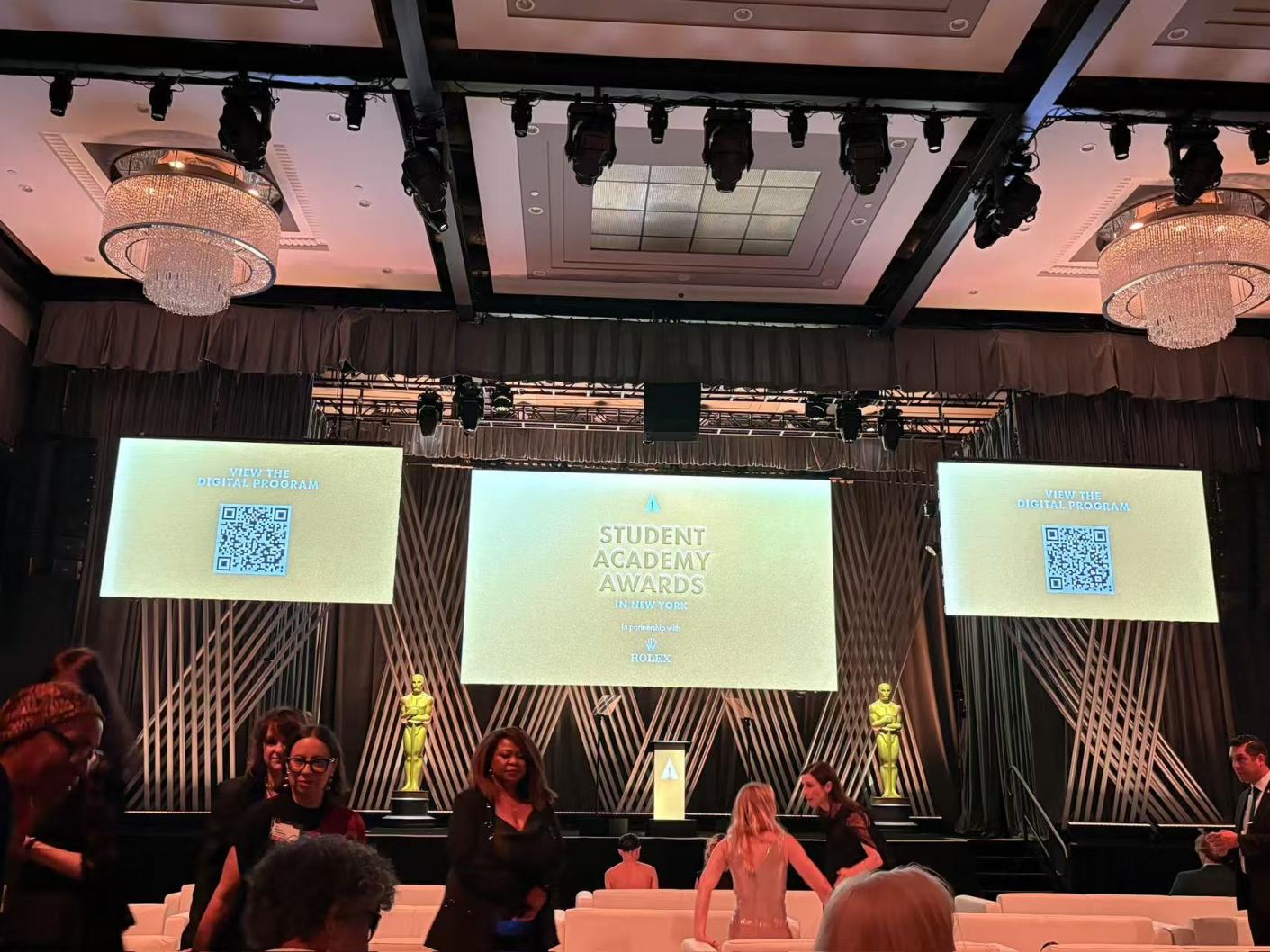
As a producer, your documentary I Remember won the Bronze Medal at the 2025 Student Academy Awards. What inspired this project, and what were some of the most groundbreaking aspects of its production?

The inspiration for I Remember stems from the director’s deep concern with the fragility of memory—and of humanity itself—in the face of a collective catastrophe. Fleeting, imperfect, yet intensely private memories gradually coalesce into a shared history. For me, the pandemic has always been more than a global event; it comprises millions of individual emotional timelines, each marked by fear, isolation, resilience, and loss. As a filmmaker, I feel a responsibility not only to document events, but to capture the psychological resonance they leave behind.

The project spans five years. The director, then an emerging documentary filmmaker, arrived in Wuhan during the initial lockdown with the intent to film the unfolding crisis. Her  personal relationships, her commitment to the craft of documentary, and her own journey    of growth intersected with the extraordinary circumstances in Wuhan, producing a film that is intimate yet profoundly expansive.

I Remember does not aim to sensationalize or pass judgment. It quietly records the    decisions and dilemmas faced by ordinary people in extreme circumstances, and the moments when their lives intersect in unexpected ways.

Ultimately, the film exists at the intersection of personal and collective experience. From a producer’s perspective, my priority was never spectacle, but honoring the singularity of each story while revealing the social and emotional threads that bind us. I Remember is at   once a meditation on memory, a testament to human resilience, and a statement about the ethical imperatives of documentary filmmaking: authenticity, empathy, and a meticulous attentiveness to the subtleties of lived experience.

Looking ahead, what kind of change do you hope your future works will inspire in the film and entertainment industry?

Looking ahead, I hope my work can expand the possibilities of short films and vertical- screen storytelling. These formats are often dismissed as secondary or optional, yet I

believe they can carry emotional depth, cultural nuance, and cinematic beauty. I also see them as a way to explore forms of expression that transcend the current limitations of     screen formats. My aim is to create work that demonstrates small screens can tell grand stories and

highlights the appetite of global audiences for diverse, cross-cultural voices. Ultimately, I want to help shape an industry where form does not constrain artistic ambition—where     creators can move freely across borders, genres, and platforms to tell stories that resonate universally while remaining deeply personal.

Why Are All The Big Destination Fashion Shows Heading To The US?

Seems like we’re all collectively purchasing tickets to the US for fashion’s biggest cruise shows, who needs exotic locations anyway? The world’s too far, luxury’s staying stateside now. Turns out, these runways aren’t about escapism anymore, they’re simply about making sure the right people see the right clothes.

Chanel’s Métiers d’Art 2026 show flew first class to NYC, and Gucci and Louis Vuitton are following for their Cruise shows, Dior’s heading to LA, and for Moncler FW26, even Aspen is suddenly fashion’s new darling. Coincidence? Sure. And I also believe brands pick show locations based on spiritual alignment and not sales charts. Maybe it’s the double-GDP factor. Maybe it’s the fact that luxury sales in China and Europe are flatter than last season’s loafers, while the US is apparently the one market that didn’t get the memo about slowing down. Or maybe, just maybe, brands simply prefer staging multimillion-dollar shows where the audience hasn’t tightened their Birkins shut yet. When Hermès opens stores in places like Nashville and Scottsdale and the top 1% believes cash grows on trees, Cruise shows naturally migrate to wherever those trees are planted, fair enough.

Destination shows were about mystery, daring locations, literally inside the 7 wonders of the world, (Dior, Pyramids of Giza 2023), at beaches (Jacquemus O’ahu 2022), nature (Jacquemus, Provence 2019), monumental backdrops (Fendi, Great Wall of China 2007, Fontana di Trevi 2016), deserts (Saint Laurent, Morocco 2017). Today, it’s mostly about where the money already lives, why fly abroad when your buyers are at home? Big budgets follow bigger wallets, that’s facts. But if I’ve learned one thing, everything money-related in fashion comes with a cost, and that’s never counted in euros, let alone dollars. There’s such a fine line between weaker markets getting ignored and stories getting simplified, the more predictable the route, the more it looks tailored for engagement, not imagination. Don’t get me wrong, that’s not always a bad thing, but does creativity really need Wi-Fi validation that much?

Hit Like A Girl Announce New Album ‘Burning at Both Ends’, Share New Song

0

Hit Like a Girl have announced a new LP, Burning at Both Ends. The follow-up to 2021’s Heart Racer comes out March 27 via Cryptid Records. “It’s the first album I was able to write with the folks in my current live lineup,” said bandleader Nicolle Maroulis, who is joined by Mol White and Mike Davis on the Matt Schimelfenig-produced album. It’s led by the ferocious ‘Keepsake Theory’, which features guitar from Jacob Blizard, a frequent collaborator of Lucy Dacus and Illuminati Hotties. Check it out below.

Burning at Both Ends Cover Artwork:

Burning at Both Ends

Burning at Both Ends Tracklist:

1. You’re Giving Up
2. Keepsake Theory
3. Only Have Myself
4. Are You In Love [feat. Zayna Youssef]
5. Once and For All (I Gotta Forget You)
6. Requiem For A Friend
7. Romanticize
8. Funeral Collage