Sweepstakes online casinos work on a play-for-reward system. The more a user plays, the more the odds are for a win. These types of online gambling establishments have an increased number of ‘reward’ systems built throughout the system.
In a casino setting it is always wise to familiarize oneself with betting requirements as well as what the odds are at a win for a particular game, before venturing headfirst into something. This strategic game play might not always favor a win, but at least you made an informed betting choice.
Understanding Sweepstakes Basics
Luck is an important feature in the gambling world. With online sweepstakes casinos, game offerings vary between games of luck and games of skill. Games of luck are, for example roulette, bingo etc. These games have a 50/50 chance at a win.
Blackjack and Poker require a bit more skill. The better you understand the game, the better your chances are for a win. Being mindful of this, reading the terms and conditions of a gaming site AND the specific games on offer, will help you to keep informed and not head into rash game play.
Setting Realistic Expectations
Persistence is key in anything. The same applies to the world of sweepstakes casinos. This applies to taking time and care to familiarize yourself with all that is on offer, how it needs to be played, general terms and conditions, etc.
Strategic game play can give one an advantage, especially if your focus is to play sweepstakes online for money. Take care though, it still is an overall game of chance with a 50/50 probability to a win. There is absolutely no way to guarantee a definite win in any gambling setting.
Daily Entries: Consistency is Key
Casino games, no matter the platform, all are games of chance. There is no definite guarantee of a win. Strategically played, one might be able to increase the odds, but still no definite win.
Participating on a regular basis can increase the chances of a win for a player. The more you enter, the better the chance at a win. Using the resources available to make informed gambling decisions, can be helpful and will prevent a player from just focusing on lady luck for a win.
Research and Choose the Right Platforms
The available of online, and specifically sweepstakes casinos have started to flood the internet. Finding the right one to cater for your needs, can be a daunting task. A good starting point is to search for reputable, licensed and regulated casinos.
Always ensure to read the Terms and Conditions on a site, make sure your age and state where you reside allows play. Taking note of a casino’s reviews can also help you to establish their validity and popularity amongst players. An important thing to also note is the game play on offer. Make sure that which you are interested in, is available.
Leveraging Bonus Opportunities
The bonus opportunities offered by online sweepstakes casinos are varied. Strategically using these to your advantage can be beneficial. Something as simple as referrable bonus can add virtual currency or increased free play to your portfolio with minimal effort.
The functionality behind these is not just to reward new players, but also returning players. Apart from your usual signup bonuses, the other bonus prizes can occasionally be unlocked by accessing certain game play.
Following suit on social media marketing, a lot of these sites will offer players a bonus by just liking or sharing certain promotional content. Try to use these features as an indirect source of “income” to potentially fund your gaming activities.
Engaging with the Sweepstakes Community
Although a virtual environment, online sweepstakes casinos do offer a type of social interaction between players. The availability of online communication features allows players a discussion platform.
These allow seasoned and veteran players allocate to be able to exchange strategies on game play. Competition platforms also prevails, allowing for interactive competitive gaming.
Reading the Fine Print
Nothing can beat the disappointment when you have entered for something, go through all the hoops, only to realize at the end that you do not qualify or that the due dates have passed.
To avoid this reality, make sure to always stay abreast of the terms and conditions on a site. Note those for each individual bonus selection. Ensuring you conform to everything, makes for an enjoyable play.
Mindful Play: Setting Budgets and Limits
Online sweepstakes casinos are a fun and enjoyable way to explore the casino world. But caution must be thrown to the wind. Although these sites offer ‘free’ play, it can still develop into an addictive habit.
Recognize your weak points. Know when, where and how to set limits and boundaries with regards to amount of time spent gaming, betting limits, etc. Most importantly, be honest enough to recognize when you are heading towards dangerous behavior.
Encouraging these good habits in yourself on a standard platform such as this, will help to create a culture of responsible gambling within yourself.
Conclusion
Strategic gameplay is crucial, even in the world of online sweepstakes casinos. Informed game play can help you to understand the strategy behind each game and also what your probabilities are for a win to a loss combination. Reinforcing the significance of strategy in the world of online sweepstakes. A wise tip would be to approach this form of gaming with cautious enthusiasm.
The option to bonus wins in sweepstakes casinos are high, but reckless play can lead to a drastic downfall and quickly spiral out of control. Rather play reserved.
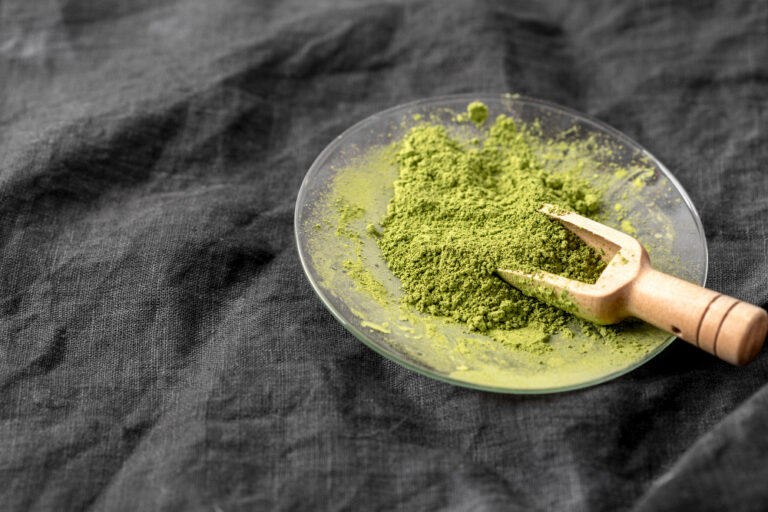
From Southeast Asia and worldwide, an ancient plant with vast cultural significance has gained attention for its therapeutic compounds. Kratom, a tropical evergreen tree originating in Southeast Asian countries such as Thailand and Indonesia, is the source of many herbal products due to its wide range of naturally occurring compounds. For those seeking a boost in physical performance, incorporating a pre workout powder can complement natural wellness practices and enhance energy levels.
In traditional communities where kratom typically grows natively, this powerful herbal medicine has long been lauded for its potential physical and emotional medicinal properties, offering relief to thousands throughout history. Nevertheless, few may be aware of how kratom came to be regarded by so many societies worldwide – both within and outside the Southeast Asian region it originates from. In this article, we’ll explore the scientific research available on kratom and why it holds such intrinsic value in various cultural contexts today.
Understanding Kratom’s Origins and History
Kratom is a plant that has grown in popularity in recent years due to the numerous ways it can be used. But only a few people are familiar with its origins or history. Kratom is native to Southeast Asia, primarily Thailand, Indonesia, and Malaysia. It has been used for centuries by locals as a traditional remedy for various ailments. Historically, laborers chewed kratom to increase stamina and productivity during long work shifts.
However, its popularity has spread beyond its native regions, and it is now consumed for various purposes, including pain relief, anxiety reduction, and recreational use. Understanding kratom’s origins and history can give a deeper appreciation for its significance and uses in modern society. A kratom exchange shop in ancient Thailand was a common sight, indicating the deep cultural roots of this plant.
Exploring the Different Varieties of Kratom
Kratom is available in different varieties, each with unique characteristics. The most popular types of kratom include Maeng Da, Bali, Borneo, Malay, and Indo. These varieties differ in their alkaloid content, making them suitable for specific purposes.
For instance, Maeng Da is known for its stimulating effects and is often used as a pre-workout supplement, while Bali is known for its calming and soothing properties, making it ideal for relaxation and sleep. The diversity of kratom strains further highlights the cultural significance of this plant, as different cultures have utilized specific varieties for their unique benefits.
How Kratom is Used in Traditional Medicine
In many Southeast Asian countries, kratom has long been used in traditional medicine to treat various ailments. The plant leaves contain alkaloids such as mitragynine and 7-hydroxymitragynine, which have pain-relieving and mood-enhancing properties. In traditional medicine, kratom was consumed raw or brewed into tea.
Kratom is also used in traditional rituals and ceremonies in many cultures. For example, kratom leaves are often consumed in Thailand as part of a religious ceremony to honor ancestors. In Malaysia, it is used as an offering to spirits during cultural festivals. It further showcases the deep-rooted cultural significance of this plant and its role beyond just medicinal purposes.
The Cultural Significance of Kratom
As kratom has gained popularity in various parts of the world, it has also been ingrained into the cultural practices of these regions. In Western countries, kratom is often a natural pain management and stress relief alternative. It has also been incorporated into alternative medicine practices such as aromatherapy and herbal supplements.
In Southeast Asia, where kratom originates from, it is deeply intertwined with many indigenous communities’ cultural practices and beliefs. For example, in Thailand, kratom leaves are used in traditional ceremonies to commemorate important events and occasions. In Indonesia, it is considered a symbol of hospitality and is often offered to guests as a sign of respect.
Analyzing the Benefits and Side Effects of Kratom
While kratom has been hailed for its potential benefits, it is essential to understand the potential side effects of consuming this herbal plant. Some studies have shown that long-term use of kratom can lead to addiction and withdrawal symptoms, similar to other opioid substances.
Additionally, there have been concerns about the lack of regulation in producing and selling kratom products, leading to potential contamination and adverse reactions. Individuals must research and understand the possible risks before consuming kratom.
Examining the Regulations Around Kratom Use Today
Using kratom has sparked much debate and controversy, especially in Western countries, where it is a relatively new phenomenon. Some countries have classified kratom as a controlled substance due to its potentially addictive properties, while others have yet to establish any regulations.
In the United States, the Drug Enforcement Administration (DEA) has proposed listing kratom as a Schedule I drug, citing its potential for abuse and lack of accepted medical use. However, this decision has been met with opposition from advocates who believe in the potential benefits of kratom.
Conclusion
In conclusion, kratom’s origins and history deeply intertwine with various cultures worldwide. Its medicinal properties have been used for centuries in traditional medicine and hold cultural significance in many regions. While its potential benefits are still being studied, it is essential to understand the risks and regulations surrounding kratom use in modern society.
By understanding its roots and cultural significance, we can better appreciate this herbal plant and its diverse uses. So next time you use kratom, remember the rich history behind its origins and how it has evolved into the beloved plant it is today.
Attending formal events or parties requires one to look their best. However, budget constraints often restrict individuals from buying expensive designer clothing. But this shouldn’t stop anyone from dressing to impress. The secret lies in the styling of affordable attire to elevate its look. In this article, we will be discussing some effective tips for styling an affordable dress.
Mastering the Art of Affordable Formal Dress Styling
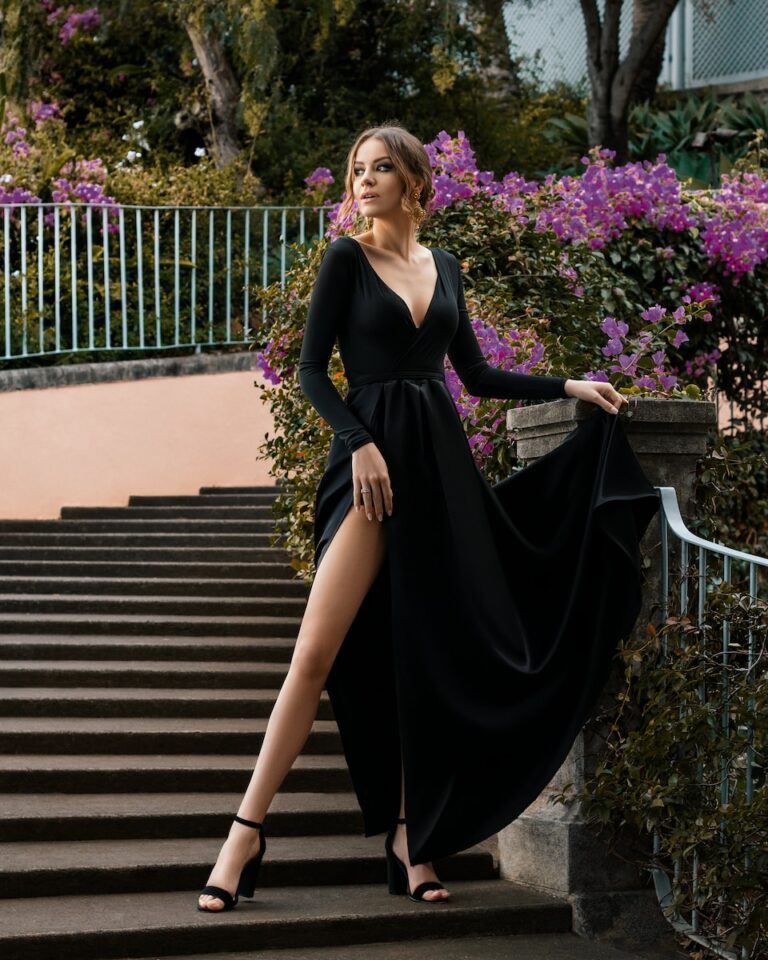
Styling an affordable evening dress deals with several personal factors. One needs to understand their body type, personal style, and the occasion they are dressing up for. Achieving this understanding can help one opt for a gown that looks far from its actual price.
You can get a great affordable evening dress that can serve as a solid base for your styling skills. Simple gowns provide a blank canvas on which you can play up or down based on the occasion.
Being good at styling doesn’t essentially mean mimicking the latest fashion trends; it’s about taking a clothing piece and making it work for your style and body type. This outlook becomes even more essential when working with budget gowns.
The trick is to maintain a balance — not going overboard with the styling and keeping it elegant and classy. A well-styled, budget-friendly gown can give a run for its money to any luxurious outfit.
Understanding the Importance of Fit in Formal Dresses
When it comes to any outfit, let alone formal dresses, fit is everything. Wearing an ill-fitted gown can spoil the entire look of the responsibly sourced, delicately crafted formal dress, irrespective of its cost.
Even the simplest and most affordable dress can look stunning if they fit well. Hence, it’s important to ensure that your clothing hugs you at the right places and flatters your body.
Given the importance of fit, one useful hack for people on a budget is to get their gown tailored. It might cost a little extra, but the end result is a perfect dress that looks expensive and glamorous.
Investing time in understanding the importance of fit can go a long way in aiding your styling skills. It’s vital to remember that fit matters more than the price tag or brand of the gown.
Choosing the Right Accessories for Your Evening Gown
The accessories you choose to complement your gown with can make or break your look. Here’s where creativity comes into play. Don’t shy away from experimenting and creating a unique look that shows your personality.
With an affordable evening gown, you have the liberty to go bold with your accessories. You can pair the dress with statement jewelry, a stylist clutch purse, vintage designer bags, or sleek stilettos—all of these can instantly enhance your look.
Remember to pick accessories that harmonize with your gown and blend with the occasion. As for evening events, metallic colors like gold and silver work best.
The key is to work with contrasting colors and pieces that pop, thus drawing attention away from the simplicity of the dress. A balance between the gown and the accessories is pivotal to nail the perfect put-together look.
Incorporating Personal Style
Your personal style is the foundation of any outfit you put together. It’s important to understand your style preferences and incorporate them into your gown to make the overall outfit stand out.
You can use a basic, affordable evening gown to showcase your style. Add a personal twist to the dress with a quirky belt or a statement necklace. You can also experiment with a stylish scarf or a stylish pair of heels for added allure.
Personalizing your formal dress can be a fun way to be creative while making the simple dress look luxurious. Always remember, your dress is a reflection of your personality, and incorporating your style into it can help you own the outfit.
Overall, a stylish look is not entirely about an expensive outfit. With the above tips and creative thinking, you can style an affordable formal dress that stands out. The key is to understand your body, preferences, and the occasion to style a dress that reflects your personal style while being trendy.
“You didn’t think this would come out of me,” Taja Cheek sings on ‘5 to 8 Hours (WWwaG)’, a highlight from her dazzling new album as L’Rain. It’s a fitting moment of self-awareness on a record full of them, as the Brooklyn singer-songwriter and multi-instrumentalist’s music tends to swirl with surprise; even if you’re familiar with the dizzyingly intricate collages on her first two albums, particularly 2021’s Fatigue, something about I Killed Your Dog will surely catch you off guard. First, that title – four words she repeats to beguiling effect on the title track, where they float somewhere between the strange, puzzling echo of a dream and an intimate confession, carrying more than a hint of malice. It vaguely calls back to ‘Kill Self’, a track from Fatigue that opens with the line, “Reverse evolve/ Kissing my dogs/ Killing myself” – Cheek seems to confirm the connection in a shocking twist that only generates more questions, revealing, “I am your dog.” But it’s maybe the first time that the shape-shifting chaos of her compositions, and the intricate emotions that underpin them, bleeds into the actual language of her lyrics. Threaded as it may be to her earlier work (‘Knead Bee’ reimagines the main riff from ‘Need Be’), the songs here are bold in ways that feel rich, visceral, and new.
Described by Cheek as both an “anti-break up” and her “basic bitch” record, I Killed Your Dog not only owns its contradictions but pushes them outward – and also away from grief as a knotty subject of introspection, as it previously presented itself in her music. ‘I Killed Your Dog’ may not be representative of the overall mood of the album, but it suits a record that unsettles as a means of probing questions, particularly around the ways we hurt and confuse each other (and ourselves) while in love. ‘Our Funeral’ is a curious introduction, a track that mirrors the dissolution of a relationship in almost literal terms, sounding like an ominous lament until it finds a pulse – and suddenly, the line “End of days/ Are you ready?” takes on a strange glow. Similar to how L’Rain’s songs sometimes start with or resemble a conventional structure but never end in the same place, they often begin by untangling basic or complex feelings before rushing into a flurry of possibilities. After a spell-binding instrumental break in which sounds from disparate stylistic territories clash against each other, ‘Uncertainty Principle’ unwinds to find the crack where the light gets in. “It’s a new day and I will believe in something/ Maybe someday we will all believe in something,” Cheek proclaims. As if to hand in the evidence, she then relays a five-second voice message from a friend with the title ‘Oh Wow, a Bird!’.
There are moments on I Killed Your Dog that are direct in their loneliness, like ‘I Hate My Best Friends’ and ‘Clumsy’, which simmer in feelings that are less difficult to unpack. Others are palpable reminders of Cheek and her collaborators’ playfulness and sense of humour, whether it’s layered like ‘Pet Rock’ – a “morose ode to the white dad rock I never listened to,” according to Cheek – or brief like the interlude ‘What’s That Song?’, which sees the band taking a snippet from another voice message and turning it into a “real” song. But the most resonant pieces of the album are those that find Cheek meditating on the uncertainty that follows a period of intense intimacy, the air of something ending without resolution and sort of outside time. “I will dust myself off, forget you came/ Wallow in loneliness ’til I feel nothing,” she convinces herself on ‘r(EMOTE)’. By the time we reach the stunning closer ‘New Year’s UnResolution’, though, this loneliness starts to feel more complicated and maybe impossible, even if forgetting is not: “Do you know what it’s like to have something, something, something, something?/ We both know what it’s like.”
Ultimately, the most surprising and even disarming aspect of I Killed Your Dog isn’t how eerie or fierce it is, but how warm and tender; not how heady or experimental, but how gracious it is in distilling and illuminating parts of ourselves that either seem tiny and insignificant in relation to the outside world, or too big and difficult to comprehend. It’s a record you can listen to in a state of frenzy or one of wistful regret, and it melts feelings you might have experienced at different points in time into a startling half-hour experience. “What is it like to feel like you’ve forgotten a part of yourself?” Cheek wonders in a statement accompanying ‘New Year’s UnResolution’. But her new album may have you remembering things you didn’t even realize were there, looped and suddenly snapping into view.
Irish-born, Yorkshire-raised artist Holly Macve has collaborated with Lana Del Rey on a new single called ‘Suburban House’. Listen to it below.
“Ever since I heard Holly’s music I knew she had one of the most beautiful singing voices in the world,” Lana Del Rey said in a statement. “Her flawless, emotional vocals have inspired me over the last six years and I love her songs and I’m especially proud of featuring on this one.”
“I sometimes feel my intuition wrote this song for me. I was temporarily living in a Suburban house from the 50’s, on the outskirts of West London. It was like a time capsule and hadn’t been changed since the 70’s,” Macve explained. “There was a beautiful old piano there and one day I sat down and the song came to me unexpectedly all at once. The song made perfect sense to me only a week later. A few months later I visited Lana whilst in LA and we shared new songs with each other. I played this to her live and that was the start of it becoming a duet. When I first heard her sing the second verse it was like a dream, her voice was just so perfect for the song and heavenly sounding… It goes without saying that I am a huge fan of hers, she’s an inspiration to me in many different ways so when she DM’d me I was pretty shook (to say the least).”
The Rolling Stones are back with their first album of original songs in 18 years. Hackney Diamonds, the follow-up to 2005’s A Bigger Bang, includes the previously released singles ‘Angry’ and ‘Sweet Sounds of Heaven’ with Lady Gaga and Stevie Wonder. Paul McCartney plays bass on ‘Bite My Head Off’, while Elton John features on the song ‘Live by the Sword’. The band recorded the LP in Los Angeles, London, the Bahamas, and New York, with Andrew Watt helming the production.
Tom DeLonge, Mark Hoppus, and Travis Barker have returned with a new Blink-182 album, ONE MORE TIME…, out now via Columbia. Ahead of its release, the trio previewed their first album together since 2011’s Neighborhoods with a number of tracks, including ‘One More Time’, ‘More Than You Know’, ‘Edging’, ‘Dance With Me’, ‘Fell in Love’, and ‘You Don’t Know What You’ve Got’. Barker produced the LP, which was recorded while the band was in the midst of their 2023 reunion tour. The songs “capture the band at the top of their game, layering in themes of tragedy, triumph and most importantly, brotherhood,” according to press materials.
Sampha has released a new album, Lahai, today via Young. The follow-up to 2017’s Process features the previously shared singles ‘Spirit 2.0’ and ‘Only’, as well as contributions from Yaeji, Léa Sen, Sheila Maurice-Grey of Kokoroko, Ibeyi, black midi’s Morgan Simpson, Yussef Dayes, Laura Groves, El Guincho, and Kwake Bas. In the album’s announcement, Sampha wrote: “LAHAI. My grandfather’s name. My middle name. My next musical chapter. My next album Fever Dreams. Continuums. Dancing. Generations. Syncopation. Bridges. Grief. Motherlands. Love. Spirit. Fear. Flesh. Flight.”
Sun June have followed up their 2021 album Somewhere with a new LP, Bad Dream Jaguar, which is out now via Run for Cover. During the making of the record, vocalist Laura Colwell and guitarist Stephen Salisbury wrote songs for and about each other 1300 miles apart while navigating the strains of their long-distance relationship. It was then recorded over several sessions and across a number of studios, with most of the material coming together at producer Dan Duszynski’s Dandy Sounds studio.
Giant Elk is the debut LP by the London and Brighton-based trio ME REX. Out now via Big Scary Monsters, it follows 2022’s Plesiosaur and Pterodactyl EPs as well as 2021’s 52-track collection Megabear. Recorded across four studios over the course of 2022, the album follows a story of “continual fracturing and regeneration, illustrating the process of growing through loss and grief, set against the backdrop of societal and climate collapse,” according to the band. It includes the advance tracks ‘Infinity Worm’, ‘Eutherians (Ultramarine)’, and ‘Giant Giant Giant’.
Jane Remover has released a new album, Census Designated. The follow-up to 2021’s Frailty features the early singles ‘Lips’ and the title track, as well as a new version of the 2022 track ‘Contingency Song’. The record was partly inspired by a trip across America, when the musician had to stop over in Oregon while driving through a blizzard. “It was kind of like a reality check. I am painfully self aware, and it leads me to ruin like 90% of the experiences and memories I make,” she said in a statement. “So I guess going through a near death experience made me want to stop ruining things for myself.”
Maria BC has issued their sophomore album and first for Sacred Bones, Spike Field. The follow-up to 2022’s Hyaline was previewed by the singles ‘Amber’, ‘Watcher’, ‘Still’, and ‘Lacuna’. “I had a very strong tendency to want to destroy any previous version of me,” the Bay Area singer-songwriter said in a statement about the LP. “I wanted to erase the memories of anyone who knew me more than a year ago. It’s the effect of shame.”
Forest Swords is back with Bolted, his first new album since 2017. The Liverpool-based producer and composer offered an early taste of the Compassion follow-up with the songs ‘Butterfly Effect’, ‘Tar’, ‘The Low’, ‘Caged’, and ‘Munitions’. He recorded the album over the past year at a warehouse factory space in his Liverpool hometown. In a statement about ‘Munitions’, Matthew Barnes said the song “set the tone for much of the album writing that followed it. The video directed with visual artist Sam Weihl captures some of the feel of those writing sessions: dimly lit, industrial, dreamlike.”
Lost Girls – the collaborative project between Jenny Hval and Håvard Volden – have come out with a new album, Selvutsletter. Following 2020’s Menneskekollektivet, the 8-track effort was preceded by the singles ‘Ruins’ and ‘With the Other Hand’. According to the duo, Selvutsletter translates to “self-effacer: Someone who tries to erase themselves. Someone who is cleaning out themselves. Performing exorcism. Or perhaps just getting older, less interested in their own present self.”
After retiring her Lingua Ignota project, Kristin Hayter has returned with a new album as Reverend Kristin Michael Hayter: SAVED! is out now via Perpetual Flames Ministries. Featuring both gospel standards and originals, the record finds Hayer working with longtime collaborator Seth Manchester. According to a press release, it “documents an earnest attempt to achieve salvation through the tenets of charismatic Christianity, focusing on the Pentecostal-Holiness Movement, which dictates that one’s closeness to God is demonstrated through transcendental personal experience.”
Lush co-founder Emma Anderson has released her debut solo album, Pearlies. She began working the LPafter Lush’s 2016 reunion, whose abrupt end left her feeling disillusioned. “I thought we were in it for the long term, so some of these songs – or even just parts of them – were actually going to be for Lush,” she explained in press materials. “That didn’t happen, so I had these songs and bits of music that I didn’t know what to do with.” The record was produced by James Chapman, who Anderson said “turned out to be exactly the right person. People tend to view James as primarily an electronic producer but he has a lot more strings to his bow. He has a wide range of tastes and also an encyclopaedic knowledge of music which meant he was able to bring a huge amount to the album. He really got it.”
Katie von Schleicher,A Little Touch of Schleicher in the Night
Katie von Schleicher has put out a new LP, A Little Touch of Schleicher in the Night, via Sipsman. The follow-up to 2020’s Consummation was co-produced with Sam Owens, aka Sam Evian. “When we got to Sam’s and set up on the first day, we played ‘400 Pillows’ first, just after dark. It felt immediately like a warm blanket,” von Schleicher recalled, noting that the group would work daily until 5pm before making dinner and playing poker. “Poker! This record was punctuated by a lot of hanging out. I put my trust in the people making it. I wanted to listen back and hear their voices, so to speak, and less the echo chamber of my own interior obsessions.”
Other albums out today:
Titanic, Vidrio; Bombay Bicycle Club, My Big Day; City Girls, RAW; Pip Blom, Bobbie; Evian Christ, Revanchist; Glen Hansard, All That Was East Is West Of Me Now; Duff McKagan, Lighthouse; Valee & MVW, Valeedation; Naomi Sharon, Obsidian; Dirt Buyer, Dirt Buyer II; Galya Bisengalieva, Polygon; Klein, Touched by an Angel; Lync, These Are Not Fall Color; Knuckle Puck, Losing What We Love; Dave Harrington Group, The Pictures; Bex Burch, There is only love and fear.
Clairo has unveiled a new track, ‘Lavender’, on Bandcamp, with all proceeds going to Doctors Without Borders. Listen to it below.
Earlier this year, Clairo teamed up with Phoenix for a remix of their Alpha Zulu song ‘After Midnight’, and joined beabadoobee on a new version of ‘Glue Song’. She also shared a demo of the song ‘For Now’ for charity and covered Mitski’s ‘My Love Mine All Mine’ on Instagram.
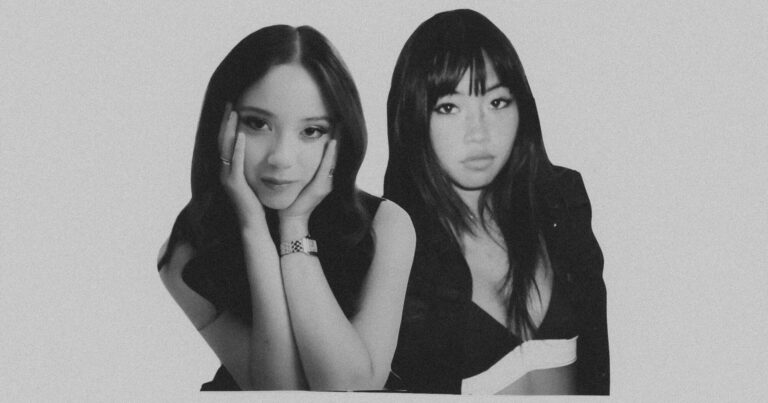
beabadoobee has teamed up with Icelandic-Chinese singer Laufey for a new single, ‘A Night to Remember’. Listen to it below.
“I’ve been writing with a lot of different rhythms recently, also with strings and nods to more classical sounds,” beabadoobee shared in a statement. “Laufey is a great fit for this sound and we had started hanging out in London, so we got in the studio together to work on music and try ideas with my producer Jacob. We also hung in NY on my tour and started becoming closer friends. We wrote ‘A Night To Remember’ and decided we wanted to write something that sounds grand but a bit more sexy lyrically and have fun with that theme.”
Laufey added: “Bea has been one of my favorite musicians for a while so getting to write and sing with her was a dream come true. We both agreed that we wanted to write something a bit sexier for this project and ‘A Night To Remember’ was born. There are so many songs about being rejected as a woman and this song is about being on the other side of the coin – having one great night then walking away. Reclaiming the narrative! We recorded it in London with Jacob, Bea’s producer and added some finishing touches in LA with my producer Spencer Stewart. This song is a true marriage of my and Bea’s sonic worlds and I can’t wait for the world to dive into the cinematic sound this song offers.”
Warning: This article contains descriptions of alleged sexual misconduct.
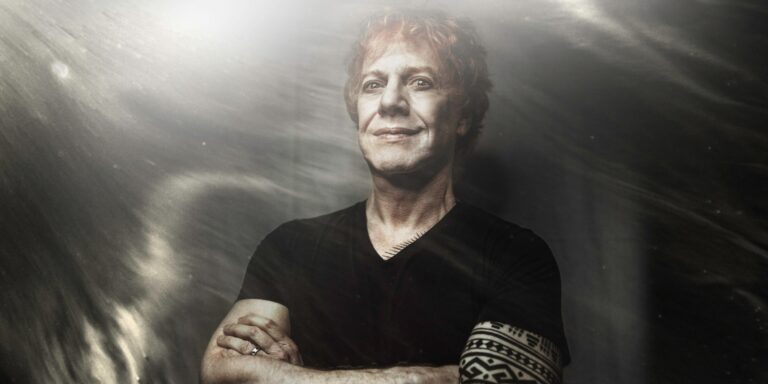
In July, it was reported that Danny Elfman was being sued by musician and composer Nomi Abadi for allegedly failing to make settlement payments due to allegations of sexual harassment. Now, a second woman has come forward with allegations of sexual abuse against Elfman.
According to The Hollywood Reporter, a 47-year-old woman in Maryland who is using the pseudonym Jane Doe XX alleges the composer harassed her from 1997 to 2002. In a filing submitted Thursday in Los Angeles Superior Court, she sued him and his company, Musica de la Muerta, for sexual assault, gender violence, intentional infliction of emotional distress, sexual harassment, and negligence.
A spokesperson for Elfman said in a statement, “The allegations of misconduct made against Mr. Elfman are baseless and absurd. His legal team is assessing all options and he will vigorously defend these claims in court.”
According to the suit, the accuser met Elfman at a mutual friend’s home in April 1997, when she was 21 and studying at the New York Film Academy. The two reportedly had a mentor-protegé relationship, and at a certain point Elfman began to expose his genitalia to her while walking around nude during their meetings. The woman claims Elfman expressed to her that “this was the only way he could work, be creative, and successful.” She said that, because of his prominence in the industry, “she had no choice but to always comply with his requests, and Plaintiff felt this was a condition of their continued relationship.”
The woman also claims that Elfman would sometimes sleep naked in the same bed next to her, “never removing her clothing, often sleeping on top of the bedding. In 2002, Elfman allegedly told her, “Every time you have ever slept next to me, I would masturbate next to you.” Following that disclosure, the plaintiff ended her relationship with Elfman.
Attorney Jeff Anderson, who is representing both Abadi and Doe, told Rolling Stone: “It’s important to this Jane Doe that Nomi knows she’s not alone anymore, that what was done to her by Elfman mirrors in so many ways what was done to Nomi.”
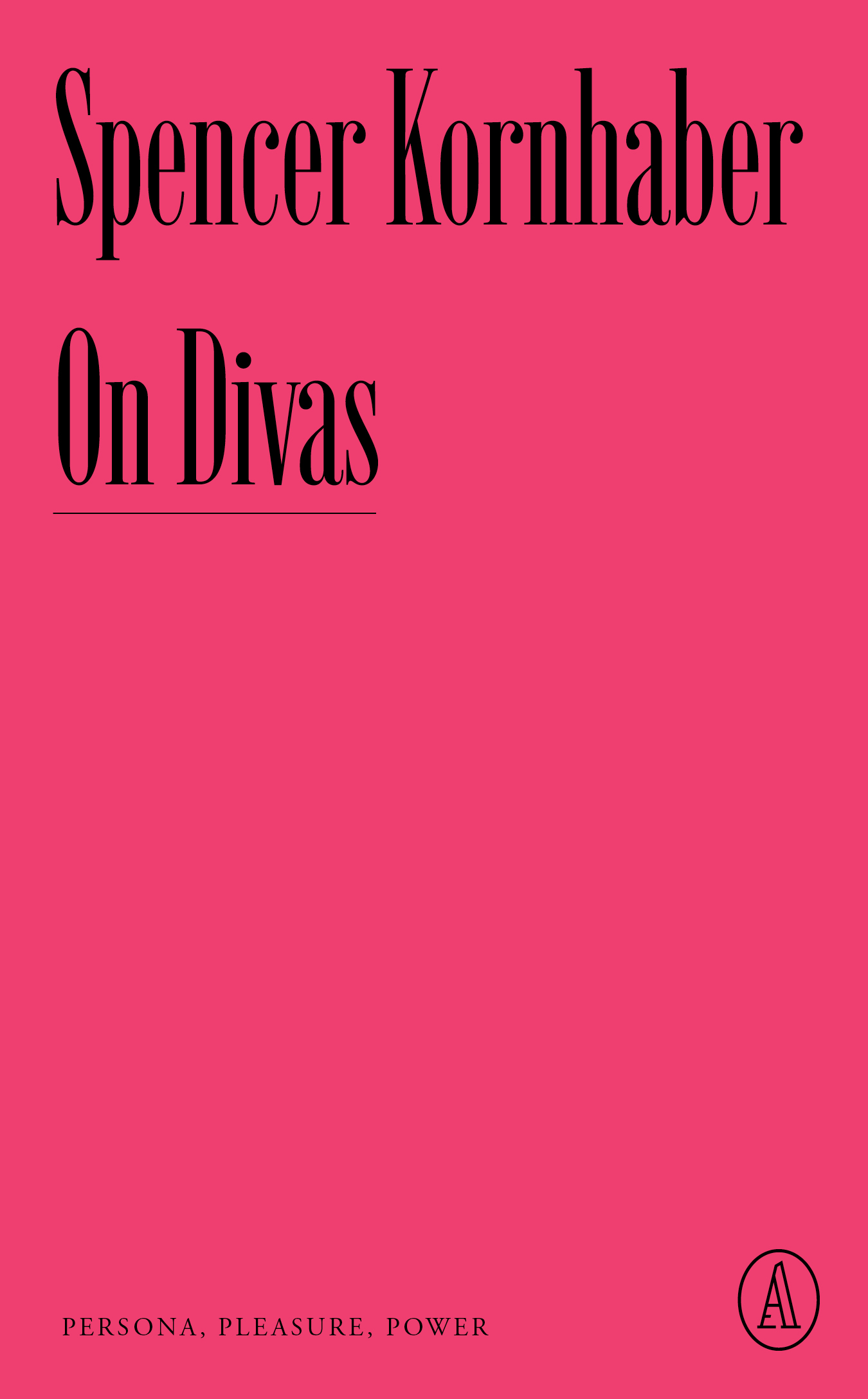
I probably wouldn’t be writing if it weren’t for Spencer Kornhaber. Not just this article, but maybe at all — discovering his pop culture analysis at The Atlantic during my first magazine journalism class in college in early 2020, which I’d taken only because it fulfilled a requirement, I was struck by how all-encompassing journalism can be. Growing up with my parents tuned into the stern voices on CNN and MSNBC, hosting panels with experts in suits talking about uninteresting subjects, I was shocked that you could write about anything after reading excerpts from The New Yorker and The Atlantic. It can be funny and informative all at once, and you can certainly infuse personality, wit, and humor into anything you do and the situations you seek out. I discovered him after class, scrolling The Atlantic’s archives, along with the work of Amanda Mull, Jia Tolentino, Kaitlyn Tiffany, and other writers who had the same transformative effect and helped me through the pandemic where, a year and a half later in the first glimpse of a brighter future ahead in the summer of 2021, I decided to be a writer.
All this to say, when I say that Kornhaber was coming out with a book that I could interview him about, it was a full-circle moment in all its entirety. On Divas, his first full-length, is a collection of essays from 2017 to last year centered around divas, a surprisingly broad term. People like Björk, Donald Trump, RuPaul, Lana Del Rey, Britney Spears, and Jack White all show up here, by way of profiles or investigation. Fun, insightful, and never taking itself too seriously, On Divas examines the most interesting stars of our time and why we’re so drawn to their spectacle.
Our Culture sat down with Spencer Kornhaber to talk about the pull of divas, his time with Björk, Donald Trump’s fabulousness, and all things pop culture.
Congratulations on your first book! How was the process putting together these essays around this theme?
Yeah, this book is a part of a series The Atlantic has been doing, spotlighting different writers along themes. When the opportunity came up for me to do it, I was excited and flattered. I’ve been at The Atlantic for more than a decade now. A lot of the writing is for the web, a lot of it is about ephemeral news events or pop culture moments, but I put a lot of thought into each of my pieces, some more than others. It was a cool opportunity to go back through my archive and see which pieces stood the test of time, or at least, a couple years. I worked with great editors at Zando who also went through my archive and had a similar feeling about which pieces worked for book form. We threw around some themes, but for me, it always had to be divas. Maybe ‘pop music’, but ‘divas’ specifically turned out to be more of a surprising beat of mine at The Atlantic. It wasn’t what I expected to be so much of what I was writing when I started. But they’re fascinating.
In your view, what makes a good diva, and why do you think you’re so drawn to these types of people?
I try to not over-gatekeep what a diva is, at least for this collection. It’s helpful for me, too, to define the term very broadly. A lot of different figures can be in the mix. It’s a gendered term, and one thing I wanted to do in collecting these pieces is mess with that, because it shouldn’t be a gendered term. You throw people like Donald Trump or Jack White in there, and it raises the question of, ‘If you’re calling these people a diva, what about these other ones?’
So what makes a diva: I came to the idea that it’s mostly about asserting yourself, your will, identity, desires, in a way that is unapologetic and disruptive, and is not really tied to other peoples’ ideas of respectability. There are other archetypes of performers, like the rockstar, the singer-songwriter, which is a lot more about the old-school or academic ideas of self-expression. The diva is not so worried about that. The diva just wants to announce themselves to the room, and it’s fabulous, and we love it. A good diva is someone who will make you understand who they are very quickly and will hold your attention while doing it.
As to why I’ve been drawn to writing about them, as I write in the intro, there’s definitely been a lineage of me being drawn to these figures. As a kid, I was always obsessed with them. Annie Lennox’s album Diva, which was sort of a meta-take on the diva, maybe. It’s also really great pop music. I felt for a long time like I couldn’t embrace my interest in them. Having my mind blown in sixth grade watching Britney Spears on MTV or VH1 for the first time, even knowing, as soon as I saw “…Baby One More Time”, feeling that magic everyone feels when they hear that song for the first time, knowing I wasn’t allowed to like it. A lot of this is a repressed fascination that, later in life, I’ve let myself indulge.
Were there any people that you had wished to write about, but due to time or the editorial calendar, you weren’t able to?
Yeah, there’s people all the time that I wish I could write more about. In this book, there’s surprisingly little Taylor Swift. She’s like the diva of our lives, even though I would say she straddles that and other categories. There’s a little Taylor, but not as much as one might think, reading me. Other people I wish I could have written about, you know, the diva is a tradition that has really been honed and shaped by Black women, and I wouldn’t say I’ve done the deep historical dive on that lineage, which maybe I or someone else will. And then also, the little divas of the moment. If I was just writing a music blog, I’d be writing about Hannah Diamond or Chappell Roan right now, the girlies that are not really that famous but all the queers in Brooklyn are listening to, and I’m one of them. This mini-diva archetype that has risen in the past decade is just wonderful.
So, onto the book, which is compiled of essays from your time at The Atlantic. I want to talk about Björk because I rarely can in real life — how was it like meeting her, adapting to Iceland’s weather and adhering to the recording studio’s six-hour tide cycle?
It was definitely one of the cooler experiences I’ve done on the job. Intimidating. Meeting a famous person, there’s always the shock of just, like, ‘They really are just a person.’ You immediately pick up on her energy, which is a little anxious. She’s someone who has a lot of thoughts in her head, analyzing the conversation while you’re in it, but also wants to learn and understand you. You get on their level eventually, but it throws you for a loop at first. She was great, and I didn’t know where we were going on the day I met her. She took me to a lighthouse in Reykjavík where she often records. It felt like a little safari into her world, even though it wasn’t far away. It was August in Iceland, and it was relatively warm there, which is not warm at all. The island is wild. It definitely has a fragrance to the place, it smells volcanic. She wanted to have a back-and-forth about music, the album, and some cultural issues surrounding it. It was such a personal album that I wanted to talk about the personal stuff too, and it was interesting that she said, ‘That’s for other interviews. For you, I want to talk about this.’ She’s such a writer and a scientist.
Yeah, I was just about to ask — it was so interesting she steered the conversation away from her mother. Does that make it easier or harder for an interviewer, for their subject to be so observant?
It’s better to have an interviewee who wants to have an authentic conversation, and that’s what she was trying to do. Even though it’s also using the tools of media management, saying, ‘Oh, I don’t wanna talk about that.’ I certainly don’t begrudge it at all. I thought it made for an interesting moment. And it can be better if someone’s up front if you ask them about a sensitive issue, because sometimes you can get into an awkward situation in an interview. And it’s a good tip for how we interact with our friends, too. There’s an authenticity to it.
Let’s talk about Lana Del Rey — in the book, you have this essay written around the time of her magnum opus, 2019’s Norman Fucking Rockwell!, analyzing if she was relying on a persona or not. During the time that followed, she’s released these really personal albums, especially her excellent one earlier this year, which I feel like dispels the notion she’s acting. What do you think of how time acted on this essay?
You think she really lives at the Ramada Inn? [Laughs]
There’s just so much more personal stuff now! Maybe in other songs she’s playing it up, for sure.
That essay was written at a moment where this turn was happening, and it was really clear how things have shaken out since then, where we were moving from pop stars who had a clear and defined relationship to the idea of persona — I make a comparison to Lady Gaga in that essay. Lana is straddling a line, and I think she still is. What that means is that maybe there is no line, or living in between that blurry space between reality and fiction, which is a singer-songwriter thing. That’s how she wants to be perceived, and maybe the culture is bringing the baggage, putting her into this pop star lane, when it’s kind of assumed you are playing this character, and it’s not so much about the act of writing. But since then, the culture has shifted in a remarkable way towards this narrative-driven, diaristic-specific and personal mode of stardom. Folks like Olivia Rodrigo, now there’s a generation of Taylor Swift and Olivia Rodrigo knockoffs — everyone is really trying hard to seem like they’re in their bedroom, really telling you what’s happening in their lives, and also doing it in a way where the listener can go to the internet and find out what ex-boyfriend they’re talking about. I still think Lana is more interesting than that, even on these later albums, doing a mystical, poetic thing where the relationship to her life isn’t that clear, even though there are these sharp moments where she’s bringing her father in.
Similarly, your profile of RuPaul was published in 2017, and now, we’re dealing with ludicrous backlash to drag, queer education and teachers, and basically anything they don’t understand. There’s this parallel because Season 9 of Drag Race was filmed before the 2016 election, and now, Drag Race seasons that aired this year were filmed before the conservative backlash broke out. What do you make of this parallel?
In the story of Drag Race, there’s this kinda overwhelming, mind-blowing success. There’s very few cultural products that have tangibly changed the world, and in the way that Drag Race did in the 2010s. It’s not the only reason we have so many more young people identifying as queer, but it is not not part of that shift. It’s a really powerful example of what it means to say ‘representation matters.’ This is a show that showed young people there were different ways of being in the world, and then they started to experiment with them more than they were in previous generations. Not to say it’s the only factor in that happening, but it’s part of it. Its success was so remarkable that even watching it unfold, I thought, ‘Are we really getting away with this?’ It was never like there was no homophobia around that show, but it just felt like it was blowing past that whole conversation. And then, there was just this echo boom of homophobia, traditional gender ideas being enforced, once that show was being felt in society. It’s possible we’re living through this inevitable process of social progress or liberation, but we also live in a time where the right wing is very canny and uncompromising and may find ways to make us more than a little death rattle of old ideas, and more of a true and personally dangerous rollback.
I hope the piece made clear that the resistance rhetoric Ru was using, that the show was marketing itself with, certainly deserves a slight bit of scrutiny, or should be seen as a little corny and optimistic [“We need America’s next drag superstar now more than ever”]. I mean, it’s not wrong, it really was resisting, and there’s conflict around it for a good reason.
Pop culture is always changing, and I was just quick enough to catch your essay published this morning about Lizzo and how the term ‘diva’ has now turned. If you want, you can talk a little bit about that piece and why it was so apt for your book.
I’ve wanted to write a piece that was new and that could publish alongside the book. And maybe the book doesn’t quite spell out the obvious question of the idea of a diva right now — which is that they’re important. This is a moment where they’re setting the cultural agenda in a way that feels different from previous generations. I guess I didn’t live through the heyday of Madonna in the 90s, or something like that. But what’s going on with Taylor Swift and Beyoncé, these two very different careers on a parallel track, it’s wild. Just the economic and cultural power they yield. I cannot believe how much people wanna talk about Taylor Swift. It’s like, ‘Have you never heard about another person on Earth?’ So, I wanna talk about why that was and what it meant.
It feels like there’s a hunger in their rise for a new kind of celebrity leader. It’s sorta like when people say that if women ran the world there wouldn’t be any war, which is a misogynist idea in its own way and definitely not true, but it’s a fantasy, and in the rise of these women there is a little bit of that yearning — a kinder, smarter cultural leadership. But at the same time, we also want to have them be badasses and do all the things that, in previous generations, would have just been called ‘diva behavior.’ It just would have been written off. But then you have someone like Lizzo, who is sort of the ultimate example of an entertainer trying to be a leader, a social revolutionary, and these allegations come out that she’s not very kind to people in her inner circle, not very sensitive or the type of caring that you want from the ultimate diva protector lady. Behind the scenes, allegations of mistreatment of underlings by famous people are very routine, and lawsuits get filed all the time. No one really talks about how Lady Gaga’s assistant made some wild allegations against her. But right now, especially with the persona that Lizzo built up, it’s not just a demanding diva overly familiar with her subordinates — which was the sort of thing we celebrated with Madonna doing that in her Truth or Dare documentary — now it’s a real undermining of what we expect from Lizzo and from this category of cultural leader she represents. My question is if we’re a little delusional about what we expect out of these people.
Speaking of, the two singers Noname and Róisín Murphy were sort-of ‘canceled’ recently, the former due to platforming an anti-Semetic rapper, then justifying his actions, and the latter for saying anti-trans rhetoric on her Facebook page. Just the other day, the endless provocateur Doja Cat wore a shirt with a neo-Nazi on it. We are in an era where we can know the opinions of everyone we look up to as artists. What do you think this effect has on the music industry?
Yeah, we really do expect more of these people right now. We expect them to be politicians as well as entertainers. But that’s sort of been in the works for a while. You know, early 2007 Gaga was so political and really was part of this wave of singers all about empowerment and feminism in a way that wasn’t explicit before. That started the expectation that these stars be leaders, and as it goes along, their audience starts to believe it, and it starts to succumb to their own standards. So as the younger generation becomes more progressive, it’s kind of assumed that their entertainers are with them on all their political views, and they’re not going to be. We’re gonna have more situations like this, I’m gonna say. And the thing about what you do when you disagree with your entertainer’s politics is a separate question about cancellation that I never know how to answer.
I loved the piece about how Donald Trump is this unlikely reviver of camp, from his rallies to his grandiose statements, and even now, his diva energy is severely missed at the Republican debates. There’s even a quote going around where he says that the problem with Ron DeSantis, another candidate, is that he needs a personality transplant, which are “not yet available.” What do you make of this injection of humor and instantly viral quotes into politics?
It’s been one of the more destabilizing things for all of our mental health, to have this person who is just straightforwardly magnetic, and even if he is by many accounts vile and dangerous, it does show that humor, charisma and innovative entertainment value is power. The reason Taylor Swift is so powerful is that she’s entertaining and charismatic. That’s part of the Trump thing. With Trump’s humor and campiness, which is what I was writing about in the essay, is that it’s destabilizing in relation to the truth. It allows his side to communicate in ways that are confusing and effective for their gains. Sort of in the way that, for example, certain queer communities have had to do. There’s a really bizarre parallel there. Like, when he’s dancing to the Village People, you have to point this out. It’s kind of ushered us into this post-camp moment, according to Susan Sontag’s definition where camp can never be this intentional thing you go after. Now, there’s no one that’s not calculating the way they want to be seen or the level of humor you’re operating at. Other than Nicole Kidman when she did the AMC ad. That was actually pure camp.
There’s also this humanizing factor to him. I find myself talking to friends saying, “I love Trump, he’s so funny!” when, of course, he’s one of the most evil people on the planet. Do you think being a diva is a part of his strategy?
Yeah! I don’t know if he’s consciously saying, ‘I’m trying to be a diva,’ but the thing people react to with divas is that they flatten a space with their own charisma and own sense of self, ego. It’s thrilling to see. It’s fabulous — the word comes to mind when you think of a diva’s performance. Some of these moments at a Trump rally, they’re horrible, but he’s just being so fabulous. He’s being a campy queen right now. But, they’re the most divisive cultural figures for that reason. It’s like sandpaper to some people, and it causes conflict.
You do bring this up in your essay about how musicians are being forced to promote their music through TikTok. Even though it’s an app enjoyed because of its authenticity, do you think it could now have the opposite effect?
Yeah, anytime there’s a hunger or marketing for authenticity, it’s sort of a contradiction, and it ultimately eats itself. Whether it’s when Kurt Cobain came and swept away hair metal in the 90s, with this new authentic sound that very quickly became corny and ripped off, the same thing is happening on TikTok where it’s sweeping away a generation of entertainers that were really polished and produced that had very coordinated marketing campaigns, in favor of the guy or girl playing guitar in their bathroom or whatever. Now, people are trying to reverse-engineer that, and a lot of the results are cringey. It can be cringey if someone is really earnest and authentic, but it can also be cringey if someone is trying to seem that way. It’s almost worse, in that case. It’s very confusing for that previous generation of stars who grew up worshiping the extravagant music video, and now they’re being asked to do much less.
Finally, do you have any plans for a full-length nonfiction book? If so, what would it be about?
That’s a good question. I don’t have any plans, I think I probably should do one, but they’re hard. What I loved about this one is that I already had written it! I really like magazine journalism, that’s what I got into this for, so I really feel very excited and interested in the possibilities in that, and don’t feel like I’ve topped out yet. Not to say you have to top out of something before you go to something else. But if you have any ideas, send them to me and I’ll not pay you royalties!



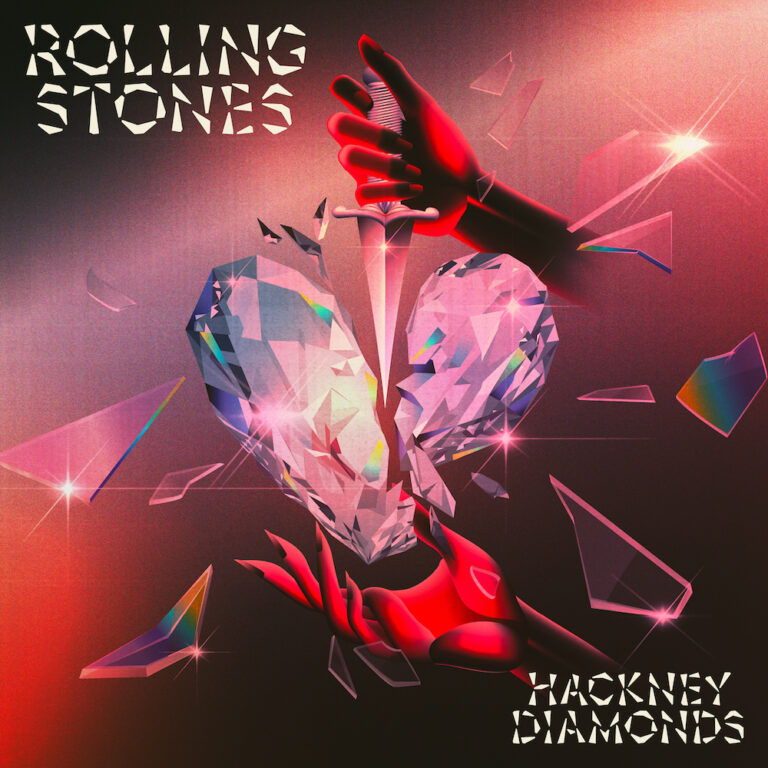

 The Rolling Stones are back with their first album of original songs in 18 years.
 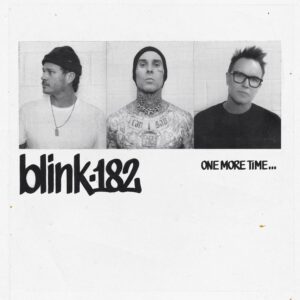 Tom DeLonge, Mark Hoppus, and Travis Barker have returned with a new Blink-182 album,
  Sampha has released a new album,
  Sun June have followed up their 2021 album Somewhere with a new LP,
  Giant Elk is the debut LP by the London and Brighton-based trio ME REX. Out now via
 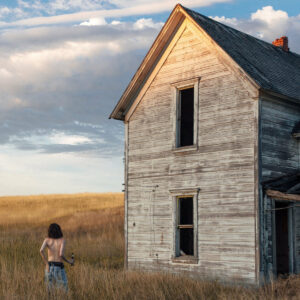 Jane Remover has released a new album, Census Designated. The follow-up to 2021’s Frailty features the early singles ‘Lips’ and the title track, as well as a new version of the 2022 track ‘Contingency Song’. The record was partly inspired by a trip across America, when the musician had to stop over in Oregon while driving through a blizzard. “It was kind of like a reality check. I am painfully self aware, and it leads me to ruin like 90% of the experiences and memories I make,” she said in a statement. “So I guess going through a near death experience made me want to stop ruining things for myself.”
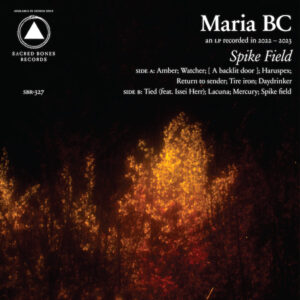 Maria BC has issued their sophomore album and first for
 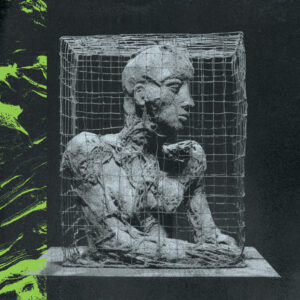 Forest Swords is back with Bolted, his first new album since 2017. The Liverpool-based producer and composer offered an early taste of the Compassion follow-up with the songs
 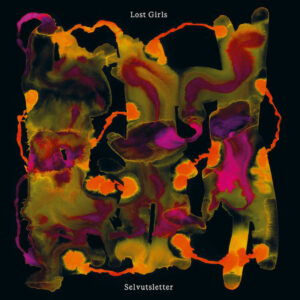 Lost Girls – the collaborative project between Jenny Hval and Håvard Volden – have come out with a new album,
 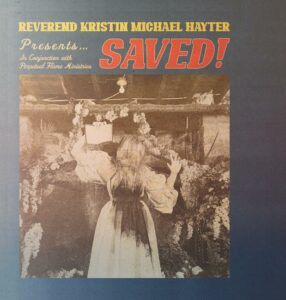 After retiring her Lingua Ignota project, Kristin Hayter has returned with a new album as Reverend Kristin Michael Hayter:
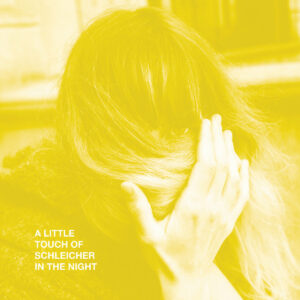 Katie von Schleicher has put out a new LP, A Little Touch of Schleicher in the Night, via