

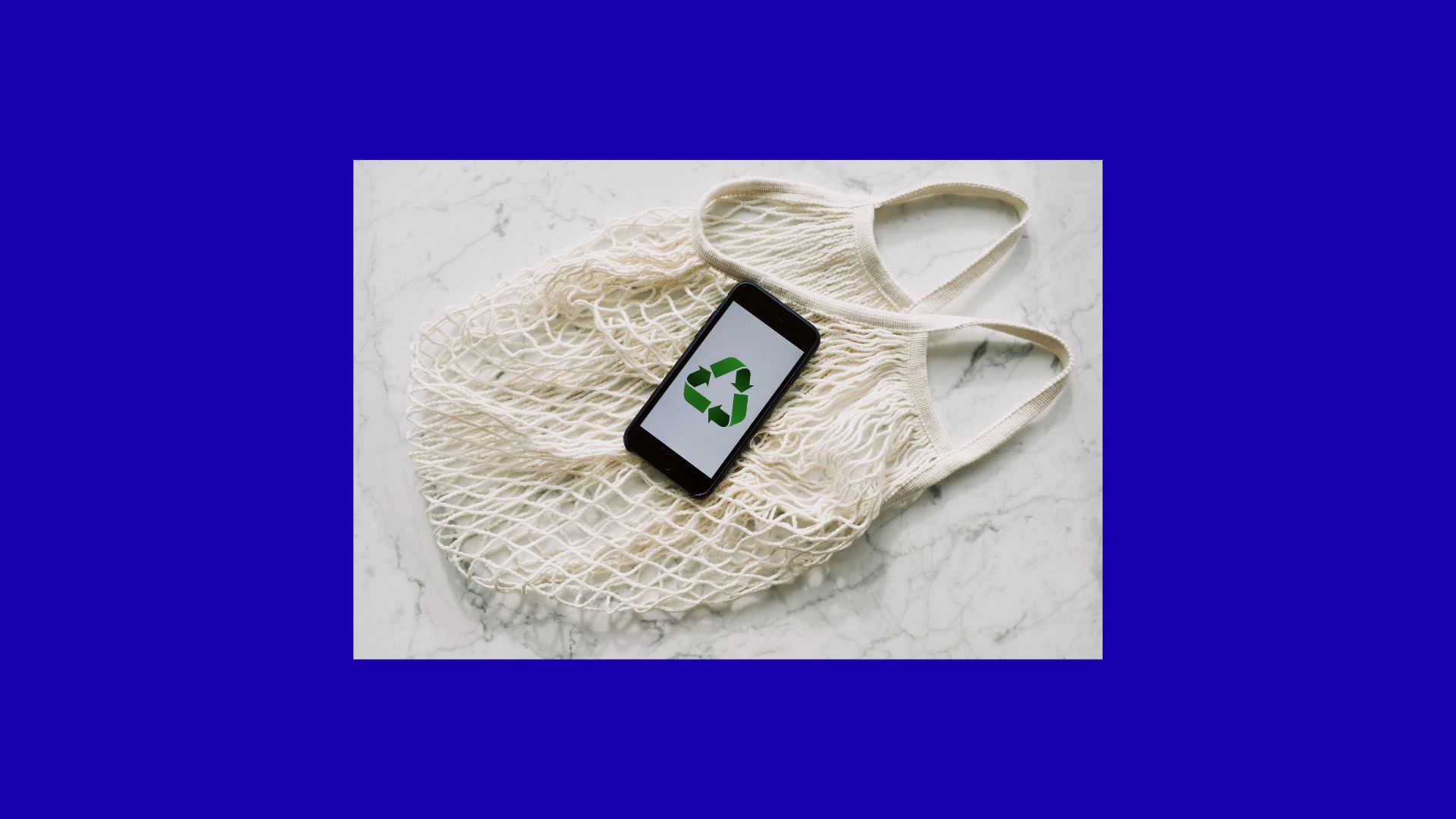
What’s better than a permission slip? A green permission slip. A way to keep producing, releasing, expanding, while appearing thoughtfully reflective about it. Sustainability doesn’t always arrive through factories or labour practices, but through moodboards, press releases, and carefully worded product descriptions, with “conscious” becoming something you can print on a tag. What once required action now only requires phrasing, and preferably, a muted shade of sage.
What’s Greenwashing?
Greenwashing is the fine art of pretending to care about the planet without actually doing anything to help it. In other words, brands’ favorite way to lie about sustainability. In fashion, it shows up as “eco-friendly” collections buried inside happily shipped mountains of fast fashion, labels boasting organic cotton without saying how much or where this, often 5%, came from, and campaigns that smile to the planet but are built on the same supply chains that have been polluting for decades.
It persists because everyone has a role to play. Brands get to talk about change louder than they actually make it, and consumers… well, consumers want to feel good. When most people are used to buying affordable clothes, and suddenly a pair of jeans costs the same but comes with a side of ethical buzzwords, it’s completely natural to lean that way. Fast fashion and its green impostors stand in daily contrast, but at least the first one is upfront about what it really is.
How to Spot Greenwashing
So, with earthy tones replacing guilt, and recycled words replacing accountability, it’s only fair to know how to spot this, the rest is on us. Luckily, spotting it isn’t rocket science. Look for certifications that actually mean something, but remember they don’t all measure the same thing (GOTS, FSC / PEFC, RWS, RDS, OEKO-TEX, Bluesign, ISO 14001, Cradle to Cradle, Fair Trade, SA8000), real percentages instead of vague promises, and the big picture rather than a single product. If a green capsule collection barely covers a rack, I’d give it the look I’d give words like “natural, eco-friendly, green, planet-positive, conscious.”
Being ethical in fashion doesn’t mean you have to become a monk or start knitting your own clothes. It just means paying attention. Maybe buy less, choose better, and notice when a brand’s ethics sound like a marketing team’s poetry contest. Question the sage, the hashtags, the claims without numbers. You won’t save the planet today, just don’t let anyone sell you the illusion that you already did.

