Aldous Harding is back. The New Zealand singer-songwriter has announced her fifth studio album, Train on the Island, which is slated for release on May 8. The follow-up to 2022’s Warm Chris is led by the mesmerizing, raggedly groovy new song ‘One Stop’, which arrives alongside a Michelle Henning-directed video. Check it out and find the album cover and tracklist below.
Spanning 10 tracks, Train on the Island was co-produced by longtime collaborator John Parishat Rockfield Studios in Monmouth, Wales, where the pair recorded Warm Chris as well as 2017’s Party and 2019’s Designer. They were joined by pedal steel player Joe Harvey-Whyte, harpist Mali Llywelyn, synth artist Thomas Poli, drummer Sebastian Rochford (Polar Bear), and Huw Evans (H. Hawkline) on bass, vocals, guitar, and organ.
1. I Ate The Most
2. One Stop
3. Train On The Island
4. Worms
5. Venus In The Zinnia
6. If Lady Does It
7. San Francisco
8. What Am I Gonna Do?
9. Riding That Symbol
10. Coats
In this segment, we round up the best albums released each month. From Ratboys to Mitski, here are, in alphabetical order, the best albums of February 2026.
Buck Meek, The Mirror
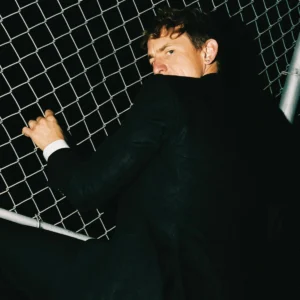
On the cover of his new album The Mirror, Buck Meek is glancing back as if meeting his reflection in the lens, his shoulder obscuring his expression just enough: it’s not clear whether he’s startled, running away from something, or trying to break on through. Perhaps he’s heading to the “the tunnel underneath the road” that he finds on ‘Demon’, “a place I go to sing with echo, echo, echo” – a natural magic further filtered by the voices that tune into it throughout the record, a choir that includes Adrianne Lenker, Germaine Dunes, Staci Foster, and Jolie Holland, and bordering the electronic world fashioned by his Big Thief bandmate and producer James Krivchenia. But just like he sings of trying to write a song that is not for others on ‘Heart in the Mirror’, he’s aware of the dark side of his soul being exposed while learning to foster something good and even divine out of it rather than projecting it outward. Read our inspirations interview with Buck Meek.
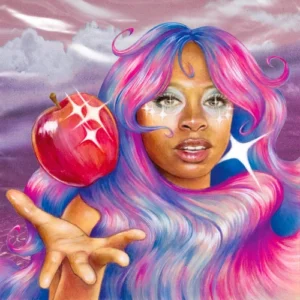
hemlocke springs’ going…going…GONE! EP, not only showcased her knack for larger-than-life, 80s-inspired, maddeningly catchy art-pop, but also led to her opening for the likes of Conan Gray, Ashnikko, and Chappell Roan, the latter of whom interviewed her “favorite artist” in light of the artist’s debut album, the apple tree under the sea. A pop debut more conceptual but just as zany, melodramatic, and adventurous as Roan’s own, the album traces back hemlocke springs’ origin story while interrogating the narratives that have been projected upon her – not just lyrically but musically, through eclectic, triumphant production crafted alongside BURNS. It’s escapist pop you wouldn’t mind becoming more and more inescapable. Read our Artist Spotlight interview with hemlocke springs.
On a purely textural level, it’s easy to dismiss Joshua Chuquimia Crampton‘s music as harsh to the point of being overstimulating. But it doesn’t take more than a little context and emotional attunement for its spiritual, medicinal, and strikingly deconstructive properties to take hold. Inspired by the ceremonies of the Great Pakajaqi Nation of Aymara people and more specifically the idea of “activated ceremonial music,” the Los Thuthanaka guitarist’s fantastic new album, Anata, riffs on and blows apart its influences not as a means of distancing but approximating their ecstatic essence, the way a low-quality audiovisual can elicit a more visceral response than the best technology. Crampton possesses a mysterious ability to let his refractive, impossibly layered guitar playing soar up into the galaxy while ensuring it all slips away in a flash. It just makes you want to hit play again.
Lord Jah-Monte Ogbon paces himself all the way through As of Now, his 17-track debut LP for Lex Records. That doesn’t always mean taking things slow: there’s definitely an unsteadiness to the album’s flow, punctuated with the nerve to splice together beats seemingly destined for separate tracks, over which the Charlotte rapper has no trouble triangulating his humour, swagger, and pure skill. You could even argue the beat-switching reflects some of the emotional shiftiness he admits to on the record, one where the skits and adlibs are as vital to the storytelling as his truth-spilling, heartbreaking soliloquies. But Jah-Monte never trips over the music as its layers and characters pile up; he keeps steering the wheel, anchoring it in the present as the only place he can assess both his past and future.
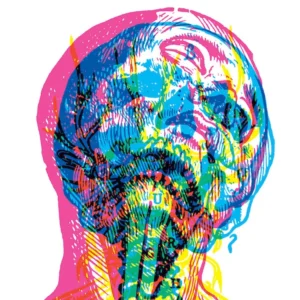
For Mandy, Indiana, inspiration could come from anywhere, and their ears are as attuned to the sounds in their environment – whether close to (or in the literal walls of their) home or entirely foreign – as the ways they can be imagined into their piercing, uncanny body of work. And the body is precisely the animating force on URGH, their first album for Sacred Bones, which partly took shape during “an intense residency at an eerie studio house” near Leeds, but mostly, and painstakingly, over long distances. Buzzing, thrashing, and sloshing through unpindownable spaces that can only be defined by the coordinates of their own band name, the album similarly inspires countless reactions but can only really be captured by its own title. Read our inspirations interview with Mandy, Indiana.
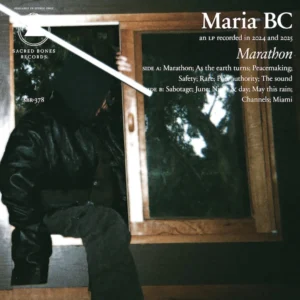
Following 2022’s Hyaline and 2023’s Spike Field, Maria BC‘s new album places an emphasis on songwriting over the gauzy, fragmented production that marked their earlier work. Hazy synths, twitching rhythms, and a blur of overlapping instrumentation still add nuance and density to the songs, but you can imagine them stripped of their textural brilliance, still hauntingly resonant. “The interesting thing about being vaguely ambient musicians for both of us is that without the verb, and without the dream zone additions,” Marissa Nadler said in a conversation with the Oakland-based artist, “I think that your music still stands up very strongly, even if you were to play unplugged on the street. That’s, to me, the mark of a great songwriter.”
As beautifully pastoral as 2023’s The Land Is Inhospitable and So Are We, with live instrumentation by the band that accompanied her on The Land tour, Mitski’s startling eighth album gestures at a cohesive narrative rather than breathing life into a series of interconnected vignettes. Still, there’s more than one way to connect the dots: from one song to the next, from new to old, nothing to everything. Just listen, though, and you might find her longest album (at 35 minutes) to also be her boldest statement to date. Read the full review.
Nothing have been on a two-year album cycle since 2014’s Guilty of Everything, and though they remained busy between 2020’s The Great Dismal and their fifth album and Run for Cover debut, a short history of decay, the break allowed Domenic “Nicky” Palermo the stillness to properly reflect on his pre-Nothing days – growing up with an abusive father, spending two years in prison – and the toll of keeping the band going, both on his body and his relationships from home. Named after a book by Romanian philosopher Emil Cioran, a short history of decay takes a step back to mirror the raw humanity that’s been responsible for the band’s survival, articulating, gently yet vigorously, traumas better shrouded on previous records. “When I was old/ Ain’t life terrible/ With beautiful things getting between,” Palermo sings on the opener. This may be Nothing’s final chapter, but they still traffic in that in-between. Read our inspirations interview with Nothing.
Listening to the follow-up to 2023’s The Window on repeat, an empty chair was always in my periphery, and I would sometimes find myself staring at it while letting the songs do the talking: projecting, sure, but mostly getting lost in their sprawling journey, closing my eyes to appreciate their textures – homed in with producer Chris Walla – and spinning my head in pure joy. I was grateful for their lonely revelations but eager to put it on in the car, on a long drive surrounded by loved ones. If you have listened to a Ratboys record before, you already know the new one is as tremendously open-hearted and emotionally piercing as it is ultra-catchy. The subject matter may seem heavier this time, but it feels less like pulling a blanket over the unvarnished truth than warming the room that could make it unravel, keeping the door open for anyone who’d like to enter. Read our inspirations interview with Ratboys.
Recorded at Chicago’s Electrical Audio, Remember Sports‘ new album, their first for Get Better Records, refashions the surreal collision of past and present selves – inspired by Perry’s job teaching at an elementary school through COVID – as a head-spinning emotional ride, from the guttural rawness of ‘Across the Line’ to the hypnotic recollections of the bagpipe-led ‘Ghost’. “The kitchen table split in two and I thought of you,” Perry sings on the latter, the whole band ensuring that train of thought – bending time and reason as it does – is a thrill to follow. Read our Artist Spotlight interview with Remember Sports.
Philadelphia singer-songwriter Greg Mendez has announced a new album, Beauty Land, which is set for release on May 29 via Dead Oceans. It’s led by the new single ‘I Wanna Feel Pretty’, a lilting tune with a very pretty melody indeed. Check out its Rhys Scarabosio-directed video below, and scroll down for the album cover and tracklist.
“I spent most of my childhood in the suburbs, surrounded by the American Dream,” Mendez said of the song’s accompanying visual. “Grand and lonely, strip malls and housing developments. Cathedrals of consumerism and reconstituted culture. The stores weren’t built for the towns, the towns were built for the stores. No one really belongs. The dream is close enough to smell but as soon as you reach out, your hand passes right through – a hologram of a promise. I hoped this video would feel like that.”
Beauty Land follows Greg Mendez’s 2023 self-titled album as well as his First Time / Alone EP. Most of it was recorded directly to tape in his makeshift home studio, a small room with no natural light. In support of it, Mendez will head out on a North American tour, with Artist Spotlight alumni Scarlet Rae and Maria BC opening.
Beauty Land Cover Artwork:
Beauty Land Tracklist:
1. I Wanna Feel Pretty
2. Looking Out Your Window
3. Mary / Dreaming
4. Everybody Wants To Be Your Friend (Except Me)
5. Gentle Love
6. Frog
7. It Breaks My Heart
8. Sunsick
9. No Evil
10. Geranium
11. Interlude in D Minor
12. Serving Drinks
13. So Mean
14. Concussion
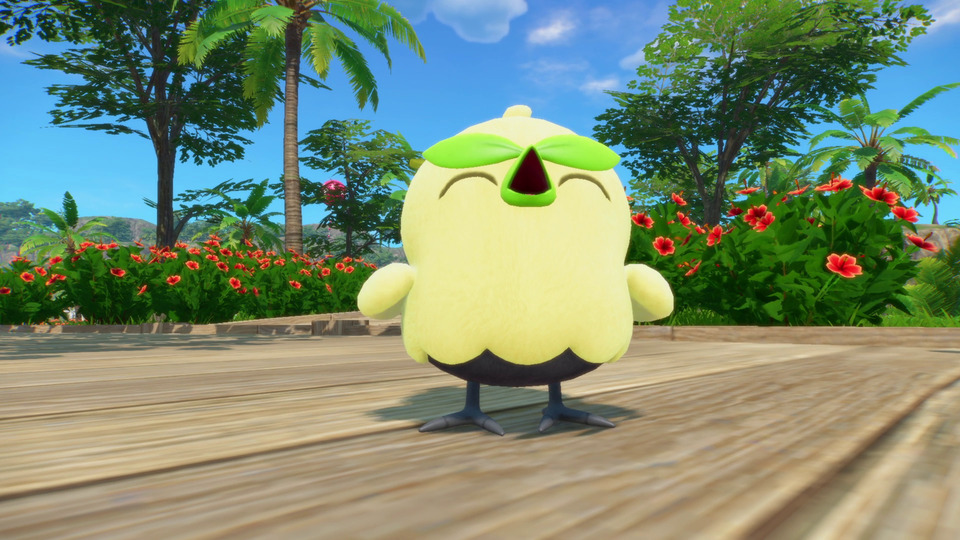
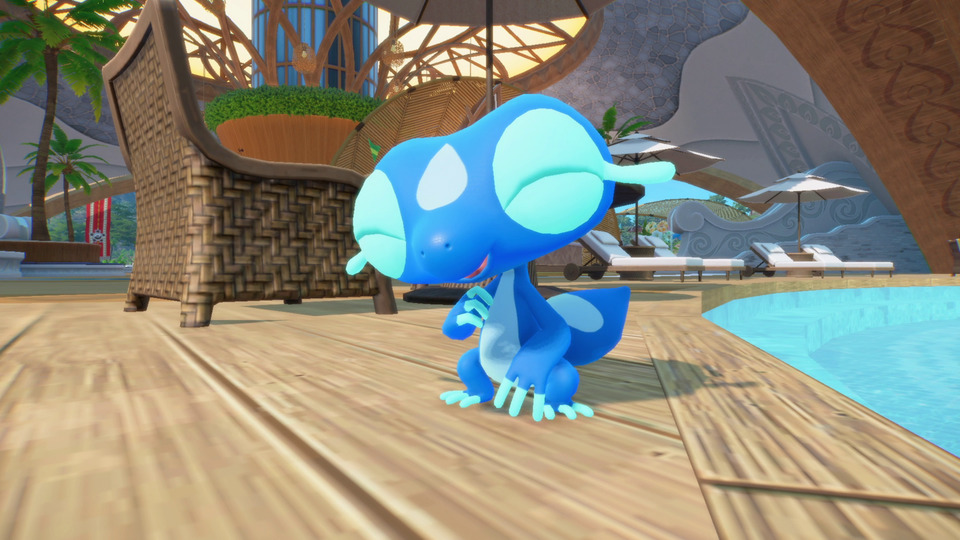
Who are the Pokémon Winds and Waves starters? Now that Pokémon Winds and Waveshas been shown off for Switch 2 during the recent Pokémon Presents showcase, we’re finally getting a better idea of how the next mainline game will look, starting with the partners that kick off your journey. Alongside a sweeping look at a tropical, open-world region set to launch on Nintendo Switch 2 in 2027, we were introduced to the three Gen 10 Pokémon Winds and Waves starters who will be by your side as you begin your adventure. You’ll need to pick one of the three starters, Browt, Pombon or Gecqua, to be your partner through your first battles, early gym challenges, and everything the new region throws your way. So to better understand your options, here’s a closer look at all the Pokémon Winds and Waves starters you’ll be choosing between.
Pokémon Winds and Waves: Every Starter Pokémon Revealed for Gen 10
There are three starter Pokémon waiting for you in Pokémon Winds and Waves: Browt, Pombon, and Gecqua. Despite sticking with the classic Grass, Fire, and Water setup, each brings something fresh to the table, whether it’s their designs or how they might perform in battles. These are the first (of hopefully many) brand-new Pokémon revealed for Gen 10, and they’ll be your partners as you make your way through the region, take on your first gyms, and start shaping your adventure. Here’s everything we currently know about each of them.
Browt is the Grass-type starter, and it will immediately grab your attention with the leafy “brow” sitting right on its forehead. It’s full of energy and always on the move. The official description says, “This Pokémon runs about energetically while photosynthesizing using the leaves on its brow. It’s lively, but it can also be a bit clumsy.”
Image Credit: Pokémon
Pombon
Category: Puppy Pokémon Type: Fire Ability: Blaze Height: 1’4″ Weight: 14.7 lbs
Pombon is the Fire-type starter this generation and could easily be one of the cutest Fire starters in a while. Inspired by a Pomeranian, it’s small, fluffy, and covered in bright orange-red fur, with a faint glow just under its throat.
Here’s what the official description says about that glowing spot: “The area below its throat glows faintly from the heat-generating organ within its lungs. This Pokémon is guileless and friendly.” During the reveal trailer, Pombon was shown inside a volcano, which has already got fans guessing about a potential Fire/Rock evolution. For now, though, it’s still a pure Fire-type with Blaze as its signature ability.
Image Credit: Pokémon
Gecqua
Category: Water Gecko Pokémon Type: Water Ability: Torrent Height: 1′ Weight: 9.5 lbs
Gecqua rounds out the trio as the Water-type starter and arguably carries the most mysterious presence. It’s a blue gecko with large eyes and a teardrop marking between them. The official description for Gecqua reads, “This Pokémon launches springy balls of water from its tail. Gecqua is very intelligent and maneuvers shrewdly while putting on airs.”
From what’s been shown so far, Gecqua comes across as more of a thinker than a straight-up brawler. During the reveal, Gecqua was seen exploring jungle areas, and its purple markings suggest it could pick up a second type later on. For the time being, it’s a pure Water-type and has Torrent as its ability.
Right now, Browt, Pombon, and Gecqua are the only original Gen 10 Pokémon officially revealed and we also don’t know what they evolve into or if they’ll gain secondary typings. For more gaming news and guides, be sure to check out our gaming page!
This autumn, the National Gallery will stage Renoir and Love, a major exhibition devoted to Pierre-Auguste Renoir. It will be on view from 3 October 2026 to 31 January 2027. Bringing together 45 works, this marks the most significant presentation of the artist’s paintings in the UK in two decades, and the first exhibition dedicated to him at the museum since 2007. Organised in partnership with the Musée d’Orsay and the Museum of Fine Arts in Boston, the show focuses on the pivotal years between the mid-1860s and mid-1880s, when scenes of modern love and sociability became central to Renoir’s art.
At the heart of the exhibition are celebrated works such as Dance at the Moulin de la Galette (1876), shown in the UK for the first time, alongside large-scale compositions including The Umbrellas (1881–85). Moving from early scenes of everyday life to bustling images of cafés, theatres and suburban leisure, the exhibition traces Renoir’s sustained engagement with affection, flirtation, friendship and family life. Paintings such as Dance at Bougival (1883), The Promenade (1870) and The Conversation (1878) demonstrate how he reimagined the rococo fête galante for modern Paris, capturing fleeting moments of intimacy with a lightness that mirrors his fascination with sunlight itself.
The final section turns to the mid-1880s, when Renoir began shifting away from Impressionism’s emphasis on atmosphere towards more solid and sculptural forms. The inclusion of The Great Bathers (1884–87) signals this transition, closing the exhibition on a work that points beyond the spontaneity of his earlier scenes toward a more classical ambition. Together, the paintings offer a look at how Renoir positioned love and human connection at the centre of modern life.
We all have a long-lost friend we like to romanticize from a safe distance. The one you swear you’ll reach out to again, just not today. Or this decade. Don’t worry though, at Fendi, it took 37 years. And the reunion succeeded, though not over coffee, this one unfolded on a Milanese runway. The friend, of course, is Maria Grazia Chiuri.
After graduating from Rome’s Istituto Europeo di Design, 1989 rolled around and Fendi happened. The urge stuck, for ten full years, spent deep in the accessories department, Baguette designs and all. In 1999, she moved on to Valentino, same category, this time alongside Pierpaolo Piccioli. Not long after Valentino Garavani stepped aside, the two were promoted to co-creative directors, fashion just loves a slow-burn power shift. By 2016, Christian Dior called and Chiuri became the first woman to take the creative director seat, right after Raf Simons. And then came 2025. All the way back to where she started, Fendi. “I’m here to give back what they [the founding family] gave to me,” she told Vogue.
And it showed. “Less I, more us” was the show’s motto, literally underfoot, stamped across the runway. Chiuri looked like she had a mental list of house upgrades, starting with the obvious. FF stands for Fun Fur, after all. And it was everywhere, coats, jackets, trims, even collars. Though, the good stuff went to the men strutting Fendi’s runway. A nod, maybe, to that tired idea, that men are perfect for womenswear and women somehow can’t touch menswear, flipped on its head. With the new Echo of Love project, clients get to play atelier for a day, reworking their own furs into something new.
Hair aside, Chiuri layered in a streetwear-meets-workwear twist, T-shirts sporting phrases like “rooted but not stuck”, thanks to a collab with artist Sagg Napoli. Think khaki overalls, denim and cargo pants, and parkas. She played with the silhouette, revived the beloved Baguette, and gave the collection a cleanse after years of color. Some of it was business, some romantic, and some pure Chiuri. But the whole thing stayed grounded. And if “grounded” is good at one thing, it’s leaving people either thrilled or bored, no middle ground, ever.
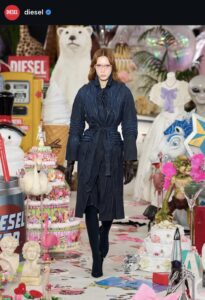
Something tells me that Glenn Martens either just lived through a marathon of nightlife or is mourning the parties he’s missing. Hard to tell, given the guy’s busy juggling Diesel and Maison Margiela. Either way, Milan Fashion Week kicked off with a lineup of models that looked like hungover ghosts had raided their closets after surviving every Milanese minibar.
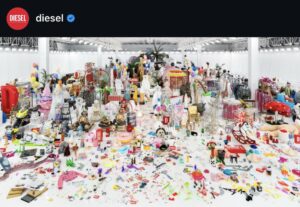
I don’t think anyone who spent their Tuesday afternoon navigating CNMI’s Fashion Hub on Milan’s Via Moncucco 35 expected to walk into what looked like a very funky ragpicker’s yard. In reality, it was a massive immersive installation of repurposed items. Picture a motorcycle next to a nutcracker statue, in front of a Renaissance dress, a colorful umbrella behind it with a unicorn underneath, a giant wedding cake nearby, and an actual car just a few steps ahead, surrounded by clowns, rocking horses, and martini glasses. I felt mildly threatened by an alarmingly huge chicken, though little pink flamingos sprinkled around somehow made it all okay. The entire spectacle was Diesel memorabilia dating back to 1978, which fits perfectly with the brand’s love affair with upcycling, Successful Living, and Glenn Martens’ idea of a collection about waking up in a stranger’s living room.
Tank tops and cardigans looked like they’d been wrestled from closets in a panic, layered over creased denim paired with unexpected patterns, and cozy blankets turned into outerwear. Florals peeked out of collars and cuffs as if the wearer had grabbed whatever was lying closest, while skirts and dresses were shaped in playful disorder, like they’d been grabbed mid-hustle from a bedroom floor. Deconstruction, mix-and-match, volumes, florals, faux fur, and splashes of bright color turned the runway into a sort of stylish scrapyard. By the end, you weren’t sure whether you’d seen fashion or a very good-looking, post-party fever dream, and honestly, you didn’t want to know the difference.
Gaming on a tablet has evolved into a serious experience, especially as mobile games become more demanding. Players now expect fast load times, smooth visuals, and consistent performance. Unfortunately, not all tablets are built to handle these expectations, and lag can easily ruin even the best gameplay moments.
Many gamers start exploring devices like the Apple iPad Air, but the goal is to find a tablet that matches your play style and delivers reliable performance. From high-end options to budget-friendly picks, here are some of the best gaming tablets to try if you want to eliminate lag and enjoy a smoother experience.
Best Gaming Tablets for Smooth Performance
When it comes to gaming tablets, it is essential to have the right one to ensure optimal game performance. With many options on the market today, it is vital to choose one that provides a smooth gaming experience without lag or overheating. Although it is essential to have a device that performs well in terms of processing and other related features, it is equally important to have one that is consistent in its performance and usability.
Here are some of the gaming tablets that have been chosen as the best based on their performance and ability to provide users with a smooth gaming experience:
1. Apple iPad Air (Balanced Performance and Portability)
The Apple iPad Air is an excellent choice for gamers seeking a device with balanced performance and portability. The device supports a wide range of popular games, making it an efficient tool for daily use. The device’s light weight is an added advantage for gamers, especially during extended gaming sessions, as it is a feature most users will appreciate.
In terms of reliability, the Apple iPad Air provides consistent battery life and performance. The device does not heat up quickly during use, ensuring gamers enjoy a smooth experience even during extended sessions. For gamers seeking a reliable device that supports gaming and other activities equally well, this device is an excellent choice.
2. Samsung Galaxy Tab S9 (Android Powerhouse)
The Samsung Galaxy Tab S9 is a powerful Android device that any gamer would love if they want a premium feel. This device can play almost any game without any lag. The display screen also helps to enhance the overall feel of the game by making the colors pop. For any Android enthusiast, this device is usually one of the top options to consider.
Apart from its powerful performance, this device also allows for multitasking, which is quite handy for any gamer. The device also offers a premium feel that any gamer would love. Therefore, this device provides a well-rounded experience for any Android enthusiast.
3. Lenovo Tab P12 Pro (Great for Entertainment and Gaming)
The Lenovo Tab P12 Pro is a powerful device that any gamer would love to have for their gaming experience. This device features a large screen that enhances the overall feel of any game. Although this device may not be as powerful as the others reviewed here, it does play almost any game quite smoothly.
The reason this device stands out from the rest is that it delivers a powerful experience at a lower cost than the others. This device provides a smooth experience for any mid-range gamer. For any gamer looking for a device that delivers a powerful experience for both gaming and streaming, this device is a perfect fit.
4. Samsung Galaxy Tab S8 (Reliable All-Rounder)
The Samsung Galaxy Tab S8 remains a reliable device for any gamer who wants to experience a powerful experience. This device plays almost any game quite smoothly. Therefore, this device would be perfect for any gamer who wants to play their favorite games.
The reason this device remains a top option for any gamer is the fact that it provides a balanced experience. Although this device may not be the latest in the market, it remains powerful enough to play almost any modern game without any issues. This device also has a sturdy feel that any gamer would love.
5. Xiaomi Pad 6 (Best Value for Money)
The Xiaomi Pad 6 is a great device for gaming, especially in the value-for-money segment. It has great specs and performance, allowing users to enjoy smooth gaming sessions without burning a hole in their pockets. It is a favorite among many gamers, especially the ones who are budget-conscious.
Despite its affordable price, the device offers a high refresh rate, providing a smooth gaming experience. In addition, the device is lightweight and easy to hold, making it a great option for long gaming sessions. If you are looking to get the most out of your money, the Xiaomi Pad 6 is definitely a great option.
6. Amazon Fire Max 11 (Entry-Level Gaming)
The Amazon Fire Max 11 is a great device for beginners who are new to playing games on a tablet. It has great specs and performance, which allow users to enjoy smooth gaming sessions. Although it might not be the best option for playing heavy games, it is a great option for playing casual games.
The device is affordable and comes with great specs, making it a great option for beginners. In addition, it is a great option for people who want a device they can use in their day-to-day lives. For beginners, it is a great option, and they will not have to worry about anything.
A good gaming tablet can change the game and be a great addition to your gaming setup. There are many great gaming tablets on the market, and there is definitely a device for every kind of gamer. Some people are more interested in the device’s performance, while others are more interested in its portability and price.
Although the Apple iPad Air is a great device, the final choice will be based on personal preferences. If you choose a device based on your preferences, you will definitely have a great experience and enjoy lag-free gaming.
Streaming did not just change how people watch things. It changed how entertainment is built and experienced. What started as a way to watch films online turned into something much bigger. Now it touches almost every corner of entertainment. Music moved there. Sports followed.
Areas that once depended on physical venues now live partly online.
What makes streaming powerful is immediacy. Content appears when it is needed. There is no waiting for schedules or physical releases. Entertainment shifted from planned viewing to instant access, and that changed behaviour across entire industries.
Casino Games And The Rise Of Live Streaming Tables
Casino gaming changed in a big way once live streaming entered the picture. Online casinos already existed, but live dealer games added something different. Real tables. Real dealers. This is all shown through high-quality video feeds.
This changed how people interacted with online casino games. Instead of playing against animations, players could watch a real person dealing cards or spinning wheels in real time. That created a stronger sense of social connection that some people look for in games. Sportaza’s online casino games connect people with real dealers in games including blackjack and roulette.
The pace also feels different. Live streaming introduces natural pauses. Cards are dealt at human speed. Wheels spin naturally. That rhythm feels closer to physical casino environments. Some people prefer layouts and sites like Sportaza provide choices and options for how people play.
Technology made this possible through faster internet and better video compression. High-definition streams now run smoothly across phones and laptops. The result is a hybrid experience where physical casino atmosphere meets digital convenience. Increasing internet speeds have definitely helped this to become more straightforward.
Sports And The Shift To Constant Access
Sports changed dramatically through streaming. Matches are no longer limited to television schedules. Fans watch games on phones or tablets wherever they are. Highlights appear seconds after they happen.
Streaming also changed how sports are produced. Alternative camera angles. Player-focused streams. Commentary options. Fans choose how they experience events.
Even smaller leagues gained visibility. Streaming platforms allow events to reach global audiences without traditional broadcasting barriers. That exposure changes how sports grow.
Movies And TV In The On-Demand Era
Film and television were early drivers of streaming. The industry still feels the impact. Release windows changed. Entire seasons arrive at once. Viewers control pacing.
Streaming platforms also changed what gets made. Niche genres find audiences because distribution is global. Stories that might not fit traditional broadcast schedules now have space to exist.
Production styles change. Shows are written with binge viewing in mind. Story arcs stretch across episodes more smoothly. Cliffhangers feel different when the next episode sits one click away.
Shows like Fallout have proven to be big successes in recent years. Even though the second season has only just dropped, people want to know what the third season has in store.
Gaming Content And The Rise Of Watching Play
Streaming turned gaming into spectator entertainment on a massive scale. Watching someone play a game became entertainment in its own right.
Platforms allow players to broadcast gameplay instantly. Audiences form around personalities, and YouTubers and Twitch streamers are increasingly common (and famous). Many of the top streamers on Twitch are in the gaming niche. Some players and fans watch for commentary and reactions.
This also influences game design. Developers know games will be watched as well as played. Visual clarity and pacing matter more than ever as the games are digested differently.
Esports also grew alongside streaming. Tournaments reach global audiences easily. Commentary and analysis now sit alongside gameplay in real time.
Music And Live Digital Performances
Music streaming is not just about recorded tracks anymore. Live digital concerts and sessions are now normal. Artists perform for global audiences without needing massive venues.
Fans can watch performances from anywhere. Some shows include interactive elements – bands and artists can get creative with it.
This changed how artists connect with audiences. Distance matters less. Reach expands.
Why Streaming Continues To Expand
Streaming works because it removes distance and delay. Entertainment becomes immediate. Global audiences access content at the same time and can quickly chat about the latest season of a show or what is happening in a big esports tournament.
Technology continues to improve. Faster connections. Better video quality. Lower delay between broadcast and viewing. These improvements make streaming feel natural.
Content creators also benefit. Distribution costs drop. Audiences grow faster. Creative freedom expands.
The Future Looks Permanently Streamed
Streaming is no longer a trend. It is infrastructure. Entertainment industries now build around it rather than adapting to it.
Casino games use it to recreate physical experiences digitally. Sports use it to expand audiences. Film and TV use it to change storytelling. Gaming uses it to turn play into performance.
The biggest change is how natural it feels. Streaming no longer feels like technology. It feels like how entertainment simply works.
According to a recent report from Consumer Affairs, Americans spend roughly four and a half hours on their phones every day, which is up 52% from 2022. The report also notes that we check our phones roughly 200 times a day.
In a time when graphic design is center stage on our smartphones, the work of Ingrid Schmaedecke feels tangible. From a green gelatin exhibition title that slowly dissolves over time to a sake-lover illustrated cat that has become a cult icon in Greenpoint, Schmaedecke’s portfolio defies the “flattening” of modern branding.
A designer, architect, and strategist based in Brooklyn, Schmaedecke has spent the last eight years building a reputation for material logic—a design philosophy where the medium is just as important as the message. Whether she is working on environmental wayfinding for major museums or a digital archive for indigenous construction techniques, her goal remains the same: to create identities that don’t just look good, but behave with intent in the physical world.
For many designers, “style” is a signature. For Schmaedecke, it is a variable. “The material and visual language in each case comes from the concept, never from a personal style,” she explains. This approach allows her to pivot between projects that seem, on the surface, to have nothing in common.
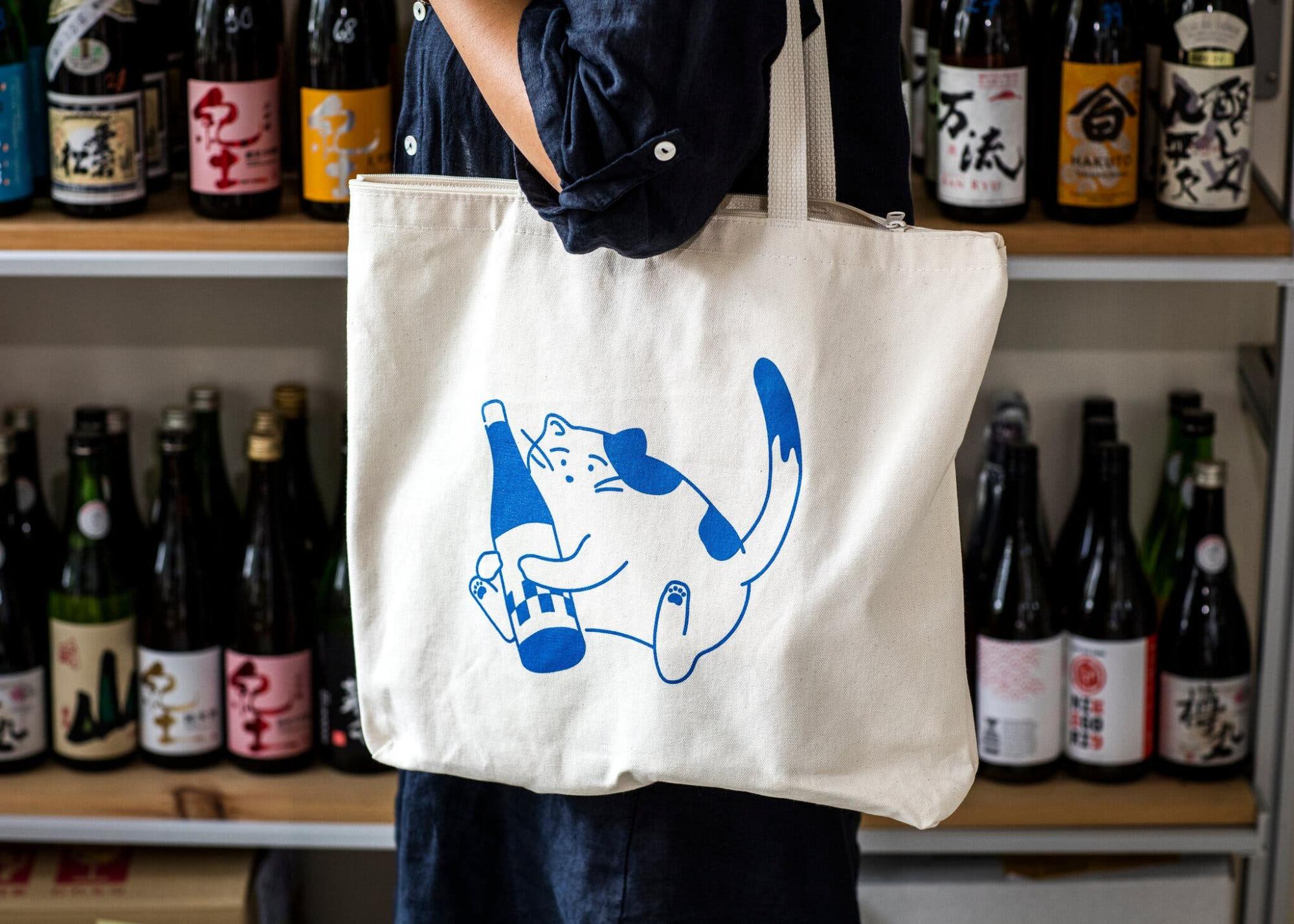
Take, for example, her work at Isometric Studio for Bin Bin Sake. The brand is centered around a “disarming” character—a chubby, relaxed cat named Bin (Japanese for “bottle”). What began as a loose sketch in a notebook during a client meeting blossomed into a comprehensive visual system. Bin Bin is seen serving, napping, biking, and partying across tote bags, bingo cards, and storefronts.
“The client wanted something different from the traditional Japanese ‘Maneki-neko’ (the beckoning cat),” Schmaedecke recalls. “Bin Bin ended up carrying a lot of the identity. People post photos of the tote bag with their own cats, and I sometimes spot people wearing it on the streets. It became something people genuinely adopted.”
In this instance, the “design” wasn’t just the logo; it was the warmth and relatability that allowed a commercial brand to enter the domestic lives of its customers.
Schmaedecke’s obsession with materiality isn’t a recent development; it’s built into her DNA. Growing up in Brazil, she watched her father work in his woodshop, eventually building things alongside him. This tactile upbringing led her to a Bachelor of Architecture from the Federal University of Paraná (UFPR), a degree that fundamentally shaped her spatial thinking.
Before moving to the United States, Schmaedecke established herself in the Brazilian design workforce. At the Museu Paranaense in Curitiba, she served as the Coordinator of the Graphic Design Department. There, she wasn’t just designing posters; she worked alongside the museum’s direction on the institutional re-design, collaborating with anthropologists and curators to ensure that the museum’s visual identity resonated with its diverse cultural mission.
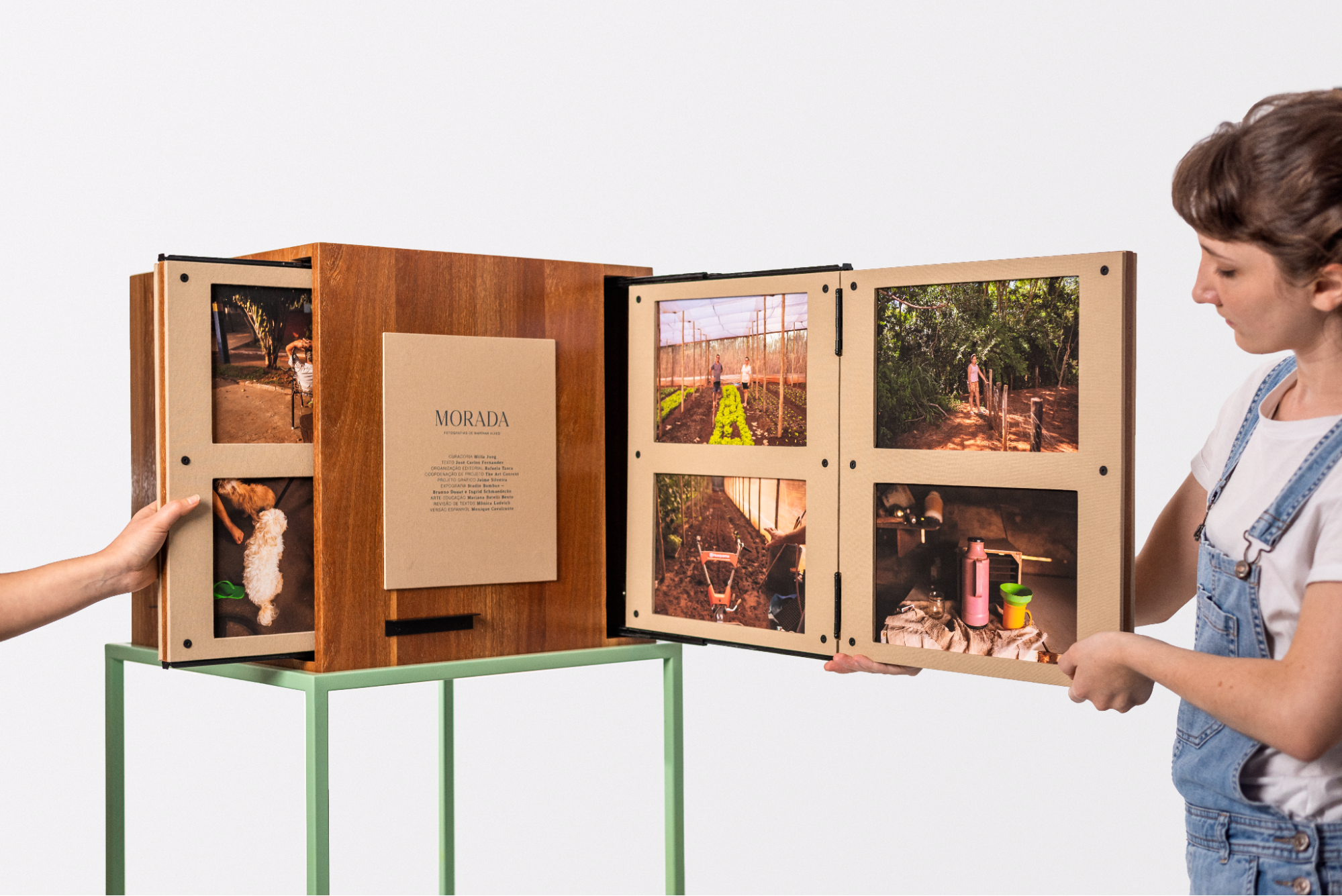
Her architectural roots are perhaps most visible in the Caixa Morada, a project that sits at the intersection of furniture and exhibition design. The wooden structure is a literal “exhibition in a box” that folds into its own shipping container and unfolds into a full-scale display. It is a masterclass in logistics and aesthetics, proving that an exhibition can be a three-dimensional object that designs itself into its own constraints.
While some of her work is designed to dissolve, other projects are designed to be timeless. One of her most significant contributions is Dimensão Imaterial do Habitar e Construir Indígenas (The Immaterial Dimension of Indigenous Living and Building). Working alongside a team of architects and anthropologists, Schmaedecke led the graphic design for the project at the Museu Paranaense, bridging a gap between archival history and living communities. The museum held over a thousand photographs and films of the Xetá, Kanhgág, and Guarani peoples from the early 20th century—images that the communities themselves had often never seen.
Schmaedecke designed the digital archive and visual system for the project, which recorded the oral responses, memories, and technical building knowledge of indigenous representatives as they viewed the archives.
“This project needed to last, to overcome the forgetting,” she says. In this context, the visual system wasn’t about “looking good” for a design gallery; it was about legibility, care, and accessibility for a community reclaiming its own history.
By drawing on her multidisciplinary background—ranging from her co-founding of Studio Bombus, a practice spanning graphic design, furniture, and architecture, to her work with ATO1Lab at the Oscar Niemeyer Museum—Schmaedecke treats every project as a spatial challenge. Whether it’s a character on a tote bag or a wayfinding system in a massive cultural institution, she asks: How should this behave over time?
In Schmaedecke’s world, design is not a static image on a screen. It is a living thing—something that multiplies through social media, dissolves in a gallery, or preserves a culture for the next century.
“I always want the identity to do something beyond looking good,” she concludes. “It should carry an idea.” And in an industry often obsessed with the “now,” Schmaedecke’s focus on the “how” and the “where” is precisely what makes her work feel so permanent.
Images courtesy of Ingrid Schmaedecke and Isometric Studio.




 On the cover of his new album The Mirror,


 hemlocke springs’ going…going…GONE! EP, not only showcased her knack for larger-than-life, 80s-inspired, maddeningly catchy art-pop, but also led to her opening for the likes of Conan Gray, Ashnikko, and Chappell Roan, the latter of whom
  On a purely textural level, it’s easy to dismiss
  Lord Jah-Monte Ogbon paces himself all the way through As of Now, his 17-track debut LP for Lex Records. That doesn’t always mean taking things slow: there’s definitely an unsteadiness to the album’s flow, punctuated with the nerve to splice together beats seemingly destined for separate tracks, over which the Charlotte rapper has no trouble triangulating his humour, swagger, and pure skill. You could even argue the beat-switching reflects some of the emotional shiftiness he admits to on the record, one where the skits and adlibs are as vital to the storytelling as his truth-spilling, heartbreaking soliloquies. But Jah-Monte never trips over the music as its layers and characters pile up; he keeps steering the wheel, anchoring it in the present as the only place he can assess both his past and future.
 For Mandy, Indiana, inspiration could come from anywhere, and their ears are as attuned to the sounds in their environment – whether close to (or in the literal walls of their) home or entirely foreign – as the ways they can be imagined into their piercing, uncanny body of work. And the body is precisely the animating force on URGH, their first album for Sacred Bones, which partly took shape during “an intense residency at an eerie studio house” near Leeds, but mostly, and painstakingly, over long distances. Buzzing, thrashing, and sloshing through unpindownable spaces that can only be defined by the coordinates of their own band name, the album similarly inspires countless reactions but can only really be captured by its own title.
  Following 2022’s Hyaline and 2023’s Spike Field,
 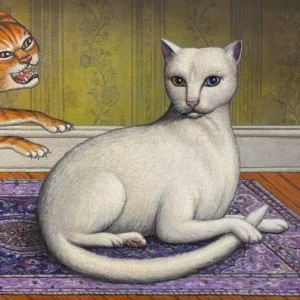 As beautifully pastoral as 2023’s
 Nothing
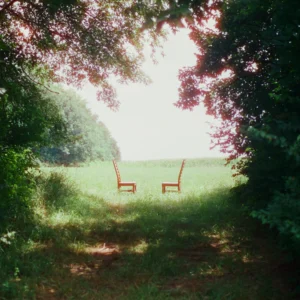 Listening to the follow-up to 2023’s The Window on repeat, an empty chair was always in my periphery, and I would sometimes find myself staring at it while letting the songs do the talking: projecting, sure, but mostly getting lost in their sprawling journey, closing my eyes to appreciate their textures – homed in with producer Chris Walla – and spinning my head in pure joy. I was grateful for their lonely revelations but eager to put it on in the car, on a long drive surrounded by loved ones. If you have listened to a
  Recorded at Chicago’s Electrical Audio,