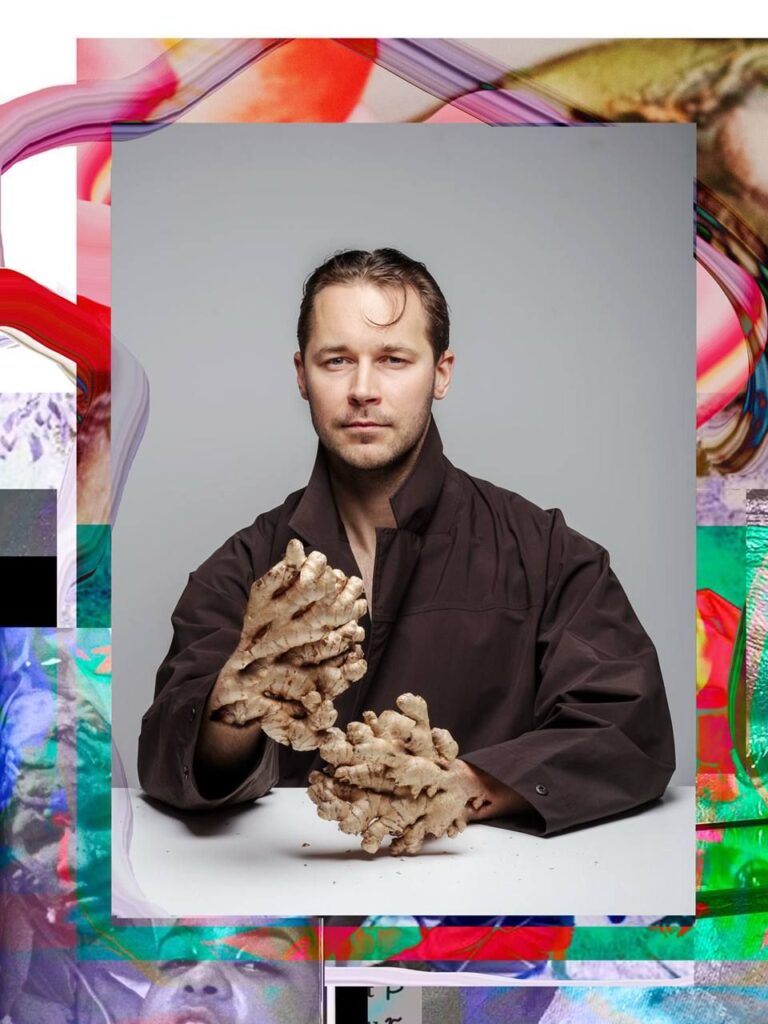
The experiences of going to a theater performance and digital entertainment might feel quite different from one another but online worlds have started to become more theatrical over time. The main objectives of theater performances is to engage with the audience, take them on an emotional journey and provide an experience that they remember long after they leave the venue.
As digital entertainment has evolved with more capabilities, many of the enhancements have been focused around the same objectives that have attracted people to performing arts theaters and movie theaters for many years. Capturing the attention of the audience and maintaining that attention for a long period is the main goal across both forms of entertainment and digital developers use theatrical elements to achieve this.
These are some of the ways that the online world incorporates theatrical features:
Performative Streamers
Some of the most successful streamers enhance their content through being performative and providing the audience with a show. Many streamers use humor, some like to shock the audience and they narrate throughout their stream, creating a storyline. Streamers with fun personalities are able to build up large numbers of viewers, captivating them with constant commentary.
Online Games Use Strong Storylines
Popular video games often use immersive storylines that build a stronger connection with characters. Games like The Last of Us replicate the storyline of the drama series, with developers knowing that the storyline has been successful at captivating an audience.
Using emotional storytelling draws a player deeper into the game and increases emotional investment in the game. Players take on roles, in a similar way to an actor in a movie or stage performance, making decisions that shape the outcome.
Online casino games have also incorporated theatrical elements, such as having a live dealer playing their role in card games and making the experience feel more like stepping into a real casino. VR technology has also helped casino game developers to bring players into a 3D world, where they are able to walk around the casino and interact with people and place chips on tables.
Lots of the most popular casino games are developed around storylines, which you can see in the game choices here on Tikal Casino. Themed slots have mini storylines like adventure or mythology and progression systems also use storytelling to represent unlocking new stages or bonuses.
Cinematic Game Design
Online games also take design inspiration from the movie industry, using sounds and lighting to evoke psychological reactions. Game design has become so sophisticated that players feel like they are playing within movie scenes, with directed camera angles and seamless transitions between the story and gameplay. Playing video games can feel like a cinematic experience rather than feeling detached from what is happening on the screen.
The setting design often uses locations that are commonly used in movies, with realistic, high-quality sounds and graphics that create an immersive world.
Social Media Content is More Performative
Over the last decade, social media has become increasingly popular, with TikTok having emerged as the platform with the highest average engagement rate. Videos with high viewing figures often have a character performing within a storyline, with advanced video editing tools, filters and sounds used to create high-quality content with theatrical elements.
Content design has moved away from static graphics and now content is meticulously planned, often scripted and using clear story arcs like a before and after or problem solving storylines. Content creators think more about the visuals and how they can gain the attention of the audience with location choices and through their own performance.
Content creators analyze what type of content has been most successful before when they consider creating new content, using audience feedback to ensure that the content is audience-focused. In a way, this is similar to rehearsing for live shows, working out where things can be improved and then adjusting content along the way.
Algorithms Push Emotive Content
Social media algorithms push content to users based on what type of emotional experiences they have enjoyed before. If users like to watch content that involves shock or a specific style of storyline, they will receive more of this content through the algorithm. Content that is more dramatic will often receive the most interaction, so these types of content styles are prioritized through the algorithms.
The online world has become increasingly theatrical, taking the audience on emotional journeys through more immersive storylines and authentic characters. From streaming and social media video content creation to enhanced set design in live dealer card games, theatrical elements have delivered many enhancements to online worlds.
Jenny Gillespie Mason, the singer-songwriter behind projects including Sis and the Lower Wisdom, has announced a new album. In the Safety of the Light is set for release on June 12 via Native Cat Recordings. Listen to the shimmering lead single ‘Rungs of Love’ below.
Commenting on the new track, Mason said in a press release: “’Rungs of Love’ was inspired by my guru Mother Mirra Alfassa’s descriptions of the rungs of love in a relationship – from selfish love that cares a lot about what you get back, to a love that gives without wanting anything back, to a divine love that serves only God. The song moves between the verses and the chorus from depicting a romantic human relationship, its successes and bumps, to meditating on the relationship I want to have with God.”
Produced by Noah Georgeson (Joanna Newsom, Devendra Banhart, Bert Jansch, Vashti Bunyan), the record was laid down at a private studio in Los Angeles. It finds Mason returning to the kind of acoustic folk music she first began writing as a teenager. “In the Safety of the Light is a project that was building in me for quite a few years, but it took meeting Noah Georgeson for it to reach its fulfillment,” Mason reflected. “Working with someone so kind, calm and creative was what was needed for these songs to become fully formed in their true essence. I hadn’t written strictly on an acoustic guitar for many years, and I felt a return to my original inspiration that led me to becoming a musician as a young teenager – just me and a guitar.”
“Songwise, there is material in the album about trying to live as an aspiring yogi while also trying to be a mother and a wife inside of a weird civilization,” she continued. “Most of the lyrics are very simple and taken from my journals; I didn’t really do much adornment of them, as I wanted the communication to be straightforward and accessible despite the more spiritual leaning subject matter.”
1. Horizontal
2. I Thought I Was Surrendered
3. Medicine of Light
4. Rungs of Love
5. Wonder of the Circle
6. Perseus
7. The Bliss
8. Woman from Nottingham
Prime Video’s animated superhero series Invincible keeps going strong. The show, which has been showered with both critical acclaim and audience enthusiasm ever since it premiered, just wrapped up its fourth season. The ending wasn’t just explosive, but it left a lot of open threads.
Question is: will fans have a chance to find out what happens next? Here’s everything we know about Invincible season 5 so far.
Invincible Season 5 Release Date
Invincible has already been renewed, so there’s at least one additional installment on the horizon.
That said, the show is based on the comic book series of the same name, and there’s a lot of original material left to adapt. As a result, Invincible could easily go on for years.
Before we get ahead of ourselves, there’s a no official premiere date for season 5 yet. Since production seems to be on schedule, we expect new episodes to arrive in early 2027.
Invincible Cast
Steven Yeun as Markus “Mark” Grayson / Invincible
Sandra Oh as Deborah “Debbie” Grayson
K. Simmons as Nowl-Ahn / Nolan Grayson / Omni-Man
Gillian Jacobs as Samantha Eve Wilkins / Atom Eve / Phase One
Zazie Beetz as Amber Justine Bennett
Brandon Scott Jones as William Francis Clockwell
Christian Convery as Oliver Grayson / Kid Omni-Man
What Could Happen in Invincible Season 5?
Invincible is an adult animated series revolving around Mark Grayson, son of Omni-Man, the most powerful superhero on Earth. When Mark develops powers of his own, he takes on the identity of Invincible. However, he quickly learns that being a hero is far more violent and morally messy than expected.
Initially a superhero coming-of-age story, the show evolves into something much darker. Mark is forced to confront the truth about his father’s alien race, the Viltrumites, and Earth becomes a battleground for cosmic-scale conflicts.
On top of that, every victory comes with consequences the characters are forced to grapple with, making Invincible darker than your average superhero fare. There’s also plenty of often shocking violence, while the animation remains one of the show’s strong suits.
The fourth season raises the stakes to a full interplanetary conflict. By the time the finale rolls around, Viltrumites secretly integrate into human society, and there’s a virus that could potentially wipe out everyone with Viltrumite DNA, Mark included.
Invincible season 5 will likely pick off from there. Mark’s decision to let Viltrumites infiltrate Earth will probably haunt him moving forward, and there are several other subplots the series is yet to resolve. Thankfully, it looks like the wait between installments won’t be long this time around.
Are There Other Shows Like Invincible?
If you like Invincible, shows with similar vibes include The Boys, Arcane, She-Ra and the Princesses of Power, The Umbrella Academy, and Harley Quinn.
Nedra Talley Ross, a founding member of the 1960s pop group the Ronettes, has died. The band’s official social media accounts confirmed the news on Sunday, April 26. “It is with heavy hearts that we share the news of Nedra Talley Ross’ passing,” the post read. She was a light to those who knew and loved her.” Ross was 80 years old.
Talley Ross was the last surviving member of the Ronnettes, which she formed with her cousins, sisters Estelle Bennett and Ronnie Spector. She began performing covers with them as a teenager, earning a residency at a local club as well as a record deal, though early singles failed to find success. In 1963, they auditioned for producer Phil Spector, who helped make the group’s breakthrough single, ‘Be My Baby’, which reached No. 2 on the Billboard Hot 100. They released just one album, 1964’s Presenting the Fabulous Ronettes, but landed more hits like ‘Baby I Love You’, ‘Do I Love You’, and ‘Walking in the Rain’. They disbanded in 1967, having just supported the Beatles on their final US tour.
“I hated the ‘dog-eat-dog’ side of show-business,” Talley Ross once said. “I hated pushing for the next record and the feeling of failure if we didn’t get it. There was a continual demand on us to produce that I thought was unfair. My personality didn’t like that.” She also said she left the band out of a desire to make Christian music, and put out her first contemporary Christian record, Full Circle, in 1978. She was married to Scott Ross, a DJ and television personality, from 1967 until his death in 2023.
Ross was inducted into the Rock & Roll Hall of Fame as part of the Ronettes in 2007. Though she had previously turned down being part of a short-lived 1973 Ronettes reunion, she performed with Ronnie Spector at the induction ceremony.
“As a founding member of The Ronettes, along with her beloved cousins Ronnie and Estelle, Nedra’s voice, style and spirit helped define a sound that would change music,” the social media statement continued. “Her contribution to the group’s story and their defining influence will live forever.”
Angelo De Augustine was used to making music on his own. Some may have initially become aware of him around the release of A Beginner’s Mind, his 2021 collaborative album with Asthmatic Kitty label mate Sufjan Stevens, but the singer-songwriter has largely kept the writing and recording of his solo albums a solitary process; his studio is literally called A Secret Place. His new album, Angel in Plainclothes, the follow-up to Toil and Trouble, was once again written, recorded, arranged, produced, and mixed by De Augustine. But he invited outside contributors for the first time in years – including strings arranger Oliver Hill, harpist Leng Bian, Tomb producer Thomas Bartlett, and his mother, Wendy Fraser – in part because the physical burden of taking on every part was overwhelming. The looming backstory of the album is that, after being hospitalized with an undiagnosed illness in early 2022, De Augustine had to relearn how to walk, talk, see, hear, play music, and sing again. But though at times emotionally devastating, it is no document of suffering; it’s unguarded and mystical in its intimacy, shimmering with the kindness of those who have helped him survive. “Sometimes life is too much, you know,” De Augustine told me in 2023. Angel in Plainclothes captures an artist determined to live it.
We caught up with Angelo De Augustine to talk about his healing journey, Kauai, swimming, and other inspirations behind his new album, Angel in Plainclothes.
Healing journey
Revisiting our conversation around Toil and Trouble, you’d said you had albums’ worth of songs that didn’t make it onto that record. I’m curious if there were pre-2022 songs that appear on Angel in Plainclothes, or if they were all written in the period after you were hospitalized.
I wrote this record fairly quickly, if you were to compare it to the last one. It took me about a year to write and record it and arrange it from start to finish, and then mix it. It took me about a year. Toil and Trouble is three years, I think. But these all came probably in 2024, and then I finished the record in 2025.
Was it because it all felt like they were coming from the same place?
Yeah, they were coming from a similar place. I don’t really know why certain songs fit together and why others don’t, and maybe they could fit together. Maybe all you have to do is just say that they do fit together. I’ve got lots of songs that have never come out. Maybe I’ll do a B-sides thing or whatever, but I’d never really done that before. My experience writing is that sometimes you’ll even write songs in the same period of time, but they don’t feel like they fit either, so it’s about finding the ones that feel like they fit together. That’s a process that’s difficult to… talk about, because I don’t really know why it is. Maybe it’s more of an instinctual feeling.
Did your journey of relearning how to see, talk, hear, and play music shift your instincts at all, or the way you were following your intuition?
Oh, that does make a lot of sense. For a long time, I felt like I couldn’t trust myself at all anymore, because I felt like I couldn’t trust my body or what was going on. It took a long time before I could play music again, and then after I could play music, to trust myself more again. It took me probably two years before I could really play music again. At first I couldn’t do it, and then it just felt weird for a long time to play the guitar, to do these things, because I was dealing with all this other stuff. I’ve been on this journey of healing for a while, and what I found with it is that the journey isn’t really linear, in what I normally thought of as linear: you get sick with a cold and you get better in a week. It definitely challenged my view of what’s normal. In that sense, it made it hard to trust anything anymore.
There was no conclusive evidence from doctors, nobody was able to tell me what was going on, nobody was able to help give me anything. So, I had to do a lot of my own research. What I think happened for me is that I was under a lot of stress for a long period of time, and what can happen to people sometimes is that when they are under a lot of stress for a long period of time, and they have a few things that happen that are really challenging at the same time – it’s rare for this to happen, but sometimes it can push someone over the edge of what their nervous system is capable of, and they call that the allostatic load. Basically, that’s how much we can tolerate in our nervous system. And then the nervous system usually calms back down. But sometimes when you go over that threshold, you go into a state of fight or flight, where the brain doesn’t recognize that it can go back to homeostasis, so it stays in that fight-or-flight loop. When that happens, it can cause manifestations of all kinds of physiological symptoms or sensations that don’t really make any sense. But really, what they found is that it’s just the brain creating these symptoms; they’re not a result of anything that’s wrong biologically.
In my journey, I’ve found a number of different ways to try to calm the nervous system. The more you calm it, the more the symptoms go away, and they don’t come back, because the brain goes back to homeostasis and doesn’t feel like it has to create these symptoms anymore. The more you do it, the better you get at it, and the more the brain understands that it’s safe – that you’re safe. But it’s a process of learning to trust again and being educated on how the brain works.
A lot of people don’t know this, but we’ve known since the 1970s that the brain is not fixed. The brain is neuroplastic, meaning it can change its structure and form and its neuronal pathways. That’s why you see a lot of people are able to fully recover from strokes and things like that, because the brain can actually change its structure and how it works. Just knowing that is interesting, especially with something like what I’ve been going through, which is obviously very different than anything that’s, like, diagnosable. What I’ve been dealing with is something that they don’t diagnose, because there’s no physiological cause. People have a lot of names for these things, but they don’t really mean anything. They’re all kind of the same: it just means dysregulated nervous system.
Hiring outside musicians
This record was written in spurts, because I wasn’t often feeling well enough to write a whole song and record it in a day like I used to do. A lot of these songs were written in spurts, and then with the recording, I wouldn’t labor over it that much. I would just try to get a take. I would just give myself an amount of time, and then try to get a take that felt emotional. It didn’t have to be perfect, necessarily, but it just had to have a feeling. At that time, I couldn’t do a lot of the things that I normally wanted to do. I couldn’t set up drums, I couldn’t move around a lot of things, because I was having trouble lifting heavy things. That’s why I wound up bringing a lot of other people in to take some of the heavy lifting, or take some of the burden off of some of the process.
I usually pretty much do everything myself for my records. It’s a self-contained thing that’s probably unusual. I think most people have a producer, they hire a band, they have somebody mix their record for them, and they have someone engineer it. I kind of do all of it. But because I needed some help with some of it, some of the physical aspects of making a record, I hired some people to play. There were a few people: there’s a lady that played harp on it, and my mom did a little on it, my friend Thomas Bartlett played on a couple, and my friend Jonathan Wilson played drums one song. It’s funny, because in the past, I just would never have allowed anybody, really, to play on my stuff. But because I was forced to, it was the only way I was going to get it done. But it wound up actually being a nice experience. I just let people play what they wanted to play. I didn’t micromanage anyone’s performances. What you’re hearing on the record is probably the first or second take that everybody did.
Maybe this is just a semantic thing, but does hiring outside musicians differ to you from the idea of collaboration as you’ve done it in the past?
Yeah, for me, the collaboration thing is a totally different thing. I know people use that word a lot now. But I don’t see hiring outside musicians as a true collaboration. For me, a true collaboration is writing a song with somebody. That’s something that I really never do, and only have done one time with a friend. When I’m hiring people, I feel it as an extension of the song, and they’re just playing whatever they felt at the moment. They’re not invested in the writing of the song, they’re more of a hired gun. And then they leave, and then I’m back to working on my own. Whereas when you’re having a true collaboration with somebody, you’re in the weeds together the whole time. It’s as much your song as it is theirs. At least the way I look at it, but I know people use that word really loosey-goosey these days, and everybody’s collaborating with everybody, and you’re not really sure to what extent people are actually involved.
Kauai
I went there before the record was finished. It felt like my first step towards getting better. It was a subtle shift, but I feel like a lot of times those subtle shifts are actually more profound than we take them for, because they can bring about greater change. When you even take a small step in a direction, I think it allows for greater change. For me, going there was important because it was the first time I had gone on a plane since everything happened to me in the hospital. I was going to a place that, as far as I know, is the most isolated landmass in the world. As you can imagine, it’s a scary thought for somebody in that position to go so far away from home, and you’re not close to hospitals and things like that. But it showed me that I could do it, and it showed my brain that I could do it. And that’s really what this whole thing is about, is showing my brain that I can do anything, and it doesn’t need to freak out.
That was a great thing for me to do, not only because of that, but just because it’s such a beautiful place. It feels like going to heaven or something, it feels like a paradise. That island in particular feels like it’s not on Earth. They call it the Garden Island for a reason. It’s an otherworldly kind of place. I used to go snorkeling every day and see all kinds of beautiful fish. It was good for me to get out of where I was here, and to go there, have a change of scenery, and also a little bit of hope that I can do these things.
You mentioned it wasn’t easy to leave home at the time, but there’s also a deep longing for home, too, on the record. I wonder if you had to reconcile those two things, the need for home and a kind of escape, even if it was mentally going somewhere else.
They do kind of clash with each other. But it was so hard to find home. For so long, I felt like I wasn’t the same person. I felt like I was a different person; in fact, I didn’t even feel like a person. What I went through was so strange, and anybody who I told, they either didn’t believe me, or they just thought, “Well, that’s crazy, that doesn’t even make sense.” For a while, I was just this ghost walking around. I was looking at everybody else living their life; I was just stuck in my house. I suffered a great deal of suffering for a long time. And my version of home is probably most people’s version, which is just feeling like yourself. Not really a place; it’s just feeling like you’re home within yourself. I’m still on that journey of trying to find myself again.
I get glimpses of it. I get more and more glimpses of it, and it’s really nice to feel that, even for a little while. They’re like, “Oh yeah, there I am.” But it’s a journey, for sure. My goal is to find me again, and that’s a lot of what the record is, you’re right: escaping, but also finding yourself. I don’t know if it’s the same thing or if it’s different. I’m not really sure. I think I’ll probably find out as time goes on.
Mary Medallion
The title Angel in Plainclothes, when I think about it, I think about when people go through really horrible things, they usually find something that is helpful for them, whether it’s a symbol or a person. But there’s usually some sort of entity or idea that comes into people’s lives. To me, that’s what an angel in plain clothes is. For me, the Virgin Mary showed up a lot, and the symbol of the Virgin Mary. There happened to be one near my house that I would go to a lot, just to sit by, because I felt some kind of connection or comfort with the idea of this motherly figure. Some feeling of being cared for by that symbol. Now I always wear a gold medallion of the Virgin Mary on a chain, because it makes me feel more protected. It’s a symbol that I think is all over the album. There’s lots of lyrics that reference Mary on the album.
I wound up reading a lot about her after I felt a connection. Mary is the mother of all mothers. I grew up with a single mother, and so mothers are really important to me. I didn’t have a father figure around, so mothers are a big deal to me. But Mary’s also symbolized by the red rose, so there’s a lot of that in the record, too. I felt like I owed it to give some sort of thanks.
It’s funny, when you go through something so horrible, certain people in my life showed up really horribly, and certain people showed up really amazing and said the exact right thing that you need to hear. And I feel like it’s just a manifestation of the goodness in the world coming through. Sometimes the people you least expect say the things that are the most helpful.
Could you share one thing?
I think the thing that was so helpful for me, that kept me alive and kept me going, was just that I had a few people tell me, “You’re gonna be okay, it’s all gonna be okay. This isn’t forever. You’re gonna heal, and you’re gonna be happy. It may be really horrible right now, but ultimately, things are gonna work out good.” That was really helpful to hear when it feels like you’re under so much uncertainty. I had people in my family tell me that, I had some friends tell me that, and that’s what I would tell somebody in a position where they feel they’re going through something really hard, and they feel afraid or overwhelmed. I would probably just tell them that everything’s gonna be okay, because I believe that now. I believe that, ultimately, good things are gonna happen in our lives. We just don’t know when it resolves and it becomes good, but ultimately, I think there’s a plan for our lives that will end up being good.
Your mother, Wendy Fraser, is credited as a background vocalist and percussionist on the record. I’d love for you to maybe tell me more about working with her on the record, or her life in music, or any conversations you had while making the album and making the album.
Yeah she did contribute some background vocals on the record, and then she did some percussion. I feel like mostly, though – I had to go back and live with her, because I couldn’t do anything for a long time. I was really not able to take care of myself, and she’s a big reason why I’m alive and okay, so I owe everything to her. I feel like her contribution to the record is much more than just what he played. It’s more that she took care of me when I wasn’t doing well. If it wasn’t for that, this record wouldn’t even exist. She doesn’t really do music that much anymore, so whenever I ask her to do something, I think she really likes to play or sing on things. It’s nice to have a project she could play on. I think it brings her joy to do that.
Swimming
You mentioned snorkeling, but swimming was another big part of your recovery, specifically in the form of going to your local spa.
That was the first thing that really made a difference for me. I joined this spa near my house, I’m so lucky that it exists. It came about at a time where I really needed it. There’s a lot of different swimming pools and saunas there, and you can go pretty much whenever you want, so I pretty much went most every day for a number of years. I still go sometimes. It was the first realization that this must be nervous system related, that when I went in the water, my symptoms would go away, because I was calm in the water, I felt safe, after not feeling safe for a long time. Water has always been relaxing for me, and discovering that was a really big help in slowly bringing my nervous system back to being in homeostasis again.
Do you feel a part of you had forgotten it was a safe place, or was it a surprise to you that it had this effect?
I was just so grateful that it gave me some relief. I was in a period of such intense desperation for so long that I was just so grateful it gave me some relief, even for a while, because usually it would come back when I got out. It was nice to have something that had some consistency.
Brain retraining
I joined a program which people can join. Lots of people around the world have dealt with similar things to what I went through, things that people haven’t been able to explain, or doctors haven’t been able to really help with. There are a few of these programs that have popped up in the last number of years, because the theory and the programs have gotten a lot more exposure, because they actually work for people. There’s a lot of research that has come out in the last probably five years, where it’s becoming a little more of a mainstream thing. People are learning more about the nervous system, and how this is actual science instead of just some weird thing where people are trying to take people’s money. That’s the worst, when people prey on people that are desperate.
At least the one I went to is not that way. It’s not expensive. It’s not something that you have to do with them. You don’t have to buy their pills, they don’t make pills. It’s more of a practice that you learn, tools that you learn. It would be hard for me to summarize exactly what you do in the program, but if I were to have to summarize it, you’re essentially telling the brain that it’s safe. You do this through acting out motions, through visualization. They use a lot of different modalities in it, but it’s all essentially about retraining your brain, because you’re retraining those neural pathways that got off whack, bringing them back to where they were. A good analogy is a farmer plants a crop of vegetables, and you’re just allowing them to go fowl, and then you’re raking new soil over them, and you’re creating ways for things to grow.
How did retraining the neural pathways relate to music? Did it affect that kind of muscle memory at all, or was it separate from music entirely?
It’s different, because music to me is something I can’t really define. It’s more of a spiritual thing, or a mystery. thing. It doesn’t really have to do so much with thinking a lot about it. Obviously you think about it, but I feel it more as a manifestation of something much greater than me, so I don’t really view it as a muscle or as a craft. That being said, relearning how to do it felt kind of like a muscle, but not really. It was like I was learning this completely new thing that I had no context for. And for a while, I was like, “Is this even true?” But then I actually saw the results of it, and that’s what helped me to believe that it was real.
Rare antique instruments
You talked about playing 27 different instruments on the last record. Given all that we’ve talked about, was the process of experimentation different this time?
For me, I just select the ones that less people know about, just because I’d like to have my records sound like my records. That’s why I collect those, and it’s also kind of like a hobby. I’ve been doing it for a long time. You could dress this song up any way you want; it’s not of huge importance to me, the production side. The thing that I care about the most is the writing of the song. If you have a great song, you could probably arrange it in any way, and it would be great, or you could stick nothing on it, and it would be great. Very few people do that successfully. My main focus has always been trying to get this song so that it could work on its own, but then if you want, you can, and it’s just an extra fun thing.
Where do you find these instruments?
I find them in stores, or online, like on eBay. I find them from people, sometimes I buy them from friends. I’m always finding these instruments that nobody else wants. Usually, they don’t work, and you have to fix them, or you have to source somebody to fix them, and it can be kind of difficult sometimes.
Not trying
That’s one of those things, you can’t try to sound like yourself. But at the same time, you had to try to feel like yourself through this process, even if the musical expression didn’t require the same kind of effort.
Yeah, that’s what I meant by it, the musical side of it. For a long time, before all this happened, when I was in the hospital and all that, my only focus in my life was like, “I want to be a great songwriter.” And I think I paid the price for that, because I neglected taking care of myself. I really changed my whole life, in terms of how I interact with the world and my career, in the sense that I would much rather be healthy and happy and okay than be a great songwriter. I’ve noticed that when you lose your health, you have nothing. You could have all the money in the world, and you can’t spend it if you don’t have your health, or you can’t enjoy anything. You could have a great talent but not be able to use it. Going through everything really made me prioritize me over my career.
Of course I try; it’s an exaggeration when I say “not trying.” It’s up to a certain point. It’s not forcing, not trying so hard that it is harmful, or that I neglect parts of myself that should be cared for. In the music industry, you’re more viewed as a machine or somebody that generates money. You’re not really viewed as a person. A lot of times people that are making creative work are people that need a lot more care and consideration, because a lot of the time they’re really sensitive. That whole thing of not trying, it just applies to making my health and my well-being a priority over any career thing. That is not important in the grand scheme of my life.
Having that realization was a big thing for me, because I was forced to have it. If I could go back, I wish would have just taken care of myself earlier, because then I never would have gone through any of this. But then again, maybe in the future, I’ll feel differently. Maybe I’ll feel like this was all really important to go through so that I could realize this, and so that I could have a nice life. People probably won’t all agree with this, but the way I view it is, regardless of whether artists create better art when they suffer or not, I don’t want them to suffer. I don’t care if they don’t make good art; that’s not really that important. It’s much more important that they have a nice life, to me. After going through what I’ve gone through, it made me really, really compassionate towards other people that are going through things. I wouldn’t care if somebody created great art; I’d rather have them be happy than do that.
This interview has been edited and condensed for clarity and length.
Planning connectivity before a trip ensures smooth access to maps, bookings, and essential services. Mobile data access now depends on digital profiles that replace traditional SIM cards in many devices. Proper timing determines how long the plan remains usable during the journey. Clear knowledge of activation steps prevents loss of valid usage days.
A travel eSIM allows travelers to access mobile data without inserting a physical card. Timing its activation ensures that the validity period aligns with actual travel days. Poor timing can reduce usable days and limit connectivity when needed most. Careful planning supports reliable access from the moment of arrival.
Best Time Before Departure
Installing the eSIM profile before departure helps confirm compatibility and readiness. A short gap before travel allows time to review settings and correct any issues. The profile remains inactive until it connects to a supported network abroad. Early setup reduces stress during travel transitions.
Keeping the eSIM line turned off prevents accidental activation. Device settings should keep the primary data line unchanged until arrival. Any attempt to connect earlier may start the validity period unexpectedly. Proper control ensures full usage during the intended timeframe.
Activation After Arrival
Activation should take place after reaching the destination and turning on the eSIM line. The device will connect to a local network and start the plan automatically. Immediate data access supports navigation, booking confirmations, and communication tools. A stable connection allows quick verification of proper setup.
Airports provide strong network coverage for first connection checks. Travelers can confirm signal strength and data access before leaving the terminal. Reliable activation at this stage reduces uncertainty during transit to accommodation. Early confirmation ensures continuous access throughout the trip.
Factors That Affect Timing
Trip length directly influences activation timing decisions. Short visits require precise timing to ensure full use of available days. Longer stays offer more flexibility, yet timing still affects total value. Planning based on trip duration helps match usage with validity.
Transit routes can affect activation if the device connects during layovers. Network compatibility determines when activation actually begins. Data plans work only within supported regions, so the connection occurs once a valid network is detected. Awareness of these factors helps maintain control over activation timing.
Common Mistakes
Early activation remains a frequent issue among travelers. Testing connectivity before departure may trigger the start of the validity period. Loss of usable days can occur without clear awareness. Avoiding early connection ensures that the plan starts at the correct time.
Incorrect device settings may prevent proper activation. Data roaming must remain enabled for the eSIM profile to connect. The correct data line should remain selected for mobile access. Simple checks prevent delays and ensure immediate usability.
Practical Tips
Preparation before departure reduces technical issues during travel. A checklist helps confirm that all setup steps are complete. Important points include device compatibility, QR code access, and correct installation. Clear preparation supports smooth activation without delays.
Confirm device supports eSIM functionality
Keep a copy of the QR code for backup access
Verify installation in device settings
Ensure data roaming remains enabled
Activate only after arrival at the destination
Monitoring data usage helps maintain control over consumption. Device settings display real-time usage details for accurate tracking. Balanced use prevents unexpected depletion before the plan ends. Awareness of usage supports uninterrupted connectivity.
Avoid Early Activation During Real Travel Situations
Travel sometimes includes long transit hours, layovers, and early device checks before reaching the destination. It is common to turn on mobile data out of habit while waiting at the airport or during a connecting flight. This can accidentally trigger eSIM activation if the device connects to a supported network. Losing even one day of validity can affect short trips where every day of data matters.
Keep the eSIM line switched off until the final destination is reached. Avoid testing connectivity during transit, even if network signals appear available. Focus on using airport WiFi or the primary SIM for temporary access before arrival. This simple habit ensures that the plan starts only when it is actually needed and remains active for the full intended duration.
How to Avoid Setup Errors with eSIM Specialists
Professional eSIM specialists verify device compatibility and network support before setup begins. They ensure the correct installation method is used based on device type and system settings. Proper configuration of data profiles prevents activation issues at the destination. Accurate setup reduces the risk of connection failure during critical travel moments.
Specialists also review key settings such as data selection and roaming status for proper function. They identify potential conflicts with existing SIM profiles that may block connectivity. Timely guidance helps prevent delays that affect access to essential services. Consistent support ensures stable performance throughout the full validity period.
Choose the Best Time to Activate Your eSIM
A travel eSIM delivers reliable mobile data when activation timing aligns with the actual start of the trip. Installing the profile early and activating after arrival ensures full use of the plan duration. Careful control of device settings prevents unintended activation. Clear preparation supports consistent connectivity throughout the journey.
Accurate timing protects the full value of the selected plan. Awareness of activation triggers helps avoid unnecessary loss of valid days. Practical preparation ensures stable access to essential digital services. Reliable connectivity supports a smooth and organized travel experience.
In the hospitality industry, the culinary arts almost always take center stage. The food, the chef, the menu; these are what get written about. Spatial design, by contrast, tends to disappear into the background. Yet, it is doing some of the most consequential work in the room
Far from being a backdrop to the dining experience, the thoughtful orchestration of a dining environment, from lighting and acoustics to flow and materiality, plays an instrumental role in shaping human behavior, impact, and ultimately, a restaurant’s enduring success.
Shivani Pinapotu, a Brooklyn-based spatial designer with a multidisciplinary practice spanning interior design, exhibition environments, and scenography, explains that good design in dining is not just about what guests see, but deeply about what they feel and how they connect with the food and their surroundings.
Pinapotu, whose expertise is rooted in a Master of Design from the Rhode Island School of Design and a rich portfolio of high-profile hospitality projects, emphasizes that “eating is never just about food, it is about how you feel, who you are with, how the room holds you, or whether you feel at ease or on edge. Spatial design shapes all of that before the food arrives. It sets the pace and the mood. It gives you permission to linger.”
Whether it is the tactile warmth of a material, the soaring height of a ceiling, or the nuanced way sound travels through a room, these design choices quietly shape appetite and conversation. It underscores that a restaurant’s ambiance is a potent ingredient as influential as the menu itself in crafting a memorable experience.
The importance of spatial design extends far beyond individual perception to touch upon deeply embedded human behaviors. From ancient communal hearths to medieval banquets, the shared meal has been central to social cohesion. Pinapotu speaks to this directly: “Underneath the individual experience is something more primal: the need to eat together. Commensality, the act of eating together, is one of the oldest social practices we have. It predates restaurants, predates dining rooms, predates the very concept of design. People have always gathered around food as a way of belonging to each other, of affirming that they are part of something larger than themselves.”
In this context, spatial design, at its most effective, honors this ancient imperative. It meticulously crafts environments that foster belonging not by engineering it, but by subtly removing the obstacles to it. “The right light, the right acoustic environment, the right distance between bodies, the right threshold between the street and the table, all these factors make a difference,” she said. “A well-designed dining space gives it meaning, and when it does that well, eating together stops being a logistical act and becomes something closer to what it has always been: a way of being alive in the presence of other people.” For businesses, this translates directly into enhanced customer satisfaction, longer stays, and invaluable word-of-mouth referrals.
Dining spaces, unlike residential or office interiors, bear a unique set of demands, operating as dynamic stages for daily social rituals. Pinapotu highlights this distinction: “It needs to hold a live performance, night after night, without showing the effort,” she said. “A dining space asks to be lived in, rather than just be witnessed; by strangers, repeatedly, across many hours and many moods. It needs to feel considered, to establish an atmosphere without imposing it, and to make everyone at the table feel as though they belong.”
This living, breathing quality necessitates a choreographic understanding that goes beyond aesthetics. The movement of staff, the careful calibration of sightlines between tables, the creation of distinct acoustic zones; all must be thought through. “It’s closer to stage design than interior design, in that sense; everything is in the service of something that happens differently every night,” Pinapotu notes.
Pinapotu’s background in theatre design, encompassing scenography and exhibition environments, has influenced her approach to restaurant design. Theatre, she explains, taught her that a space is never really finished, “it only comes alive when people are inside it.”
A stage set is designed to be inhabited by actors, to hold a narrative, and to accommodate both planned and spontaneous occurrences. “A restaurant works the same way. You design the bones: the kitchen, the light, the materials, the flow, the atmosphere. But the space only becomes itself when the people arrive. Every service is a performance; rehearsed enough to feel effortless, but alive enough to feel unrepeatable.
For Pinapotu, the goal is not a beautiful room. “The goal is to create the conditions for something human to happen inside it,” she said. This perspective, marrying aesthetic rigor with a narrative-driven design sensibility, is a hallmark of her work, which has earned her accolades such as the prestigious Dorner Prize in 2023 for her project “(un)heard voices” at the RISD Museum.
(un)heard voices, 2023, Photo Courtesy of the RISD Museum, Providence, RI
Ultimately, both food and theatre at their very core are languages of empathy. They are “ways of saying: come, sit, you belong here,” Pinapotu explains. This inviting philosophy underscores the transformative power of design. “We are most ourselves when we are together, and good design, whether for a stage or a dining room, is simply the art of making that community feel inevitable,” she explains.
This commitment to creating environments that resonate with the stories and experiences of their inhabitants is central to her spatial practice, which expertly combines interior design with curation and scenography.
What then does a successful dining design truly need? It shares the same ambition as good food. “It makes you forget where you are and feel entirely where you are, at the same time,” she explains.
The most effective restaurant spaces are unobtrusive and enhance everything that unfolds within them, making every interaction feel “more alive.” They rely on empathy, imagining the experience of the person walking through the door. This extends beyond what they merely see, encompassing what they sense, what they need, and even what they didn’t consciously know they needed. “A truly hospitable environment,” she said, “makes you feel, without quite knowing why, that someone thought of you before you arrived.”
Memorable spaces, Pinapotu explains, also derive from specificity. They possess a distinct point of view, a material logic, and an atmosphere that is clearly intentional and couldn’t have arisen by chance. “You remember them the way you remember a person, because of their peculiarities” This blend of empathy and specificity, underpinned by “care as the animating intention behind every decision,” is what truly defines a successful dining experience and fosters customer loyalty crucial for business growth.
Looking ahead to 2027 hospitality design trends, Pinapotu observes a significant shift in restaurant and dining design. “I think there’s a growing hunger, so to speak, for spaces that feel genuinely rooted in a culture or a point of view,” she said. “The era of the globally interchangeable restaurant aesthetic is exhausting itself.” Patrons are increasingly drawn to spaces that feel authentic and specific, that could exist nowhere else.
The summer is around the corner and the neon-lit world of EDM will be in full force for open-air parties and festivals this summer.
As part of this, the highly respected DJ and music producer, DJ Suri (aka Juan Manuel Surian Garrido) has important appointments across cultural festivals and institutes internationally. With a career spanning 20 years, the Spanish-born producer and DJ has navigated the evolution of the global club scene from its underground roots to its current status as a massive cultural powerhouse.
Driven by a decade and a half of chart-topping remixes for legends like Lady Gaga and Beyoncé, DJ Suri’s summer season is shaping up to be global; from the Mediterranean coast of Valencia to the busy streets of Canadian cities, like Vancouver and Montreal, the trajectory of DJ Suri is a testament to the power of musical storytelling and the deep-seated trust he has built within the global LGBTQ+ community.
DJ Suri is Artistic Director of Gay Games Valencia 2026
Perhaps the most significant milestone in Suri’s upcoming schedule is his appointment as the Artistic Director of cultural programming for the Gay Games Valencia 2026, which has generated significant buzz internationally, with reports in Scene Mag UK, FTN News, Out TV and Windy City Times. This high profile cultural position is not merely a job; for DJ Suri, it is a homecoming and a career-defining honor.
The international Gay Games, a quadrennial global event, is expected to bring between 8,000 and 12,000 attendees to Valencia from June 27 to July 4, 2026. The event will span 33 venues, blending athleticism with a massive cultural festival designed to promote inclusion and visibility, and reports indicate that for the Gay Games Valencia 2026, over 8,500 volunteers have already signed up to take part of the games, with 67 days ahead of the event that begins on June 27.
“My appointment as Artistic Director of cultural programming for Gay Games Valencia 2026 came as a natural extension of both my international career and my strong connection to the city, as I am originally from Valencia,” said Surian Garrido. Having supported the project since its candidacy phase, his involvement is deeply personal as both a Valencia native and LGBTQ+ advocate.
In his role, Surian Garrido is tasked with shaping the artistic vision of the entire cultural program, from live music to DJ sets and other factors of cultural programming. It is a responsibility that requires balancing high production standards with the necessity of reflecting a diverse and inclusive community. “We are creating a global cultural experience that celebrates both international talent and local identity,” he says.
As a veteran artist who has performed on the world’s biggest stages—from Sydney to Shanghai —bringing that expertise back to his hometown positions Valencia as a premier destination on the global stage.
DJ Suri Headlines Vancouver and Montreal Pride Festivals
Following the conclusion of the Gay Games Valencia 2026 in July, DJ Suri will head to Canada for two of the continent’s most prestigious events: Vancouver Pride Festival (July 25 – August 2, 2026) and Fierté Montréal (July 31 – August 9, 2026). According to the Vancouver Pride Society, the Vancouver Pride Parade is one of the city’s largest events, typically drawing over 100,000 attendees to its signature parade, with local participation for the weekend’s festivities reaching up to 300,000 people. Meanwhile, the Fierté Montréal (Montreal Pride), has been growing at an exponential rate, according to national Canadian news outlet City News, attracting half a million visitors during the festivities, year after year.
In an industry where headlining slots are fiercely competitive, DJ Suri’s selection as headliner is a reflection of his influence in the LGBTQ+ music scene. He aims to provide more than just a music set. “Headlining events such as Vancouver Pride and Montreal Pride is both an honor and a responsibility,” said Surian Garrido. “What I aim to bring is a carefully crafted story. My sets are not just a sequence of EDM tracks, they are structured journeys designed to captivate the audience from beginning to end.”
To make these performances even more impactful, DJ Suri plans to pay homage to his hosts by incorporating and reinterpreting songs by Canadian artists, filtering them through his signature set, fueled by Spanish beats and EDM classics. This level of customization is what sets him apart from the typical touring DJ; it’s an approach built on an 18-year career where he has grown from local Spanish clubs to headlining WorldPride events for crowds exceeding thousands of festival attendees. According to DJ Suri, the secret to his longevity in such a competitive field is the emotional connection he fosters with his audience; a connection that fuels the word-of-mouth reputation and social media presence that keeps him at the top of promoters’ lists.
Building His Rep: From Ballads to Billboard #1s
While his live sets are legendary and high-energy, many fans first encountered DJ Suri through his prolific work in the studio. His resume reads like a “Who’s Who” of pop royalty, having produced official remixes for Lady Gaga, P!nk, Paris Hilton, Beyoncé, Wyclef Jean, and Mónica Naranjo. His ability to bridge the gap between mainstream pop and the high-energy demands of the dancefloor has resulted in two #1 hits on the Billboard Dance Club Chart.
One of his most celebrated achievements remains his work with Lady Gaga, where he faced the daunting task of transforming a slow ballad into a peak-time EDM anthem for her Til It Happens To You Remix Collection album. “Turning a more emotional, stripped-back song into a high-energy dancefloor experience requires careful balance,” said Surian Garrido. “What audiences connect with the most is my ability to transform slower or more intimate songs into powerful club moments, expanding their reach while preserving their essence.”
This philosophy of “respectful reinterpretation” is the cornerstone of his production style. Whether he is working with Paris Hilton or Beyoncé, Suri focuses on building energy and rhythm without losing the core identity of the original track. It is a creative signature that has earned him industry accolades, including the CircuitX Awards for Best International DJ & Producer.
Trust: The Foundation of an International DJ Career
Operating at the highest levels of the LGBTQ+ music circuit requires more than just technical skill; it requires a profound level of trust. Over the last two decades, Suri has performed in over 60 cities across Europe, Asia, and Latin America. Building that international network was a gradual process based on professionalism and a deep understanding of queer culture and the LGBTQ+ community.
“This is a community where trust is essential,” said Surian Garrido. “Promoters and audiences value artists who truly understand the emotional and cultural significance of these events.” By treating every performance not just as a gig but as a cultural responsibility, DJ Suri has established himself as a reliable pillar of the global LGBTQ+ community.
DJ Suri is also preparing for a massive personal milestone: the release of his first full-length album expected this coming winter. While much of the project remains confidential, it marks a significant shift in his career. In a genre dominated by singles and EPs, a 10-track album is a rare and ambitious undertaking for a DJ.
The upcoming album promises to showcase Suri’s broader artistic range, and will feature unexpected moments, including a ballad and pop-oriented tracks, with collaborative tracks with Nikki Valentine already confirmed and several “special guests” yet to be announced.
Stay tuned for more, follow @DJSURImusic on Instagram.
Album campaigns used to follow a familiar arc. A lead single arrived, interviews followed, a video landed and then the full record appeared as the main event. That structure still exists, but it no longer defines the whole experience. In 2026 many album rollouts feel less like one-off launches and more like episodic entertainment, built in chapters, extended editions and recurring moments that keep audiences returning.
This shift reflects a wider change in digital culture. Audiences are used to content arriving in waves, with each drop designed to sustain attention a little longer. That pattern shows up in streaming, creator media, gaming and even adjacent online categories like esports betting where engagement is often maintained through ongoing updates instead of one static event. In music, the result is a rollout model that feels closer to a TV season than a traditional album campaign.
The album is no longer the only headline moment
For years the album release date carried most of the weight. It was the point everything built toward. Now artists often spread that weight across multiple stages. A teaser clip can become a story in itself. A second single can reframe the tone of the project. A deluxe version can extend the narrative weeks later. Visuals, behind-the-scenes content and live sessions can all act like extra episodes that keep the conversation going.
This new structure works because fan attention is more fragmented than it used to be. A single giant release moment can still land, but it is harder to hold attention there for long. Ongoing chapters give audiences more reasons to check back in.
That creates a different set of expectations:
fans look for clues and callbacks across the campaign
each release beat needs its own identity
visuals and story matter more than simple timing
the post-release phase can be as important as the launch itself
In other words the album is still central, but it now sits inside a wider narrative frame.
Deluxe editions changed the pacing
One major reason rollouts now feel episodic is the rise of the deluxe edition as a built-in second act. What used to be a bonus product has become a strategic extension of the campaign.
A deluxe release can do several things at once:
revive streaming momentum after the first drop
give standout tracks another push
reintroduce the project to casual listeners
deepen the album world with new songs or alternate versions
This mirrors television logic. A season that performs well often finds ways to expand its world, reward loyal viewers and keep the audience invested between bigger milestones. Music teams have learned that the same principle can stretch an album’s cultural lifespan.
The key difference is that a deluxe chapter now feels expected rather than optional. Fans often wait for it, speculate about it and treat it as part of the main experience instead of an afterthought.
Narrative marketing is shaping how fans listen
Streaming-first culture rewards storytelling that unfolds over time. That does not only mean lyrics or concept albums. It also includes the way an era is framed visually and emotionally.
Artists now build album narratives through:
recurring visual motifs
chapter-based artwork
cryptic social posts
character-like versions of themselves
evolving stage design
staggered content drops tied to specific themes
That approach makes the rollout feel serialised. Fans are not just listening to songs. They are following a world as it develops. A surprise feature becomes a plot twist. A visual callback becomes a fan theory. A late-release track can feel like a finale or a mid-season turn.
This is especially effective for artists whose audiences are highly online and deeply invested in aesthetic continuity. For them the rollout is part of the art, not just the marketing.
Streaming platforms reward sustained attention
The old campaign model often relied on one intense burst of media attention. The newer model fits the economics of platforms that reward consistency and repeat discovery.
A season-like rollout supports:
multiple playlist opportunities
repeated social conversation
more clips for short-form video
stronger reasons for press to revisit the project
more chances for new listeners to enter the cycle
That makes the album feel alive for longer. A project can evolve in public instead of peaking in one week and fading. Even artists outside the top commercial tier are using this logic because it helps them build momentum with fewer all-or-nothing bets.
There is also a psychological advantage. Episodic campaigns create anticipation in intervals. Fans enjoy waiting for the next piece when each part feels intentional and connected. That is much closer to TV viewing culture than the old release-and-review pattern.
Not every rollout benefits from endless extension
Of course not every project needs to become a sprawling content season. Some albums are stronger when they arrive cleanly and speak for themselves. Overextension can weaken impact if each extra chapter feels more strategic than inspired.
That is the tension artists and labels now manage. A longer rollout can deepen loyalty, but only if the material justifies the length. Audiences can tell when a campaign has real narrative shape and when it is simply being stretched.
The most effective modern rollouts usually share a few traits:
each phase adds something distinct
the visual identity remains coherent
the pacing feels deliberate
the audience gets rewarded for staying engaged
When those elements are in place the campaign feels immersive instead of repetitive.
The rollout has become part of the entertainment
Album releases now feel like TV seasons because music marketing has adapted to a culture built on chapters, theories, extensions and sustained attention. The songs still matter most, but the way they are introduced now shapes how the era is experienced.
For artists this opens more creative possibilities. For fans it turns a release into something closer to a continuing narrative. That does not mean every album needs a deluxe chapter or a mystery trail. It does mean the most memorable campaigns increasingly understand one thing clearly. In a streaming-first world people do not just want a drop. They want a reason to keep watching.
We have already answered the question “Is Simfa free to use?” in our last article. Now is the time to tackle another important consideration to help decide whether the tool is worth trying. Find out the answer to the question: Is Simfa a trusted brand?
With more and more options appearing on the digital market, it is getting harder to tell which are really useful and which are just riding the trend. That is why creators also place the utmost importance on trustworthiness when choosing acreative tool to enhance their content creation. They want something that gives better value, higher quality, more optimized experiences, and improved privacy and security. In the same way, people want an app that is stable, consistent, and capable.
For that reason, asking the question “Is Simfa a trusted brand?” is normal. And to help creators see that it is, here is a full guide that examines the tool’s overall reliability and credibility.
Understanding Simfa More Deeply
Simfa is best understood as an app that uses AI to provide automated creative features. At its core, it is built for brands and creators. With tools like AI image generation, face swap, outfit swap, image upscaler, color grading, product enhancer, background remover, description creator, and SEO Meta updater, users can easily create much better material for creative campaigns.
Platforms like Simfa often aim to cut the technical barriers of content creation. By providing creators with features that work well under real-world use, it allows them to produce outputs more quickly and efficiently.
What Makes Simfa Trustworthy?
Considering the increased reliance on automation tools for creative workflows, it is important to ensure that tools like Simfa meet standards grounded in technical and user-experience factors. In light of this, here are a few reasons why the tool is a strong choice for these tasks.
Performance and Output Reliability
At the forefront, Simfa employs a calibration-first process. This ensures that results are realistic and of high quality by preserving the original details and background, and enhancing every visual element. More importantly, Simfa uses smart technology that makes sure each tool responds consistently, making results feel dependable and not random. In very rare cases, a render fails, the app issues a credit refund, and explains why the error occurred. This shows that Simfa prioritizes users rather than being a cash-grab app.
User Experience and Interface Quality
Simfa is not only a strong creative platform but also easy to use. From a clean, simple interface to easy navigation between tools and minimal technical complexity, all procedures take only a few clicks. In other words, this app relies heavily on automation. Likewise, most output renders are completed in under five minutes, helping creators produce more content in less time. With less friction in the creative process, repeat usage is very likely.
Security and Privacy
One of the biggest concerns when using tools of this kind is how it handles data. For Simfa, maintaining strong privacy and security practices is essential. It recognizes the importance of careful usage and storage of personal and sensitive content. Unlike other apps, Simfa does not share, sell, or use media for training purposes to any third party. Only the users have access to the uploads and other files. Creators even have the right to correct, delete, and request a copy of personal data. To put it simply, Simfa only collects and stores files to deliver the service.
Final Thoughts: Is Simfa a trusted brand?
So, returning to the main question: Is Simfa a trusted brand?
For a tool relatively new to the market, it shows strong reliability and capability for those exploring AI-driven workflows. It focuses on providing and refining its features to better align with the growing demand for automatedcontent. That said, Simfa’s offerings clearly show it is actively building its reputation and long-term credibility.
At present, Simfa can already be a practical option for creators who prioritize performance, transparency, and consistent user experience. Ultimately, it is only a matter of time before the app’s trustworthiness becomes more evident as more users engage with the platform.