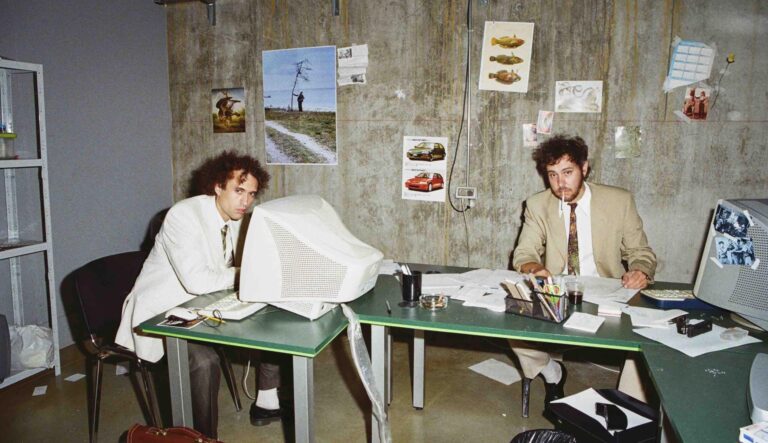
Madrid’s The Parrots have announced their next album: Dos arrives October 29 via Heavenly Recordings. Along with the album news, the band have also shared a video for the new single ‘You Work All Day and Then You Die’. Check out the Joaquin Luna-directed visual and find the album art and tracklist below.
The Parrots are the duo of Diego García and Alex de Lucas. Dos, the follow-up to their 2016 debut Los Niños Sin Miedo, was produced by Tom Furse (The Horrors) and mixed by Claudius Mittendorfer (Parquet Courts, Weezer, Panic! At The Disco, Temples). The 11-track LP will include the previous single ‘Maltido’.
Dos Cover Artwork:
Dos Tracklist:
1. You Work All Day And Then You Die
2. Just Hold On
3. Maldito [feat. C. Tangana]
4. Lo Dejaría Todo
5. Don’t Cry
6. It’s Too Late To Go To Bed
7. Nadie Dijo Que Fuera Fácil
8. Fuego
9. Amigos
10. How Not To Be Seen
11. Romance [feat. Los Nastys]
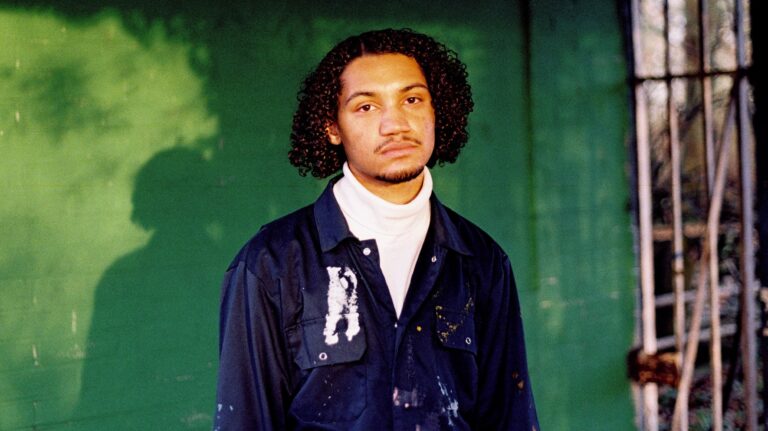
South East London musician Kai Kwasi has released his second single, ‘sms’ (via Play It Again Sam). The track, which follows his debut track ‘unt’, features vocals from KarimThaPeasant as well as saxophone and production from Venna. Listen to ‘sms’ as well as its B-side ‘ain’t that just the way’ below.
“’sms’ carries the sentiment of what will be will be,” Kwasi explained in a statement. “It’s about the comfort to be found in chaos when you relinquish the need for control. I got my friends Venna and KarimThaPeasant on the track, both putting their whole selves into the work. It’s a luxury I’Il never take for granted to make the kind of music I’ve always wanted to make, and doing it all with my people. The visual for ‘sms’ picks up where my last track & video ‘unt’ left off. Keepin the same people on board, we just tried to have fun shooting again. We managed to pull the whole thing together in between lockdowns and I think we ended up with something really beautiful.”
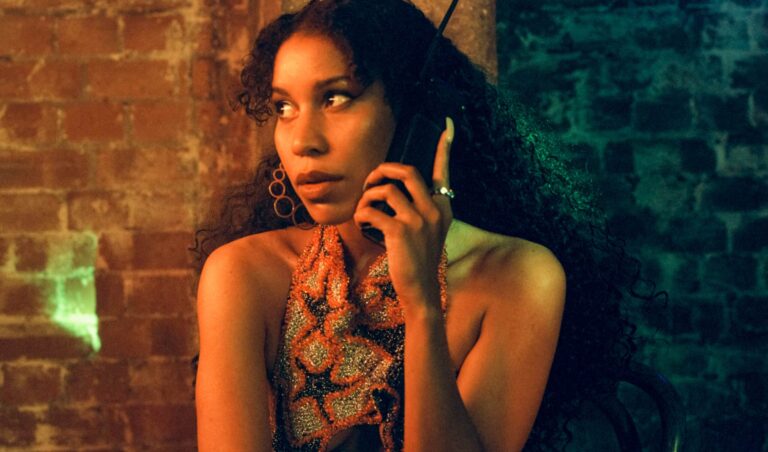
Charlotte Dos Santos has returned with a new song, ‘Away From You’, out now via Because Music. Produced by Dos Santos and Tom Henry of Gotts Street Park (Kali Uchis, Celeste, Mabel), the track arrives with an accompanying video directed by Margot Bowman. Check it out below.
“‘Away From You’ is a song about being in love and not wanting to be with anyone other than your one person,” Dos Santons explained in a statement. “It’s an r&b/pop song for folks in love and wanting to move. The song was written after a bike ride and a cute day outside and I wanted to capture that feeling. I wanted to write an uplifting track after such a heavy year and especially after really longing for dancing, and being outside with friends and loved ones. The video is a reference to that, the freedom that we lost, and how we find it again – love and movement will always live and thrive despite everything. This is the first video of this journey of exploration of heritage, identity and happiness.”
Bowman added: “I loved collaborating with Charlotte on this special project using beauty, time, and the premise that history is a construct to explore her unique world. It’s such a powerful time to reexamine the past and build a better future out of what we find there.”
‘Away From You’ marks the first piece of new music from Charlotte Dos Santos since the release of 2020’s Harvest Time EP.
Oscar Lang has previewed his forthcoming debut record Chew The Scenery with a new track called ‘Thank You’. “‘Thank You’ is all about growing up, accepting your mistakes, and being thankful for the fact that they allow you to learn about yourself and change,” Lang explained in a press release. Check it out below.
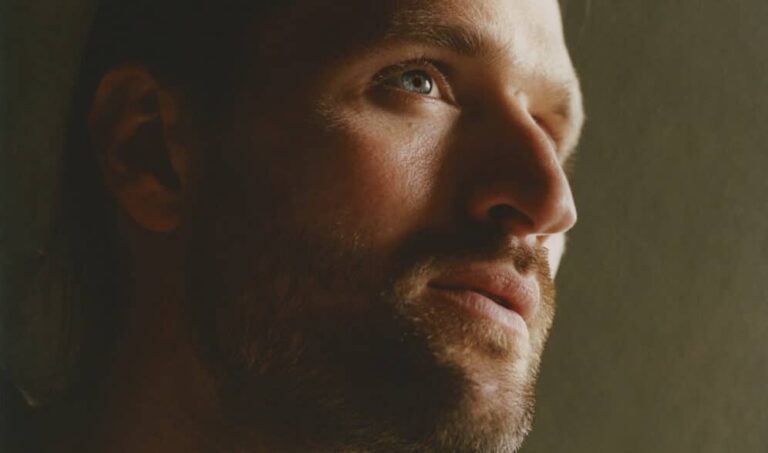
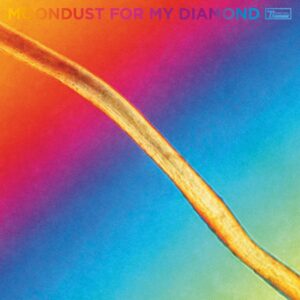
Hayden Thorpe, formerly of Wild Beasts, has announced his second solo album, Moondust For My Diamond. The follow-up to his 2019 debut Diviner and last year’s Aerial Songs EP is due out October 15 via Domino. Today’s announcement comes with the release of the lead single ‘The Universe Is Always Right’, which is accompanied by a music video shot in Hayden’s homeland of The Lake District. Watch the Tom Haines-directed clip below and scroll down for the album’s cover artwork and tracklist.
Talking about the inspiration behind the new album, Hayden said in a statement: “What about nature? What about the cosmos? What about all these things that break through the tyranny of the self? Our sense organs bring the world inside of us after all, I just had to sing it back out. I was enchanted again with the mystery of science and how I might speak from the heart in an age where metric is gospel.”
Hayden will showcase the album at two special live shows this October in the UK, at the Brewery Arts Centre on October 9 and at Chat’s Palace, London on October 15. He will also be joining Jon Hopkins on his tour across Europe in November.
Moondust For My Diamond Cover Artwork:
Moondust For My Diamond Tracklist:
1. Material World
2. The Universe Is Always Right
3. No Such Thing
4. Parallel Kingdom
5. Golden Ratio
6. Metafeeling
7. Supersensual
8. Hotel November Tango
9. Rational Heartache
10. Spherical Time II
11. Suspended Animation
12. Runaway World
Lightning Bug have come a long way since releasing their debut album, Floaters, back in 2015. Following the success of 2019’s mesmeric October Song, the New York-based indie rock band – founded by primary songwriter and singer Audrey Kang, guitarist Kevin Copeland, and engineer Logan Miley – signed to Fat Possum, with drummer Dane Hagen and bassist Vincent Puleo joining the trio for the recording of their third LP, A Color of the Sky. Retaining their DIY approach as well as the melancholy splendor of their earlier work, the group have refined their songcraft and delivered their most emotionally resonant and accomplished work to date, a patient yet rewarding set of songs that reflect the meditative, intimate space from which they’ve sprung but capture it with a newfound confidence and openness. As comforting as it is cathartic, A Color of the Sky looks inward but ends up finding beauty and wisdom in the things around us – and with each gauzy texture, hushed melody, and admission of vulnerability, it invites the listener to do the same. “And with each note,” Kang sings on opener ‘The Return’, “the spirit unwinds/ Look at your mind and count the colors I find.”
We caught up with Audrey, Kevin, and Logan for this edition of our Artist Spotlight interview series to talk about the ideas that informed A Color of the Sky, their collaborative process, and more.
Audrey, the final track on the album is called ‘The Flash’ after a book you loved as a kid, Emily of New Moon. What are your memories of that book, and why do you think it left an impression on you?
Audrey: I was a really solitary child. I was always in my own world, I didn’t have that many friends, and so I used to read a lot – I was really a huge bookworm – and that book was about a girl who was kind of solitary, kind of in her own world. And that book actually I think started me writing, because Emily, who is the main character, used to write poems and she wanted to be a writer. And after reading that book, I started writing poetry, which eventually turned into songwriting. So, in a weird way, that book had a huge influence on me becoming a songwriter.
There’s a quote I read from the book that’s aboutbeing near this “world of wonderful beauty” but not quite being able to define or capture it. Was that something that you related to as well, or something you were trying to navigate and express yourself?
Audrey: Yeah, definitely. I remember reading that passage as a child and connecting with it so strongly, even when – I think I was like eight. Even now I get that feeling of like, life is so messy and your day-to-day can be so monotonous and all this dumb stuff that happens and, like, empty interactions with people – I don’t know, day-to-day nonsense. And sometimes you’ll just see something or feel something that feels so clear. Does that ever happen to you?
Yeah.
Audrey: And you just feel like you understand it all so well, but it never stays and never lingers; it just is a moment of clarity that slips away. So it almost feels like – I don’t know if you remember the excerpt, but there’s a curtain hanging between you and that clarity and sometimes a wind will blow it aside and you’ll be able to touch it. But also, I think that’s kind of the way I write music, too: I wait for that curtain to be blown aside, and I can hear the music pass that exists in that world. I think Kevin can relate to that too.
Kevin: Yeah, for sure. It doesn’t feel like an overtly active process. It’s more like a waiting, and then the sort of action comes after that first glimmer has already happened.
You mentioned clarity, and that’s one of the first things that struck me about the album, is this sense of clarity and confidence that comes through not just lyrically, but also melodically and in terms of the production. Where do you think that comes from?
Audrey: Starting from songwriting, I think I had a very clear vision of what I wanted each song to sound like from the outset. In the past, sometimes with songs I would have written the main idea but the production and everything felt like a winding path through the woods and I didn’t know what lay ahead. But for these songs, I sort of knew and it was just a matter of getting there. So I think having that sort of leadership helps a lot in having songs feel clear-minded.
Logan: This is the first record that we recorded mostly live as a band. We have two new members for this album, Dane, our drummer, and Vince, our bassist, and just being able to record it all together in a house, I think that really translated into this clarity that our previous efforts didn’t really have.
Audrey: When you can have a song come to life in a room, and everyone’s playing together, there’s a way that each piece fits together really nicely and organically and clearly, rather than doing it track-by-track. And it just feels more belabored, I think, when you do it track-by-track.
‘The Right Thing Is Hard to Do’ is one of the most lyrically direct and vulnerable songs on the album. It starts with this reflection on childhood and a need to hide away from other people, and how that took different forms throughout your life. I was wondering what role songwriting and making music has played in this journey of self-acceptance and self-expression.
Audrey: I think similar to a lot of songwriters, it’s sort of therapeutic when you write a song. It always comes for me from a period of difficulty, trying to understand an emotion or trying to reach some sort of understanding within myself about a problem I’m dealing with or a question I have that I can’t answer. So I think songwriting has really helped me become a better person, because everyone needs some sort of therapy in this world – some people go to therapy, and some people have activities that they do, and for me songwriting is just the ultimate form of that because it’s accessing your deepest emotions and thoughts in ways that you can’t really do in normal life.
I’m still a very closed person I think in many ways, but not nothing compared to how I was. Between our first record, Floaters, and this record, Color of the Sky, I’ve opened up so much more as a person. That said, I’m still pretty private, but comparatively, I’m like another person. Like, you as my friends can probably vouch for the fact that I became much more open.
Kevin: Yeah, absolutely.
Logan: For sure.
In what ways do you feel like Audrey has become more open as a songwriter and as a person?
Kevin: Even who she shares the music with, I feel like that group used to be so small. It was just me and Logan, and now this group has grown – and those are Audrey’s thoughts and feelings, so it’s just a wider circle of friends, and a little more trust being spread around. Which I think is why this record feels so much more open, not only lyrically, but because now Dane and Vince are part of that close unit, and then further the people at Fat Possum and our manager Shane who all help the music get to where it needs to go.
Logan: Like Audrey said before, when we were in the early stages of this band, the songs were not known to her; the writing was a little more arduous or like a winding path. But with this album, she kind of just came to us with these songs fully formed. So there’s this confidence now that I see in her that has definitely grown over the last seven years or so.
Audrey, in the summer of 2018 you spent a month camping on a cliff on a small island in the Baltic Sea, and then the following year you also spent some time camping in the Pacific North West. How did those experiences shape the album?
Audrey: Honestly, I’ve given some interviews and I think there’s this misconception that it was the nature and the camping that inspired the records, but actually, it was simply the alone time. Having no one around me, no interactions, just me for an extended period of time is really fruitful for songwriting and reflection. I mean, it helps when you’re in a beautiful natural place, but it was more so being so alone and so free to live the rhythm of life so thoughtlessly. I had no schedule, I had no itinerary, nothing except just waking up and letting the day pass by and going asleep. So I think that more than anything helped me write the song.
Could you talk more about the headspace that you were in when you were writing these songs?
Audrey: I think it was the greatest period of change within myself that I’ve gone through since, like, childhood. So that alone time allowed me to really process and understand the changes that were happening, and also sort of initiate them because I think it’s really hard to change as people; it’s hard to divert from your own nature or from ways your personality has been shaped over things that have happened to you, ways you’ve been hurt, things you’re fearful of. But I do think that we do have more control over the people we want to be than we give ourselves credit for.
What kind of conversations did you have when it came to opening up this process to the rest of the band and communicate these things that you were thinking about?
Audrey: It was honestly, for me, kind of hard to come to the full band with these songs because I’m so used to Kevin and Logan and I have such a strong trust built with them. Even though it’s still hard to this day to come to them with songs, actually. It’s just really hard to share a vulnerable part of yourself every time, so it’s even harder to come to two new people and have five people looking at you while you’re trying to be like, “This is the song.” But I think with the help of Kevin and Logan, them sort of being like the middlemen and translating for me things that they, at this point, really understand what I’m trying to say – you know, they speak the language that I’m trying to speak, and so they were really helpful in getting that across to Vince and Dane whenever they needed to.
Kevin: I would say that part for us felt very intuitive, just because we do all speak that language. And it’s easy to just turn whatever you say instead of what we think you’re after.
What was your impression of the songs when Audrey first came to you with them? Did it feel different in any way?
Kevin: Yeah, it definitely felt different. And it’s funny that we’re talking about, like, openness, because that was my first impression, like, “Wow, these sound really wide open.” Whereas I feel like I was more used to sort of this protected feeling that songs had, where things felt, like, covered; the feeling of being in a bed versus the feeling of being outside. This felt like being outside. It just felt much more vulnerable and free to me at first, and I think the sound record then in my head reflected that feeling.
Was there an added challenge to then translating that sonically?
Logan: It’s always just fun, it’s not really a challenge, you know. Things might not always be clear from the onset, but it’s always just a good time trying to figure out how we want the record to sound. We really wanted the vocals to be really strong on this record; I feel like they’re a lot louder on this record than in the previous two.
Kevin: Logan really just gradually stepped up his game in terms of engineering, and like, sort of capturing a wider and wider bandwidth that these songs deserved.
Was what was it like for you, Audrey, seeing the songs go through this whole process? Did you feel like they came to life or took on a new resonance in any way?
Audrey: For me, they definitely took on new life. It was so beautiful to experience everyone adding their own spirit to each part. Like, Dane definitely adds so much to his parts. He’s very expressive and very dynamic and very sensitive, so every drum part he plays, he just says something with it that I couldn’t say myself, and same with Vince, who’s an extremely sensitive musician. I think they sing through their instruments, so it’s just really like having two extra voices.
Logan and Kevin, how were you ultimately affected by these songs? Was it something where you also found yourselves reflecting on similar questions as a result of working on this record?
Kevin: Yeah, for sure –
Audrey: [laughter] I don’t think they’ve learned the lyrics, so I don’t think you guys can…
Kevin: But we hear you sing them [laughter]. I mean, they sort of unfold – it’s sort of like when you listen to a song on the radio and you think the lyrics are something, and then it’s actually a trick of your mind and you’ve made up your own lyrics, and then you hear Audrey sing the actual vocal take and it’s like, “Oh, that’s what she’s saying!” And so it’s like this unfurling process of what the song actually means to her, and then also to you, or me. But definitely a similar sense of reflection involved, it’s just reflected off of something.
Logan: To be honest, it really takes me a long time to understand what Audrey’s trying to say, because I’ve never been one to pay attention to lyrics too much other than literally the way that they sound. When I’m hearing Audrey sing, I’m just thinking: How can we translate what I think she’s trying to say into, like, texture, and how can we add other elements that amplify what she’s trying to say? So, I’m just thinking of it more from a technical perspective, I guess, which is a super boring answer, but yeah.
Kevin: But I mean, I feel like you’re receiving the feeling, you know? Whether it’s conscious or not.
Logan: No, I definitely am. I’m like, “Literally, I don’t know what you’re saying, but I can feel it” kind of thing.
Is there anything that you’d like to add or share that we didn’t have the chance to talk about?
Audrey: I think for this record what I really hope gets across is this more universal feeling, because one of the challenges I really wanted to work on as a songwriter was sort of opening up from this place of writing from these really, intensely personal experiences but not being able to turn it into a universal concept. For songs for Floaters I would write about these very specific experiences that felt too self-obsessed in a way, like I’m still writing about me being me. And for this record, obviously, if you’re going to make an intimate record it has to come from your experiences, but I really hope that somehow it translates across, this universality, these wider concepts that anyone can relate to. I don’t know if I succeeded, but I really tried.
This interview has been edited and condensed for clarity and length.
Throughout the week, we update our Best New Songs playlist with the new releases that caught our attention the most, be it a single leading up to the release of an album or a newly unveiled deep cut. And each Monday, we round up the best new songs released over the past week (the eligibility period begins on Monday and ends Sunday night) in this segment.
On this week’s list, we have the incredibly catchy and energetic ‘Holiday’ from Turnstile’s surprise new EP; the equally memorable yet intensely ferocious ‘Pringle Street’ from hardcore outfit One Step Closer’s forthcoming debut LP; Shygirl and slowthai’s raunchy and infectious new collaborative track ‘BDE’; ‘Chaeri’, the pulsating, vibrant lead offering from Magdalena Bay’s debut album; the beautiful ‘Latter Days’, one of three tracks Big Red Machine previewed this week from their upcoming sophomore full-length; and Babehoven’s tender and affecting new single ‘Annie’s Shoes’.
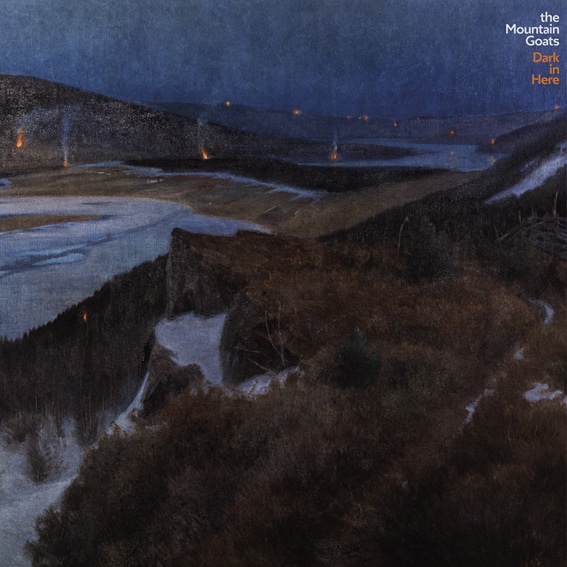
The Mountain Goats have come a long, vibrant way since the emergence of John Darnielle’s project in 1991. The new 12-track album Dark in Here, brought to life by Darnielle, John Wurster, Peter Hughes, Matt Douglas and several guests,epitomises the buoyant power of collaboration. Speaking to their productivity amidst the pandemic, the record marks their fourth release in just over a year, yet shows no signs of burnout. Dark in Here can certainly be categorised as one of The Mountain Goats’ more understated albums, but it’s distinctively gloomier, more multifaceted and arresting than its 2020 predecessor Getting Into Knives. This time, the band hones in on catastrophe; characters are never quite at the centre of disaster, but find themselves either in its anticipation or aftermath.
Acoustic guitar strums, maracas, and dissonant piano chords envelop the short and fast-paced opener, ‘Parisian Enclave’. The lyrical subject finds himself amongst a group of men working in the sewers beneath the streets of Paris, “in the neverending shadow.” The theme of darkness makes an immediate appearance, then, and is compounded by the cult-like undertones created by a religious lexical field referencing hymnals, devils, and brethrens. Nonetheless, a sense of warmth and kinship manages to slip in, as Darnielle compares the surrounding walls to “a mother who protects the young.” Even the decidedly heftier follow-up, ‘The Destruction of the Kola Superdeep Borehole Tower’, addresses but does not collapse in gloom. The minor-key track, whose name alludes to the Soviet Union’s attempt at drilling as deep as possible into the Earth’s crust, is heavily rock-influenced, noticeable in its use of electric guitar and thumping drums. Mostly written in imperative form, ‘Destruction’ follows The Mountain Goats’ theological thread, often sounding like a sermon: “Show thе world your true face/ Burn such fuel as you need to burn/ Learn to wait your turn.”
The middle of the record sees an elegant leap towards jazzy melodies. Likely a reference to the Reptilian Conspiracy, ‘Lizard Suit’ is patient and absorbing, swirling with smooth harmonies and soft cymbal brushes. The possibly neurodivergent narrator feels foreign in his surroundings and highly untrusting of others: “Almost invisible aboard the train/ So many people who you just can’t read.” The track stumbles into sonic cacophony in its final moments, with only the bassline striving desperately to maintain coherence. All this serves as a great set-up for the slow, woodwinds-infused energy of ‘When A Powerful Animal Comes’ as well as the sparse, calming production of ‘To The Headless Horseman’, which accommodates a sentimental bridge: “But a stranger’s just a friеnd who hasn’t shared their secrеts yet,” murmurs Darnielle, his voice cloaked in silky piano.
In fact, despite the always heavy and sometimes extremely distressing themes of Dark in Here, the majority of the album is kept afloat by sympathetic, tender sounds. ‘Mobile’ is a gentle folk song saturated with country elements, emphatically adopting a slower tempo and a lower, calmer register. Heavily based on the Book of Jonah, the track serves as a continuation of the story after Jonah chooses to disobey God’s command, refusing to prophesy the destruction of a town. Thematically analogous to The Mountain Goats’ 2020 release Songs for Pierre Chuvin, insistent drums pound away in ‘Before I Got There’, as Darnielle writes from the perspective of a narrator having just returned to a holy place only to find it in complete ruin and disarray, its inhabitants’ bodies “in the pit behind the altar.” The unsettling story, flooded with discomposure and guilt, is counterbalanced by the lulling fusion of flute, piano, and clarinet which adorns the song.
Clarinet is, similarly, one of the central features of the penultimate ‘Arguing with the Ghost of Peter Laughner About His Coney Island Baby Review’. Emerging towards the very end of the project, the song is a heavily acoustic, breezy tribute to Cleveland musician Peter Laughner, who happened to write a stinging review of Lou Reed’s ‘Coney Island Baby’ in 1976. The track gives Darnielle yet another chance to showcase his brilliant songwriting as he croons over muted guitar strums: “Systems closing down on several fronts/ You will always have been here once.” Indeed, the penultimate piece mirrors the record as a whole: rooted in pain, but gracefully elevated in purpose and resilience.
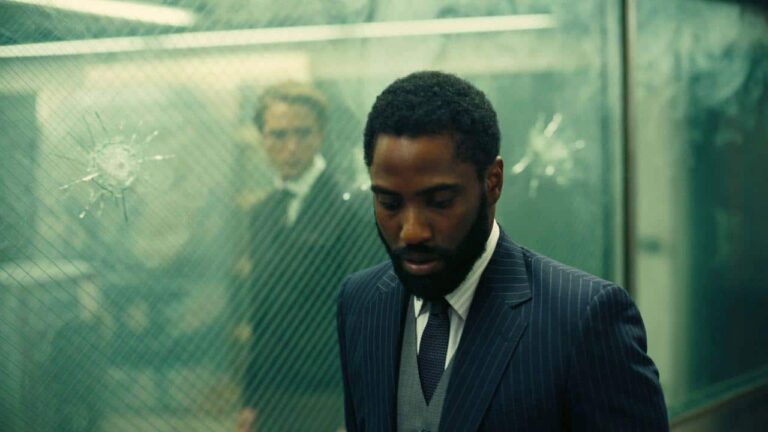
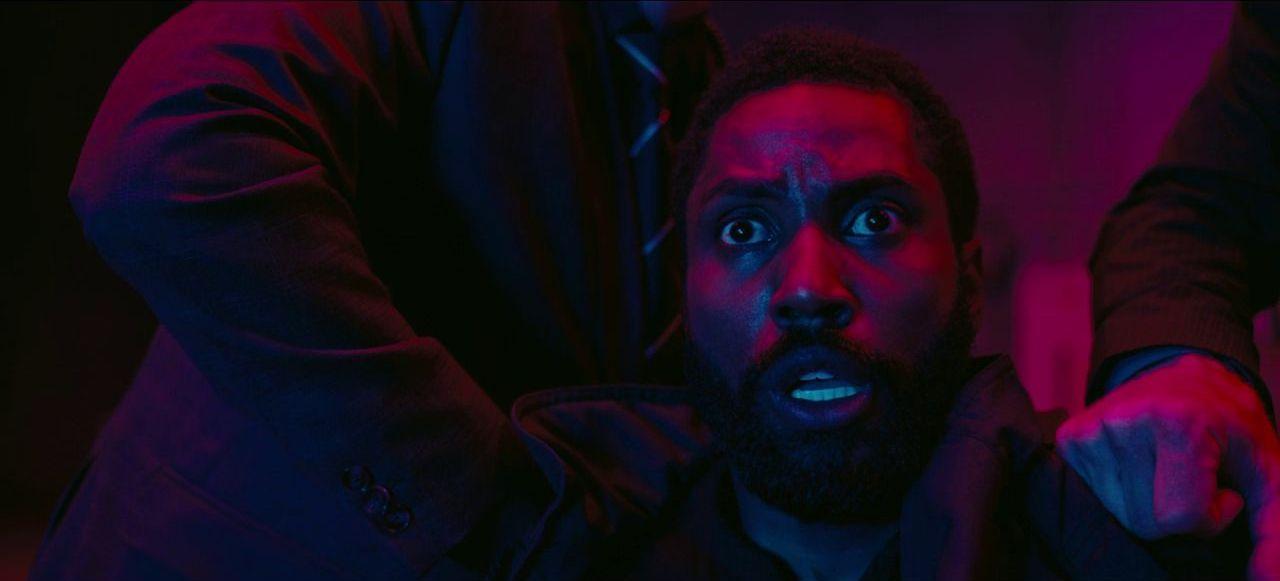
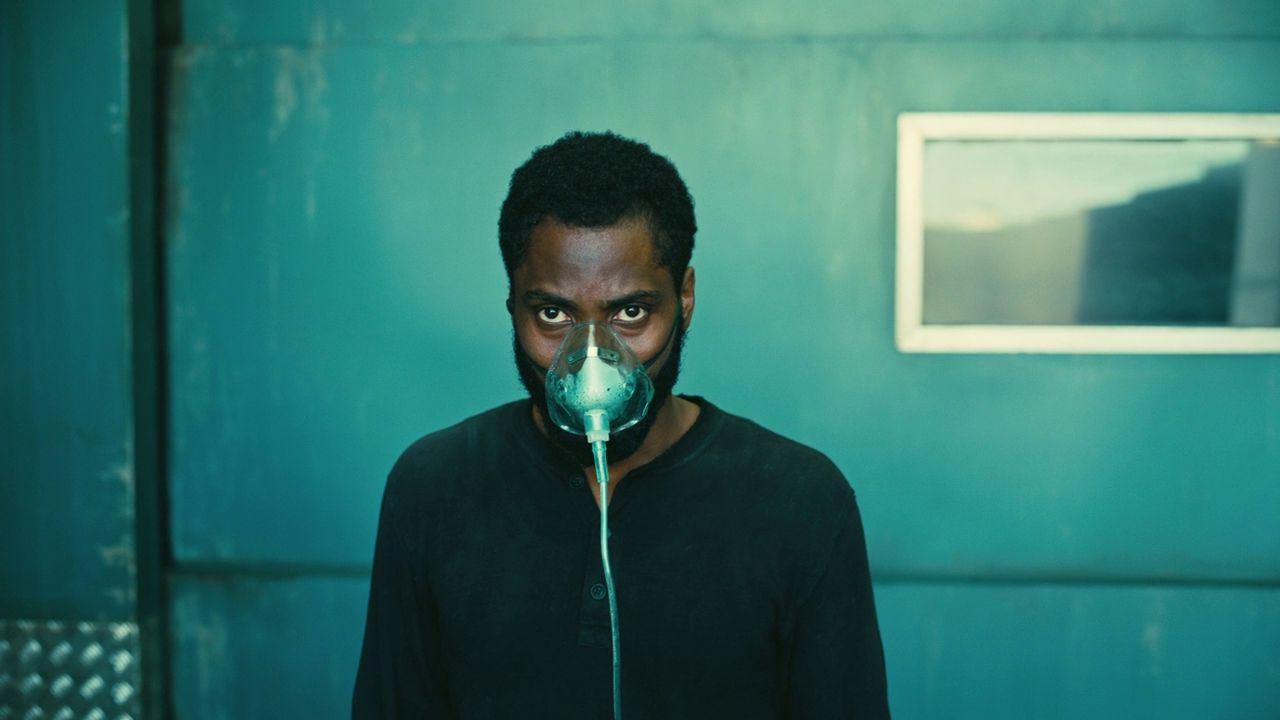
One of the most anticipated films of 2020, Christopher Nolan’s Tenet tackles some big ideas. The genre-blending epic follows the Protagonist, a nameless CIA operative who must investigate the origins of a new kind of weaponry. Sometime in the future, someone has found a way to manipulate objects so that they can travel backward through time.
The Protagonist must stop these weapons from landing in the wrong hands, which would cause global chaos and mass destruction. With the help of a strange, enigmatic man named Neil, the Protagonist embarks on a mind-warping journey through time. In fact, viewers would benefit from multiple viewings to grasp the twisted plot.
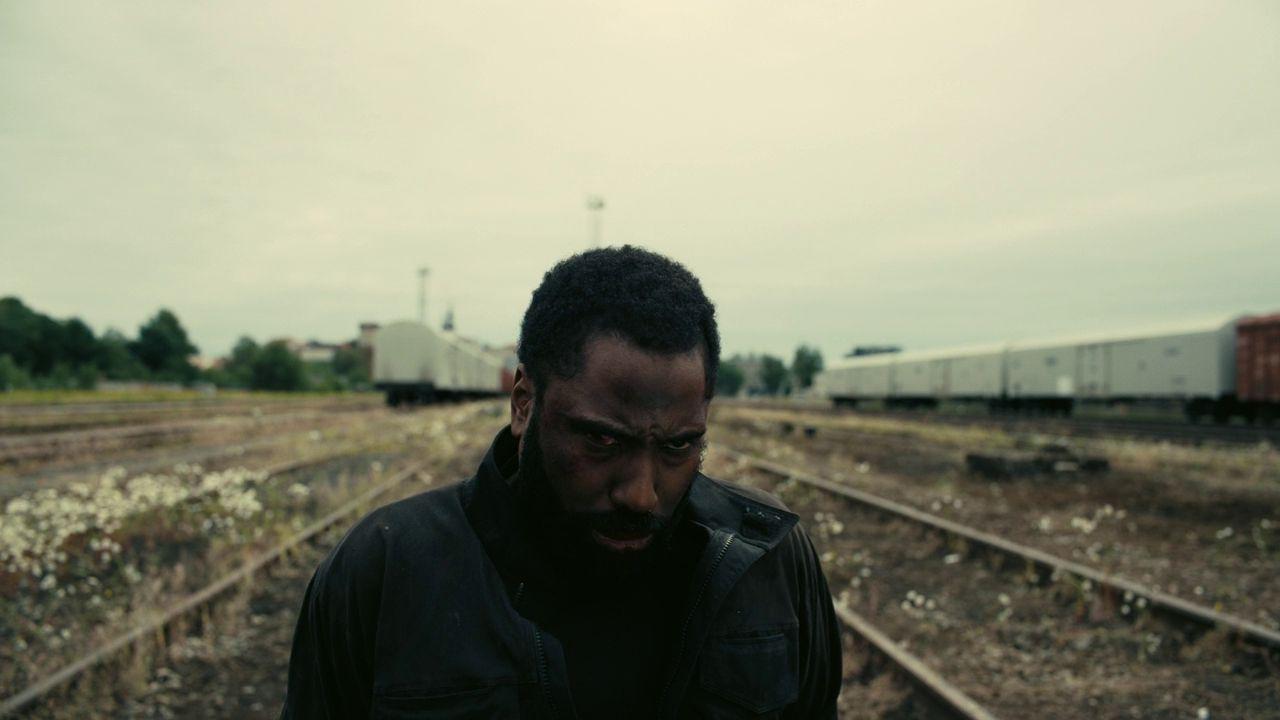
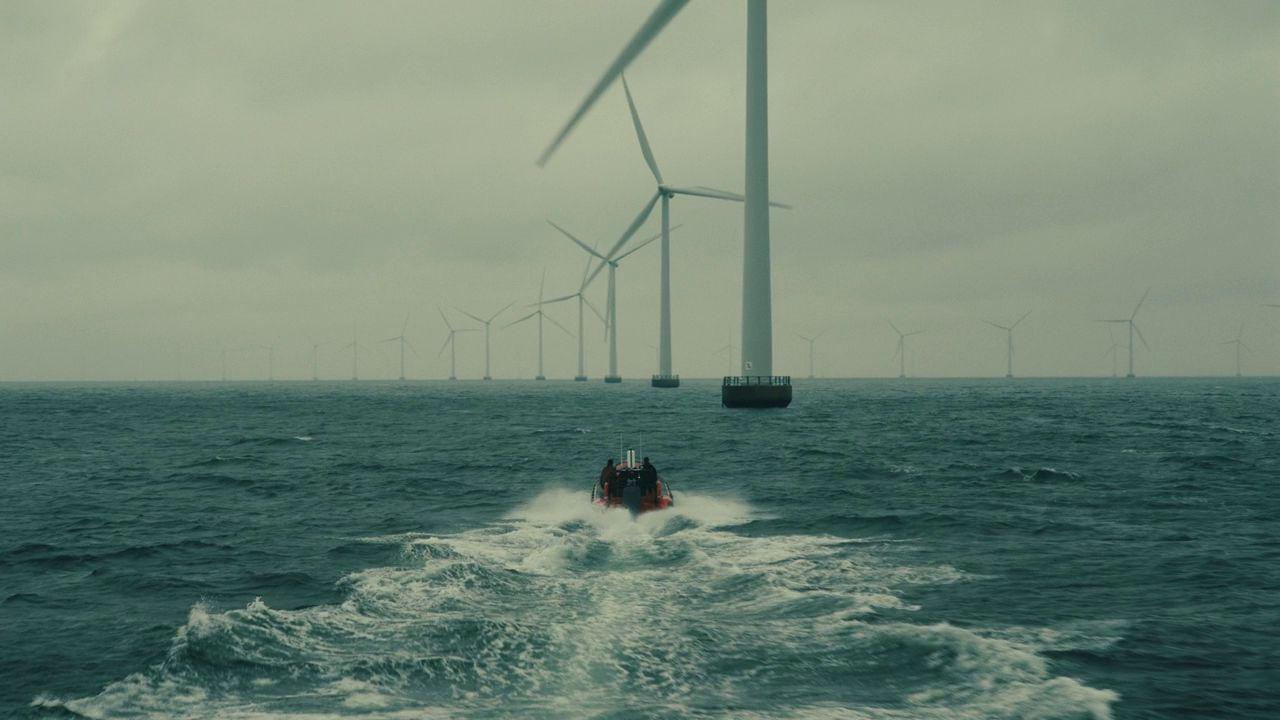
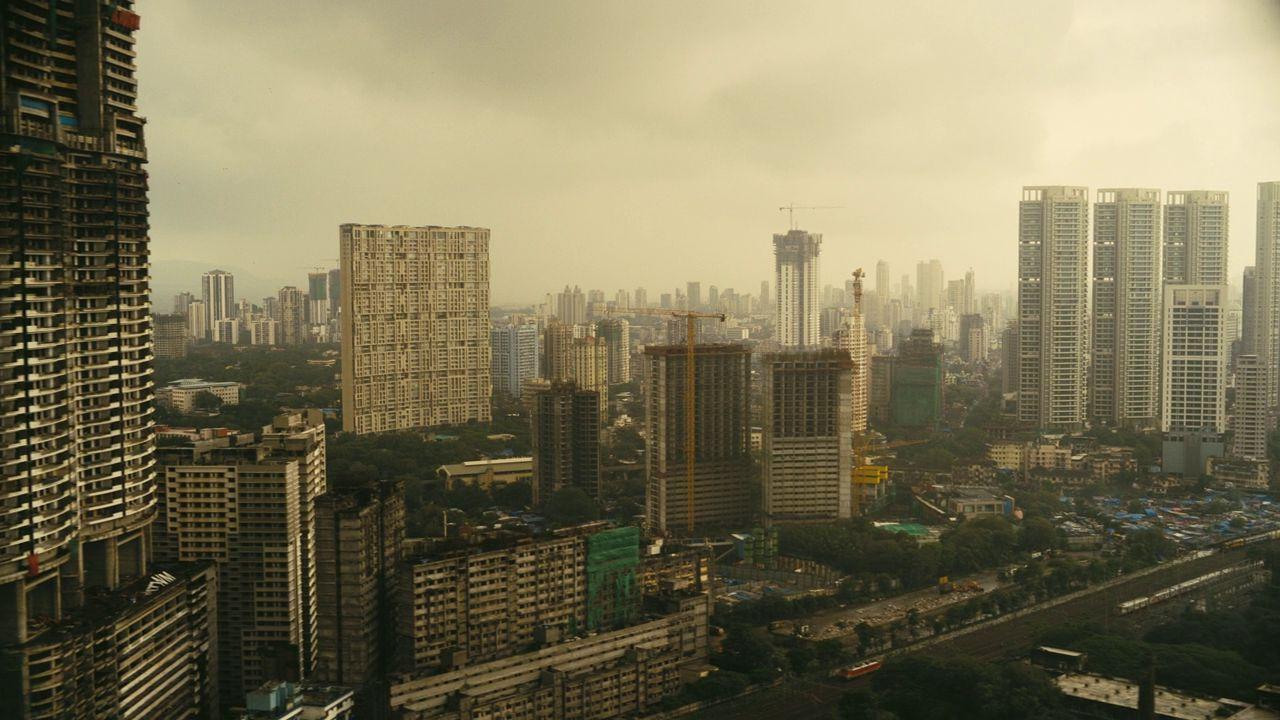
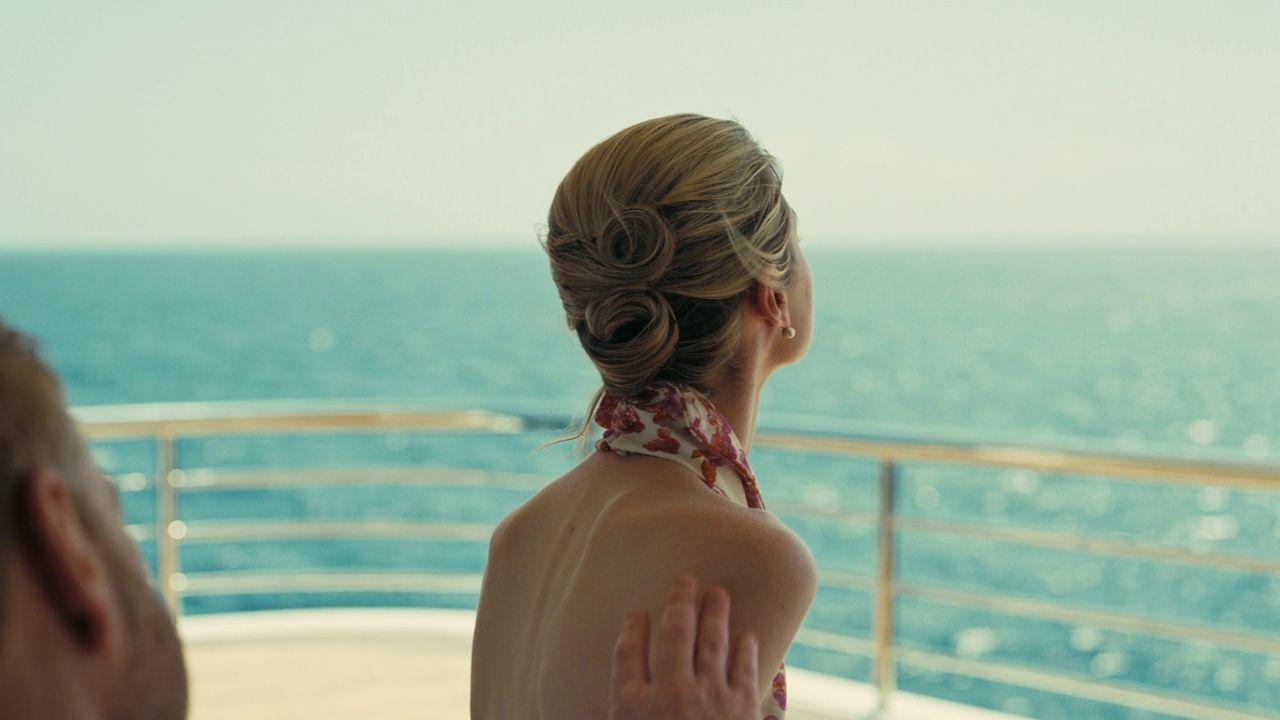
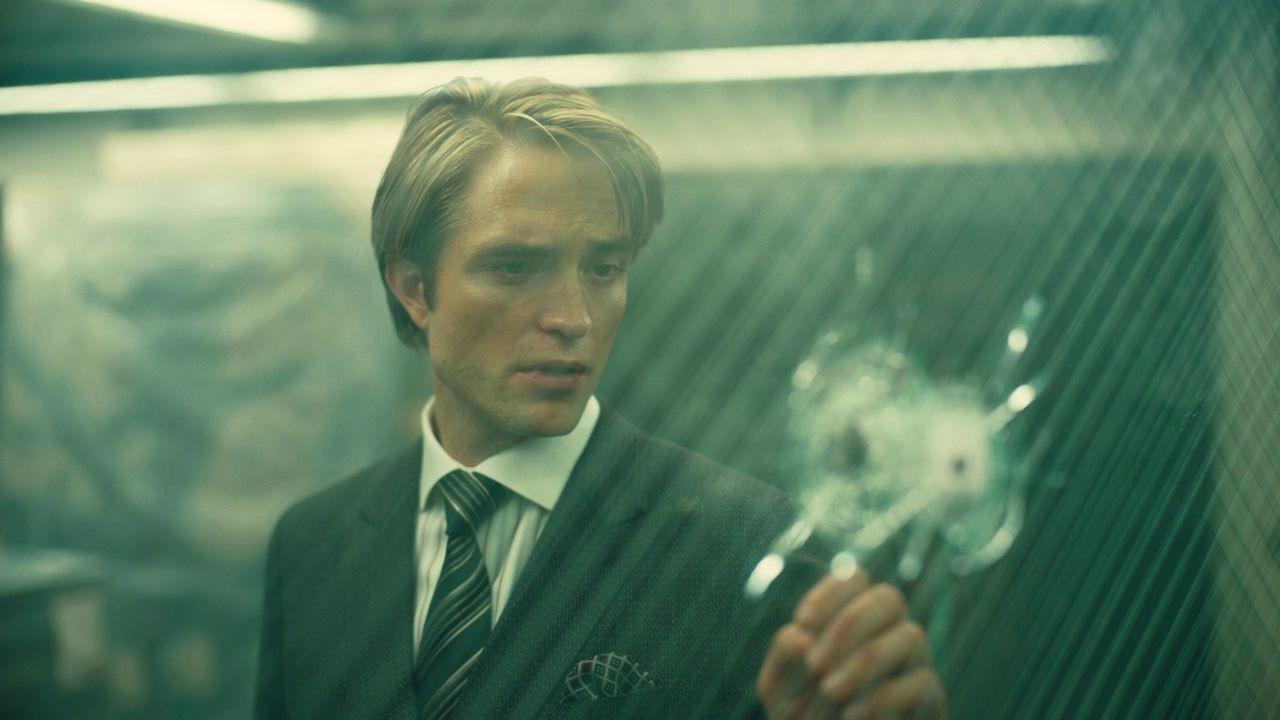
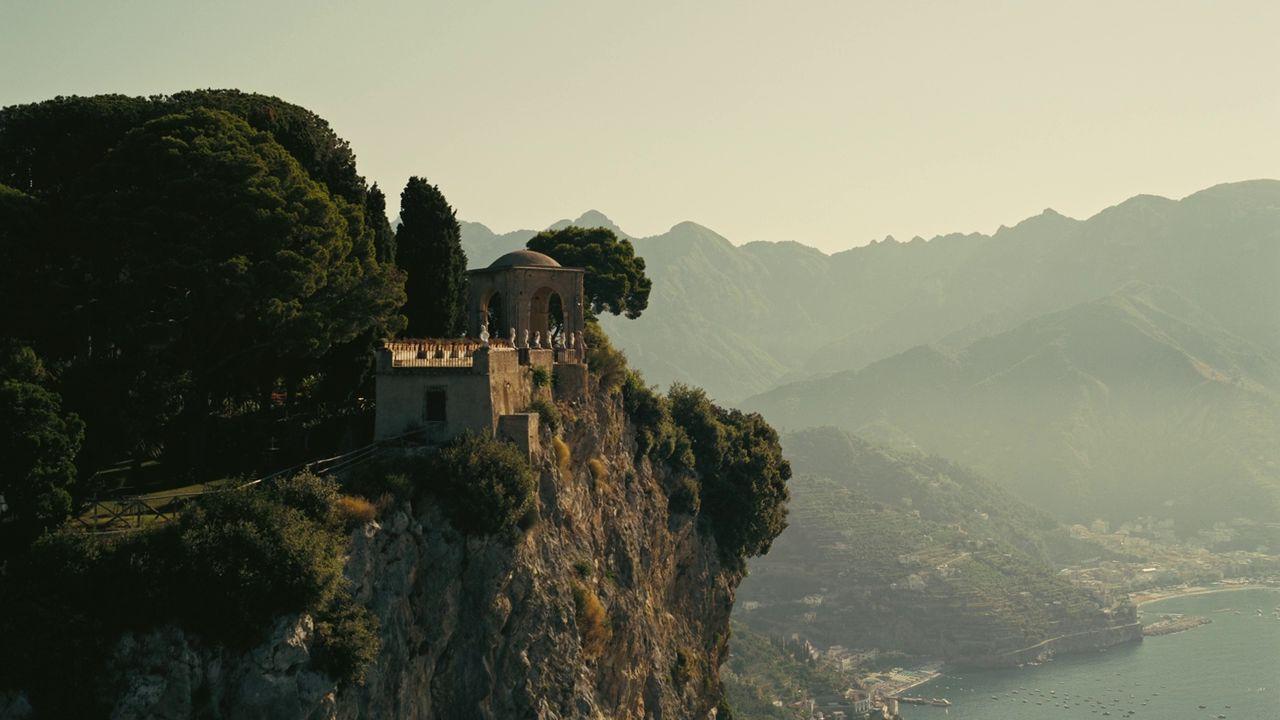
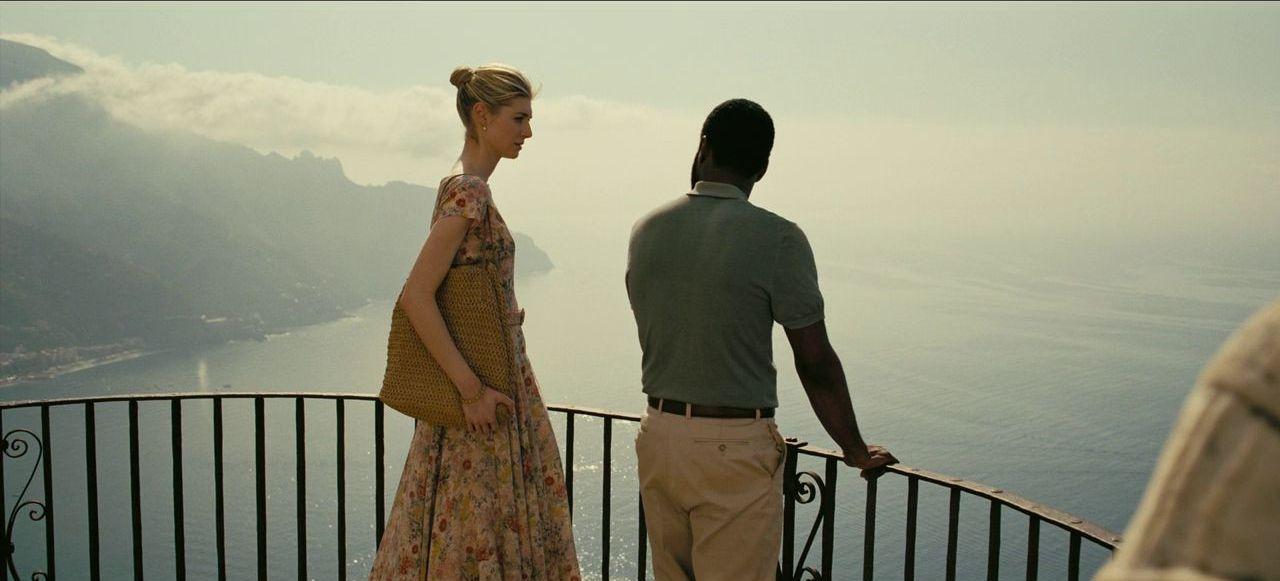
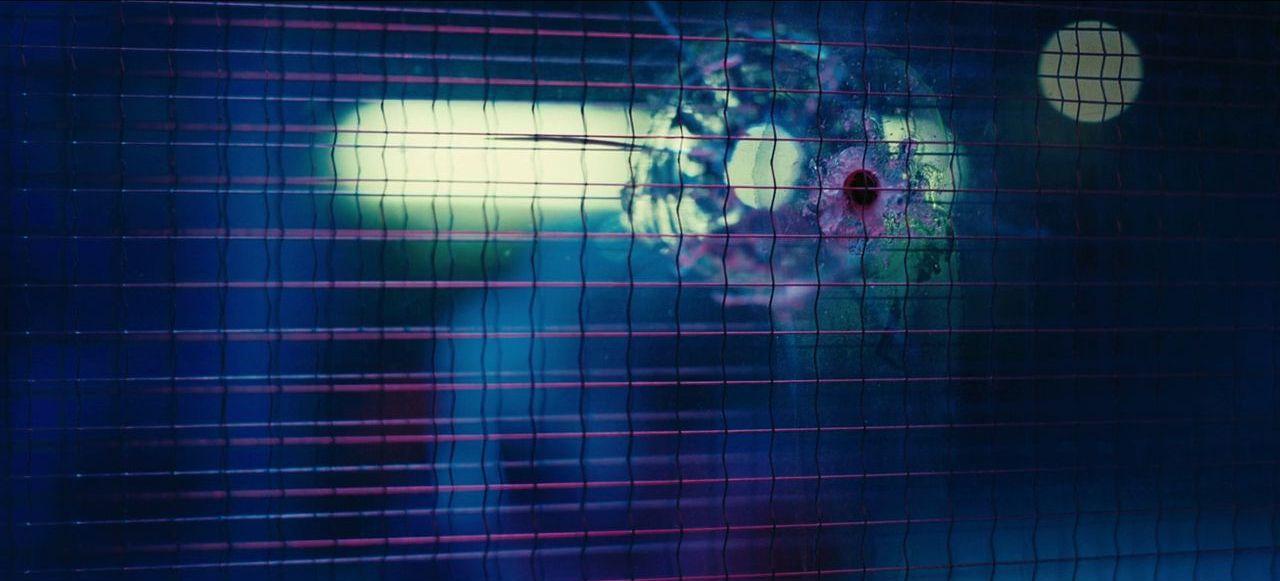
The Protagonist travels the world, visiting bustling cities and vast plains, each location more vibrant than the last. Cinematographer Hoyte van Hoytema, who has previously collaborated with Nolan on films like Dunkirk and Interstellar, was nominated for several awards for his work on Tenet. Here are some of the most vibrant stills that illuminate the cold world the Protagonist must traverse.
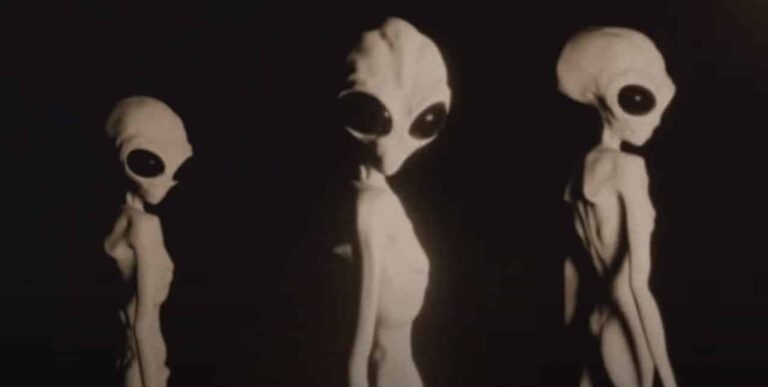
The latest Netflix seriesTop Secret UFO Projects: Declassified follows the intruiging recent information and proof exposing the most top-secret government projects that handled contacts with and cover-ups of, extraterrestrial presence on Earth.
The series will be available on Netflix from the 3rd of August.
Netflix (NFLX) is currently trading at $533.98 on the NASDAQ.
Watch the trailer for Top Secret UFO Projects: Declassified below.