British 5-piece IDLES band has confirmed a new LP.
IDLES, a Bristol-based 5-piece band, have confirmed that they will be releasing a new LP named ‘Joy as an Act of Resistance’ on the 31st of August via Partisan Records.
Alongside, the announcement the band has also shared their latest single ‘Danny Nedelko’, which focuses on pro-immigration and band’s close friend Danny, who also features in the self-directed music video.
Last year, IDLES released their studio album ‘Brutalism’ which put the band 1# on the Spotify Viral chart, which also led them to open for Foo Fighters.
Tracklist:
1. Colossus
2. Never Fight a Man With a Perm
3. I’m Scum
4. Danny Nedelko
5. Love Song
6. June
7. Samaritans
8. Television
9. Great
10. Gram Rock
11. Cry To Me
12. Rottweiler
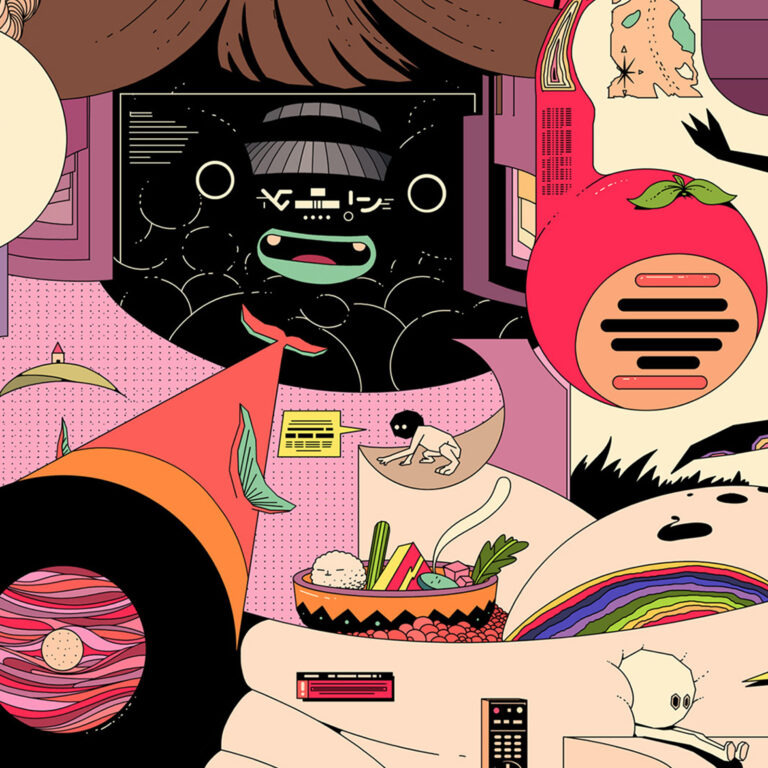
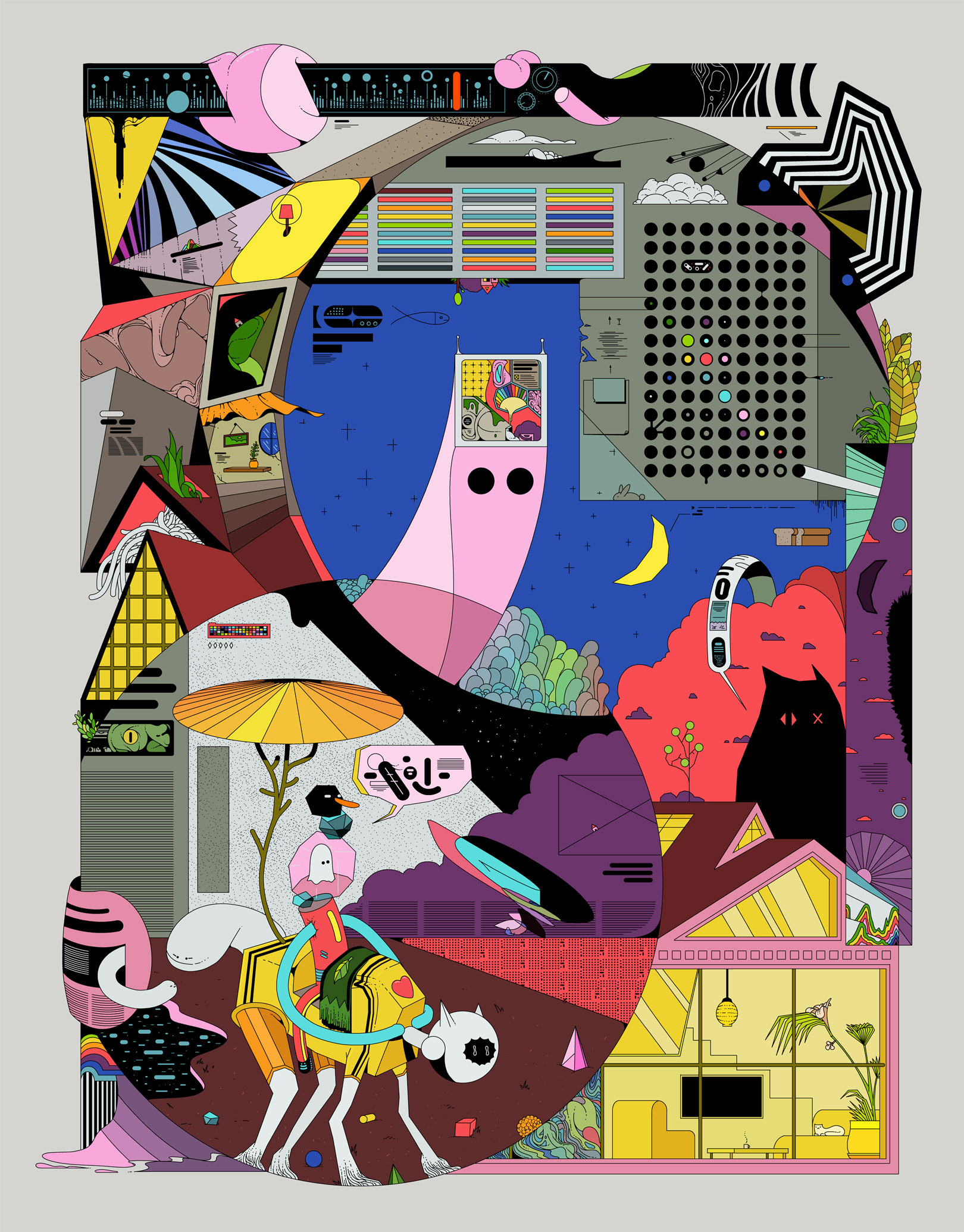
Ori Toor a Tel-Aviv based illustrator creates a series of illustrations appropriately dubbed ‘Gibberish’ for its random subjects and compositions.
The illustrations come of as by-products of lateral thinking, a visual brainstorm of sorts. Each piece is filled with different ideas and little gems to be discovered. This combined with Ori Toor’s great sense of design as seen through the particular colour schemes make for an appealing and exciting piece.
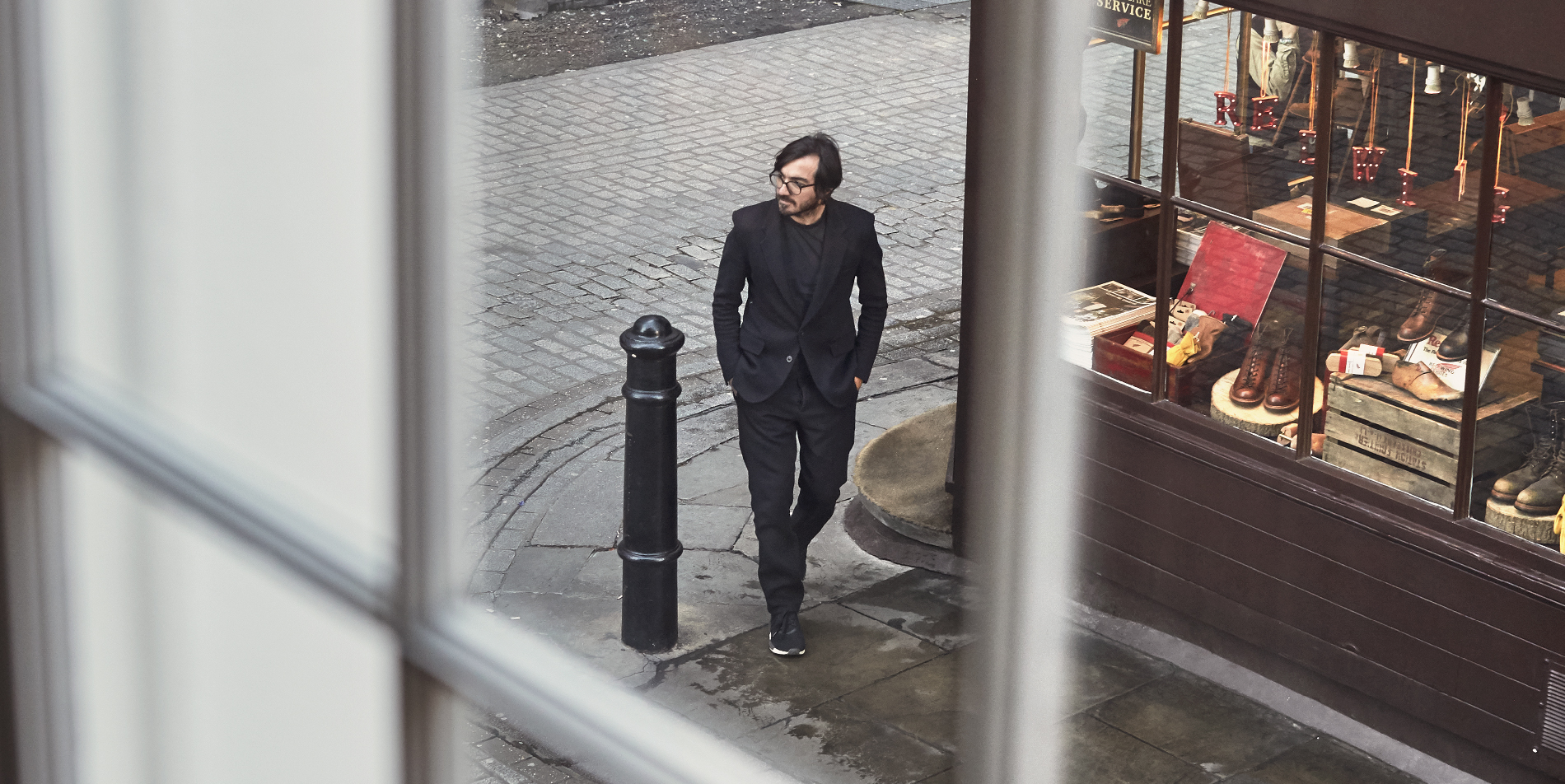
Turkish-born Efe Cakarel is the founder of MUBI, a hand-curated cinema streaming and download service, which recently made its services free to “every film student and film tutor in the world.” With the rise of streaming services, I joined Efe to ask him several questions about MUBI, film and the future of streaming.
Hi Efe, how are you doing and how is MUBI holding up?
I’m doing great this morning after my triple espresso and MUBI is doing better than ever.
The way MUBI works as a streaming service is unique to the likes of Netflix. Do you think that this is the key element that would attract a cinephile to MUBI as the primary streaming service for films?
Absolutely. What we offer is unique, we choose the 30 films you need to see this month. Our subscribers come to MUBI and trust our choice, happy to discover a new Argentinian film or discuss a forgotten classic.
There seems to be new streaming services popping up all the time. With the likes of Fandor and FilmStruck also coming onto the scene and growing, do you feel to gain the competitive advantage is becoming tougher?
MUBI’s been around for 11 years, and we stand by great cinema and curation. Our recent distribution arm shows our commitment to the theatrical experience in cinemas. We’ve just come back from Cannes where we bought the rights to the new Godard (that won Palme d’Or Special) for the UK.
With so many films being made and released each month and so many classics worldwide, how does the process of choosing the films work at MUBI?
A variety of factors inform the decision of our programmers, every day we try to solve the tyranny of choice. We often try to tie films to a current context, events going on in the world. At the end of the day, it’s a very subjective process, but that’s how we see it.
“We stand by great cinema and curation”
Photo by Dan Smith
So, do you have a favourite film or a series of films?
Difficult question. Here is some great cinema I was honored to encounter and share last year: the generous inquisitivity of Agnès Varda and J.R.’s documentary, Faces Places; the cinematography by Sayombhu Mukdeeprom in Call Me By Your Name; the taste and sense of hope engendered by American production and distribution company A24 (the folks this year behind Lady Bird and A Ghost Story); the reporting on Harvey Weinstein by the New York Times and New Yorker; Oneohtrix Point Never and Jonny Greenwood’s scores for Good Time and Phantom Thread, respectively; the stunning jump to feature filmmaking by Jordan Peele; the overwhelming emotional force of A Quiet Passion; Tiffany Haddish’s performance in Girls Trip and Elizabeth Moss in The Square; seeing the first film by Lucrecia Martel in almost a decade; and, finally, the groundbreaking risks and surprises of Twin Peaks: The Return. These are not content—and that you know—you feel—when you experience them.
If you were to direct films, what type of films would you direct?
I think I’d ideally direct a film that’d have beautiful Roger Deakins cinematography infused with some quiet scenes from Ozu and a great Ennio Morricone score.
Are there any major changes happening in the world of film streaming that we should expect in the years to come?
No. The future is now.
As a CEO of film streaming service, do you have any advice for upcoming filmmakers that want to have their films streamed on platforms such as MUBI?
You just need to get on a bike and ride. That’s all you’ve got to do. Perseverance is certainly key, but above all it must be tied to passion. And passion comes from the vision, the inspiration of the filmmaker. This is art, yes, but the goal is utopian and lofty—one the world deserves and one we all want to fight to achieve. This, above all, is what drives us and what should drive you.
The last question we ask everyone, what is your definition of culture?
Everything that involves inspiration, ingenuity, artistry, perspicacity, pleasure, risk-taking enlightenment, and a mutual sense of community. Music, novels, movies, albums, painting—these things and more are what we should support, encourage, enjoy and share. Anything made by people who share a part of themselves and their work with us—and what an honour that is!
With this year’s Electronic Entertainment Expo just about upon us, the rumors mills and fanboy/girl excitement is reaching its usual fever pitch. For those unaware, this is one of the biggest events each year when it comes to video games, and especially video game announcements, so we have a lot to look forward to. Running from June 9 through 12, each day promises major announcements from the biggest in the business, all live streamed via Twitch and YouTube. So let’s take a look at what we can expect on the different days, and what we’ll be on the lookout for.
Starting with the overwhelming force, it is EA who is scheduled for the first day. We’re expecting announcements on their open world third person shooter Anthem, as well as some direct gameplay footage and possible hands-on of early Battlefield 5 combat.
Predictions:
Some understated acknowledgement of the Battlefield 2 fiasco, likely claims that they are listening to users and promise to do better in the future
Same loot box systems going ahead in FIFA, and wherever else they can get away with it
Three major conferences on this day, split between Microsoft with their Xbox, Bethesda, and Devolver Digital, who we have to look forward to after their, let’s say, an unconventional conference of last year.
It is expected that a large portion of Microsoft’s attention will be focused on previously announced games, with potential extra information and announcements being made for Halo 6, Crackdown 3, and a new Gears of War. Given that many quality Xbox titles are 3rd party, we can expect a showing from some of these as well.
When it comes to Bethesda, we already know a few big ones are coming, in the form of the recently announced Fallout 76 and Rage 2, but there are others which we can’t help but hope for. Specifically, we want more Doom. Please, Bethesda, forget about the multiplayer portion of Doom, nobody cares, and give everyone more of what they want.
As for Devolver Digital, we have no idea what to expect. Hopefully something as off the wall as what happened last year, but we will have to wait and see.
Predictions:
Massive overpromising on Fallout 76 features
Assurances that fixes for Halo: Master Chief Collection are on their way
Square Enix have no announced their intended lineup, but an entry from the updating Shadow of the Tomb Raider is a given, as is further information on Kingdom Hearts 3. They also have an Avengers game in development which could be a huge success or a major failure, so we hope to see how that is shaping up. There is also a chance of more Final Fantasy 7 Remake footage being shown off, but given recent rumors regarding its placement in development hell, we have to wonder.
We expect Ubisoft to show us more on the recently leaked Assassins Creed Odyssey, set in Greece, more information on the Beyond Good and Evil sequel, and more on The Division 2. Updates for Rainbow Six Siege and For Honor also look likely. What we really expect is the further refinement of the skinner-box Ubification style of games, for better or worse.
It’s hard to predict what we can expect from PC announcements, though a few of the big names scheduled include Hi-Rez Studios, Warframe, Team 17, and Oculus Rift, so there is a lot of potential here.
Sony ends the day with what will no doubt lean heavily on Call of Duty and Kojima’s new Death Stranding. Maybe more information on God of War regarding DLC or future release intent. If there is a new trailer from Death Stranding it will be baffling, but beautifully shot.
Ending on a high note for many, the last day is home to the press conference from Nintendo. Nintendo has been playing most of their cards pretty close to their chest this year, but while we don’t quite know what we can expect, they have announced a full schedule. What we do know is that more information on the recently announced Switch Smash game is coming, and that’s likely going to be enough to draw in many of us. Also: more Pokémon.
Predictions:
Additional gameplay modes/maps for Splatoon 2
A better look at how the first major console Pokémon RPG on Switch works, and it’s integration with Pokémon Go
Emrhys Cooper, the director and actor of Trophy Boy, joins us for an interview.
With his latest film ‘Trophy Boy’ screened at the Cannes Short Corner, Emrhys Cooper joined us to talk about his latest project which looks at our obsession with social media and its power to create a deceptive appearance of an individual.
Hi, how are you?
I’m doing great, thank you. I just returned from the Cannes Film Festival where we screened ‘Trophy Boy.’ Our title was selected by the Cannes Film Festival’s Short Film Corner. The screening went incredibly well, so I am feeling nice chuffed.
That sounds amazing and congratulations on being selected, we loved the film and enjoyed its messages and what it explores. So, how did Trophy Boy come about?
A professional acting career for the past 15 years allows one to witness the damage that social media can do to one’s perception of oneself. I felt compelled to tell the story of our generation’s obsession with, and addiction to, social media’s tortuous impact on how we see ourselves. Since no existing roles or continuing series touched upon this theme, it seemed natural that I’d have to do it all myself. This required setting up my own production company, and directing—where I already had experience. I also wanted to highlight another area of life that isn’t much talked about: the role of the ‘kept boy’. I believe James’s story is not uncommon. Many people know a ‘kept’ person, or have private suspicions. Further, many elements of traditional marriage mirror such arrangements, going back to the Middle Ages. In contemporary society, the “Trophy Wife” is not uncommon. The “Trophy Husband” is less well known. But let me not get ahead of myself! My aim for this specific short film was to begin at the beginning: to highlight that achieving one’s dreams, being responsible for your own actions, and being honest with yourself and others, are ultimately what will make you happy. If one gets bamboozled into believing we are, in our entirety, only what Instagram or Facebook or Twitter tells us we are—the consequences are dire if not crippling.
That’s very true. What are the challenges of making a film like Trophy Boy?
Scheduling and locations are often challenging when you’re dealing with a smaller production company budget. But we really lucked out in the end with the locations where we were permitted to film. Incline Productions, which co-produced the film, really helped organise and put together a fantastic crew.
Do you hope to make anything of this sort again?
Definitely. The most serious and repeating rush of feedback we received from the early film festivals is, “What is going to happen next to James?” I would like to continue this story as James, and in various other capacities where I can be useful, to further whet the appetites and add complexities and complications. Being a “kept person” is not, as was hinted at above, either historically new or morally uncomplicated.
We would definitely love to see the character of James appearing on our screens again. With that what is the most exciting thing about directing a film?
Plunging into the unknown with other artists is the most exciting adventure in the world. I didn’t really know what the end result would be until others helped refine the questions and enrich the solutions to what at first appears to be a simple question: what is to become of a Beautiful Boy who cannot resist (at first) what social media insist he consists of?
Do you have any advice for aspiring directors?
I had worked as an actor/producer, so I had some knowledge of what to expect when stepping into being a director. But no formal education can prepare you for this responsibility. I would recommend putting together a solid team and have clear expectations. Keep a professional diary so you know where you went wrong. Then do your best to lead a team which develops common values and goals. You won’t regret it.
So, what are you working on next?
I have several films coming out this year which I am excited about. I am also hoping to get back on stage now I am living in New York City.
That sounds exciting, we hope to hear more from you soon. For our final question, that we ask everyone, what is your definition of culture?
That question hits the nail on the head in the context of this interview. The dictionary definition of culture, which one can google, is “the quality in a person or society that arises from a concern for what is regarded as excellent in the arts, literature, manners, scholarly pursuits, etc.”
That is not an accurate definition. How do we know or measure what is excellent versus what is inferior? In past years, our information came more from family or reading or personal friendships or several reliable old-school television networks. In Great Britain we had the BBC. In the United States, you used to have just NBC, CBS, and ABC. Nowadays, various public reports show that individual spend between 9 to 12 hours a day on social media. Pew Research has an extensive 2018 report breaking down Facebook, Instagram, Youtube, Twitter Snapchat, and other platforms. We are not just looking at social media. Social media is talking back to us—inundating us with undeniable statistics telling us how many friends we have or how many followers we have. We are also bombarded with unfiltered remarks on what others say about us. It was this social media that represented the culture in which James lived. He, the Beautiful Boy in “Trophy Boy,” knew no other reality. He was certainly not alone in this artificial universe. Let us not be fooled, then, that culture derives nowadays from excellence available to us in a world of arts and literature and scholarly pursuits. Our culture comes to us mainly from the cell phone or the laptop. The screen has become the portal to our culture. It talks back to us. It tells us how attractive or ugly we are; how smart or stupid we are; who really likes us—and to what extent, with numbers to prove it. James, in “Trophy Boy,” must find this way through this cultural Hall of Mirrors. He might well meet others in the same boat. He might meet surprising new pillars of economic support. Those of you who have seen the teaser will ask: what happens next to James? That will, if ambitious plans come about as they most certainly will, be the rousing ticket to the tale of the year.
Thank you for joining us Emrhys, hope to hear more from you soon!
Deer tick has shared their video for their new single and announced dates for the United Kingdom and European tour.
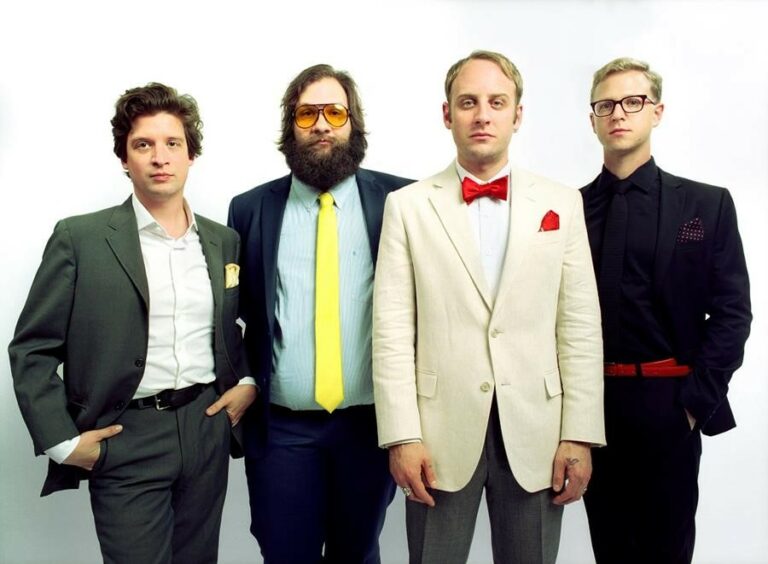
Deer tick, a quartet from Rhode Island, has released a music video for their song ‘Wants/Needs’ which is part of their Deer Tick Vol.2 album, which was released back in the September of 2017.
The band has also announced dates for their United Kingdom and European tour.
American film director Wes Anderson has become known for his distinct and well-polished style, a style that has got him six Academy Award nominations, which was present in his latest film ‘Isle of Dogs’.
With the release of ‘Isle of Dogs’ being two months ago, we have selected our top five films by Wes Anderson.
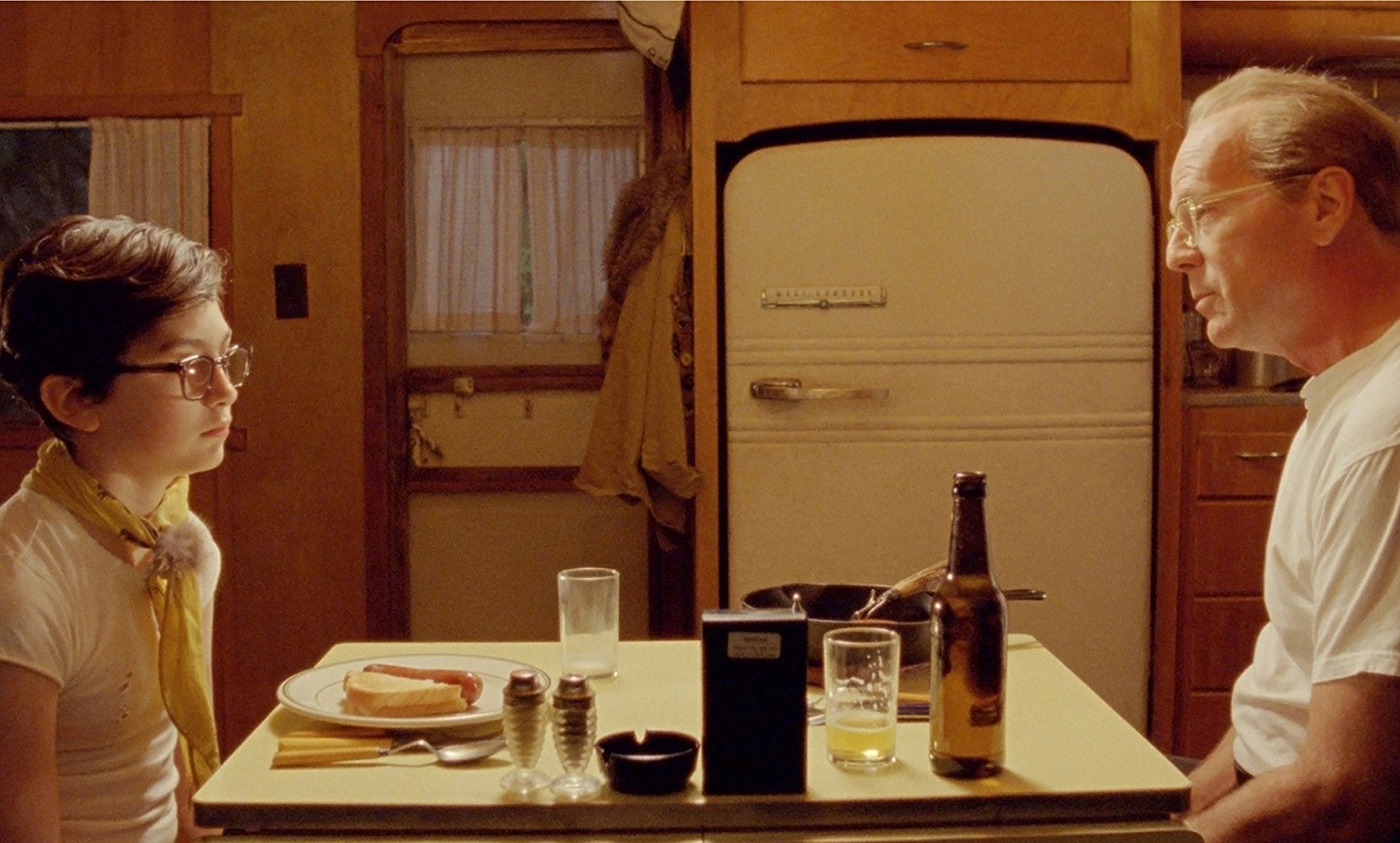
Moonrise Kingdom
In this 2012 film, Wes Anderson explores themes of love and family with a pair of two “troubled” young lovers who flee their town and cause an adventurous search party as their love for each other and understanding of life becomes richer as the story progresses.
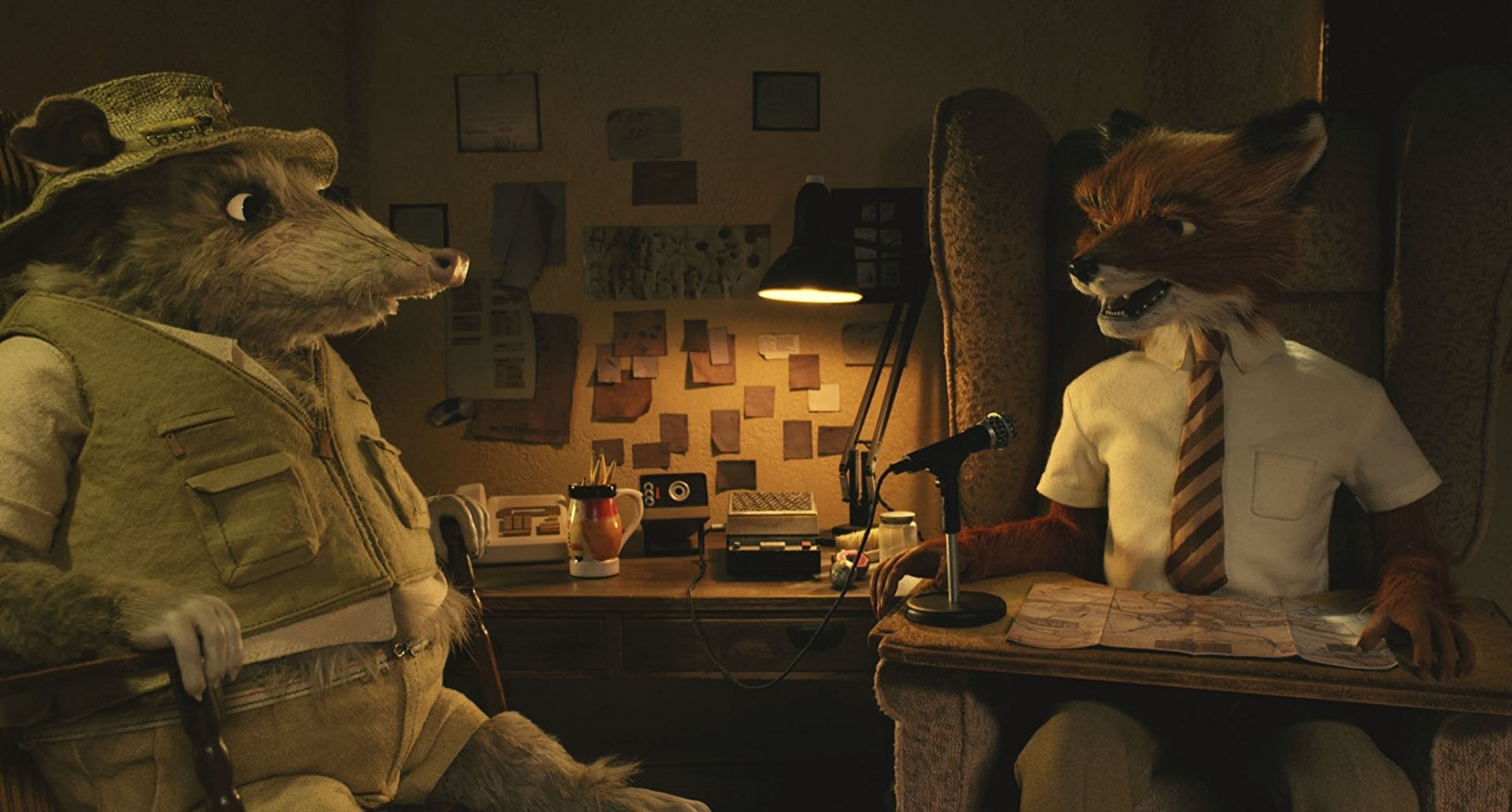
Fantastic Mr. Fox
This film adaptation of Roald Dahl’s ‘Fantastic Mr. Fox’ has become a classic in our books and one we adore dearly. In this comedy-filled animation, Mr. Fox voiced by George Clooney cannot resist returning to his past where he raided and stole from farmers. However, this time his old ways put him, his family and the whole community in danger.
Isle of Dogs
In his latest project, Wes Anderson sets the flag in Japan. In this film, we follow a boy’s journey to find his lost dog when the whole species of dogs are exiled due to an outbreak of a canine-flu. With this being the second stop-motion film of Wes Anderson’s, we can truly say it has been a major success and certainly pleases the audience as much as ‘Fantastic Mr Fox’ did upon its release.
The Grand Budapest Hotel
Four-time Academy Award winning ‘The Grand Budapest Hotel’ is another Wes Anderson classic. In this film, we follow the life a legendary concierge Gustave H and the lobby boy Zero Moustafa, who both develop a close friendship as they try to overcome obstacles to prove Gustave’s innocence for a murder he did not commit.
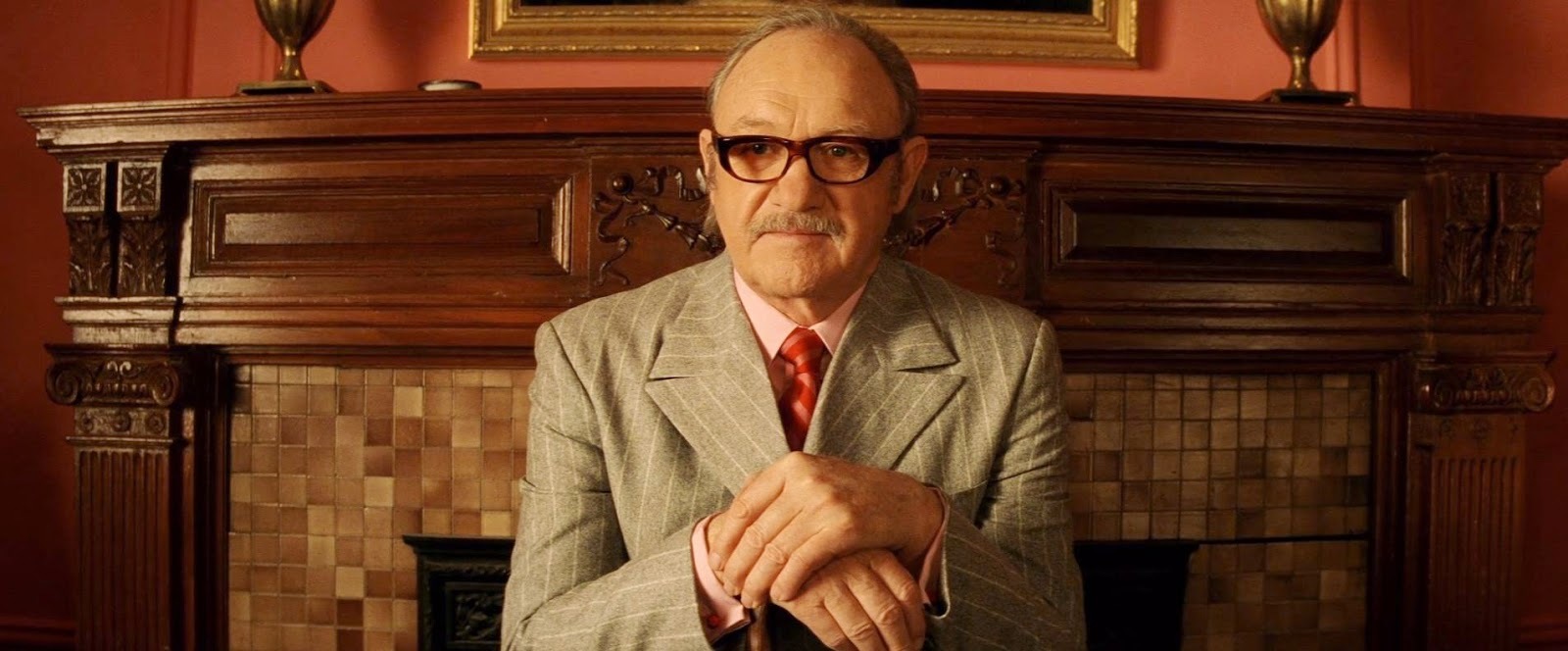
The Royal Tenenbaums
Our final selection for this list is the 2001 Academy Award nominated ‘The Royal Tenenbaums’ featuring Gene Hackman, Ben Stiller and Bill Murray. This film follows a dysfunctional family which gathers back home when their eccentric father Royal claims he has terminal stomach cancer.
The promise of science-fiction and overenthusiastic game developers for decades, yet something which has only really started to become feasible with the technological advancements of the last few years. We talk, of course, of virtual and augmented reality systems. You’ve probably seen them or played with them yourselves at some point, whether in a store or with a personally bought device and gotten a look at what the real first generation of these headsets and devices are capable of.
This being an industry in its infancy, both in terms of hardware and software, it leaves us a lot of room for speculation as to what possibilities the future might bring. So let’s take this opportunity to take some educated guesses, on the off chance we can look back on this in a few decades in smug satisfaction of how we ‘called it’.
Remember the Red
While not the first virtual reality device, the Virtual Boy from Nintendo was the first big attempt by a major console developer to find success in an undeveloped market. Released in 1995 in both Japan and North America, this controller and headset combination, which sat on your desk a little like a plastic periscope, was met with both critical and commercial failure. This thing was expensive, had only a monochrome display, poor visuals even despite the simple color scheme, and a very limited library of games (22 in total). It also had a tendency to give players migraines, an issue which persists with the eyestrain of modern devices, just on a lesser scale.
When Nintendo wants to try something new then they go at it with full force. In the case of the Wii and the Switch, this turned out fantastically, but the Virtual Boy, much like a lesser version of the Wii-U, was a marked failure. The idea was good, but the tech was simply not there yet. Quality VR would require more than two colors, better resolution, less latency, a wider field of view, and the much higher level of computing power which these necessitate, and we wouldn’t have those for at least another decade.
Enter the Rift
The device which really kicked off the modern age of VR was the Oculus Rift. Originally started as a Kickstarter campaign back in 2012, Oculus managed to raise a total of $2.5 million for the project, before being bought out by Facebook for $2 billion. While this influx of cash certainly helped the system along, it was a corresponding increase in technological feasibility which allowed this virtual reality device to finally reach a level of real believability.
The rift offered a 90Hz refresh rate, 1080*1200 resolution per eye, and a 110-degree field of view to far exceed any commercially viable product before it. Aiding this hardware was the help of serious programming legends like John Carmack to form the system firmware, and set the stage for the developers who would follow. It should also be noted that, unlike the Virtual Boy of yesteryear, the Oculus, and the various imitators and competitors which would later arise, would depend on a PC to perform calculations, where the video and audio output was then handed to the device. This meant at least a GeForce 970 graphics card, three HDMI 3.0 outputs, and a processor equivalent to an Intel Core i5-4590, which while not obscene were still at the higher end of the time.
With new hardware available for exploration, it was only a matter of time before software developers would jump on board to try their hand at the opportunities which this new avenue represented. Though there have been a few attempts by major publishers, like Doom and Skyrim VR, these often come down to smaller indie titles, as developers still struggle with appropriate translations of their games into VR space. Motion sickness is still a big issue here, as is the fact that running a game in VR requires considerably more resources than the traditional way, owing mainly to the strain of rendering two different screens at once, and at a sufficiently high frame-rate and low latency.
As our technology for creating virtual worlds improves, and general cost of processing power decreases, we can expect these systems to become increasingly viable, and with major console developers once again on board, the next few years and the next generation will be key.
So What Does the Virtual Future Look Like?
This is the part where we put on our guessing hats and try to predict how things might shape up in the future of VR. There are a few things which are a given, just based on the general improvement of technology over time. As computers become more powerful we can expect games on VR devices to become better looking, and more complex. This will undoubtedly be aided by an increase of fidelity brought in by hardware advancements of the VR headsets themselves. Better field of views, faster refresh rates, and improved visuals overall means that we will inevitably reach a place where the virtual world might appear indistinguishable from our own.
Small form factors and lighter components will also decrease the discomfort we feel after using these devices for long periods, and better understandings and adaptions to eye-strain could also help eliminate the problem of migraines and motion sickness. Eventually, we might be looking at direct neural interfacing, which could bypass traditional aspects of control and audio/visual display. The foundations of these are already being used in modern cybernetics and, while they have a long way to go, they still show immense promise.
Of course, the more invasive of these possibilities raise questions as to the ethics of certain types of elective surgery, especially in the first few experimental years, so the industry surrounding this should also be something to watch.
In short – yes we are saying that something similar to jacking in like with Neuromancer or the Matrix might eventually become a reality. As for how far this would go, that might depend on the future of personal freedoms.
What of the Augmented
Arguably lesser famed than its virtual reality counterpart, though one with perhaps much more promise in terms of general use. Augmented reality, for those unaware, can be thought of as a simple overlaying of the real world with digital components. The most famed example of this is probably the recent phenomenon of Pokémon Go. This game would use the cameras of smartphones to show a real location, and on top of this would be placed the digital creatures themselves. While this example was perhaps a bit of a flash in the pan when it comes to staying power, it did a lot to capture the imagination of what games might one day offer.
This is a market largely untapped, as realizing an AR vision requires considerable knowledge, though recent developments like Google’s AR Core framework have lowered the bar to entry considerably. Part of this ties into the limits of the involved devices. While smartphones, the current biggest system for AR games, are rapidly improving, they have a long way to go before either they or online infrastructure in general reaches a level where AR development is anything approaching simple and efficient.
This also ties into a similar issue shared with VR, that of device size and weight. While VR headsets work great in some spaces, they aren’t exactly perfectly suited for transport, which limits their viability with how well AR works with outdoors and changing environments. While future developments like the announced Apple AR glasses will undoubtedly help in this area, these are still a long way from proper coverage and feasibility. On the plus side for gamers, the enormous potential for AR in business and medicine means that we might see some sort of government-funded research breakthroughs in the future.
The Games, Man!
AR has some major advantages over VR in that it can encourage exercise, and you have a far less a risk of physically bumping into stuff as when wearing the blinders of a regular VR device. When reality is the background of your game world, you have an almost unlimited field of play. Combine this with the multitude of different games which could be on offer, and you could find yourself in a virtual wonderland of realities to explore.
Thirty years from now you could put on your VR glasses and look out your window into the city, flipping between multiplayer programs and games hosted within your server location. You could see enormous monsters wandering the city, as virtual tracer rounds fired from AR ground player’s streak up towards the sky. You might hear the rumble of jets as those with VR setups offer air support and weave between the buildings on your block.
Flipping programs, you could see an overlaid digital version of hell, with monsters roaming the city while fellow players fight to keep them at bay. Changing again, you might enter the world of your local AR Minecraft server, with all the potential for fun and trolling that it represents.
As with VR, this is not entirely without limitations. Concerns about personal privacy are always going to be a big problem when it comes to the type of monitoring which becomes necessary when sharing a virtual space. While this might not an issue with single-player AR games, it does bring to mind other issues regarding recording and ‘accidental’ invasions of space. Much as we have seen with privacy laws involving the internet, there are likely going to be those out there which take advantage of the legal system playing catchup, so there’s probably going to be a lot of, let’s say, gross stuff, at least at first.
You Could be a Part
The thing about this type of future speculation is that it relies on the imagination of artists, designers, and programmers to become a reality. Just as people have released more traditional games which became runaway and unpredicted hits, this is likely to also occur with augmented and virtual reality games. With the most recent generation being more familiar with technology than ever before, we have to wonder exactly how many of the ideas which we all have might eventually make their way into the mainstream. This is an area keyed for exploration and expansion, so if you think you have any ideas then don’t be shy about pursuing them. You might be the next Notch, just without the negative reaction which his name inspires.
The first song to enter this edition of Sound Selection is by Naji featuring Insightful who present us with ‘Forget About It’. In his latest single ‘Forget About It’, Naji explores dynamic soul-driven vocals with full of life catchy beats. With this terrific single released, we are sure to hear more great things from Naji in the months to come as he looks to grow on his already presence made career.
Meg Blumberg ‘Happenstance’
Now, who cut the onions? Presenting us with a deeply emotional and simply stunning Up-like composition is Meg Blumberg who gifts us her latest project, ‘Happenstance’. With this latest composition, Blumberg explores emotional themes of joy and delight with true authenticity and pleasantness and marks herself as the name to follow in the world of music.
KLANGPLANET ‘Tropical’
The household name that has become KLANGPLANET is back and this time with another groovy and well-fitting song for the summer named, ‘Tropical’. In this song, Klangplanet beautifully combines brass and string elements with the core elements of Deep House to make this song, one for the playlists.
ManiezzL ‘Barracuda’
Bringing us more fantastic House music is ManiezzL who gives us ‘Barracuda’ which utilises jaw-opening synths and dynamics that we can only describe as awe-inspiring. With this splendid and well-produced song released, we are sure to keep ManiezzL on our radar as he looks to become the next big name in the sphere of electronic music.
Lyves ‘Still’
Another top-level song to enter on our Sound Selection is ‘Still’ by the wonderful, Lyves. In her latest single, the highly gifted and billboard-made artist, Lyves showcases a range of stunning and comfortable vocals that makes this song, one for the playlists.
Ryder Havdale ‘Good Girls’
Entering Sound Selection with a dance-driven vibe and catchy bass that takes you in upon the first note, we have ‘Good Girls’ by Ryder Havdale. In this single, Havdale develops a strong structure and an addicting melody that becomes the cornerstone of the song. It is without a doubt that this song is a great addition to any playlist looking for a striking and electrifying dance song that explores the sounds of Deep House beneath the expectations of the genre.
Fever Feel ‘Somewhere Down The Line’
The final song to enter on this edition of Sound Selection is by Fever Feel who presents us a catchy and funky song named, ‘Somewhere Down The Line’. This is a perfect song to end this Sound Selection as it utilises positively driven themes that are supported by terrific vocals and splendid production that marks this song as a great addition to any playlist.
Fun, catchy and simply glorious is just how we describe Rocket Love by Golan.
Golan, a Romanian-based three-piece band, has shared their latest single ‘Rocket Love’. In their latest single, Golan take on quite the fun-vibe with their authentically driven token that is ‘Rocket Love’. The solid, indie-driven production of ‘Rocket Love’ becomes a big draw for the listener and one we adore, for sure.
With this song released, we are sure to hear more music from Golan shortly as their previous big release was their fourteen-track album ‘Intro’.
‘Rocket Love’ is available to be streamed via Spotify and was released under Universal Music Romania.