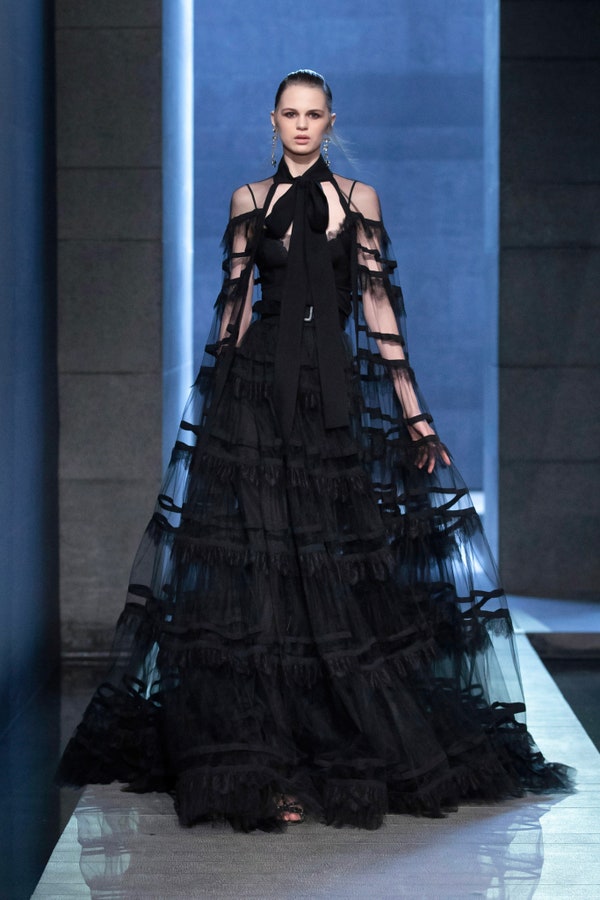
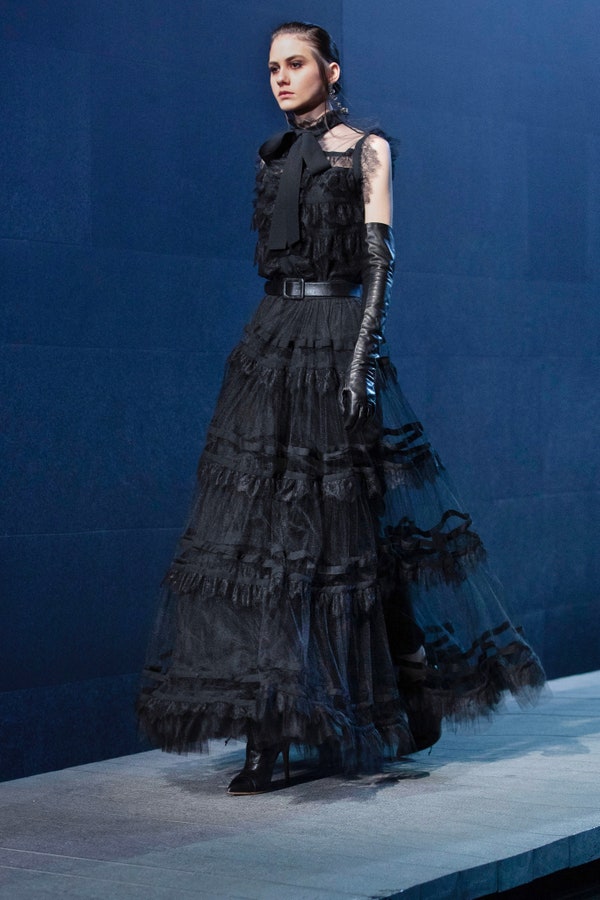
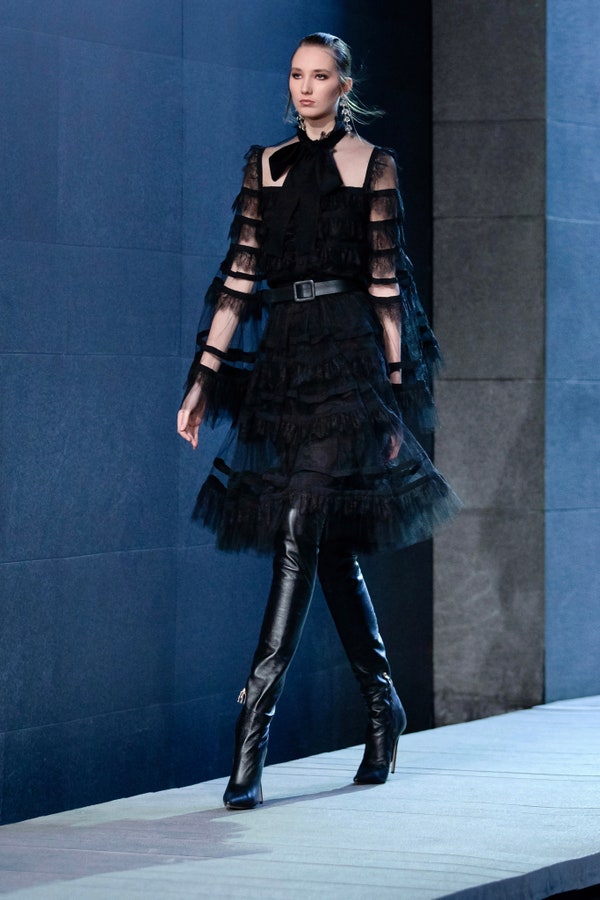
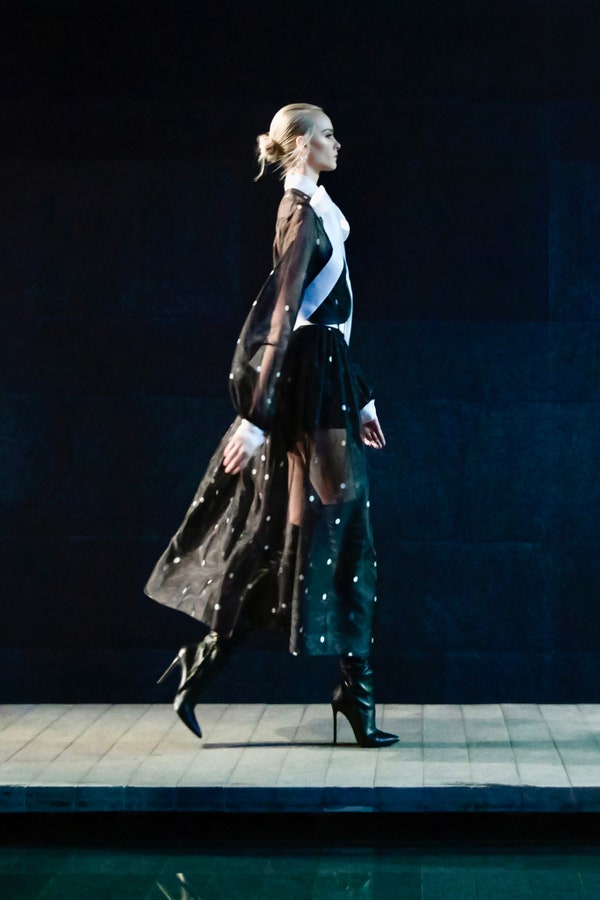
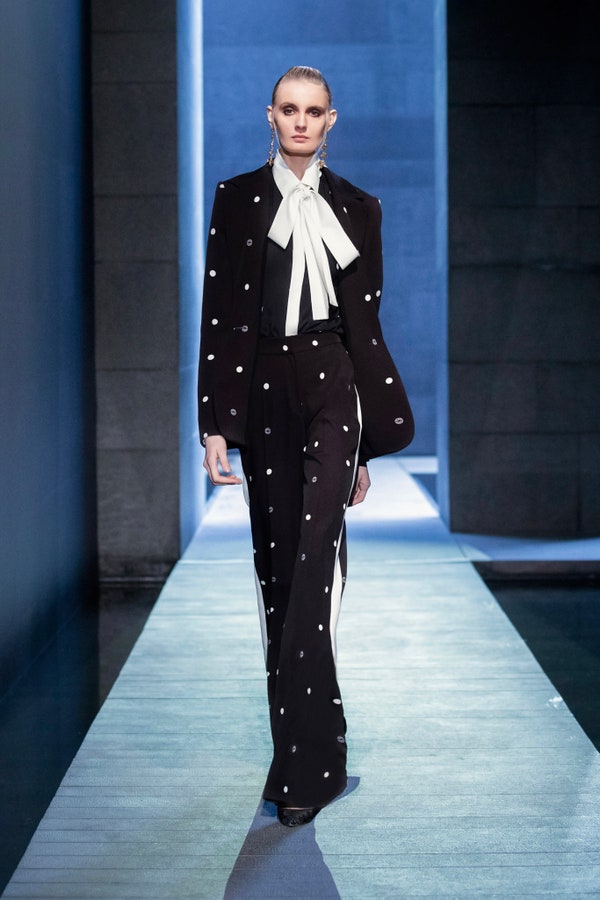
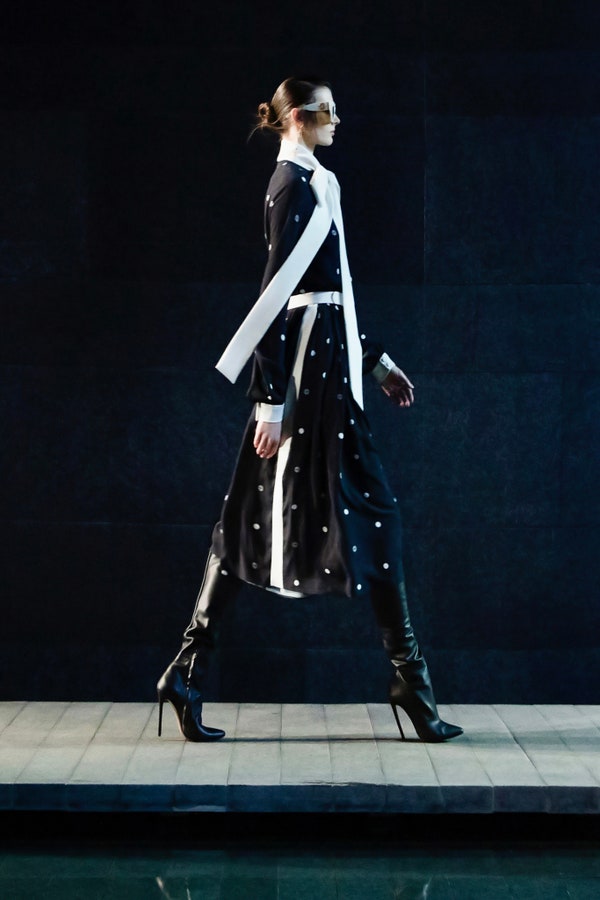
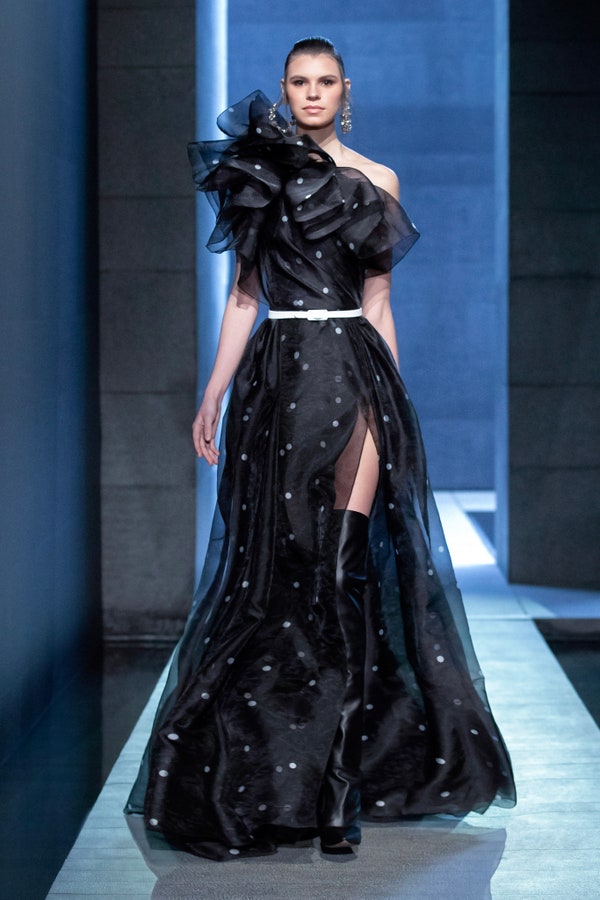
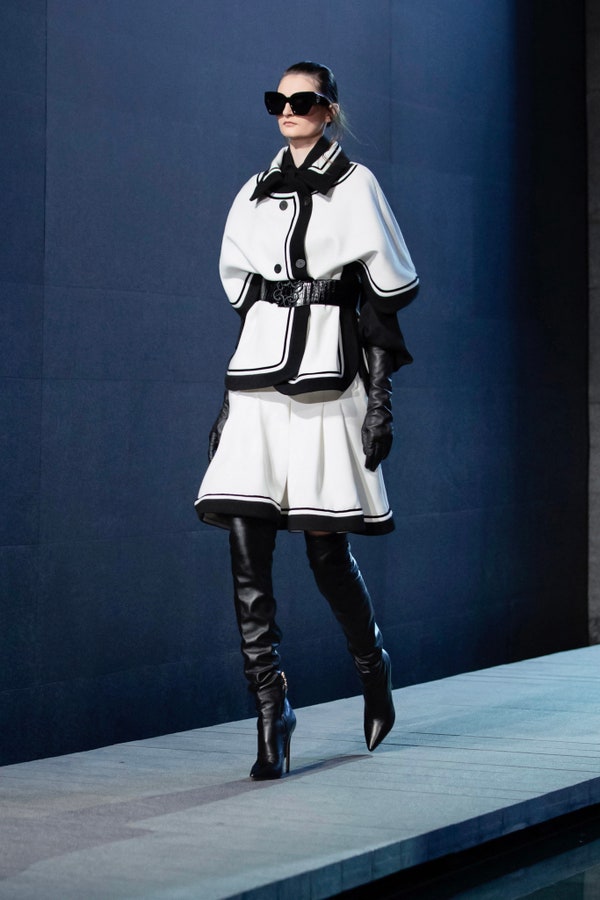
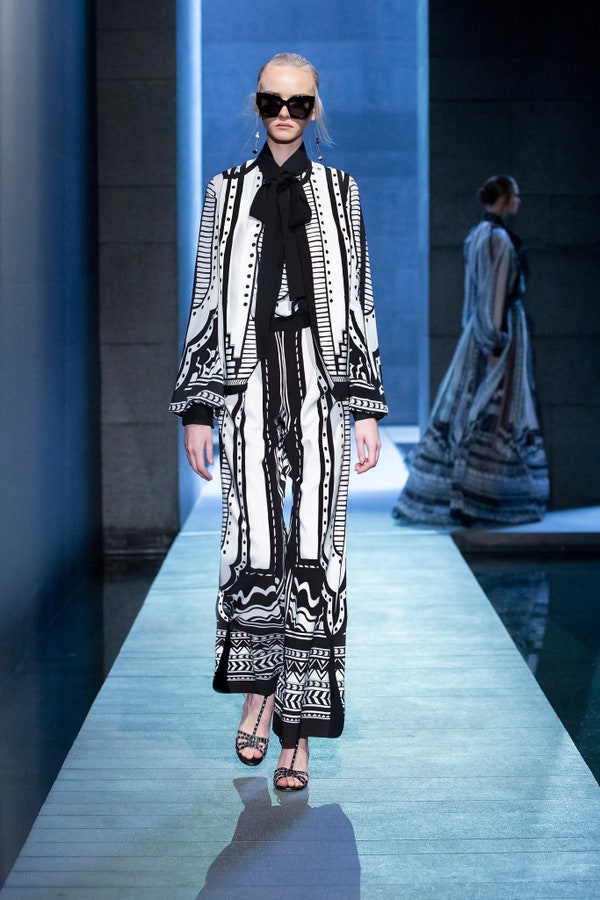
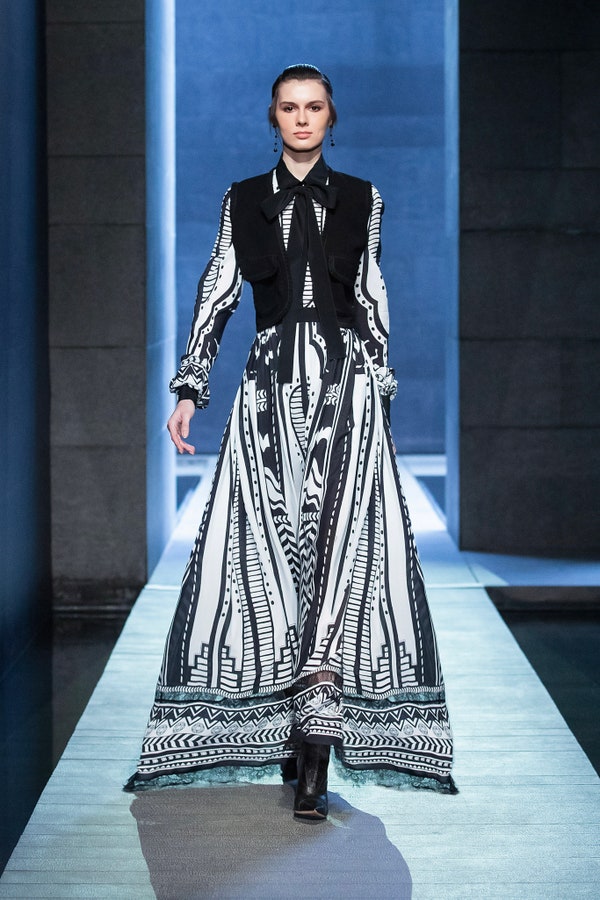
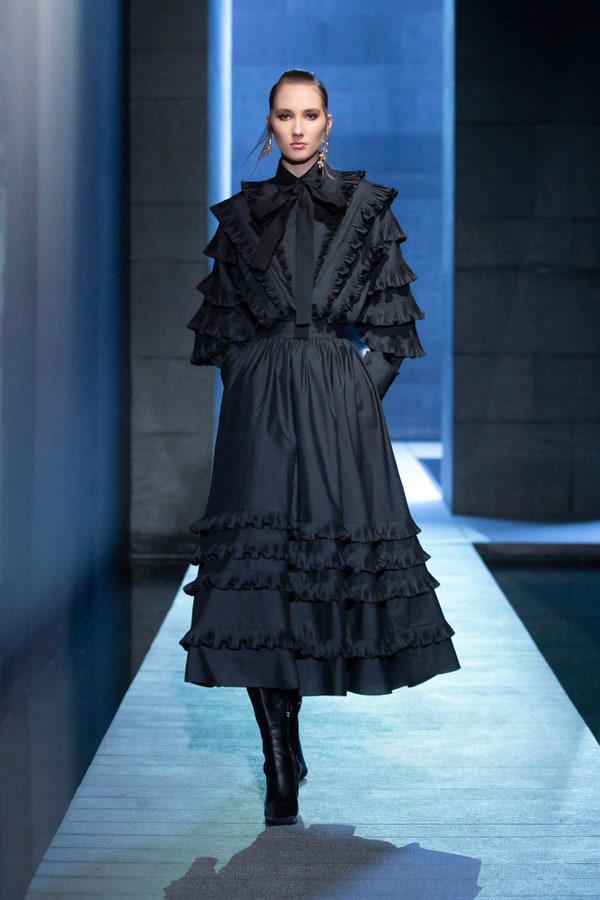
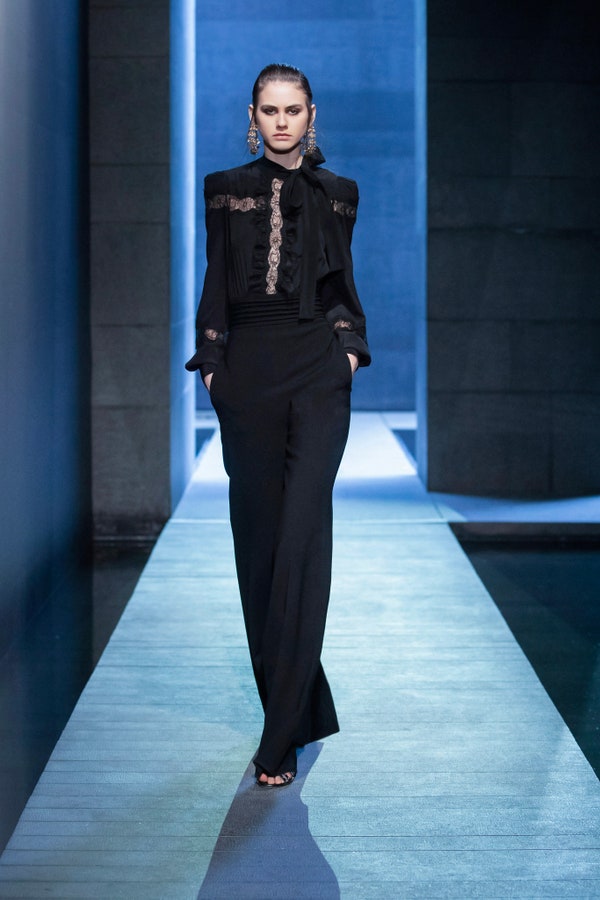
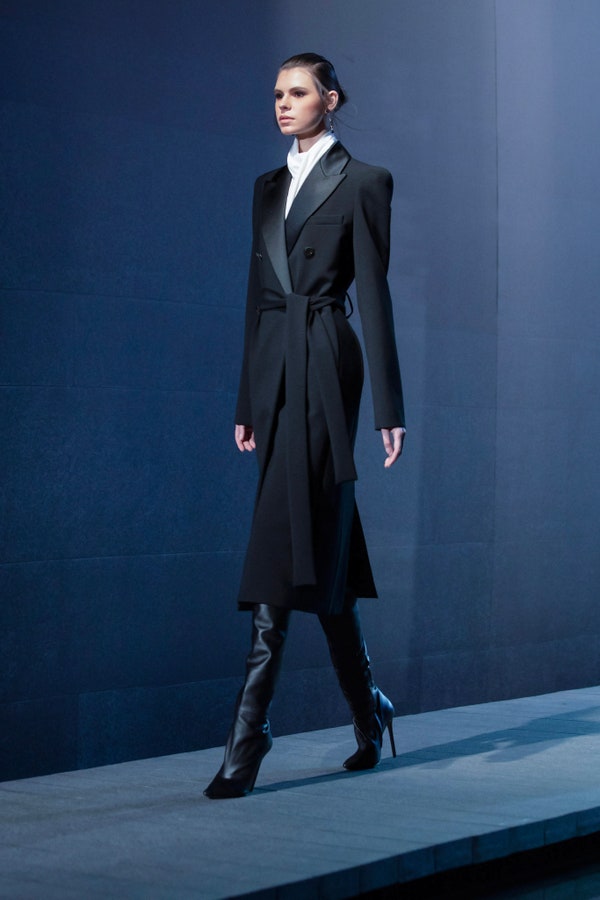
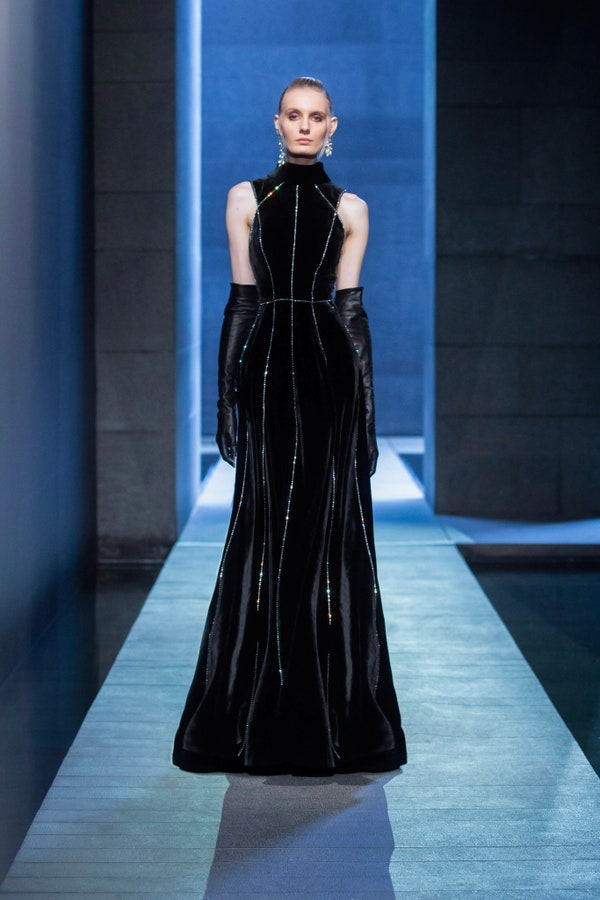
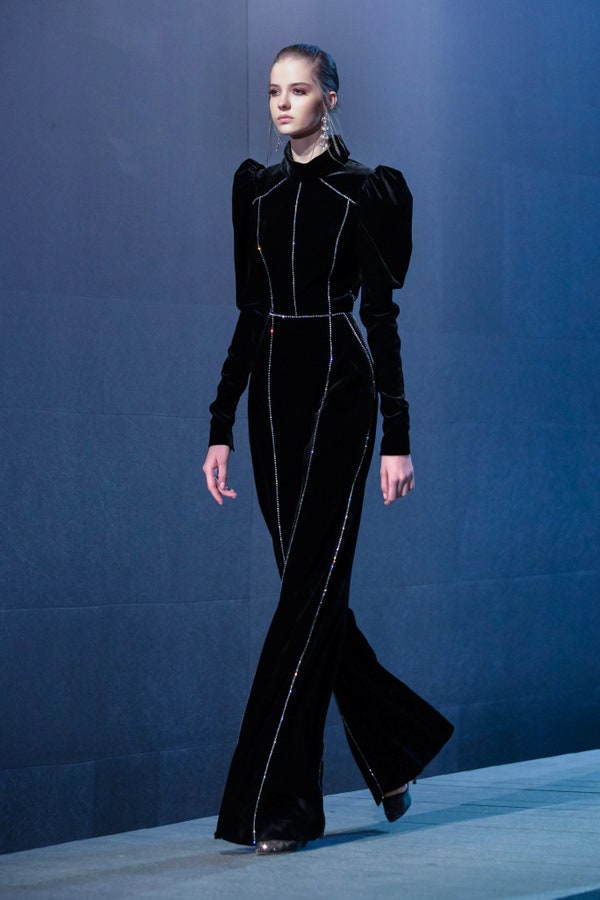
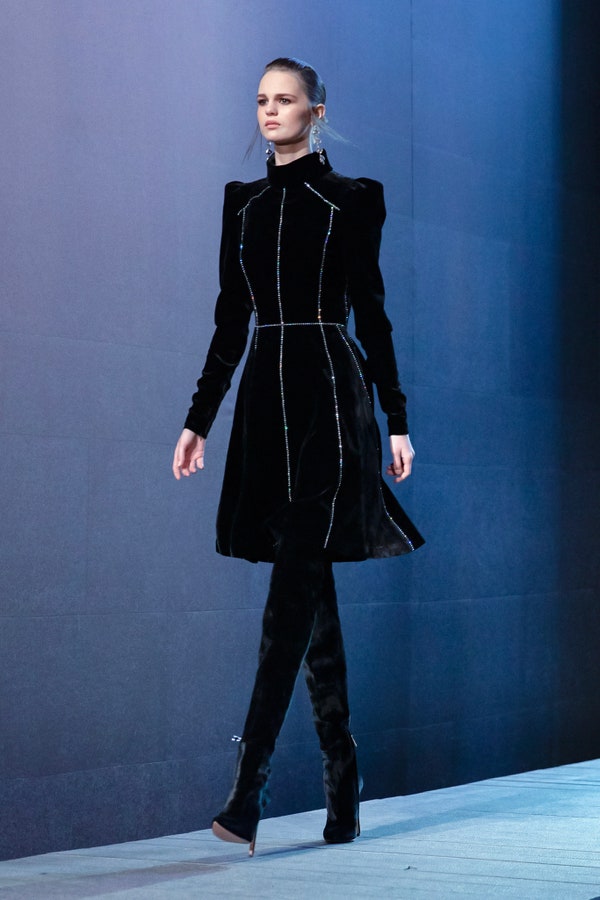
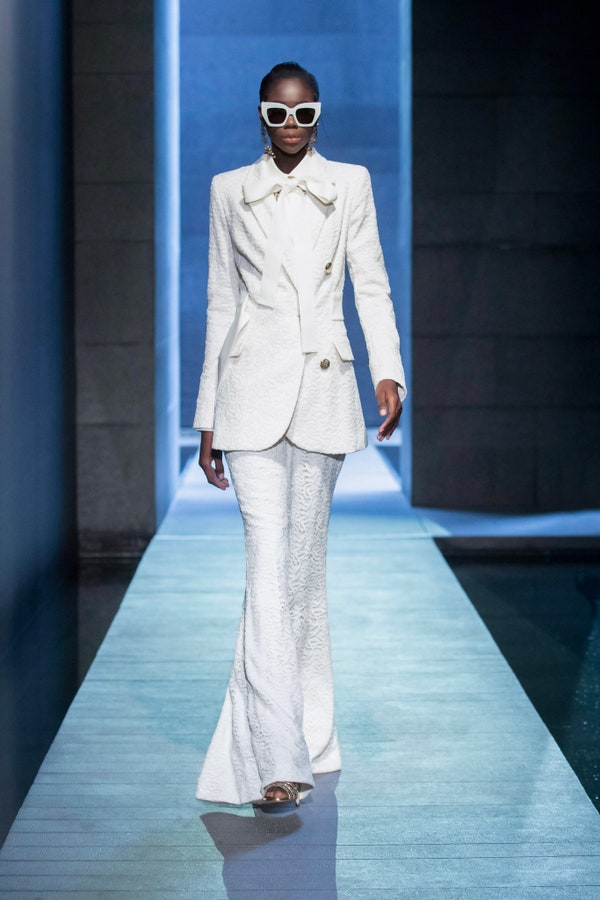
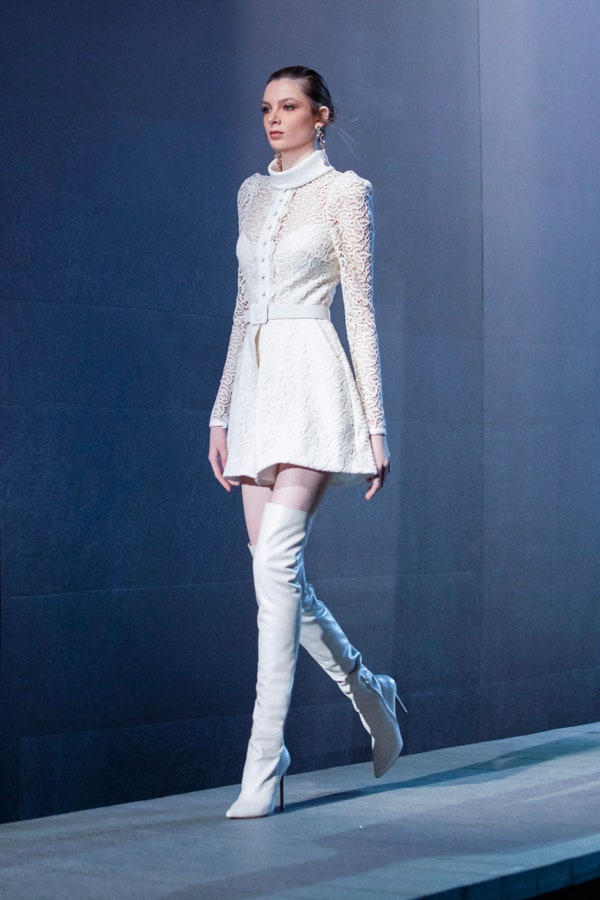
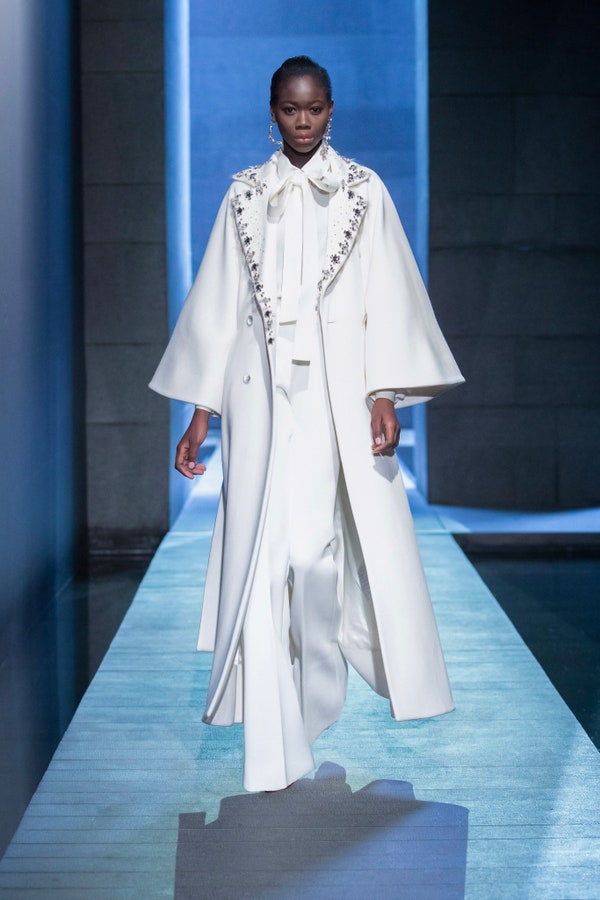
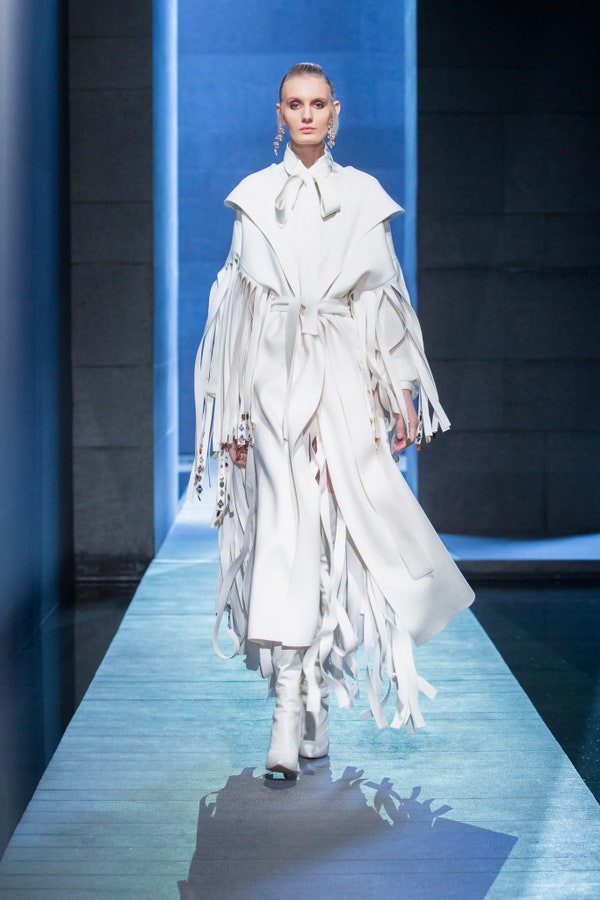
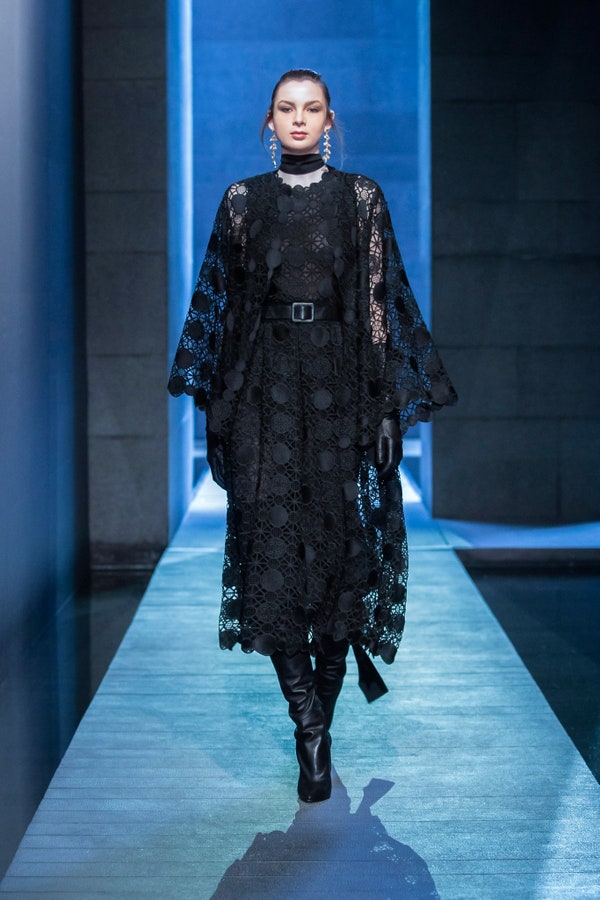
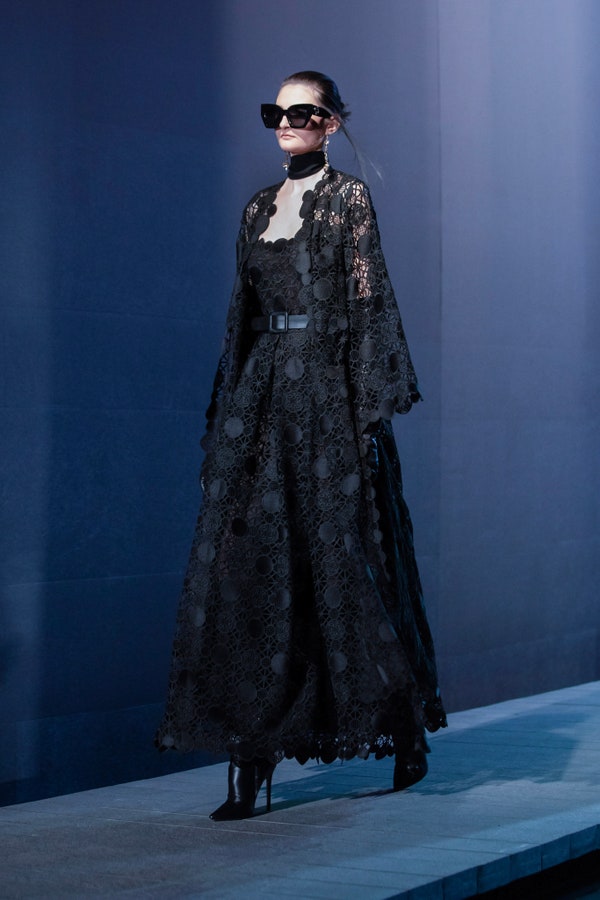
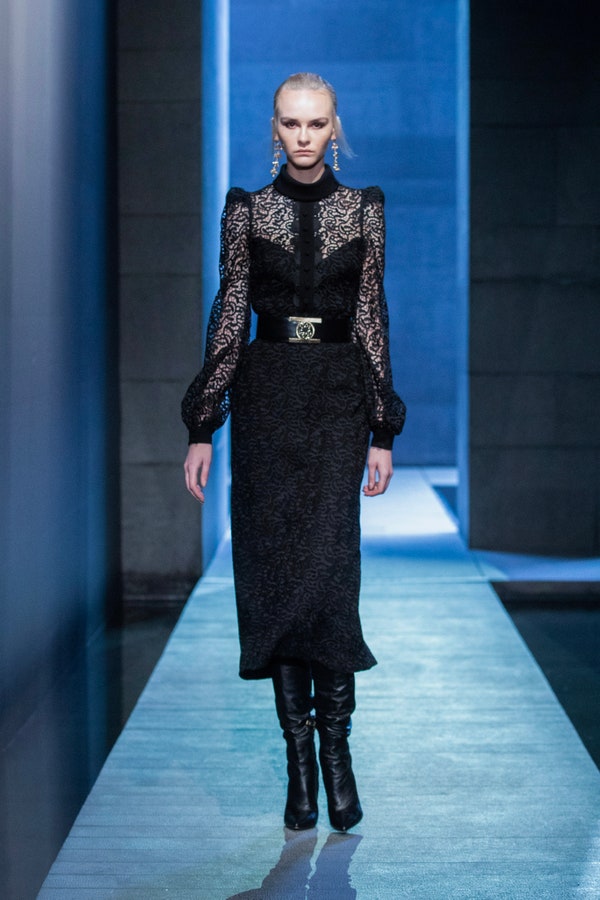
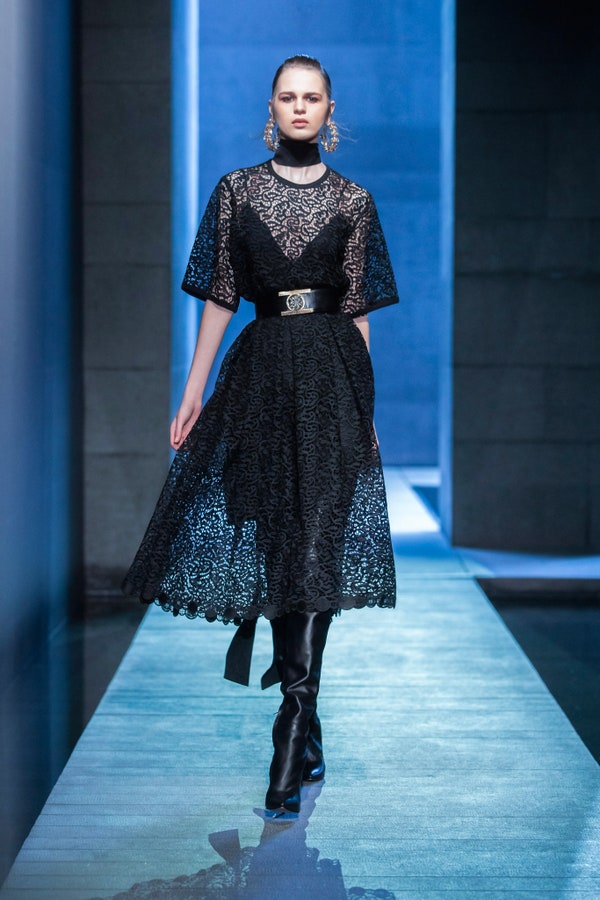
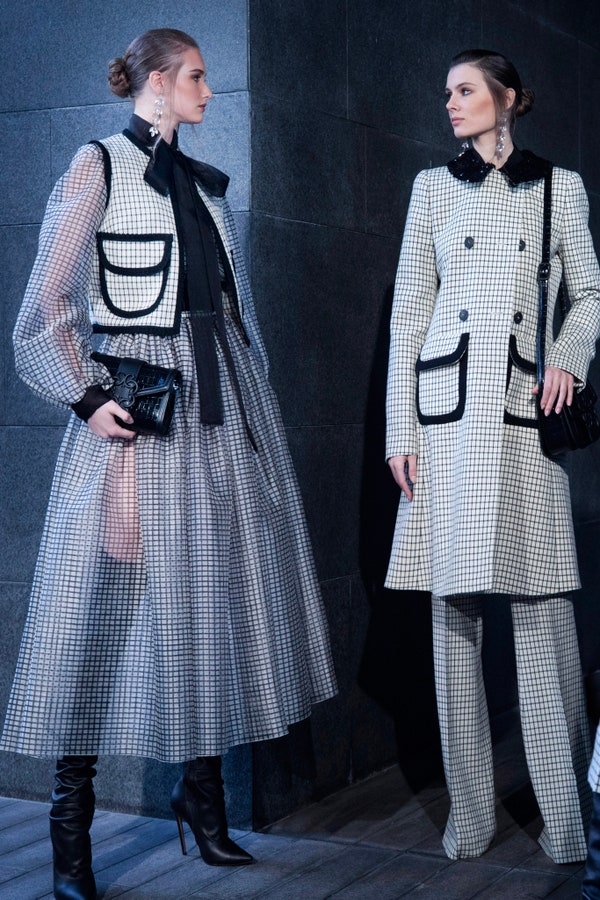
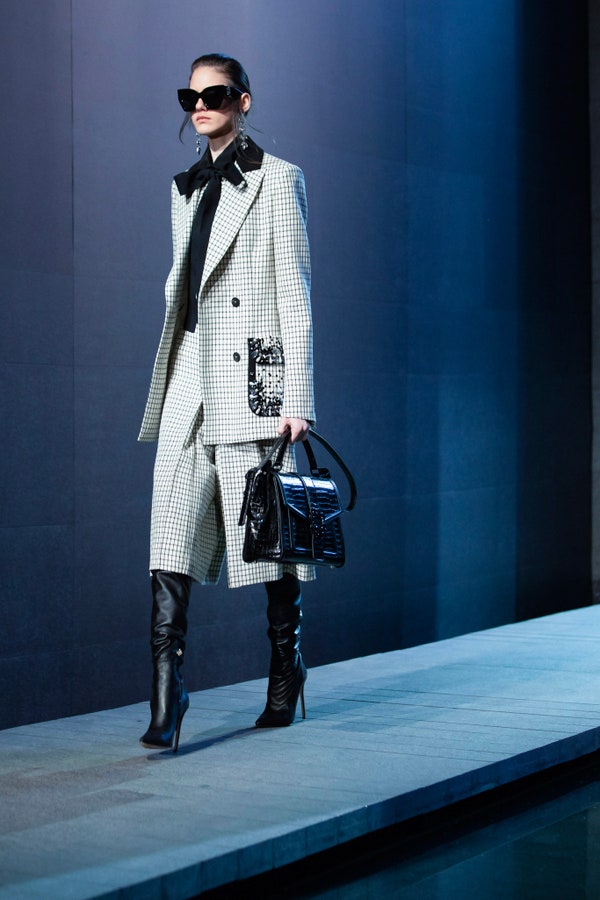
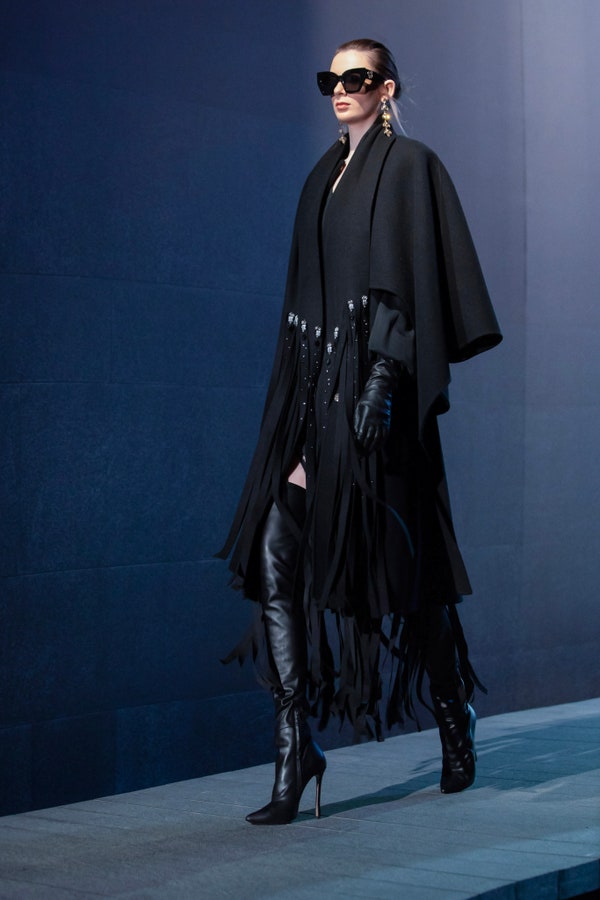
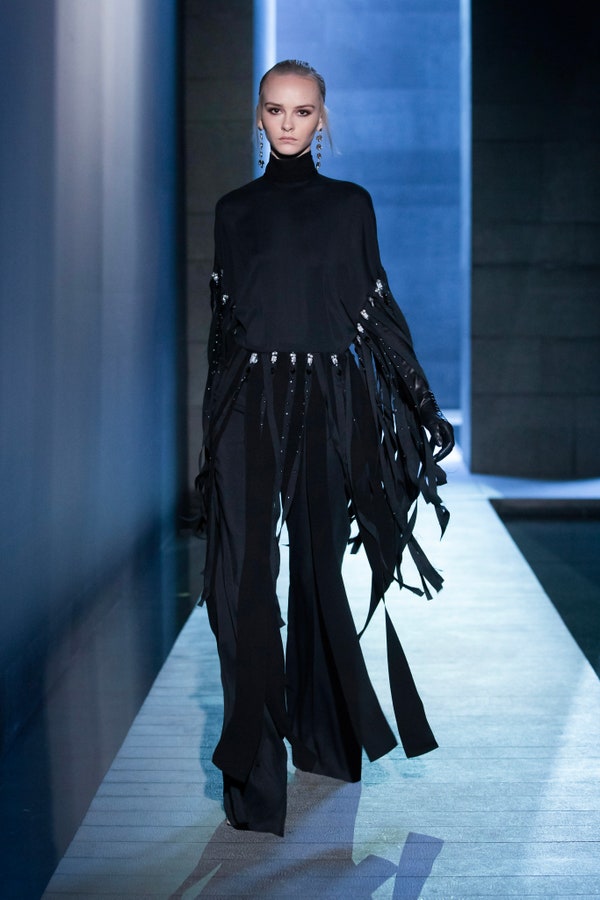
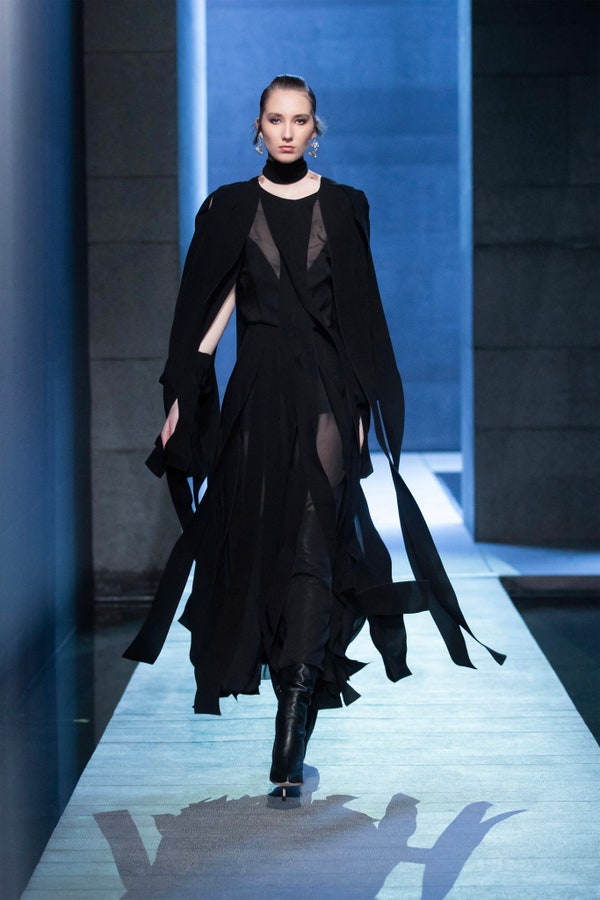
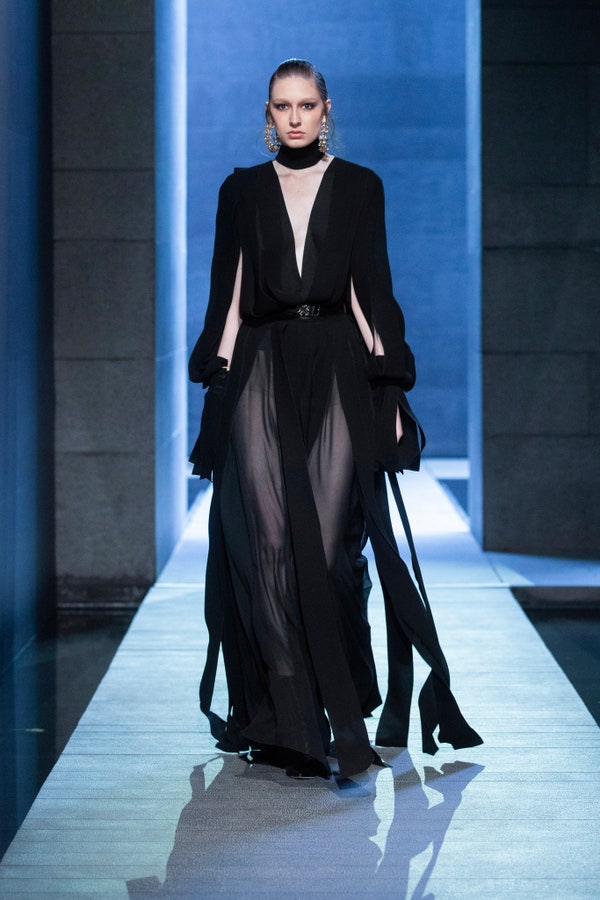
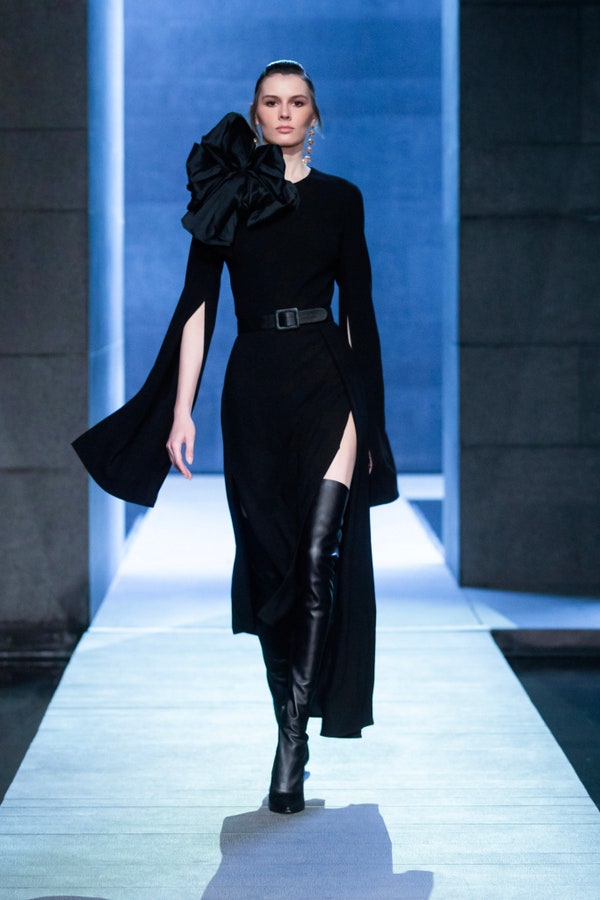
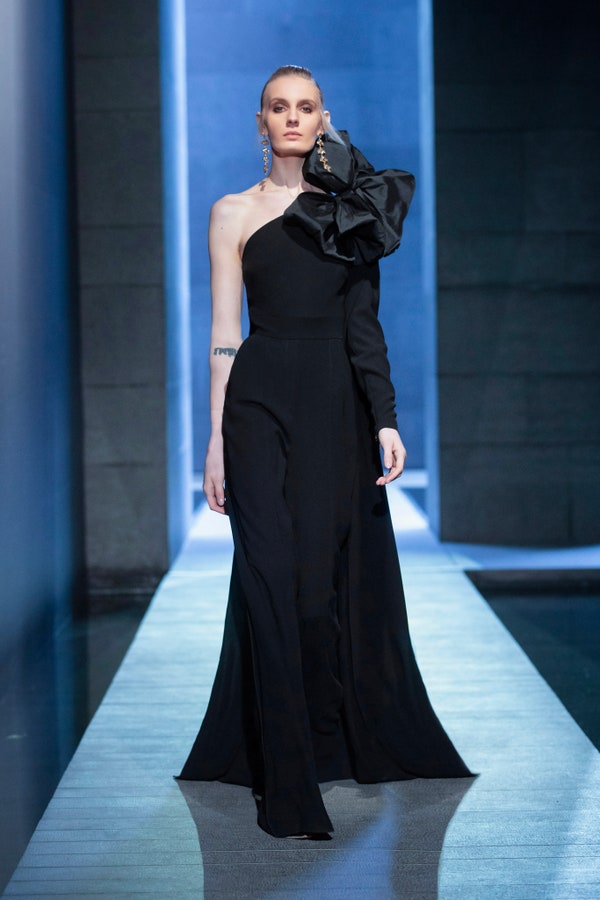
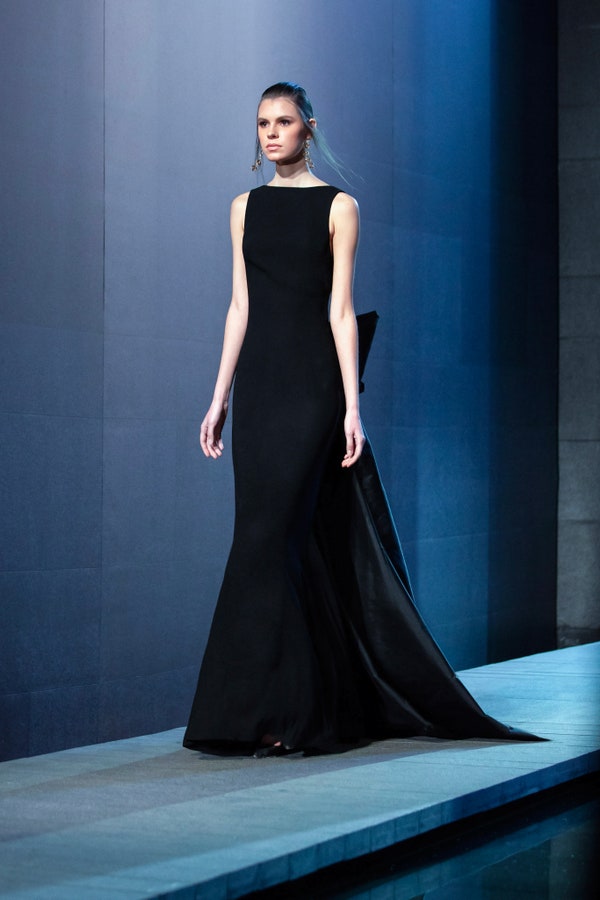
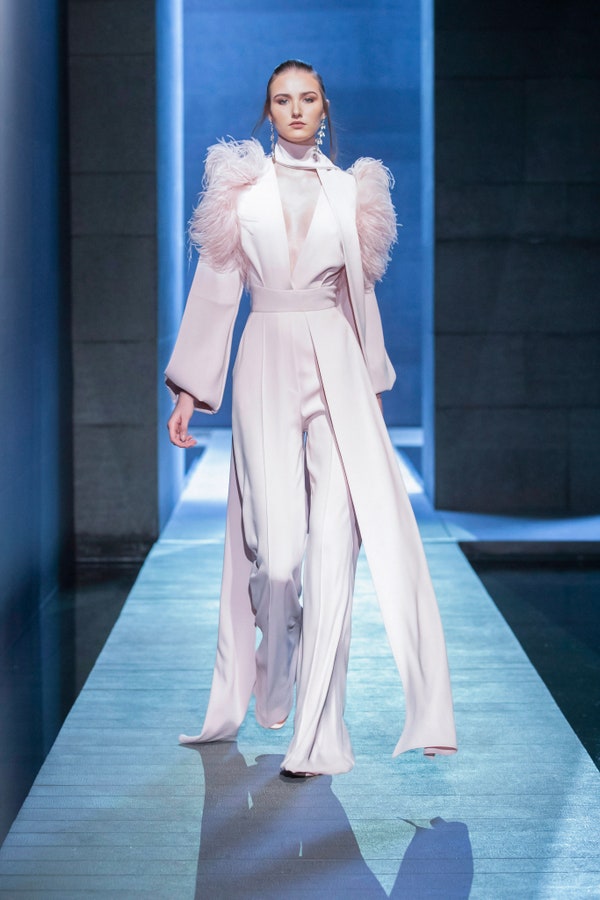
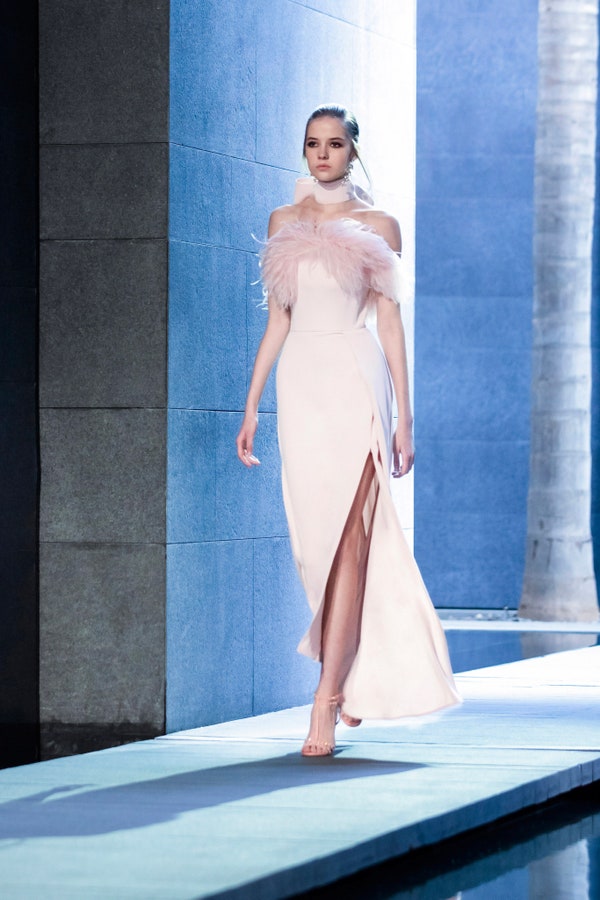
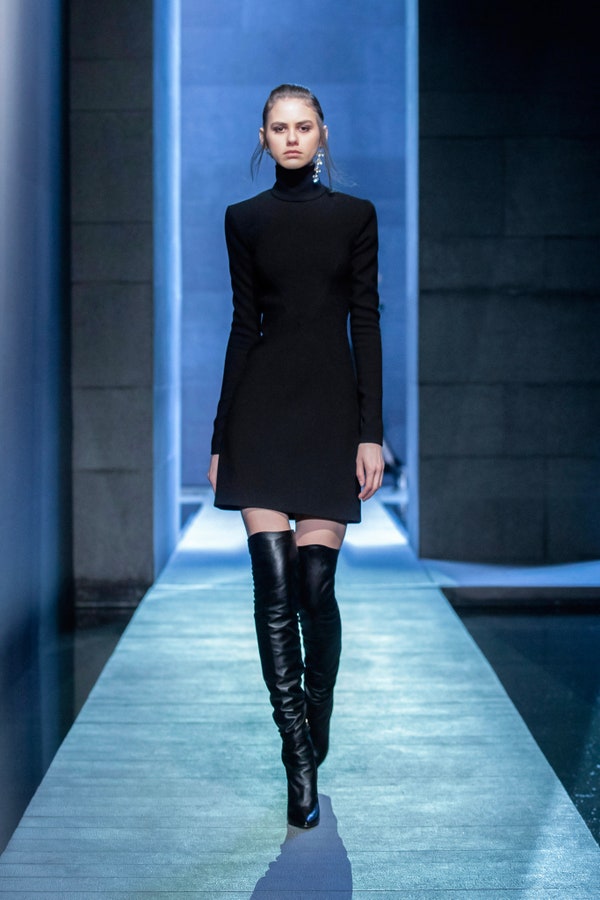
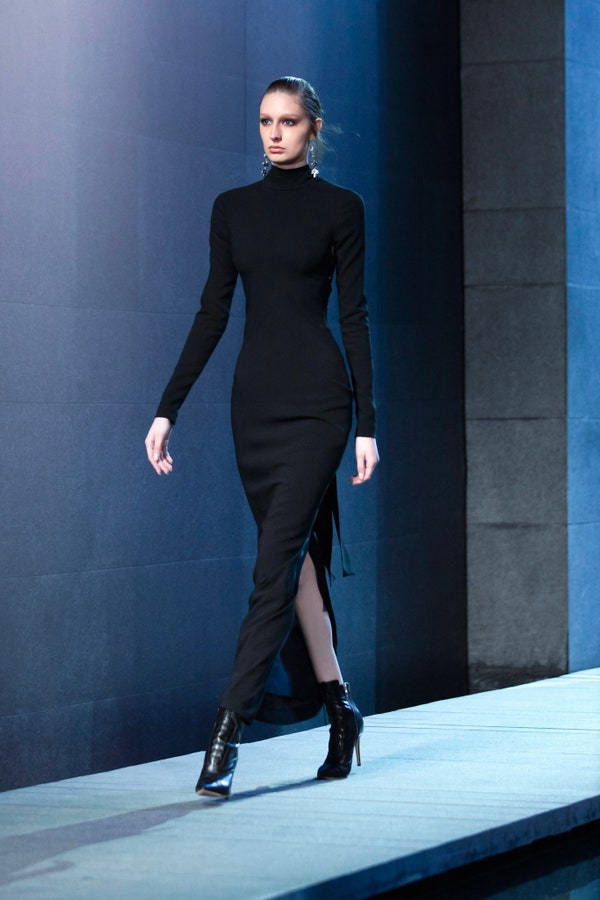
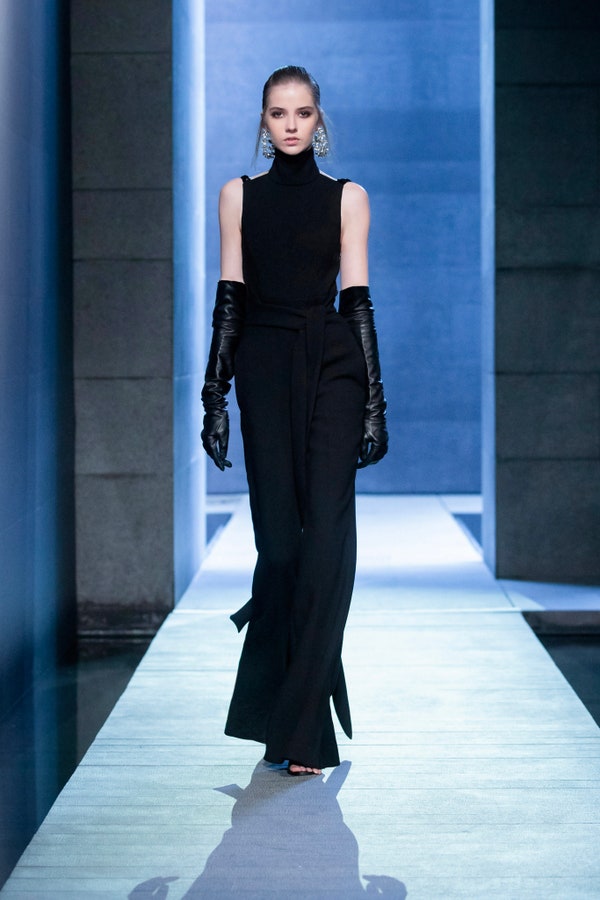
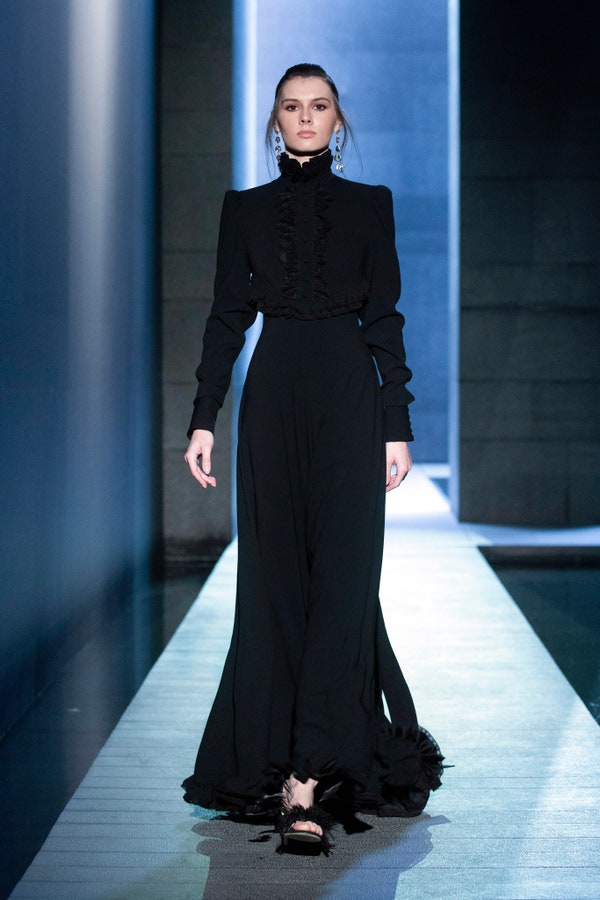
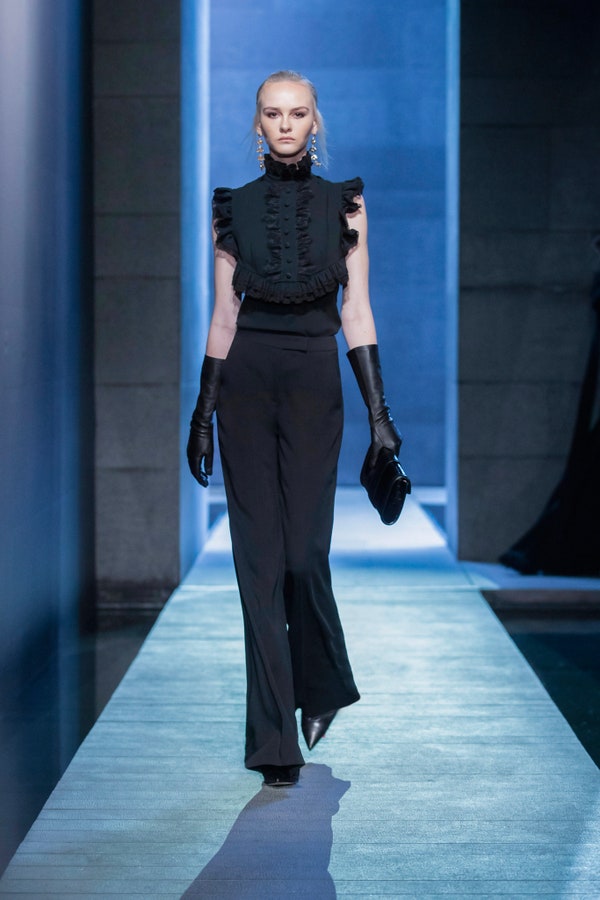
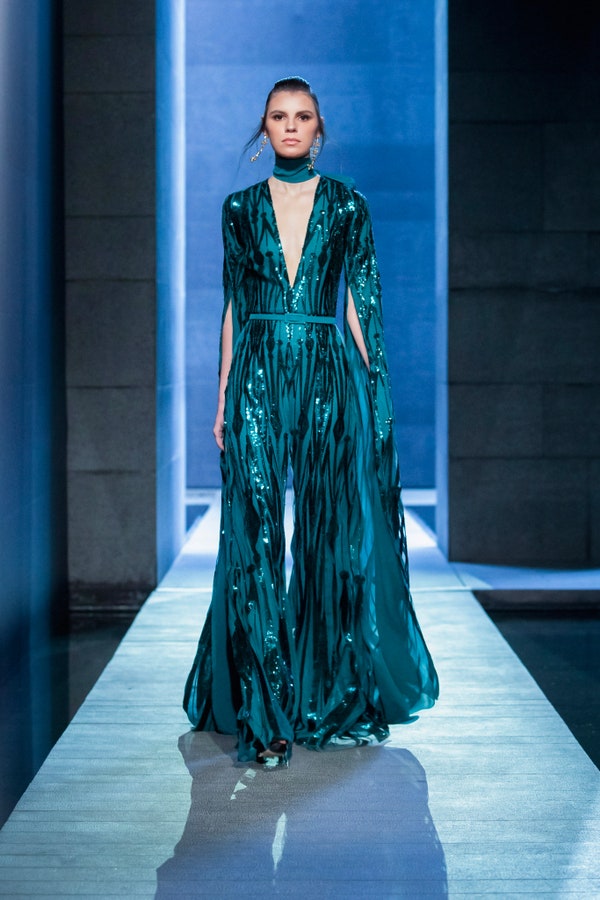
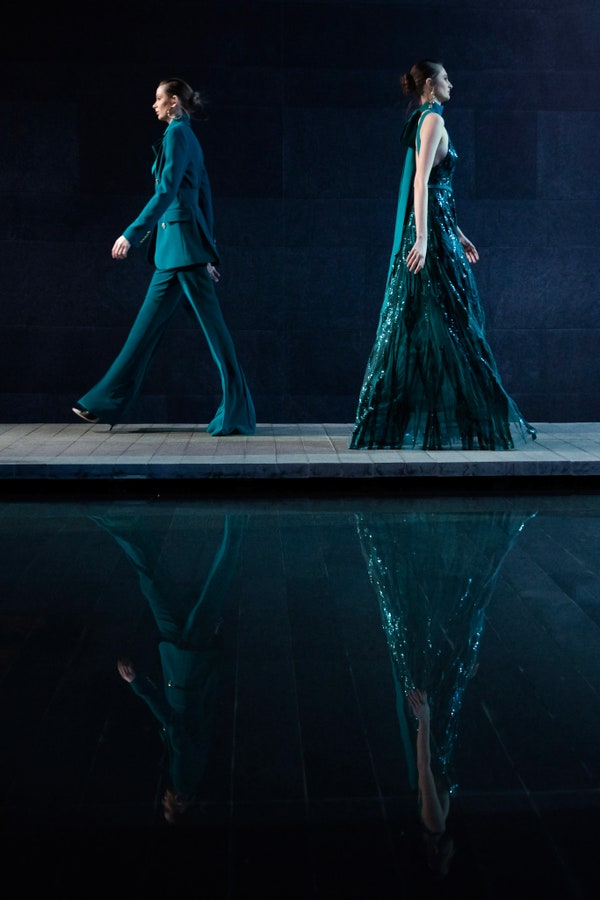
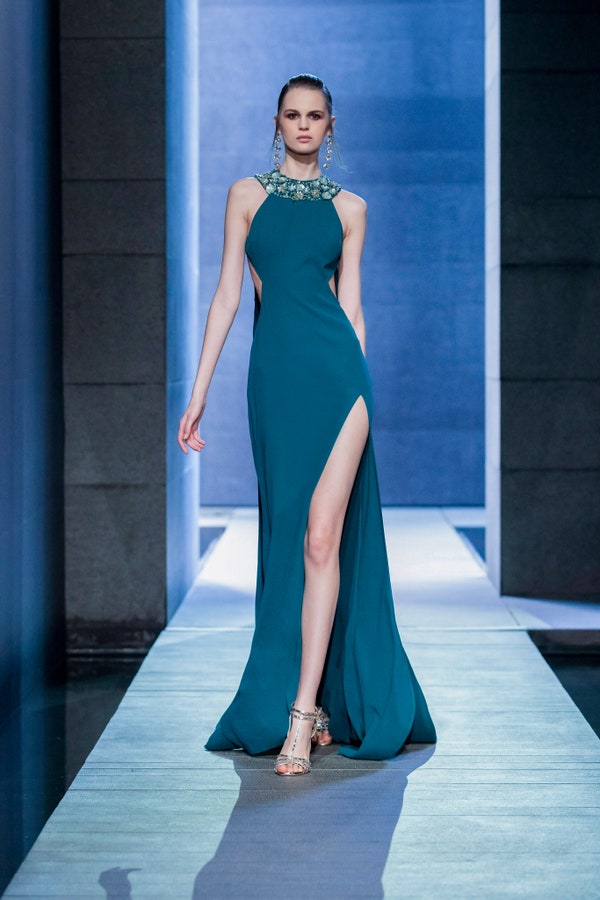
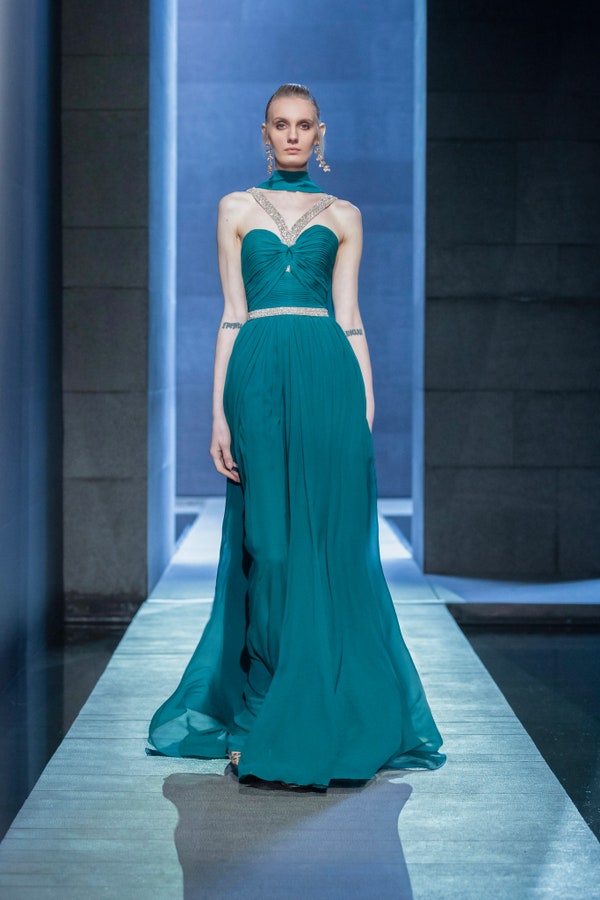
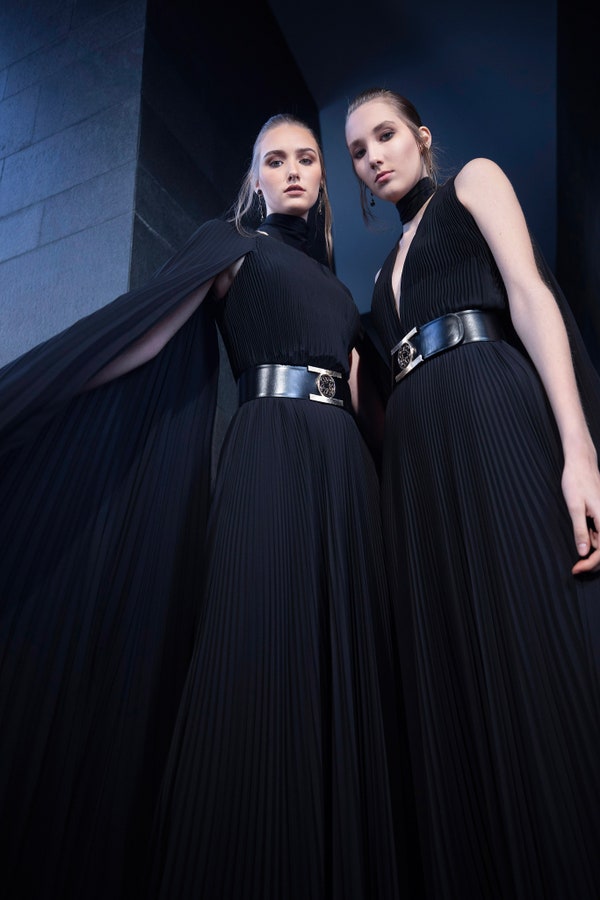
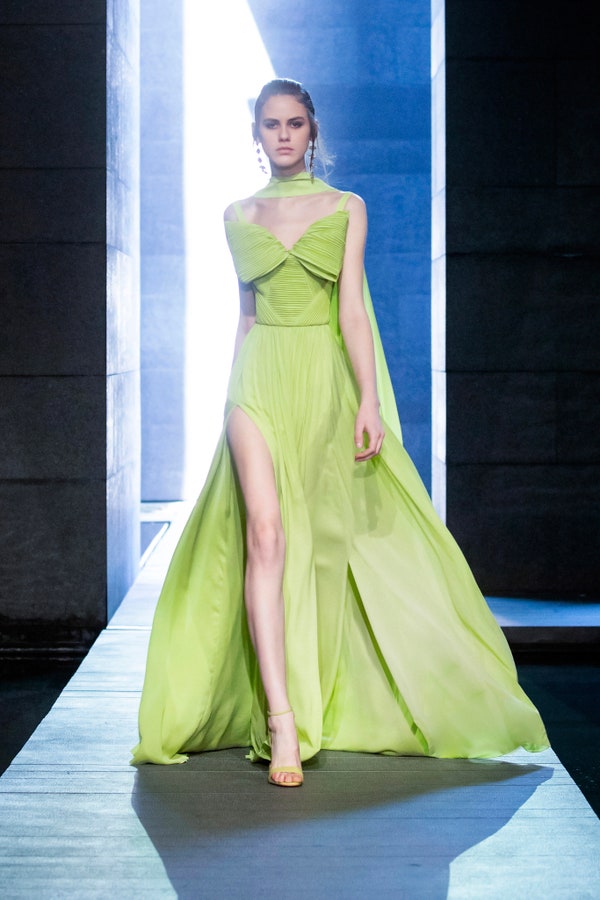
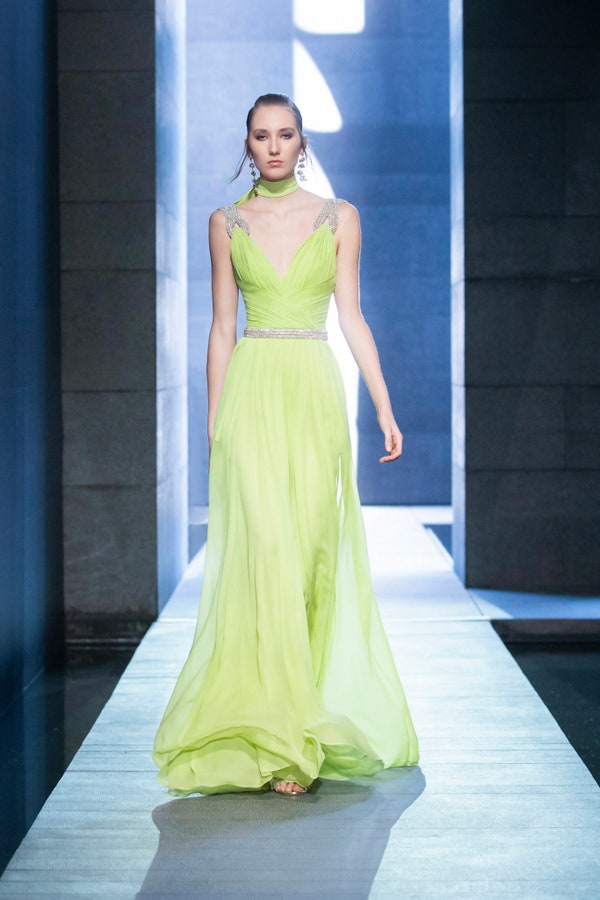
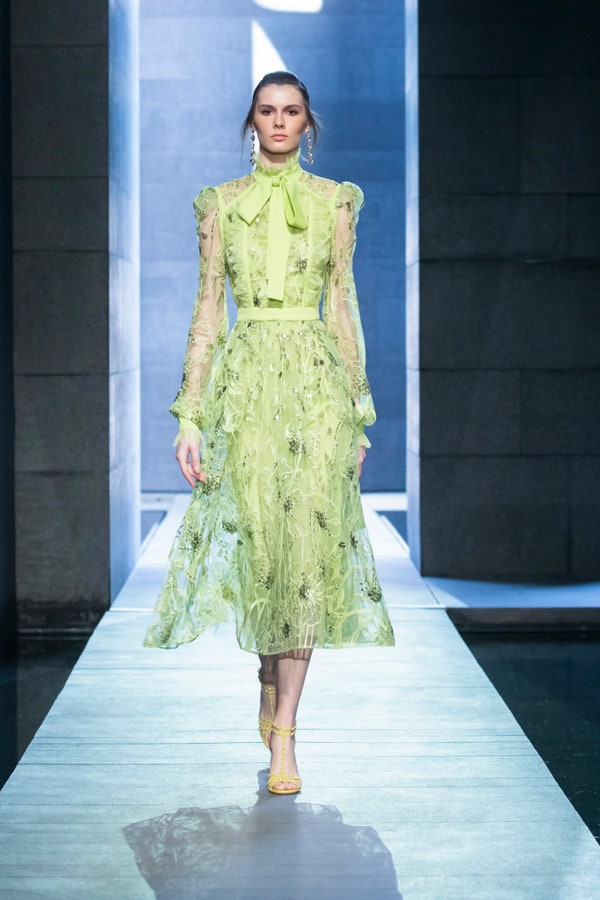
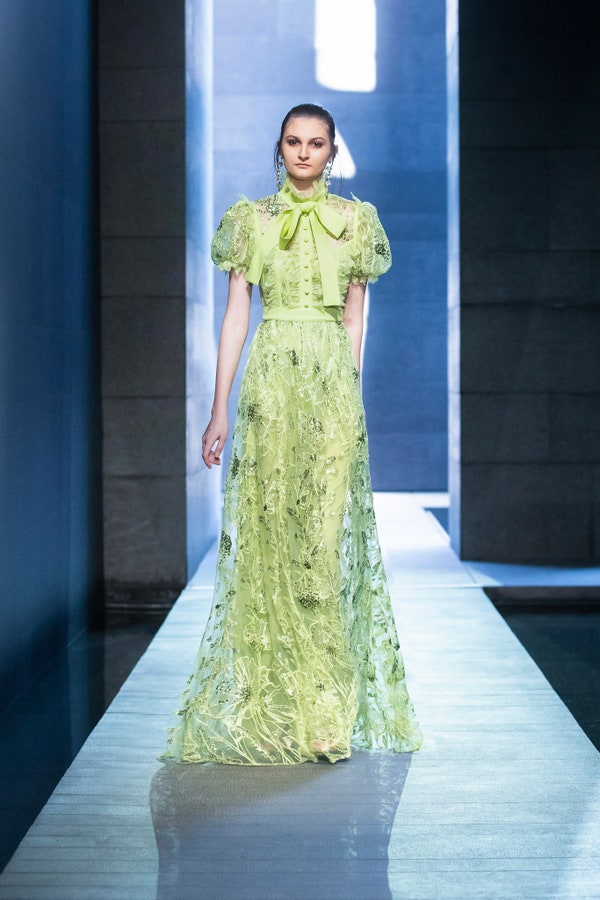
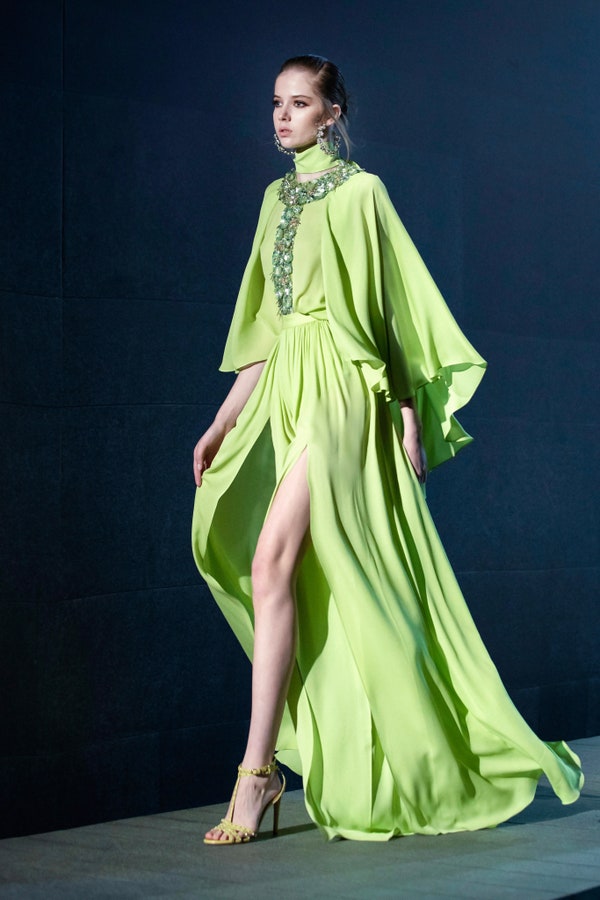
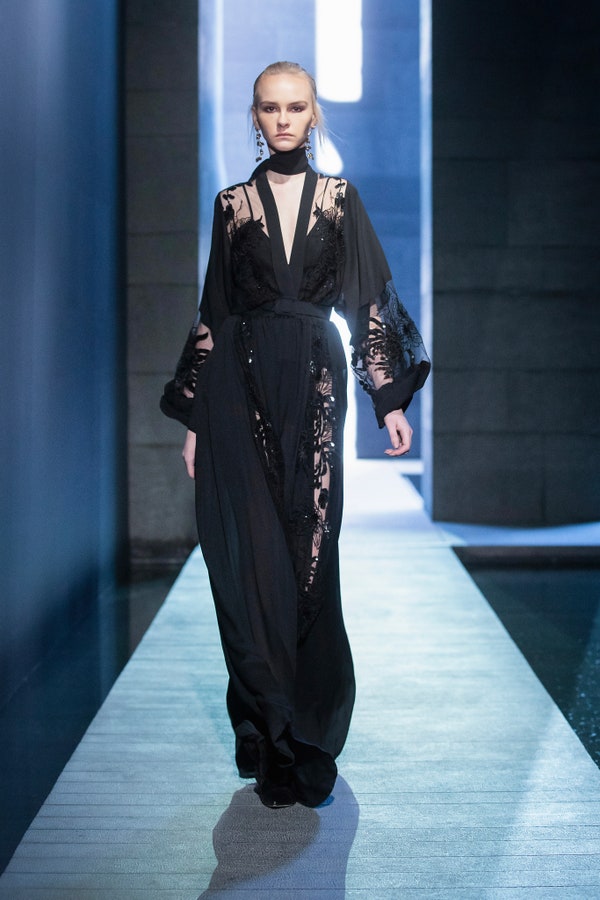
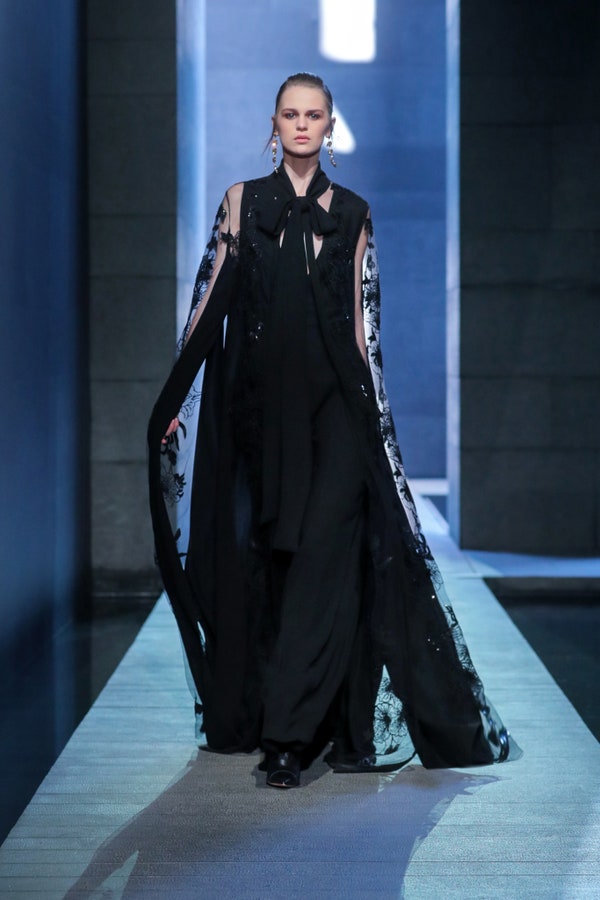
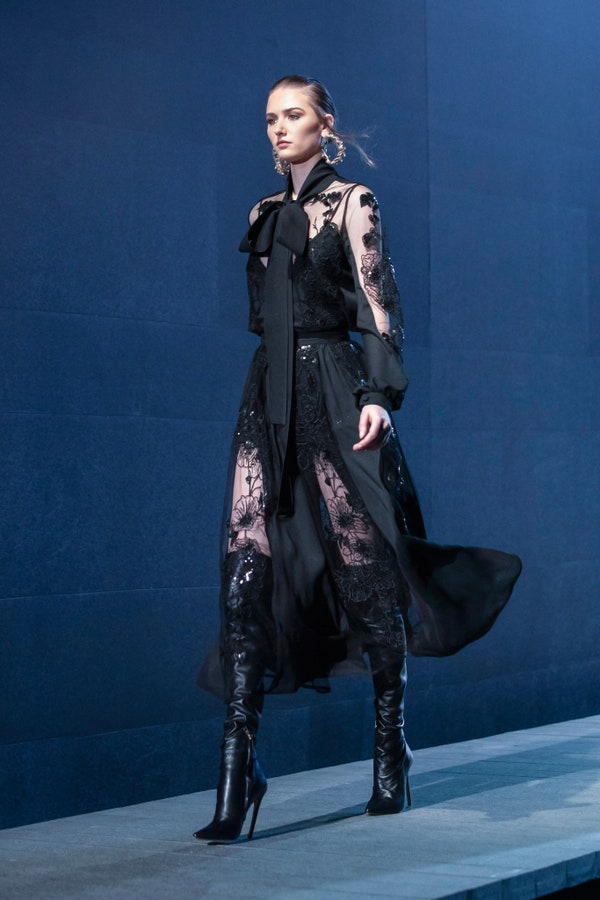
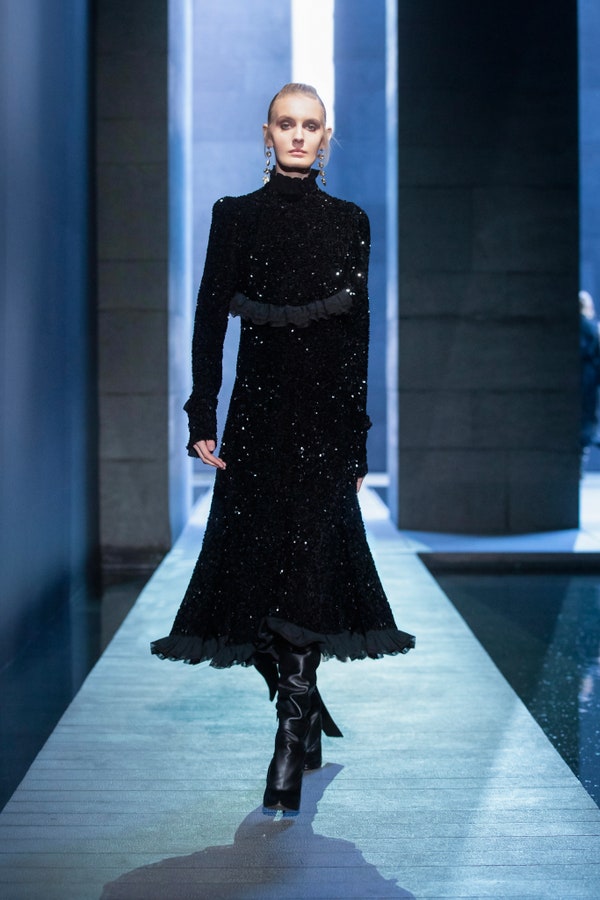
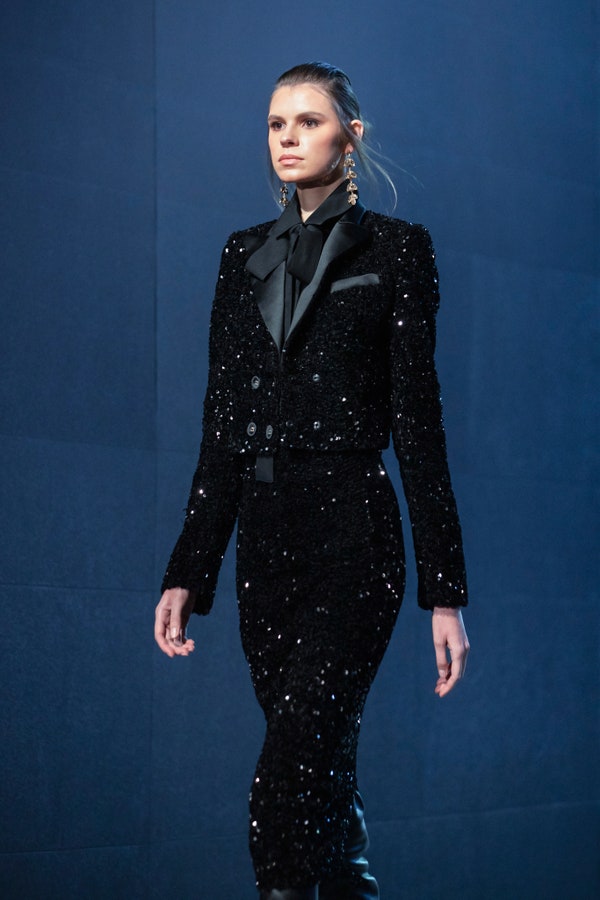
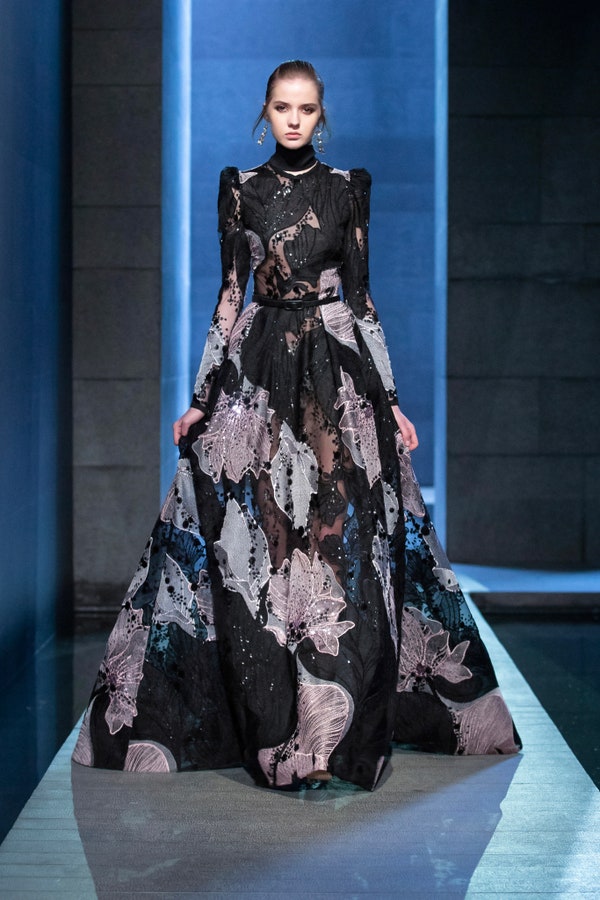
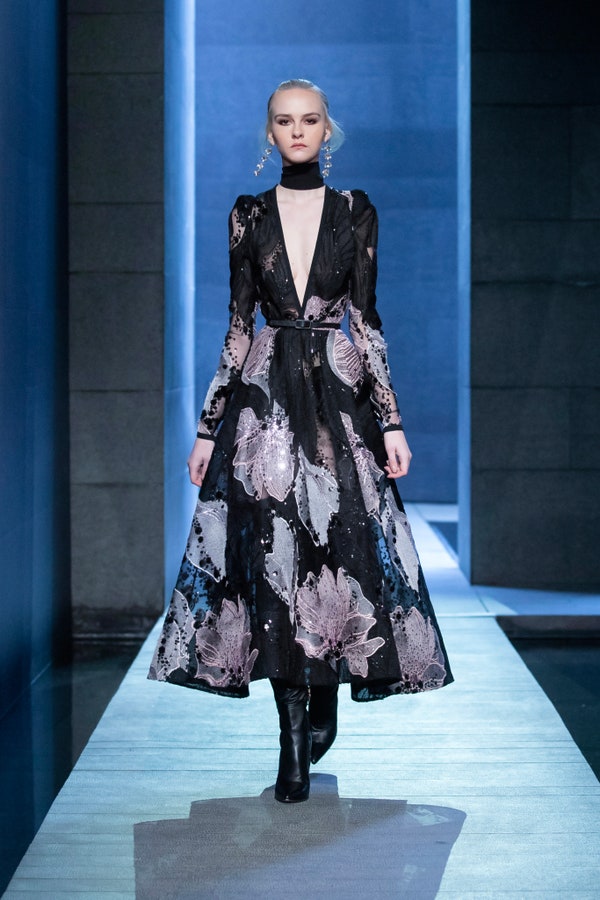
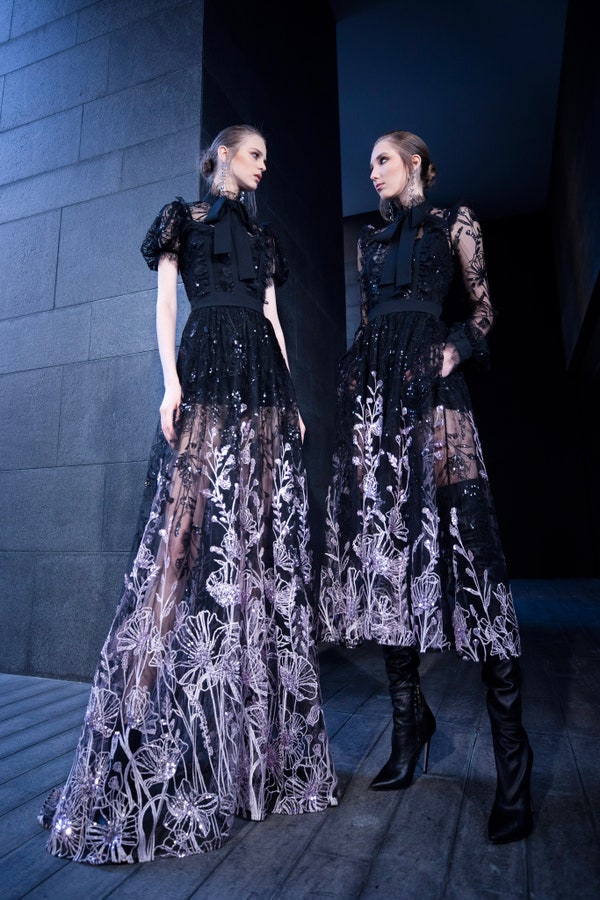
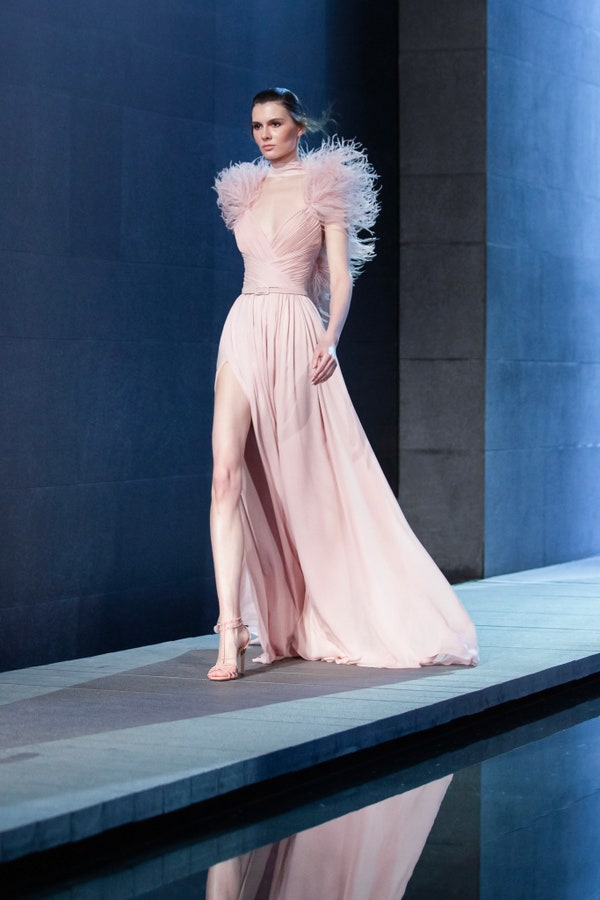
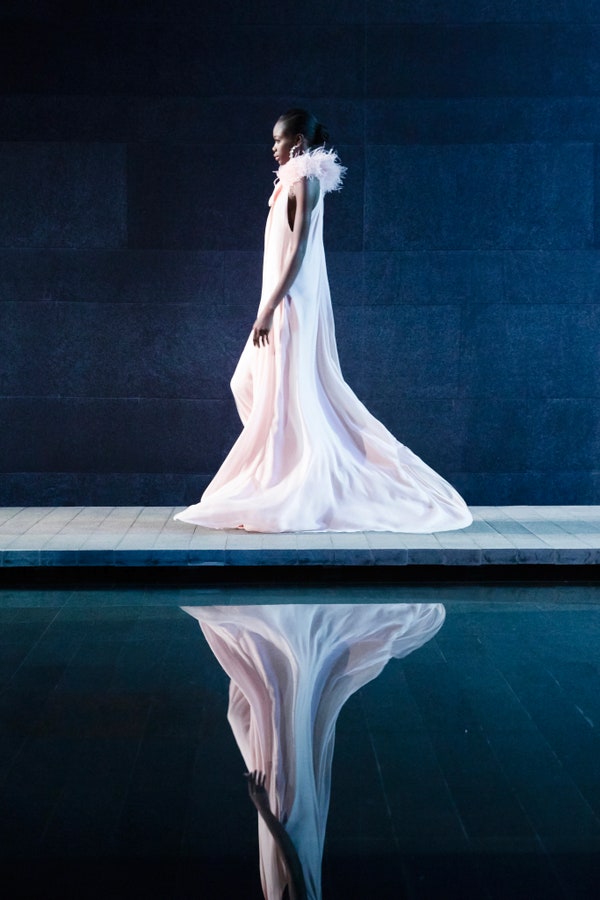
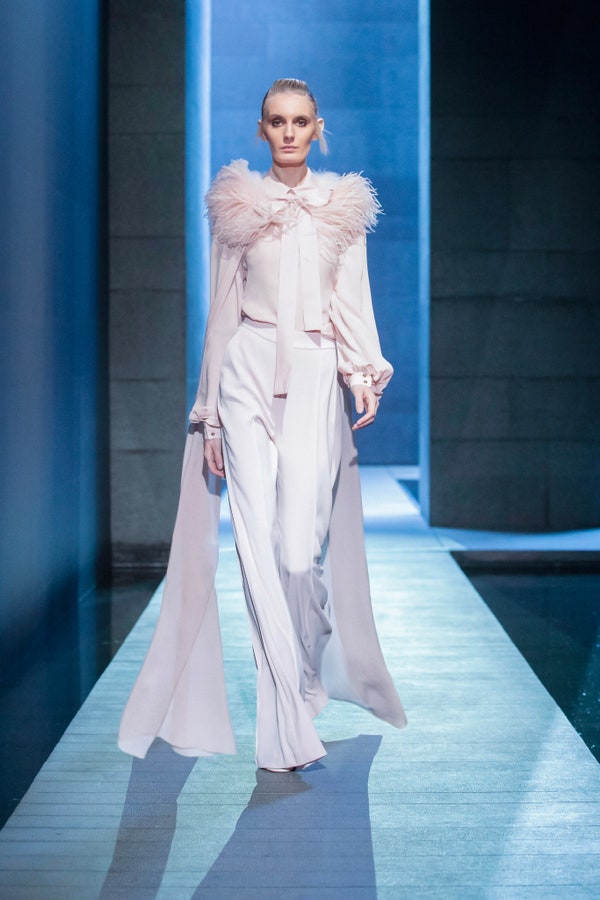
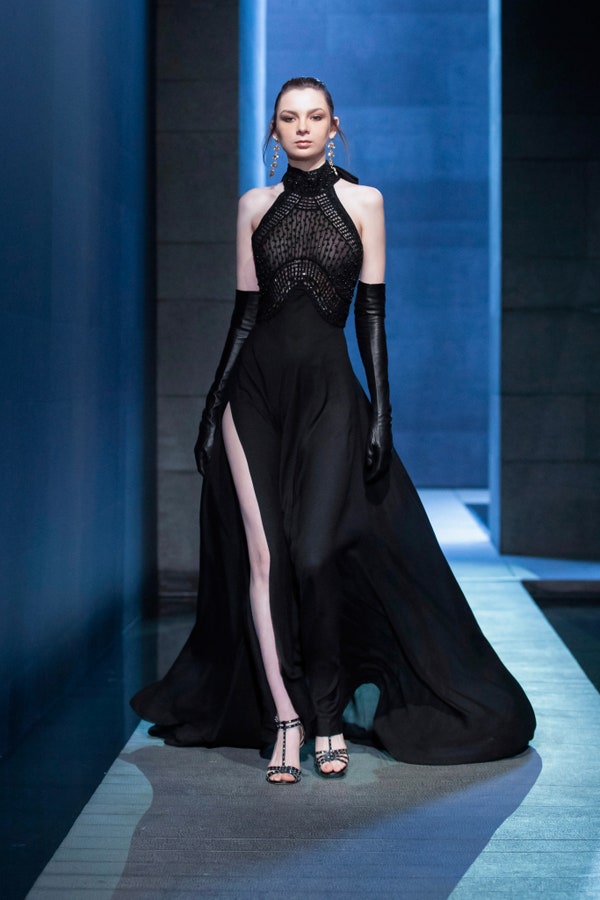
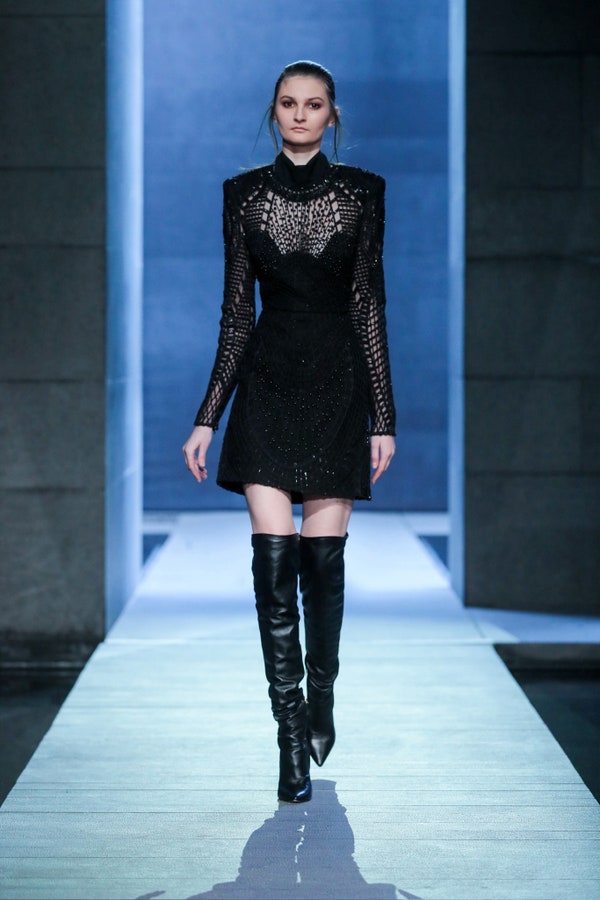
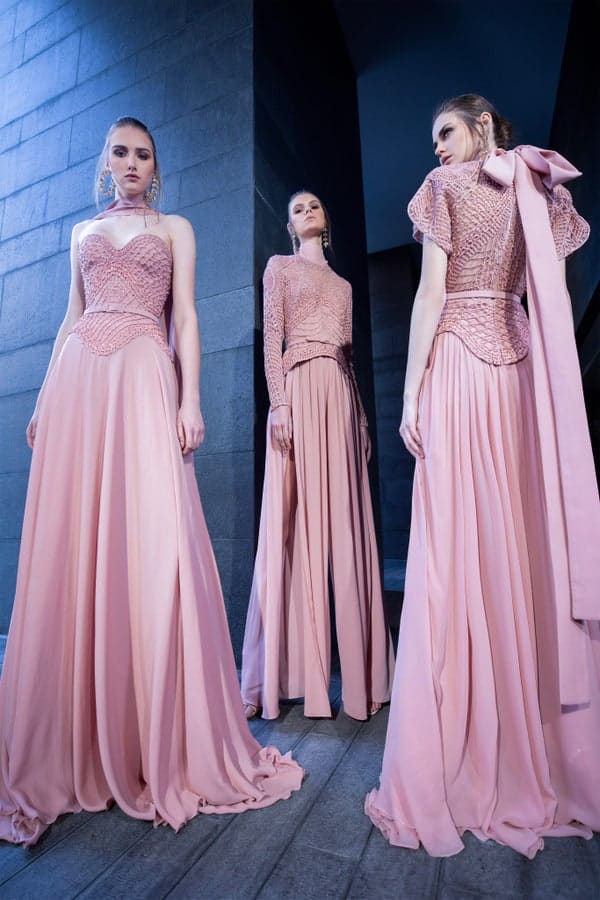
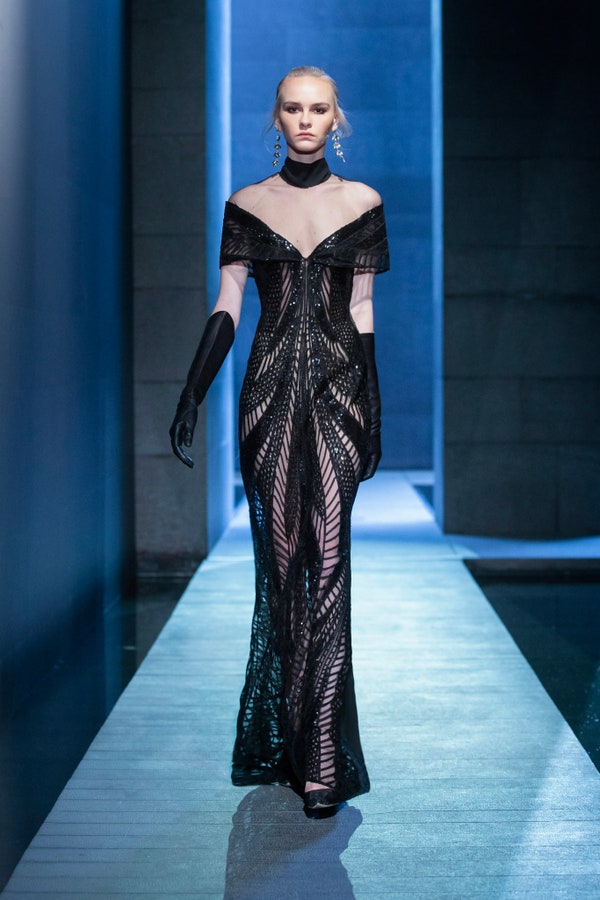
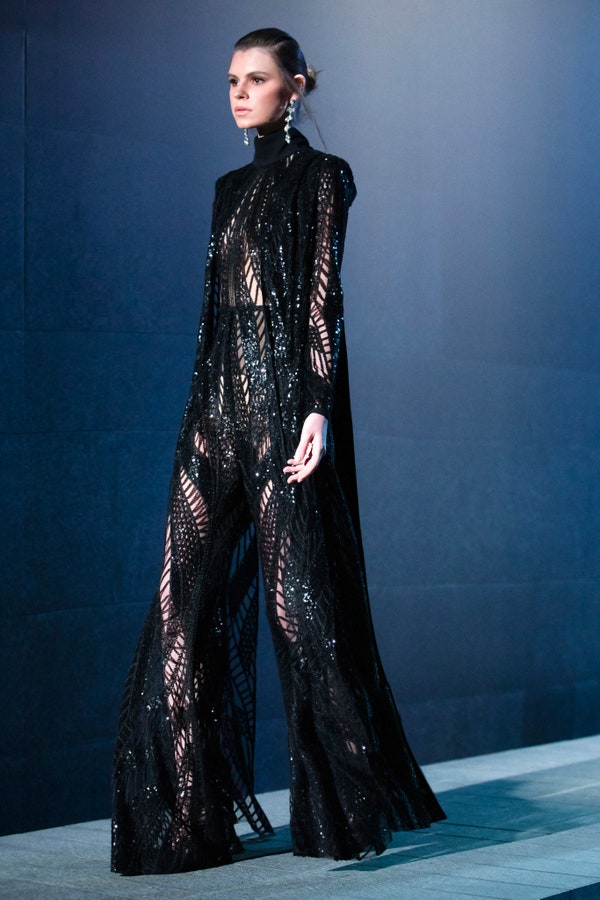
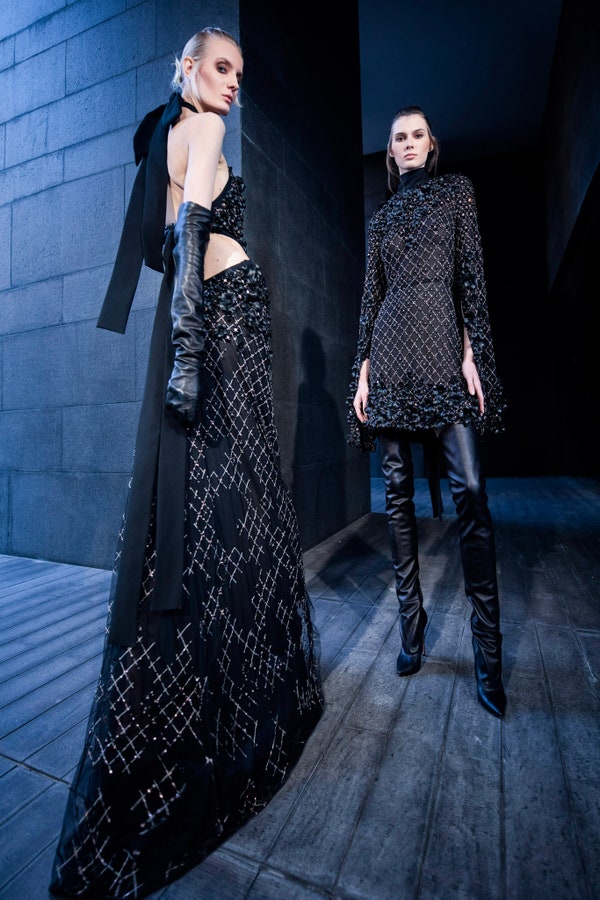
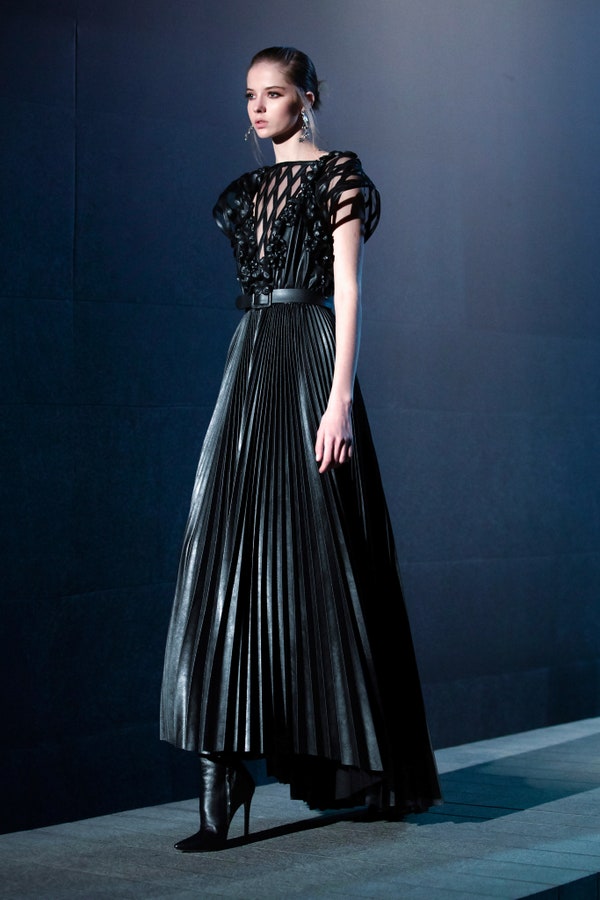
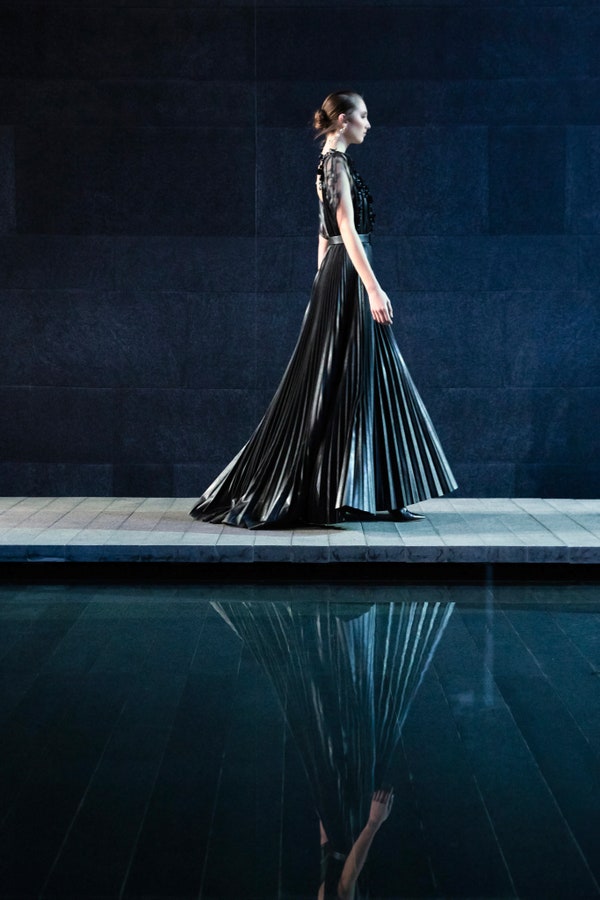
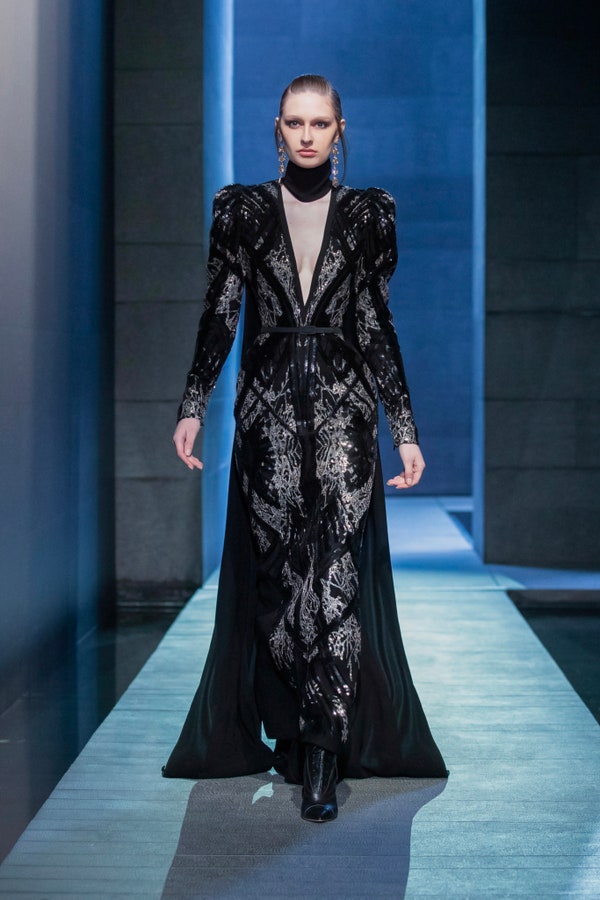
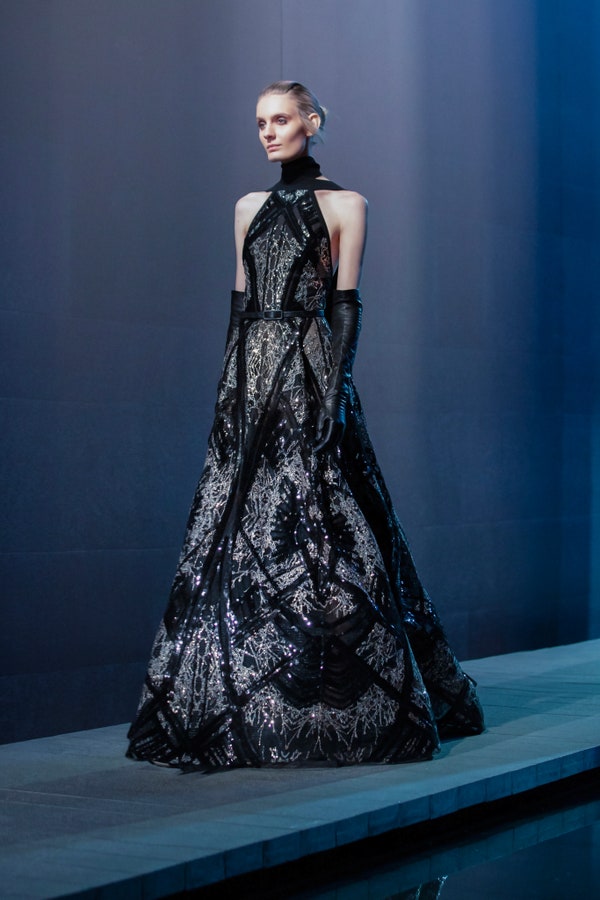
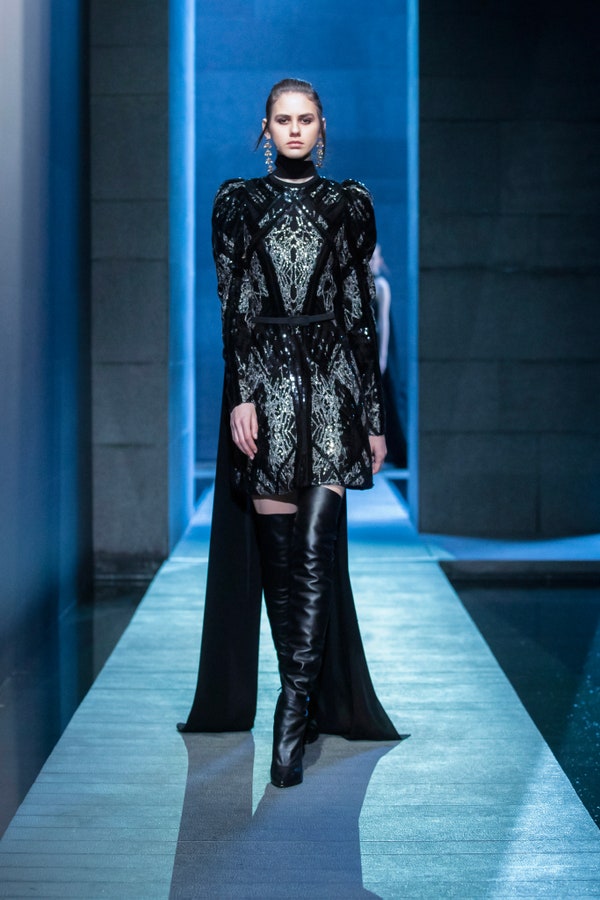
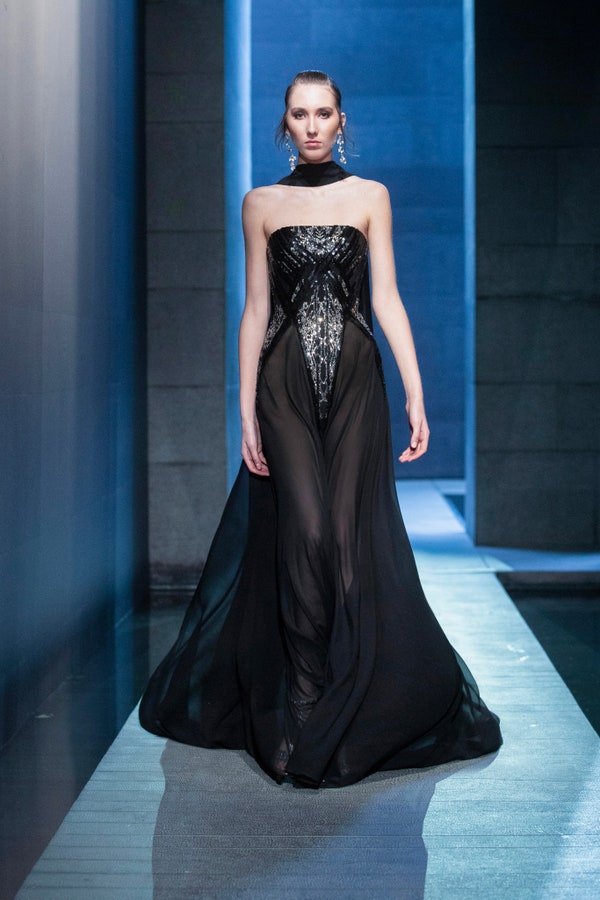
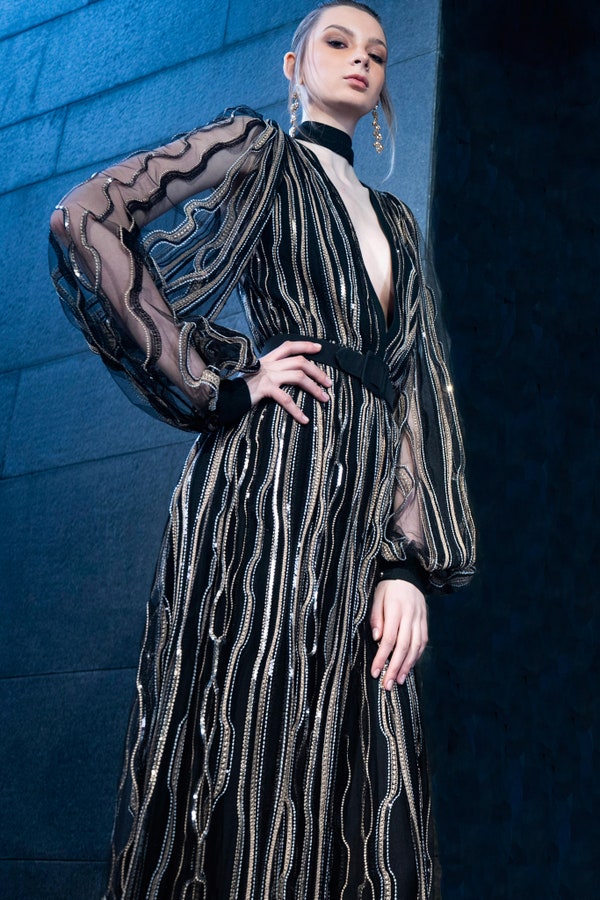
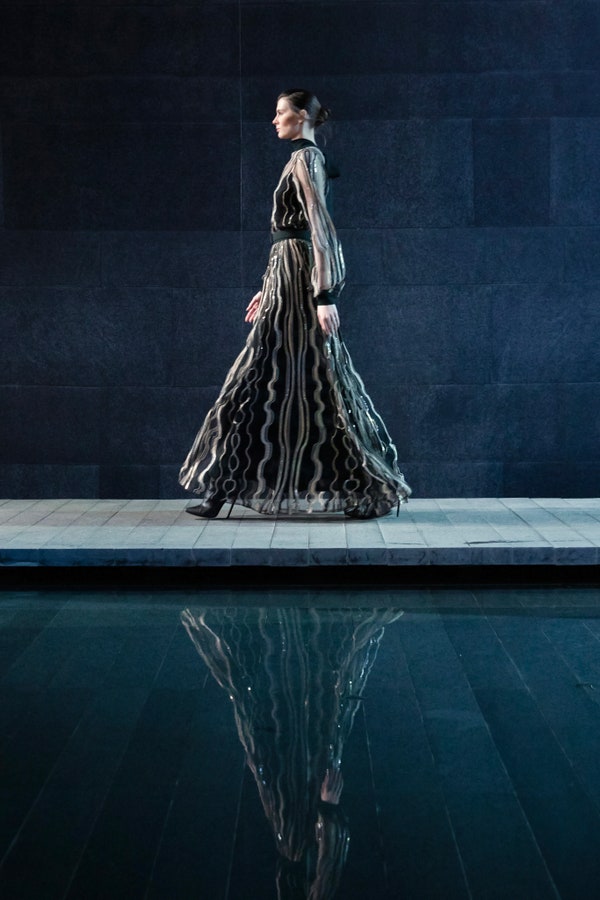
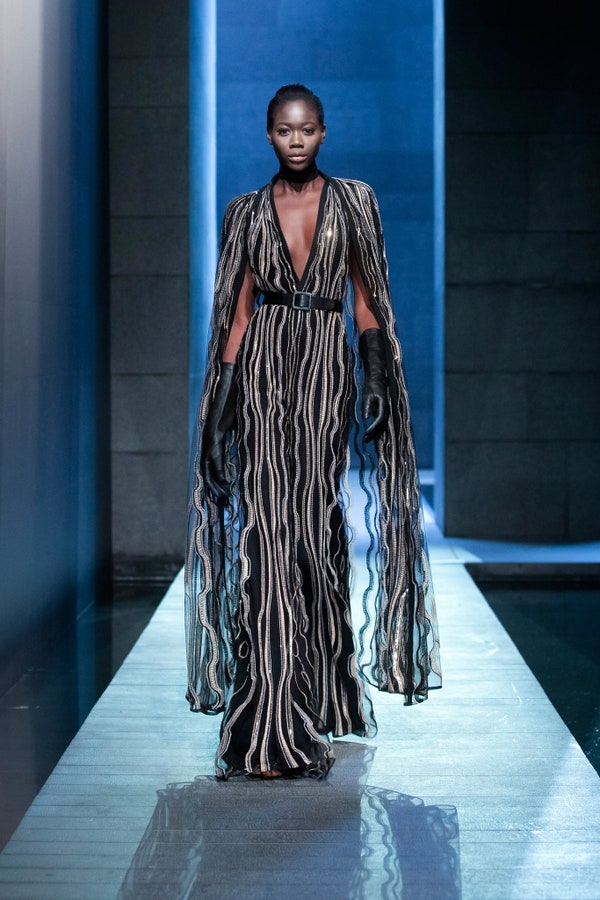
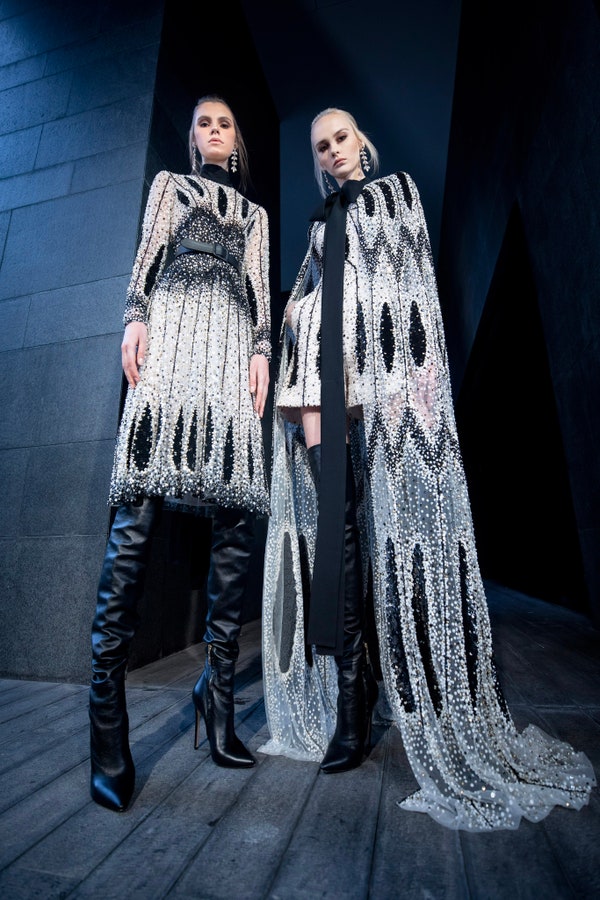
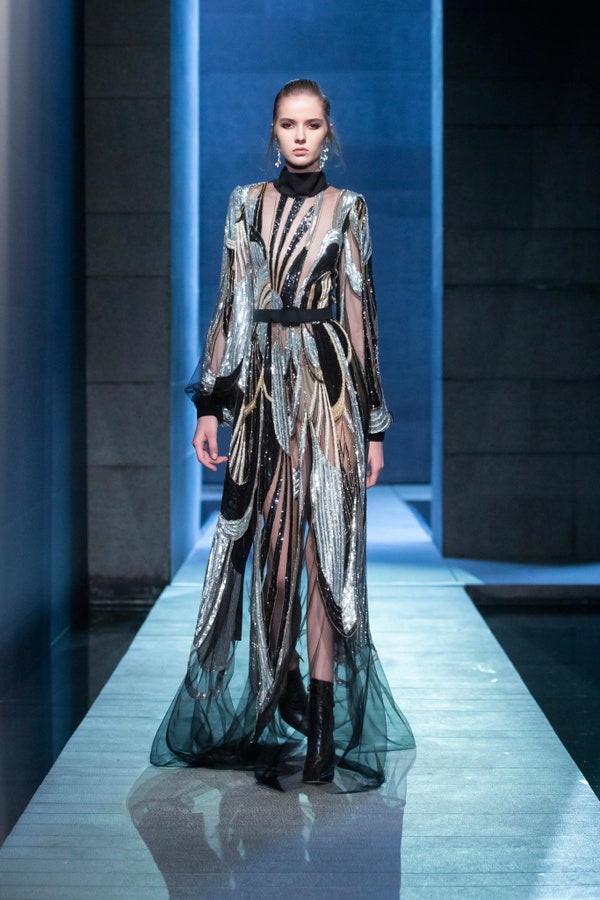
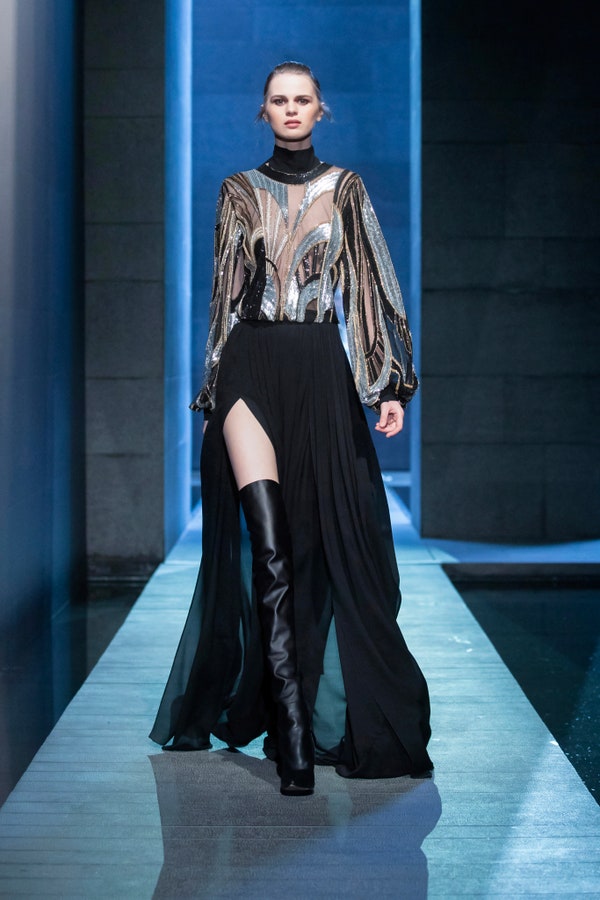
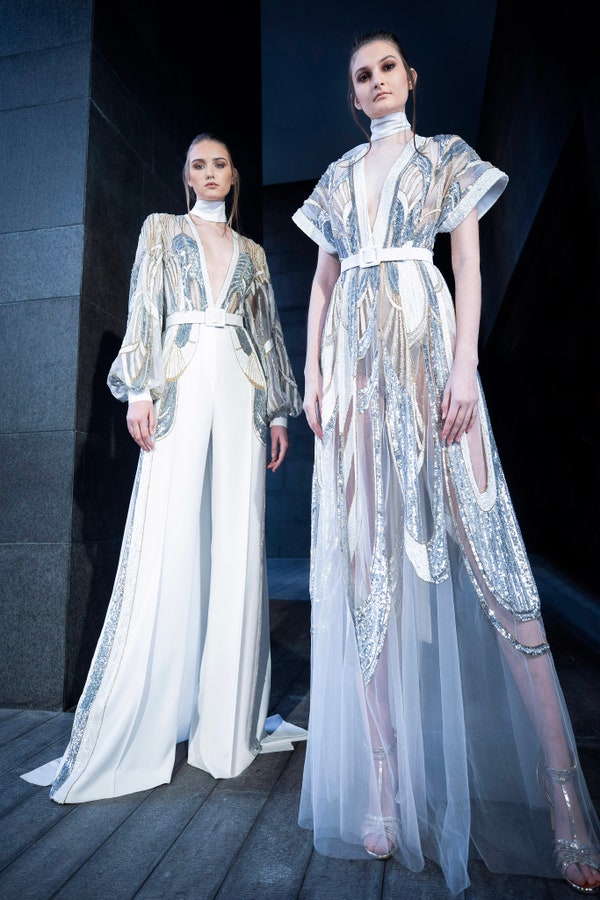
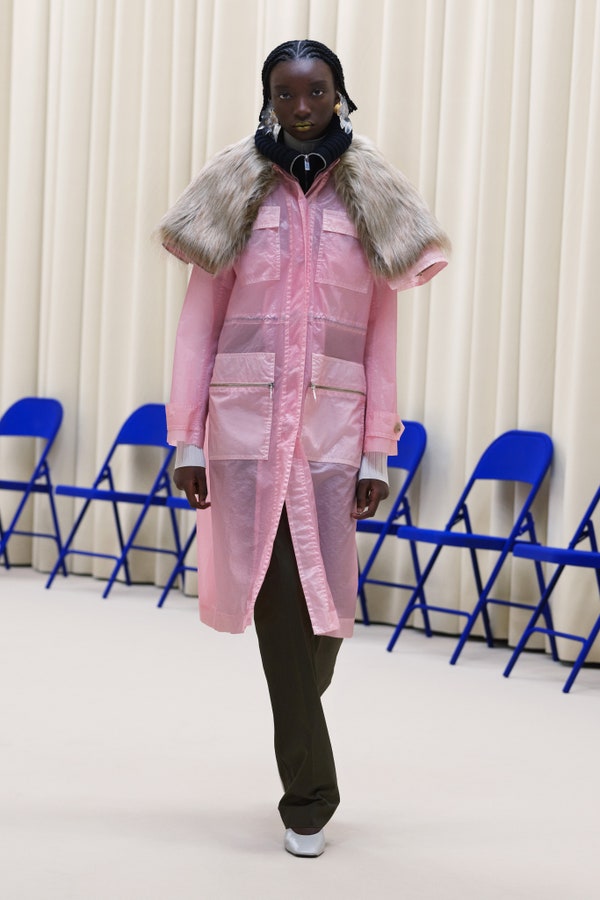
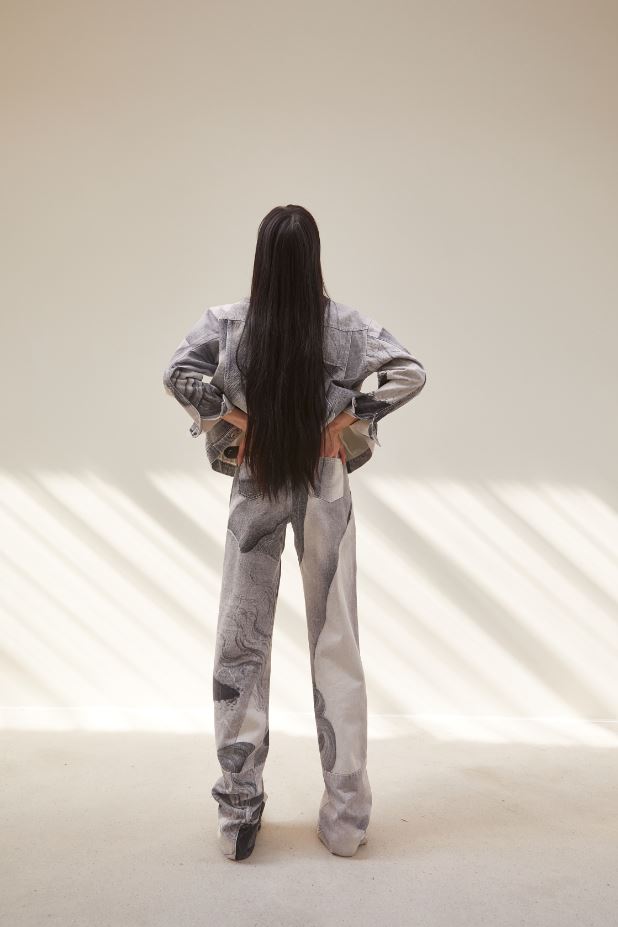
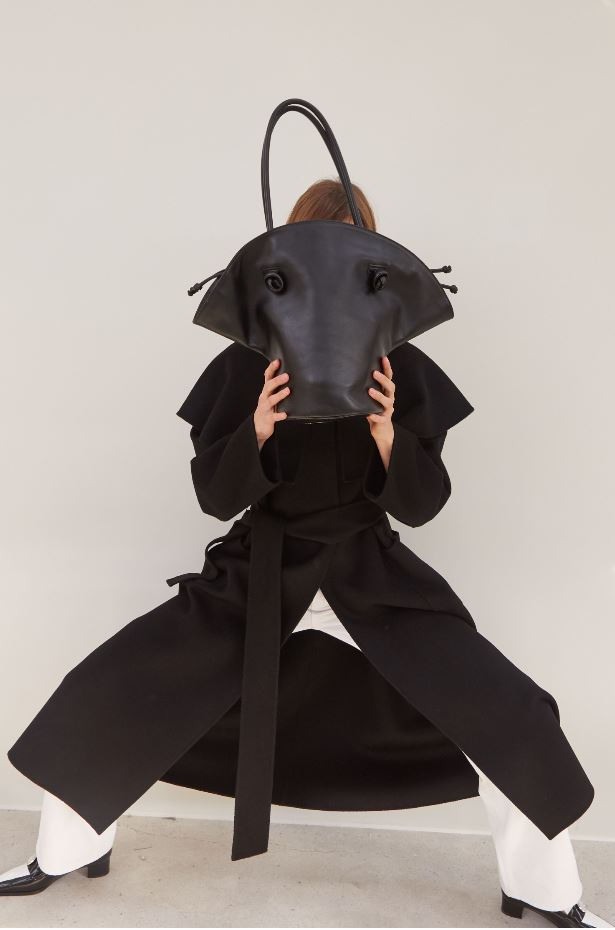
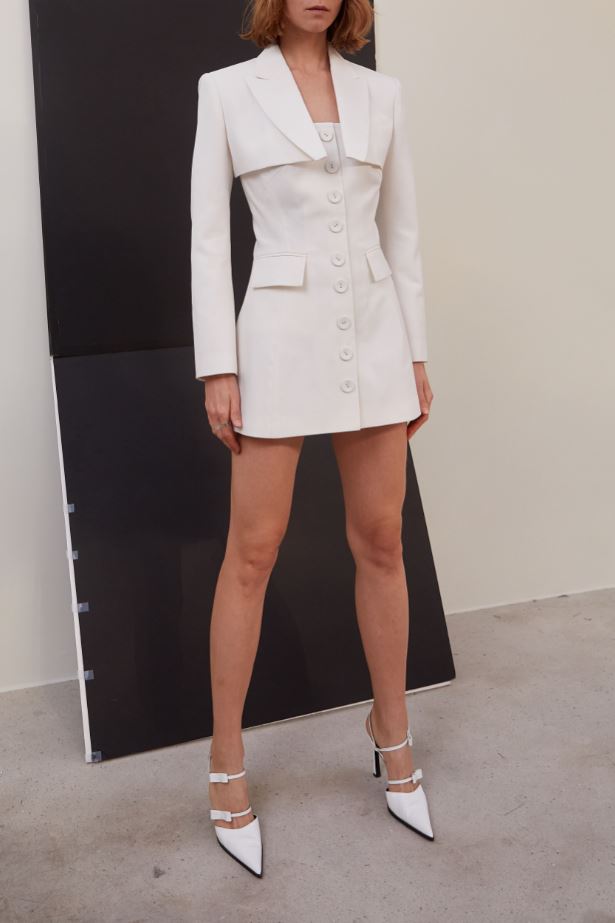
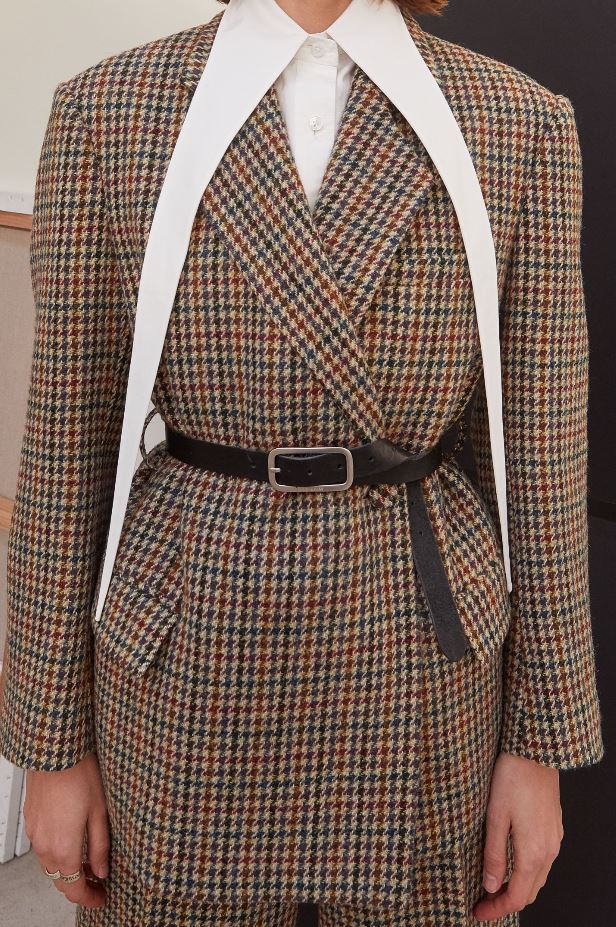
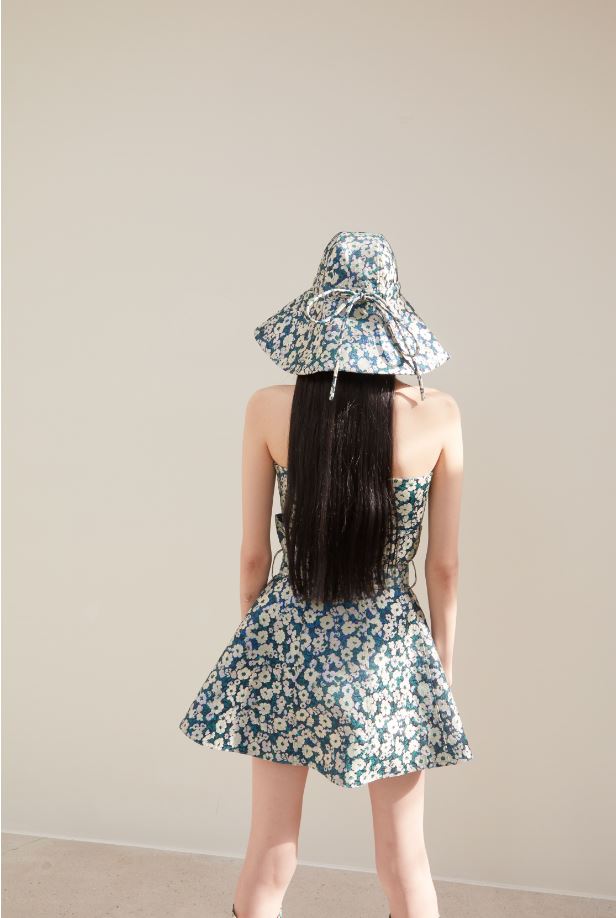
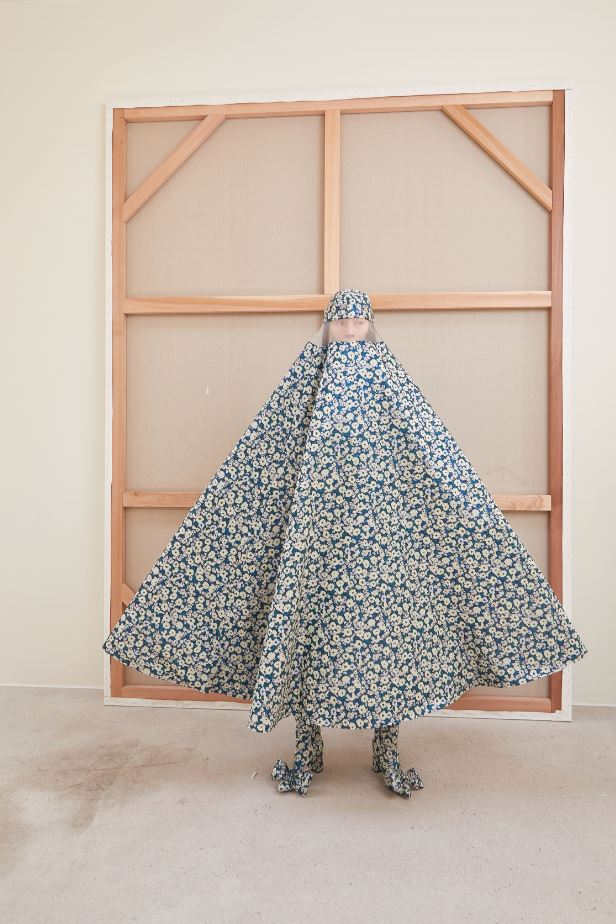
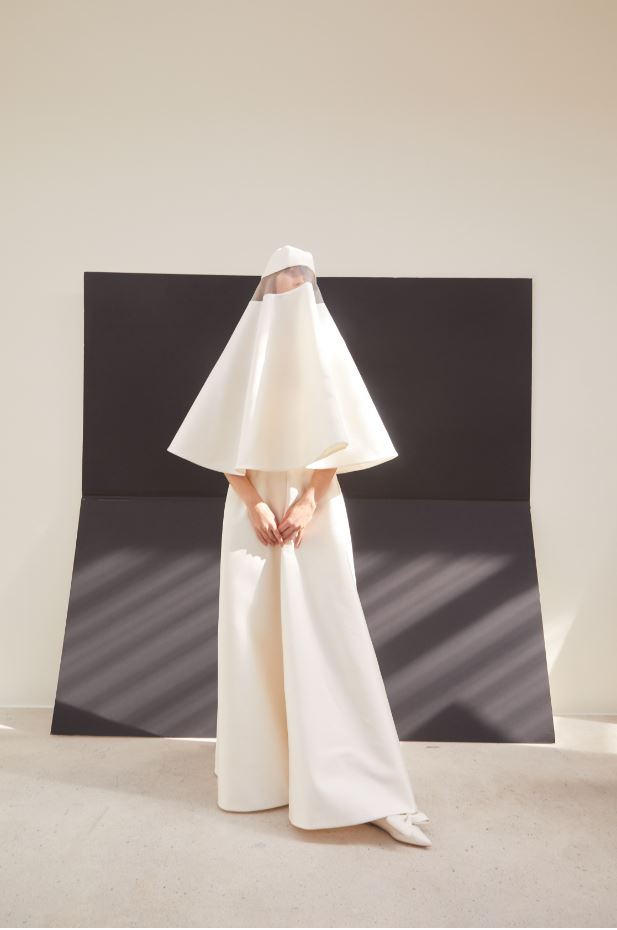
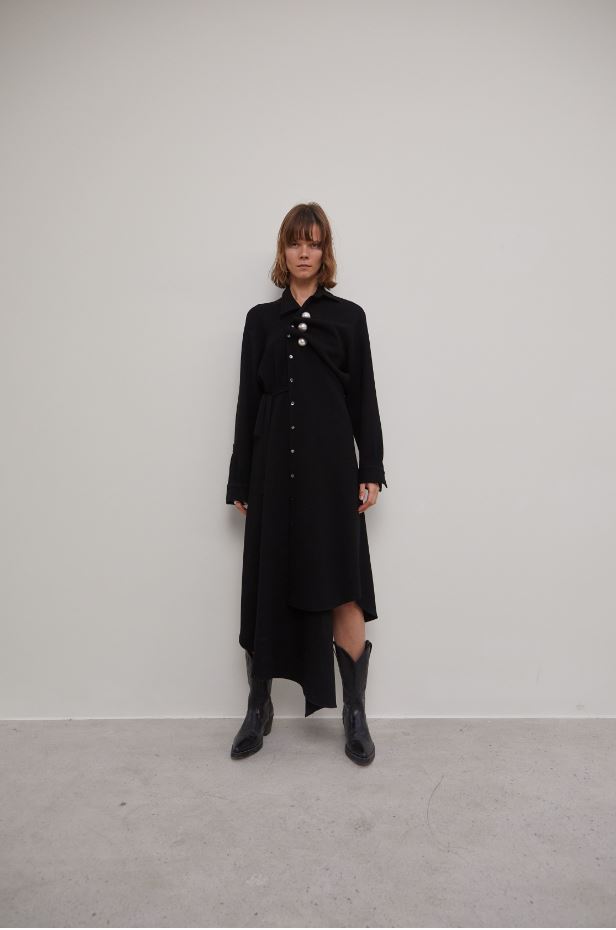
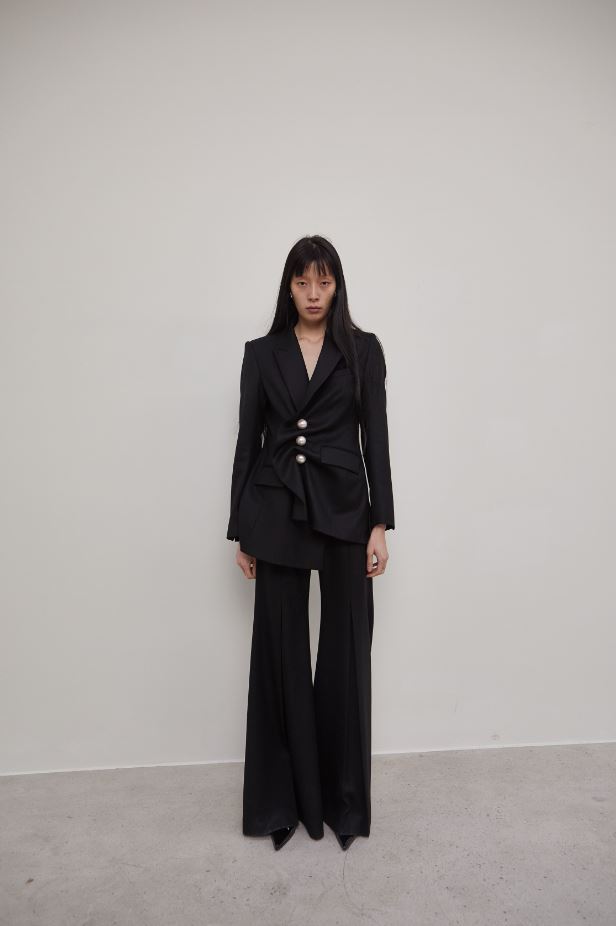
Elie Saab presented his ready-to-wear fall-winter 2021 collection at Paris Fashion Week. The collection screamed elegance and power, through alluring and detailed pieces that utilised numerous surface designs varying in different forms of embellishments and fabric manipulations. Black and white are prominently employed with a few pieces in teal, green and pink.
Overall, the collection was a combination of formal wear and work attire. All the garments had effortless movements with the models. A slit at the arm seam became a key feature throughout the collection.
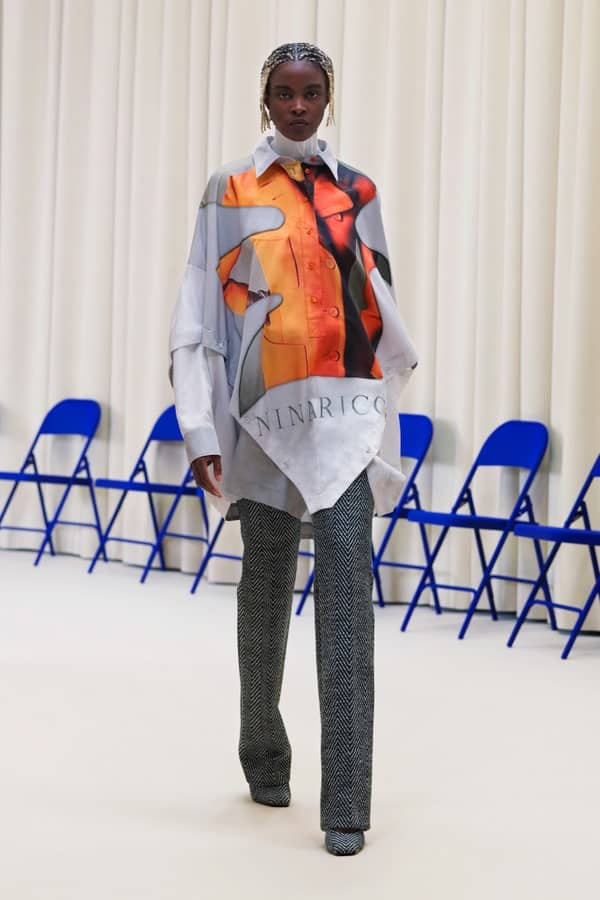
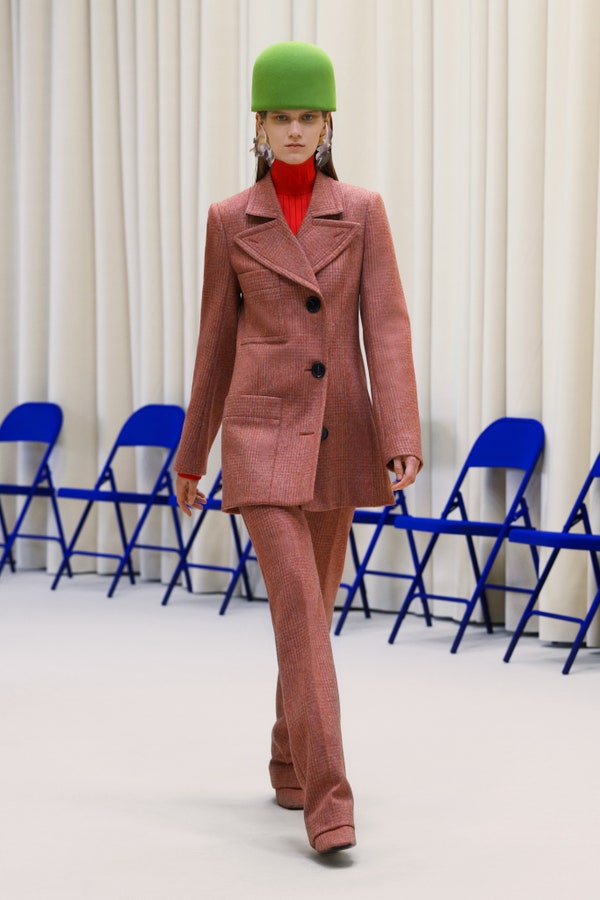
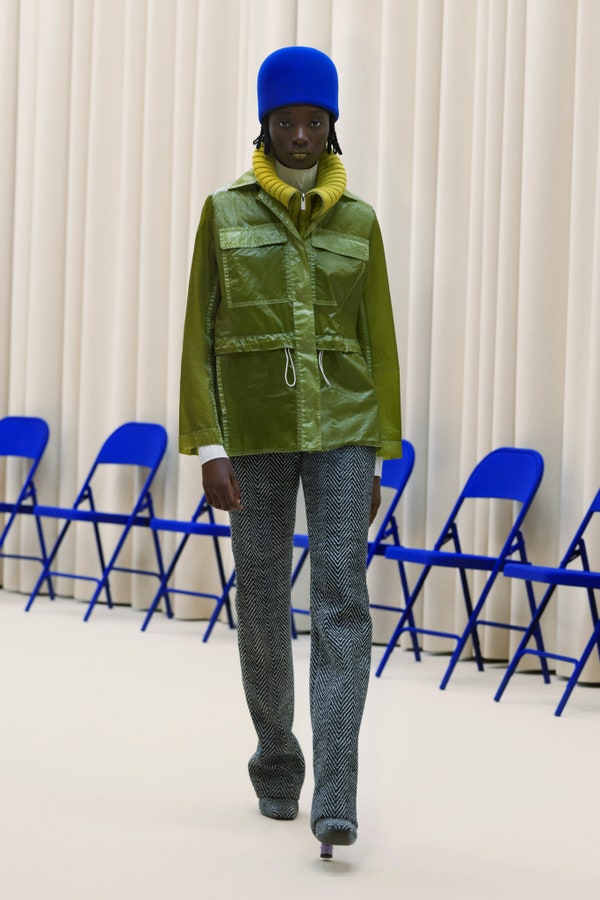
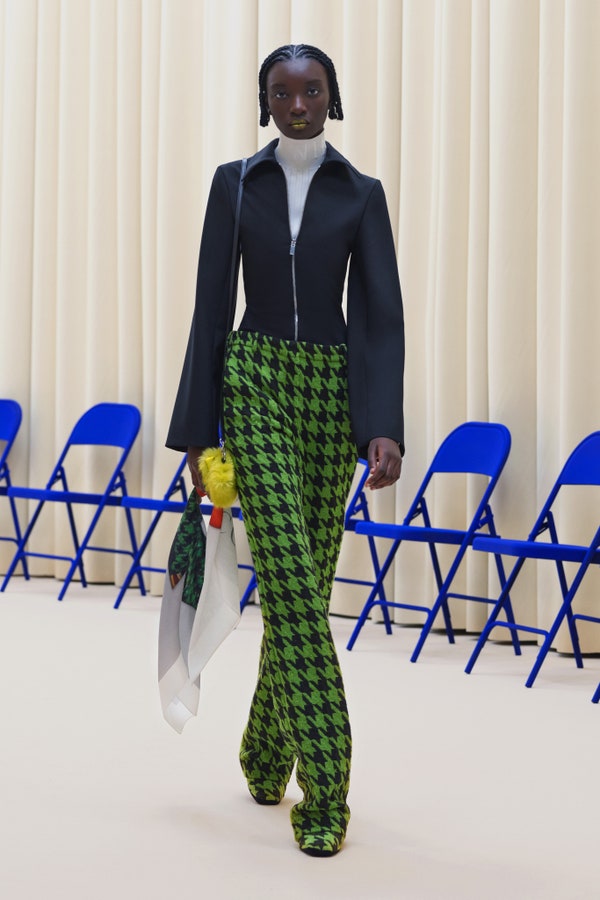
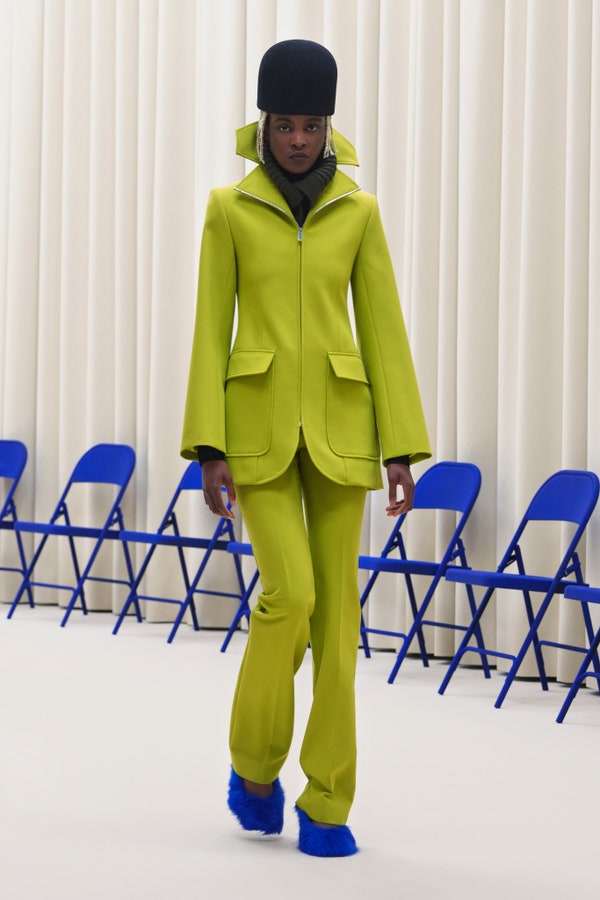
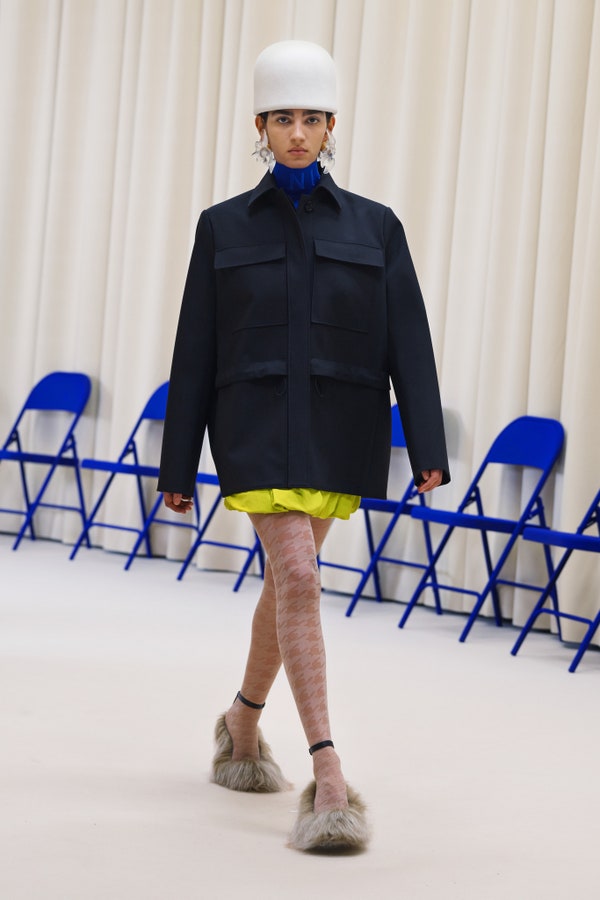
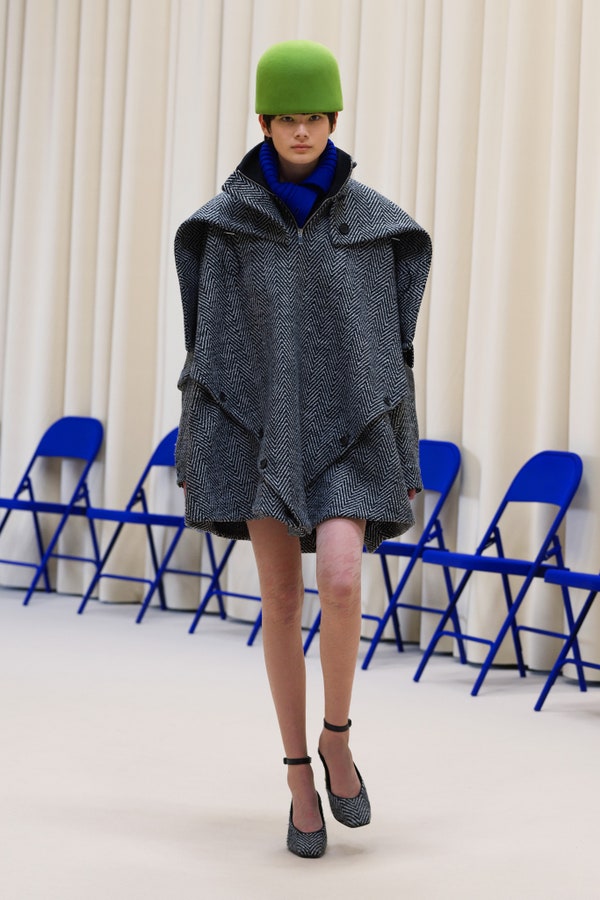
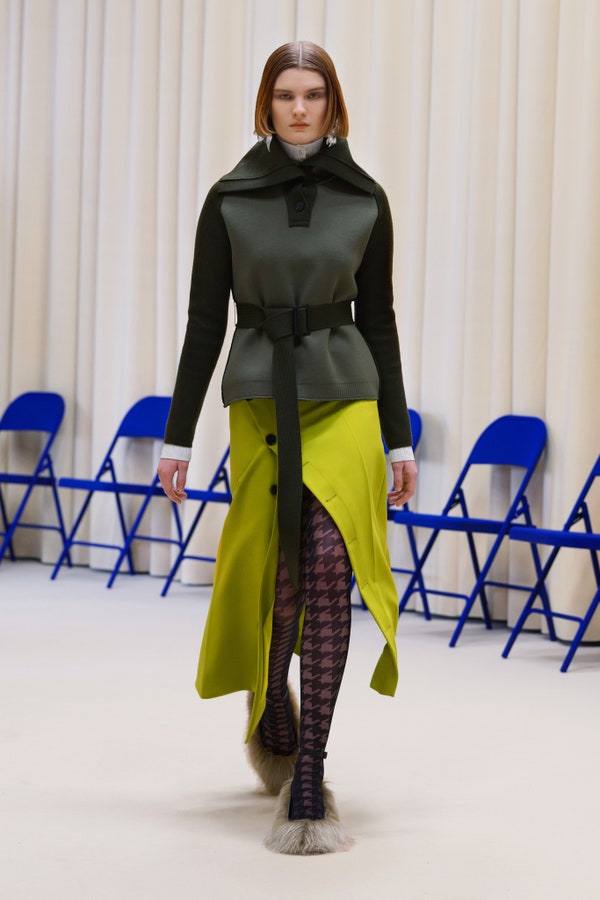
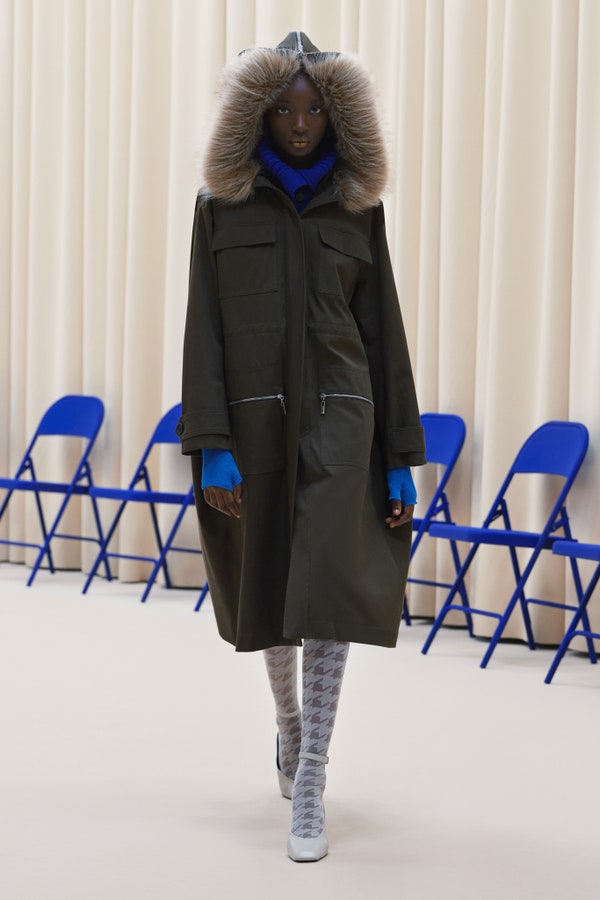
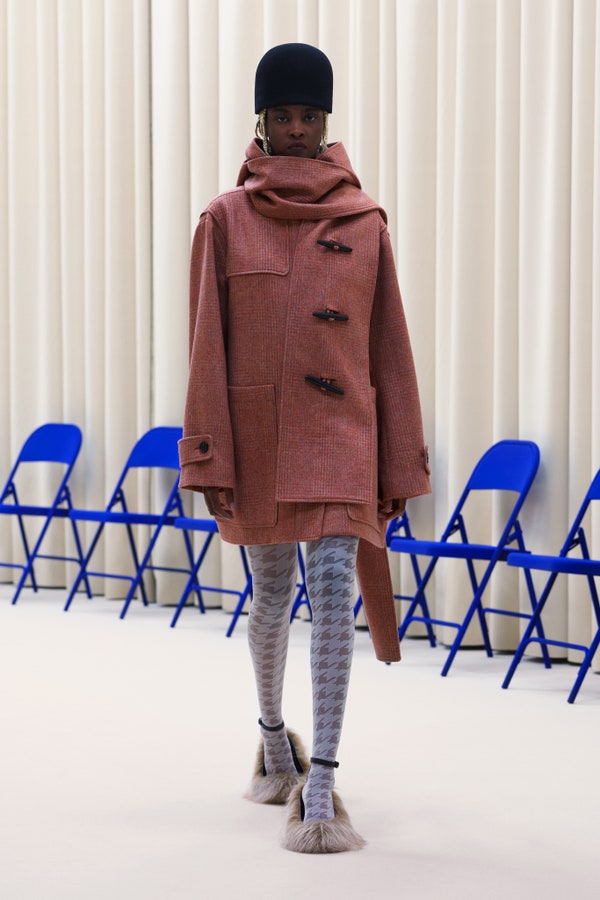
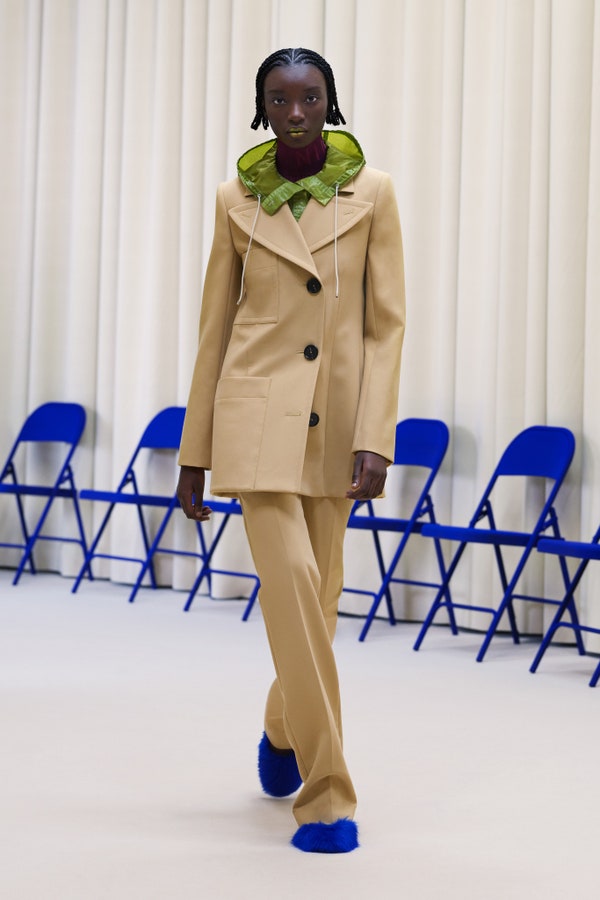
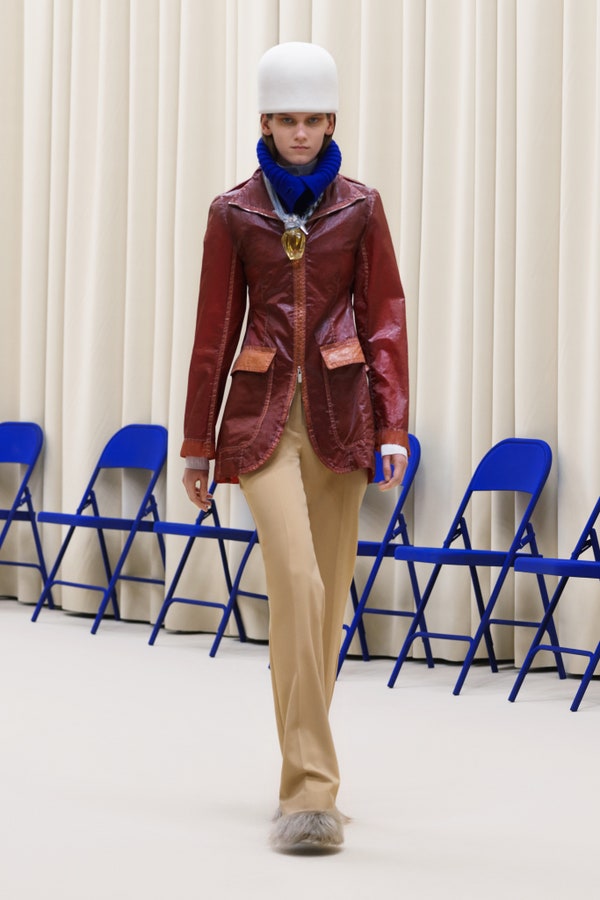
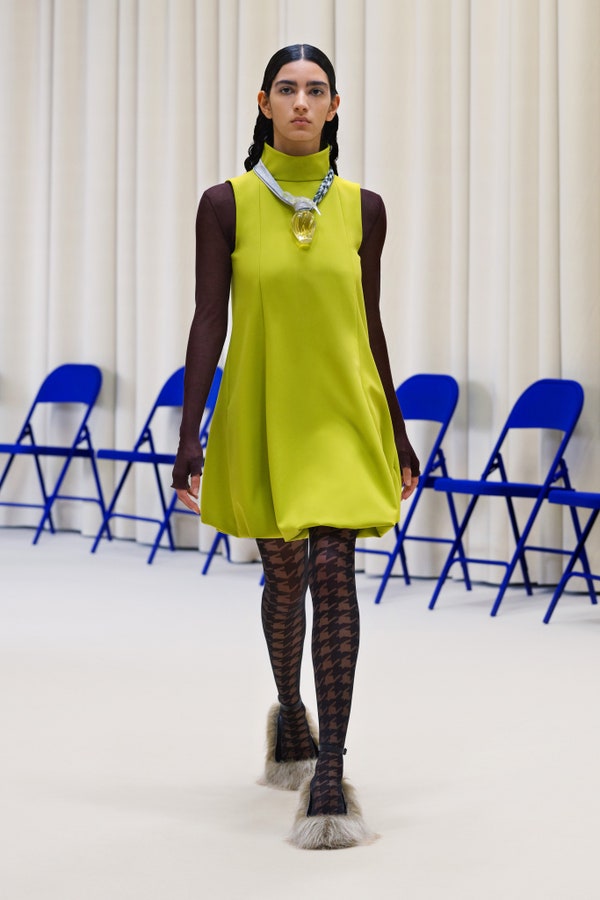
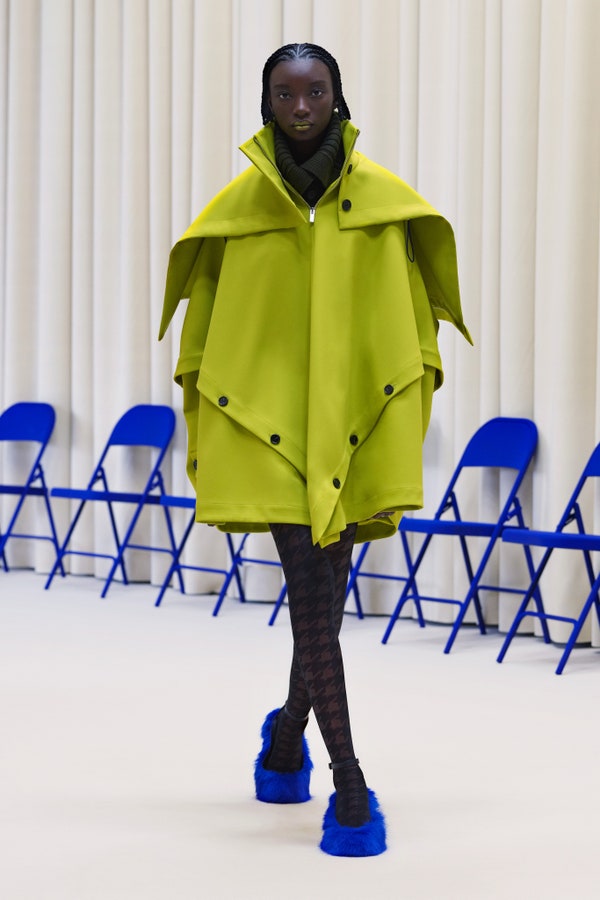
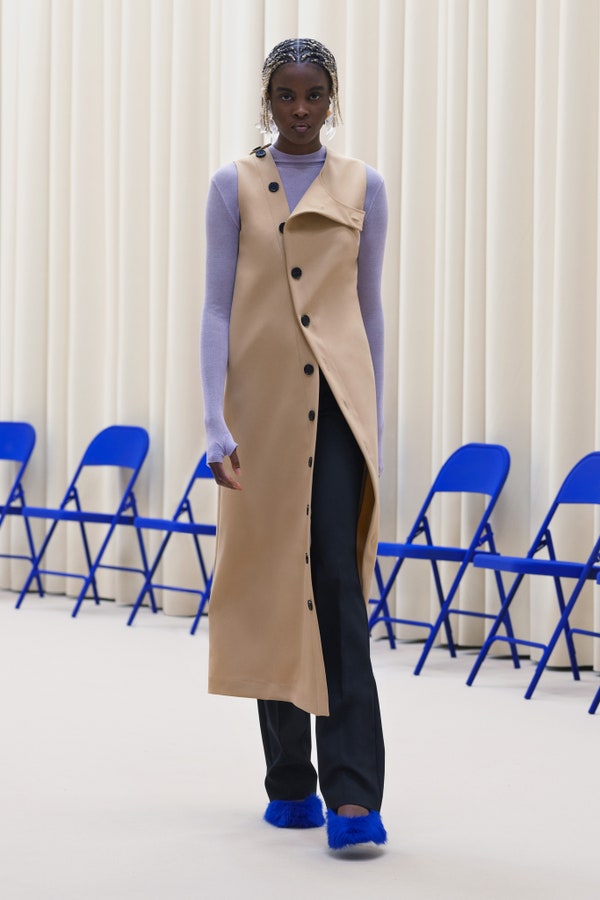
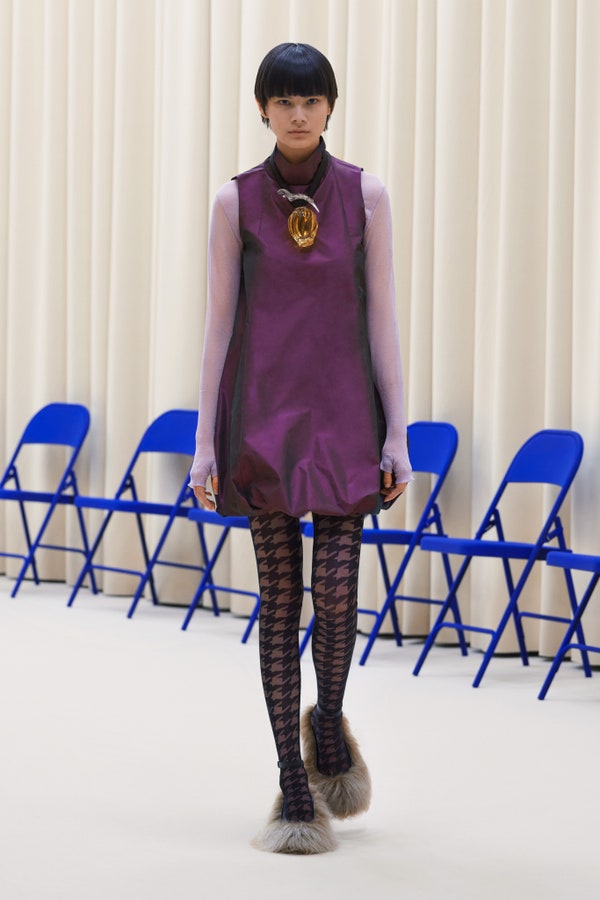
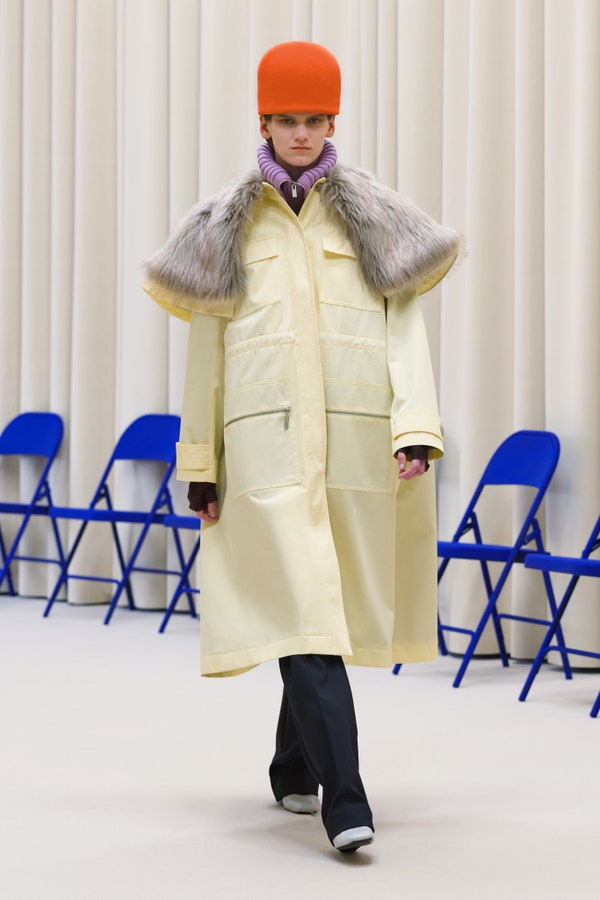
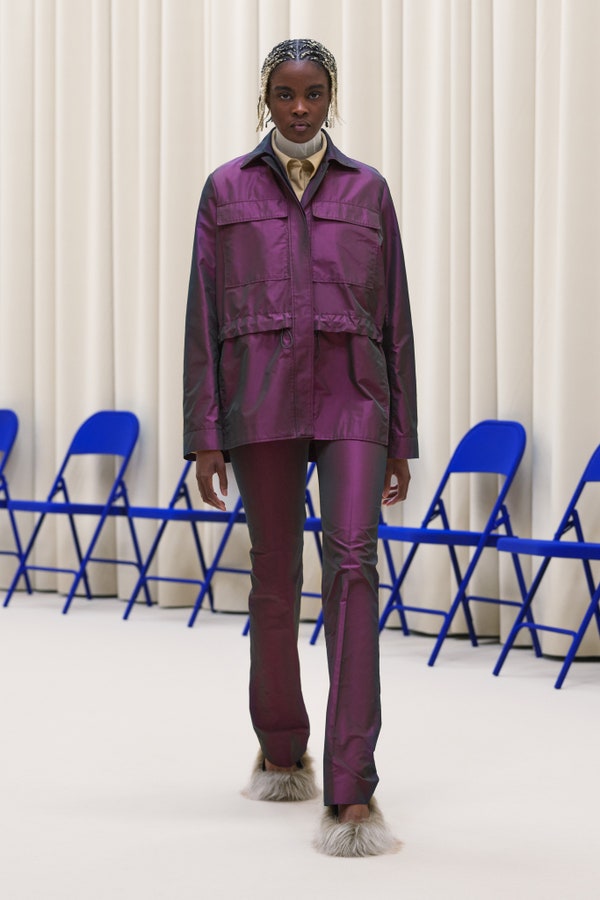
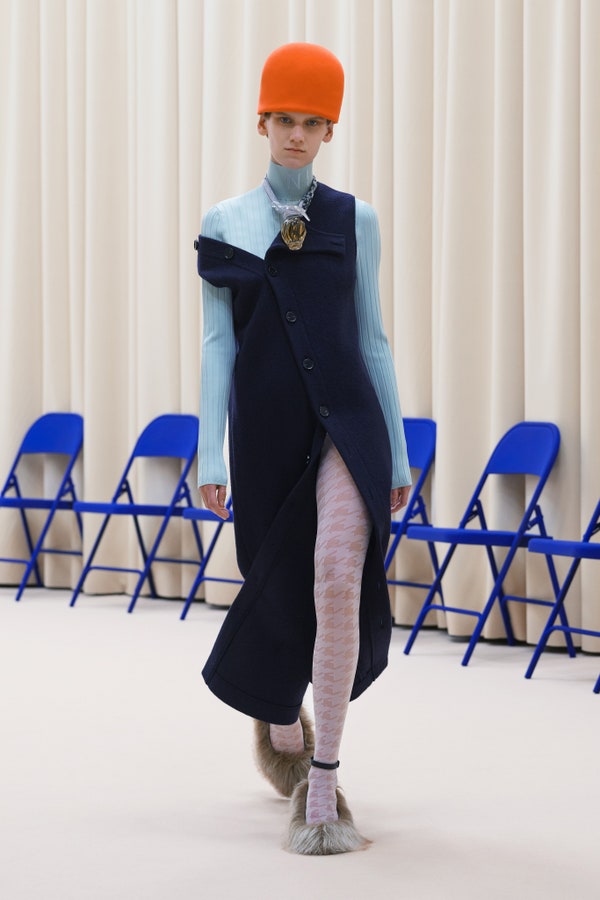
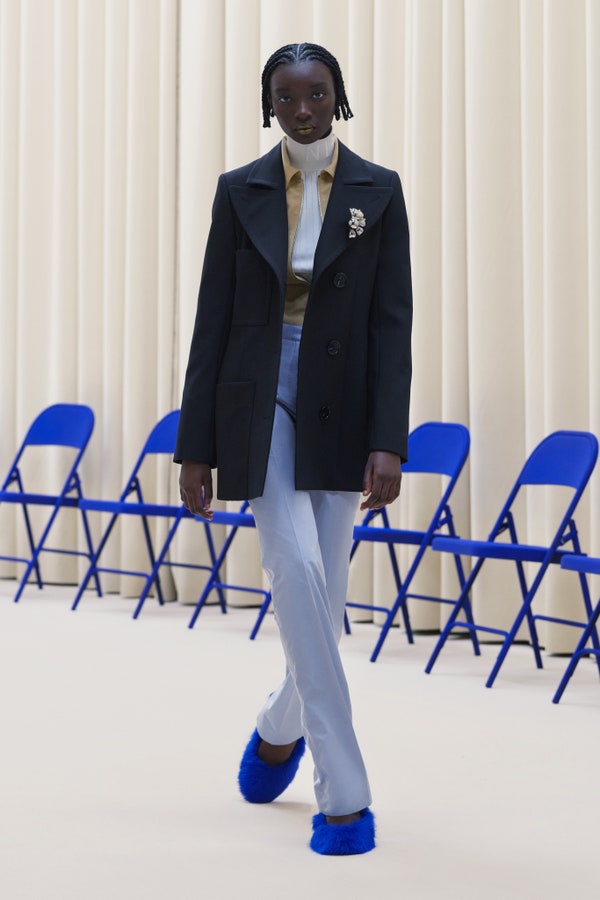
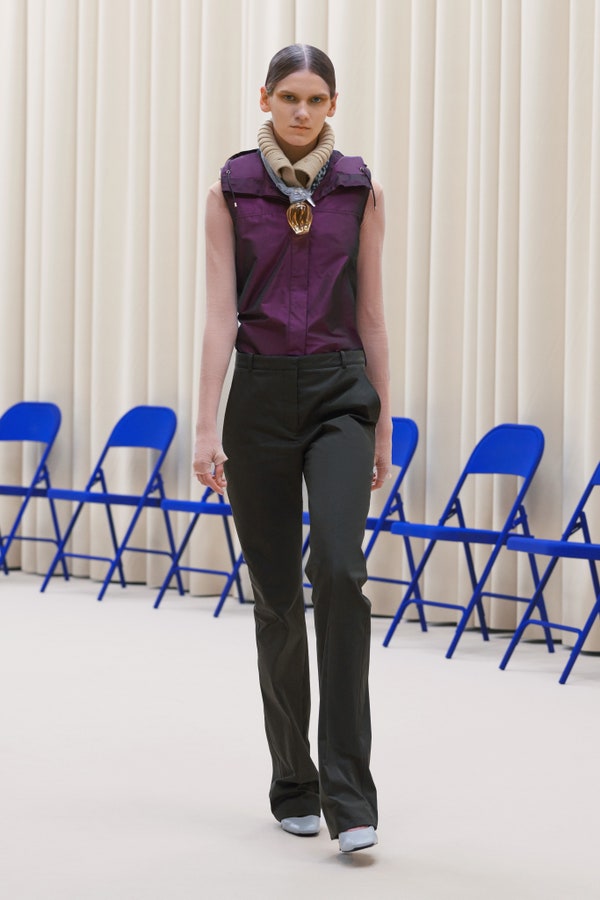
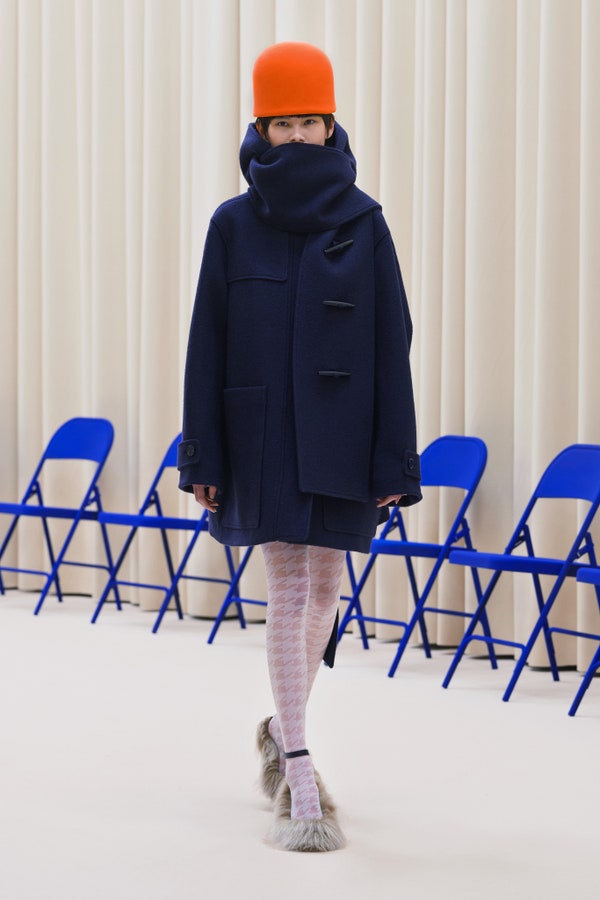
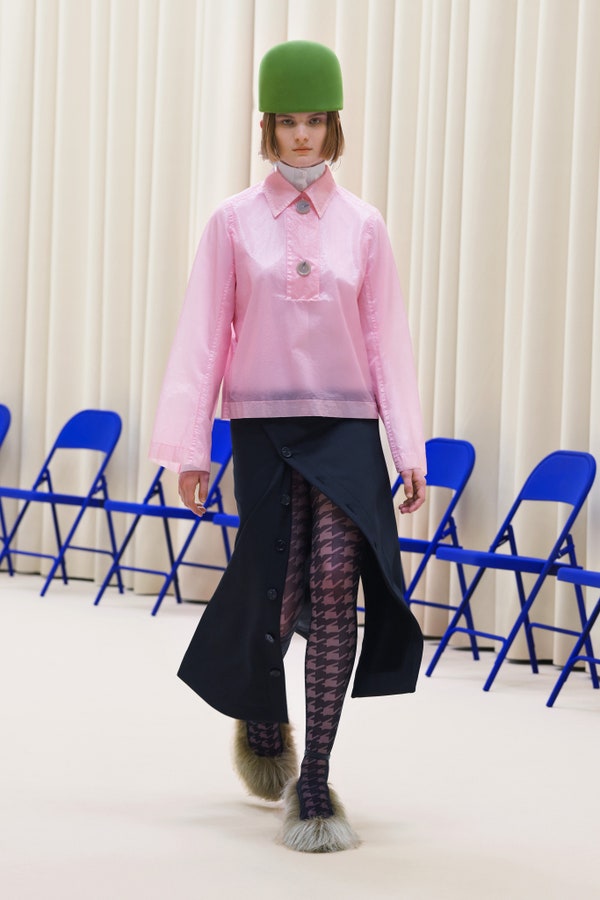
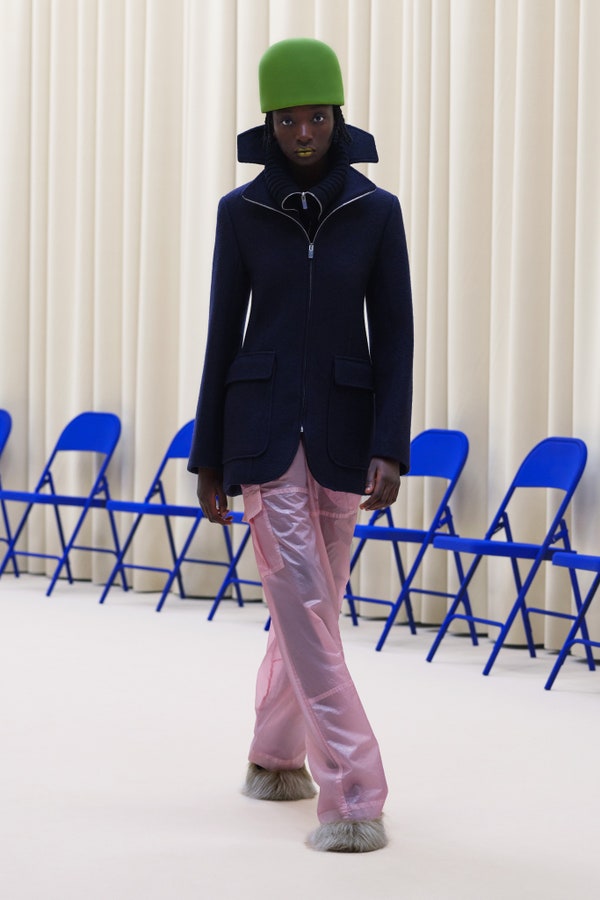
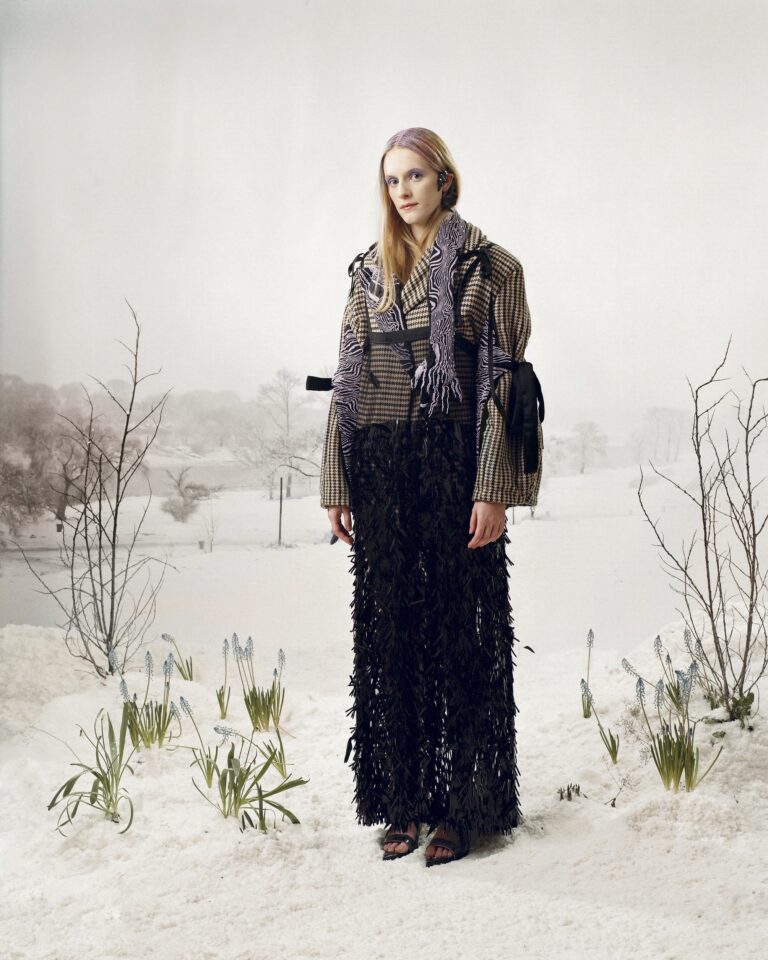
Nina Ricci showcased their ready-to-wear 2021 fall-winter collection at Paris Fashion Week. Designers Lisa Herrebrugh and Rushemy Botter visualised the collection as a combination of form and functionality. They envisioned this vibrant collection to be post-pandemic, which can be versatile enough to mix with our everyday wardrobe.
Houndstooth is a key textile pattern used throughout the collection, varying in colourations. The collection has many contrasting elements, such as a mixture of chunky knitwear paired with lightweight outerwear or vice versa. An unforgettable garment in various fabrics and colours is the exaggerated puffer coat with a long scarf attached, perfect for when you want to match it with an accessory.
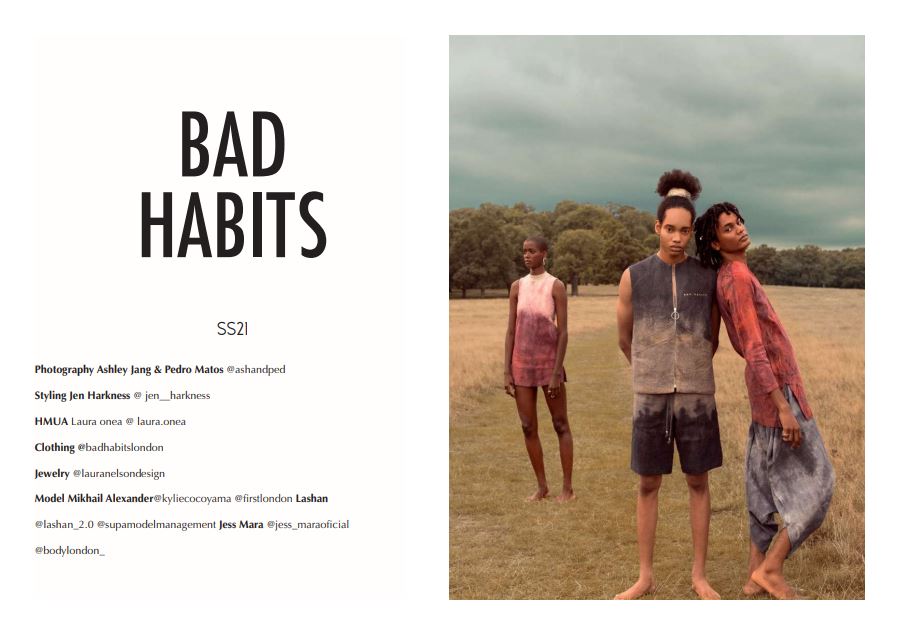
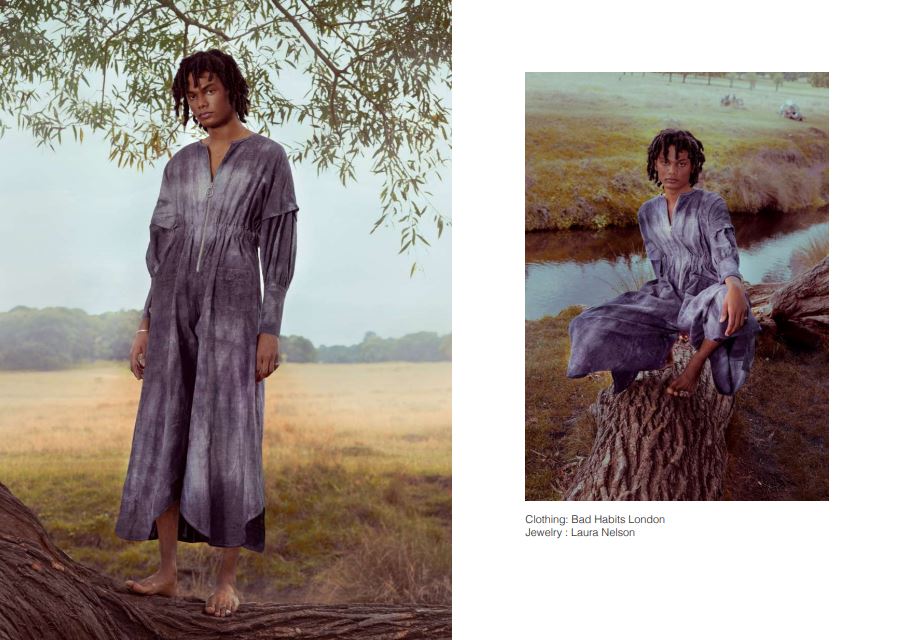
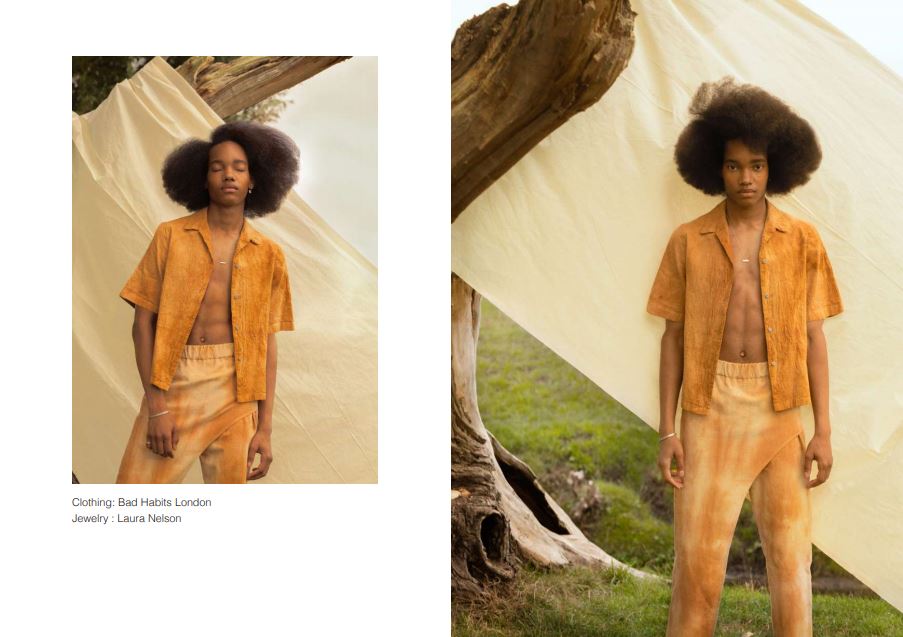
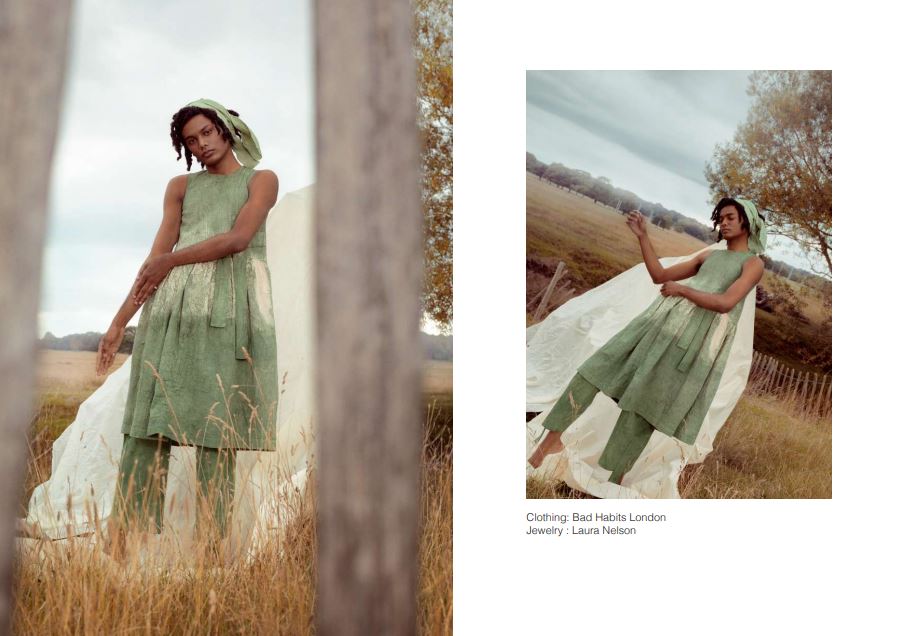
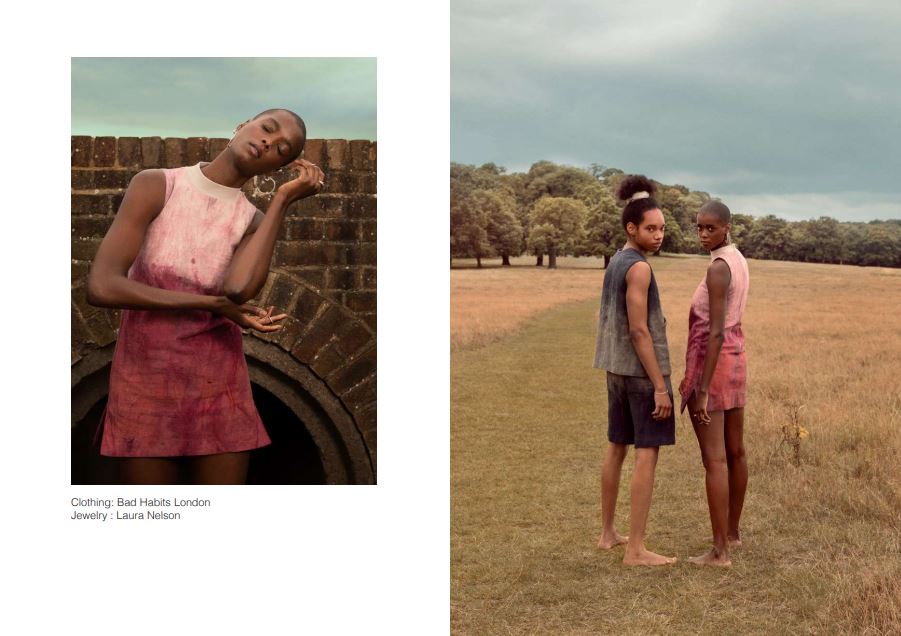
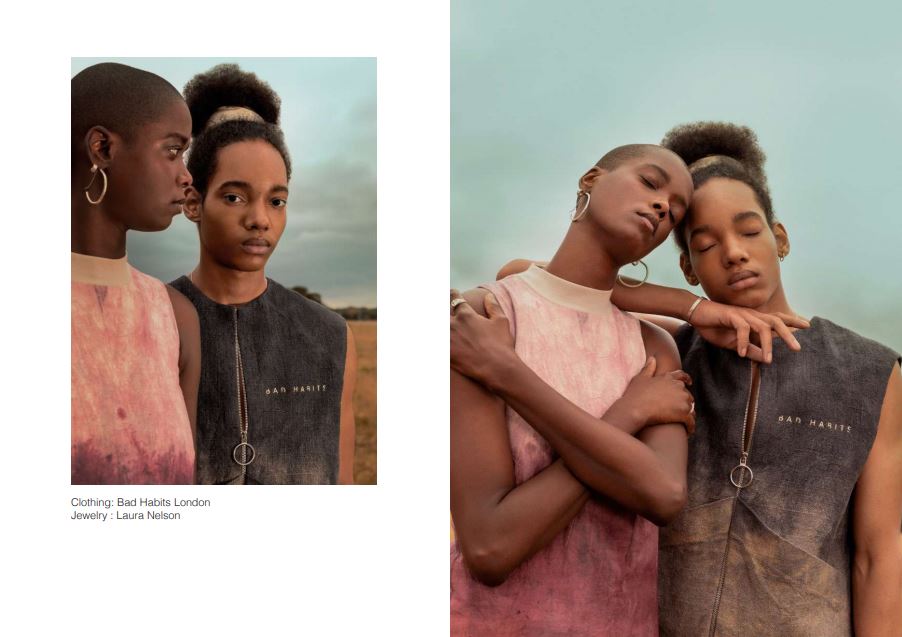
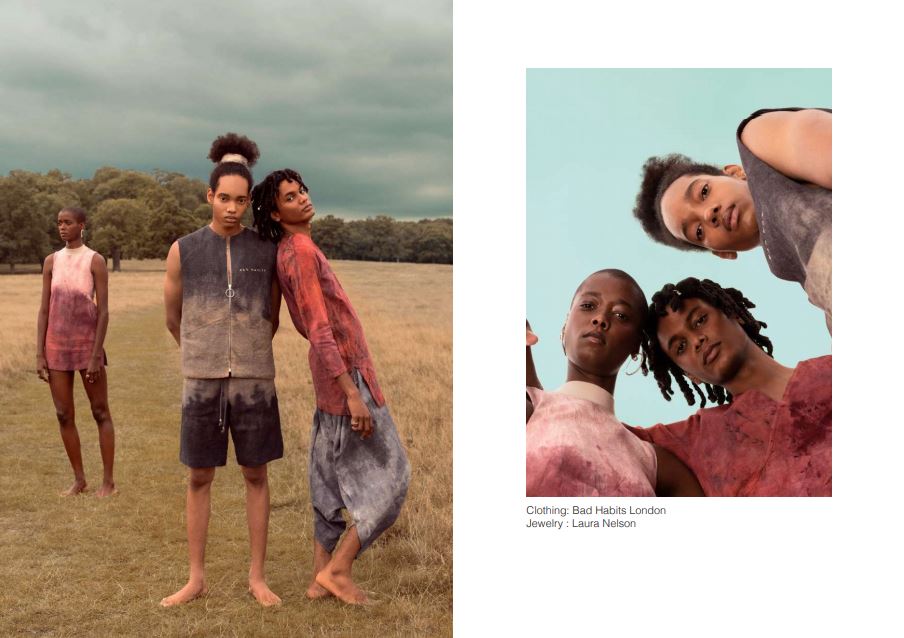
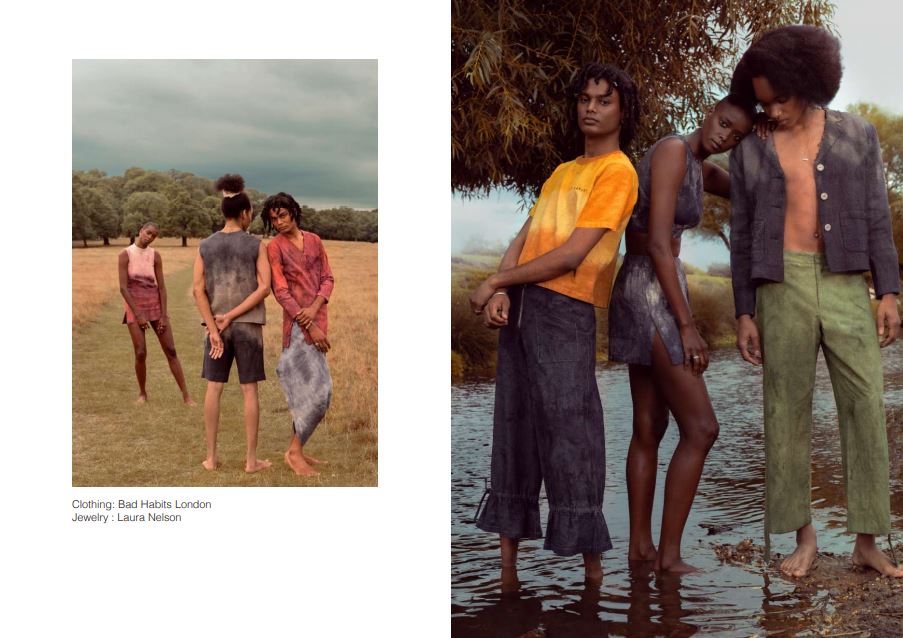
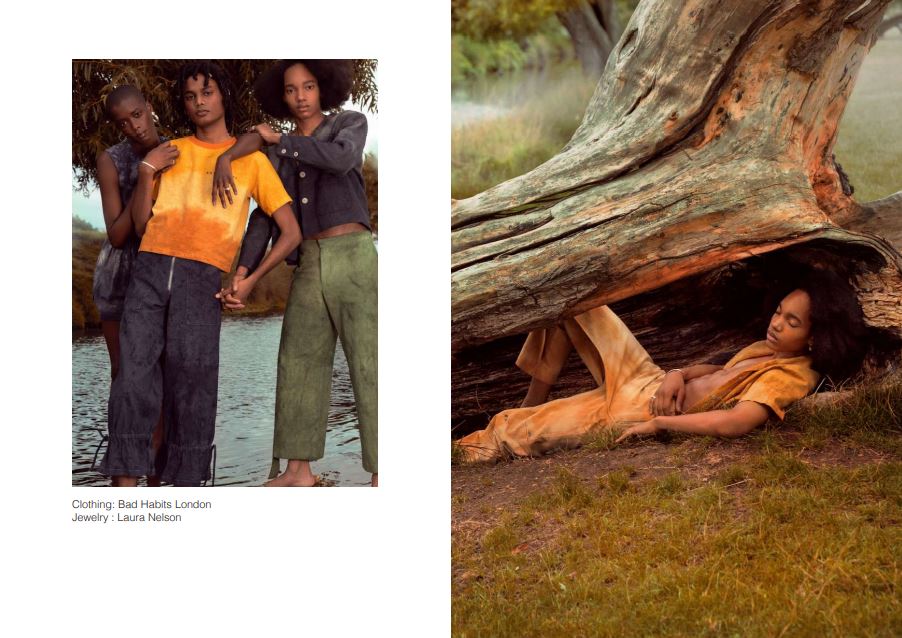
Sustainable fashion, gender-neutral brand Bad Habits London are set to release their spring-summer collection in March of this year. American designer Porscha Hill who launched the label back in October of 2020, is on a mission is to encourage consumers to buy something that can be cherished over time whilst discouraging the bad habits of buying something quick and easy out of convenience. As a sustainable brand, they produce limited quantities of their pieces, all materials and trims are eco-friendly, and the dyes used are natural extracts.
“Working in the industry for years, I’ve experienced direct influences of fast fashion, which ultimately inspired me to create a sustainable business. Bad Habits is more about creating a community who live without limitations in the most sustainable way,” said Porscha.
Their 16-piece collection is inspired by Earth, one of the four elements of matter. For the collection, which only uses sustainably sourced fabrics, the silhouettes have been designed to be timeless with a natural approach. Each item is hand-dyed from plants and natural ingredients like fustic trees, chlorophyllin, cutch, and more.
Belgium-based designer Florentina Leitner showcased her 2021 fall-winter collection through a fashion film for New York Fashion Week. Florentina Leitner is among the new generation of designers whose ethos is anchored on a more sustainable creative approach. Leitner is developing a green line consisting of up-cycled pieces using vintage garments and jewellery. The fashion film The Royal Leitners, directed by Belgian director Athos Burez, provides a glimpse into the magic of her world, following the Leitner family through their Maison. From green tents to snowy landscapes – the film introduces you to her newspaper reading father and his Wiener dog companions, her eccentric, plant-loving grandmother, and a cadre of other interesting characters. Key Winter pieces like faux-fur hats, coats and ski masks are central in her collection. Floral prints and bright colours remain essential for the brand, layered with printed bodysuits, puffy dresses and wrap skirts to create a dynamic and arresting aesthetic inspired by her Austrian family and childhood. Florentina Leitner created a collection dear to the designer’s memories of innocent times. The Royal Leitners also pays homage to Wes Anderson’s 2001 movie The Royal Tenenbaums.
“If you ask me where I’m from,” Chris Lee-Rodriguez sings a little over halfway into Really From’s self-titled album, pausing to let the dust settle around him: “I’ll say the rage, the lights the sea/ I’ll say the pain passed down on me.” It’s a striking moment of clarity and self-actualization on the Boston quartet’s latest record that directly addresses the question that’s implied in their new name and that’s often aimed at its mixed-race members: “Where are you really from?” Yet the co-lead singer and guitarist’s voice initially sounds almost unaffected on that song, which is called ‘I’m From Here’, the hummable melody undercutting any potential for catharsis and instead embodying the following thought: “And when you say it’s not enough/ I will pretend it won’t get to me.”
It’s then that the energy shifts: the rest of the band – synth bassist and vocalist Michi Tassey, trumpeter Matt Hull, and drummer Sander Bryce – come back into the fore, conjuring a whirlwind of an instrumental that serves as a visceral release of tension. So the second time Lee-Rodriguez arrives at that refrain, he screams at the top of his lungs as if no longer willing to mask his frustration. The track then breaks into an odd time signature before a chorus of voices repeats a mantra equal parts celebratory and haunted: “I’m from here, I swear/ I’m really from here.” Playing with convention is one of Really From’s key strengths, but ‘I’m From Here’ also epitomizes the group’s ability to take familiar indie tropes and give them weight, augmenting their typically intricate song structures with equally complex subject matter.
The band’s effortless fusion of emo, math rock, and jazz will appeal to fans of any one of these genres, but what makes their music so resonant and compelling has less to do with their penchant for blending musical traditions than the way they combine their own individual voices. Really From brims with personality – something many “genre-melding” and technically proficient acts often lack – not just because of its honest and potent exploration of cultural identity, but also because its members harness the spirit of collaboration in ways that bring out rich and distinct flavours while maintaining an overall sense of fluidity. That openness bleeds into both the album’s musical arrangements and its lyrics – as they’ve discussed in interviews, Tassey and Lee-Rodriguez don’t just trade vocal duties; they also go through the delicate process of co-writing the songs, inviting the listener into that shared and vulnerable space.
‘I’m From Here’ might be the album’s most memorable highlight, but it’s far from its only outstanding moment. Even seemingly conventional cuts like ‘Quirk’ burst with colour and detail as Lee-Rodriguez and Tassey grapple with the weight of intergenerational trauma, casting a shadow over the track’s elegant, relaxed instrumental flourishes. ‘Try Lingual’ offers a vivid account of struggling to communicate in their parent’s native tongue, and in doing so, adopts the universal language of self-blame: “I listen hard to what you say/ Each word begins to sound the same/ The sounds, the words, the goddamn shame.” The dynamic interplay between Hall’s lush trumpet and Bryce’s jazz-inflected drumming is evident early on with ‘Apartment Song’, the album’s exploratory opening track, while the brief instrumental ‘Last Kneeplay’, which consists of just trumpet and classical guitar, showcases the band’s more minimalist tendencies.
Their third LP following 2017’s Verse, Really From is less of a stylistic pivot than an apt distillation of what the band has always stood for, propelled by a newfound confidence that bolsters their unique artistic vision. The album may not offer any clear-cut resolution, but in reflecting back a sense of earnestness and candor, almost eliminates the need for it. Things only get darker from ‘I’m From Here’, but shedding all the extra layers of sound on the acoustic closer ‘The House’ has an almost cleansing effect, despite the damning nature of the lyrics (“Mom and Dad/ They told me separately/ They come from different parts/ So what does that make me?”) Expanding their musical scope might be the only way for Really From to express their unbound creativity, but the true power of their music lies in untangling the chaos that’s buried underneath.
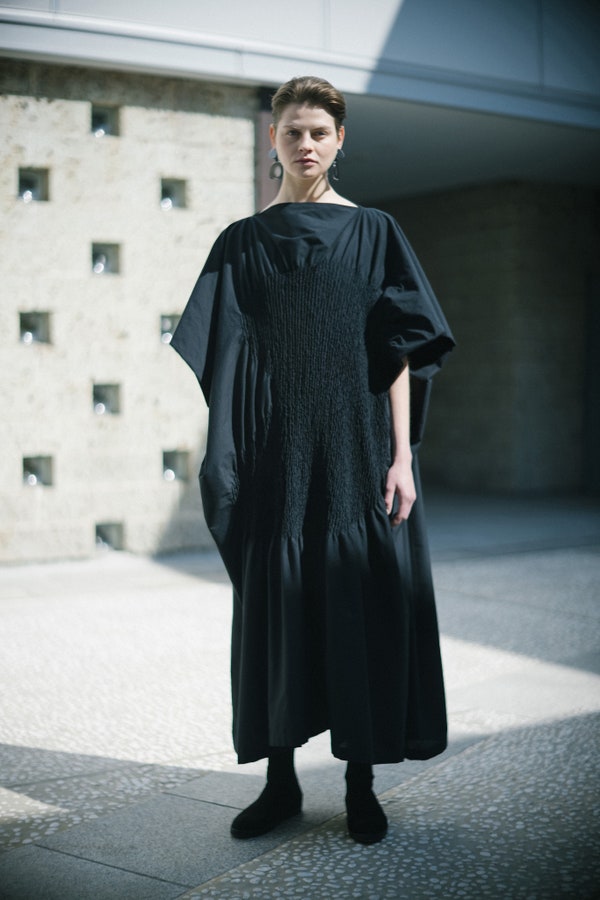
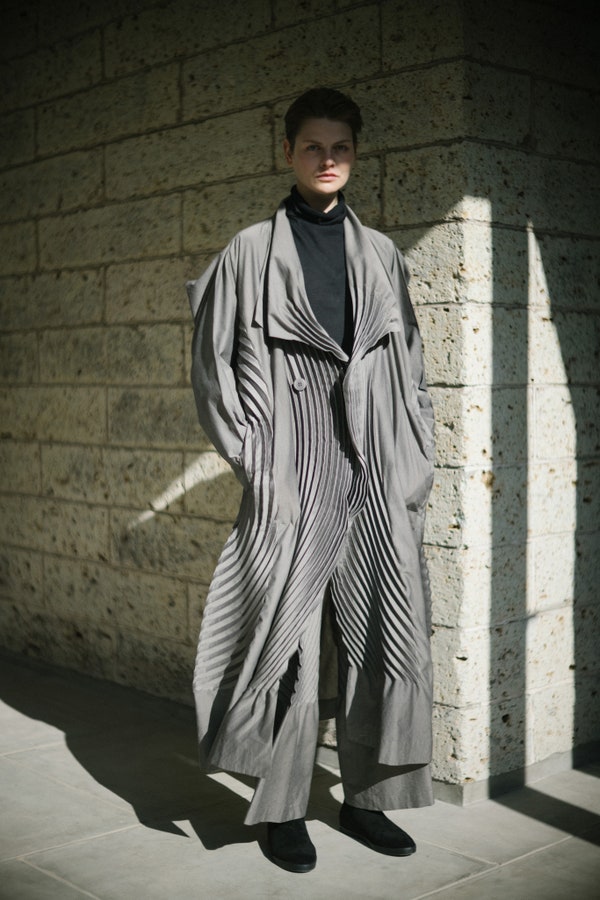
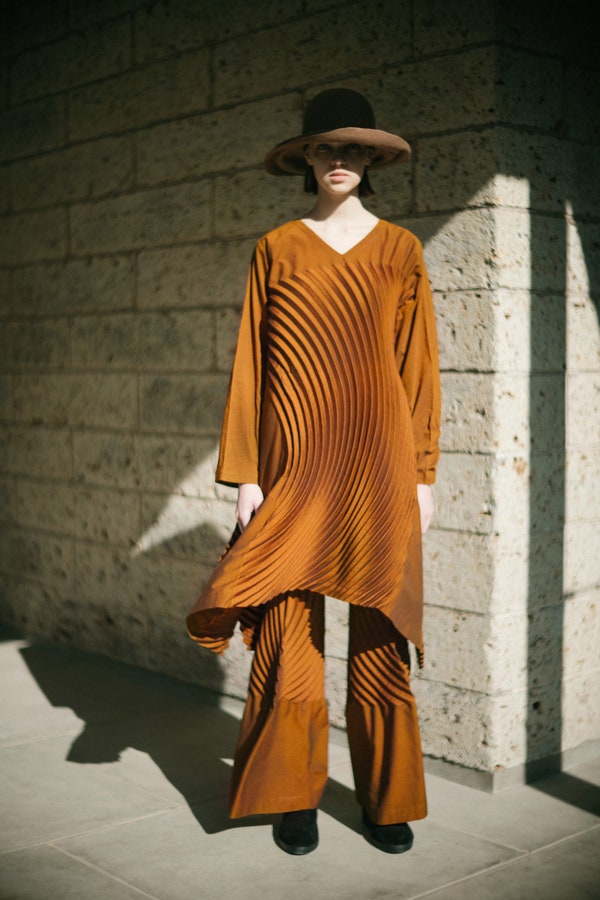
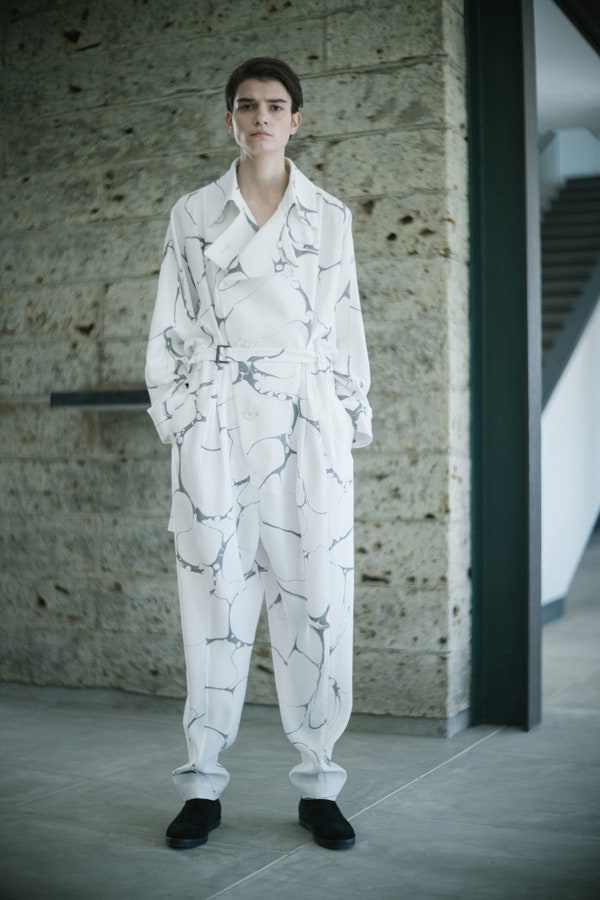
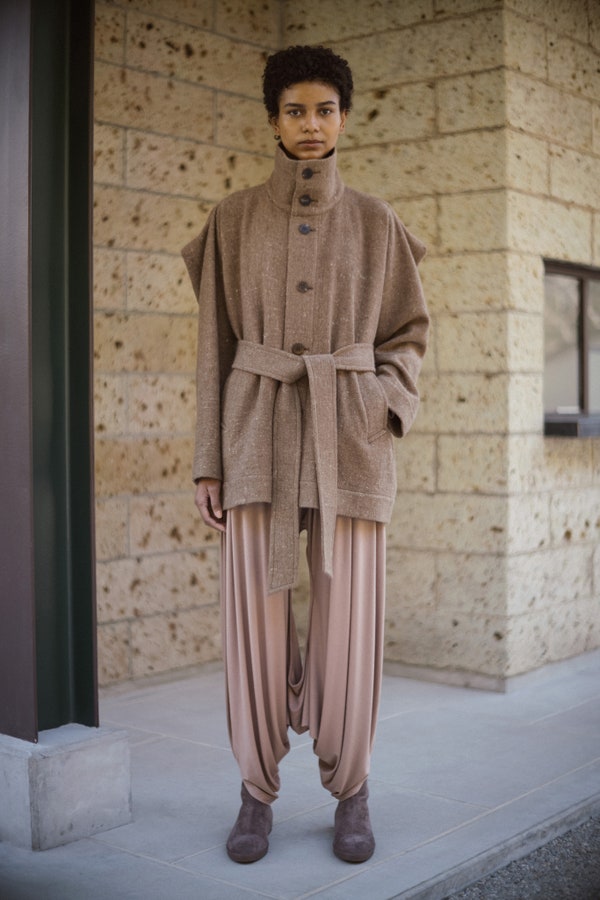
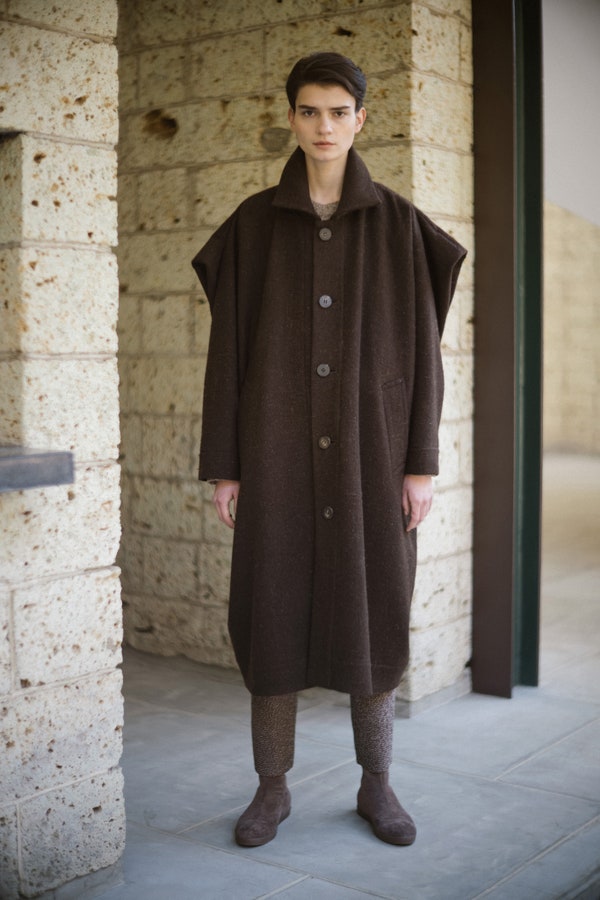
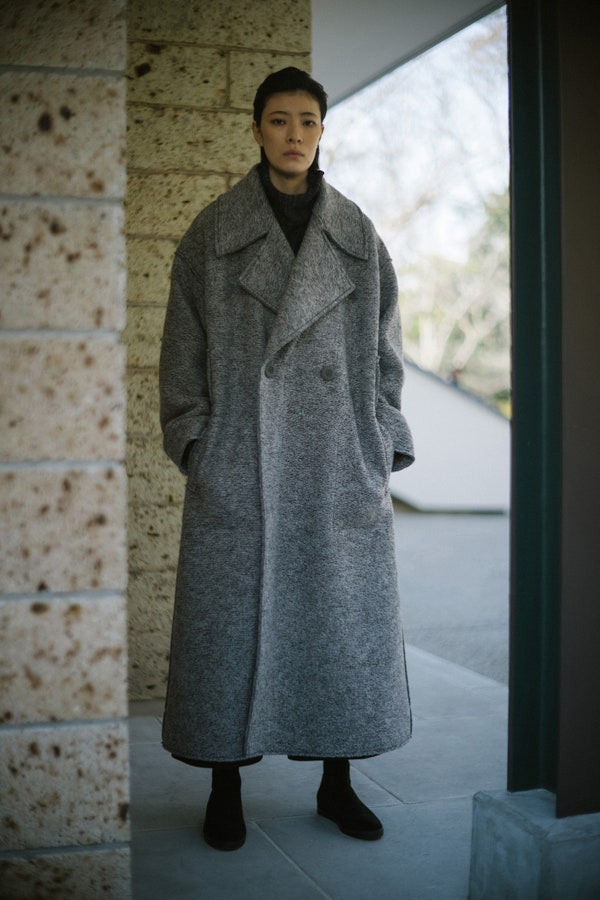
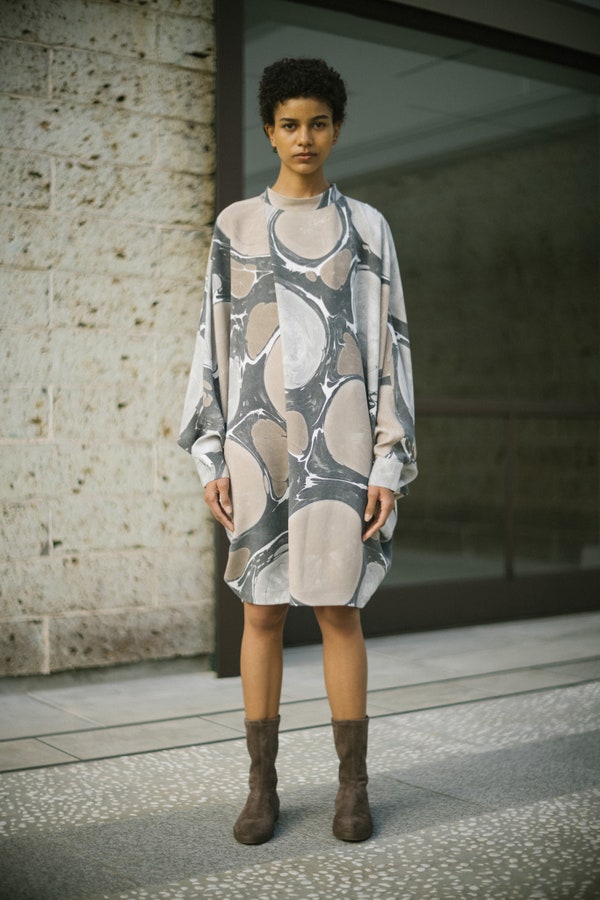
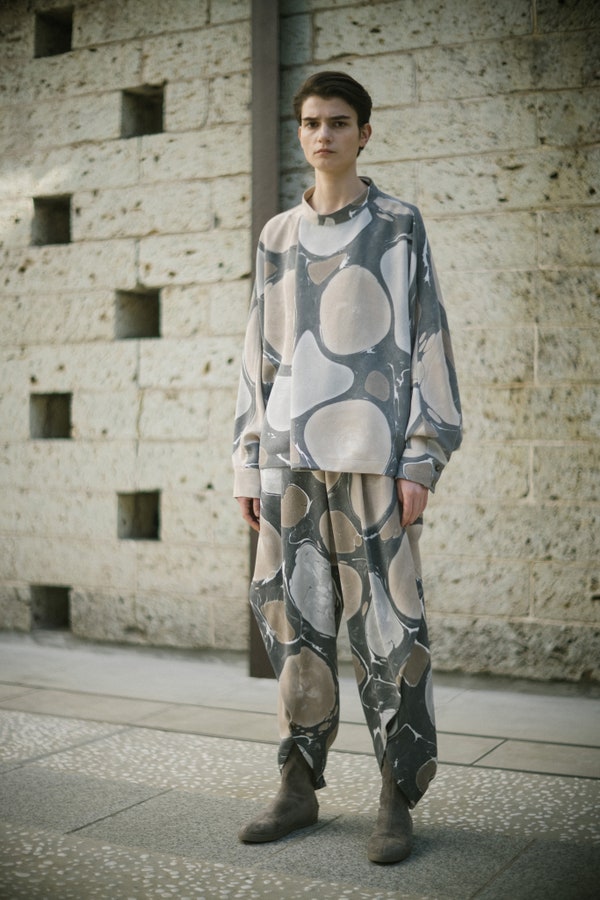
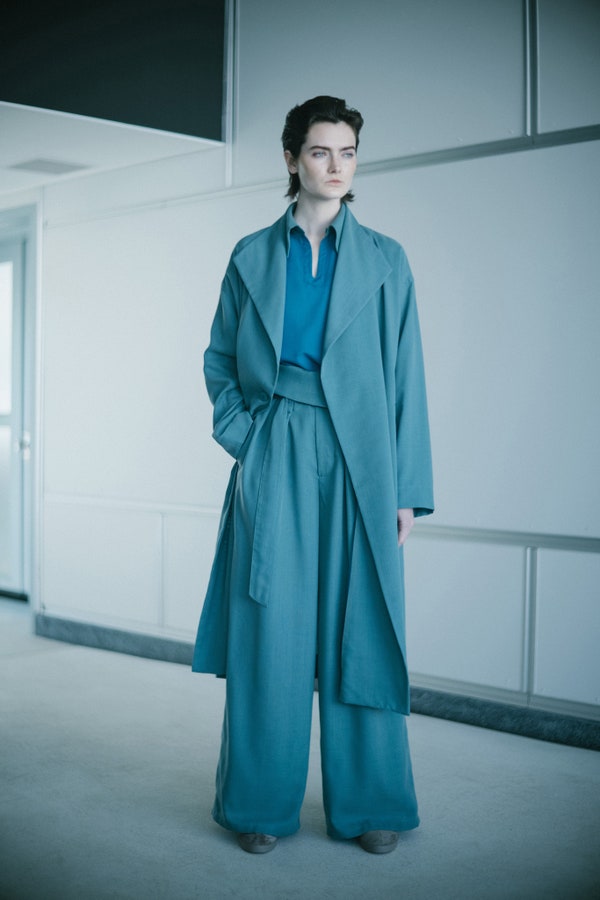
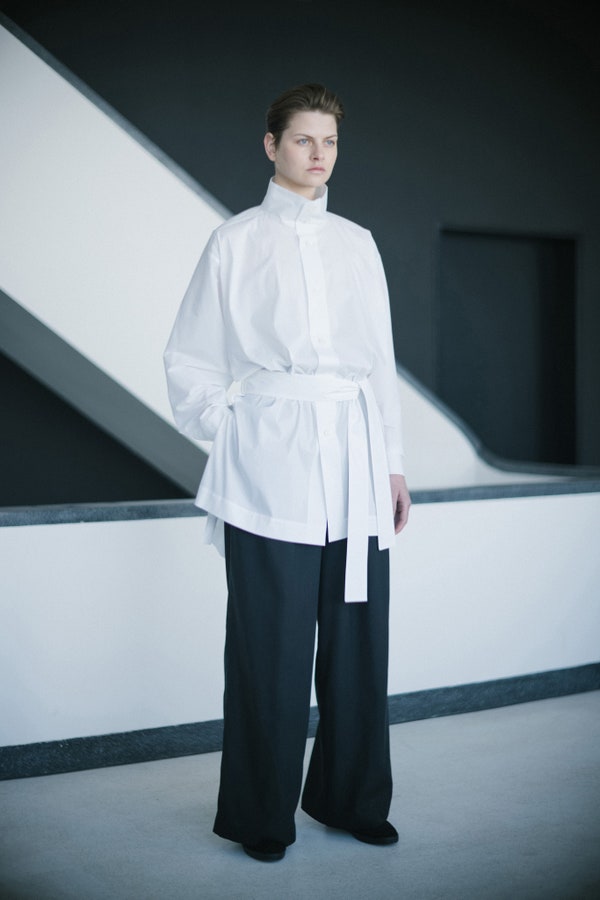
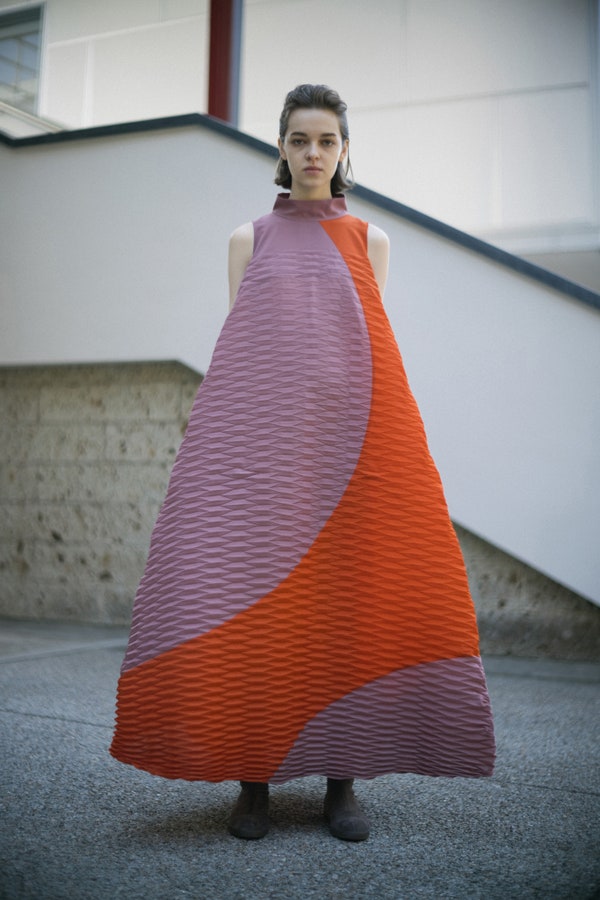
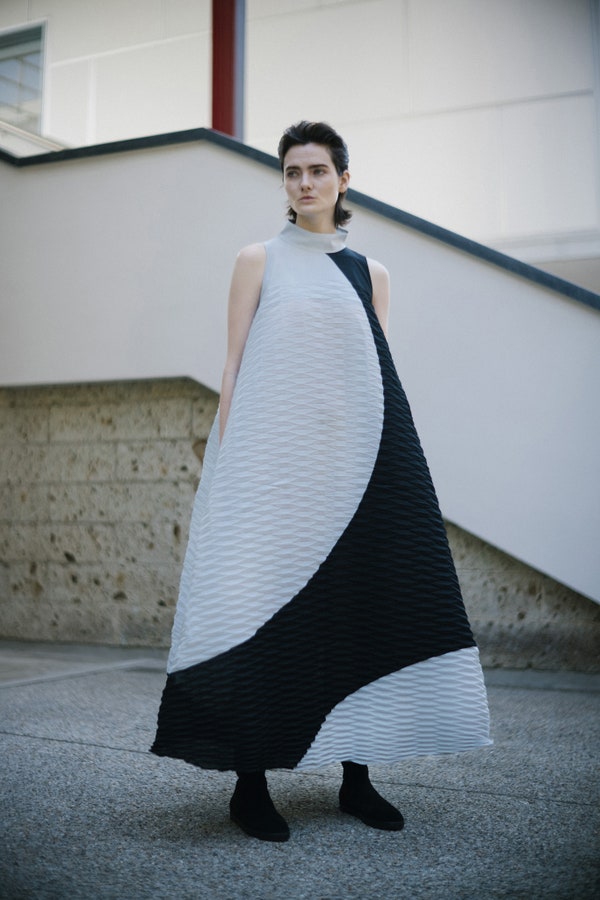
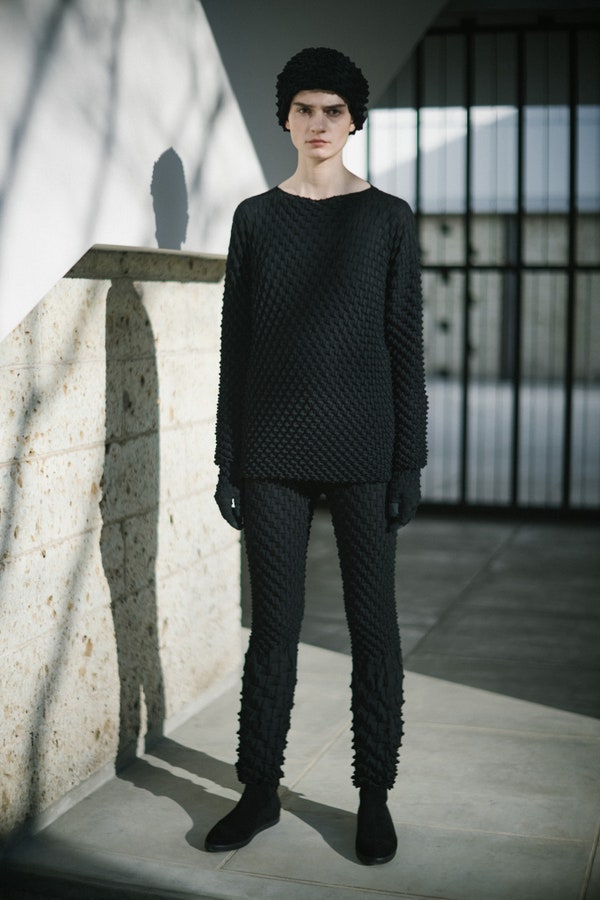
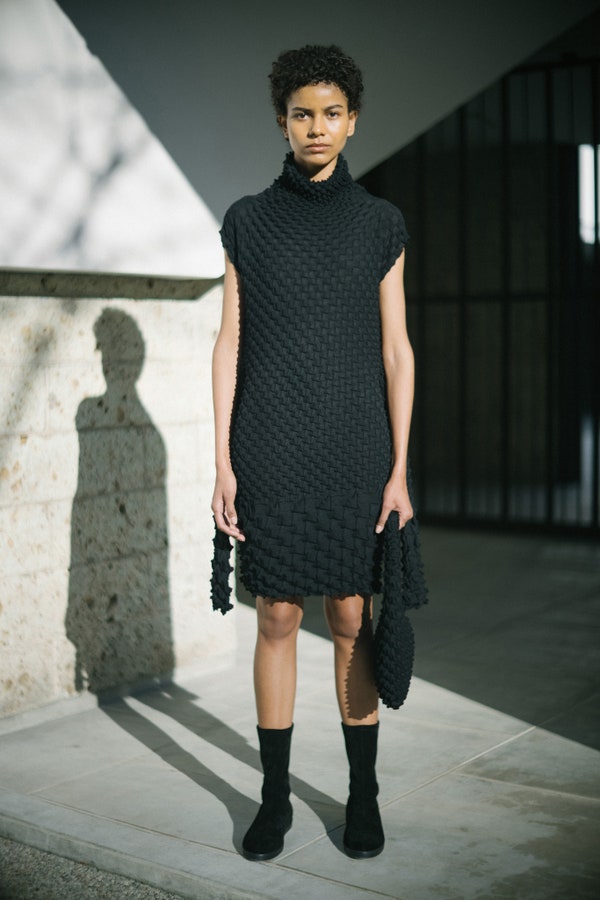
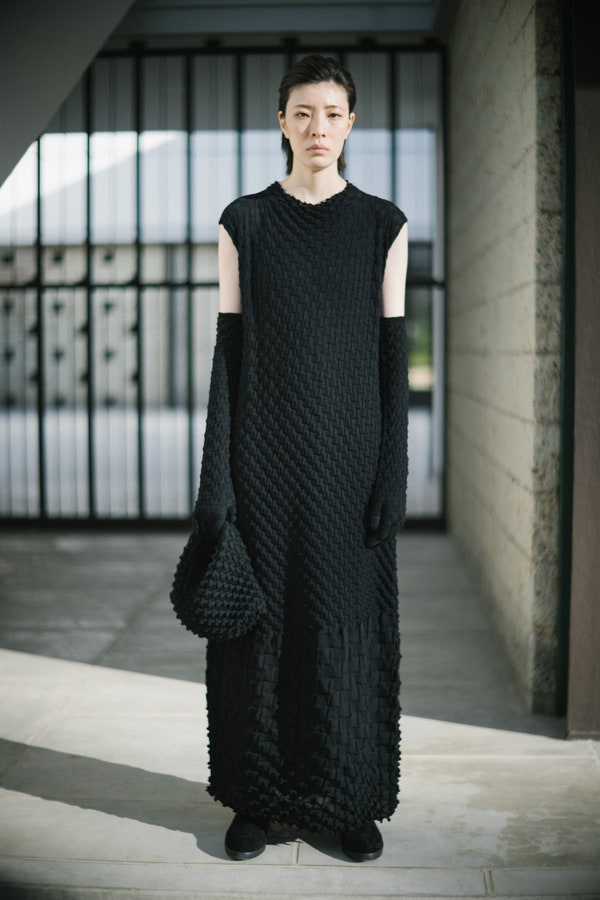
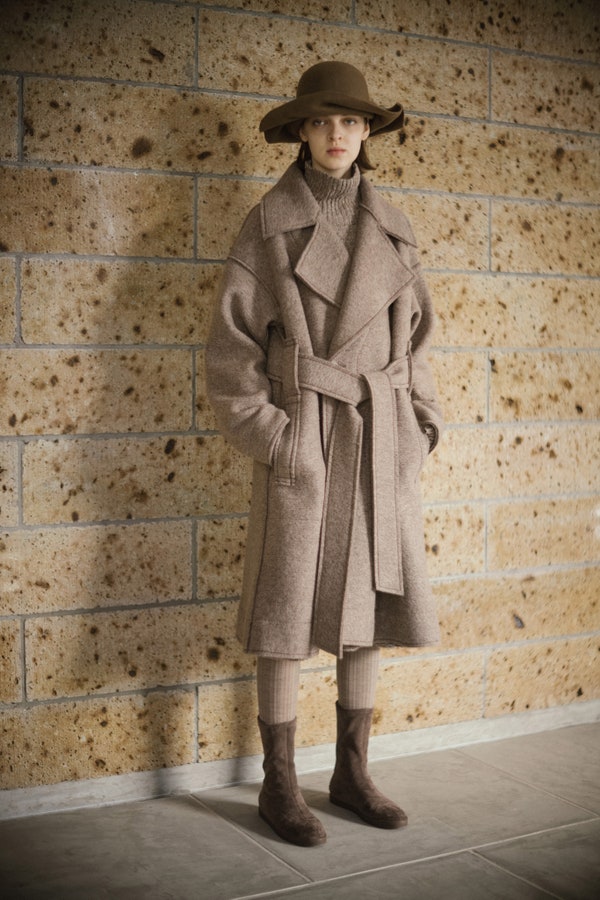
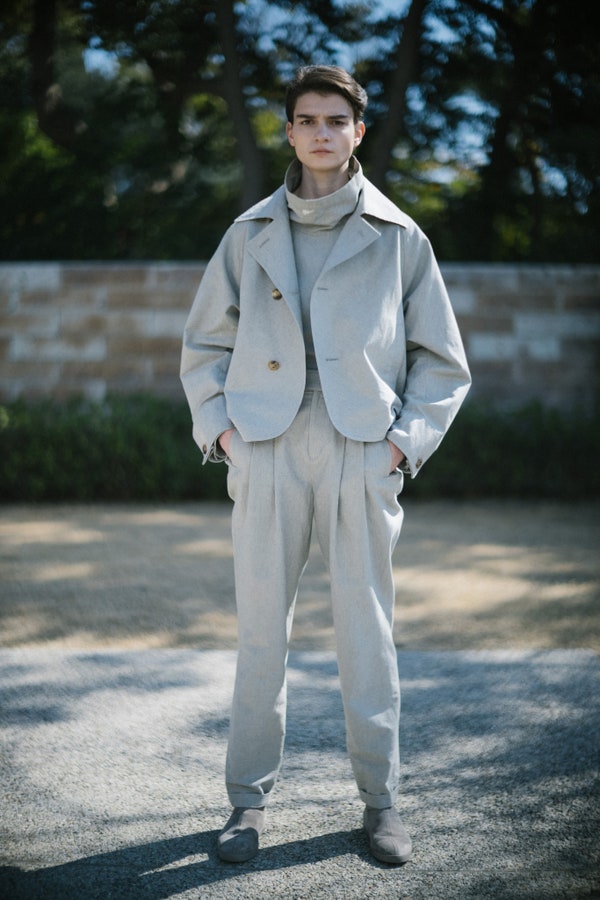
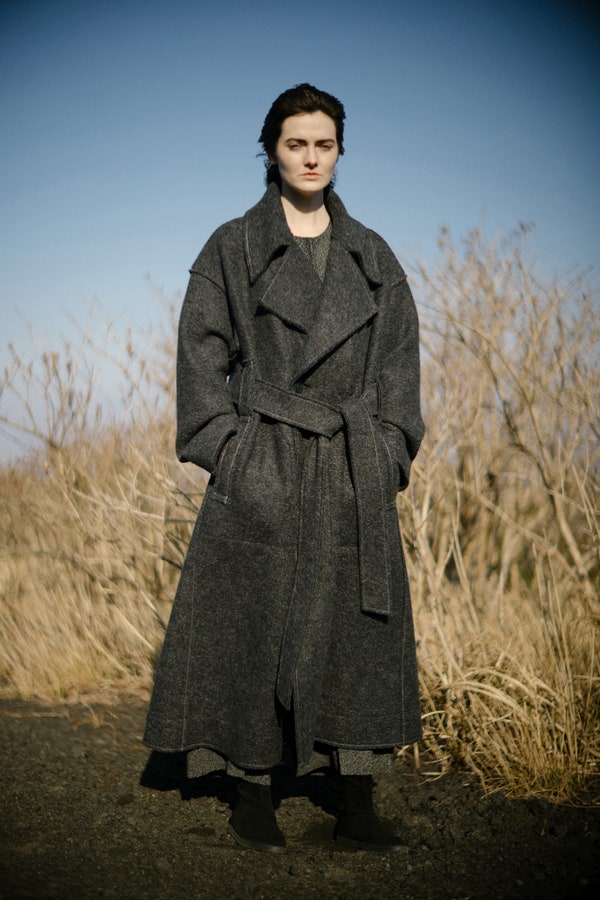
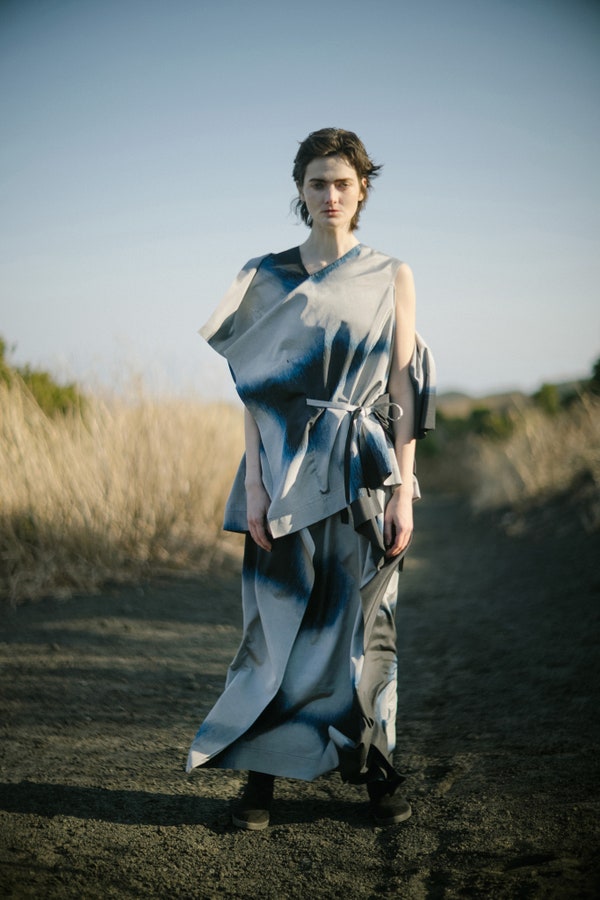
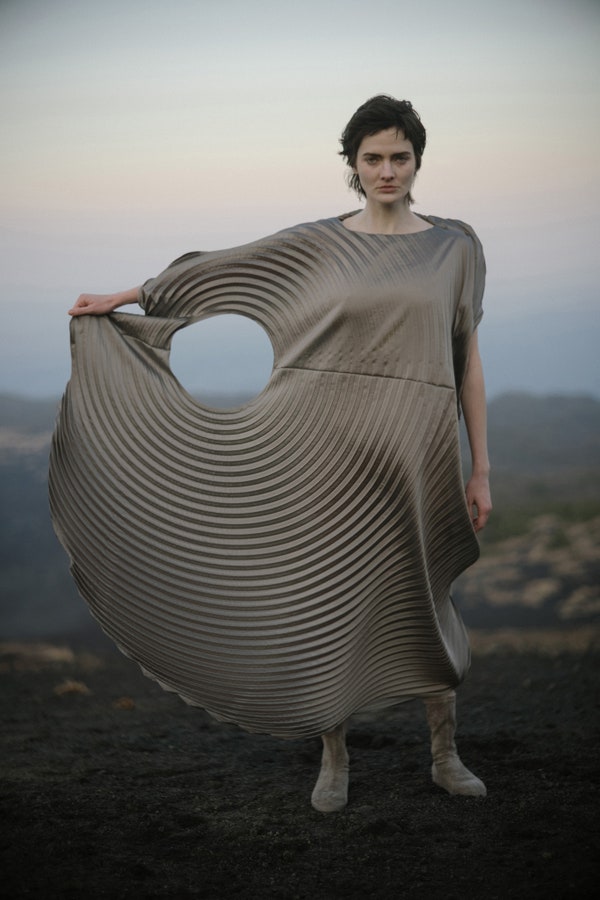
Japanese brand Issey Miyake presented their ready-to-wear womenswear 2021 fall-winter in the form of a film titled As the Way It Comes to Be.Designer Satoshi Kondo took inspiration from nature for the collection. The film commenced with a stone background that gradually took us into the building and then back outside to the stone wall to eventually grassy lands. The collection employed earthy and nature-like colours. Whilst, the silhouette is unstructured and has an organic movement. Satoshi Kondo executed patterns that created forms when posed a certain way. The collection is full of textures with several fabric manipulations from heat pressed fabric, ruching and manipulation.
Since July 1999, audio drama production company Big Finish have released a brand-new Doctor Who story every month, in what would eventually become known as the “Main Range”. The company’s Who output has since flourished into a multitude of expansions, spin-offs, and continuations, and after almost twenty-two years, the Main Range is being retired – and some big names are seeing it off. Peter Davison, Colin Baker, Sylvester McCoy, and Paul McGann headline the cast of Robert Valentine’s The End of the Beginning, capping off nearly a quarter-century of Doctor Who storytelling.
Robert joins Our Culture to talk about working with Big Finish, his career in audio drama, and where the medium stands in today’s cultural climate.
Thanks for chatting with us, Robert. You’ve worked with the BBC, Audible, Wireless Theatre, and even BMW. How did you get your start in writing audio drama, and what attracts you to the medium?
I started writing audio drama after getting involved with the Wireless Theatre Company, which was founded by my friend Mariele Runacre-Temple back in 2007. The company’s mission statement was to encourage new writing and introduce new acting talent for the “iPod generation”, which both utterly dates us and also shows how ahead of the curve Mariele’s thinking was. With the coming of the portable MP3 player, she saw that audio drama was going to become a more valued currency than it was probably perceived to be at the time. And for my part, I welcomed the chance to write and direct in a medium where you could tell really big, epic stories with great actors without actually needing to build giant sets to blow up and making everyone get up at five in the morning to do it. Looking back, Wireless created this really great scene that brought a lot of very talented and enthusiastic people together. And now I’m sounding like a nostalgic old geezer.
You’ve written The End of the Beginning, the final instalment of Big Finish’s Main Range of Doctor Who releases. Did you feel any pressure in capping off over twenty years of storytelling?
I did feel some pressure very briefly, but literally only for about thirty seconds. Writing Big Damn Adventures is pretty much my wheelhouse, so it was a task that was well inside my comfort zone. Also, capping off twenty years of storytelling is a privilege rather than a chore, and boiling it down, all I really had to do was write a story that mirrored the very first Monthly Adventure, which was The Sirens of Time by Nick Briggs, and inject the proceedings with a certain celebratory flavour. So really it was a fun job and honestly not daunting at all. You can’t write when you’re feeling daunted, or at least I can’t, so it’s a feeling you have to shed immediately.
The End of the Beginning features four Doctors, a crowd of companions, and – by the sounds of things – more than its fair share of timey-wimey chaos. What can listeners expect from it?
If listeners have half as much fun listening to The End of the Beginning as I had writing it, hopefully they’ll find it two hours well spent. I’m very aware that some Main Range fans are actually feeling quite bereft that the line is ending, but as the title promises, the Doctors’ adventures will all continue.
This new series, which also stars Chase Masterson as the returning bounty hunter Vienna Salvatori, will give listeners a three-part cyberpunk action-thriller epic with Eric Roberts’ Master front and centre. It’ll be the most time he’s had in the role, when you think about it, so by the end you’ll know his incarnation of the wickedest Time Lord so much better. And for my part, I just tried to help make him as deliciously, Satanically evil as I possibly could.
Eric Roberts and Chase Masterson at the recording of Master!. Property of Big Finish.
Do you have any dream projects? Anything you’d particularly love to bring to audio?
This is less a personal ambition and more something that I hope someone somewhere does as soon as possible as a service to the world, but Brian Blessed should play Professor Challenger in an adaptation of Arthur Conan Doyle’s The Lost World. As in today. Somebody give the man a script and stick him in a recording booth pronto.
We’re hearing a lot about an “audio drama renaissance” at the moment, with a lot of prominent theatre creatives turning to the medium in lieu of live performances. Is that a fair assessment?
To be honest, the audio drama renaissance has been going on for several years now, but it’s great that it’s continuing to be discovered, albeit in that instance for deeply sad reasons. I think it’s just part and parcel of the way journalists write articles about this stuff, but celebrities are constantly inventing podcasts for the first time, if you believe everything you read. Certainly, thanks to the pandemic and Covid restrictions, audio drama has weathered better than other media due to the ability to record and consume remotely, so more artists and creatives are turning to it. And I think that long-term, beyond Covid, that can only be a good thing, because it’s a great medium in its own right. Just don’t act like you invented it last Tuesday.
To that end, to what do you think audio drama owes its timeless appeal?
Well, thanks to modern technology, audio can be consumed anywhere at any time, and compared to other recorded media it’s incredibly easy to produce and therefore it’s hugely democratic. However, I would contend that its appeal isn’t timeless, but entirely at the mercy of the prevailing technologies. We’re certainly in a good patch at the moment though. Having said that, although I’m a fairly prolific practitioner in the medium, I’m by no means an expert on it, and would swiftly bow to my academic colleagues and other podcasting experts who legitimacy know their stuff.
Finally, what’s next for you?
I’m working on a lot of different projects at the moment, many of which I’m not allowed to talk about yet, which I realise isn’t interesting to hear. At the moment I’m writing something for Radio 4, and I’ve got a few more Doctor Who audios currently in the works. But I’m definitely being kept busy, which I’m hugely grateful for. If you fancy following me on Twitter though, my handle is @MrRobValentine, and you can find me there procrastinating most days.
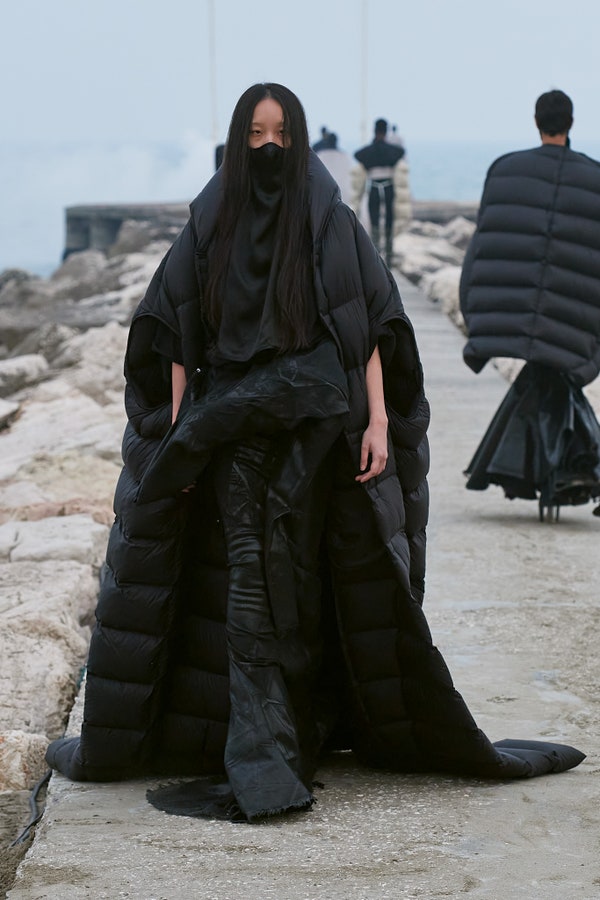
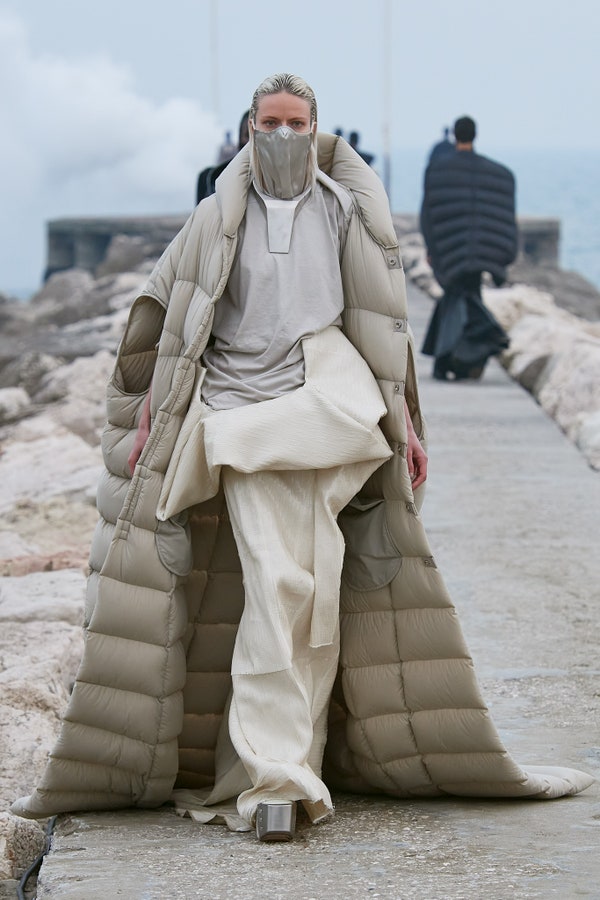
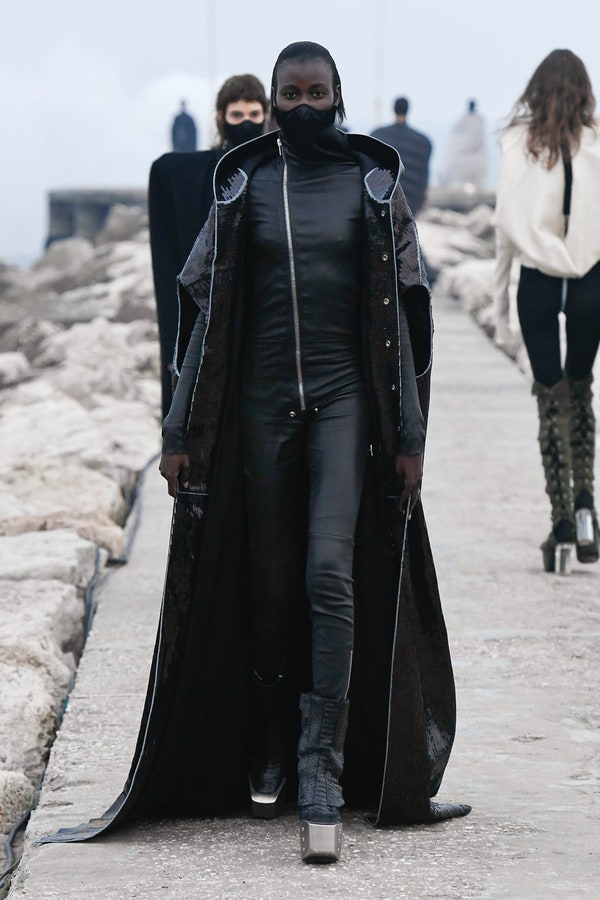
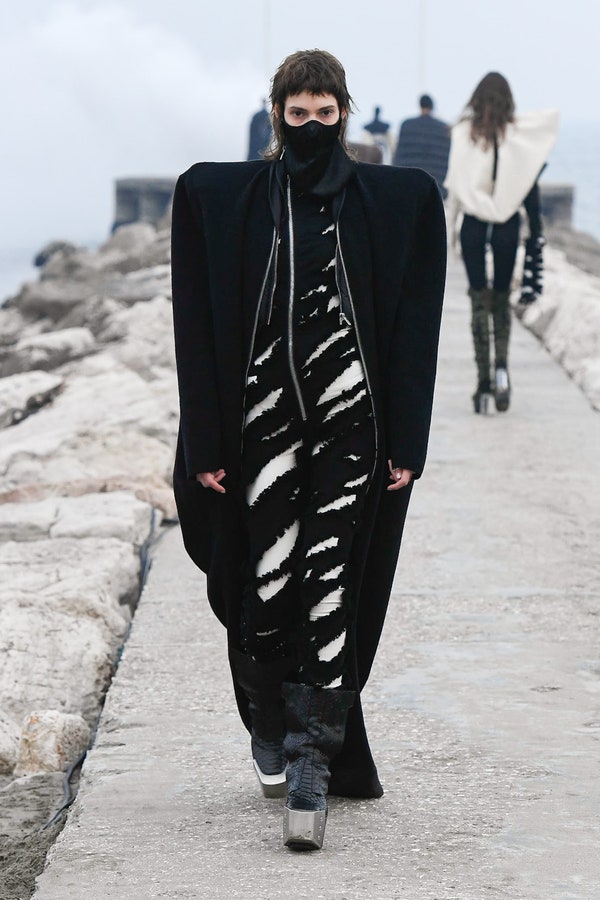
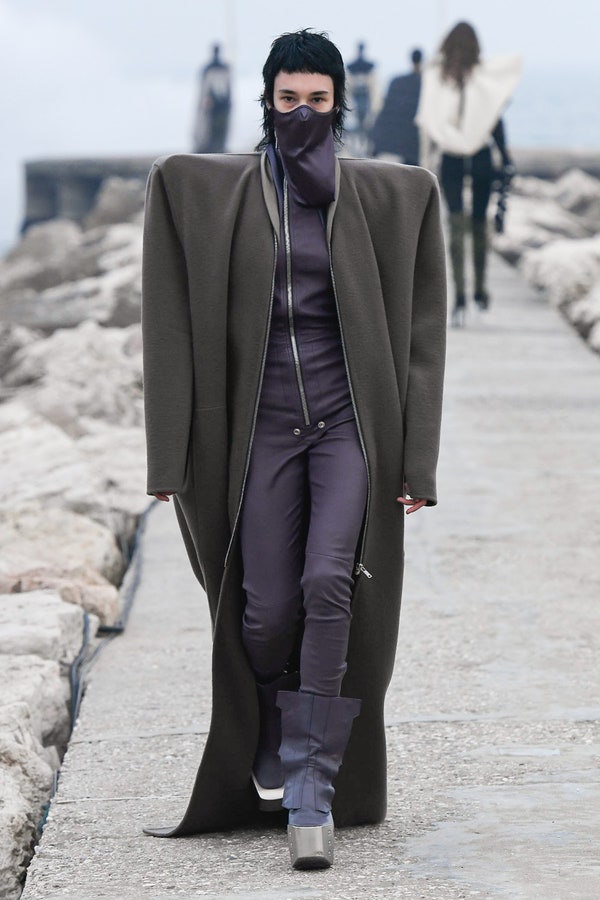
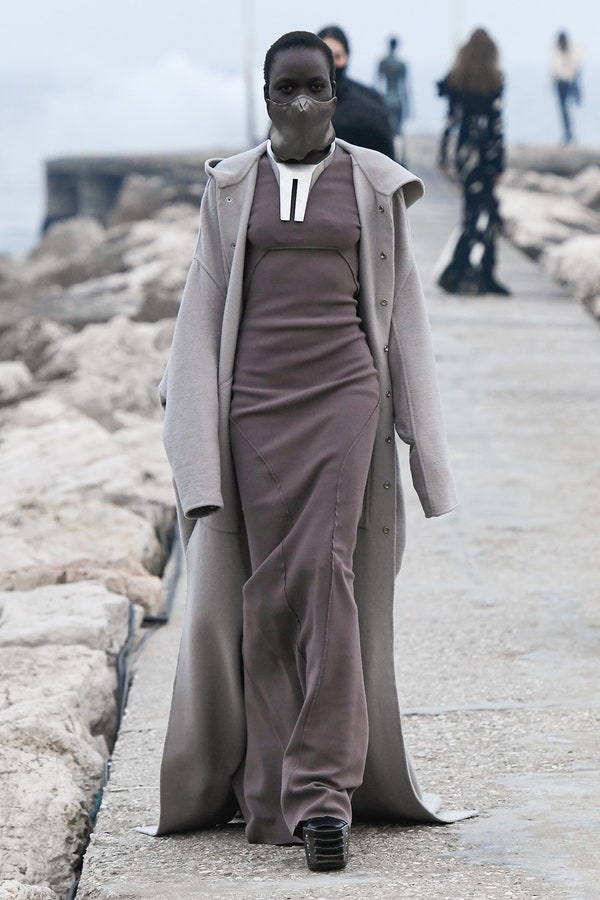
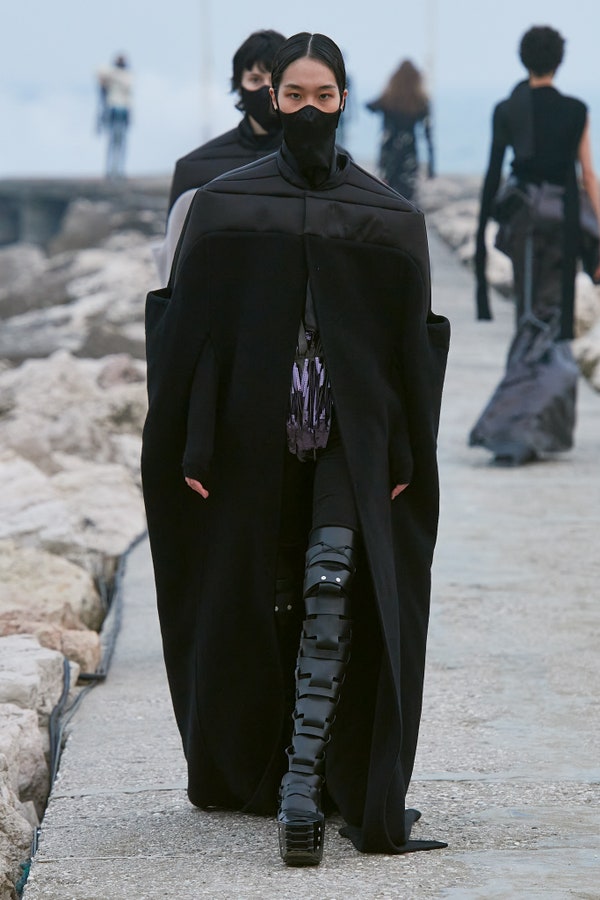
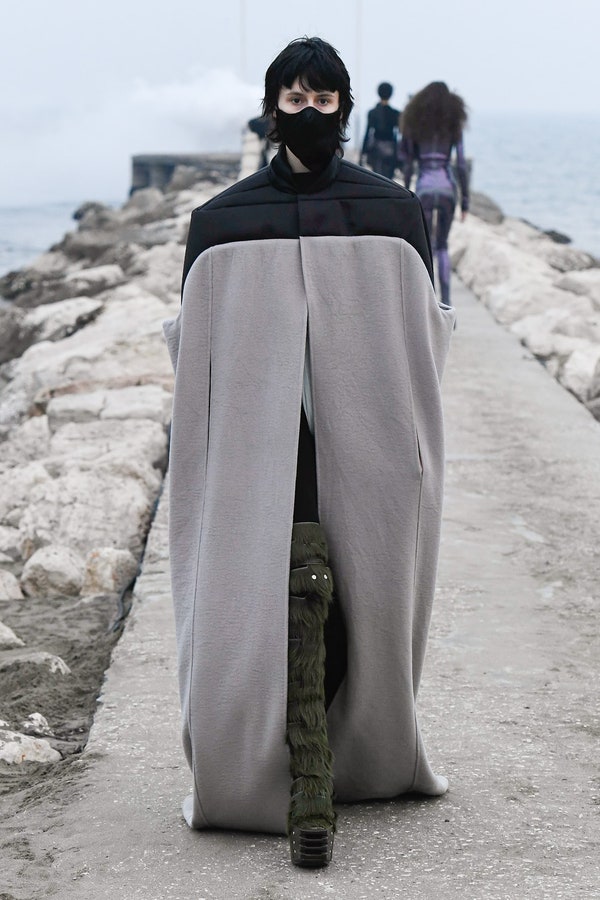
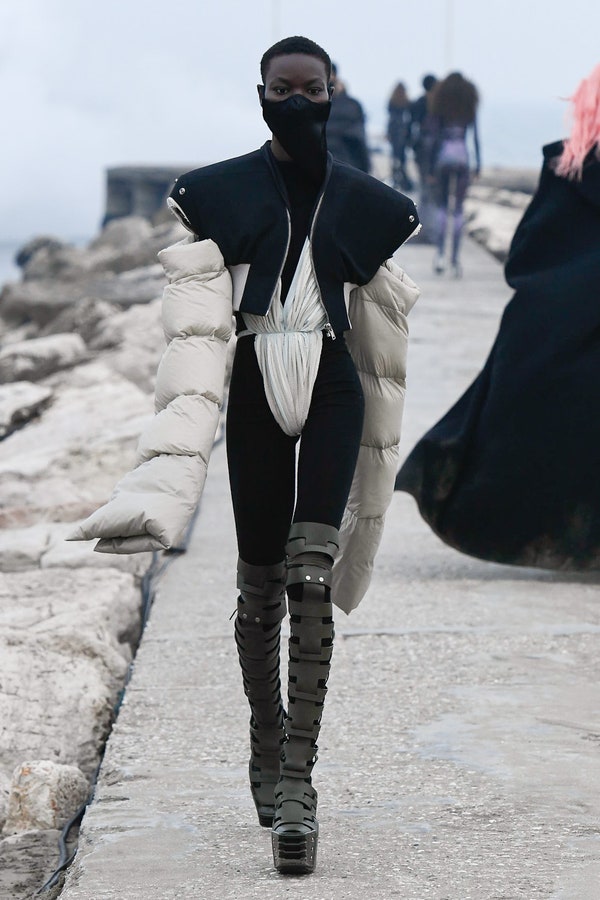
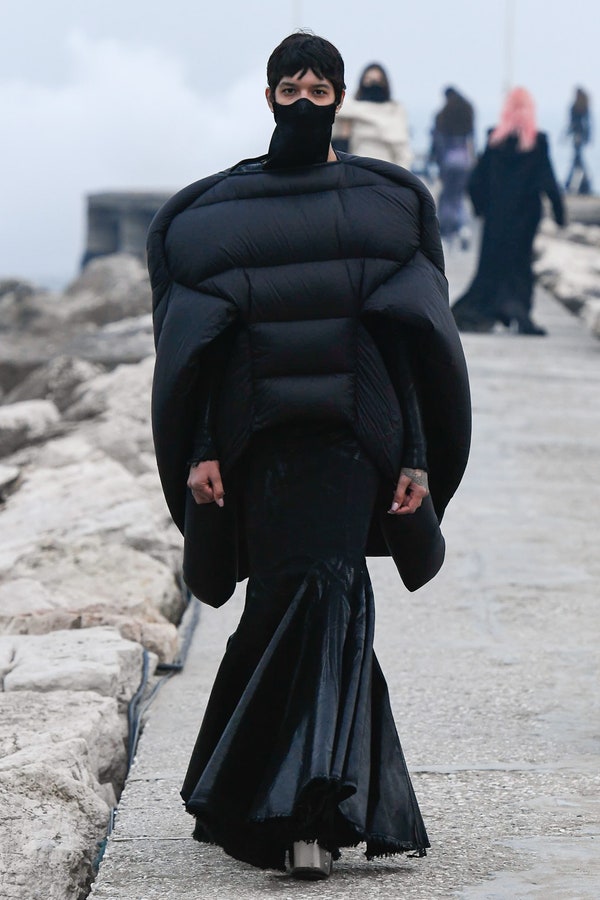
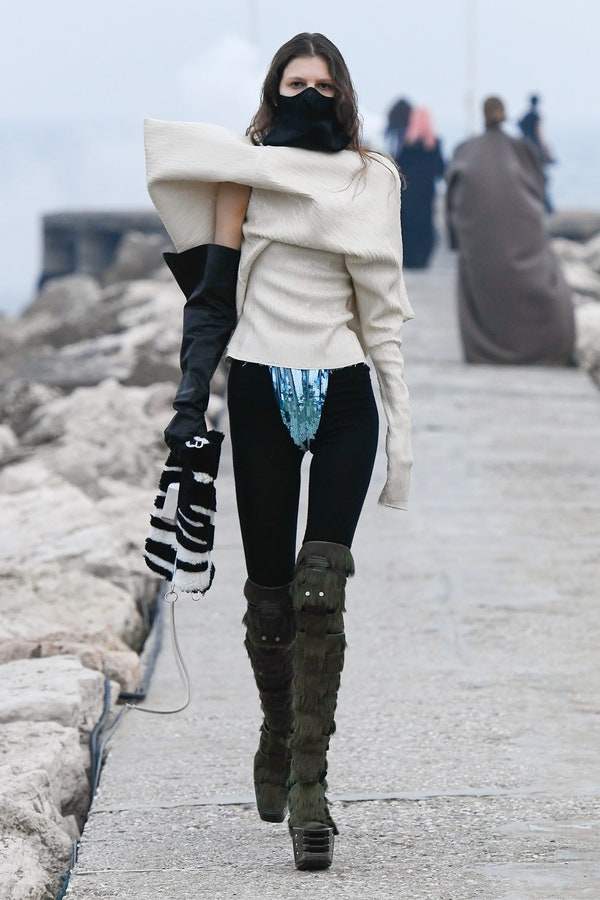
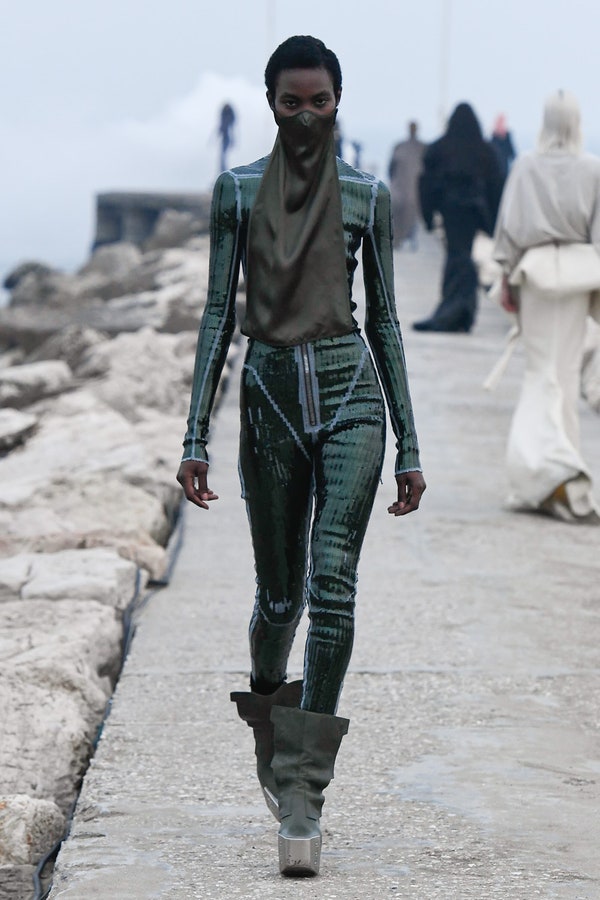
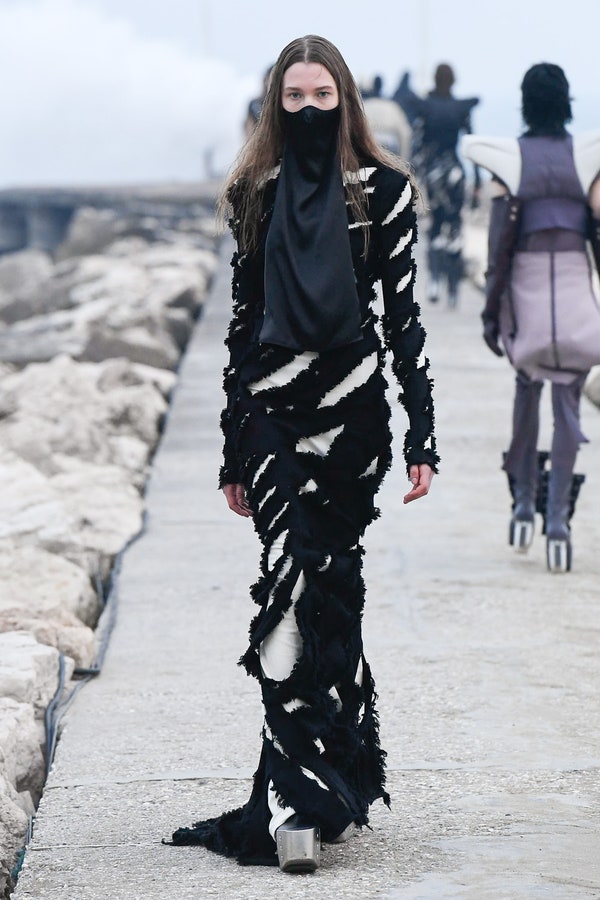
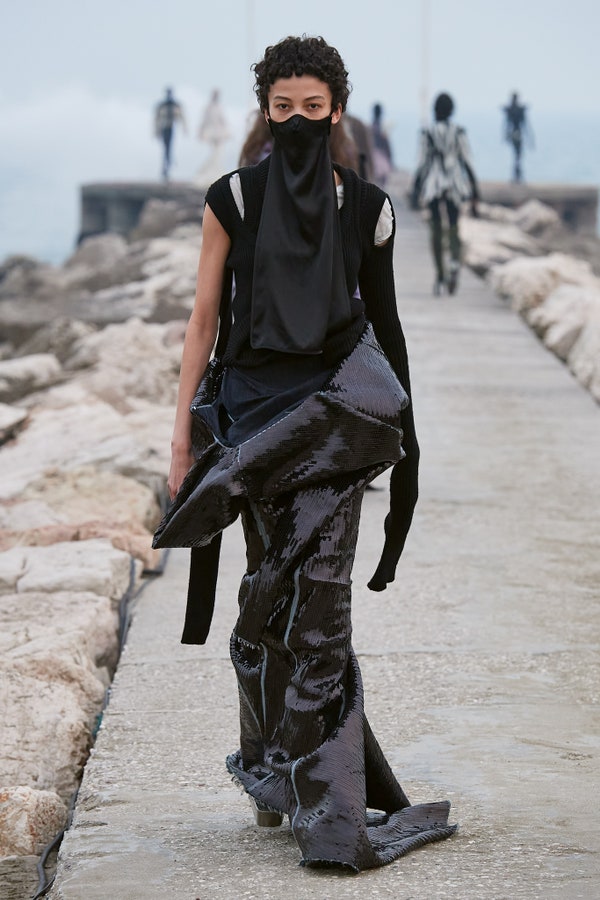
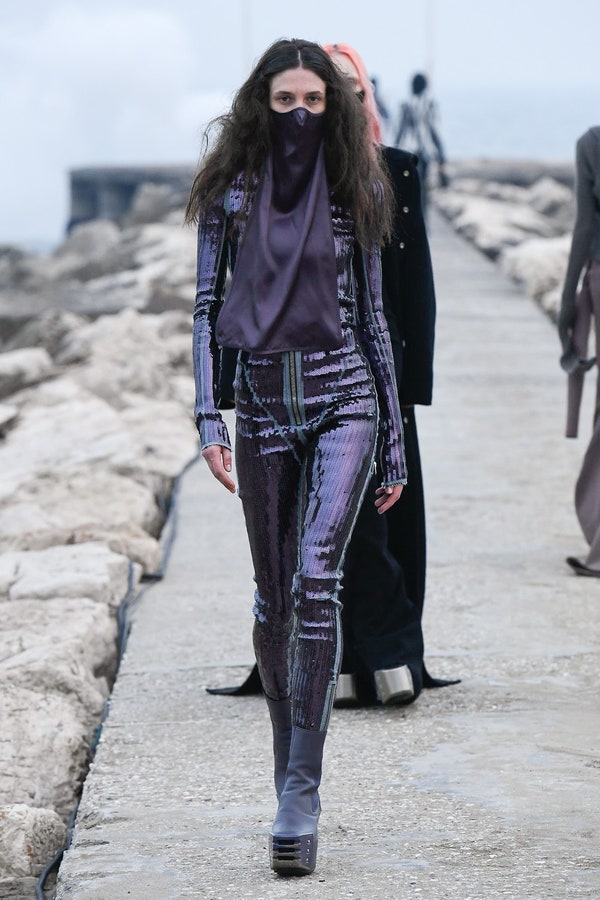
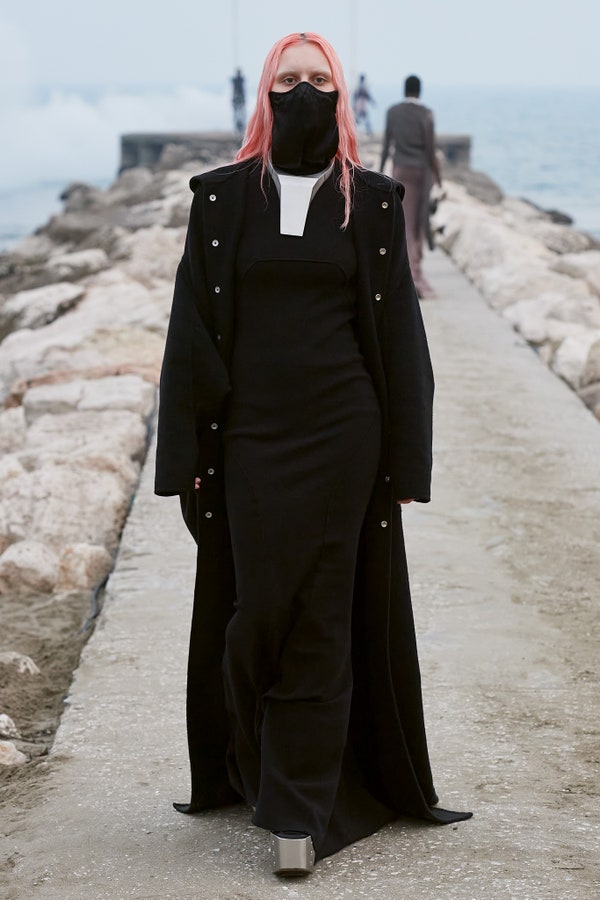
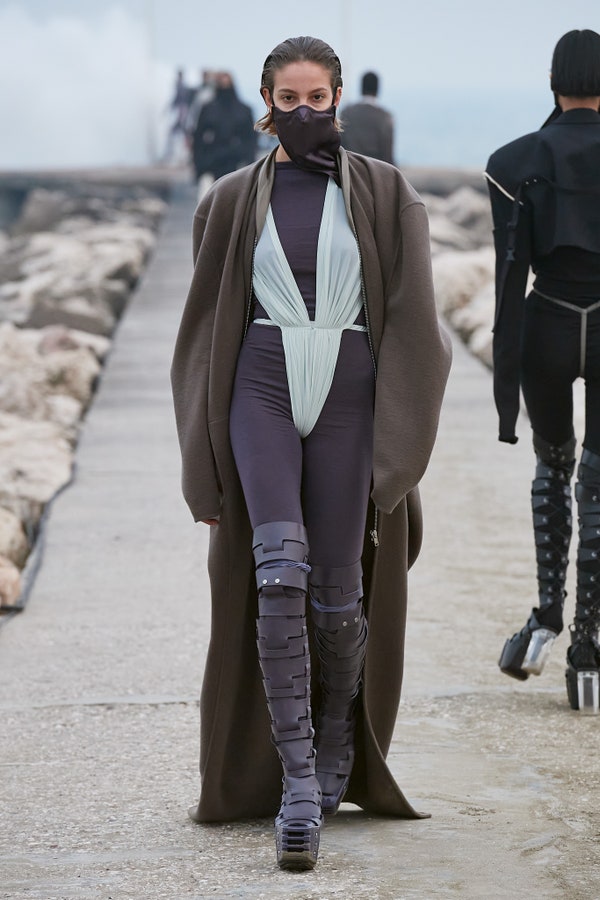
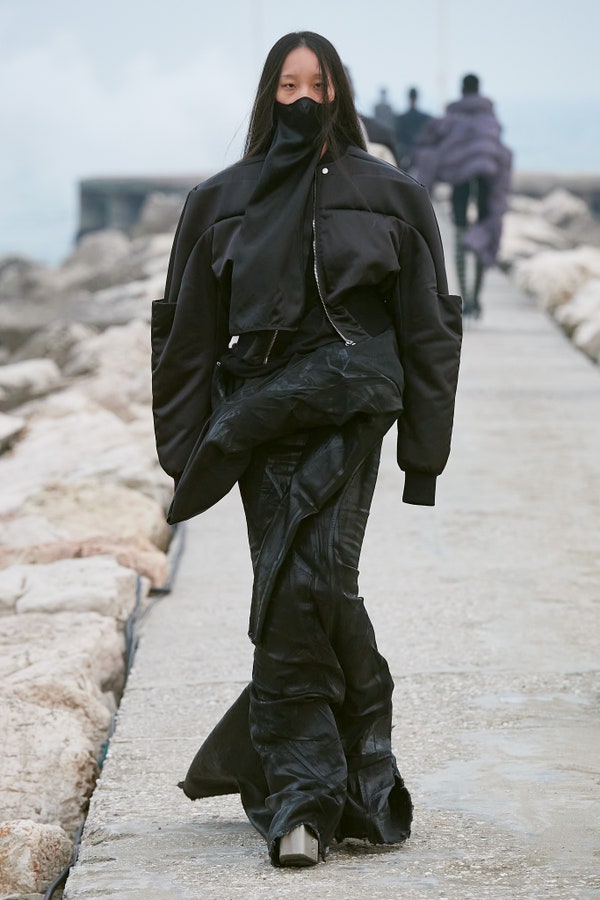
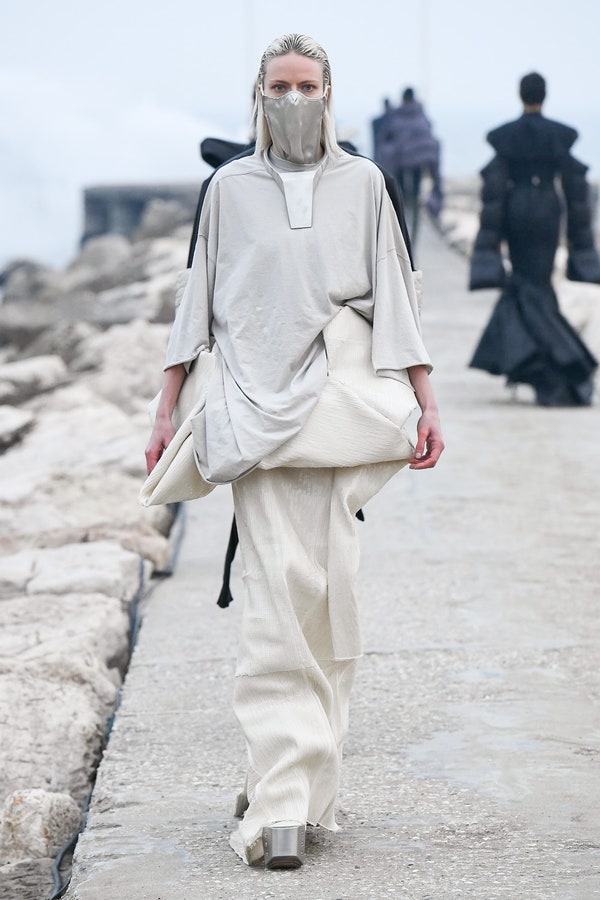
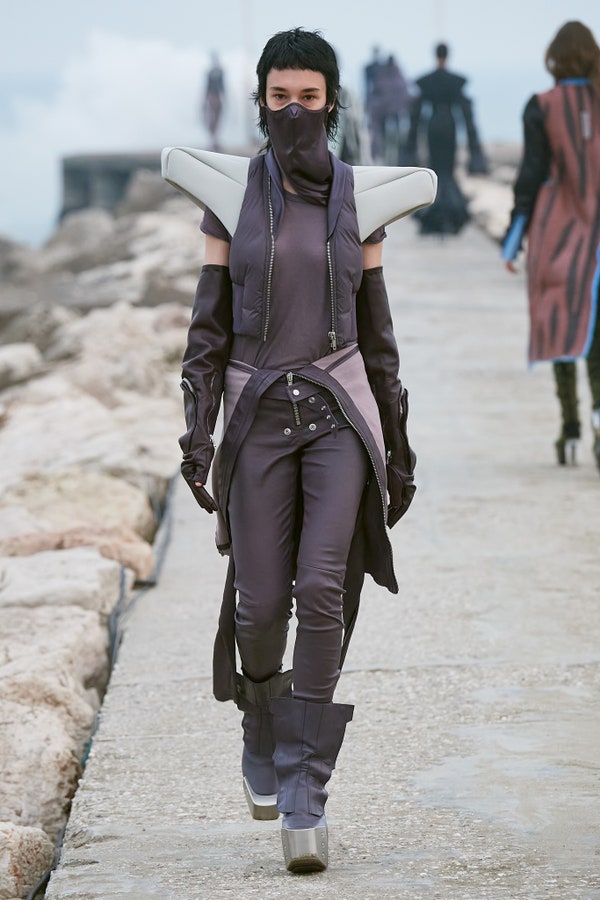
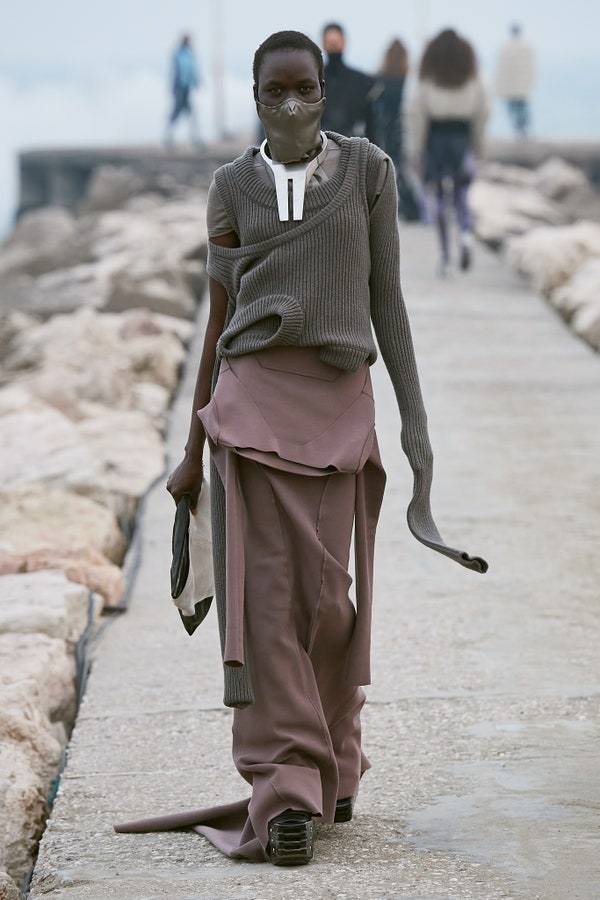
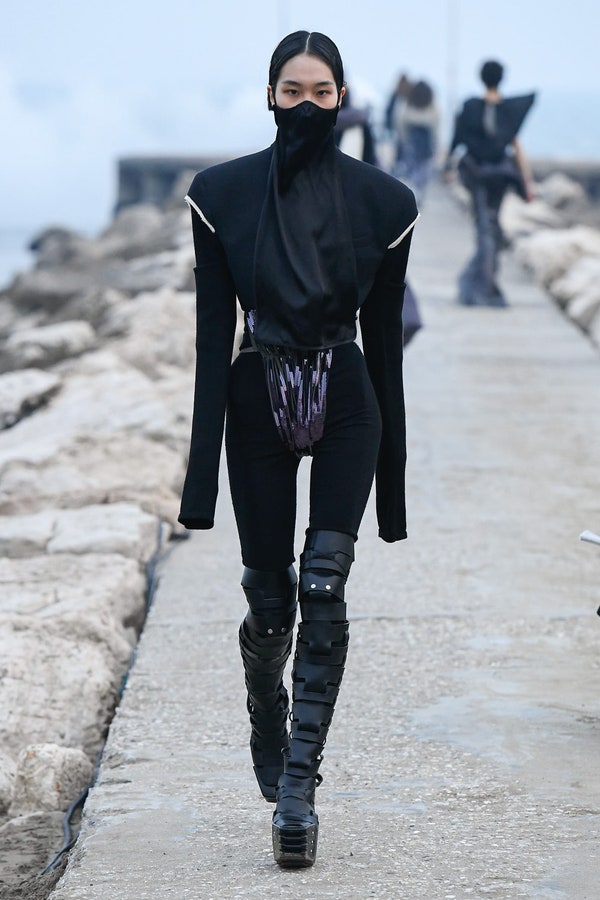
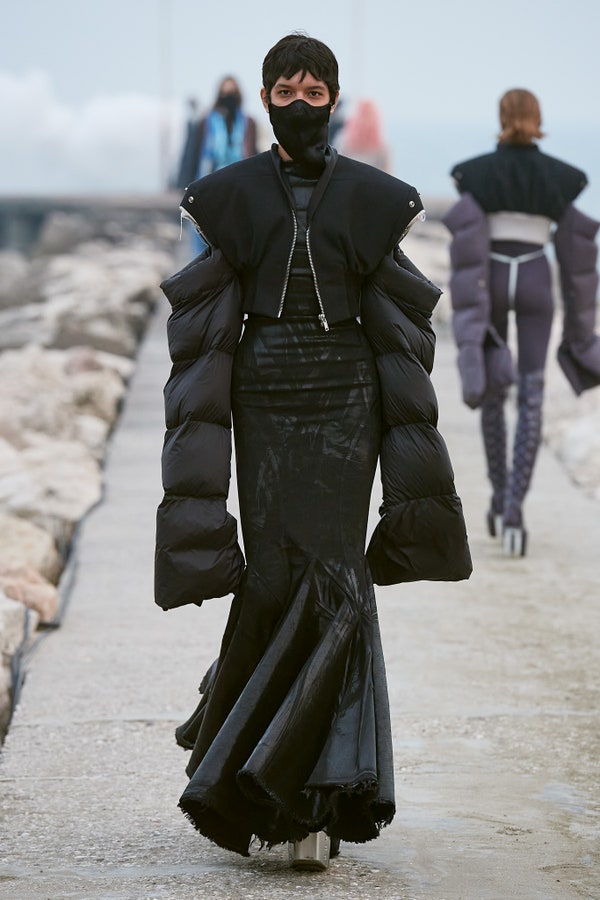
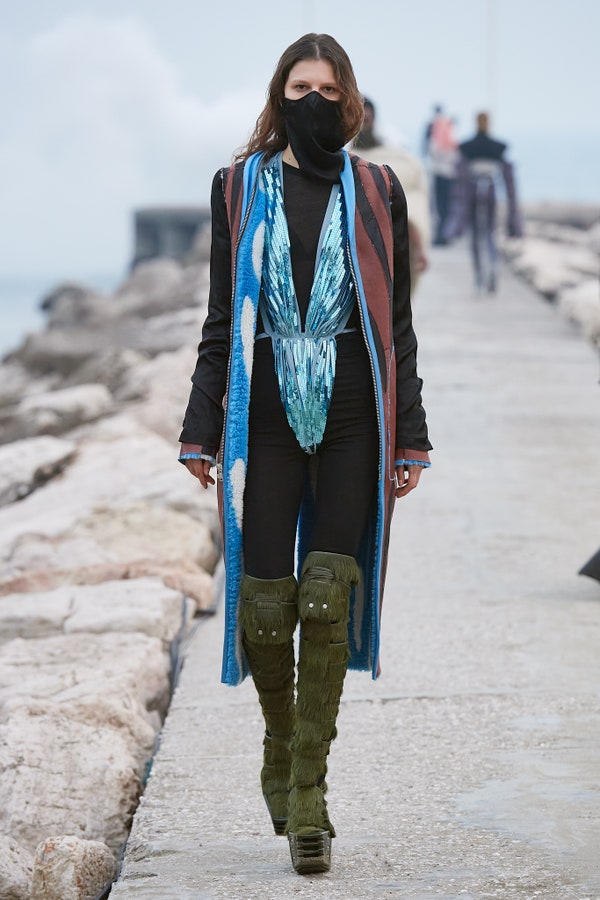
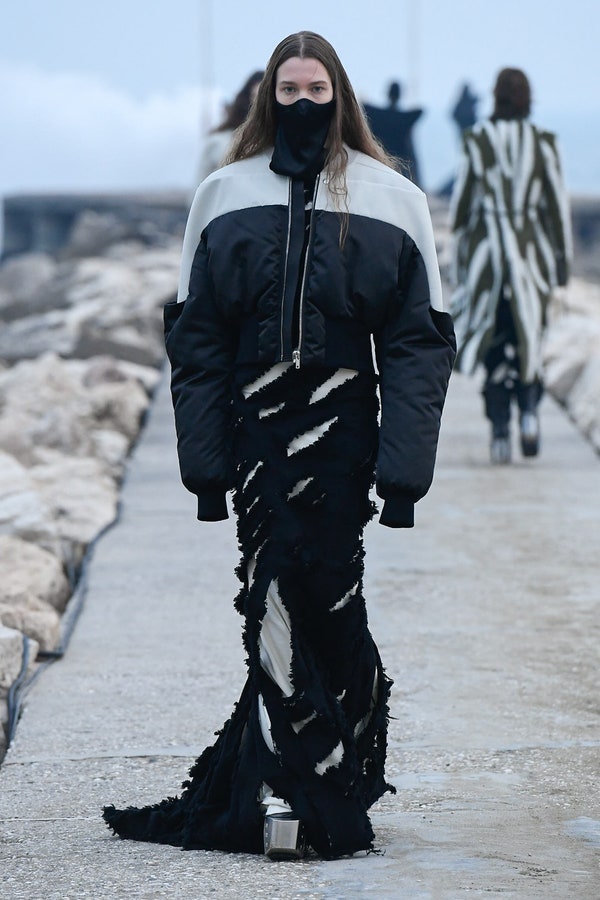
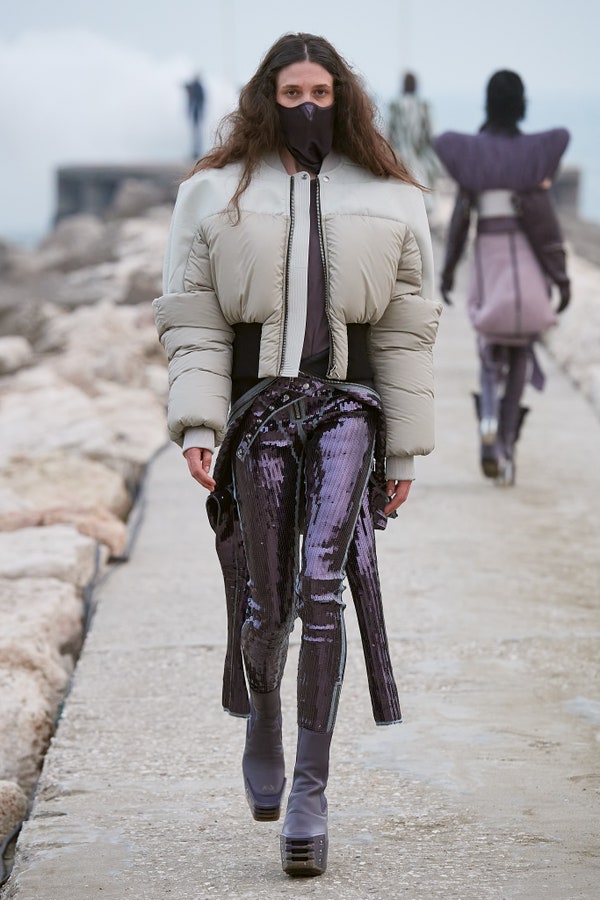
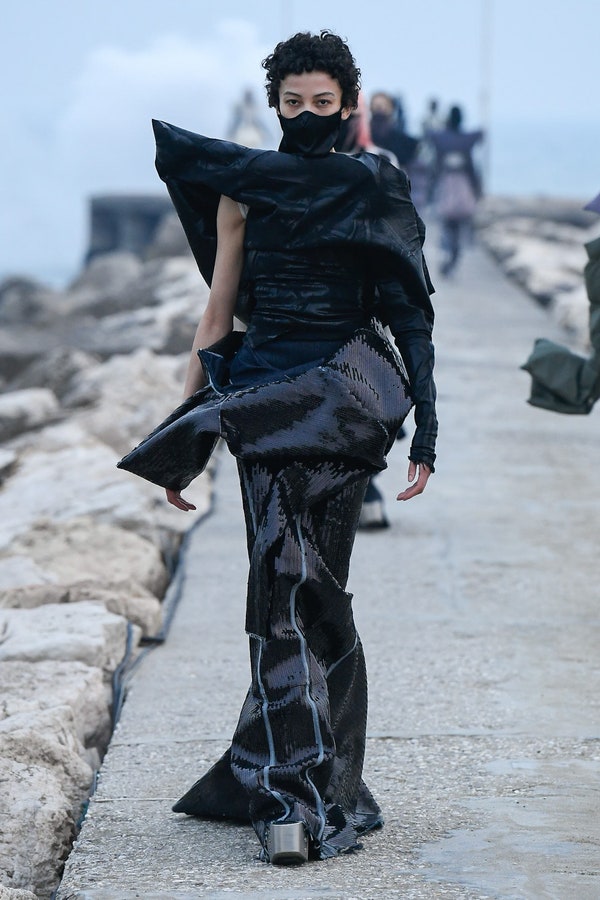
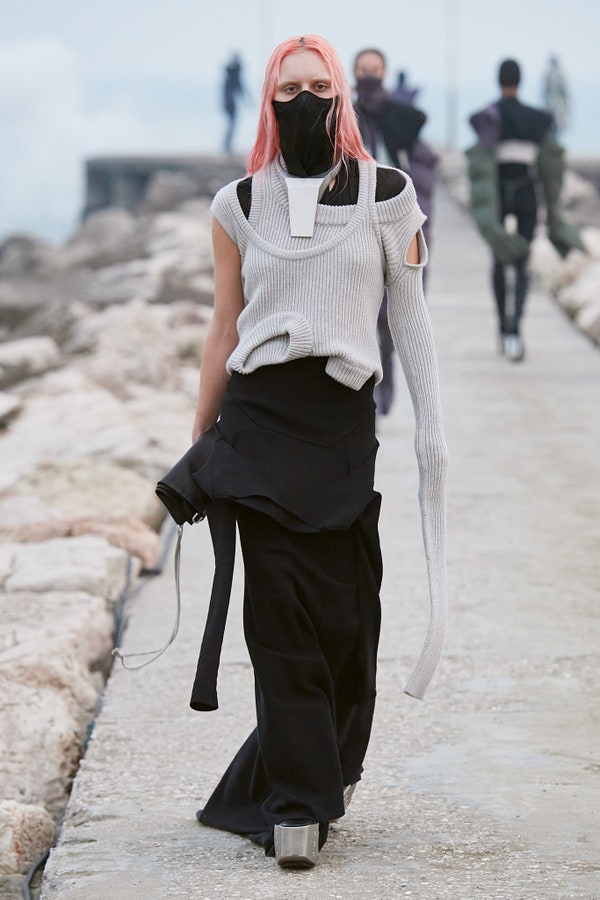
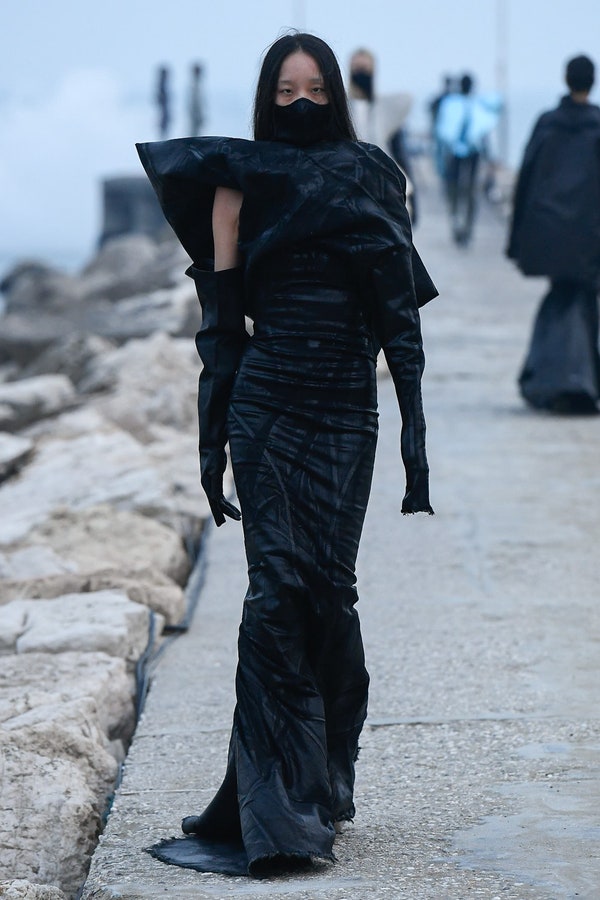
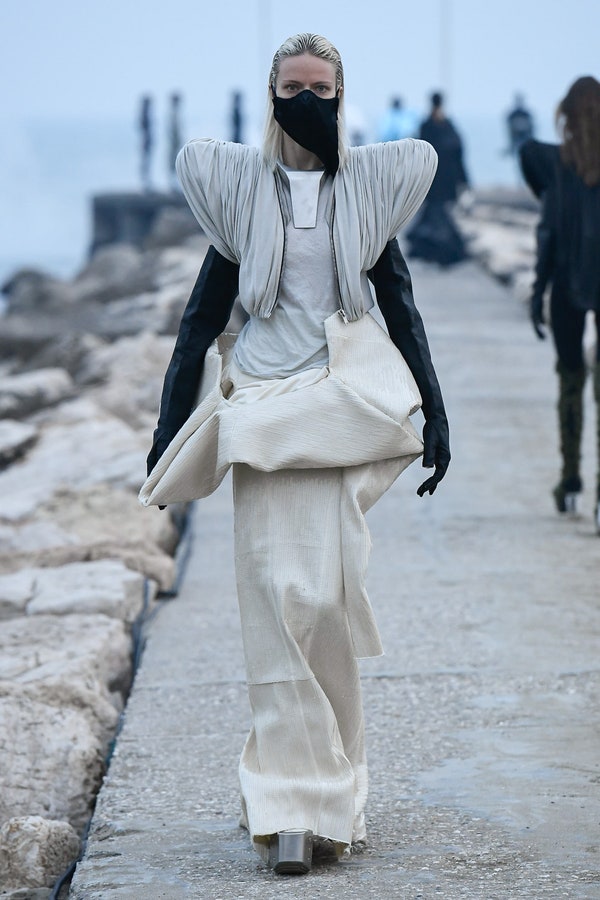
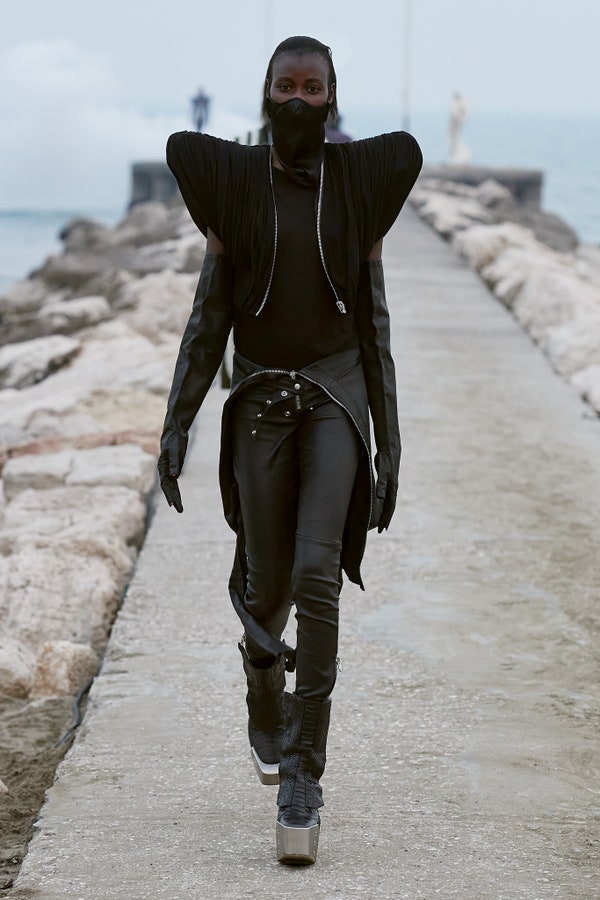
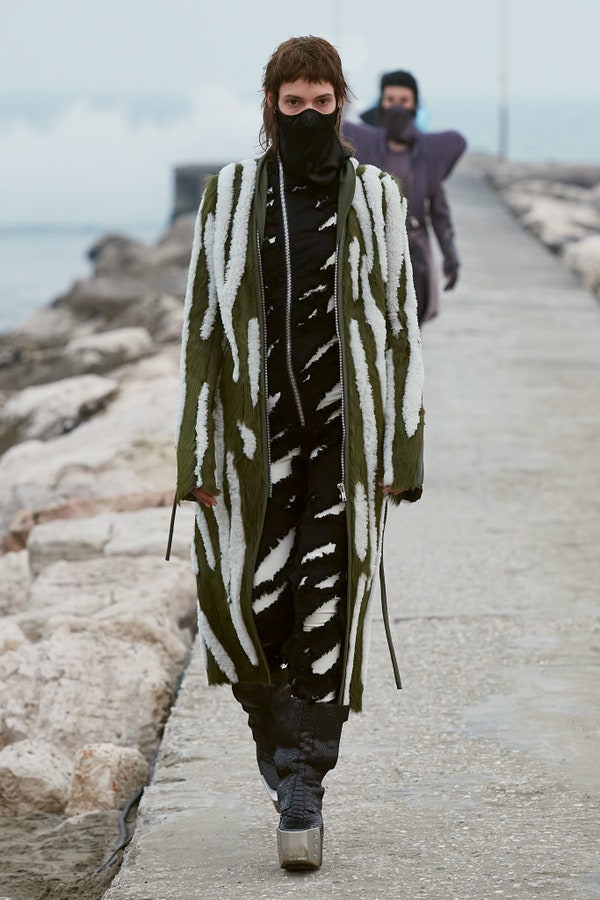
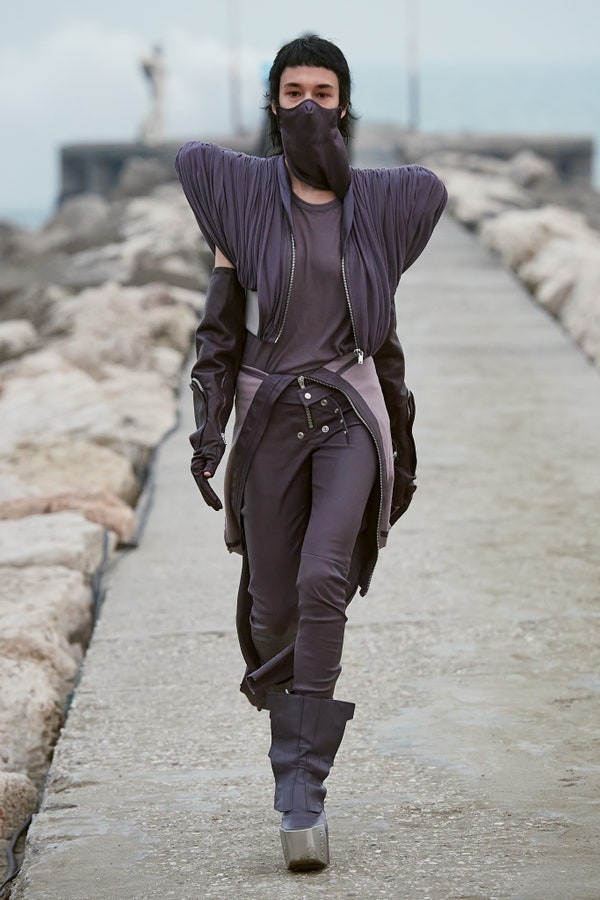
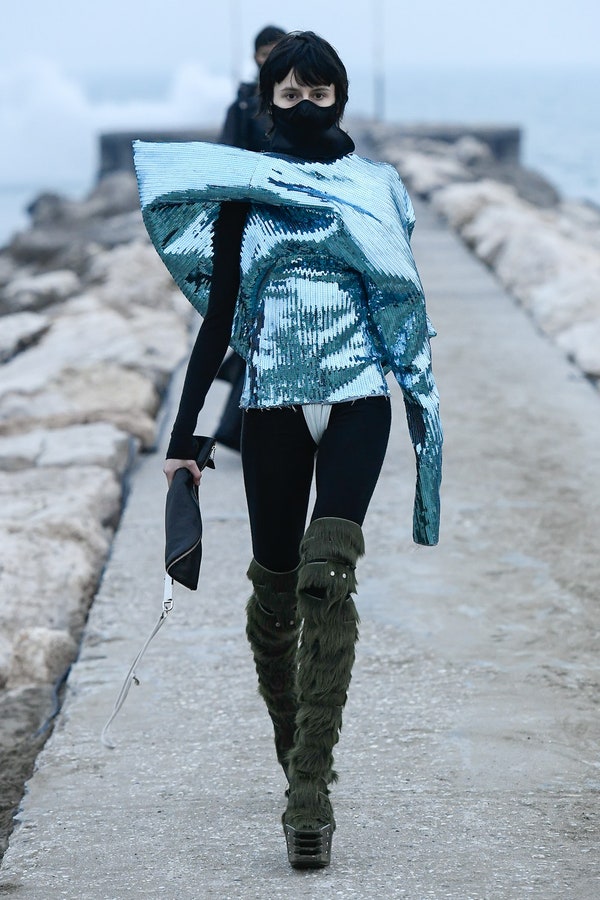
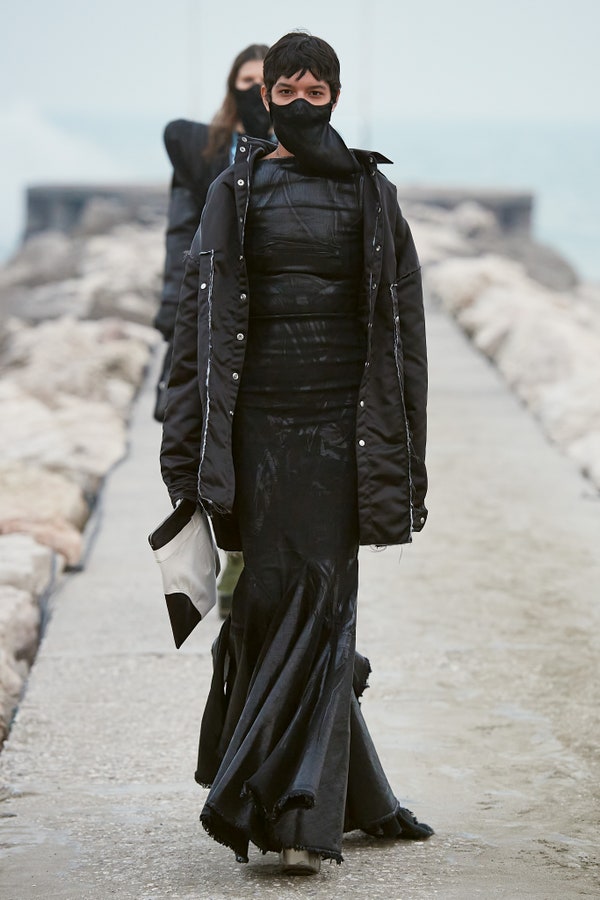
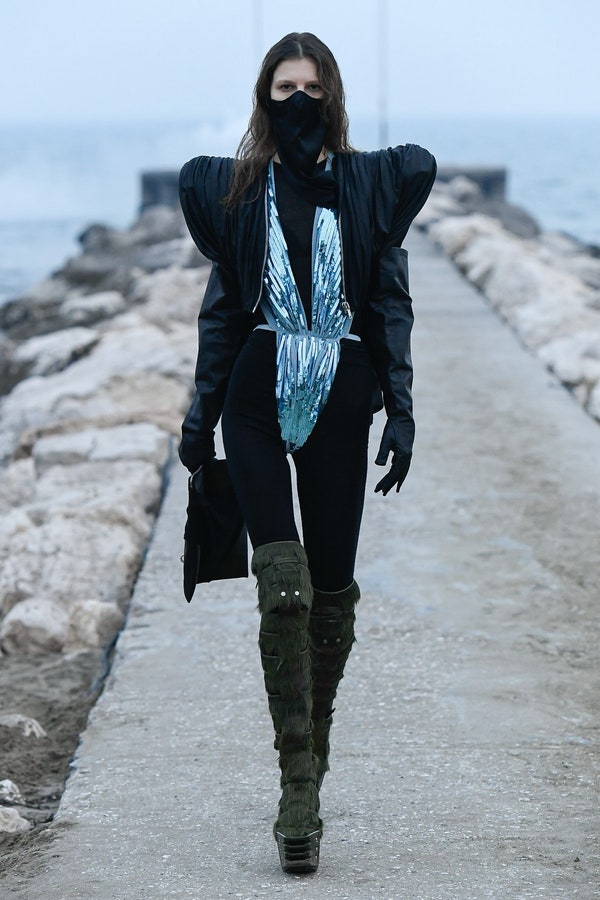
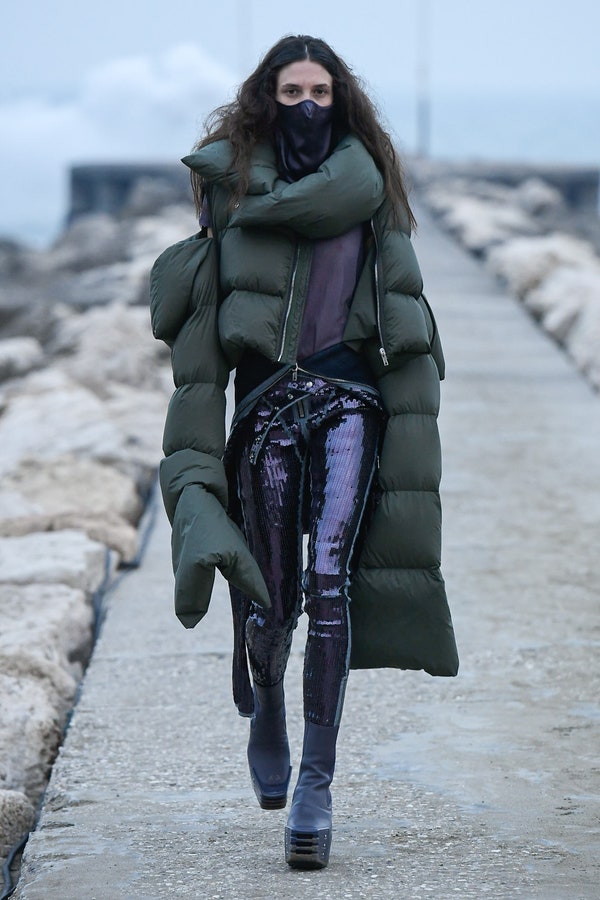
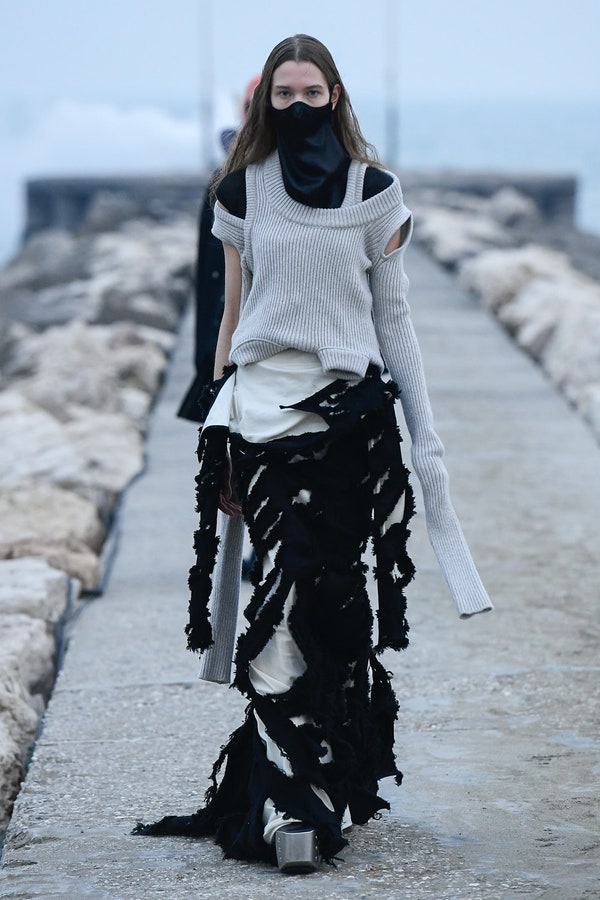
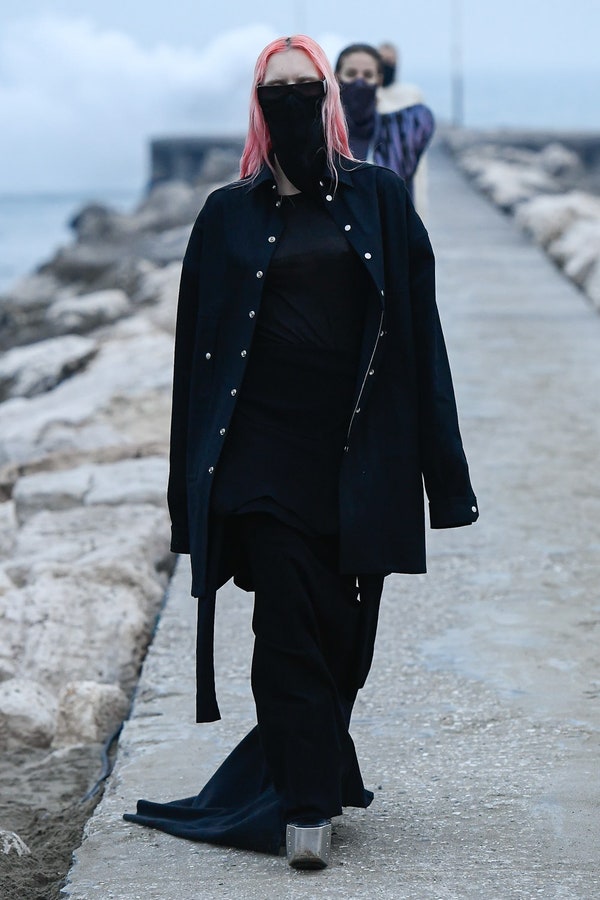
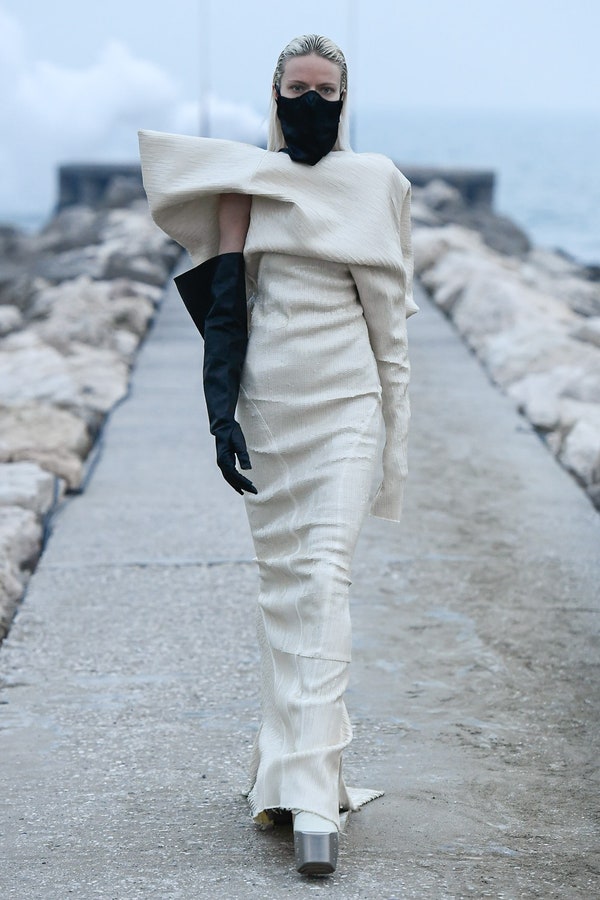
Rick Owens live streamed his ready-to-wear 2021 fall-winter womenswear collection named Gethsemane. Owens used biblical references and the current worldwide crisis as an inspiration for the collection.
The show started with a smoke-filled background, cloudy weather with grey skies setting the tone for the show and creating a sense of eeriness — perfect for the collection. Rick Owens mainly utilised cream and dark colours such as black and shades of greens and purple. The statement looks were the deconstructed puffer coats which were exaggerated and oversized in appearance. There were variations of outerwear styles that took elements from the puffer coat, such as just the body without sleeves. Other key looks we saw are the exaggerated shoulder pads, asymmetrical garments, and distressed pieces. With so much happening in this collection, it almost became chaotic.
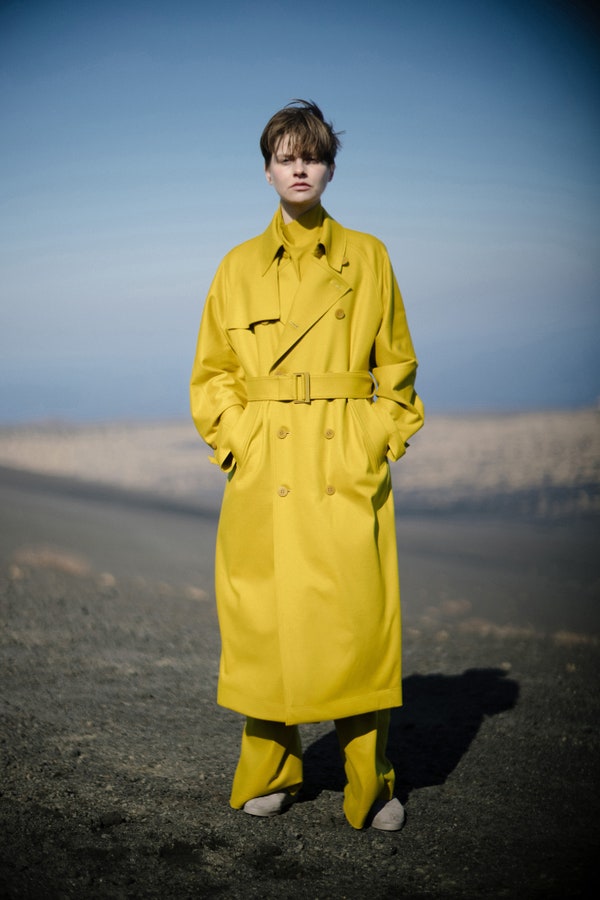
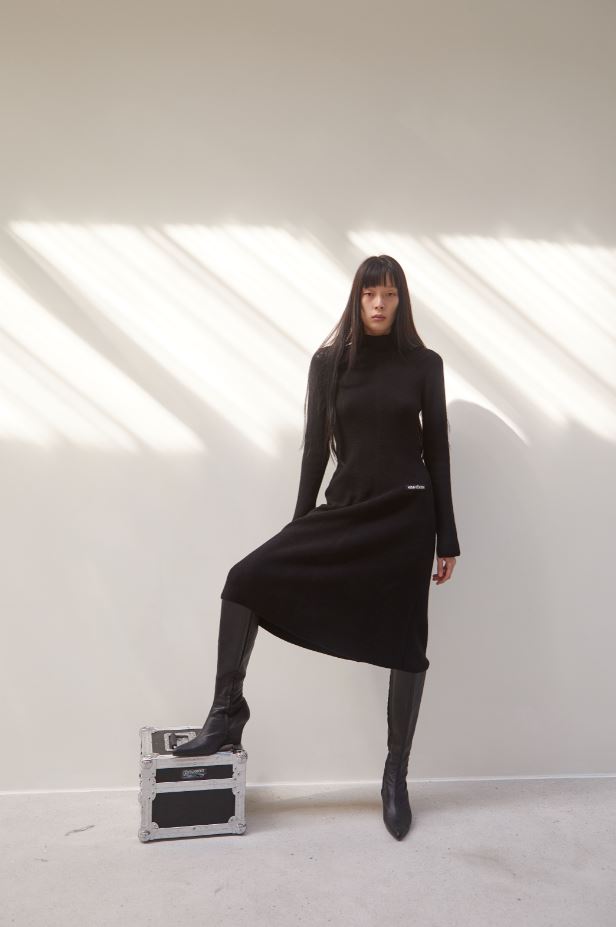
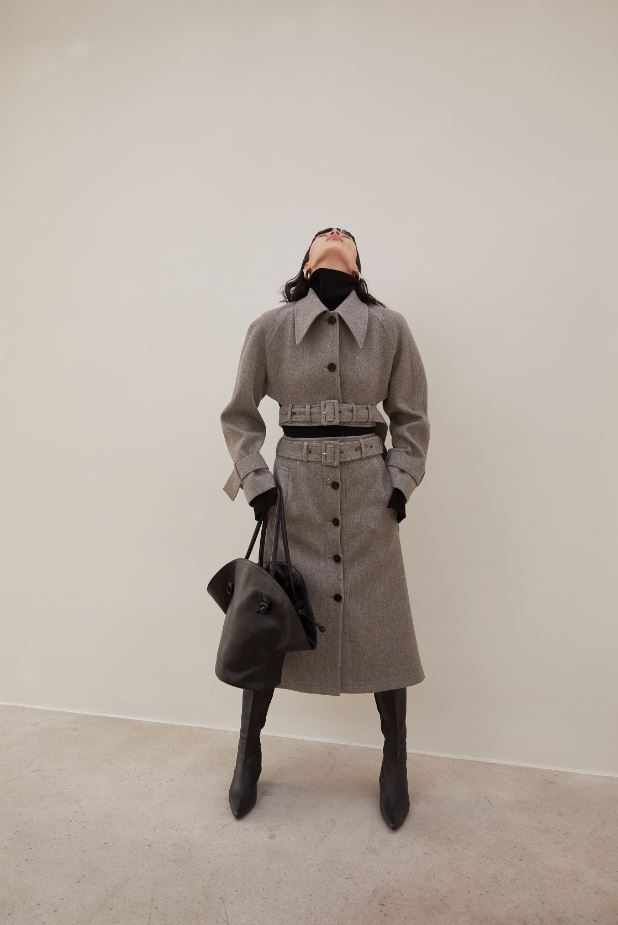
Kimhēkim presented his fall-winter collection called HIM (Love Yourself First) at Paris Fashion Week. Designer Kiminte Kimhēkim applied inspiration from everyday life and aspects from his pre-pall 2021 collection, such as shirts with exaggerated collars, a-line skirt, and high ruffles. This collection has a lot of joy exploring diverse ways to wear a suit, which we have seen throughout Kimhēkim’s previous collections. Kimhēkim mainly used different black, grey, and white shades with a touch of browns and blues.
Talking about the collection Kimhēkim said: “The pieces are comfortable, so you can wear them as if they were your uniform.”
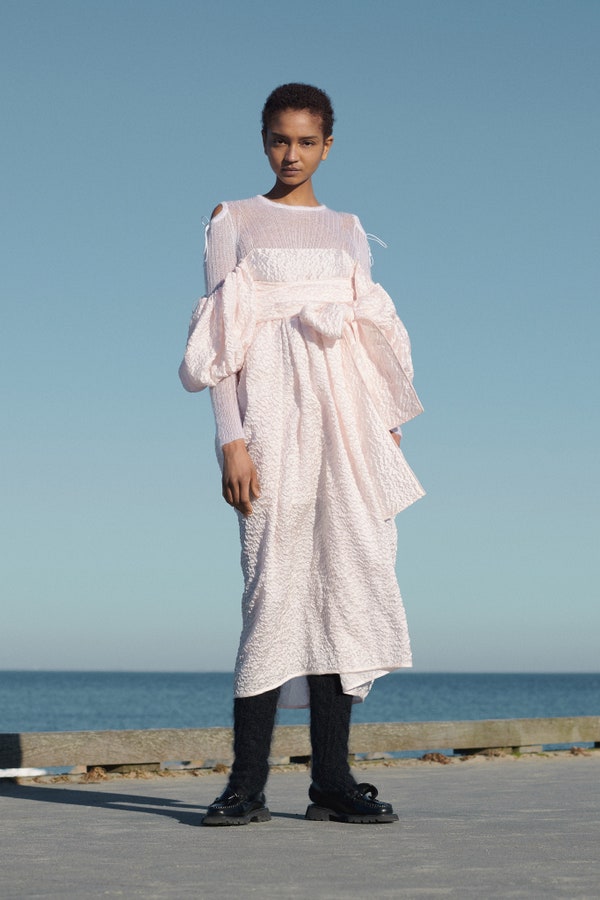
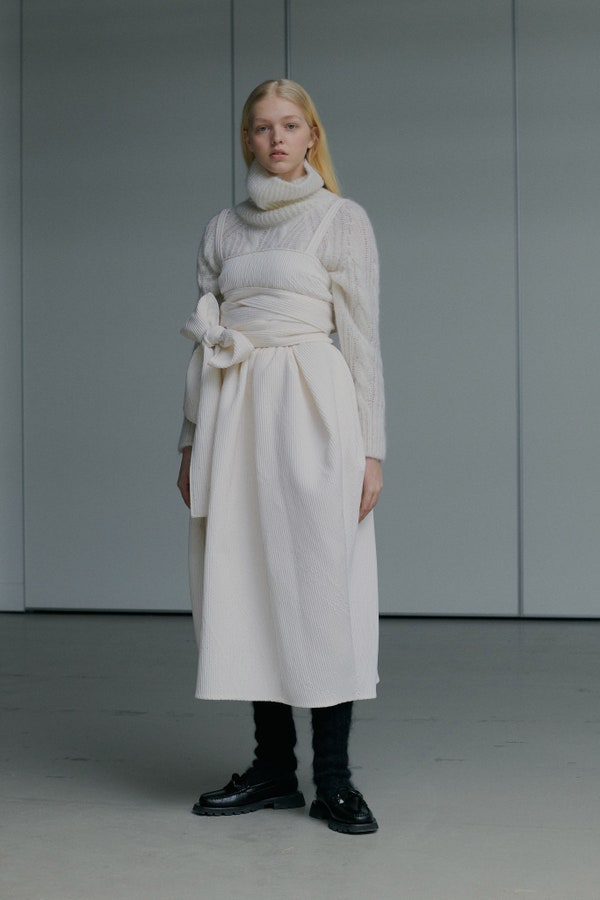
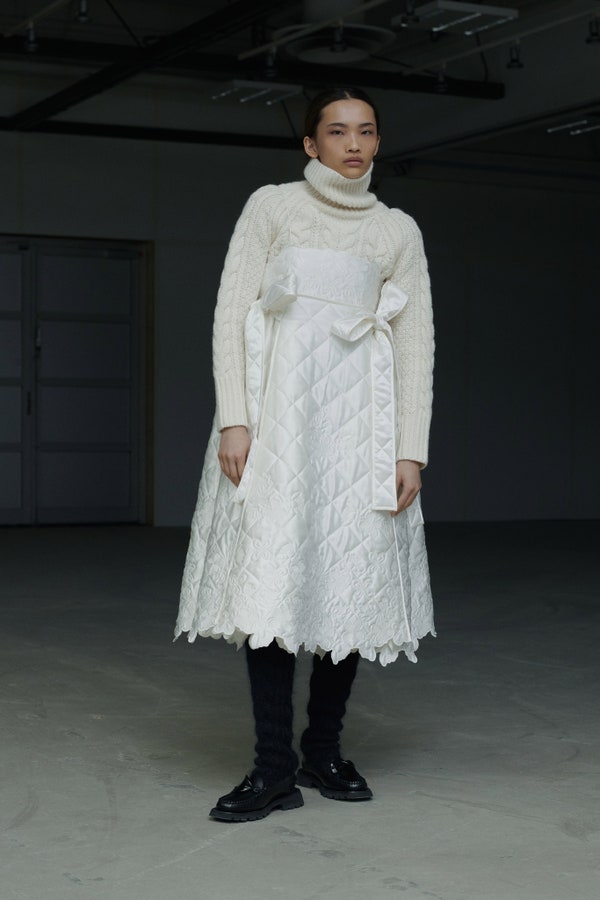
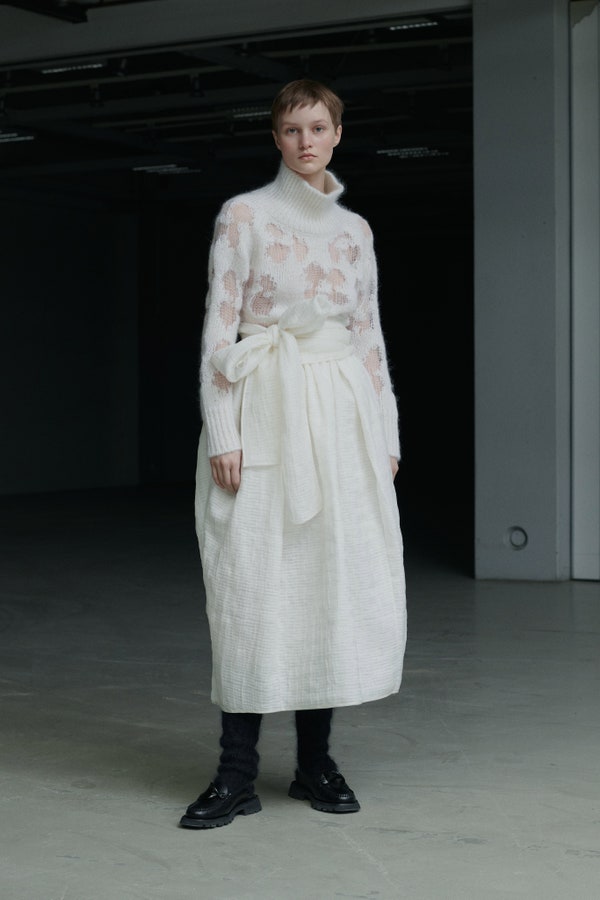
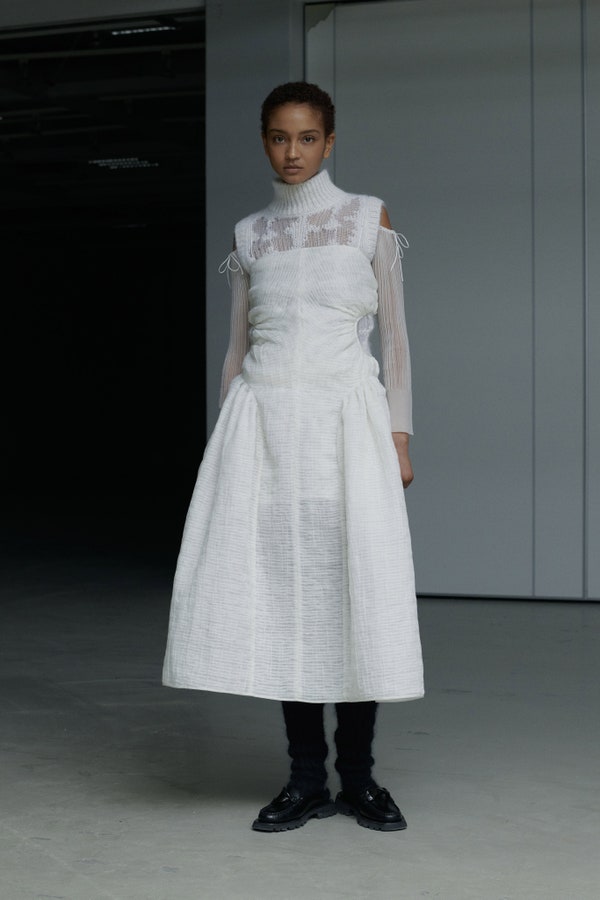
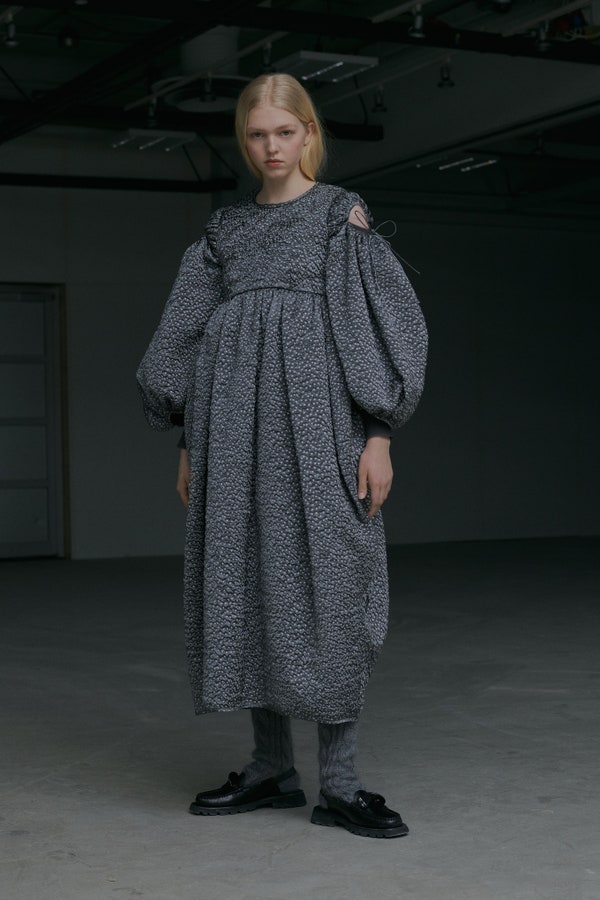
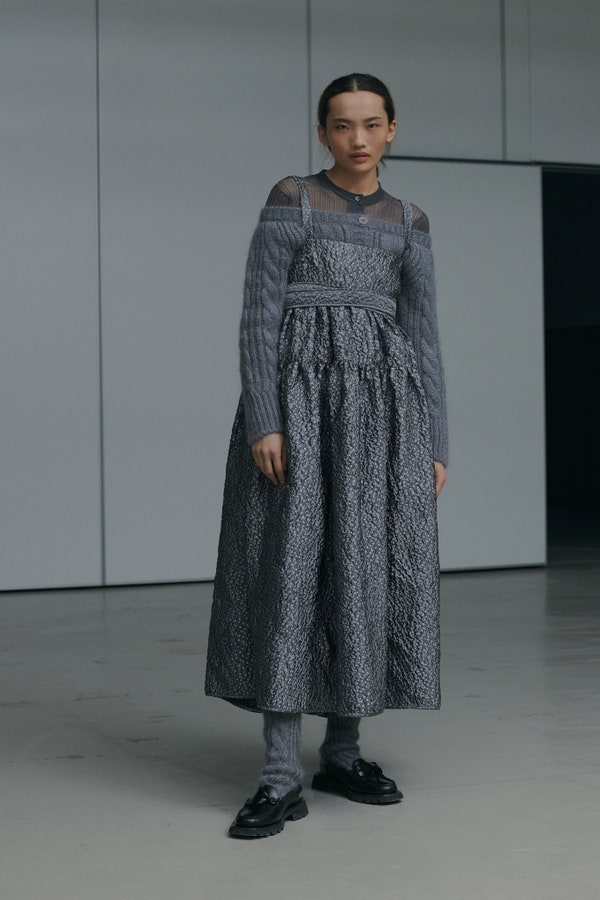
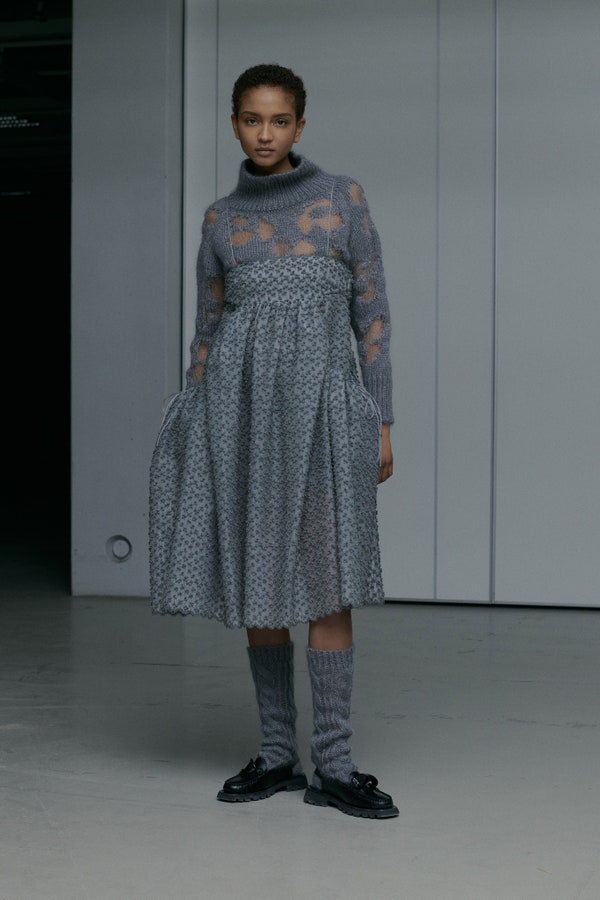
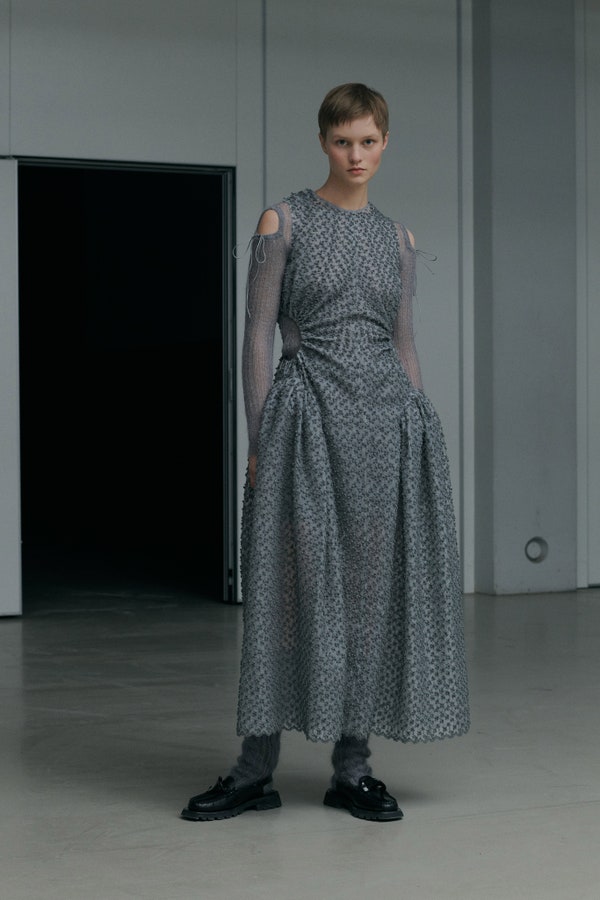
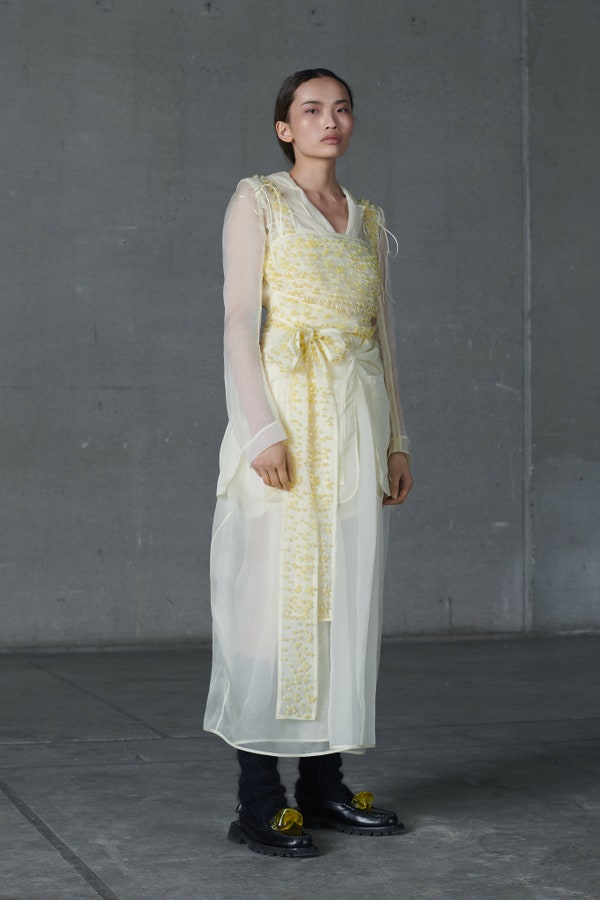
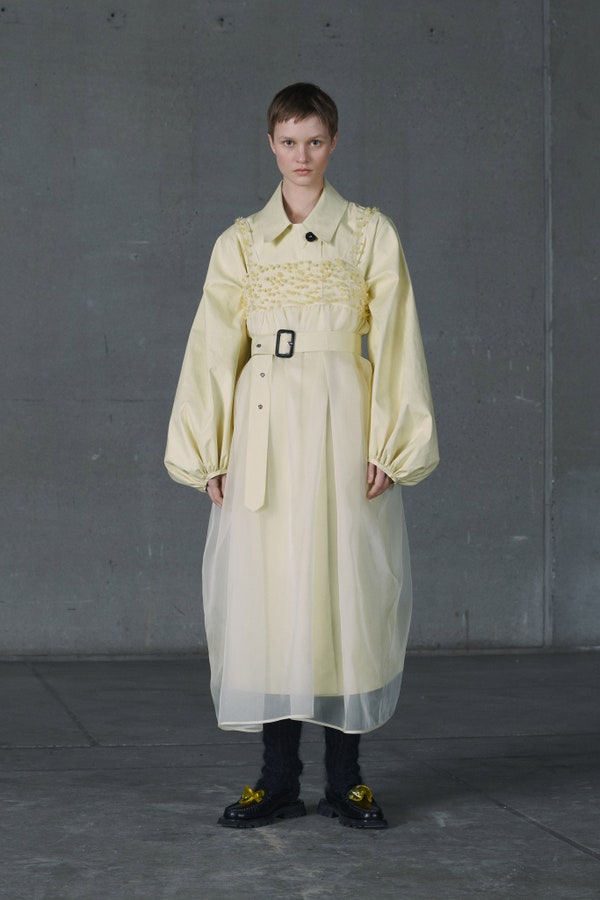
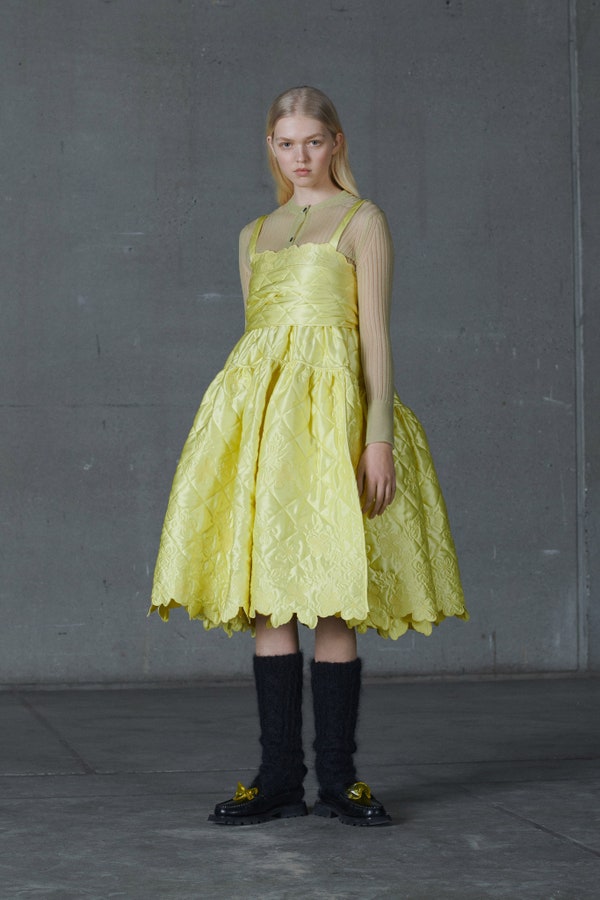
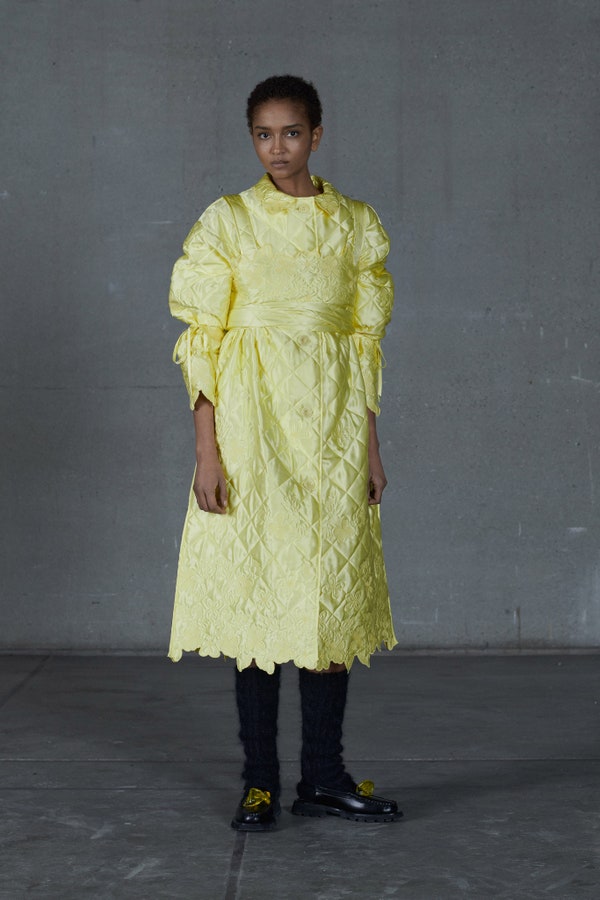
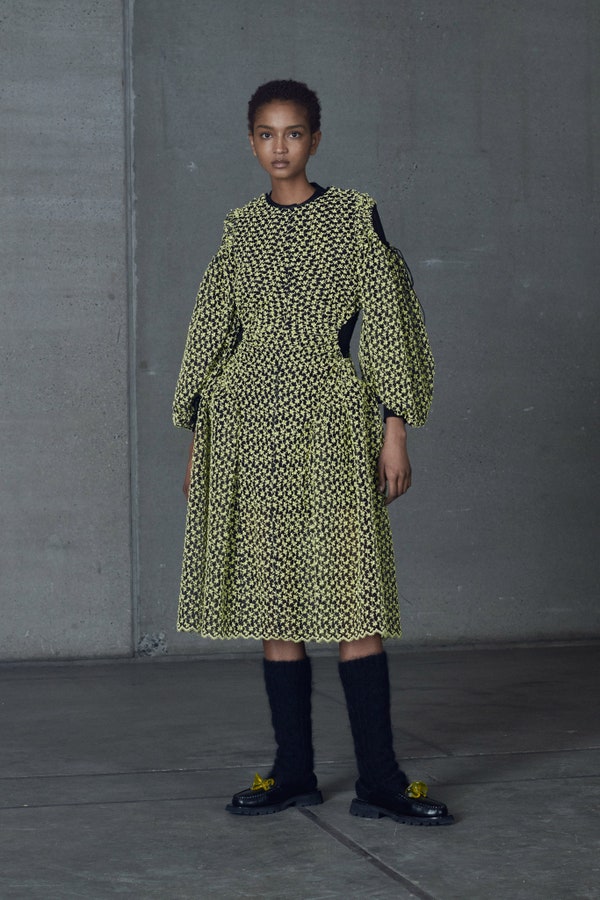
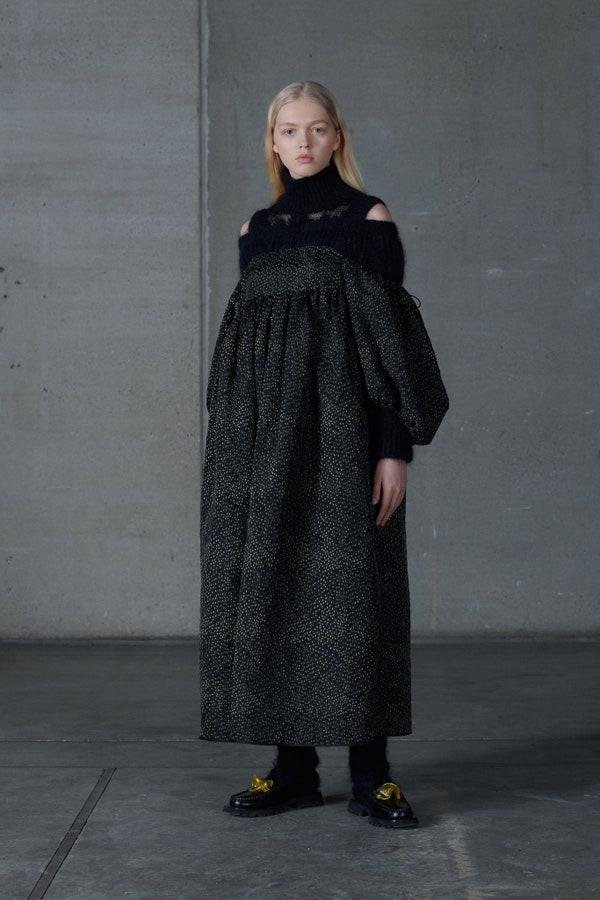
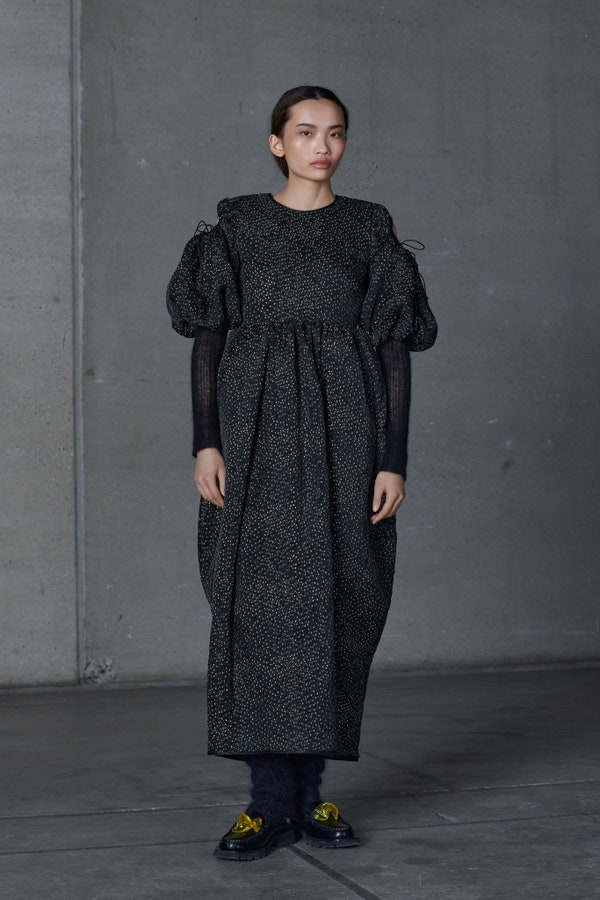
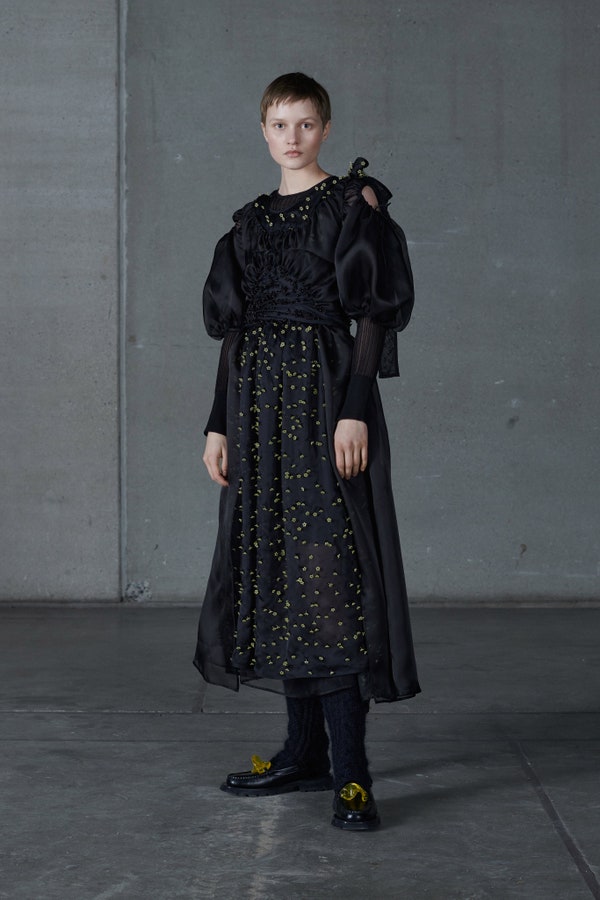
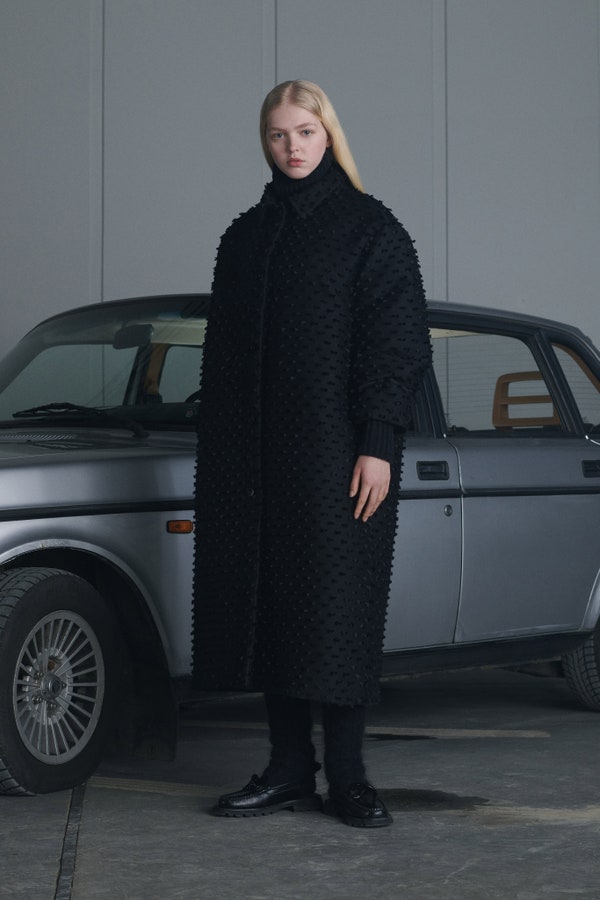
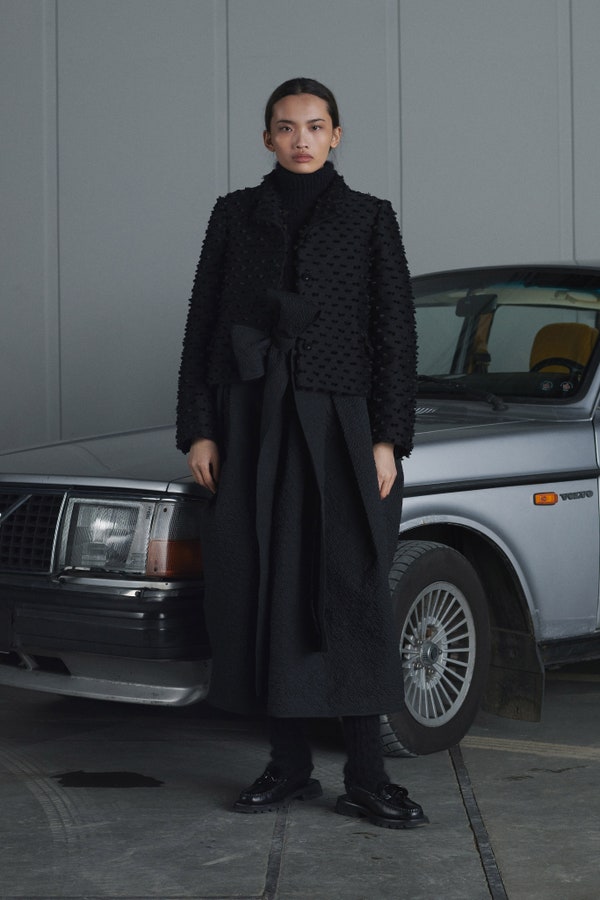
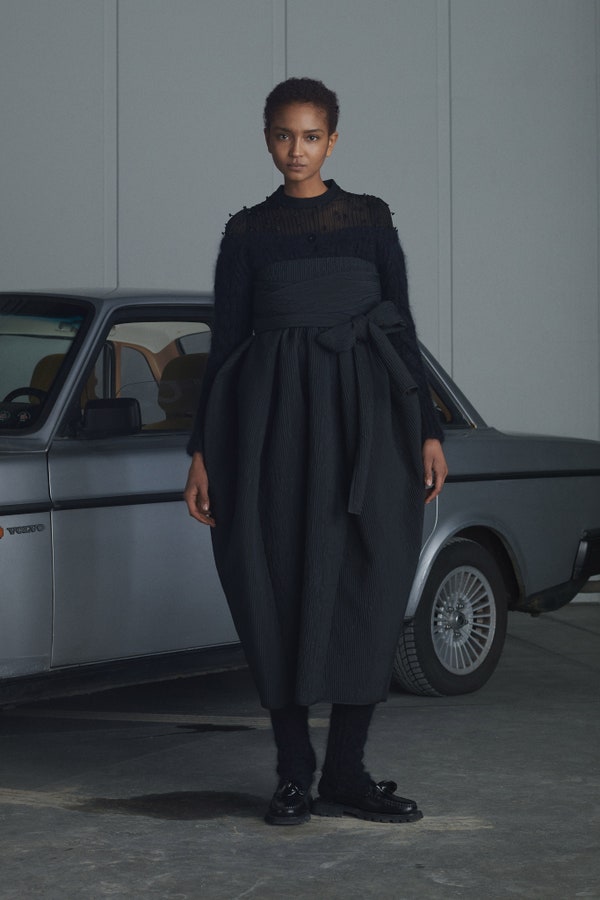
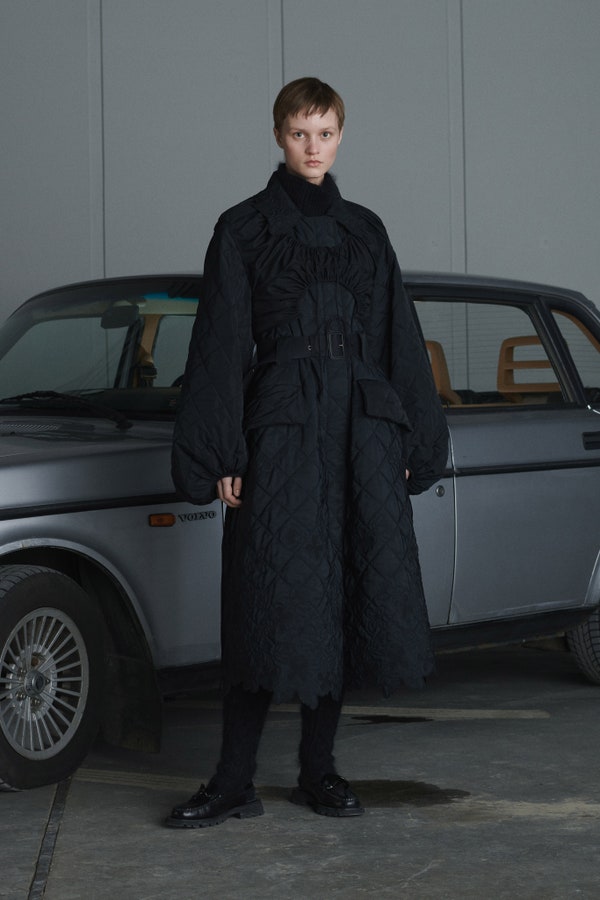
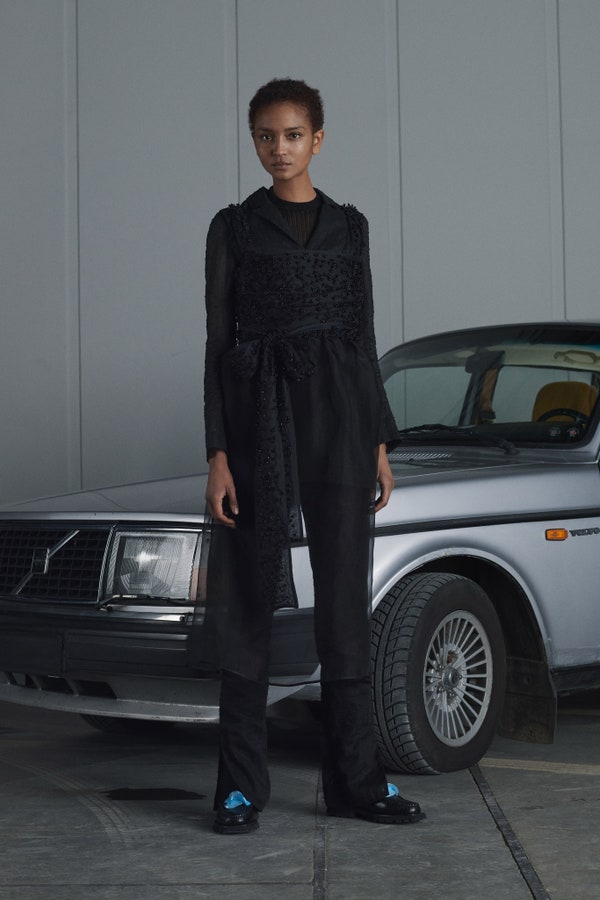
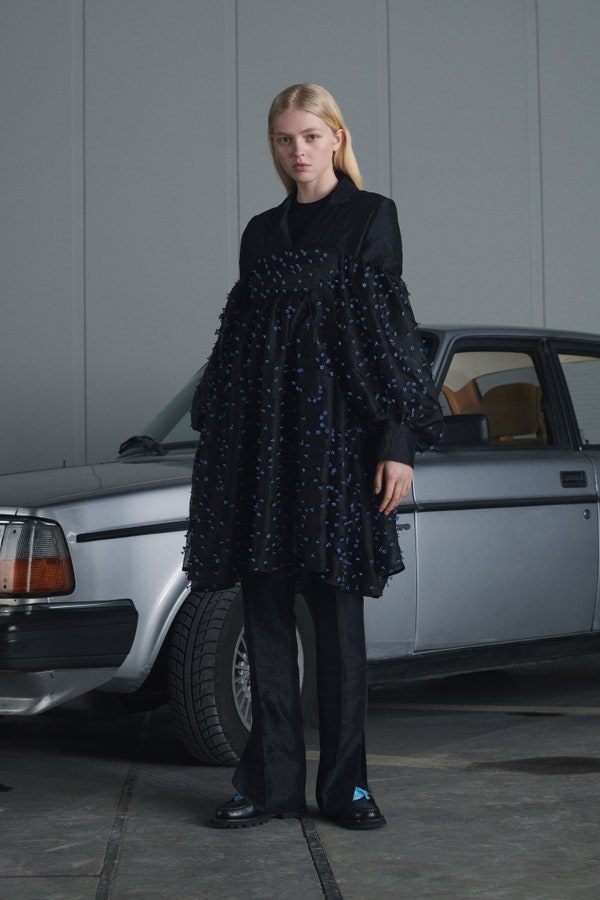
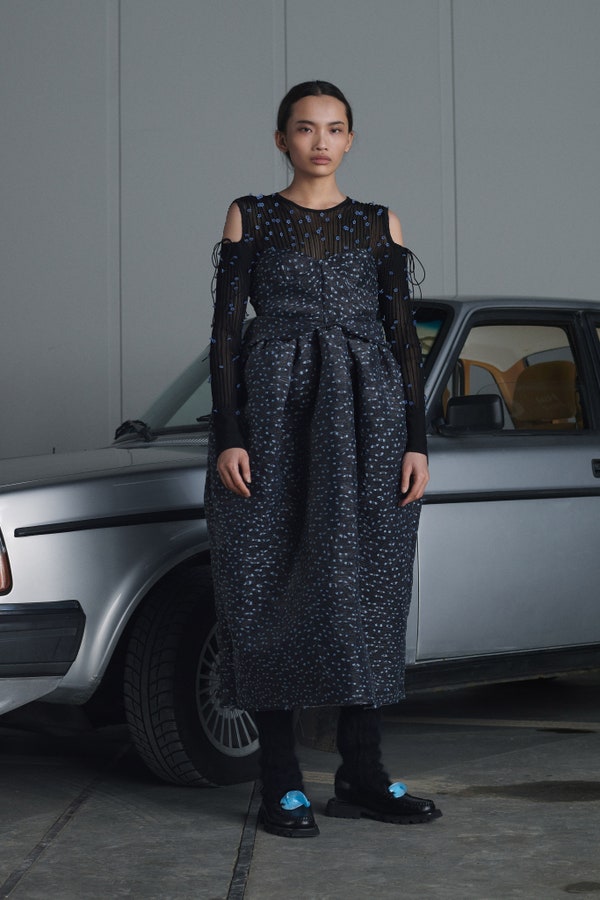
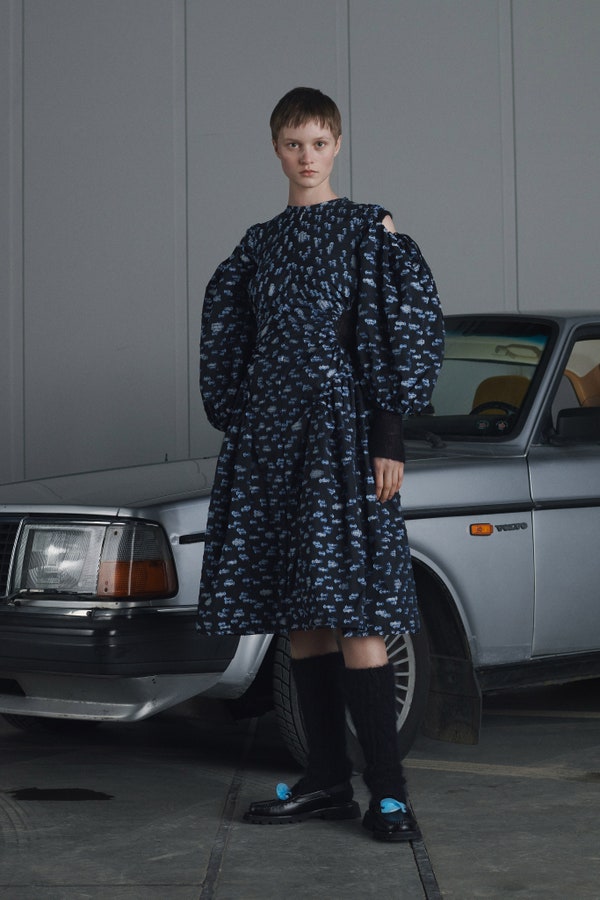
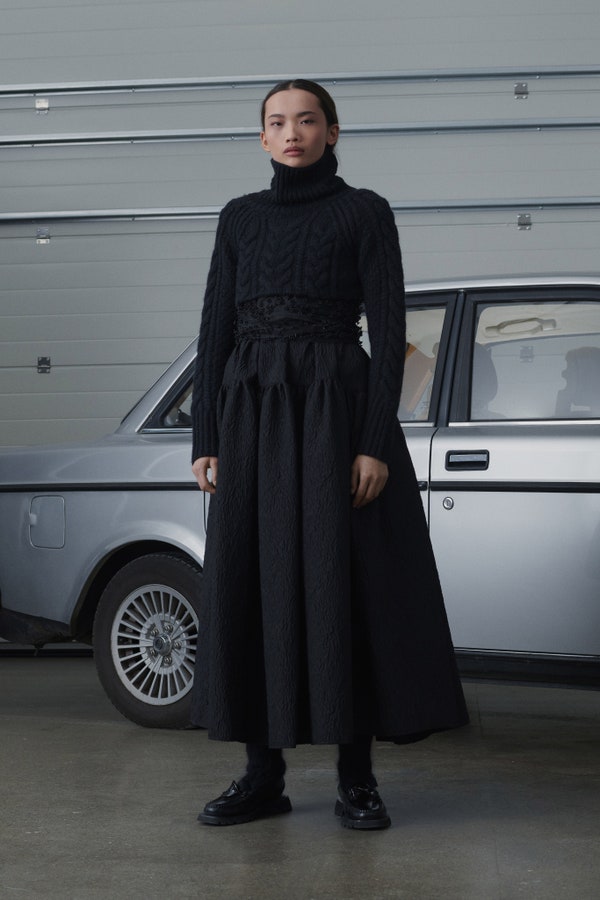
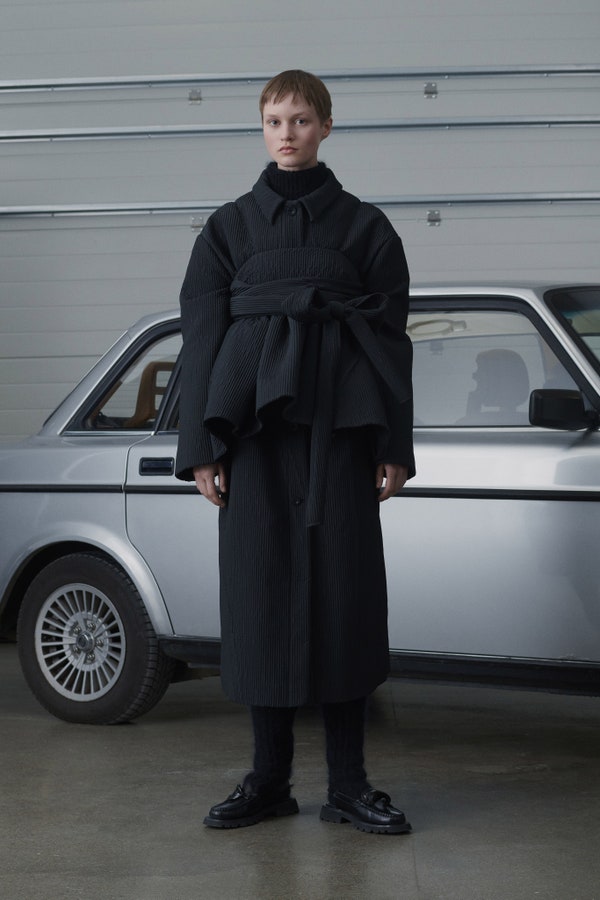
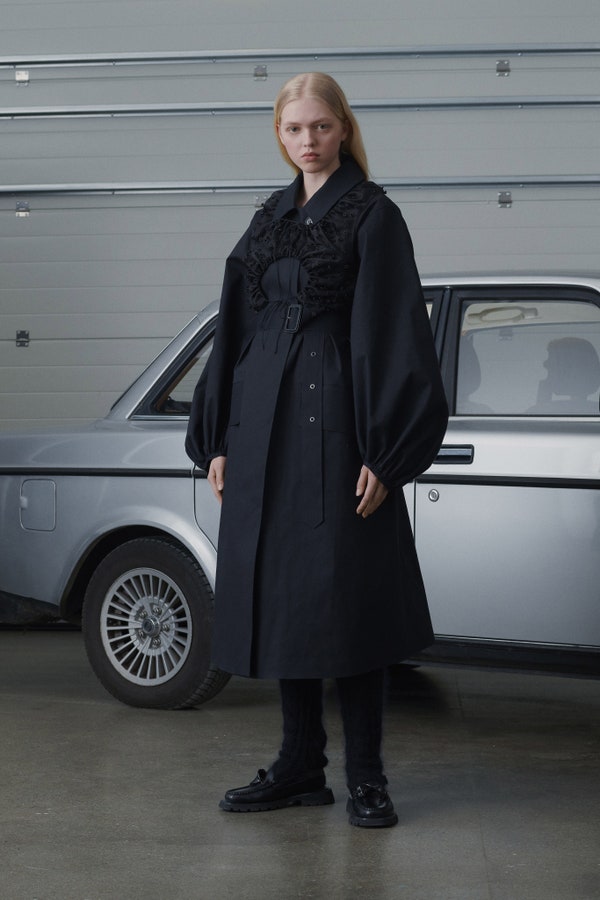
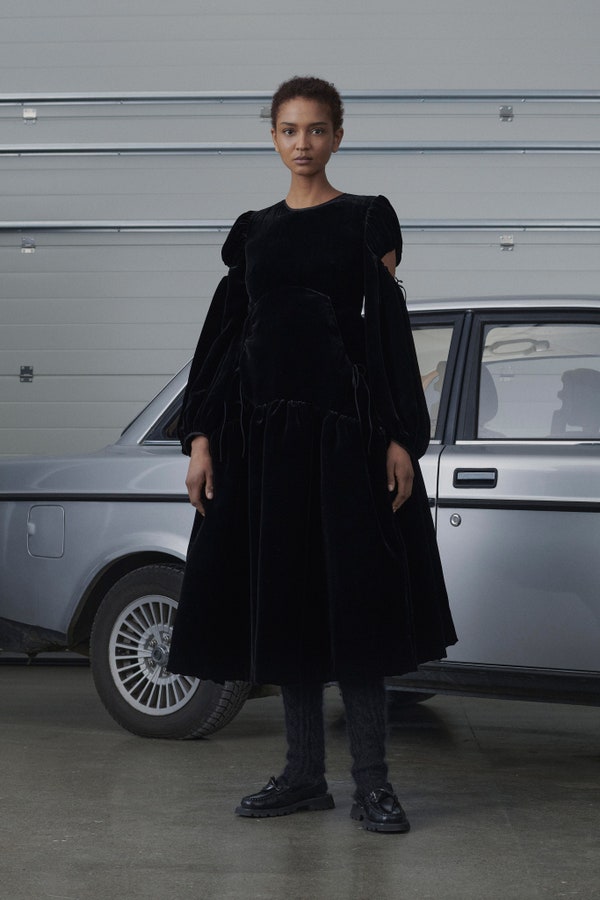
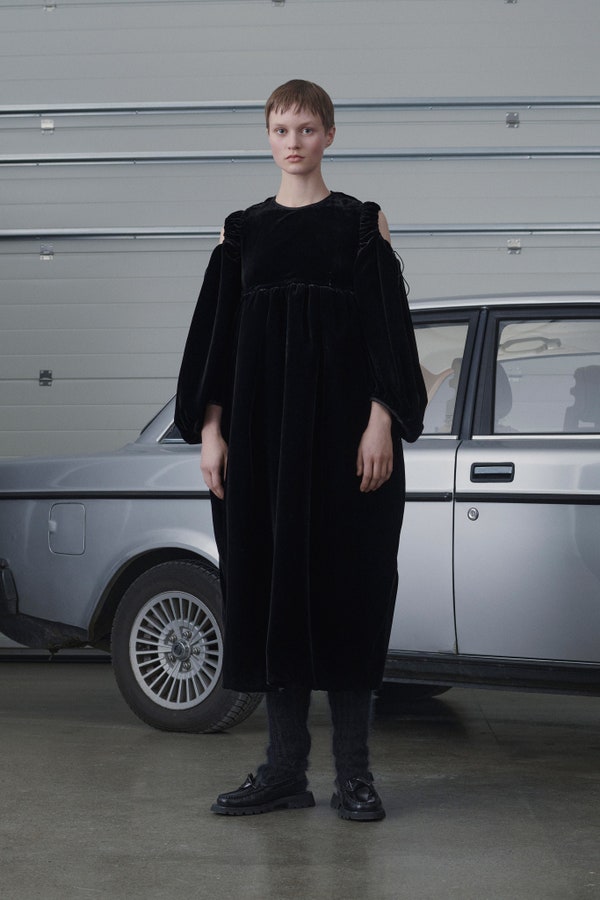
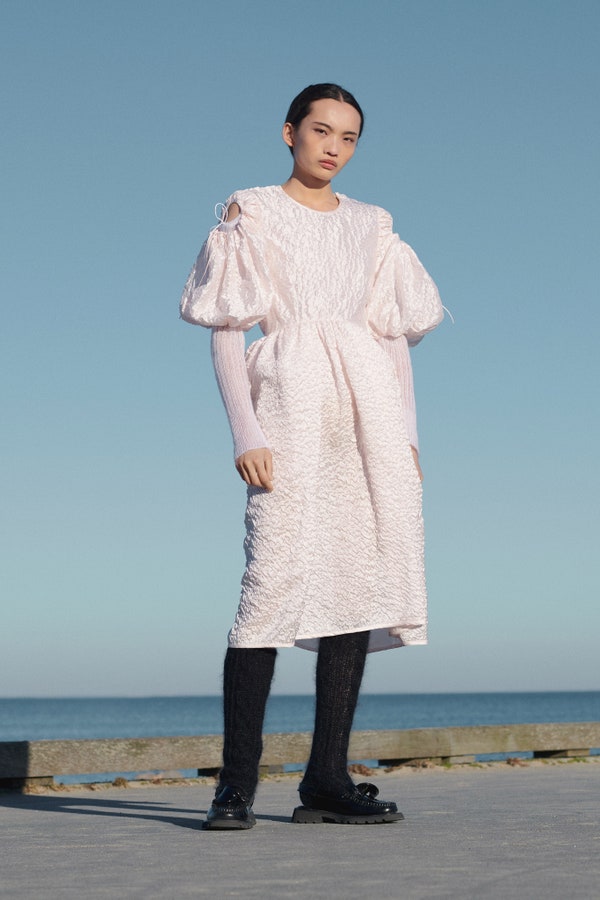
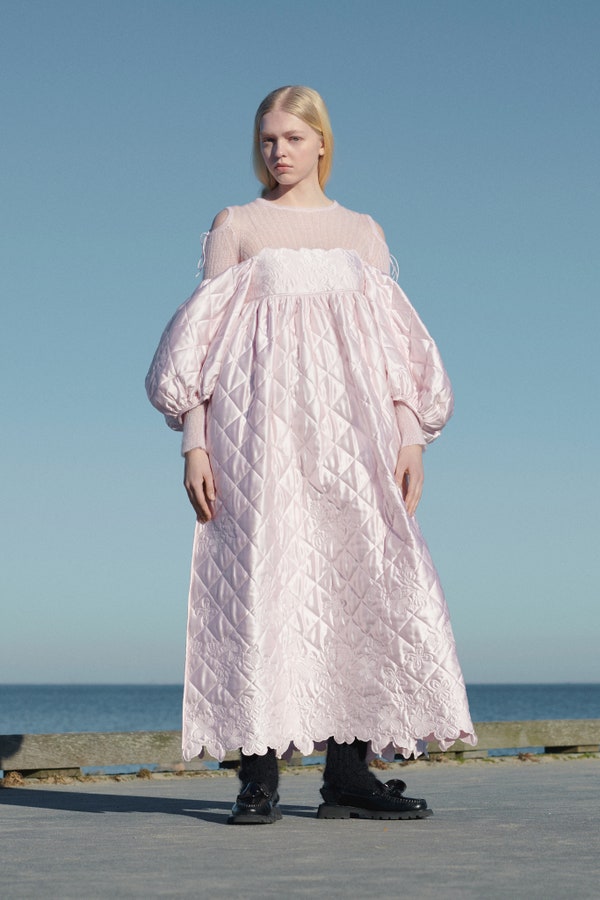
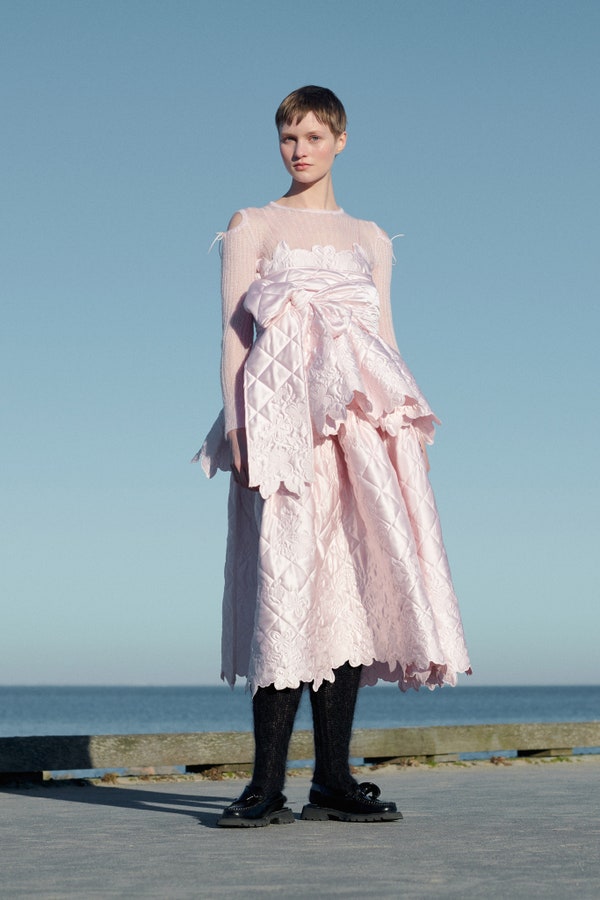
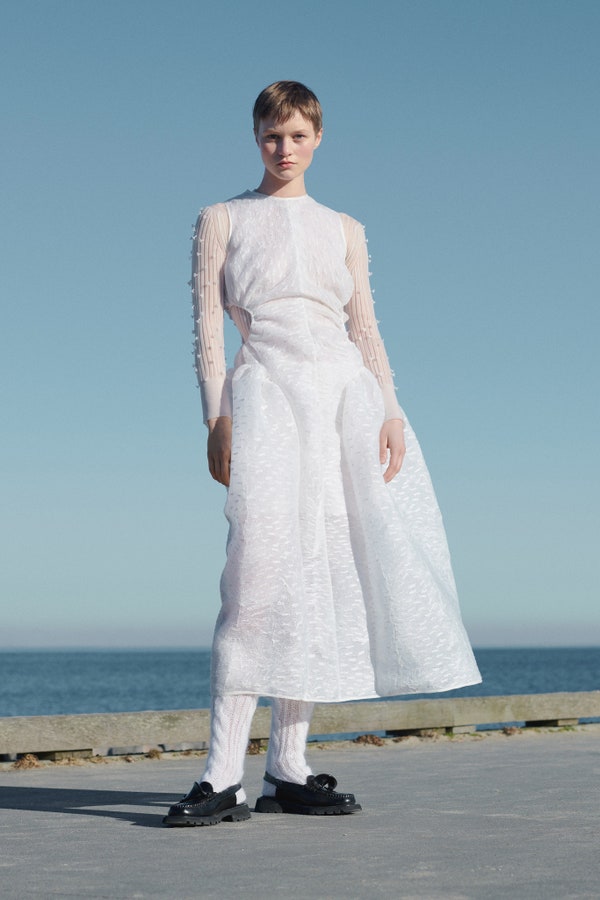
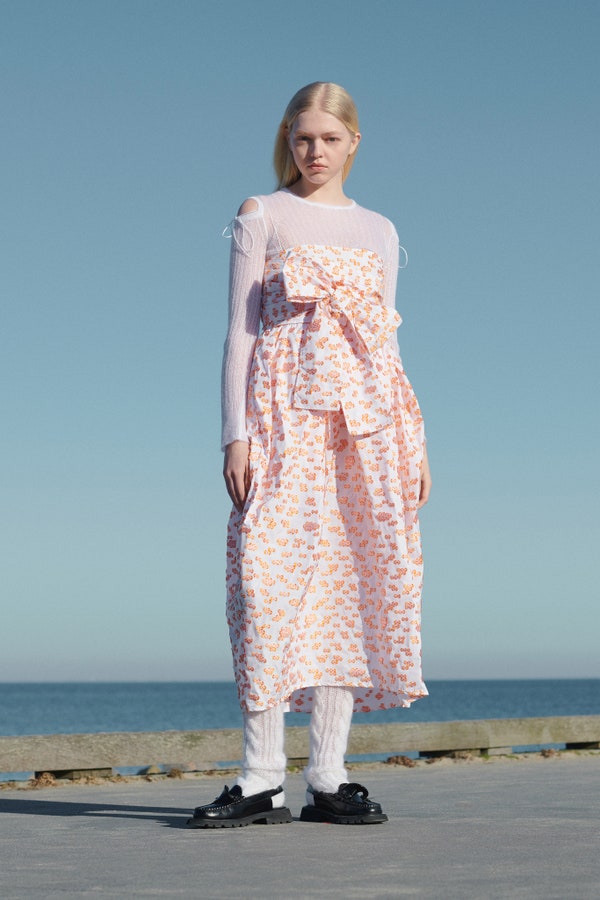
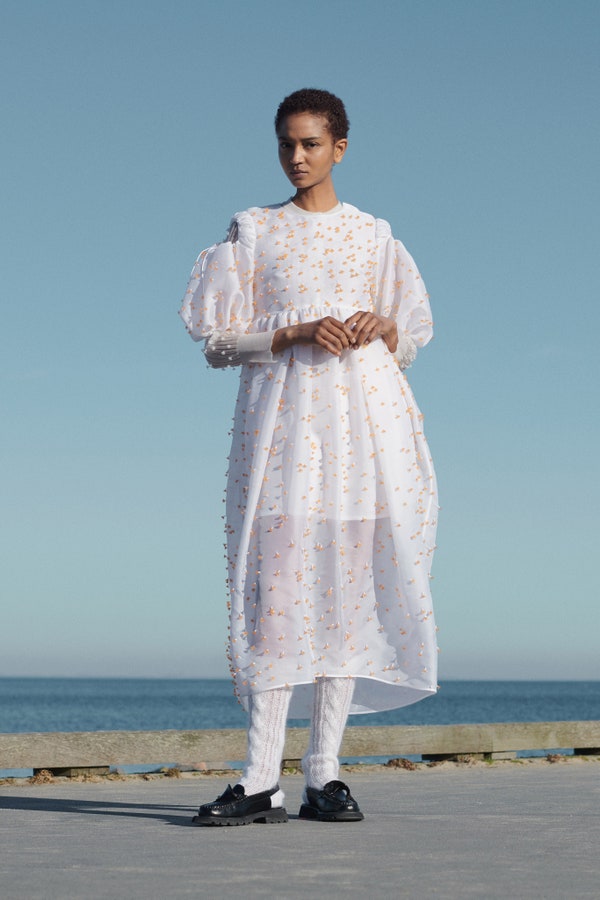
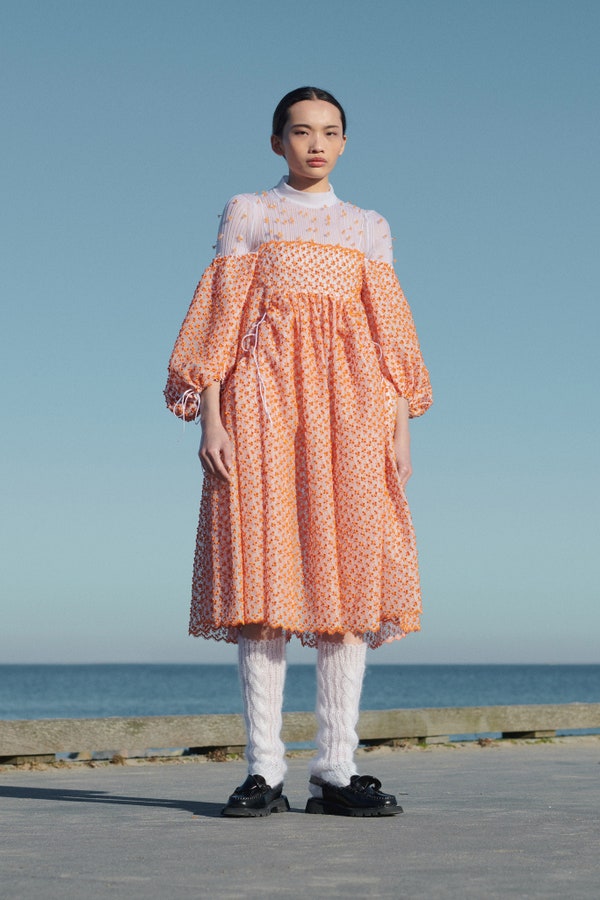
Cecilie Bahnsen presented her 2021 fall-winter collection titled The City at Paris Fashion Week. The inspiration behind the colour and mood of the collection was the beauty of an empty city. Bahnsen applied shades of black, grey, and white with pastel colours of yellow and pink. Bahnsen’s collections are characterised by the artfulness of creating architectural volumes and sculptural silhouettes.
Throughout the collection, thick knitwear is paired with delicate dresses and thick coats over dresses. Bahnsen utilises a mixture of thick and thin knitwear with many different thick fabrics. The collection contains a variety of textures and silhouettes.