Angine de Poitrine have won this year’s Polaris Music Prize. The viral math-rock duo took home the award for the best Canadian album of the year for Vol. II, beating out records by Beverly Glenn-Copeland, Peaches, Rochelle Jordan, Charlotte Cornfield, and Tanya Tagaq. The album track ‘Fabienk’ was also named the best Canadian song of the year, making them the first act to win both awards, which, combined, come with $40,000 Canadian in prize money.
“That all this attention is being directed toward music this rock-driven and this complex is unexpected, yet entirely deserved,” the band’s manager, Sébastien Collin, said in his acceptance speech at Toronto’s Massey Hall, adding: “This artistic project is the result of a lifetime of refinement, collaboration, a drive to push beyond one’s limits, and a refusal to be confined by any established framework.”
Last year, the Polaris Music Prize went to Yves Jarvis for All Cylinders.
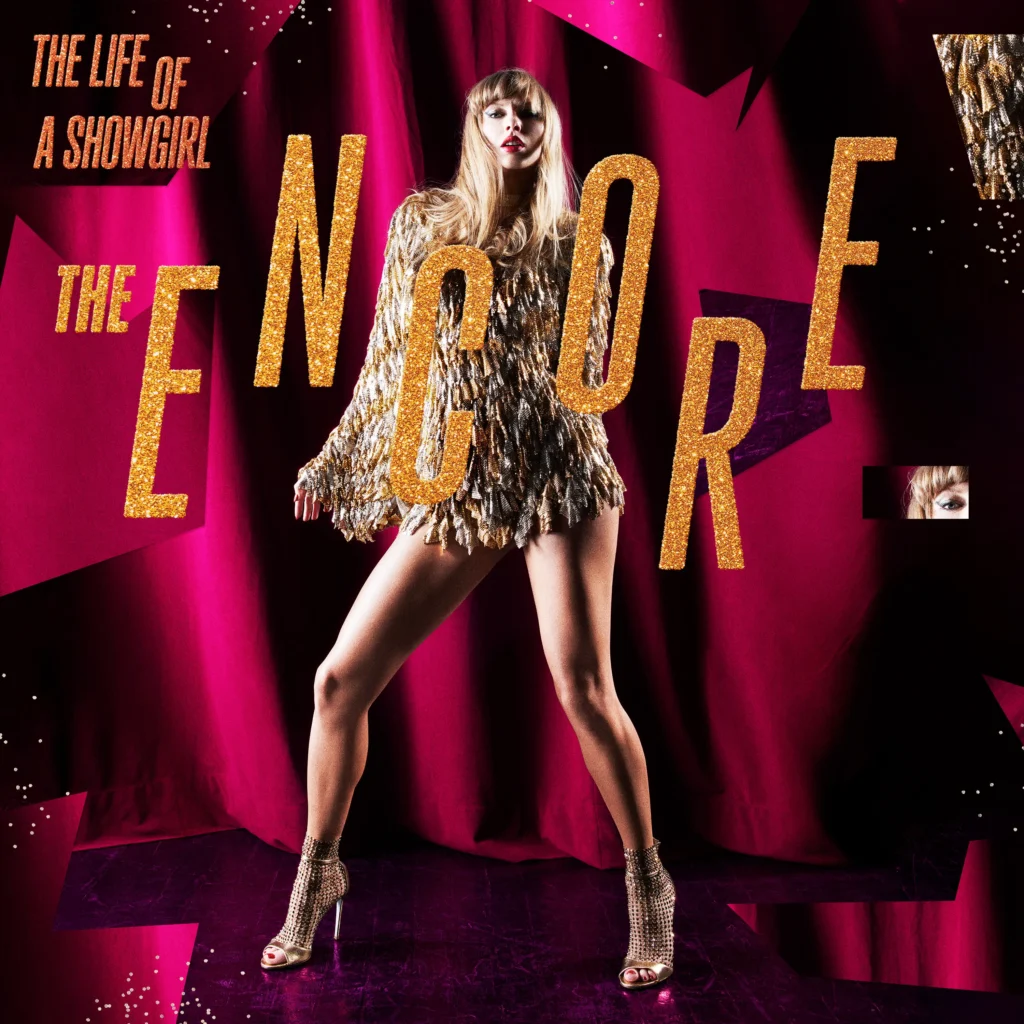
A day after announcing her new song, ‘Patient Zero’, Taylor Swift has revealed it’s part of The Life of a Showgirl: The Encore. Out Friday (September 25), the newly expanded edition of the pop star’s 2025 album features four new songs. Check out its full tracklist and cover art below.
“About a year ago, you guys did a truly unfathomable thing. Something that completely blew my mind…,” Swift wrote on social media. “You gave The Life of a Showgirl the biggest first week for an album in history. I took a trip to Sweden to celebrate with Max and Shellback, my two collaborators on this album. Really we just wanted to reflect and take in how grateful we were for the moment we were in, but there was a studio there and we did what we do when we feel anything at all: We wrote more songs. I hope you love them, because they were born out of pure gratitude for your exuberance for and celebration of the album we made.”
Earlier this year, Swift released ‘I Knew It, I Knew You’, her original song for Toy Story 5.
The Life of a Showgirl: The Encore Cover Artwork:
The Life of a Showgirl: The Encore Tracklist:
1. The Fate of Ophelia
2. Elizabeth Taylor
3. Opalite
4. Father Figure
5. Eldest Daughter
6. Ruin the Friendship
7. Actually Romantic
8. Wi$h Li$t
9. Wood
10. Cancelled!
11. Honey
12. The Life of a Showgirl [feat. Sabrina Carpenter]
13. Patient Zero
14. Cleveland!
15. Pink Clouding
16. Babylon
Miley Cyrus’ last couple of albums have hinted at her growing disinterest in the pop industry’s machinations. Following the mainstream success-seeking overreach of Endless Summer Vacation, she thwarted expectations with 2025’s Something Beautiful, a psychedelic odyssey a little too ambitious for its own good. She seems to remain in a similar lane on Bass Persuades, her first LP billed simply as Miley, which keeps some of the same collaborators – producer Kid Harpoon, fiancé Maxx Morando, and, in a refreshingly more pronounced role than its predecessor, experimentalists Model/Actriz – while framing itself as a gnarlier, throbbing dance record. Instead of being more focused, though, Cyrus’ approach is disappointingly non-committal, rendering Bass Persuades an album of diminishing returns, if one that gets surprisingly more personal the further it veers off course. It’s not quite the “extremely experimental” record she promised fans in the wake of Something Beautiful, but it contains glimpses of it.
1. Bass Persuades
The opening title track positions Bass Persuades as Miley Cyrus’ MAYHEM, though Gaga never had to officially drop “Lady” off her moniker; mononymity should be a natural marker of pop icon status, not just the harbinger of a new era. What ‘Bass Persuades’ risks in its argument for dancefloor euphoria (“I don’t want to change your mind”) is sounding too anonymous, but aimed as it is at a young generation for whom that kind of movement can feel alien, its cold, industrial throb feels apt. The Model/Actriz remix tucked at the end executes the job much better, though, making the whole album feel short on ideas.
2. Different Religion [feat. Model/Actriz]
The Brooklyn noise rockers get a proper moment in the spotlight on ‘Different Religion’, by far the strongest cut on the album. Hitting the perfect intersection of domestic bliss and nocturnal thrill-seeking, it should have given the record direction, not just an early teaser that turned out to be something of a feint. “My god’s a hot boy,” Cyrus darkly intones, and he finds form in Model/Actriz frontman Cole Haden, who savours the attention. It heralds the promise of a new beginning that only begins to dissipate after this point.
3. Let’s Get Married
I could never pretend to be an unbiased critic, but personal circumstances certainly factor into my enjoyment of ‘Let’s Get Married’, released as it was the week before my own wedding. It’s one of Cyrus’ most instantly convincing love songs, evoking a gentle weariness that betrays the fact that, yes, this wouldn’t be her first marriage, but also a sweet conviction that makes her veil-clad vision sound totally uncomplicated; a simplicity that hits home when getting married is only a hazy idea, and, I have to say, when it’s so close to becoming a reality that no amount of stress could ruin it.
4. Orbit
After the first couple of tracks, it becomes clear the album’s middle stretch is going to be midtempo and ballad-heavy, and ‘Orbit’ channels the singer’s cosmic yearning with a mix of piano and celestial electronics; you have to assume Model/Actriz are responsible for the grubby low end that brushes against Sara Kawai’s harp. There’s a lot more telling than showing: “When you look at me, it’s primal/ When you wave to me, it’s tidal/ And the gravity is vital, else I’d float away.” Cyrus has already proven as much, but the track falls flat before it lifts off, more painfully than playfully sincere.
5. Aftermath
The dance beat that snakes its way through is a welcome surprise, giving this post-breakup song a sense of kinetic vulnerability. Cyrus’ language is more visceral, too: “You bathe in the sweat/ You mouth like a straw/ You’re callous but soft/ You trace every flaw,” she sings amidst a flurry of electronics, having just expressed her distaste for “poets being profound.” It’s sad in the least dispiriting way possible, which is enough to pick the album’s momentum back up.
6. REDLIGHTS
With its disco-country pomp and ostentatious instrumentation, ‘REDLIGHTS’ is a solid song that sounds entirely out of place on Bass Persuades. Had it been called Strings Persuade, maybe.
7. Neon Signs [feat. Andrew Wyatt of Miike Snow]
Unlike the other collaboration on the record, ‘Neon Signs’ is more baffling than it is sultry; it trades in the ABBA-indebted synthpop of its predecessor yet muddles things further. The line “Some people say I’m creepy, but others think I’m just right” is unfortunately the most memorable thing about it.
8. Innocent Ways
The album finally returns to a defiant mix of throbbing dance-pop and self-confrontational lyrics, this time addressing a familial crisis presumably involving her younger sister, Noah. Even if the beat isn’t as exhilarating as ‘Different Religion’, the writing keeps it engaging: “I kinda caved when I know better/ I should’ve never sent that letter/ But I was wired and in my feelings,” she admits.
9. Snow
As a closer, ‘Snow’ feels less like an exciting glimpse of Cyrus’ next phase than a retread of Something Beautiful, with its steady build and breathless romanticism. Though it begins as a forgettable acoustic ballad, it turns out to be a satisfying slow-burn that melts the album’s icy exterior more than any previous ballad. Track to track, it may be hard to gauge the temperature on Bass Persuades, but it ends on just the right note.
Life, artist Xiuzhuo Zhou ponders, may be no more than a fleeting moment and yet in our limited span meaning accrues in temporarily bestowed states, affected by the way in which we inhabit and observe our surroundings.
Across his photographic practice, Zhou has frequently sought to uncover the after-spirit of liminal ‘non-spaces’. How humans ascribe meaning to the wider world and how time and absence carries that meaning away. In vacant buildings, devoid of life, topophilic associations allow us to see more than what meets the eye. Internal architectures take up posts in hollowed halls, pregnant with sentimental interludes, faces and smells. When the body departs, the space remains, revealing a void that cannot be occupied.
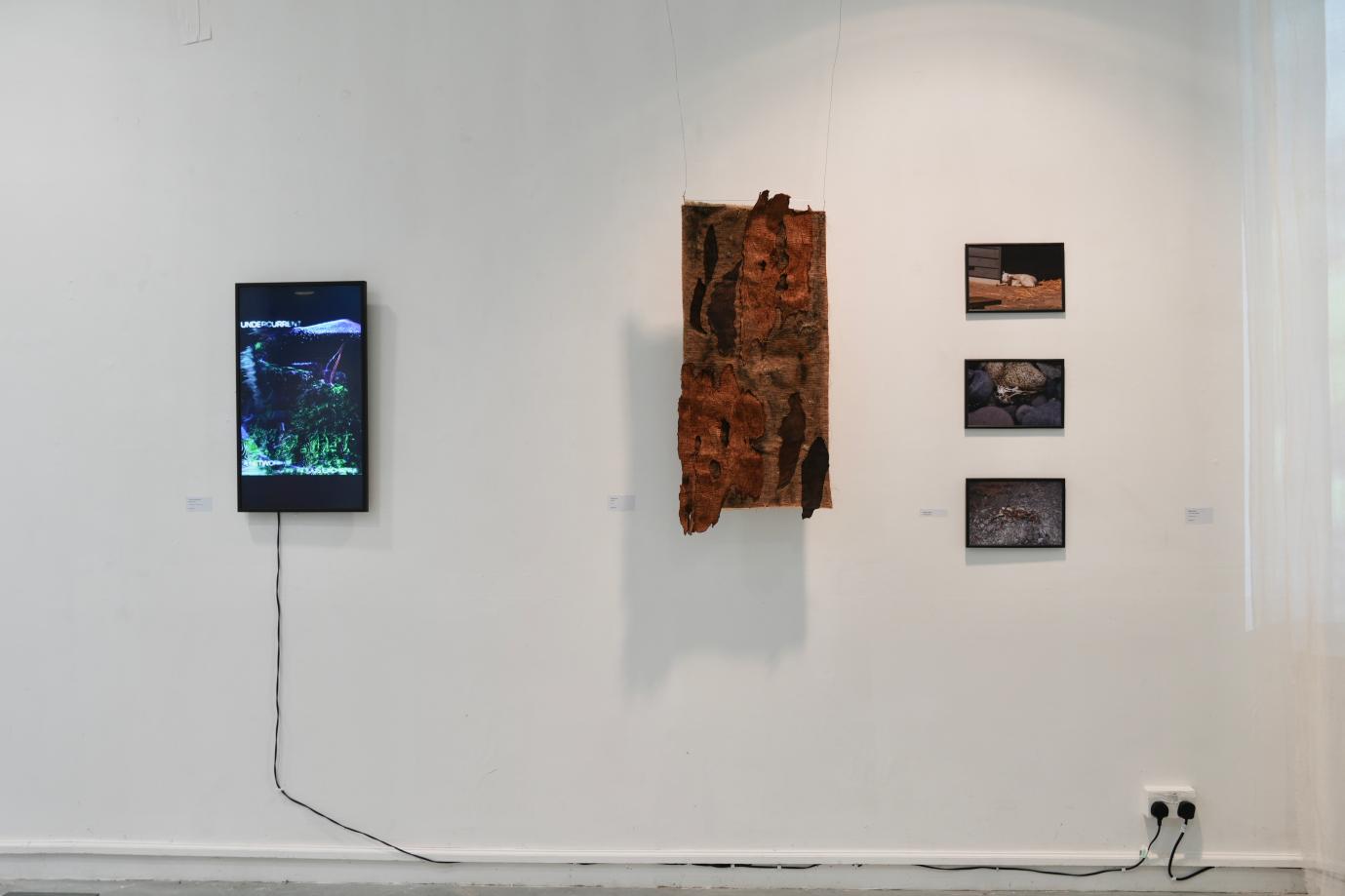
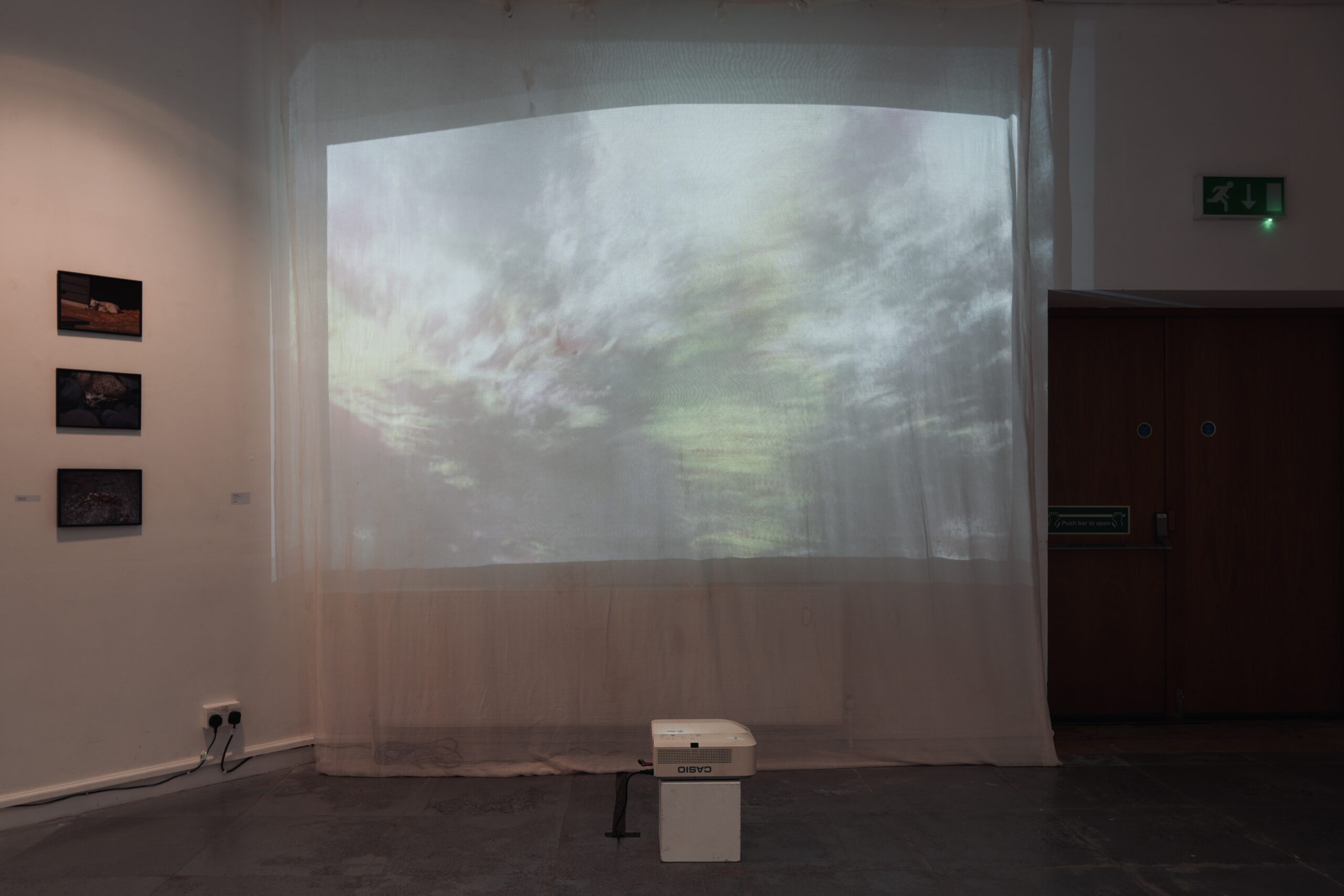
Installation view of ‘The Same Earth (2025)’, Courtesy of the artist.
In his latest work, Zhou focuses on the fleeting and imperceptible transition between existence and disappearance. The photographic work, The Same Earth (2025) is a vanitas trilogy of sorts, presenting us with successional images of animal bodies that pass from life into death and decay. The living body of a lamb points to a present moment as it unfolds, the emaciated carcass to a past from which there is no return. Though temporally different, separated into discrete points, Zhou’s work embodies the kind of suspended time that Hiroshi Sugimoto achieves in his long exposure shots of theatres and seascapes. The instantaneous logic of the camera is stretched out, creating images that are silent, absent and brooding, and disclose an intent to preserve unresolved states of ephemerality.
Installation view of ‘The Same Earth (2025)’, Courtesy of the artist.
In his final book, Camera Lucida: Reflections on Photography (1980), Roland Barthes identifies the ‘noeme’ or essential nature of photography that sets it apart from painting and spoken word; that it is, ultimately, an emanation of a past reality. The photograph certifies that the thing was actually, physically there in front of the lens at one moment. In placing the planes of and death in close proximity, Zhou rouses the temporal vertigo that Barthes expounds upon, in simultaneously having viewed an image lost to time and one that anticipates a future the viewer can already predict. Perhaps the fate of the lamb, soft and sunned, bearing the fleshy pinks of its ear and tongue, is not, in fact, to expire alone amidst the rubble like its visual counterparts. Perhaps another death awaits. But still, death will come. Absence amplifies presence. The “catastrophe” as Barthes calls it, is already logically contained within the animal and too within the photographic moment.
Angela Autumn is a Nashville-based singer-songwriter who grew up in the Appalachian region of western Pennsylvania. She started playing guitar and banjo at 19, and the way she flits between the two instruments in her music both blends and blurs the line between its Appalachian and modern folk influences. Her first full-length album, Frontiers Woman, came out in 2021, followed by the 2023 EP Cowboy Jack Clementine. Her latest album, Believer, finds her reuniting with Isaiah Beard, who had already worked on ‘Electric Lizard’, the penultimate track that became a viral hit before its inclusion on the album. Taking shape in the wake of heartbreak, the record was written across the South and Appalachia: in a treehouse outside Asheville, in the Tennessee woods, and in an empty warehouse near Chattanooga. Throughout it, Autumn marries ample restlessness and nimble restraint in her search for a kind of light: “For a guarantee of sunshine, I got the blues,” she sings on ‘My Alchemy’, in a voice that’s alternately airy, warm, and gutsy. But she puts faith in the idea that the blues – like any other genre or place she may choose to briefly inhabit – is somewhere you can store memories for all time, even before they get to live inside you.
We caught up with Angela Autumn for this edition of our Artist Spotlight interview series to talk about writing on tour, her upbringing, recording Believer, and more.
I was reading an older interview where you mentioned your producer telling you, “You can always sing it differently live,” in the process of making Believer. Now that the record is out, do you feel inclined to follow that impulse and switch things up vocally and musically in a live setting?
Yeah, absolutely. I have been reworking some of the older songs in my set and playing around with speaking the words in a conversational way, because those songs have been in the set forever. Some of my songs, like ‘Dancer’ and ‘Electric Lizard’, have always been very prominent in my live set, so I’ve been playing with those ones more. It feels like I can kind of rest and be more experimental and be an actor in that sense. But with songs like ‘Bleach Bugs’, I didn’t really perform it until now, so it’s very fresh, and I just enjoy performing it like the record because it feels like a flavor saver.
I know you wrote parts of the record on tour, too. How do you feel that the sounds and the places you were exposed to bled into the core landscape of the album?
Yeah, it started in 2025 with Pickathon out in Oregon. I’ve been on this constant tour and I’ve been writing the whole time, so it feels like Believer is the first segment of my journey, and it’s guiding my next step. I’m definitely excited to go back to North Carolina, where I wrote most of these songs. I just love these places so much – I love North Carolina, I love the South, and I love the West, especially Oregon and California. I can only hope that the songs will bring me back to those places and that I’m able to share more about them on the next record. It’s really powerful to be able to experience and write about these places that I’ve been, and only because I’m a touring musician have I seen all these different spots. It’s really not something I think a normal job would ever afford.
I also think about the very specific places where you ended up writing, like the treehouse and the warehouse. Since smell is something that comes up on the record a few times, I’m curious how senses are maybe activated when you remember some of those spots.
Well, I was cold. Just seeking warmth, and seeking a source of some kind. Sometimes in the warehouse area where we were writing, I was sleeping on the floor on some sort of mattress pad, waking up in the morning, having coffee, and getting ready to track the songs and just feel it out. But when I was in the treehouse, it was so cold. There was no heat and no running water, and I was like, “This is going to be great, this is going to be so comfortable,” and it ended up being the opposite. I went outside in the morning to look at the stars, and they were so bright – the brightest I had ever seen. I felt so close to the cosmos and so close to whatever source I was looking for to help me along my path to capture these songs and capture the moment. I feel like the dark and the cold have always been really inspiring to me, because then I’m looking for a light. It sounds very cheesy and metaphorical, but it’s like looking for a fire in the dark of the winte sort of thing.
Do the songs help you tap into that in a live setting, or do you need to find other ways to get into that headspace?
I do think it’s important to visualize while having a performance – I visualize things that are different for each song. For a song like ‘Roving Jewel’, I visualize middle America and Arkansas when I’m playing and performing it, but for a song like ‘Believer’, I visualize Nashville. I’m very visual in my mind, so I think channeling that out through the words and through the playing is what keeps me centered during the performance. You can’t be thinking, “How’s the audience feeling?” It’s your job to paint a picture for them through the words and through the instrument and orchestrate the energy in the end a little bit.
How do you visually remember the first time you performed to a live audience? Is that an image that has stuck with you in a vivid way?
Performance was like the first drug I ever took, and when I took that drug, I could never go back to not performing. But now, I don’t think the same thing that attracted me to performing is what keeps me doing it. I don’t get off stage and am like, “Oh my god, that was the most…” I’m just like, “This is my job.” But obviously, 18 years have transpired since I stepped on stage with a guitar, and it’s just a magical thing. I think when I first started – I was like 12 or something – I was like, “This is magic. How is it that I didn’t mess up that entire song?” It’s really just mind-blowing. So, gaining confidence, and for so many years just doggedly doing it – a lot of time has passed.
And in the middle of that, you moved to Nashville. How many years has it been?
It’s been like seven or eight years. I’m very grateful for the level of experience I had when I got here, but I really cringe sometimes looking back at who I was as a performer, even three years ago. I think last year was when things really clicked for me, especially out at Pickathon when I had a trio of bass, drums, and electric guitar. That was when everything started to feel really, really good.
What do you remember about that moment?
I just remember playing some banjo parts on my electric really well, and my drummer was playing really fast. I was like, “I don’t know if I can keep up,” because it was kind of technically difficult stuff, and it just felt really cool to be plugged into an amp. I was always an acoustic performer and player, and the electric has been so fun. It’s been incredible, and things have really become a lot more exciting since then. Coming to Nashville, you’re definitely going to be surrounded by really stellar professionals. If you’re used to playing with folks who are half-assing it, even if you’re hyper-talented, it’s not going to click in a live setting. This year has also had a lot of solo acoustic performances in between, and that can be a huge, jarring shift – being naked versus having your band, standing there with just the guitar and needing to fill all of that space. But I still love to do that, too.
Growing up, I know that you were exposed to different kinds of music in a communal way, like in church. I’m curious when it became more of a private thing for you, and how you nurture that side that loves the communal aspect of it, but also the privacy of songwriting as its own ritual.
Well, I have an anecdote about this. But I can also just share that I am very serious and protective over my own writing space. I think the difference is, I’ve never been in a band or anything like that, so it’s just always kind of been my own project. I love to collaborate in the right place and the right time and get inspired by other folks. Obviously, we need the creative energy of others and witnessing them to have any desire to be inspired. I do feel that I need to see music live that I enjoy and that is inspiring in order to create. I’m not saying to create in a vacuum – that’s just a recipe for disaster. Don’t do that. I don’t think people should lock themselves away. But some people do – I read recently that Grimes locked herself away when she was making Oblivion. I also read an interview with another artist that you did, where he’s like, “I wrote in this same room.”
Which one?
Oh, Greg Mendez. And I’m like, “I write on the road.” My car is my spot, and I’m just driving. But it works for some people.
What’s the anecdote?
I took choir as a young person because we had to choose if we wanted to be in choir or band, and then choir or art. So I chose choir. And my chorus teacher, she loved me. She gave me all of the solo things, and she was like, “You’re my favorite.” I remember I performed during Guitar Day, which was when everyone who played guitar would perform to the school. And after that, she didn’t talk to me. She gave me the cold shoulder. I was 12 or 13 at the time, and I think it’s just that when you’re different, you’re different, and you’re doing your own thing. That’s kind of how I see that. It was definitely a big trauma. I was like, “Oh my god, she doesn’t approve of me playing guitar music.” She’s just like, “No, that’s not us, that’s not me, therefore you are not anything to me anymore.”
You talked about being protective of your writing space. I know you tracked more than half of the songs in a few hours, and then you spent weeks overdubbing and adding textures. In that production phase of refining and adding things in, did you feel protective or conscious of preserving the immediacy and attitude of the original songs?
I felt entirely safe working with who I worked with, so the strategy was to keep the live vocals from those six songs. So everything from those six songs – a song like ‘Bleach Bugs’ or ‘Mountain Stream’ – all of those core vocals are live, and that was enough for me. I was like, “I’m happy with it, so whatever we add to this is just fun.” I think with a good producer, you shouldn’t have to feel protective over your creation, because you know they have enough respect to not step on what you’ve done. But if you’re in the production process and someone starts to direct how you’re singing, change the delivery, mess with the flow of the song, or tell you how to do something, to me that is just a red flag.
Part of it is the singing itself, and then part of it is how you treat the vocal, or how many vocal tracks you add. I know you double-tracked for a few songs, and I feel like the choice to not do that is just as intentional, like on ‘I Don’t Think About You at All’; the reverb is used very sparingly and pointedly on that song. Were the vocal effects and layering something you went back and forth with a lot?
No, it’s like a relationship. You know how in a relationship, you’re like, “What, should we do this? Should we go here? Should we do this? Should we do this?” And then at a certain point, you’re like, “Do I even want to be here with this person if it’s going to take so much?” It’s like a breeze with Isaiah. He would just say, “Can you go over this? Would you be down to double this?” And he just does it. I feel like that’s such a blessing to have with a producer, and that wasn’t intentional from me – that was Isaiah. I don’t know how he recorded my banjo and vocal for ‘I Don’t Think About You at All’, but he did, and I just played them at the same time. I don’t know how he even had access to one over the other, because they were miked right beside each other. Producers always complain, like, “Can we please overdub the vocal?” But I feel like he understood that I wanted to do them together.
What did you learn about your voice in making this record? Not just in recording, but even in writing these songs and carving out melodies for them. How did you have fun exploring your voice?
Well, on this record, I hear a lot of my “fairy voice,” which is just this high and lonesome, nasally, kind of twangy, girlish voice. But I also hear it with what I’m saying in the lyricism being a little bit darker and occult. So I think there’s a nice contrast between the vocal style that I’ve been building for years – the delivery being soft and kind of sweet – and the words being heavier, and the guitar being heavier, playing with that contrast. As opposed to my previous works, where I feel like they were more on the same plane – just country guitar, country vocals. On this one, there’s definitely more of a gap forming.
Thinking about the structure of the record, it sounds to me like escaping into nature and getting more into this darker, stranger territory around the middle stretch – from ‘Mountain Stream’ to ‘Sage Bundle’ to ‘Bleach Bugs’.
Yeah, it does feel like they represent a no-man’s-land, or a journey, a venture. Whereas ‘I Don’t Think About You at All’ and ‘My Alchemy’ were both written in my bedroom in Nashville, so I think that’s very true. I think that’s very clear – it kind of comes full circle back to the self, reflecting at home and wondering what’s next, and then the middle is more about getting lost, or being in the dark.
‘My Alchemy’ makes sense now that you mention that. It does feel like it’s really at home in that sense, and almost resolves the question of the title track.
I love that you connect ‘My Alchemy’ to ‘Believer’, because to me, they’re from such polar opposite times of my life. But the interesting thing is, I feel like ‘My Alchemy’ is an answer for me, because I was struggling a lot with finding the answers when I was writing ‘Believer’ and just feeling ungrounded. Listening to ‘My Alchemy’ feels almost like a future, higher self talking. I don’t know if it’s necessarily me.
Belief can feel like such an abstract concept, but I feel like “power of my alchemy” narrows it down a little bit. That’s how it feels like an answer to me.
Yeah, it brings it down to just being by yourself, cooking food or smoking weed on your own, which I think a lot of people can relate to. Just these containers for small revelations to happen, you know? We’re going into the winter months and people start to spend more time by themselves processing things that have happened. It makes sense that ‘My Alchemy’ closes the record because it was written in the beginning of the fall, the autumn time, taking the prisoners and dragging them back into the woods.
On ‘Garbage’, you describe home as being “among the concrete, crooked fences.” What else comes to mind when you think about home?
Man, I’ve had so many homes over the last several years. I think what I’ve been doing is gathering ideas of home for myself – different ideas of home. I come from a very traditional, small community, and if my own idea of home had never shifted, I would not have been able to create a structure for this. I do believe that our life can be like a rotation, and then you get back to where you started. And that’s acceptance, you know? I don’t reject where I’m from. I love my home, but I’m also in acceptance that that’s not where I’m meant to be. I’m not meant to be in my hometown, seeing the same things over and over and over again. But in the adventure of discovery, it can get repetitive, actually. Just seeing new places can be its own level of hell and repetition. So you do have to settle into acceptance with home eventually – everyone kind of has to, or else you’re just a wild Anthony Bourdain for the rest of your life.
I was thinking about the line, “Your face is covered with clouds” in relation to the album cover, and it may be a stretch to make any connections to the South, but I wondering if there was something there about a cloudiness of expression, or just as a blurry mood that resonates with your idea of the record.
You know, I’m just a person who goes on dates and has relationships, and it was just about a specific person. But that theme is about sobriety and just witnessing what not being entirely sober can do. I think there are a lot of different ways to sedate yourself with everything that’s going on. I’m not saying the South is more sedated than other places, but they are definitely more chill down here. I mean, it’s just slower. I’m from the East Coast, so yeah, there are reflections between what I see in my relationships and the flow of the South. That’s kind of why in the song I say, “This is not my home,” because I get that people might have adapted to living here in their own way, but it’s not going to be my home. I might live here, but I don’t have to turn away from reality in the way that I saw other people turning away from their reality. I just don’t want to. I would rather be clear and open to different things, and it can be frustrating when others don’t want to see what you’re trying to show them, but whatever, to each his own.
I think one thing that’s happened recently is accepting that I have my own limitations that come with being somebody that records and releases music, and that I can’t possibly pretend like I don’t make my own mistakes and fumbles in the world. I can’t ever pretend that, and I think I do a good job with my music of balancing my own self-reflection and self-awareness with what I see in others. Maybe what I’m seeing is just reflections of my own inner self, which is all I could hope to show through my music anyway.
This interview has been edited and condensed for clarity and length.
New York City is one of the most dynamic destinations in the world. From corporate meetings and airport transfers to special events and private travel, millions of people move throughout the city every day. In such a fast-paced environment, dependable transportation can make a significant difference in the overall travel experience.
Whether traveling for business or leisure, passengers increasingly value transportation solutions that provide comfort, reliability, and convenience. This growing demand has contributed to the popularity of professional Black car service NYC providers that cater to travelers seeking a more organized and stress-free journey.
The Importance of Reliable Transportation
Transportation plays a critical role in both personal and professional travel. Delays, traffic congestion, and transportation uncertainty can quickly disrupt schedules and create unnecessary stress.
Professional transportation services help minimize these challenges by offering a dependable alternative to traditional travel options. With transportation arranged in advance, travelers can focus on their priorities rather than worrying about logistics.
This is especially important in New York City, where time management often determines the success of a business meeting, event, or travel itinerary.
Why Business Travelers Choose Professional Services
Corporate travelers frequently operate under demanding schedules. Meetings, conferences, client visits, and networking events require punctual arrivals and efficient movement between locations.
A professional transportation service allows executives to remain productive while traveling. Instead of concentrating on navigation or parking, passengers can use travel time to prepare presentations, answer emails, review documents, or communicate with colleagues.
Businesses often rely on trusted transportation providers such ashttp://eagleeyechauffeur.com when arranging transportation for executives, clients, and visiting partners who require dependable service and a professional travel experience.
Comfort and Convenience Matter
Travel can be exhausting, particularly when it involves flights, multiple meetings, and long days away from home. Comfortable transportation provides travelers with an opportunity to relax and recharge between commitments.
Professional transportation services are designed to deliver a more convenient experience by reducing many of the common frustrations associated with urban travel. Passengers can enjoy a smoother journey while focusing on their work, personal activities, or upcoming events.
For frequent travelers, these benefits can significantly improve the overall quality of each trip.
A Strong First Impression
Professionalism extends beyond meetings and presentations. The way a person arrives at an event, office, or client meeting can influence first impressions and reflect positively on both individuals and organizations.
Choosing a professional chauffeur service New York option demonstrates attention to detail and a commitment to quality. Professional transportation can help ensure that travelers arrive on time, maintain a polished appearance, and enjoy a more organized travel experience.
For companies hosting important guests, reliable transportation can also contribute to stronger business relationships and a more positive visitor experience.
Airport Transfers and Executive Travel
Airport transportation is one of the most common uses of professional chauffeur services. Major airports serving New York handle millions of passengers each year, creating potential challenges for travelers unfamiliar with the area.
Pre-arranged transportation simplifies the airport experience by providing dependable transfers between airports, hotels, offices, and residences. This reduces uncertainty and allows travelers to proceed directly to their destination.
Executive travelers, in particular, often value transportation solutions that prioritize punctuality and efficiency, especially when important meetings are scheduled shortly after arrival.
The Growing Popularity of Black Car Services
As expectations for convenience and service quality continue to rise, black car transportation remains a preferred choice for many travelers. These services are often selected for corporate transportation, airport transfers, private events, and luxury travel experiences.
The appeal of a professional Black car service NYC solution lies in its ability to combine reliability, comfort, and professionalism. For many passengers, this combination creates a superior travel experience compared to less structured transportation options.
Whether traveling alone or coordinating transportation for a group, black car services offer a practical and dependable solution.
Conclusion
Transportation is an important part of every journey, particularly in a city as busy and fast-moving as New York. Reliable service, professional chauffeurs, and comfortable travel experiences help travelers stay focused on what matters most.
Whether arranging transportation for business travel, airport transfers, client visits, or special occasions, choosing a trusted provider can improve convenience and reduce travel-related stress. By selecting a professional transportation solution, travelers can enjoy a smoother, more efficient, and more comfortable experience throughout New York City.
For Black women, hair has long been more than a question of appearance. It can reflect identity, creativity, culture, mood, and personal style, while also requiring thoughtful care and protection. That is one reason versatility matters so much in Black hair and beauty. The ability to move between textures, lengths, shapes, and styling methods allows women to express different sides of themselves without being limited to a single look.
Hair As A Form Of Personal Expression
Beauty trends may change from season to season, but personal expression remains at the heart of hairstyling. A sleek straight look can create a completely different impression from defined curls, a short cut, or a voluminous textured style.
For many Black women, this freedom to experiment is especially meaningful because natural hair offers such a wide range of textures and styling possibilities. Protective styles, wigs, braids, twists, extensions, and natural looks can all become part of an individual beauty routine.
Rather than following one definition of what beautiful hair should look like, versatility allows women to decide what feels right for them at different moments.
The Importance Of Texture And Choice
Texture plays a significant role in the way a hairstyle looks and feels. Curly, coily, wavy, and straight textures can each create a different visual effect, and the availability of different styling options makes it easier to explore those differences.
This is where options such as human hair wigs for black women can become part of a broader styling routine. They can provide an opportunity to experiment with length, texture, and shape while allowing someone to change their appearance without committing to a permanent transformation.
The appeal is not simply about achieving a particular look. Having more choices can make hairstyling feel creative rather than restrictive.
Versatility And Protective Styling
Versatility also matters because hair care is closely connected to styling decisions. Many Black women consider factors such as manipulation, heat, moisture, and daily maintenance when choosing a hairstyle.
A style that looks beautiful but requires constant manipulation may not be practical for every lifestyle. Wigs, braids, twists, and other protective approaches can offer alternatives when someone wants to give their natural hair a break from frequent styling.
The key is balance. Protective styling still requires proper preparation, scalp care, and attention to how long a style is kept in place. Versatility works best when beauty and hair health are considered together.
Making Everyday Styling More Flexible
Modern lifestyles have also changed the way people approach beauty. Work, family, travel, social events, and busy schedules can make lengthy styling routines difficult to maintain.
Flexible hair options can help make those changes easier. A 2-In-1 Switch™ headband wig, for example, reflects the growing interest in hairstyles that can adapt to different occasions without requiring an entirely new routine each time.
This kind of flexibility is valuable because it puts convenience alongside creativity. Someone may want an understated look for a regular day and something more polished for an evening event, without completely rebuilding their hairstyle.
Breaking Away From One-Style Expectations
There is also a cultural dimension to hair versatility. Black women have often had to navigate expectations surrounding how their hair should look in professional, social, and public spaces. Choosing different hairstyles can therefore become a way of challenging the idea that there is only one acceptable way to present oneself.
Versatility creates room for individuality. Natural curls can be celebrated one day, while a completely different hairstyle can be embraced the next. Neither choice has to define a person’s identity permanently.
That freedom is an important part of modern Black beauty culture: hair can change without changing who someone is.
Creating A Beauty Routine That Fits You
Ultimately, versatility is about having choices rather than following a fixed formula. The right hairstyle can depend on everything from hair goals and maintenance needs to personal preference and the occasion.
For Black women, the ability to move between different styles and textures can make beauty routines more expressive, practical, and personal. Whether the choice involves natural hair, protective styling, extensions, or wigs, the value lies in having the freedom to decide what works at any given moment.
Beauty does not have to mean choosing one signature look and staying with it. Sometimes, the most empowering part of hairstyling is simply having the freedom to change.
Ninety seconds. That is roughly how long Nazli Donmez has to make a stranger stop scrolling and pay attention to a film they have never heard of. As a theatrical advertising producer currently working at a Los Angeles entertainment marketing agency, she leads the creative process behind film and television trailers, teasers, and marketing campaigns. Over the past five years, that work has put her name behind campaigns for some of the most talked-about titles in film and television, from the fourteen-time Emmy-winning series Widow’s Bay to the Palme d’Or and Best Picture winner Anora, alongside blockbuster campaigns for titles including Marvel Studios’ Fantastic Four: First Steps and DC Studios’ Superman.
Building the first spark
Compression is the whole job. “My job is to lead the creative engine that turns a film, show, or campaign into an unmissable event,” Donmez says. She takes a two-hour movie, sometimes a full season, and pulls out a ninety-second arc that still has its own beginning, middle, and gut-punch of an end. The rhythm of a cut, the exact words in a tagline, where the music swells before a single line of dialogue is spoken: all of it gets decided here, long before an audience ever buys a ticket.
Take Apple TV’s Widow’s Bay, a horror-comedy about a small island town hiding a deadly secret. Donmez worked on all three official teasers, and the show went on to win fourteen Emmys. She has also touched campaigns for Anora, the Palme d’Or and Best Picture winner, and One Battle After Another, which swept six Academy Awards, plus All of a Sudden, where Virginie Efira and Tao Okamoto shared a Best Actress win at Cannes. She was a part of the group that picked up a Grand CLIO Award, advertising’s top honor, for the trailer behind A24’s Problemista, and a Golden Trailer Award for Focus Features’ Midwinter Break.
Adapting one message for many markets
Not everything travels. A joke built on wordplay rarely survives translation. Neither does a needle drop tied to a very specific American cultural moment, or a punchline that only lands if you already know the actor delivering it. Donmez spends real time on what she calls regional adaptation: adjusting pacing, voiceovers, sometimes the graphics themselves, market by market, while the core creative idea stays exactly the same wherever the trailer ends up airing. A single campaign can move through a dozen cuts before release, each one passing between editors, sound mixers, localized dubbing houses, and the legal teams clearing music rights territory by territory, all on a release calendar the studio sets and nobody moves.
She traces the instinct back to where she grew up. She studied in Istanbul first, then went to film school in Paris, then earned a business and communication degree at Chapman University in California, with minors in journalism and Italian, followed by an MBA. “Crossing Turkish, French, Italian, and American cultures built cross-cultural fluency,” is how she puts it, and that fluency turned out to matter more in a trailer bay than it ever did in a classroom. Early on, she had to make the case that coming at the industry sideways, as an outsider, was worth something. Now it is just how she works.
Building a career through disruption
She did not plan any of this. Donmez spent years in arts and events management before trailers, producing international art fairs and festivals, the kind of work that unfolds in a room full of actual people. Then the pandemic hit, and the live events she had built her career around largely stopped happening. Budgets tightened, and the ones that survived moved online or got pushed back indefinitely. Somewhere in that mess, she moved into creative project management for brands and studios, and from there into producing the teasers and trailers that now carry her name.
She still sits as a jury member for the Los Angeles Diversity Film Festival. For a while she wondered if festival work and studio marketing were pulling her in two directions at once. They were not. The instinct she uses running arts events and festivals like the Bombay Beach Biennale is the same one she brings to a trailer cut.
What comes next
“I want to continue building my career at the intersection of film and TV advertising, creating collaborative experiences that unite cross-disciplinary creatives and open doors for the next generation,” she says. She also wants to make her own films eventually, and finish the short story collection she has been chipping away at for years, mostly on planes and between jobs.
“What consistently inspires me on this path is the ability to bridge creative vision with strategic execution, shaping that first moment of interaction between a film or show and its audience, and creating a world for them to experience intrigue, desire and interest for what’s to come,” she says. That is how she treats a stalled campaign or a career pivot too: as a chance to evolve, explore, and find a new angle on the same problem.
You’re probably reading this on your phone. In 2026, Americans spend an average of 4 to 5 hours per day on their smartphones, with active phone-use estimates ranging around the five hour a day mark.
This time block is heavily stratified by generation, with Gen Z averaging over 6 hours of daily phone use, Millennials around 5 hours, Gen X near 4 hours, and Baby Boomers just over 3 hours, according to eMarketer, Statista and DataReportal.
In addition to these stats, Americans check their phones anywhere from 96 to 186 times a day, with roughly half of all screen time devoted to social media platforms like TikTok, YouTube, and Instagram. So it makes sense that motion graphics and video reels are in demand for brands who advertise on social media.
With the majority of consumer interactions on digital screens, senior brand and motion designer Sofia Garcia is calling for a fundamental shift in how corporations build visual identity, arguing that motion design must be integrated at the start of the branding process, rather than treated as an afterthought.
Garcia, whose portfolio spans major global brands including Samsung, Disney, Tennis Channel, Hilton, and Pampers, emphasizes that static logos and color palettes are no longer sufficient in an ecosystem dominated by video feeds and interactive platforms.
“Historically, branding was often thought of as something that lived in a logo, typography, color, and a few static applications,” Garcia said. “Motion came later as a way to bring those elements to life. But the way people experience brands has changed. A lot of the first places someone encounters a brand today are already in motion.”
Originally from Costa Rica, Garcia relocated to the United States to study at the Savannah College of Art and Design (SCAD), where she earned dual B.F.A. degrees in Motion Design and Advertising & Branding. That dual focus laid the foundation for an extensive career leading end-to-end creative direction, motion systems, and integrated campaigns across agency and studio environments.
In a digital environment saturated with fast-paced video content, Garcia’s approach focuses on narrative substance and visual restraint rather than movement for its own sake. But just adding movement is not enough to capture audience attention.
“The biggest mistake is designing for the format instead of designing for the idea,” Garcia said. “I try to create something that gives people a reason to keep watching. That can be a visual hook, an unexpected transition, a strong opening frame, or simply a story that unfolds in a way that makes you want to see what happens next.”
She added that grabbing attention does not require overwhelming visuals: “I don’t think everything needs to be loud or constantly moving. Sometimes a very simple, well-timed moment can be more effective than trying to grab attention with everything at once.”
Garcia’s technical expertise as a motion designer is reflected across a wide variety of commercial and entertainment properties. Her portfolio includes projects like Warner Bros. Games’ Gotham Knights, FCB Chicago’s Leaked Secrets of Motherhood campaign for Poise, brand identity design for Berni Bean Coffee Co., and campaign work for Samsung AI and Disney Social.
Her work on Synchrony Bank’s short film The Lemonade Stand showcases her ability to align motion graphics with narrative storytelling. Garcia spearheaded the project’s title sequence from concept through execution, creating custom illustrations that animated the evolving relationship between a father and daughter.
“The story really dictated the visual approach,” Garcia explained. “I developed an illustrated visual language around those themes and looked for ways to represent the relationship between the father and daughter without over-explaining it. The lemonade stand itself became an important visual metaphor for learning, ambition, and the idea that bigger dreams can start with something very small.”
Similarly, in her work for commercial campaigns, Garcia focuses on human connection to make commercial messaging resonate. Reflecting on her work for Samsung SmartThings, including campaigns centered on everyday relatable moments like “Manifest maximum tail wags,” Garcia noted the importance of balancing product features with entertainment.
“Instead of focusing entirely on the technology itself, the story starts with an emotional outcome people can immediately understand,” Garcia said. “I could use movement and timing to emphasize the personality of the idea while still keeping the product message clear.”
Motion designers are currently expanding their roles. As brands adapt to digital-first communication, Garcia sees the role of the motion designer expanding far beyond basic animation. It veers into brand strategy and creative direction territory.
“The demand for visual communication keeps expanding,” Garcia said. “Every platform, brand, product, and campaign needs content, and increasingly that content needs to work in motion. The designers who can understand branding, storytelling, strategy, and the needs of different platforms can contribute at many different stages of a project.”
Rather than asking how to animate an existing static brand, Garcia urges executives and creative directors to rethink their initial approach.
“Instead of asking, ‘How do we animate this brand?’ the question can be, ‘How does this brand behave?'” Garcia said. “That shift opens up a much bigger opportunity for motion designers to contribute to the identity itself.”
Internationalisation, Innovation and Collaboration for the Future of Global Education
Forum Overview
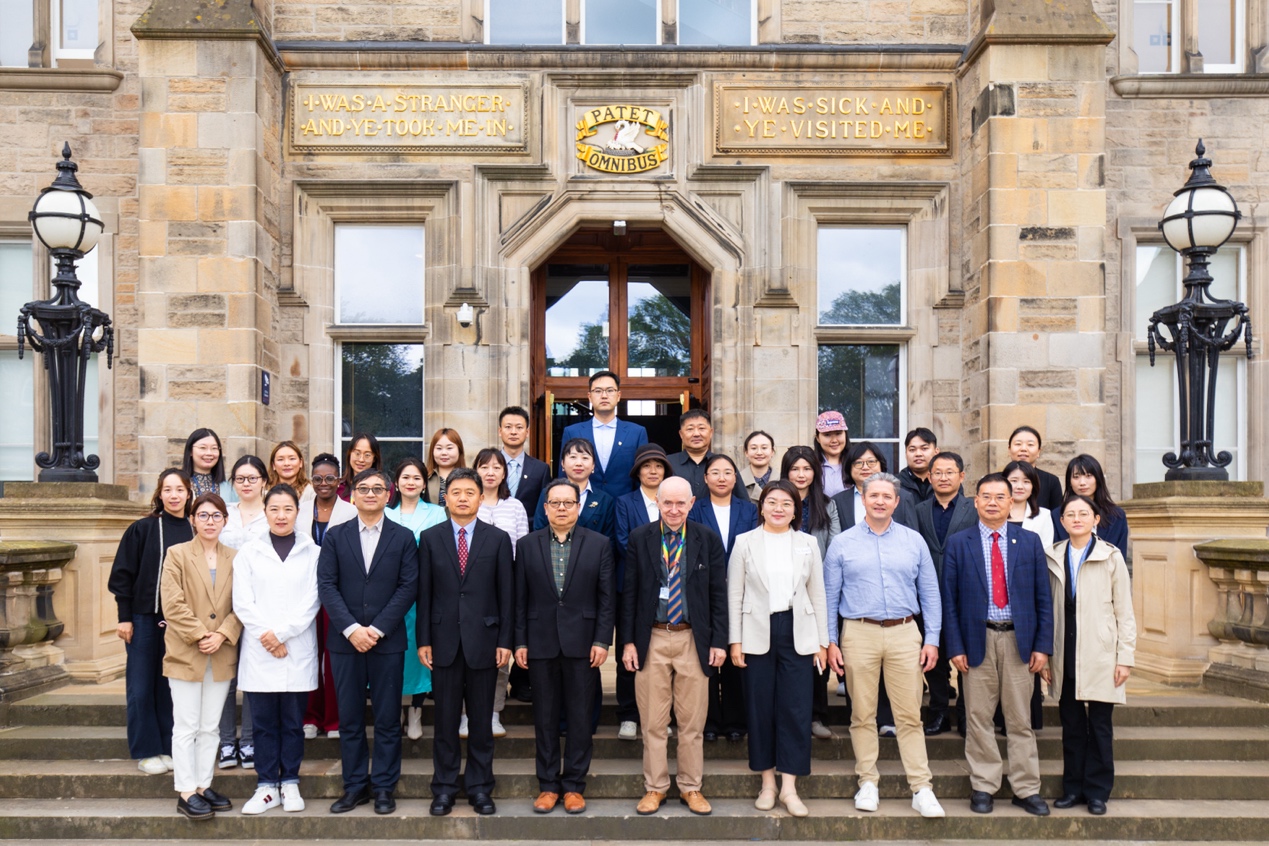
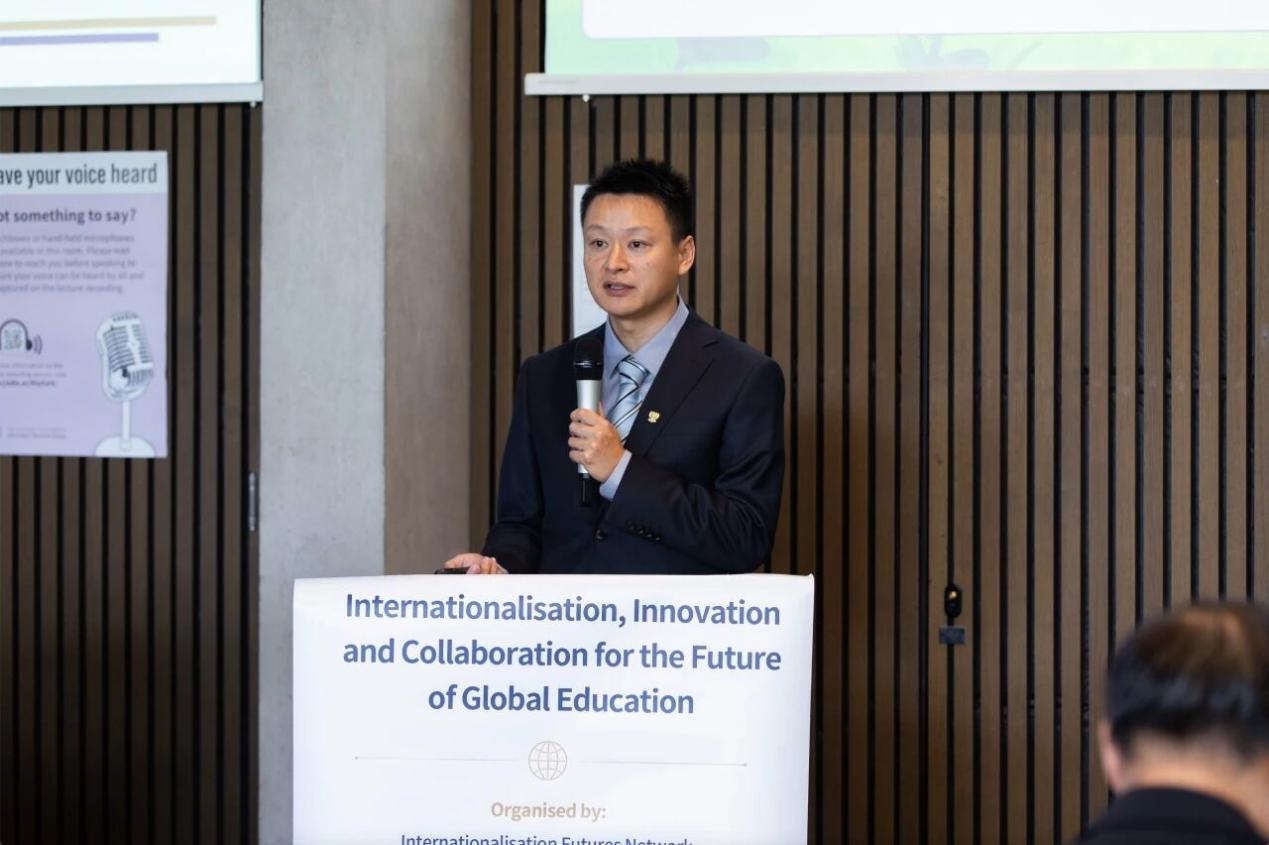
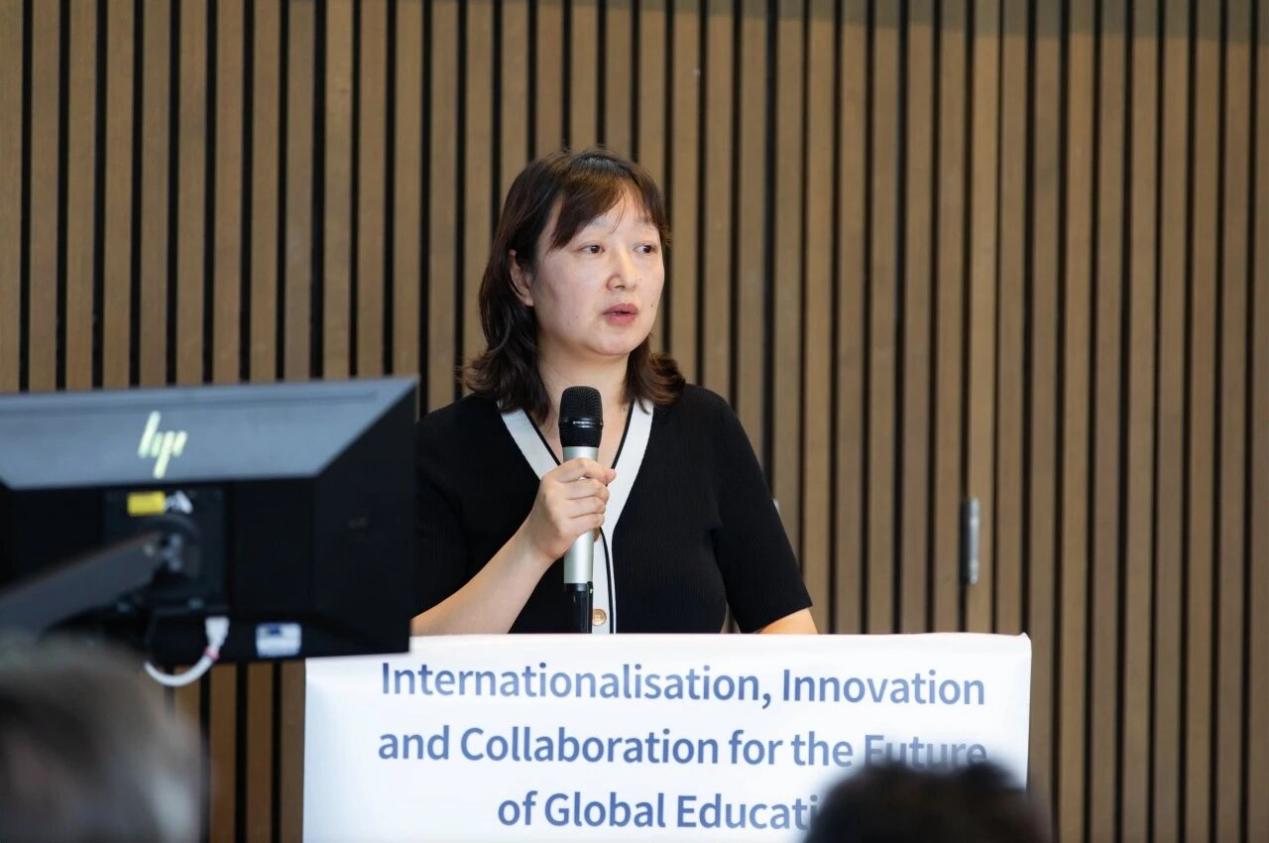
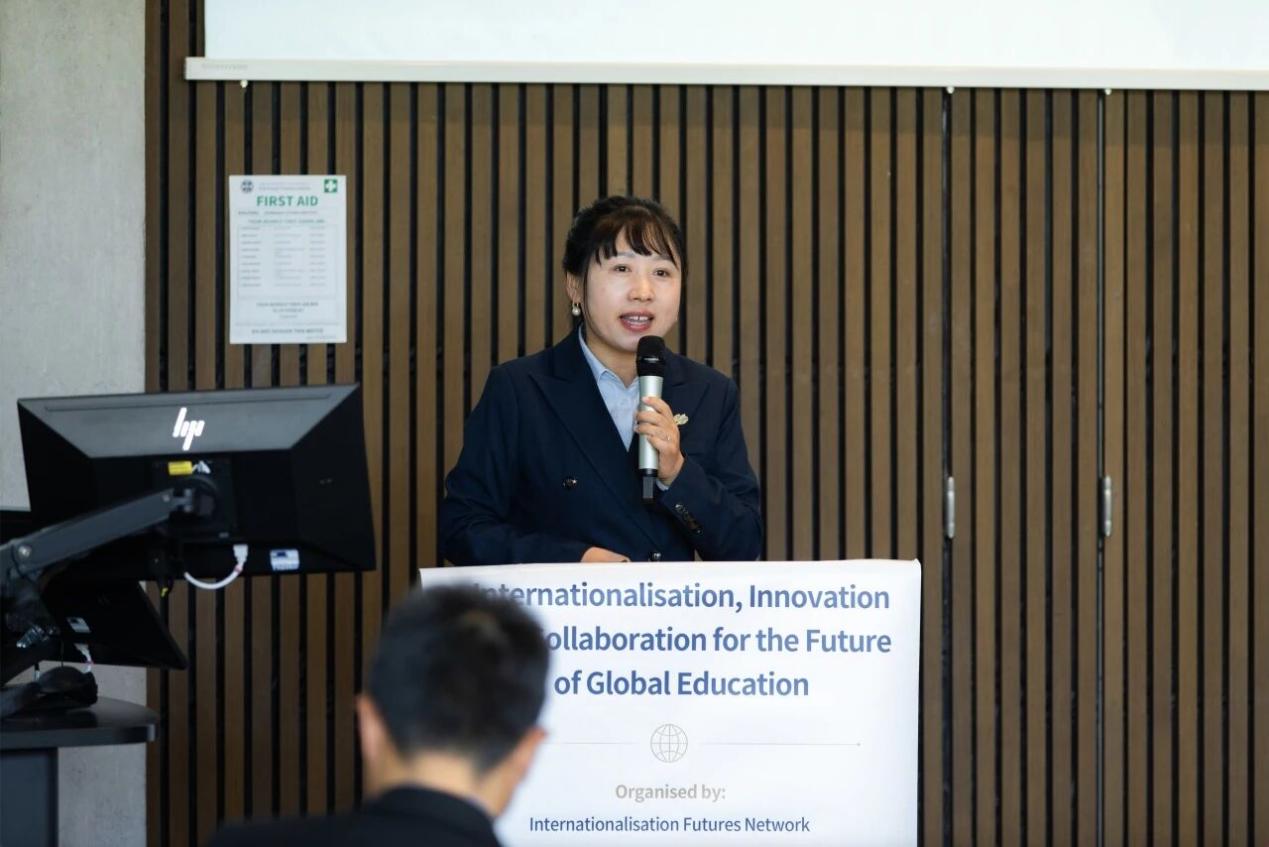
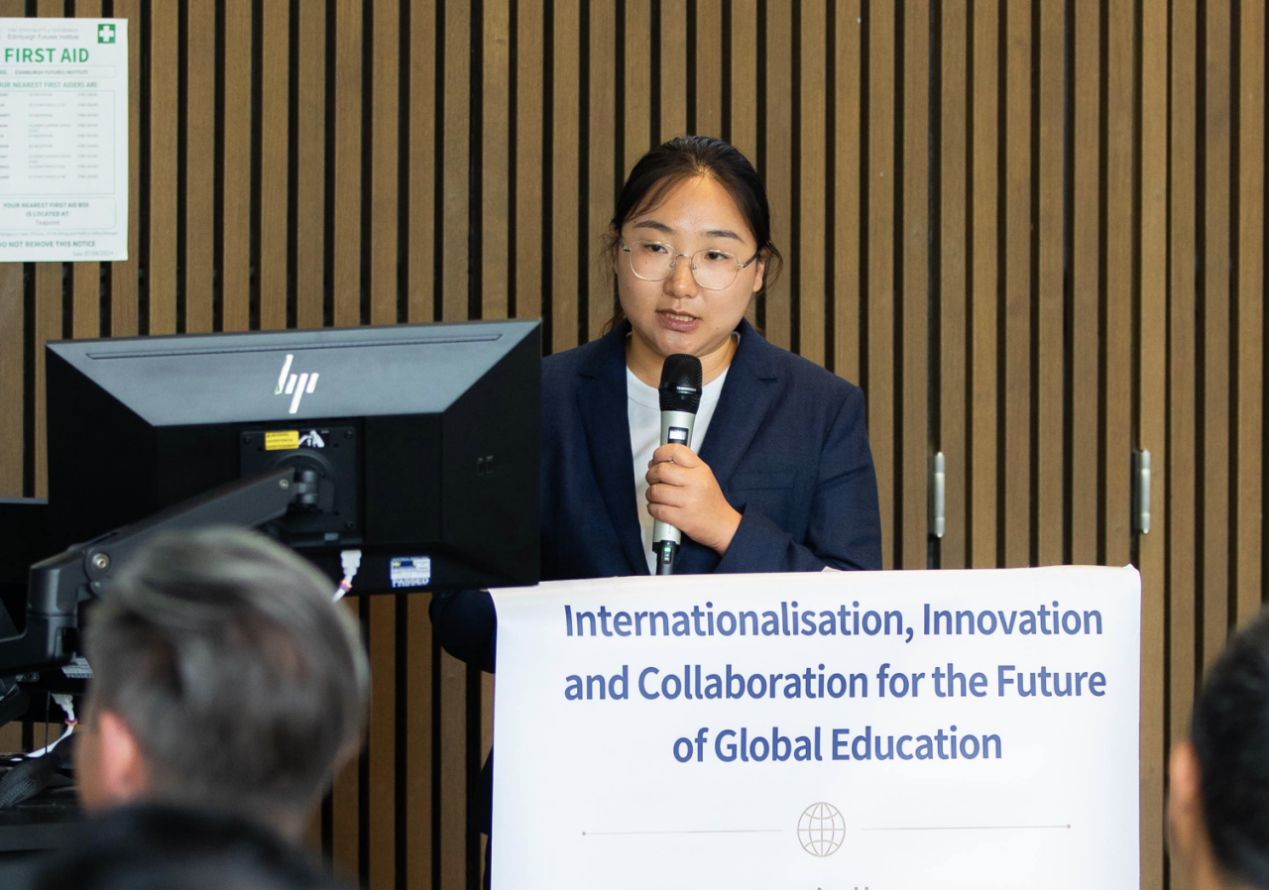
On 7 August 2026, the Global Education Futures Forum: Internationalisation, Innovation and Collaboration for the Future of Global Education was held in Edinburgh, bringing together academics, education leaders, school practitioners and researchers from China and the UK.
The forum was co-hosted by the Internationalisation Futures Network (IFN) at the University of Edinburgh, the Beijing Normal University Education and Training Centre, and the Beijing Normal University Education Group, with support from the Moray House School of Education and Sport and Edinburgh College of Art, the University of Edinburgh.
Designed as a platform for dialogue between universities, schools, education researchers and frontline practitioners in China and the UK, the forum explored interdisciplinary curriculum development, drama education, scientific literacy, creative approaches to arts education and the future of international educational collaboration. Educators from a number of Beijing Normal University affiliated schools travelled to Edinburgh to share examples of curriculum innovation and educational practice from China.
Against the wider context of change in global education, the forum placed particular emphasis on competency development, curriculum innovation and students’ holistic development. Through examples drawn from different educational stages and subject areas, participants explored diverse approaches to holistic education, local cultural inheritance and the cultivation of future-ready learners.
Opening: A Shared Conversation on the Future of Global Education
The opening session was introduced by Dr Farah Akbar, Senior Lecturer at the Moray House School of Education and Sport and a representative of the Internationalisation Futures Network (IFN).
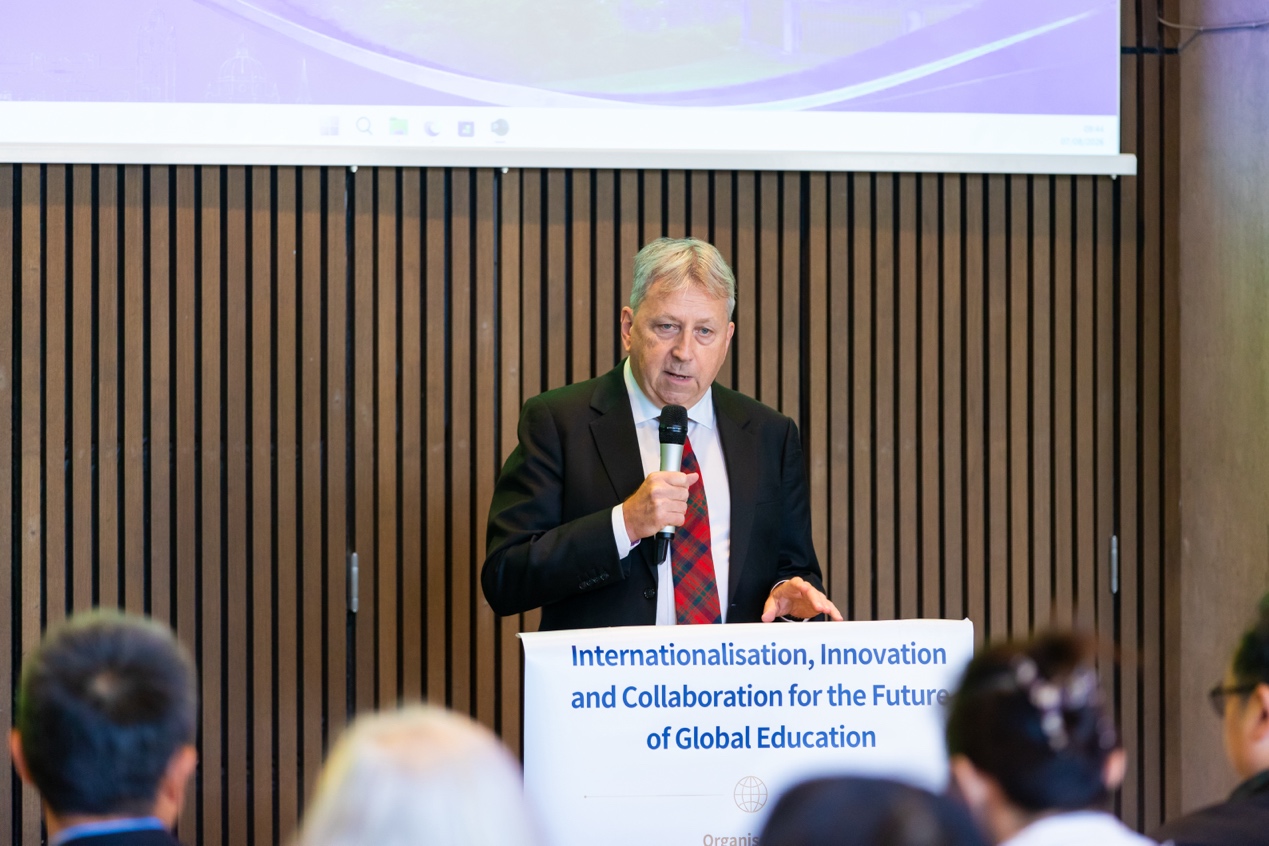
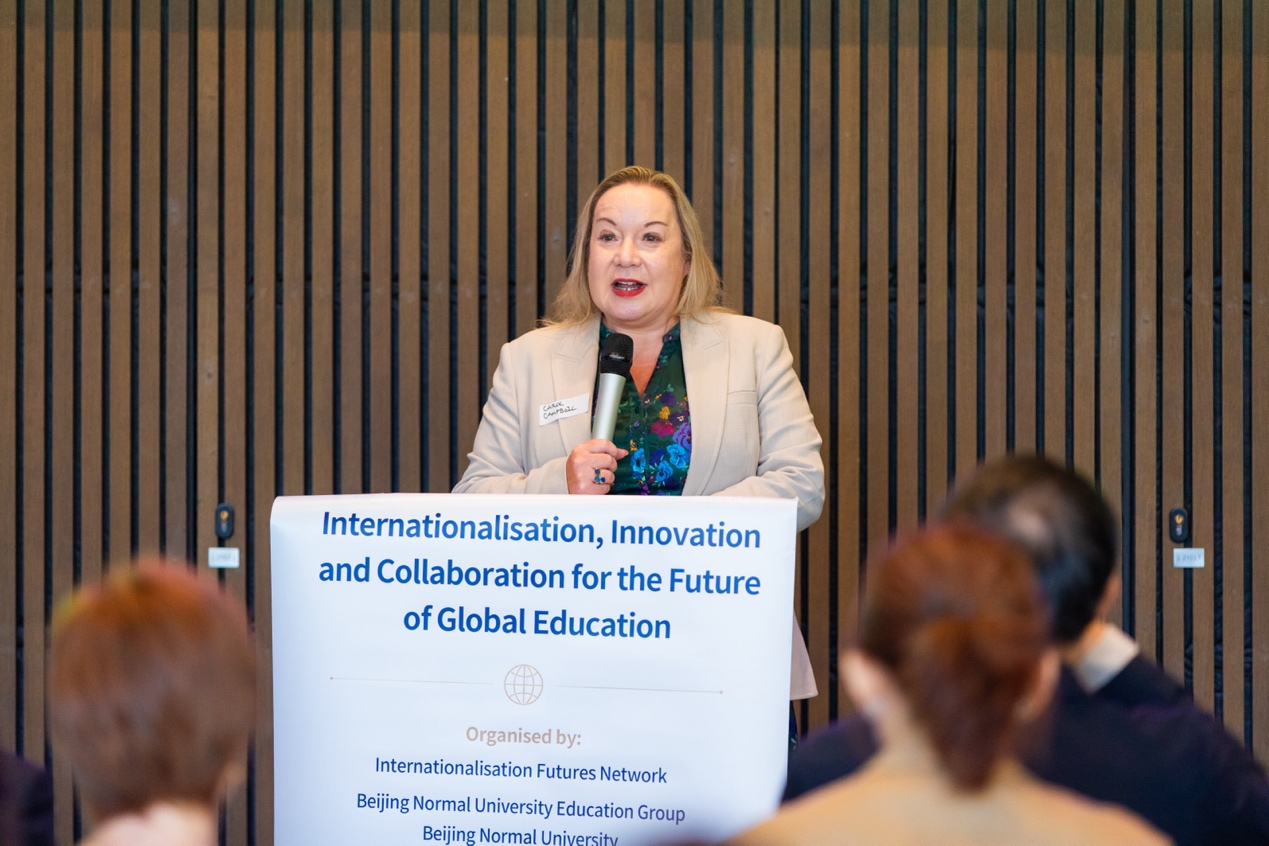
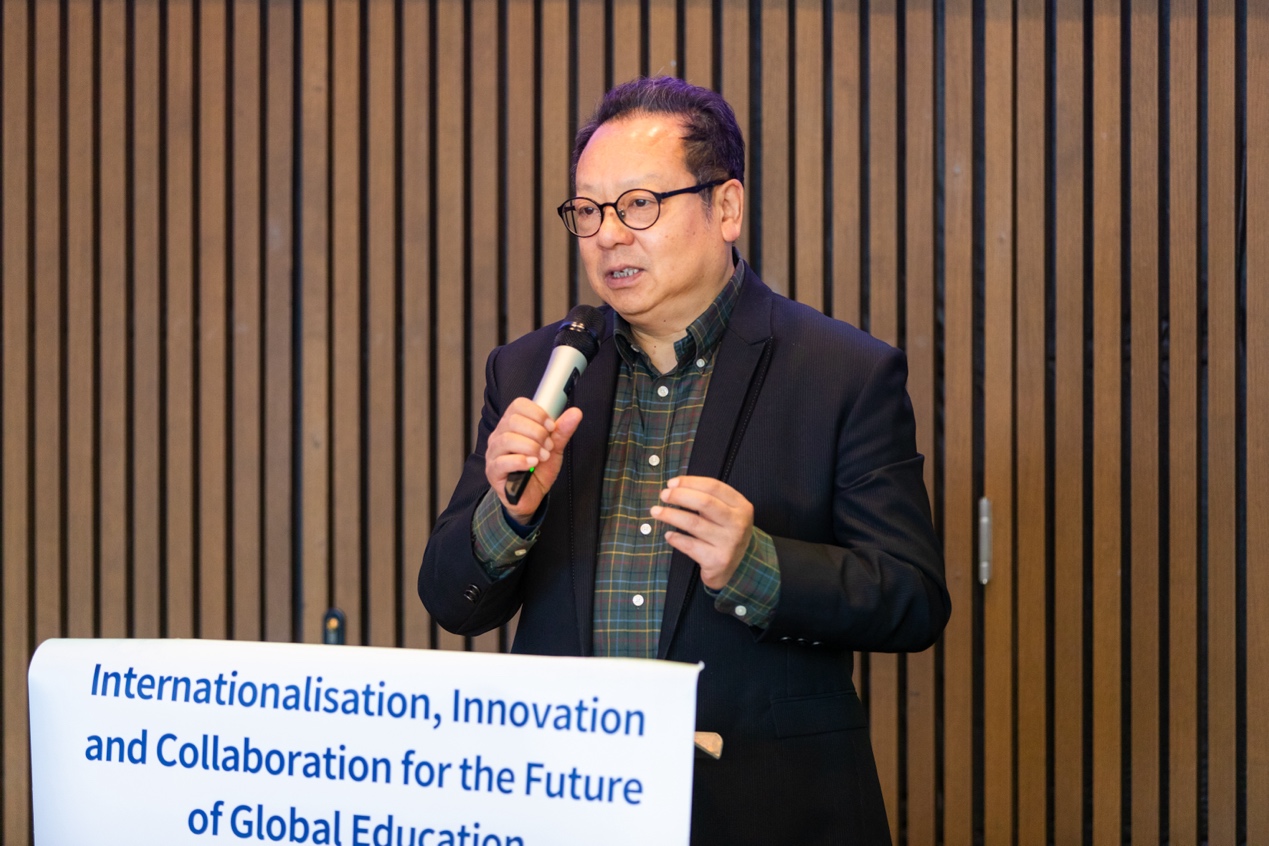
Opening remarks were delivered by Professor Sir Peter Mathieson, Principal and Vice-Chancellor of the University of Edinburgh; Professor Carol Campbell, Head of the Moray House School of Education and Sport; and Professor Zhifeng Hu, Dean of the School of Arts and Communication at Beijing Normal University and Changjiang Scholar Distinguished Professor of the Ministry of Education of China. Their contributions approached the central theme of the forum from complementary perspectives, addressing internationalisation, educational innovation, inclusion and sustained cross-cultural collaboration.
Professor Sir Peter Mathieson
Professor Sir Peter Mathieson reflected on the ideas of authorisation, innovation and the future, highlighting interdisciplinary collaboration and international exchange as important drivers of educational innovation. He noted the close alignment between the forum’s theme and the University of Edinburgh’s longstanding commitment to openness, collaboration across boundaries and future-oriented thinking, and warmly welcomed educators from around the world to engage in meaningful dialogue.
Professor Carol Campbell
Professor Carol Campbell focused on equity and inclusion in education, emphasising the importance of collaboration in responding to global change. Drawing on Moray House’s commitment to innovation, collaboration and social justice, she highlighted equality, diversity and inclusion as important foundations for education and research. She expressed the hope that cross-cultural and cross-institutional dialogue would enable educators from different backgrounds to share experience, learn from one another and consider more equitable, inclusive and sustainable educational futures.
Professor Zhifeng Hu
Professor Zhifeng Hu considered the deeper meaning of educational internationalisation from a global perspective. He argued that meaningful international exchange should not be understood as the one-way transfer of educational models, but as an equal dialogue grounded in local educational and cultural contexts. His remarks addressed the relationship between people and technology, the long-term innovative value of the humanities and arts, and the importance of bringing established local practices into international exchange.
Session 1: Educational Innovation and Future-Ready Talent Development
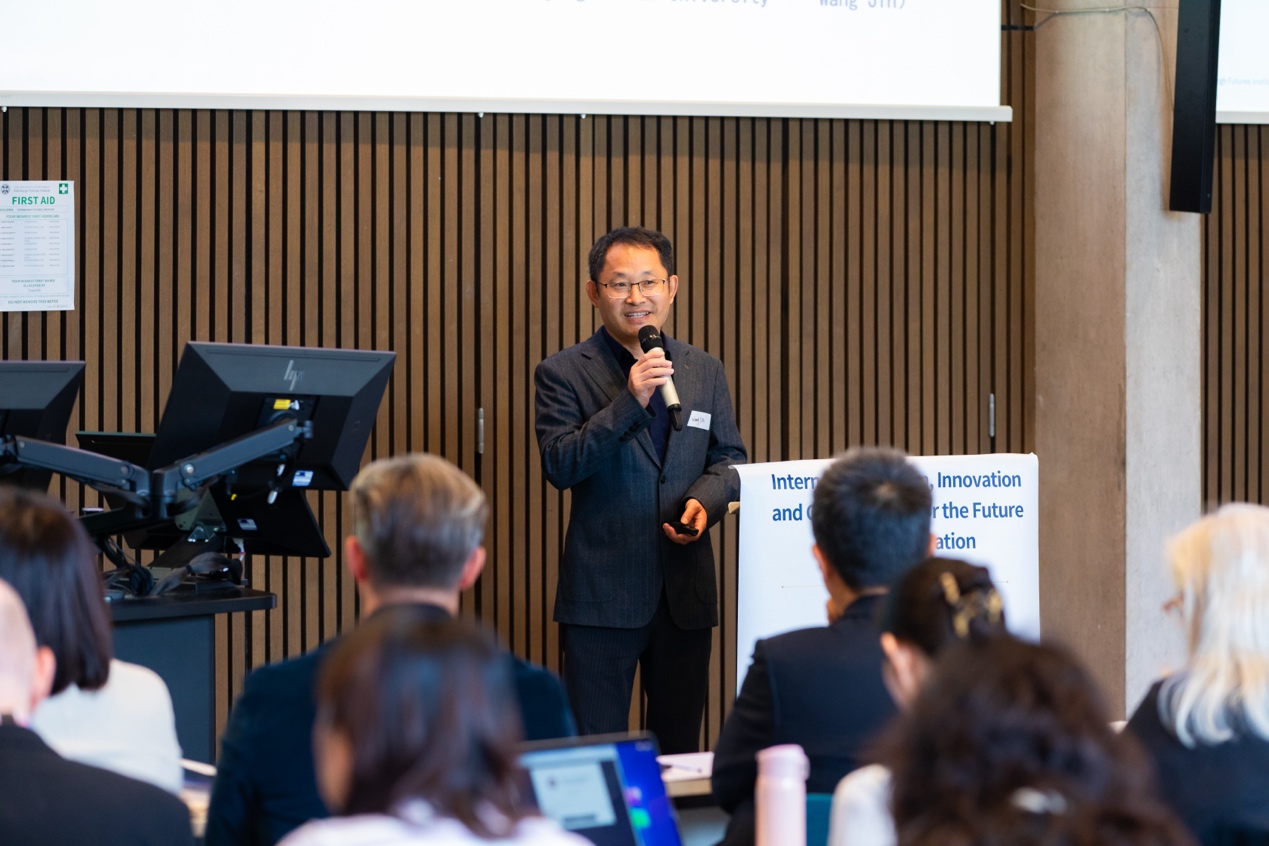
The first session focused on educational innovation and the development of future-ready talent, with three Beijing Normal University affiliated schools presenting examples of curriculum practice.
BNU Taizhou Experimental School
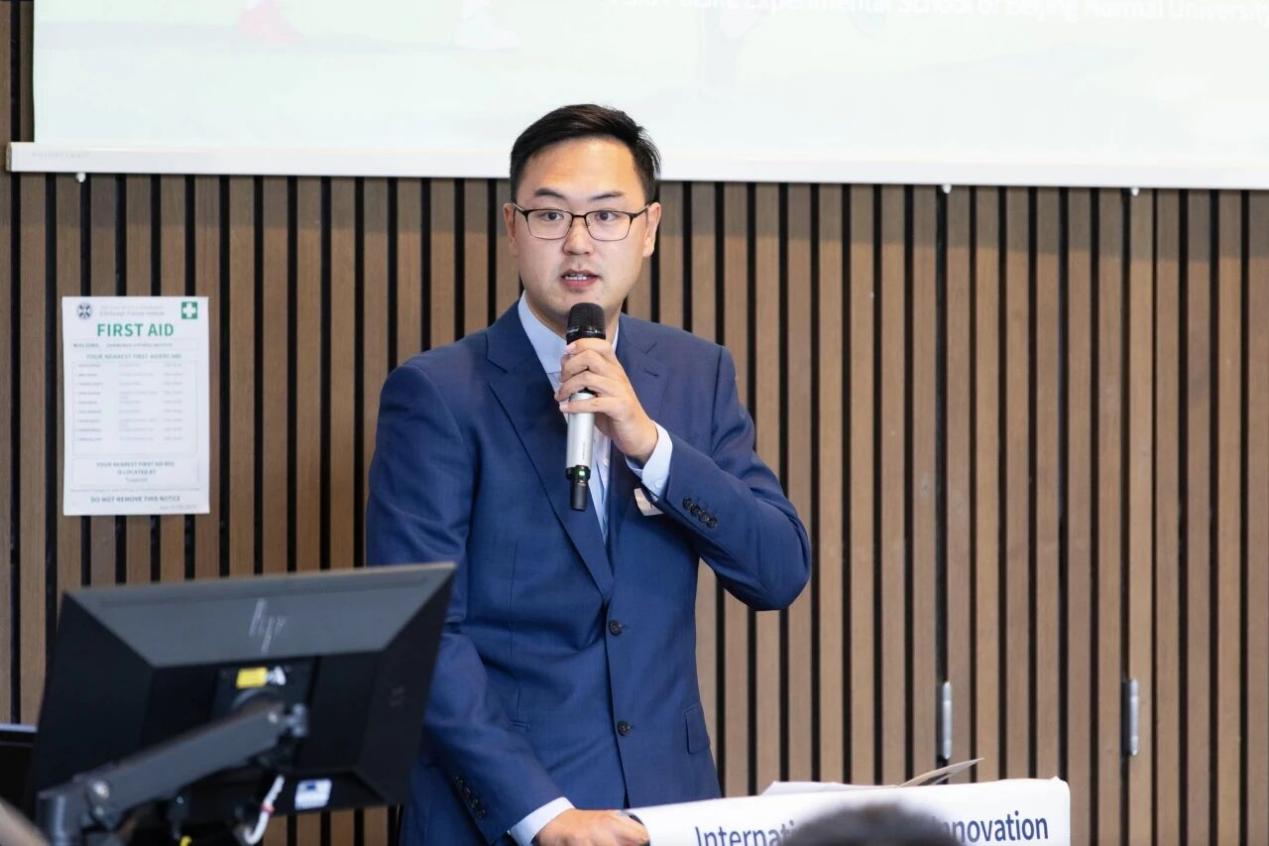
Jin Wang, Secretary of the CPC General Branch Committee of BNU Taizhou Experimental School, presented “MEET Curriculum: School Practice of Interdisciplinary Talent Development through Drama”. Centred on students’ holistic and personalised growth, the school has developed the MEET curriculum around four dimensions: perception, inquiry, practice and critical reflection. Drama serves as a vehicle for interdisciplinary integration across Chinese language, English, arts education and moral education, supporting an integrated model of learning, thinking, creating and performing. Over eight years, the school has staged more than 40 productions, including 11 original works, delivered over 25,000 hours of drama teaching and engaged more than 10,000 students. Looking ahead, the school plans to further develop its curriculum evaluation framework and deepen the integration of artificial intelligence and interdisciplinary drama education.
BNU Nanshan Affiliated School
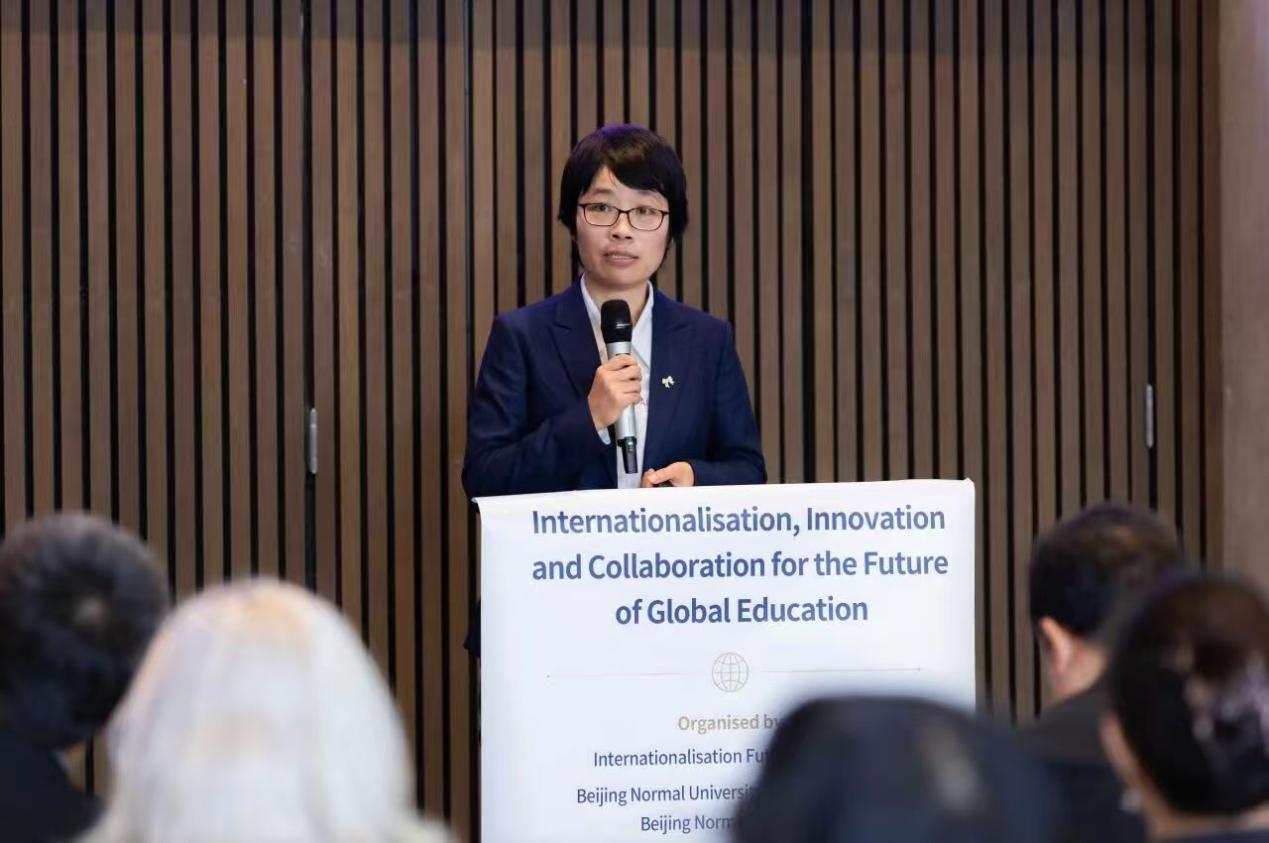
Ning Tian, Deputy Director of Academic Affairs at BNU Nanshan Affiliated School, presented “Rooted in Cultural Heritage, Cultivating Authentic Persons: A K–12 Approach”. The school’s twelve-year education model is built around continuity in curriculum, teaching research, student development and assessment. Different stages use approaches ranging from extended learning programmes, mathematical modelling and life-and-culture education in primary school, to interdisciplinary inquiry in junior secondary education and real-world problem solving, academy-based learning and subject competitions in senior secondary education. The school aims to continue refining an integrated model that supports both holistic and personalised student development.
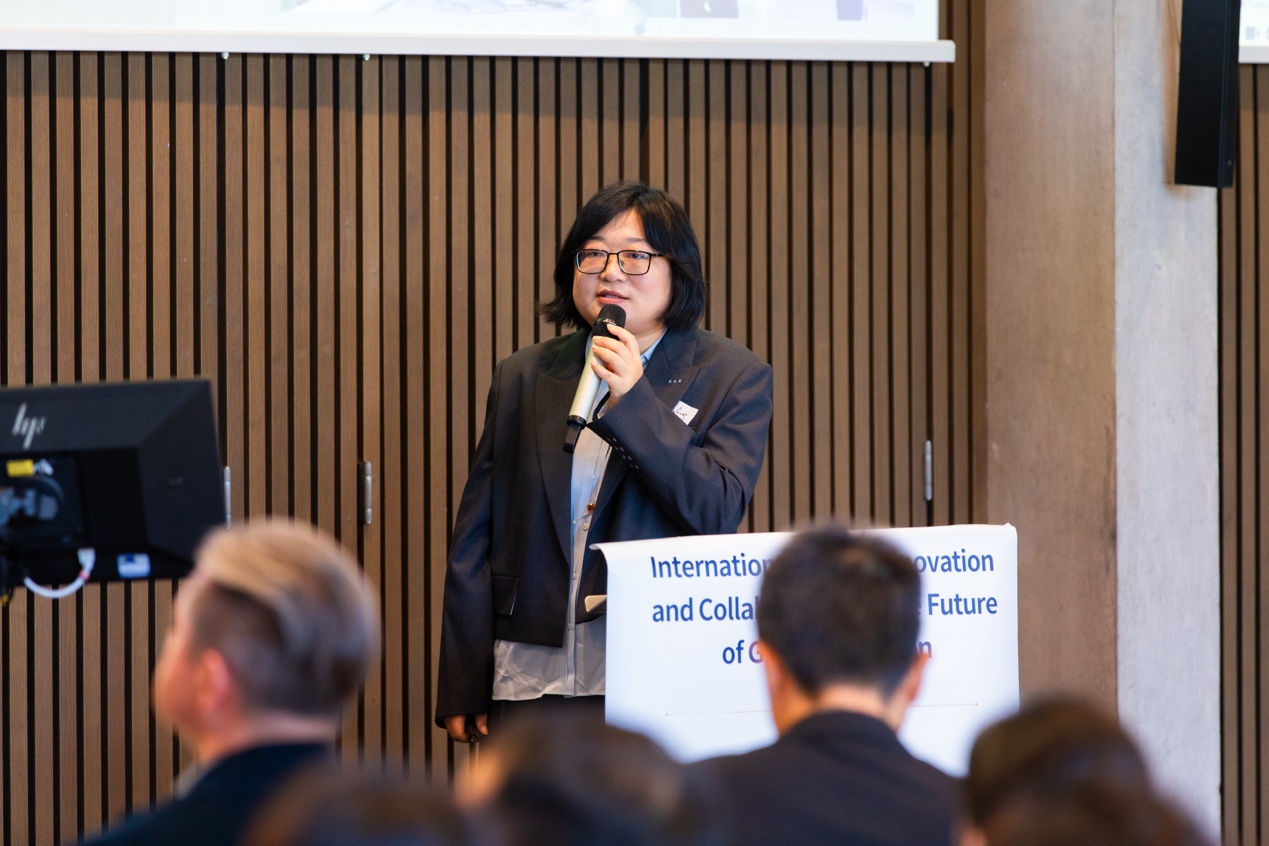
Ali Hong, Head of Teaching in the Senior High School Division of BNU Asia-Pacific Experimental School, presented “Innovative Curriculum Practice for Senior High Students Aimed at Cultivating Scientific Literacy”. Responding to increasingly diverse student needs, the school has established advanced laboratories in earth and environmental science, molecular biology and traditional Chinese medicine, alongside a three-level interdisciplinary curriculum of foundational, extended and applied learning. The presentation emphasised that science education should extend beyond competition results and certificates, enabling students to develop scientific thinking, innovation awareness and social responsibility through authentic inquiry.
Session 2: Creative Pedagogies for Broader Achievement
The second session explored creative pedagogies and broader student achievement through examples from drama, physical education and school-based interest programmes.
BNU Changping Affiliated School
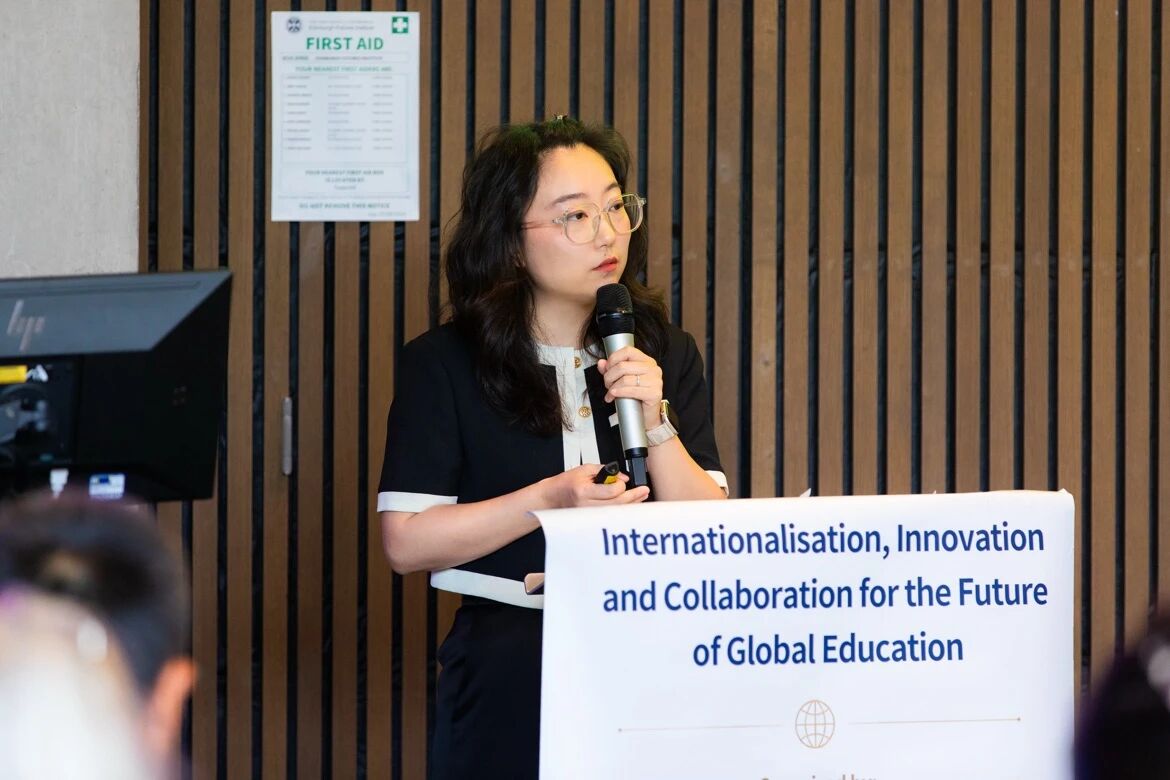
Yang Yang, Deputy Director of Teaching and Learning (Primary) and Drama Programme Lead at BNU Changping Affiliated School, presented “Exploring Educational Drama to Develop Students’ General Learning Capacities”. Drawing on ten years of sustained practice, the school has developed a model integrating reading, thinking and practical capacities. Educational drama supports the full learning process from input and cognitive processing to practical output. Over time, drama has developed from a single arts activity into a comprehensive educational approach spanning subjects and educational stages, supported by university experts, regular teacher development and regional drama education networks.
Yu Yan, Lead Practitioner in Physical Education at BNU Asia-Pacific Experimental School, shared work on emotional awareness and resilience through physical education games. The presentation positioned physical education not only as a context for fitness and engagement, but also as an important setting for emotional learning and character development. Through competition, collaboration and trial and error, students encounter a range of emotions; teachers can help them recognise, accept and regulate negative emotions, while process-based reflection can strengthen resilience, empathy and teamwork.
Wenzhi Wu, Lead Practitioner in Physical Education at BNU Asia-Pacific Experimental School, introduced more than two decades of work on interest-based education and distinctive school-based curricula. Since 2001, the school has developed six broad curriculum areas—arts and crafts, sport, arts and humanities, science and technology, practical skills and traditional culture—with more than 140 course groups and over 80 distinctive learning options. The school plans to further expand the international dimension of its curriculum and broaden students’ global perspectives.
Session 3: Interdisciplinary Learning and Cross-Cultural Collaboration
The third session focused on interdisciplinary learning and cross-cultural collaboration, presenting examples that connected local culture, mathematics and Chinese language education with wider international perspectives.
BNU Haikou Affiliated School
Bingrong Lu, Head Teacher of BNU Haikou Affiliated School, presented “Rooted in Local Aesthetic Education, Empowering Cross-Cultural Creativity: Cultivating Creative Talent through Hainan’s Regional Culture”. The school draws on Hainan’s tropical ecology, maritime culture and Li and Miao cultural traditions to create a locally distinctive arts curriculum. Primary pupils work with natural materials such as coconut shells, seashells and mangrove leaves, while junior secondary students engage with intangible cultural heritage including Li brocade, indigo dyeing, pottery and embroidery. Music lessons incorporate Hainan soundscapes, local instruments and comparisons with musical cultures from other countries. The presentation argued that cross-cultural creativity grows from a deep understanding of one’s own cultural roots.
BNU Asia-Pacific Experimental School: Mathematics
Xuli Liu, Lead Practitioner in Mathematics at BNU Asia-Pacific Experimental School, discussed competency-based mathematics education in the context of Beijing’s junior secondary academic proficiency examination reform. As assessment moves from knowledge recall and imitation towards core competencies, classroom learning increasingly asks students to observe the real world mathematically, analyse it through mathematical thinking and express it in mathematical language. The school incorporates real-life modelling, open inquiry, interdisciplinary tasks, student-led problem explanation and question design into classroom practice.
Ruijuan Li, Lead Practitioner at BNU Asia-Pacific Experimental School, presented classroom reform in primary mathematics. Drawing on fourteen years of teaching experience, she outlined work across four areas: redefining objectives, integrating curriculum, transforming classroom practice and iterating assessment. Authentic problems, such as designing improvements to a school car park, are used to move mathematical knowledge beyond textbooks and into real-life contexts, while process-and-outcome assessment supports ongoing observation and feedback on student development.
BNU Asia-Pacific Experimental School: Chinese Language and Interdisciplinary Learning
Xueli Ji, Lead Practitioner in Chinese Language and Literature at BNU Asia-Pacific Experimental School, explored the school-based implementation of the “interdisciplinary learning” strand in junior secondary Chinese language education. Drawing on China’s 2022 compulsory education curriculum reform and placing it in dialogue with interdisciplinary learning in Scotland, the presentation considered whether interdisciplinary requirements might dilute disciplinary depth. Examples including micro-theatre adaptations of Rickshaw Boy and visual responses to classical poetry demonstrated how well-designed interdisciplinary learning can strengthen close reading and subject understanding rather than weaken them.
Strengthening Connections Beyond the Forum
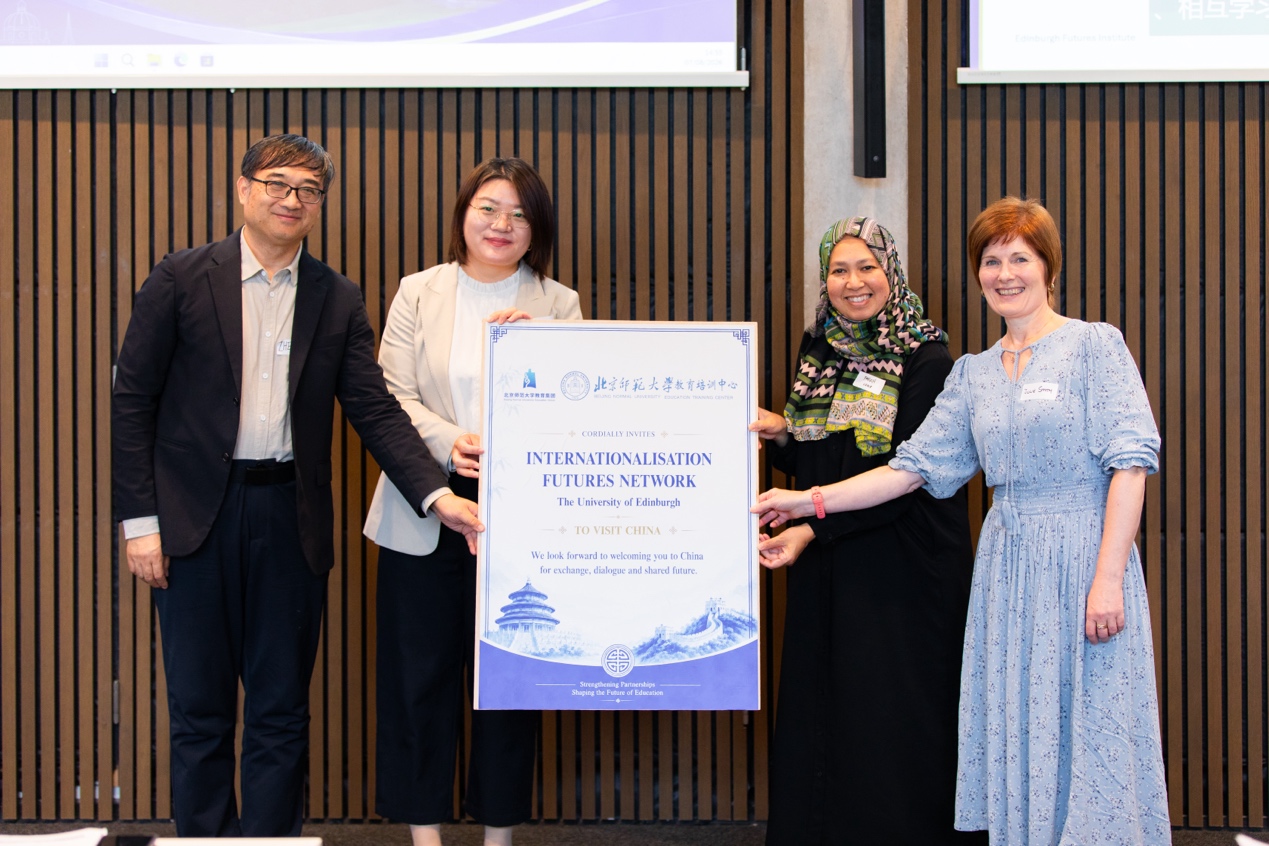
Towards the close of the forum, Zhongmei Xing, Deputy Director of the Beijing Normal University Education and Training Centre and Vice President of the Beijing Normal University Education Group, formally invited representatives from the Moray House School of Education and Sport and the Internationalisation Futures Network (IFN) to visit China and continue the dialogue in Beijing.
The invitation reflected a shared interest in building on the connections established through the Edinburgh forum and exploring further opportunities for collaboration in areas including international education research, teacher professional development, curriculum innovation, interdisciplinary learning and school-to-school exchange.
Participants discussed opportunities to extend the ideas and practices shared during the forum through future visits, academic dialogue, school partnerships and collaborative educational projects. These continued exchanges could provide a foundation for deeper and more sustained connections between the University of Edinburgh and its educational networks and the Beijing Normal University Education and Training Centre and Beijing Normal University Education Group.
Forum Conclusion
Across drama, science, arts education, mathematics and physical education, the forum highlighted a number of shared priorities: competency-oriented learning, interdisciplinary integration and personalised approaches to student development. The event brought frontline educational practice from China into direct dialogue with the Scottish education context and created opportunities for reciprocal learning and exchange.
The conclusion of the forum marked not an end to the conversation, but a starting point for further educational collaboration. Participants expressed a shared interest in continuing cross-cultural dialogue and educational research, exploring approaches that combine innovation with cultural continuity, and contributing to a more equitable, diverse and sustainable future for global education.
Roundtable One: From Curriculum Innovation to Sustainable Educational Practice
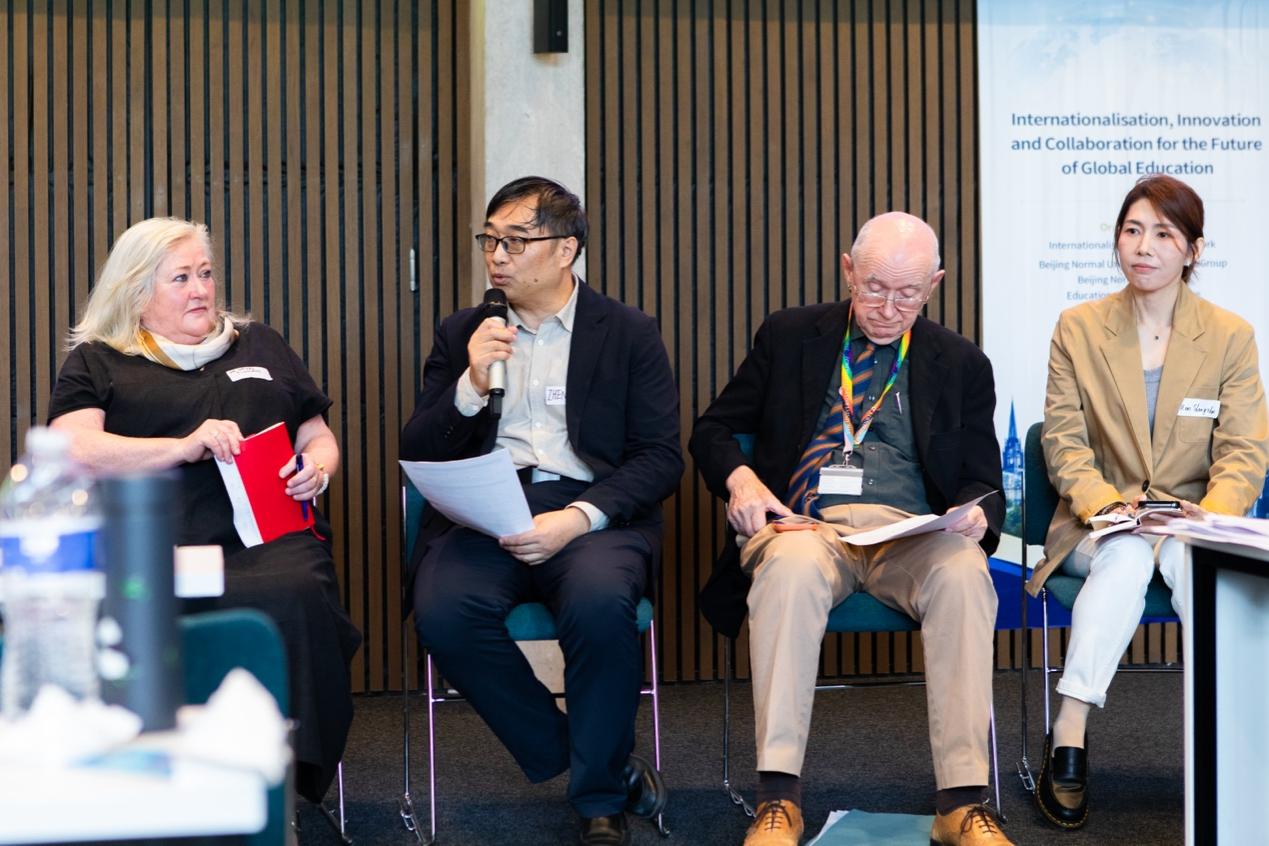
The first roundtable focused on how innovative curriculum models can move beyond theoretical and experimental exploration to become sustainable approaches operating across schools and universities. Experts from the University of Edinburgh, Beijing Normal University (BNU), and the wider school education sector discussed how universities and schools can work together in curriculum development and how barriers between academic research and educational practice can be bridged.
Dr Wendy Timmons, Senior Lecturer in Dance Science and Education at the University of Edinburgh, drew on the University’s experience in developing dance education to illustrate how partnerships with professional organisations, schools and community groups can connect academic learning with professional practice and students’ future development. Since the establishment of the University’s dance-related degree programme in 2009, partnerships with professional organisations, schools and community projects, alongside opportunities for practice-based learning, have provided important foundations for the programme’s continued development.
The discussion also highlighted BNU’s experience of deeper curriculum collaboration between universities and schools. Participants suggested that partnerships between UK universities and primary and secondary schools could similarly move beyond one-off visits and individual projects towards long-term relationships based on the co-design and co-development of curricula.
Professor Zhen Wei, Vice Dean of the School of Arts and Communication at Beijing Normal University; Professor Ren Shengshu; and Dr Derek Williams from Edinburgh College of Art contributed perspectives from arts education, higher education and interdisciplinary practice.
A key consensus emerging from the discussion was that meaningful educational innovation cannot be sustained through individual courses or short-term projects alone. Instead, it requires stable, long-term partnerships between schools, universities and external professional organisations. Such collaboration should begin at the project design stage, enabling partners to reflect together, address real-world challenges and bring their respective expertise directly into curriculum and teaching practice, while also supporting teachers’ professional development and wider knowledge exchange.
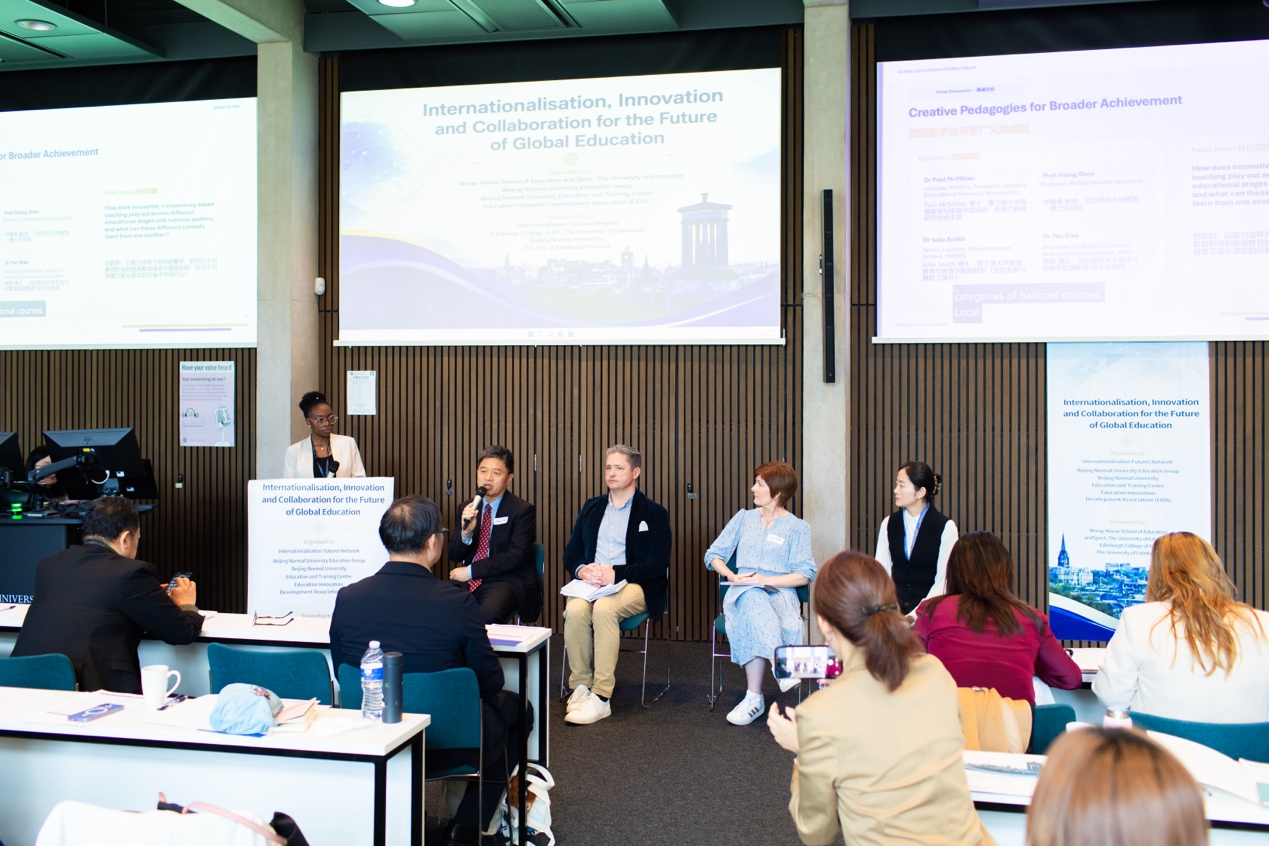
Roundtable Two: Creative Pedagogies and Broader Understandings of Achievement
The second roundtable explored how innovative, competency-based approaches to teaching can be implemented across different stages of education and within different national education systems.
The discussion brought together Dr Paul McMillan, Lecturer at the University of Edinburgh’s Moray House School of Education and Sport and President of the Scottish Educational Research Association; Professor Shen Jiliang of Beijing Normal University; Dr Julie Smith, Vice Dean of Moray House School of Education and Sport; and Associate Professor Xiao Yan from BNU’s School of Arts and Communication. Together, they exchanged Chinese and British perspectives and practices relating to the development of creativity and innovation in education.
Participants discussed several ways in which China’s basic education curriculum is responding to the challenges and opportunities presented by artificial intelligence. These included strengthening connections between schools and their communities, developing more integrated curricula that break down conventional disciplinary boundaries, and diversifying the forms and resources through which teaching and learning take place.
The discussion also considered Scotland’s experience of educational reform, highlighting the importance of sustained interaction among different stakeholders. Educational leaders, researchers and teacher educators regularly come together through professional events and annual conferences to share ideas, debate emerging issues, develop new approaches and build collaboration.
Participants emphasised that forums of this kind provide an important opportunity to share educational innovation internationally, understand how innovation takes different forms in different contexts, and learn from one another. Innovation is a dynamic process: ideas may travel between countries and schools, but meaningful change takes time to become embedded. Effective innovation therefore requires adaptation to local contexts rather than the simple transfer or “transplantation” of a model from one education system to another.
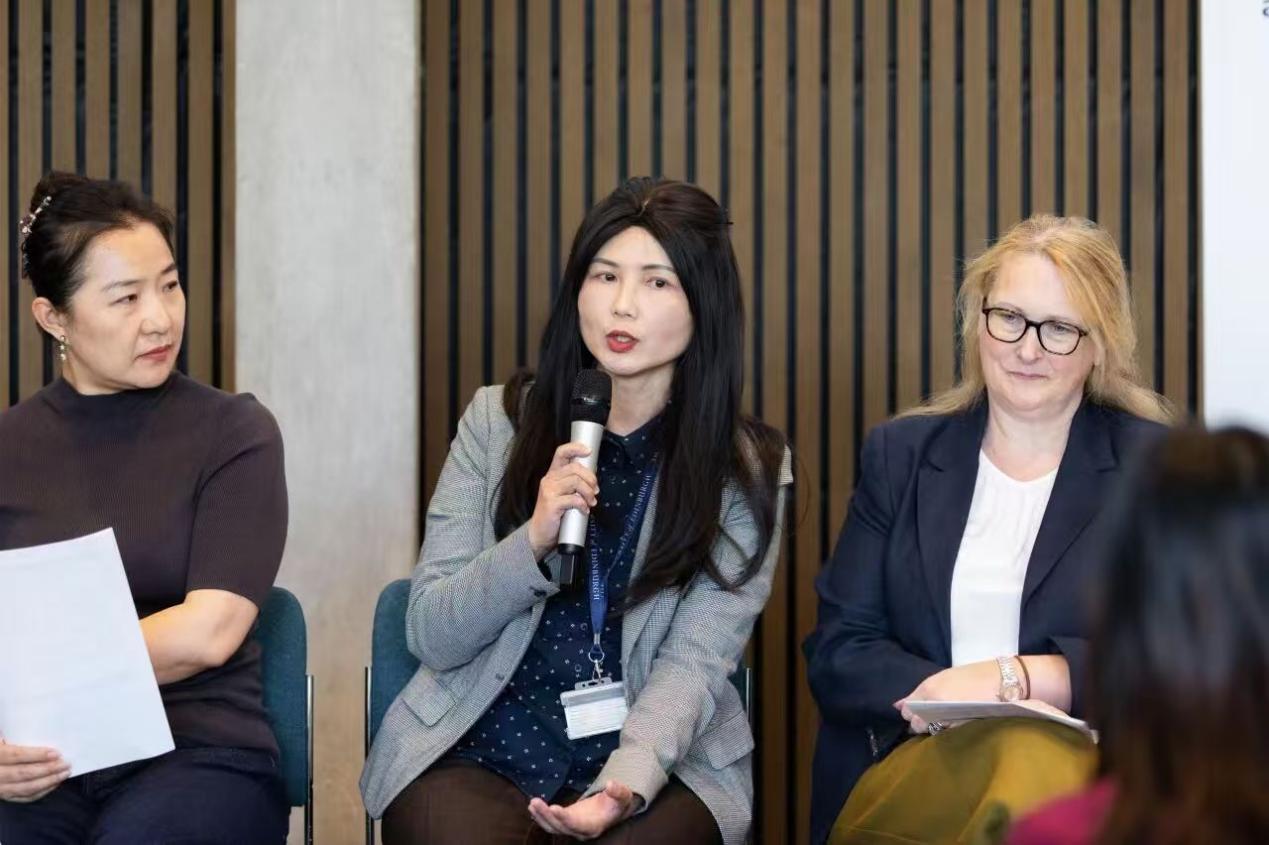
Roundtable Three: Interdisciplinary Learning and Cross-Cultural Collaboration
The third roundtable examined how collaboration between universities and schools, as well as between Chinese and British educational institutions, can move beyond individual projects to support sustained interdisciplinary learning.
The discussion brought together Dr Hui-Chuan (Jane) Li, Lecturer in Mathematics Education at the University of Edinburgh’s Moray House School of Education and Sport and Fellow of the Institute of Mathematics and its Applications; Sonia Edwards, Deputy Head (Academic) at St George’s School; and Professor Jie Wang from the School of Arts and Communication at Beijing Normal University.
Participants emphasised that meaningful exchange requires the development of shared values and common goals, while also creating opportunities for students to engage with different cultures and broaden their perspectives.
A key point emerging from the discussion was that an international outlook should not simply be treated as an additional component attached to the curriculum. Rather, it should form part of the curriculum’s core purpose. International education encompasses not only cultural understanding, but also academic capabilities and transferable skills, particularly communication, collaboration and the ability to engage confidently across different cultural and educational contexts.
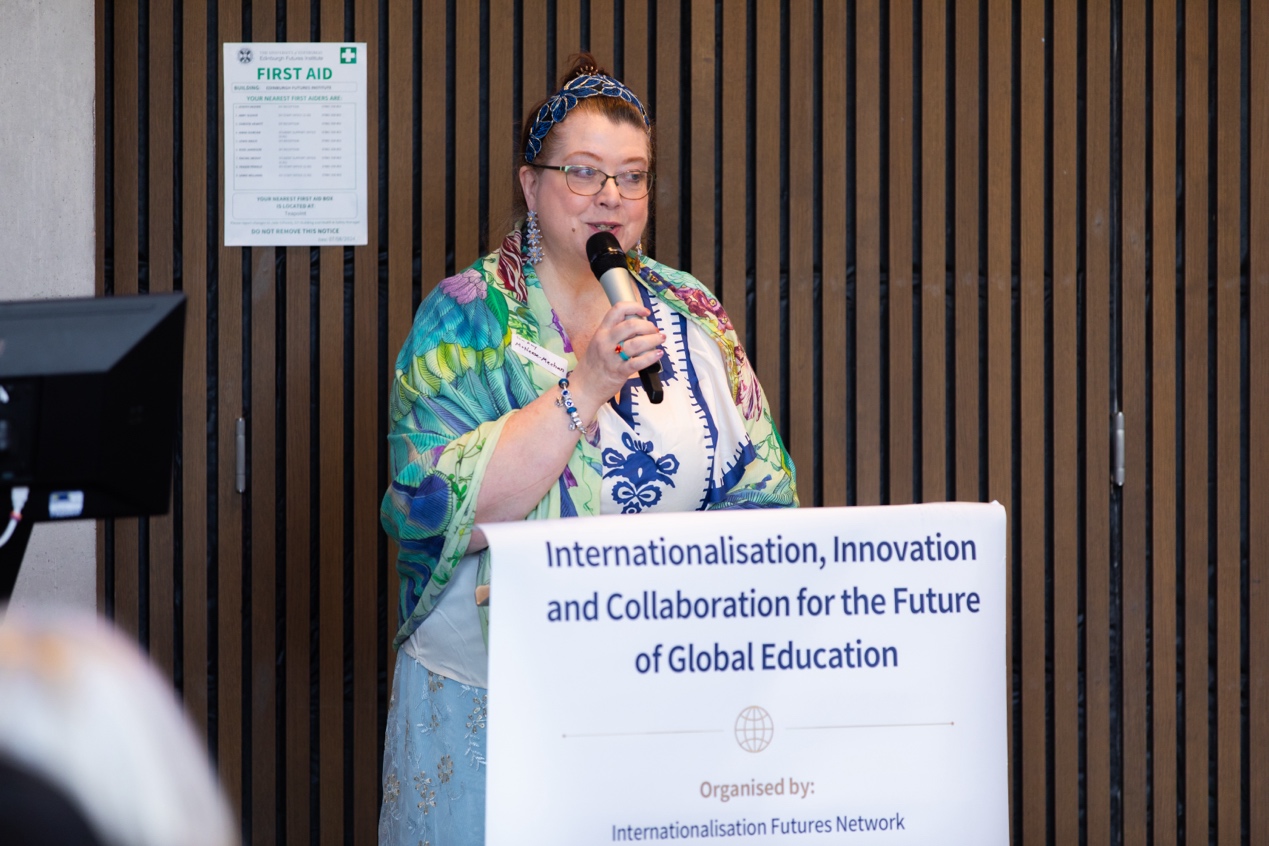
Councillor Amy McNeese-Mechan: From the City’s History to International Educational Exchange
Opening the forum, Councillor Amy McNeese-Mechan warmly welcomed guests from the Chinese and British education communities.
She noted that August is one of Edinburgh’s busiest and most international months of the year. With close involvement in the city’s cultural, arts and science festival organisations, her schedule during the festival season is particularly demanding. Nevertheless, she stressed the importance of the forum’s focus on internationalisation, innovation and global collaboration in education, and expressed her pleasure at joining educators from China and the UK for the occasion.
Councillor McNeese-Mechan also reflected on the particular significance for her of the forum being held at the University of Edinburgh. As an alumna of the University, where she completed postgraduate study and a PhD in Social Anthropology, she recalled her own experience of studying and living in Scotland and her longstanding interest in Scottish culture, history and questions of identity.
Drawing on this background, she highlighted the close relationship between history, culture and education, noting that the ways in which a city and a society understand their own histories also shape how they understand the contemporary world and engage with people from different cultural backgrounds.
Turning to international exchange, she described Edinburgh as a city with a strong international outlook and a long tradition of building connections around the world through education, culture and city-to-city engagement. She also highlighted Edinburgh’s longstanding links with Chinese cities, including Xi’an and Shenzhen, which continue to create opportunities for deeper educational, cultural and youth exchange.
She concluded by encouraging participants not only to engage fully with the forum, but also to experience Edinburgh’s culture, history and international atmosphere during its most vibrant month of the year. She expressed the hope that the gathering would provide a new starting point for sustained and deeper educational and cultural collaboration between China and the UK.
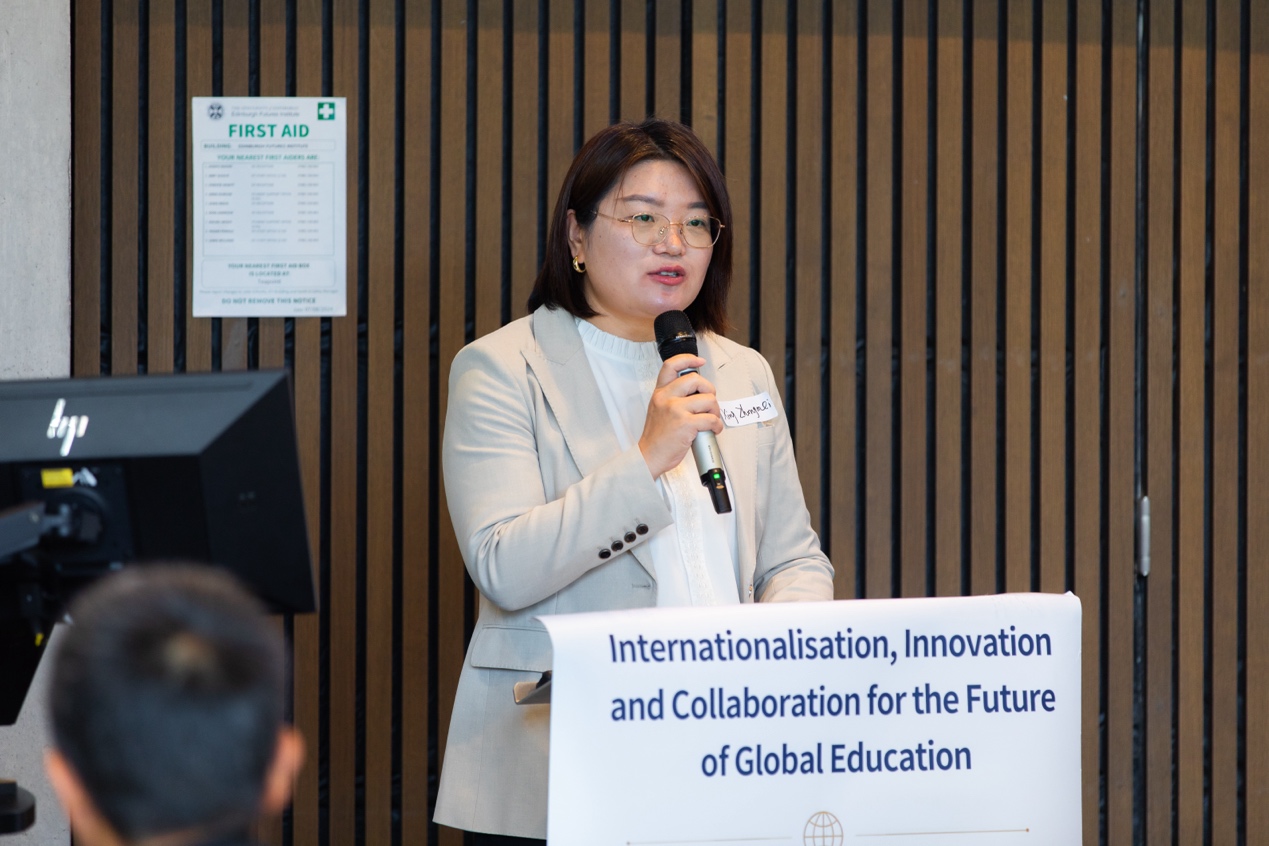
Xing Zhongmei: Building Sustainable China–UK Partnerships in Education
Xing Zhongmei, Deputy Director of the Education and Training Centre of Beijing Normal University and Vice President of the Beijing Normal University Education Group, noted that the forum had created a valuable platform for dialogue under the themes of “internationalisation, innovation and collaboration”, connecting university research, classroom practice in primary and secondary education, and wider approaches to educational development.
Drawing on BNU Education Group’s experience in connecting university and school education, promoting innovation in basic education and developing international educational exchange, she emphasised the need to build sustainable models of collaboration across different stages of education, promote students’ holistic development through diverse approaches to teaching and learning, and advance the sharing and co-creation of educational resources between China and the UK through long-term, equal and reciprocal cross-cultural partnerships.
She particularly stressed that future China–UK educational collaboration should move beyond short-term visits and one-off projects towards sustainable mechanisms including reciprocal professional development, joint research, curriculum co-development and collaborative programmes for young people.
Building on the forum, the BNU Education and Training Centre and BNU Education Group proposed further collaboration with the University of Edinburgh and local schools, including the development of joint communities of educational research and practice, the sharing of high-quality curricula and teaching approaches, and continued China–UK youth exchange through BNU’s network of affiliated schools.
She concluded that the forum should be seen not simply as an exchange of ideas, but as a new starting point for long-term collaboration between BNU and Edinburgh’s universities, schools and wider education community.