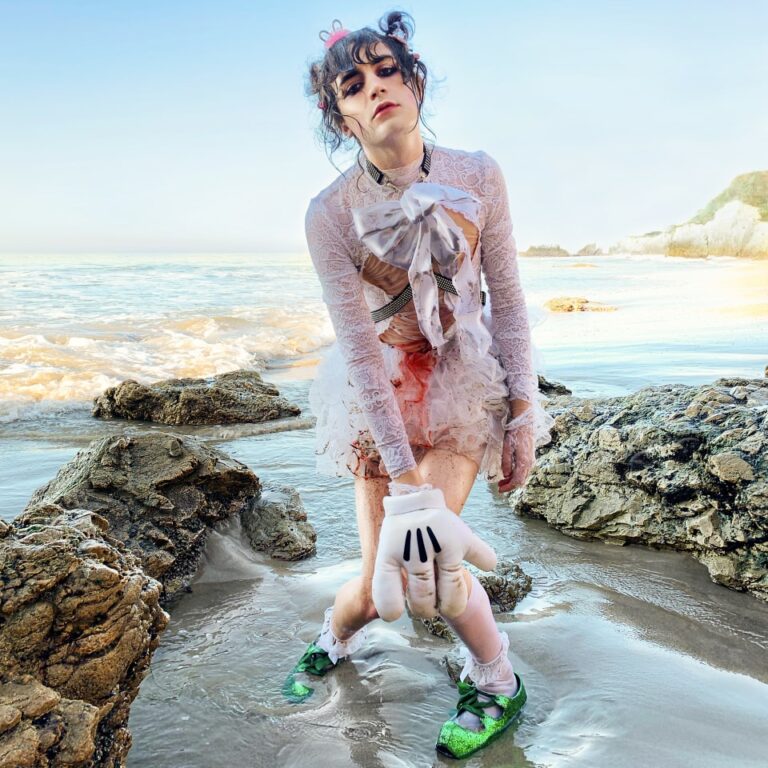
South African artist Dasychira has shared a mesmerizing video for their Malibu-featuring single ‘Swirl’, taken from 2019’s xDream. Watch the Guille Santos-directed visual below.
“The video for Swirl came together when I arrived in LA after a month-long Asia tour with only hours to recover in New York,” Dasychira explained for The FADER. “Reality was virtually impossible to grasp, and before I knew it I was on my way to another world. I felt completely spellbound… We shot scenes in Pasadena, Downtown LA, Gui’s Vine St. apartment and El Matador Beach in Malibu. It was a blessing to work with a crew who imbued this spirit of magic and optimism, and shooting the video was like an opportunity to repaint childhood the way I had wanted.”
They added: “By the end of the shoot it felt like this cathartic rebirth of who I was, after falling “dead” in the scene under the giant rock at El Matador we wrapped, but then I revived and walked in green heels into the ocean and sunlight. We continued shooting and Gui kept directing me to “follow the light,” and in that moment it felt like I had uncovered a world of limitless possibility, emanating from my internal conscience.”
Check out our Artist Spotlight interview with Dasychira here.
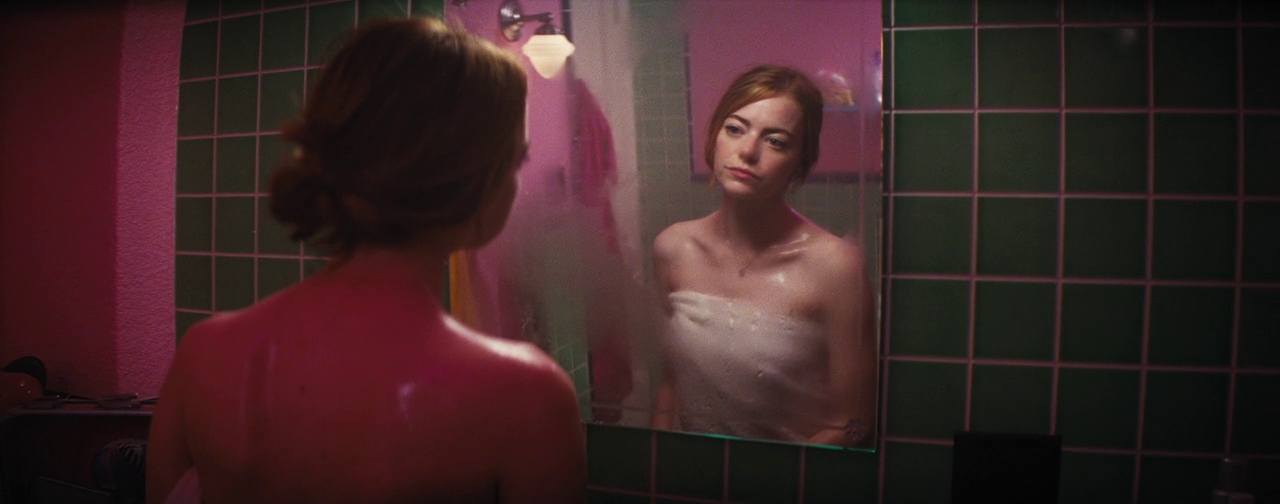
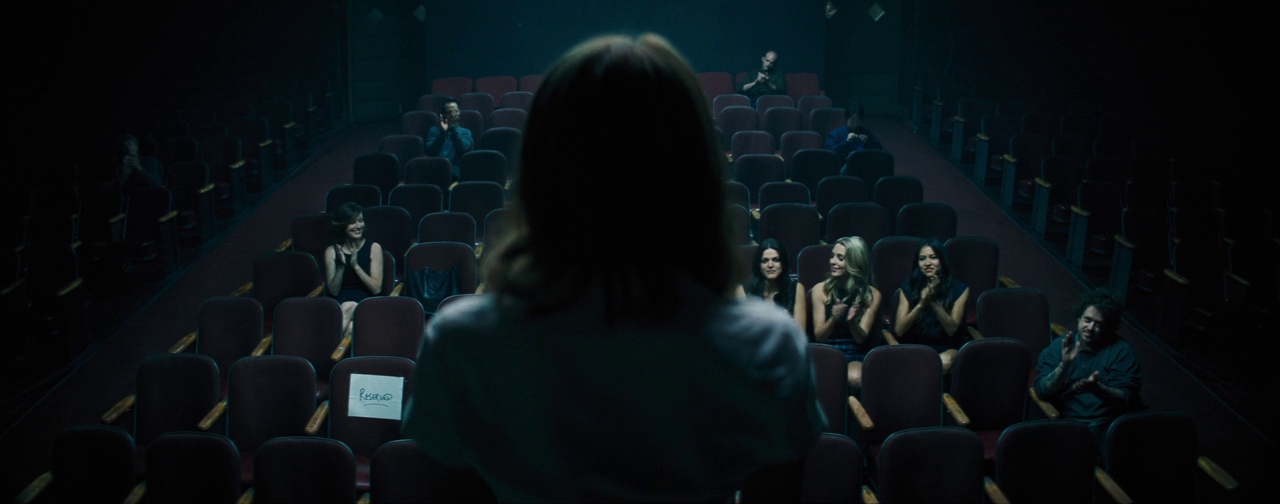
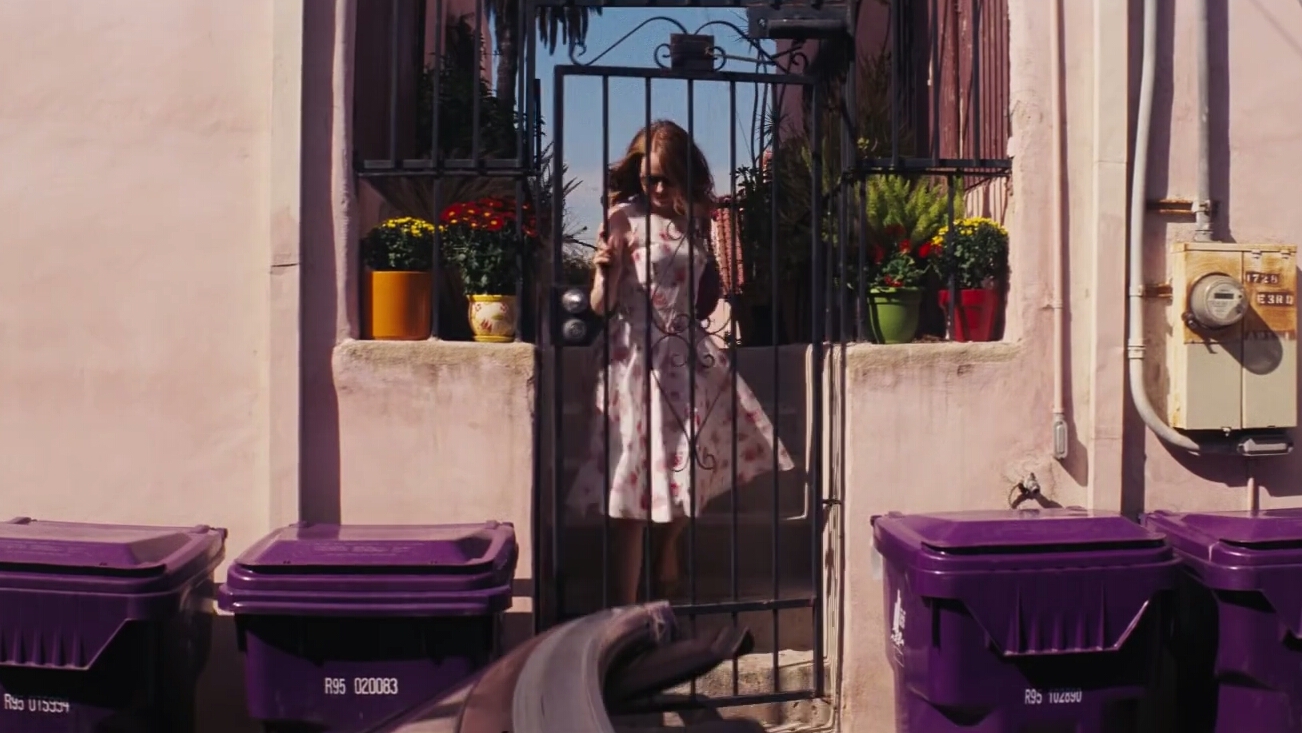
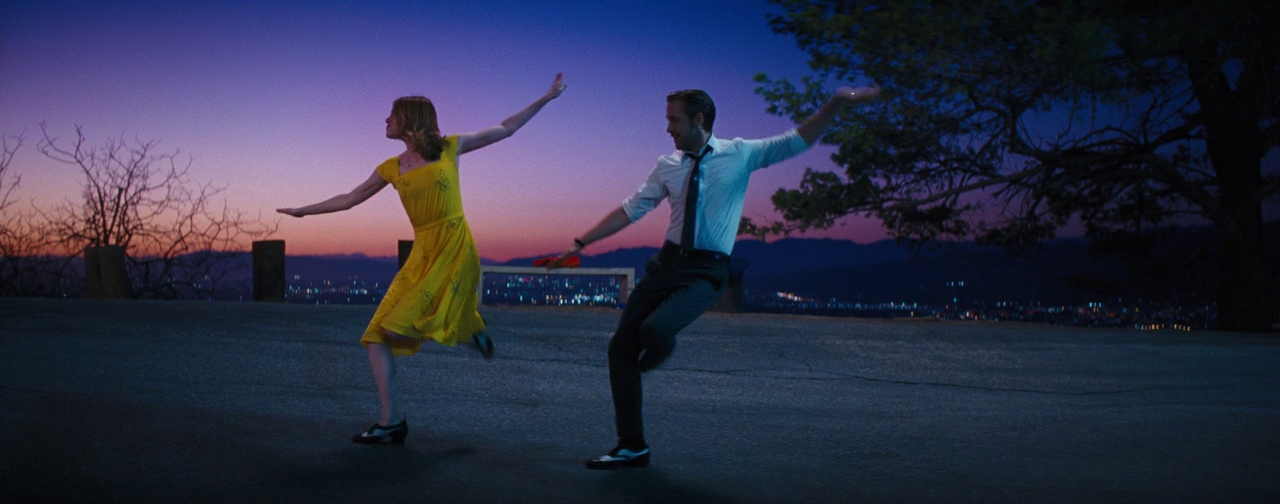
The winner of four Academy Awards, La La Land is a musical romance set in Los Angeles, where an aspiring actress (Emma Stone) and a jazz pianist (Ryan Gosling) meet and fall in love. However, their ambitions and budding careers threaten to tear them apart.
The film takes advantage of its setting, making excellent use of lighting and contrast to paint the city of dreams in even brighter colours. The result is a film so visually pleasing that it makes the perfect setting for heartbreak. Here are twelve incredible stills from La La Land.
The current crisis has had a devastating impact on performing arts across the world. However, though theatres remain closed, devoid of performers, audiences, glitz and glamour, that shouldn’t stop us from enjoying the best of theatre, dance and opera. And now, more than ever, it feels important to support the arts in any way possible – if only, to remind all the currently lockdown-bound artists, musicians, dancers and technical crews how much we miss their presence. While these online streaming shows can never accurately capture the true experience of theatre, they do have some advantages – you’re always guaranteed the best seat in the house and it’s often free!
From live-streams of new plays to classics from the archives, this list will (almost certainly) ensure the show goes on…
Hamilton
Lin-Manuel Miranda’s exceptional, Pulitzer prize-winning and Tony Awards record-setting musical was captured over three nights by six cameras in New York back in 2016. Featuring the original cast (including Miranda in the titular role), this live recording depicts all 160 minutes of the breath-taking Broadway sensation. Originally scheduled for a 2021 cinema release, in light of the impact of the pandemic on the film industry and the performing arts, the film has been fast-tracked on to the Disney+ streaming service, which Miranda said: “felt like the right move after receiving messages every day from folks who had tickets to Hamilton and can’t go because of the pandemic.”
Director Thomas Kail, who also staged the musical captures the spectacle of the show, whilst also offering the one thing that audience’s don’t get at the theatre: an intimacy that allows the spectator to really see the performer’s emotions, sweat and, in the case of Jonathan Groff’s frothing King George III, spit.
Whilst nothing can replicate the magic of being in Richard Rodgers Theatre Where It Happens, as Miranda says this film really does give “everyone the best seat in the house” for one of the most sought-after shows ever.
Hamilton is available to stream on Disney+ from 3 July.
National Theatre at Home: The Deep Blue Sea and Amadeus
Thanks to their extremely successful NT Live programme, The National Theatre was in a fortunate position of having a plethora of recorded shows ready to go as soon as lockdown commenced. Established in 2009, the project involved bringing the best of British theatre to cinema screens and arts institutions in the UK and globally. And now, as a unique concession during quarantine, a number of productions have been made available by The National Theatre to stream for free on YouTube for a week.
The next instalment – The Deep Blue Sea – brings Terence Rattigan’s turbulent portrait of post-war Britain to life. Staged by Carrie Cracknell, this play takes place over one day and tells the tale of Hester Collyer (played by Helen McCrory) who, after a failed suicide attempt, falls into an impassioned affair with a former RAF pilot and consequently faces the breakdown of her marriage to a high court judge. The Deep Blue Sea is available on YouTube from 9-16th July. It’s followed by Peter Shaffer’s Amadeus, which after a sell-out run in 2016-17, returned to the Olivier Theatre in 2018 and relates how court composer Antonio Salieri (Lucian Msamati), overcome by irrational jealousy, must decide whether to promote Wolfgang Amadeus Mozart’s talent or destroy it. Directed by Michael Longhurst and accompanied by the Southbank Sinfonia, this play will be available on YouTube from 16th-23rd July.
Tragically one of the many productions curtailed by the pandemic was Matthew Bourne’s tour of The Red Shoes. His highly commended version of the Powell and Pressburger film was unable to complete its UK tour and subsequently didn’t receive the send-off it rightfully deserved. Although a screening of the production has (thankfully) been rescheduled for September 2020, in the meantime Bourne’s company New Adventures still wanted the ensemble to be able “to say one final farewell, with a flourish”. Subsequently, the company has released a special 12-minute film version online that had been created by the cast of the show during lockdown.
In this charming short, the cast film themselves amongst children’s toys, in living rooms, in gardens and kitchens. Devoid of Lez Brotherston’s exceptional costume design, the company are garbed in football kits, everyday clothes, and wonderful handmade costumes. Whilst the stage, the costuming and overall spectacle isn’t quite the same, the dancer’s unbelievable talent continues to shine, perfectly capturing the skill and enchantment of the original production, despite the lockdown restrictions.
Bourne said that although the film “came out of a sad loss”, it was important to the company “that we celebrated and created a lasting piece that would exist in its own right, out of lockdown”. He added: “We really wanted to capture all of the passion, talent, humour and personalities that make New Adventures so unique.”
In January 2019 it was announced that the original production of Les Misérables would close in July 2019 due to refurbishments on the Sondheim Theatre and move to the adjacent Gielgud Theatre. However, to everyone’s surprise, it was then revealed that the production would take the form of an all-star staged concert that would run for 16 weeks. Starring an array of musical theatre legends (Alfie Boe, Michael Ball, Matt Lucas and Carrie Hope Fletcher to name a few), the staged concert had an incredible run, receiving ecstatic responses from critics and audiences alike. Now a recording of the production is available to download and stream online.
Directed for the screen by Nick Morris, the recording captures the thrills and power of the barricade, whilst also reflecting the more poignant, intimate moments such as Shane Ako’s rendition of ‘On My Own’.
For every digital download purchased (£9.99) The Mackintosh Foundation have announced that they will separately donate £5.00 to be shared amongst the charities: Acting for Others, the Musicians’ Union Coronavirus Hardship Fund and Captain Tom Moore’s Walk for the NHS fund. Producer Cameron Mackintosh said: ‘we hope that fans and everyone who loves the theatre will be reminded of how special a theatrical experience can be, going to the very heart of our British culture’.
The concert is £9.99 to download and is available from Monday 20 April. Click here to download.
Birdsong Online
Following a tour seen by over 250,000 people in over 75 theatres across the UK and Ireland, it has been announced that there will be a fully cast, abridged virtual production of Rachel Wagstaff’s highly acclaimed adaptation of Sebastian Faulks’ best-selling novel Birdsong. Produced during lockdown and told using video technology, live performance, sound design and music, this production is certainly an ambitious portrayal of one of the most profound love stories in modern literature. Whilst the cast will be dressed in full costume, the scenes will be digitally designed and accompanied by narration from Faulks, who will also provide a special reading of his novel during the interval.
Discussing the virtual production, Faulks said: “This is a great initiative from The Original Theatre Company and technically very ambitious. The adaptation of the novel to play continues to evolve and I’m confident it has reached its best incarnation yet. Some of the best actors in its long life have signed up. Should be enormous fun.”
Set in pre-war France, Birdsong tells a captivating story of a young Englishman, Stephen Wraysford (Tom Kay), who becomes consumed by a tempestuous affair with Isabelle Azaire (Madeline Knight). As the war commences, Stephen must lead his men through the carnage of the Battle of the Somme and face the perils of the war, whilst clinging onto the memory of Isabelle and the idylls of his former life. The virtual production is in association with The Royal British Legion, who have for the past 100 years, aided all those who have served or are serving, in the British Armed forces and their families.
Rachel Wagstaff said, “I am thrilled to see our show taking life in this new online format. I have really enjoyed re-working it with Sebastian Faulks’s ongoing support and participation and in these challenging times, the story seems to mean more than ever.”
The show will be released online here at 7pm on 16th July and will then be available for a further 72 hours.
Lord Chamberlain’s Men: The Tempest and A Midsummers Night’s Dream
Celebrated for their open-air Shakespeare productions that tour across the UK, the all-male theatre company has unfortunately postponed its production of Macbeth until next year. However, they have instead shared two past productions online: The Tempest (staged in 2018), and A Midsummers Night’s Dream, presented last year to celebrate the company’s 15th birthday and an incredible 425 years since The Lord Chamberlain’s Men were originally created.
They encourage audiences at home to replicate the spirit of the productions – “We invite you to watch our shows in style, whether it is on a picnic blanket in your living room or under the stars wrapped up warm” and encourage spectators to share your experiences on social media using the hashtag #TLCMWatchParty.
Whilst the productions are free to watch online, they ask that if you can donate when watching the production that will ensure they are able to sustain the company through this year and guarantee they are available to deliver their rescheduled production of Macbeth in 2021. In order for them to do so, they have set up a gofundme campaign.
Artistic Director Peter Stickney said: “We know that, however good the online experience might be, it will never replicate gathering together to collectively share the experience of a live production. But we hope that in the meantime our online offerings help to lighten things a little during these times”
Both Productions of The Tempest and A Midsummer Night’s Dream are free to stream here.
Sir Patrick Stewart’s Daily Sonnets
On March 21, beloved British actor Patrick Stewart shared a reading of William Shakespeare’s “Sonnet 116” on Instagram. The 14-line verse, one of 154 composed by the English poet and playwright, offers a profound contemplation on matters of the heart, stating “Love is not love / Which alters when it alteration finds, / Or bends with the remover to remove.”
Fans practising social distancing welcomed the recital by the classically trained actor with great enthusiasm, receiving 457,000 views and 3,800 comments within 48 hours. Stewart—recognised for performing with the Royal Shakespeare Company during the 1960s and ‘70s, acting in various Shakespeare classics including A Midsummer Night’s Dream, The Tempest, Macbeth and Hamlet or better known to younger audiences as Captain Jean Luc-Picard in the Star Trek franchise and X-Men’s Professor Charles Xavier—decided to embark on a new creative project in response to this rousing reception. Beginning with ‘Sonnet 1’ on March 22, the actor is now performing daily live readings of Shakespeare’s sonnets.
Announcing the undertaking, he said: “When I was a child in the 1940s, my mother would cut up slices of fruit for me (there wasn’t much) and as she put it in front of me she would say, “An apple a day keeps the doctor away.” How about, “A sonnet a day keeps the doctor away? So… here we go: Sonnet 1.” Shakespeare wrote 154 sonnets, so that gives us an abundance of material to cover isolation.
Sir Patrick’s Stewart’s Sonnets are posted daily on his twitter (@SirPatStew) and Instagram (SirPatStew)
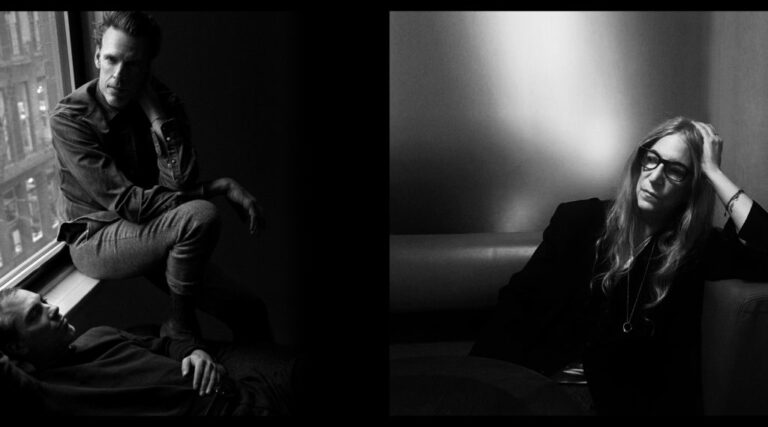
Patti Smith and Soundwalk Collective have announced a new album called Peradam, the third and final instalment in in their Perfect Vision trilogy, to be released on September 4th via Bella Union. They’ve also shared the title track from the album, which you can listen to below.
Each of Patti Smith and Soundwalk Collective’s collaborative projects so far has focused on the life of a past author, and Peradam continues that pattern. 2016’s Killer Road was a tribute to poet and singer-songwriter Nico, while the first two entries in the Perfect Vision trilogy, 2019’s Peyote Dance and Mummer Love, honoured the work of Antonin Artaud and Rimbaud respectively. The new album was inspired by René Daumal, the French metaphysical novelist best known for his posthumously published 1952 novel Mount Analogue. The new track includes direct quotes from the book, with Smith repeating the line “I will not speak of the mountain” against a backdrop of different types of percussion and nature sounds, which were recorded at various Himalayan mountains in India and Nepal.
Peradam, which is available to pre-order now, is set to feature appearances from Charlotte Gainsbourg, Anoushka Shankar, and Tenzin Choegyal.
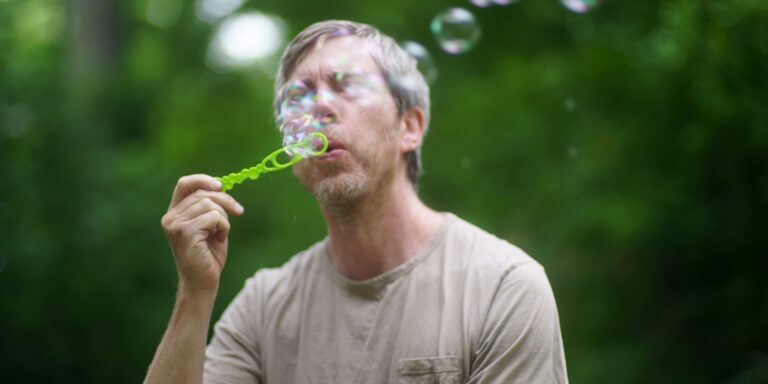
Bill Callahan has released the third single from his upcoming album Gold Record, titled ’35’. Listen to it below.
“It’s nice to know that my life had been lived before,” Callahan laments in the opening verse, “But I can’t see myself in the books that I read anymore.”
‘35’ follows the previously released ‘Another Song’ and ‘Pigeons’. Gold Record, which marks the singer-songwriter’s seventh studio album under his own name, comes out September 4 via Drag City. Callahan has promised to share a new song from the album every Monday up until its release.
In a statement, author Patty Yumi Cottrell said of the new song (via Pitchfork): “Bill Callahan is a friend to everyone. A conjurer of mortal joy, he shows us how a song can be a mirror, a map of encounter, a shrine to solitude. We were 35 once, all of us, reading books by Herman Melville, David Berman, William Vollman (so many -man/men!), hoping they would tell us how to live or at least why. Why should we live?”
They continued: “Listening to Bill’s new song “35” I take a walk with a friend to the edge of the future where there’s precision in pathos and the light out is pink like berries (not the frozen yogurt franchise). Bill’s voice, clarion and wise, reminds me to pay attention and to be more careful with others because most of us are gentle, small, and desiring things for ourselves. We might not notice this ever. It’s OK to get lost, to hang out in the murk, Bill reassures us. We’re lucky to have a guide. The moon is over my shoulder like a lantern on the path back, clearing.”
In a press release, Jim James said that the decision to finally release what fans had dubbed as My Morning Jacket’s “lost” album came while the frontman was taking a walk during the early days of lockdown, struck by a line in one of the songs about being “hypnotized by the same old thing”, which has undoubtedly taken on a new resonance. The Waterfall II was recorded during the same sessions in Stinson Beach, California that led to 2015’s revelatory The Waterfall, but the band felt the songs were too unrelated to be included as part of a double album, and so decided to split it into separate LPs. After teasing the sequel for years, it seemed like it might never materialize – until now.
It’s not hard to see why the band chose to put out the album in the wake of the COVID-19 pandemic: for one thing, quarantine has distorted our perception of time to the point where the five year gap between the two albums seems much bigger than it actually is, despite James having released a handful of consistently good solo records in the interim. Though the songs here are about dealing with the aftermath of a relationship, the feelings of being perpetually stuck in the past and yearning for some form of human connection that permeate them render The Waterfall II an unexpectedly prescient album. That line alluded to earlier comes from the opening track ‘Spinning My Wheels’, which, with its ghostly keys and James’ vulnerable delivery, captures that pensive languor better than any other track on the record. It’s not until the closer that the album hits a similarly poignant note: “Can tomorrow feel like it did back in the past?” James ponders, perfectly concluding a record that’s less about creating a new beginning than getting sucked in the illusion of it.
Though it largely lacks the big, soaring moments that made The Waterfall so impactful, The Waterfall II’s soul-searching meditations can be just as evocative. At its best, the warm, gentle production offers some much-needed escapism, like on the winding guitar passages on ‘Feel You’ or the sun-soaked, rousing melodies of ‘Run It’, a hopeful cut about leavings things behind and picking yourself back up that has My Morning Jacket written all over it. But at its worst, the record can feel like it meanders through more of just the same, which might theoretically be fitting for an album about trying to relive the glories of the past, but makes for a sometimes tedious listening experience. Granted, it’s hard to navigate the line between evoking that sense of exhaustion and actually transmitting it to the listener, but The Waterfall II does little to ensure it doesn’t fall into the latter category.
And yet, the record’s languid moments fare much better than some of the more upbeat ones. ‘Still Thinking’ features one of James’ better performances – at one point, he sounds eerily reminiscent of Elliott Smith – but its Beach Boys-esque hook feels trite; ‘Climbing the Ladder’ is another painfully by-the-numbers slice of classic rock n’ roll that never really goes anywhere. On the other hand, ‘Magic Bullet’ does a great job of building tension without ever really releasing it, while ‘Wasted’ finally delivers that climactic crescendo the album so desperately needed. Lyrically, too, the track marks the cathartic moment where James realizes the true nature of his circumstances: “You’re alone and you know/ You’ve done something wrong/ You’ve been wasting/ Too much time lately.”
But as the record moves towards a point of resolution, we get ‘Welcome Home’, a forgettable acoustic ballad that does little more than signal a change in mood, making it feel almost artificial. ‘The First Time’ makes for a hypnotically elusive closer, though, one that reaches for something new but fails to fully let go of the past. It ends with a potent question: “I wonder where the time went,” James repeats, a thought many of us have probably had during the past few months. But despite its unintended relevancy, it’s not hard to imagine some fans wondering the same thing after listening to the entirety of The Waterfall II. If you’re looking for the kind of wide-eyed nostalgia only My Morning Jacket can deliver, this new album probably won’t disappoint; but it fails to replicate their most transcendent moments, and you can’t help but be left with the feeling that James and company can do a lot more.
Kanye West has shared a new song and video, ‘Donda’, in honour his late mother, Donda West, on what would have been her 71st birthday. Released via Twitter, the track opens with a recording of Kanye’s mother reciting lyrics from KRS-One’s 1993 single ‘Sound Of Da Police’. Listen to it below.
Donda West was born on July 12, 1949 and died on November 10th, 2007, one day after undergoing a plastic surgery procedure, due to coronary artery disease and “multiple post-operative factors.”
“In loving memory of my incredible mother on her birthday,” West tweeted.
Judy Dyble, the singer-songwriter known for her work with British folk-rock band Fairport Convention, has died at the age of 71. She passed away yesterday (July 12) after suffering from a long-term illness, her publicist confirmed.
“It is with great sadness that we announce that English singer-songwriter Judy Dyble passed away on 12th July 2020 following a long illness borne with great courage,” a press release reads. “We wish to express our deepest sympathies to Judy’s family, friends and many associates from her musical career at this time. Judy’s family would like to thank her fans for their messages and good wishes on social media over the last few weeks, but at this time ask that they avoid contacting them for now as they would just like some quiet time.”
Born in London, Dyble first started playing with her band, Judy and the Folkmen, in 1964. She joined the newly formed Fairport Convention in 1967, and left shortly after recording their debut self-titled album in 1968. She went on to become a vocalist for the cult band Trader Home and later sang in Robert Fripp’s early band Giles, Giles and Fripp, in addition to launching her own solo career. The singer largely withdrew from the music business in the 1970s to concentrate on her family, but appeared in several of Fairport Convention’s reunion shows, up until 2017 for the 50th anniversary reunion show at Cropredy.
Dyble released a number of solo albums in the 2000s, including 2004’s Enchanted Garden and 2009’s Talking with Strangers. After appearing as a guest singer on Big Big Train’s ‘The Ivy Gate’, taken from the prog rock band’s 10th studio album Grimspound, she formed a close working relationship with frontman David Longdon. Together they had been recording a new album, called Between A Breath And A Breath, to be released in September.
“Judy and I became friends during the writing and making of this album,” Longdon said in a statement. “Along the way, there was much laughter and joy – but also challenging moments. She was a woman of a certain age and she wrote articulately and unflinchingly about the autumn phase of her life.”
He continued: “She dealt with her illness with incredible courage and fortitude. She suspected this album was her swan song and she gave it her all. Judy reassured me that she’d had a great life. Which indeed she did. And I will miss her greatly.”
In this series, we take a deep dive into a significant song from the past and get to the heart of what makes it so great. Today, we revisit Mazzy Star’s biggest single, a wistful anthem of unrequited love that pulls you into its ethereal world and lingers in your mind long after the fire has faded.
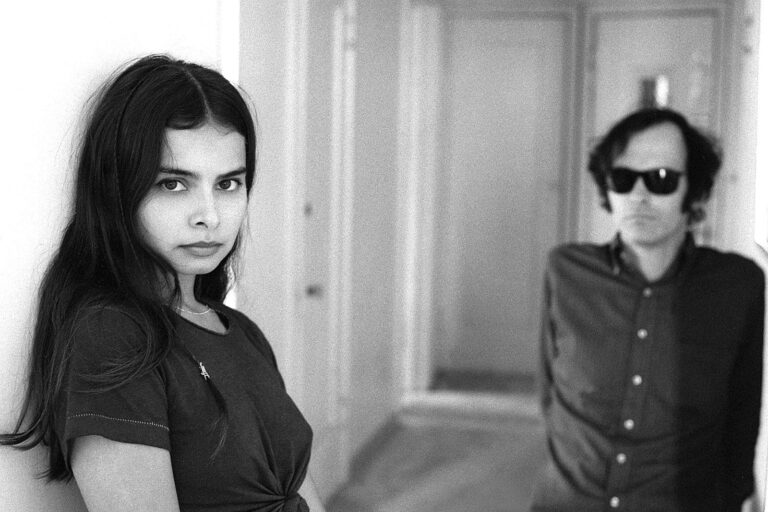
For a song whose haunting beauty and pensive languor captured the hearts of thousands of hopeless romantics around the world, there’s not much to say about Mazzy Star’s ‘Fade into You’. Not because everything’s already been said, necessarily, but because the dream pop group’s 1993 single is not really the kind of song you talk about. You just sink into its ethereal world, letting those reverb-drenched vocals and hypnotic slide guitar speak directly to your soul. “So much about music is overdetermined by television and what people write and say about it,” co-founder David Roback, who passed away earlier this year at the age of 61, told The Times back in 1993. “You have to leave something to people’s imagination, so they feel they can participate. Music is music. We don’t want to be part of that over-determination. We feel you should be able to shut your eyes and listen to it.”
This is a good rule of thumb for listening to any number of songs, but ‘Fade into You’ captures that depth of feeling so intimately that it becomes impossible not to just close your eyes and let the music wash over you. And while the irony of writing a piece about a song you’re not really supposed to write about doesn’t escape me, part of the magic of the song is what it makes people want to say; not the kind of people Roback was probably referring to – critics and the media in general – but fans whose own memories are inextricably tied to this song. Scrolling through the YouTube comments on the song’s official video, you’ll find people recounting stories of when they first heard it, or simply what it reminds them of: first loves, dusty afternoons, starry nights. People relating not just to the feeling of the song – to the way it somehow sounds both melancholic and hopeful, languid yet enchanting – but to each other. Which, in itself, is pretty strange – who knew that a song by and about introverts could foster such a meaningful sense of human connection?
‘Fade into You’ is often remembered as a song about falling in love – in fact, it might be one of the greatest songs about falling in love, or rather being consumed by it – but it can also be read as being about longing for that deeper kind of human connection, only to realize others simply don’t experience emotions in the same way. The lines “I look to you and I see nothing/ I look to you to see the truth” might just be about unrequited love, about not seeing those romantic feelings reflected in the other person’s eyes; but coming after the iconic opening couplet “I want to hold the hand inside you/ I want to take a breath that’s true”, it’s possible that this emptiness stems from recognizing the impossibility of being part of someone else’s internal world, of having your own personal urges exist outside yourself. Rhyming “true” with “truth” might appear lazy, but in this case it serves to highlight the disparity between the truth that she yearns for and the truth the world hands her: truth as love, and truth as harsh reality.
And yet, she can’t help but marvel at the other person’s ignorance with a kind of youthful idealism: “I think it’s strange you never knew,” singer Hope Sandoval coos in the chorus. Strange that feelings so immense can go unnoticed. Rendered even stranger, perhaps, by the fact that the person that’s being addressed appears to be similarly reclusive: “You live your life/ You go in shadows”. Sandoval, too, has a reputation for being shy, preferring to perform in near-darkness and sometimes visibly uncomfortable when playing in broad daylight. “Once you’re onstage, you’re expected to perform,” Sandoval once said. “I don’t do that. I always feel awkward about just standing there and not speaking to the audience. It’s difficult for me.” But on ‘Fade into You’, the other person’s tendency to “go in shadows” is less about being reticent than it is about suffering from some form of depression, one that “colors your eyes with what’s not there.” The truth then becomes much less complicated, but just as bitter: she sees nothing when she looks at him because he’s haunted by a kind of emptiness that’s just as all-consuming as her love.
‘Fade into You’ will forever be seen as an achingly romantic song, but there’s a darkness to it that often goes unnoticed – the spiral of losing yourself completely to someone who’s lost in a whole different way. There’s no indication that the nature of the singer’s desire is purely romantic; her pain stems not just from the fact that her love isn’t – or can’t be – reciprocated, but from this inability to reach out to the other person and pull them out of that dark place. On the song’s cryptic second verse, she imagines herself from his perspective, seeing her love as “a stranger’s light” that “comes on slowly”, a “stranger’s heart without a home”. But she quickly realizes her love could never be enough – “You put your hands into your head/ And then its smiles cover your heart”. Much like “true” and “truth”, the “hands into your head” line links back to the first verse, where she sings that she wants to “hold the hand inside you”, to prevent him from further sinking into his depression – only for her to “fade into” some version of what she earlier describes as a “night into your darkness”.
None of that, of course, explains why a song so enigmatic has left a lasting impact on so many. And though, to this day, no one really knows exactly how ‘Fade into You’ became such an unlikely hit – it was the only song by Mazzy Star to make it make to the Billboard Hot 100, peaking at number 44 – for many, it boiled down to this: it was a great makeout song, perhaps one of the best of all time. One Capitol executive put it like this: “All those kids have boyfriends and girlfriends, and they like to neck, and I don’t think they listen to Barry White”. Plenty of films and television shows have capitalized on that, too. But it’s not so much because of the lyrics as the overall vibe of the track, which is ironic, considering it’s one of the few Mazzy Star songs that does more to capture a specific feeling than just a mood. It’s also one of their more polished compositions: compare it to something like ‘Be My Angel’ from 1990’s She Hangs Brightly, a track that uses a near identical chord progression and some of that bluesy slide guitar, but has a rougher, almost improvisational feel to it. Here, that chord progression provides a solid foundation for all the haziness enveloping it – of course, it helps that it’s also one of the most ubiquitous out there, bringing to mind Bob Dylan’s ‘Knocking on Heaven’s Door’.
Perhaps it’s that quality that makes the track so nostalgic – there’s a kind of familiarity to it, but it’s diluted just enough to let your mind wander, in the same way that the lyrics tell a specific story while also being vague enough for the listener to project their own experiences onto them. But as evocative as the song can be, it wasn’t nostalgia that the band was going for: “It was never intended to be a nostalgic song,” Roback once explained. “Unless you were meant to think about nostalgia for the present, because it really was about the present.” Which makes sense, when you think of it: it’s written in the present tense, for one thing, and the intensity of the emotion gives it a certain immediacy. But the production tells a different story – soaked in enough reverb to make it feel like the past is part of the present, unfolding right there in front of you.
And then there’s Sandoval’s singing. There’s a characteristic softness to it that makes it feel strikingly intimate, but what makes it so effective is that it externalises a whole internal world without underselling nor overdramatizing the passion that lies underneath. “Fade into you,” she sings, elongating each syllable, “Strange you never knew”. Unlike many of their contemporaries in the alternative rock scene, Mazzy Star were capable of expressing teenage emotions with a kind of quiet wistfulness that was completely foreign to genres like grunge. Even when Kurt Cobain tapped into a similar kind of introspection during Nirvana’s MTV Unplugged concert, there was barely any sense of hope behind the pain – whereas ‘Fade into You’ offers consolation right from its very first lines, as if Sandoval is singing directly to you. There was a whole lot of music in the 90s that channelled teenage angst like never before, music you could identify with – but that song provides at least some comfort, whether you relate to one who goes in the shadows or the singer chasing down after him. Even if you’re not paying attention to lyrics, the track’s gorgeous instrumental, punctuated by gentle piano embellishments and hushed tambourine, is enough to make you feel like you’re wrapped in a warm embrace.
Despite all the mystique surrounding it, though, ‘Fade into You’ is really a simple song at its core. “We weren’t trying to write a hit song – we were just writing a song,” Roback said in a 2018 interview, explaining that it started as an acoustic song. “I think we had a melody and a feel and we just followed that feel.” Though naturally averse to any kind of mainstream success, Mazzy Star were not the kind of band who grew to hate their most famous single. And yet, they always seemed to highlight that simplicity when talking about their songwriting process, as if the song just came together naturally on its own. When asked about it in a 2013 interview, Sandoval simply said: “I think it’s a good song.” But despite their refusal to mythologize themselves or their craft, it was Roback who described it most eloquently: “We’re not so concerned about the outside world,” he told Uncut in 2013. “It’s a very internal process that we’re involved in. The outside world is really not on our minds, in so far as the music is concerned […] It is its own world unto itself.” When you listen to ‘Fade into You’, it’s impossible not to lose yourself in that world; a world, that, as Sandoval wrote in a poem posted a few days after Roback’s passing, is “filled with the comforting sadness that holds us together”.
Ralph Graef, a German photographer, has presented a superb surreal-like series in which explores an abandoned motel.
Writing about the series Graef stated: “Just by chance I recently discovered an abandoned motel. According to its condition the area has been unused for many years, but the houses are still in a decent condition. For the most part they are all the same ground-level duplex houses with two rooms and a bathroom each. There are also two large houses with many single rooms and common washrooms. The complex was built in the early seventies during the GDR era as a holiday camp and training centre. After the reunification it served as an accommodation for harvest workers for a while. After that it was supposed to become a cheap accommodation for backpackers, but this never happened. It seems that the area won’t awake from a deep sleep soon…”