When everything feels scattered, the answer is not to reorganize your entire life in one afternoon. Start by identifying what is creating the most friction, then build a few simple systems around those areas so you know what needs your attention and when. Organization becomes much easier when you stop trying to remember everything and give important tasks, information, and commitments a reliable place.
A cluttered schedule, overflowing inbox, unfinished errands, forgotten appointments, and dozens of digital notifications can make you feel constantly behind. The problem is not always that you have too much to do; it can also be that your responsibilities are spread across too many places. Bringing them together gives you a clearer picture of what is actually happening.
Start by Getting Everything Out of Your Head
The first step is to create a complete inventory of what’s competing for your attention. Write down unfinished tasks, upcoming appointments, bills, errands, work responsibilities, household jobs, personal goals, and anything else you keep telling yourself you need to remember.
Do not try to organize the list while creating it. The purpose is to externalize the information so your brain no longer has to keep rehearsing it. Once everything is visible, separate urgent responsibilities from tasks that can wait, because treating every item as equally important is one of the fastest ways to create unnecessary mental pressure.
Create One Reliable System for Your Schedule
Your schedule becomes easier to manage when appointments and commitments live in one dependable place. Whether you use a digital calendar, a physical planner, or a combination of both, the important part is having a system you actually check and maintain.
Start by entering fixed commitments such as work hours, medical appointments, important deadlines, travel plans, and recurring responsibilities. Then use the available space to plan tasks rather than filling every hour, because an overpacked schedule leaves no room for delays, unexpected problems, or simply taking a break.
Give Important Information a Permanent Home
Organization becomes much easier when you know exactly where to find important information. Instead of keeping documents, passwords, receipts, account details, and personal records scattered across emails, downloads folders, paper piles, and different apps, create a few clearly defined locations.
Your system should make retrieval easier, not create another project to maintain. Keep important documents in labeled folders, use a password manager for credentials, and delete information you no longer need. When something matters, you should be able to find it without searching through five different places.
Deal With Digital Clutter
Digital clutter can create just as much friction as a messy physical environment. Hundreds of unread emails, unused apps, unnecessary notifications, duplicate files, and abandoned accounts make it harder to find information when you actually need it.
Set aside time to unsubscribe from unwanted emails, remove apps you no longer use, organize essential files, and turn off notifications that do not require your attention. You do not need to maintain an immaculate digital environment, but reducing unnecessary noise makes it easier to focus on the information that matters.
Build Simple Financial Organization Into Your Routine
Money is one area where disorganization can quickly create unnecessary stress. Keeping track of recurring payments, subscriptions, account balances, savings goals, and other financial responsibilities becomes easier when you review them on a consistent schedule instead of dealing with each issue as it appears.
A monthly financial check-in can help you identify upcoming expenses and notice changes that deserve attention. Regular credit score monitoring can also fit into this routine by keeping you aware of changes to your credit profile rather than leaving you to discover them when you apply for a major financial product. The goal isn’t to constantly check your finances, but to build a predictable habit that keeps important information from slipping through the cracks.
Stop Treating Every Task as Urgent
Not everything deserves immediate attention, and treating every task as urgent makes it harder to identify what actually matters. Once you have your responsibilities in one place, assign realistic priorities instead of constantly reacting to the newest notification or request.
A useful approach is to distinguish between tasks that require action today, tasks that need attention this week, and tasks that can wait. This simple separation reduces the feeling that everything is competing for your attention simultaneously. It also gives you permission to leave lower-priority tasks alone until you have the capacity to address them properly.
Create Routines for Recurring Responsibilities
Recurring tasks should not require a fresh decision every time they appear. If you have regular responsibilities such as paying bills, cleaning, grocery shopping, reviewing your schedule, or backing up important files, attach them to a predictable routine.
Automation can make these routines even easier. Automatic bill payments, recurring calendar reminders, scheduled savings transfers, and regular digital backups reduce what you need to remember manually. You still need to review automated systems occasionally, but they remove unnecessary mental work from your daily life.
Leave Room for Life to Go Off Schedule
An organized life needs flexibility because unexpected events are unavoidable. If you assign every hour of your day to a task, one delayed appointment or unexpected responsibility can disrupt everything that follows.
Instead of planning every available minute, leave open periods in your schedule. Use them for unfinished tasks, unexpected errands, rest, or simply doing something you enjoy. Flexibility is not a sign that your system has failed; it is part of a system designed for real life.
Review Your System Instead of Starting Over
Organization works best as an ongoing process, not a one-time transformation. Once a week or once a month, review what is working, what you keep forgetting, and which parts of your system have become unnecessarily complicated.
If you repeatedly miss the same type of task, change the system rather than blaming yourself for forgetting. Move the reminder, simplify the process, automate the task, or put the information in a more logical place. A good organization system should adapt to the way you actually live.
Make Your Life Easier to Manage
Getting organized is ultimately about reducing friction. You do not need a complicated productivity system, dozens of apps, or a perfectly structured schedule. You need reliable places for information, clear priorities, manageable routines, and enough flexibility to handle unexpected events.
Start with the areas creating the most stress and fix those first. Once your schedule, information, digital accounts, finances, and recurring responsibilities have clearer systems, you spend less energy remembering what needs to happen and more energy living your life.
Making smart decisions about your future does not mean knowing exactly where you will be in 5, 10, or 20 years. It means learning how to evaluate your options, understand the consequences, and choose a direction that supports the kind of life you want to build. Your early adult years involve decisions about education, careers, relationships, money, where you live, and how you spend your time, and each one can influence the opportunities available later.
You also do not need to make every decision perfectly. A smarter approach is to gather useful information, identify what matters most to you, and recognize which choices are reversible and which create longer commitments. This gives you room to experiment without treating every decision as though it will permanently determine your future.
Know What You Actually Want From the Next Few Years
Before making major decisions, identify what you want your life to look like in the near future rather than trying to design your entire life at once. You may care about building a career, traveling, becoming financially independent, pursuing further education, developing relationships, or simply creating more stability. These priorities give you a framework for evaluating opportunities, rather than letting other people’s expectations make the decision for you.
Your priorities can also change as you gain experience. A career that looks attractive at 21 may become less appealing after you understand its schedule or working environment, while an interest you previously ignored can become an important part of your plans. Changing direction after learning something new is not a planning failure. It often shows you are making decisions based on better information.
Look Beyond the Immediate Reward
A decision can feel attractive because of what it gives you today, but its long-term consequences deserve equal attention. A higher salary may come with longer hours, an inexpensive apartment may create a difficult commute, and an appealing degree program may involve years of financial commitments. Looking beyond the immediate benefit helps you understand the complete trade-off.
This does not mean choosing the option that produces the greatest financial return every time. Your quality of life, relationships, health, interests, and personal values all matter. The smarter decision makes sense when you consider the full picture rather than focusing on a single attractive feature.
Understand the Financial Side of Your Choices
Money should be part of your decision-making process whenever a choice involves high costs or changes your earning potential. Before committing to education, moving, a major purchase, or a new career path, calculate what the decision will cost and how it fits into your existing financial responsibilities. If education is part of your plans, a student loan calculator can help you estimate potential monthly payments and understand how borrowing could affect your broader financial picture before you commit.
You do not need to become a financial expert to make better decisions. Start by understanding your income, recurring expenses, savings, debt, and available resources, then consider how a new commitment would affect those numbers. By understanding the financial consequences before committing, you reduce the chance of later discovering that an appealing opportunity is difficult to sustain.
Give Yourself Time to Research Major Decisions
Good decisions require information, but research should have a purpose. If you are considering a career change, research the qualifications, working conditions, salary ranges, and employment opportunities rather than simply reading endless opinions about whether the industry is “good.”
The same approach applies to education, housing, travel, and other major commitments. Speak with people who have direct experience, compare reliable sources, examine actual costs, and write down the questions you still need to answer. Once you have enough information to compare realistic options, continuing to research can become a way to avoid the decision itself.
Learn to Distinguish Risk From Discomfort
Not every uncomfortable decision is a bad decision, and not every exciting opportunity is smart. Moving to a new city, applying for a demanding position, returning to school, or trying something unfamiliar can create anxiety simply because the outcome is uncertain.
The important question is whether the risk is understandable and manageable. A decision becomes easier to evaluate when you know what you stand to gain, what you could lose, and what you can do if things do not work out. Taking a calculated risk is very different from making a decision without understanding the consequences.
Build Financial and Personal Flexibility
Flexibility gives you more freedom to change direction when circumstances change. Building savings, developing transferable skills, maintaining professional relationships, and avoiding unnecessary long-term commitments can give you more options later.
Financial flexibility is especially valuable because money can determine how many choices you can realistically consider. An emergency fund, manageable recurring expenses, and low debt can make it easier to accept a career opportunity, move for work, or take time to develop a new skill. The goal isn’t to avoid commitments, but to avoid creating a situation where every future decision is dictated by one previous choice.
Create a Future That Leaves Room for Change
The smartest approach to planning your future is to create direction without making your life so rigid that you cannot adapt. You can set goals while recognizing that your interests, circumstances, and opportunities will change as you gain experience.
Focus on building capabilities that remain useful regardless of the exact path you take. Communication, financial literacy, professional skills, health, relationships, and the ability to learn all increase your options over time. A strong future isn’t one where every detail is predetermined. It is one where you have developed enough knowledge, flexibility, and self-awareness to make good decisions as new opportunities and challenges appear.
Becoming an adult is less about reaching a certain age and more about learning to manage responsibilities someone else once handled. You suddenly have to make decisions about money, housing, work, health, paperwork, relationships, and time, often without anyone giving you a clear instruction manual. The transition can feel strange because nobody hands you a checklist explaining what to do when a bill arrives, an appliance breaks, or you need to make a major decision on your own.
Adulthood also means realizing that independence builds gradually. You learn by managing ordinary responsibilities, making mistakes, adjusting your routines, and becoming more comfortable with decisions that affect your future. The good news is that you don’t need to know everything immediately, but you do need to be willing to learn how the practical parts of life work.
You Become Responsible for the Details
Adult life contains countless small responsibilities that rarely receive much attention until they become your problem. Scheduling appointments, renewing documents, reading contracts, remembering deadlines, tracking subscriptions, and maintaining important records all require organization.
These tasks may seem insignificant individually, but they can become difficult when they accumulate. A missed renewal can create an unnecessary fee, an ignored email can contain an important deadline, and an old subscription can continue charging you for months. Developing a habit of checking your calendar, email, accounts, and important documents regularly prevents small administrative tasks from turning into larger problems.
Managing Money Becomes an Everyday Skill
Financial independence requires more than earning a paycheck because you also need to understand how that money supports your daily life. Rent, utilities, groceries, transportation, insurance, subscriptions, and unexpected expenses all compete for the same income, which makes basic budgeting an essential adult skill.
Your relationship with money also changes when you become responsible for your own expenses. Learning to track spending, maintain savings, understand credit, and recognize recurring costs gives you greater control over your financial decisions. Even simple habits, such as reviewing transactions and knowing when bills are due, can make your finances easier to manage.
Your First Bank Account Teaches You More Than Banking
Managing your own bank account is a practical step toward financial independence. It gives you direct responsibility for deposits, payments, spending, transfers, and understanding how your money moves.
If you are preparing for college or beginning to manage your finances independently, you may want to open a student bank account with features suited to your circumstances. The important lesson extends beyond choosing an account, because you also need to understand fees, overdraft policies, ATM access, account alerts, and how to monitor transactions. Taking responsibility for these details early makes everyday financial management less intimidating later.
Your Career Will Not Always Follow a Straight Line
The idea that you choose one career and follow the same path for decades doesn’t reflect how modern working life works. Your interests can change, industries can evolve, and new skills can create opportunities that were not available when you started.
Career development therefore requires continued attention rather than a single decision after school. Learning new skills, maintaining professional relationships, updating your resume, and understanding what employers value can keep you prepared for changes. A career is something you actively manage, not something that simply happens once you receive your first job offer.
Relationships Require More Deliberate Effort
Adult friendships and relationships require planning because everyone has competing responsibilities. Work schedules, family commitments, distance, and different priorities can make spontaneous socializing less common than it was earlier in life.
Maintaining meaningful relationships requires communication and consistency. You may need to schedule time together, check in during difficult periods, or make an effort to stay connected when life gets busy. The same principle applies to family relationships, where adulthood can change the dynamic between you and the people who raised you.
Nobody Has Everything Figured Out
One of the stranger realities of adulthood is discovering that many people who appear completely confident are still figuring things out. You can have a career, pay your bills, and manage your responsibilities while still encountering situations you have never handled before.
The difference is that experience gives you better tools for dealing with uncertainty. When something unfamiliar happens, you can research the issue, ask someone with relevant experience, consult a professional, or break the problem into smaller decisions. Knowing how to find reliable information is often more valuable than pretending you already know the answer.
Your Home Becomes Your Responsibility
Living independently means taking responsibility for your physical environment. Cleaning, cooking, laundry, maintenance, grocery shopping, and household organization all become recurring parts of life rather than occasional chores handled by someone else.
You also learn that preventing problems is often easier than fixing them. Cleaning appliances, replacing worn items, keeping important supplies on hand, and addressing minor repairs early can prevent bigger disruptions. A functional home depends less on perfection than on consistent maintenance.
Time Becomes One of Your Most Valuable Resources
Adult life creates a constant competition between work, relationships, household responsibilities, health, hobbies, and rest. Without some control over your schedule, urgent tasks can consume the time you meant to spend on what matters to you.
Learning to manage time means deciding what deserves attention and accepting that you cannot do everything at once. A calendar, recurring reminders, and realistic daily priorities can create structure without turning every hour into a scheduled obligation. Leaving some uncommitted time is also important because unexpected responsibilities are part of normal life.
Mistakes Are Part of Becoming Independent
Making mistakes is unavoidable when you begin handling responsibilities yourself. You will miss a deadline, underestimate an expense, buy something you regret, misunderstand a contract, or make a decision you need to correct.
The useful response is to understand what went wrong and change the system that allowed it to happen. If you forget appointments, improve your reminders; if you consistently overspend in one category, adjust your budget; if you misunderstand a financial agreement, slow down and research the terms before signing the next one. Independence comes from learning to respond to mistakes rather than expecting yourself to avoid every mistake.
Adulthood Is Built Through Ordinary Decisions
Becoming an adult is not one dramatic transformation. It is the accumulation of ordinary decisions about money, work, health, relationships, time, and responsibilities.
You become more capable by taking ownership of those areas one at a time. Learn how your finances work, keep important information organized, maintain your home, invest in your career, protect your relationships, and ask for help when you need expertise. These habits create the practical foundation for sustainable independence.
No perfect version of adulthood is waiting for you to reach. What matters is developing the ability to handle new responsibilities, learn from experience, and make decisions that support the life you want to build.
Credit has a built-in Catch-22. A lender wants proof you repay loans on time, yet that proof only appears once someone actually grants you an account. If you’re a young Canadian with no borrowing record, the loop can stall a first credit card application. KOHO Credit Builder is a paid service. Per KOHO’s own description, it generates payment activity reported to Equifax without a conventional revolving card or a running balance. That activity can land on your credit file. No service can promise a specific score or an approval date, including this one.
Why a thin file stalls first-time borrowers
A thin credit file just means the bureaus hold very little recorded borrowing history on you. It reveals nothing about your money habits. Plenty of people run a careful student budget for years and never open a single reported account.
What a score actually measures
Credit scoring weighs payment history, credit use, account age, and the mix of accounts you hold. Recent applications count for something too. Canada has two principal bureaus, Equifax and TransUnion, and your scores can differ between them, since each holds its own data and runs its own scoring models.
Why payment history carries so much weight
Account activity only reaches a conventional credit file if somebody reports it. Rent, phone bills, and subscriptions never land there on their own. A reporting arrangement has to exist behind those payments, and usually it doesn’t.
How does KOHO Credit Builder work?
By KOHO’s description,KOHO Credit Builder gives eligible users a dedicated tradeline, an account entry on a credit report. Scheduled payments go to Equifax, so on-time activity builds Canadian credit history without a card balance.
Enrollment and monthly activity
Download the KOHO app and create an account.
Select an available KOHO plan and enroll through the Credit area.
Follow the payment schedule and watch for updates in the app.
Before you enroll, read the current in-app agreement. Eligibility, plan pricing, and product details change over time, and the options available to you vary by your selected account plan.
What gets reported
KOHO reports Credit Builder payment activity to Equifax, its stated reporting and score-data partner. Two caveats, though. Not every lender pulls the score KOHO displays, and TransUnion may not carry identical account information.
What KOHO Credit Builder costs
The service operates as an interest-free line of credit, but it carries a monthly subscription fee based on your active KOHO plan ($10/month on Essential, $7/month on Extra, or $5/month on Everything).
KOHO offers two distinct reporting mechanisms: Standard Credit Building (which opens a dedicated $225 line of credit managed directly through the subscription fee) and Secured Credit Building (which allows users to set their own credit limit using a refundable deposit):
Option
Monthly Subscription Fee
Security Deposit Required
Core Mechanism
Standard Credit Building
$5 to $10 / month (plan-dependent)
None ($0)
KOHO provides a $225 interest-free line of credit. You select a monthly utilization amount, and automated reporting goes to Equifax.
Secured Credit Building
Add-on feature to Credit Building
$30 to $500 (refundable)
Your deposit establishes a custom credit line. You draw against your deposit (ideally <10% utilization), and KOHO automatically repays the draw from your Spendable balance to build payment history.
While the tradelines accrue no interest charges, the subscription fee is a recurring out-of-pocket expense. Keeping your KOHO Spendable account adequately funded is essential so automated subscription debits and utilization repayments clear on time and don’t trigger missed payments.
Does KOHO actually help build credit?
When it reports on-time payment activity, the tool may help. Your starting file and how you handle your other accounts shape the outcome. The service cannot guarantee a target score or wipe unrelated negative information already sitting on your report.
What on-time payments can do
Consistent payments may support your credit profile over time. KOHO points to score increases among users of its tools, but a promotional average doesn’t predict your account.
What can still hurt your score?
Late or missed payments hurt. High credit use on revolving accounts and a string of hard inquiries can also hurt. There’s no universal biggest factor; your own record and the scoring model in play decide.
Why 700 in 30 days is not a realistic promise
No credit-building service can guarantee a particular score or a 100-point jump on a fixed schedule. Your starting file matters, as do the accuracy of its information and the time it takes for account activity to reach a bureau in the first place.
Is it a sensible starting point for someone new to credit?
For beginners with little or no credit history who can handle a recurring payment, the tool may fit. KOHO advertises no hard credit check and guaranteed approval for eligible users, though access stays subject to the applicable product terms.
Potential fit: You’re a Canadian adult with a thin credit file who wants structured reporting and can comfortably cover the fee.
Possible mismatch: You frequently miss subscription payments, or you expect ordinary borrowed spending rather than a credit-building arrangement.
Before enrolling: Confirm current pricing, cancellation terms, eligibility, reporting details, and what happens after a missed payment.
KOHO markets its financial products to Canadian residents. This is not a US credit-building service.
A credit-building tool works only with consistent habits
KOHO can give you a structured way to generate reportable activity on your Equifax report. You remain responsible for the payments and your other accounts. A new service won’t manage your existing bill calendar. If you’re juggling classes with part-time work, put each due date somewhere you’ll see it, alongside household expenses. Read the current in-app agreement, set a payment reminder matched to your pay schedule, and check your credit file once the first reporting cycle closes.
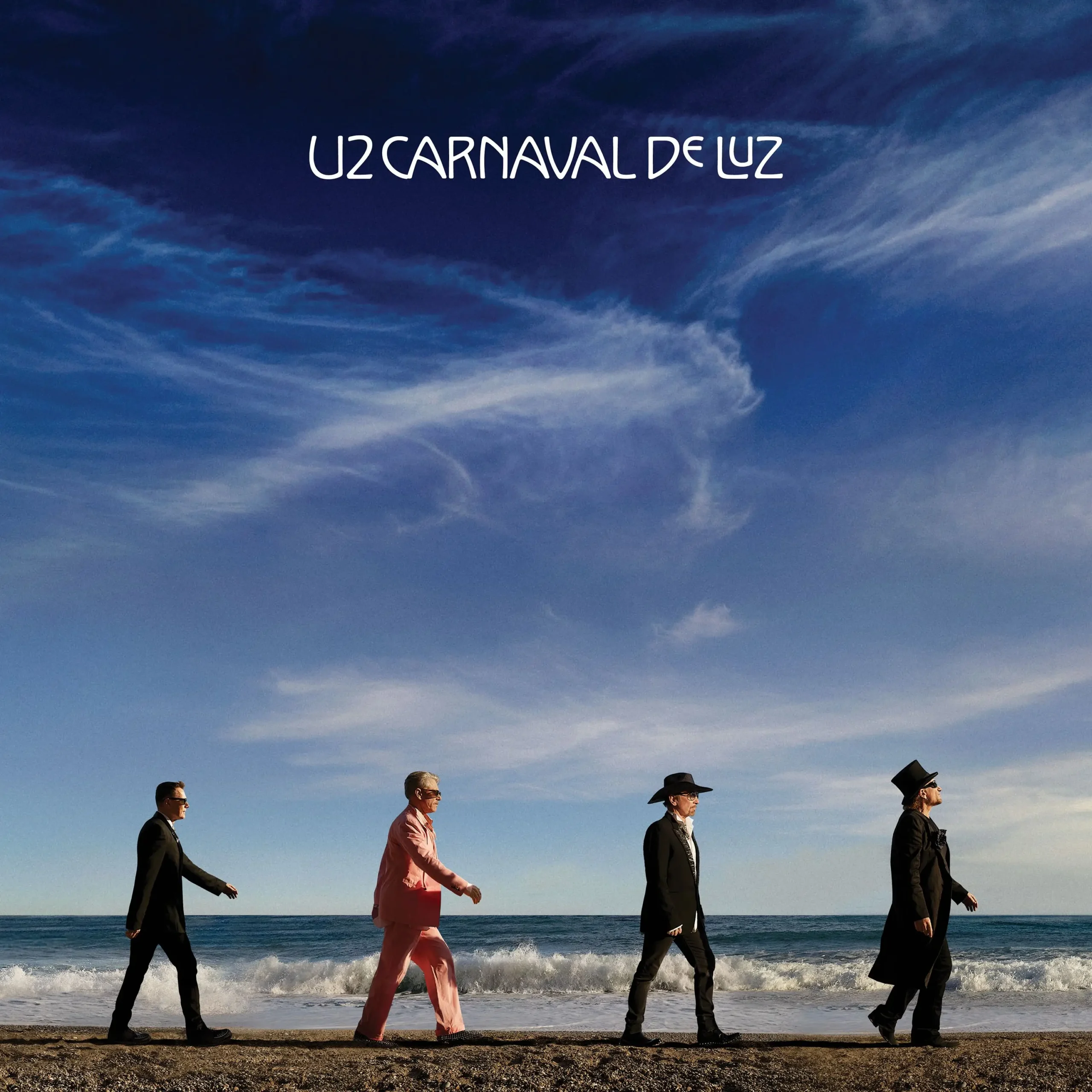
U2 have announced their first new album in nine years. Carnaval De Luz is due for release on November 13 vis Island, and it features the late Dolly Parton’s last-recorded vocal performance. That song, ‘Torn’, which closes out the record, isn’t out yet; the lead single is called ‘Silencio’, and it finds Bono briefly singing in Spanglish again. Check out its Cliqua-directed video below.
Earlier this year, U2 shared the EPs Days of Ash and Easter Lily, but their last album remains Songs of Experience. In a statement, Bono said: “Roll up, roll up, roll up! Bring your purple socks, your broken hearts, your rose-tinted naivety… oh be amazed in the hall of mirrors. There will be loud guitars, deep bass, some ecstatic rhythms and, yes, some silver tears will make an appearance! ‘Cause in the near distance just outside our carnival of light there are all kinds of creatures… the same imagination that brings us our creativity can also bring us monsters. So we make the drums louder. We build a bigger fire. We make our stories wilder and funnier. We make the melodies sweeter and the songs, they better shine, because if the world is in darkness we better not be.”
The Edge added: “It’s a messy, provocative, sacred collection of songs — and features the first-ever use of flat-wound strings on a U2 recording. Just saying.”
Carnaval De Luz Cover Artwork:
Carnaval De Luz Tracklist:
1. Go (Carnaval De Luz)
2. La Reina
3. Street of Dreams
4. The Mirror Maker (Rosalía)
5. Superficiality
6. If the World Is at War We Better Not Be
7. Silencio
8. The Greatest Show on Earth
9. Glorify
10. Midnight Sunshine
11. Can’t Stop Us Now
12. Torn [feat. Dolly Parton]
“What will we live for beyond the valley of the shadow of the fear of all men?” That’s final question on the last track of Emma Ruth Rundle’s new album, These Killing Times, and hushed as ‘Oceans of Time’ may sound, it certainly doesn’t resign itself to a life of solitude. Joined by Marissa Nadler, Baroness’ Gina Gleason, and Tera Melos’ Nick Reinhart on vocals, it’s an uncertain yet lovingly understated resolution to an album that’s far more communal and less introspective than 2021’s Engine of Hell. Doomful and devastating though it often feels, it’s worlds removed from any kind of isolationist perspective; Rundle widens not only her sonic palette but her non-musical reference points, moving across centuries through nods to Macbeth and Gone Girl while hammering down on the same themes of perpetual violence, patriarchal systems, and longing for redemption. These Killing Times succeeds not in colouring outside our bleak reality, or even imagining a path through it, but consolidating every possible reaction to the darkness – fear, yes, but also anger, unification, and even hope – as part of the same towering whole.
We caught up with Emma Ruth Rundle to talk about the Tori Amos, MTV Unplugged sessions, Orlando, and other inspirations behind These Killing Times.
The news
From the moment the record opens with ‘Powerless’, “the leviathan that has been the news for the last two years,” as you put it, is something that looms large over the record. But even with the title, I feel like you’re foregrounding it just by using the word “killing,” which is a lot more pointed and visceral than “strange” or “uncertain.
Yeah, I think that it implies unintentional violence that we’re witnessing, and I think that’s on so many levels. Another thing I was thinking a lot about was just the Anthropocene as the time that we’re living in from a climate perspective, but in a conflict of power, and political – the thing is none of it can be fully separated. It’s all related, right? There is so much killing on such a huge scale going on right now, both in violent, immediate incidents of terror and war, and then there’s a slow killing that’s happening. I think to say “uncertain” would be way too soft. There is an uncertainty that comes with it, but I think that to say “uncertain” would leave the violence out of it. And the violence that’s happening is really impossible to ignore.
In general, slow news is less newsworthy, whether things gradually get better or worse, though it’s usually the latter.
The climate is a good example of that. Human beings like to perceive things that happen, or take seriously something that doesn’t have an immediate and imminent threat or effect on them directly. It’s too far removed from an immediate experience. Maybe for some people somewhere – obviously, the people in Nepal have just had a direct experience of what that was like. Or the people in LA two years ago when the whole city was on fire. I feel like I would be remiss to not talk about Gaza. It’s very frustrating to live in a country that is funding a genocide, and it just seems like no amount of protest or nonviolent action really seems to have an effect on that. I don’t know how it is there, but we see these clips of the most awful, horrendous crimes against humanity, like children being blown to smithereens, and then the next thing is, like, Sydney Sweeney being sexy. My friend actually has a project called Storefront Church, and he wrote a song specifically about that cognitive dissonance of media.
I feel like whatever is happening right now is the beginning, or the continuation of something that has become stronger recently, and is gaining some kind of intense power. Watching the AfD just win two states in Germany, I’m like, “We’ve got to strap in.” We’ve got to start doing something, and I think it’s really hard to think about how we can do anything as individuals, so it’s important to maintain our humanity through all this, because it’s so dehumanizing and demoralizing, all the stuff that’s going on globally. Doing whatever we can to be of service to people in our direct vicinity.
‘Human Kindness’.
Yeah.
Are you more aware, or even feel less in control of, how that social consciousness bleeds into your songwriting?
I wouldn’t say that my music in the past has been overtly political, necessarily. I think that there have been political issues that I’ve always been passionate about, especially women’s health issues and rights, that have always been something that I’ve been active around on some level since I was a teenager. But my last record was really introspective and inward-facing. I just think that the time for that, for me, wouldn’t feel right – there’s no room. It’s time to stop thinking about ourselves, I think is what I’m saying, and think about what’s going on, and what kind of world we want to live in, and what can I do as a musician.
I wanted to write a hopeful record. I really love instrumental music, ambient music, I love jazz, I love the transcendent states I feel, and the hope and the beauty that we also share as humans through that kind of music. I really wanted to sit down and write a record that would give people space like that, but I realized that that’s not my strength. I think my strength is facing some of the darkness that comes with the human experience, and speaking to the issues of the moment was all I could think about. Turning to my art as a place to deal with my personal reactions to it – my anger, specifically. But also thinking about, if I do have any kind of platform or an opportunity to go on tour, for instance, how can I make that experience of people gathering, which is in a real place, in the physical world, one that’s different and more of an opportunity for community building, for people to make friends, perhaps find resources for their communities?
Going to shows as a young person, there was an alternative narrative to society. It was like, “Okay, not all of it is for me, but that kind of punk ethos and that otherness – this is it. I want to be here.” And then music becomes a job, obviously capitalism exists, so how can we bring that punkness and that realness in this moment? Because I think that’s what we need. I need that. I’m just going to talk for me. [laughs] I need that. And I don’t think I’m unique, I think I’m just a regular person. I think other people need that, too.
‘90s MTV Unplugged sessions
That was definitely a gateway to the punk world for me. Sonically, I hear the influence of those Alice in Chains on Nirvana records especially on a few tracks on These Killing Times. They feel like a reference point for how an acoustic song can still feel and sound heavy, even communal, without necessarily being loud.
Part of it was, during the Engine of Hell era, I got really into playing the classical guitar. On Dark Horses and Marked for Death, I’d been playing electric guitars. When I started playing solo, I had been playing acoustic guitars more with Some Heavy Ocean, and just struggled with the tones. I could never get the acoutic guitar to not be feeding back and be problematic. The classical guitar has this frequency range that’s so full. I play in these drop tunings, and because I was playing alone for so long without a band, the classical guitar takes up a frequency spectrum that’s more rich and full than an electric guitar. Which is totally counterintuitive, right? Because we think electric guitar is loud, but it has this sweetness and this rich bass, and this harp-like quality to it, and when you do strumming or fingerpicking on it, it’s enough on its own.
Because I fell so in love with that particular guitar, I wanted to figure out a way to integrate some of that instrumentation, the more acoustic approach, into a full band setting. And it’s like, well, where has that been done? I love the sound of those Unplugged sessions. Not that the sound of the Unplugged sessions made it fully onto the record, but obviously ‘Catherine Wheel’ sounds a lot like Alice in Chains, and that’s totally cool. I was like, “Is this too much?” And then I was like, “Just lean into it, who cares?” It’ll be interesting to figure out how that works live. With the loud electric guitars and the classical guitar, it should be definitely a challenge for my front-of-house person. But I don’t see why we can’t try. Willie Nelson’s made it work his whole life, so.
Especially Nirvana Unplugged, whenever that record came out, my mom was listening to that a lot in the car. We went driving all the time, and it’s such a special album. It’s always affected me. You have that era when you’re young, I’d say between the ages of 10 and 14, where you kind of form this identity, and you’re going through puberty, and the way music hits your brain as your whole adult biology is coming online – it just stays there forever. And because we don’t really live in a world where at least I didn’t come from a traditional mentorship – it’s not like you are suddenly the student of so-and-so for your whole life, and then you become their prodigy – our music teachers were whoever was on the radio when we were kids.
The guitar solo on The Smashing Pumpkins’ ‘Soma’
Which brings us to Siamese Dream.
That record has awesome guitar tones and amazing guitar playing. I loved Jimi Hendrix as a kid, and as I’ve gotten older, I can definitely hear the Jimi Hendrix influence on Billy Corgan. But that record, Siamese Dream, I think it’s probably still in my top 5. It always will be. It has insane guitar tones, and just great textures and layers. But that solo is so good, it just takes you to a place. And where that solo influenced the record was actually in the song ‘Human Kindness’. My friend Nick Reinhardt came in. Nick and I are the same age, we’ve known each other for years, and we never had an opportunity to play together, but we have a lot of the same favorite records. So every now and then, Nick and I will just text about some crazy random record that we’re both obsessed with. And so he came in, and I knew that he would completely understand.
When I write music, some of my music is very repetitive, or it’s not like – I was just listening to Magma yesterday, where every 3 bars is a different thing. They’re very traditional songs. There’s not even key modulations, it’s just very basic, really. So I think my strength is dynamic shifts. That’s what I like to think about, and some of that comes from having played in post-rock bands where it’s loud, quiet, loud, and how that can be emotionally impactful. A guitar solo is very effective at leveling something up emotionally. So Nick played the solo in ‘Human Kindness’, and when he came in, I mentioned the Smashing Pumpkins song ‘Soma’. He knew exactly what I was talking about, and he played that solo.
I wrote the record knowing a full band would be there, and specifically thinking about where a guitar lead or a solo could come in to lift things. On some of the other records, I’ve played the solos, or with Thou, but I wanted to have room for my friends to come play with me. I thought, “I’m going to get the best guitar player I know that I’ve always wanted to play with to come hang, and he’s just going to sit down, know exactly what I’m talking about, and do something awesome.” And he did.
The Sensual World by Kate Bush
I believe that’s another record you’ve named as one of your favorites.
I love the production on that record, and how many different places it goes. Again, I think there’s really cool guitar playing on that record. I think David Gilmour even plays guitar on a song on that record. I think Kate Bush also has this way of being whimsical, and she sings about heavy subjects. I mean, there’s a song on that record that kind of foreshadows all of the weird tech stuff and social media where she sings about her computer. Thinking about that whimsy and just being free to be unabashedly who you are, even if it’s a little strange, that there comes this levity with that. Especially in the song ‘Anvil’, the bridge is super Kate Bush in my mind. We brought hand drums in and some other textural elements that fall outside of rock and roll instrumentation – something uplifting, something magical.
Where else did you feel that levity in making the record?
Definitely in making the videos. Making videos, there was a lot of levity in that. It was so fun and playful, especially ‘God’s Picture’. Most of the photos for this record were taken by my friend Mason [Rose], who is my best friend, and there’s a lot of love between us. We get really into making art and making beautiful things. Just getting to take a break from all the heavy stuff and getting into kind of worldbuilding and referencing different visual things – it’s my way of playing, and to have friends that you get to do that with is the best. I feel like in the video for ‘Enough’, there’s so much unhinged silliness. My best friend Blake [Armstrong], who did the makeup for the video, he’s the goblin character. And we just got to be weird, queer, silly people without anyone telling us that we look stupid or something.
Boys for Pele by Tori Amos
I included it because it is just one of those super formative albums, and I really learned to sing to Tori Amos. Her influence in my music is really obvious and present. That record especially has really heavy subject matter, but it’s so lush, and she’s so witty. She’s so brilliant about the way she talks about things in her lyrics. The artwork for that record is pretty intense. She’s sitting on the porch, suckling a pig and has got a gun. When you’re a young girl and you’re looking for how you’re going to move through the world, she was such an important role model for me to be wild, unhinged, brilliant, and authentic. I really don’t think there’s any other music that sounds like her in that way, and I have a lot of respect for her. She was also very active in the ’90s and 2000s with RAINN.
Did you find yourself remembering that version of yourself that was first drawn to Tori Amos’s music and felt seen as a young girl?
For sure. With all these touchstone albums we’re talking about, I hold them so dear to my heart because they’re all the albums that made me want to pick up an instrument and spend hours and hours trying to figure out how to play. I think in the face of any kind of despair or apathy, it’s nice to have those things as magical items to be inspired about: Where did this start? What was the feeling of that inspiration when you’re young, and why did I start doing this?
More specifically with Tori Amos, thinking about it lyrically, there’s also the idea of magic – the sense of whimsy and fantasy, but also on that record, the concept of the divine, and how she wields, twists, and challenges it. In some ways, I feel like These Killing Times aligns with that. I don’t know if it sounds like a stretch.
I think that’s justified and reasonable. In the Western world, we’re living against the backdrop of Christianity. Whether or not you were raised in a church, it is the background of our civilization and our society. So many Christian ideas have been at the base formation, at least here in the United States. Human beings need stories, and I think myths are very powerful tools for allegory and for understanding the human experience. It’s just the most accessible one to talk about because we all have experience with it, and it indirectly or directly informs and shapes our society.
Here, we have the rise of Christian nationalism, which enters it more fully into the picture. On the song ‘Enough’, I’m singing about Elijah, who went up into heaven by a whirlwind, but that was also very inspired by ‘The Man Who Sold the World’, the David Bowie song, and also ‘God’s Picture’ was inspired by ‘Blackstar’. David Bowie, I really love. But the concept of ‘The Man Who Sold the World’, which again goes back to the Unplugged record – that was the first time I heard that song – the idea that somebody could own the world when I was a little kid was such a strange, sci-fi side thing. But then here we are, faced with Elon Musk crashing rockets into the moon, buying elections as the richest man on Earth. It’s a madness, and is now a reality that we live in. So, in my version of the telling of Elijah, I kind of imagine that this storied and glorified figure, someone like Elon Musk. We’re describing his crimes against humanity, and I’m singing about my personal experience of living under patriarchy and in a violent, colonial, imperialist, modern capitalist hellscape, and then in the middle of the song, imagining that where there’s the heavy riff, ancient and vengeful gods come down and rip this guy into shreds. And I have a very powerful image of it in my mind, and Patrick’s saxophone represents the voice of that primordial chaos that comes and rights the wrongs and restores balance to the world.
I’m interested in the ways you kind of invoke the opposite of living in a hellscape, some idea of heaven or uplift – thinking of “God give us more/ Not hegemony, not disorder” as a kind of appeal to the divine.
Well, I think that there’s the beauty of the world that just exists, and I think music is one of the greatest beauties that we do. In the song ‘God’s Picture’, there’s a whole instrumental verse that I wrote because there was this meandering, beautiful piano, and I knew Patrick would come play. I think those things are ineffable. They’re beyond words. And that’s one thing we love about music, right? That it carries so much beauty and emotion and all of the full spectrum without needing language to convey any ideas. It’s just this kind of universal feeling, so I think the music, in that way, in those moments, provides that reprieve. In that song, that prayer that is the chorus, I read this book, Lapvona [by Ottessa Moshfegh]. It’s really good. It’s also very dark. I kind of imagine that that’s the voice of just regular people, a prayer for something more, and not this.
The film Orlando
These visual inspirations are so important to me, and if I can get excited about something that may seem disconnected from a song, then it gives me mental energy and interest to carry on with other aspects of making the record. I wrote ‘God’s Picture’ first, and I had this idea for what I wanted the video to be, and so that is hugely inspired by Orlando in terms of the gender stuff and playing with that. The film Orlando is beautiful and magical. I’m a huge fan of the aesthetic of that film, and the self-discovery of a person going through 400 years, changing genders, experiencing the world and love in all of its different forms. I think it’s a beautiful commentary on all of those things.
I’m a big film nerd, and the way that it was shot – there’s an amazing scene and song at the end where she’s in the field with her kid, and under the tree looking up, which is almost campy but very gay in a way that I love. This angel is flying and singing this song that they wrote just for this film, which is such a great song. It has this odd confluence of some kind of really reverent and spiritual experience combined with this human journey, and this expression of gender journey as well that just resonates with me on all these complex levels. So much so that I went out and found some golden wings, and we brought some of the little references into the video. I think whatever gets you excited, just chase those things. It doesn’t have to mean you’re going to write a whole song about Orlando, but if some piece of that can give you energy to write about what you’re doing, or inform the visual world – anything to just keep it moving.
The Bosch painting The Extraction of the Stone of Madness
I went on this intense fixation on that painting, and then all of Bosch’s paintings a year or so ago. I go through this research phase where I’m just looking for things that are interesting to me and inspiring, and Bosch has long been really beloved in the metal scene because I think there are just these really gratuitous scenes of chaos and debauchery. I became interested in the paintings from his perspective, and not as them glorifying these scenarios, but as a really harsh and vitriolic criticism of society. If you start to think about it through this deeply cynical and critical lens, a very judgmental and harsh lens, I see all the paintings differently.
But particularly The Extraction of the Stone of Madness – there’s this societal structure that can emerge if you look at it, and you could kind of replace the characters. So, in the painting, there’s a man, and he looks kind of like an idiot; his posture is very relaxed, and he’s a bit of a rotund person. He’s kind of slouched, and he’s got his fingers crossed, he’s idle, and you can see that Bosch intentionally painted this man as an idiot. He obviously looked down on this person. And I think he did have a harsh criticism of everyone in the painting as a way of looking at society in his time. I think that painting is still so relevant, so if you replace the seated man as the masses and the people around him – it could be a religious figure and a politician, and the Secretary of War, and how they are manipulating this person’s mind, they’re manipulating this person’s body.
And he is blissful. He’s just in a blissful state while they’re cutting open his head. You could put an iPhone in this guy’s hand and throw Amazon and whatever around. You could rearrange the characters in this painting to just represent the sum of what’s going on. You could have Palantir here being one of the people. It’s interesting to me to see across time how power and the people interact, and that there are representations from so long ago of an idleness there.
I was also just fascinated by the whole concept of trepanation, like the drilling of a hole in the head. I have chronic migraines, and sometimes I feel an instinct to want to drill a hole in my own skull. I get into these esoteric ideas about not being able to understand my physical condition. I’ve been to every doctor – they cannot, they don’t really understand what migraine is, and I’m like, “Wow, what if this is actually a demon that lives in my nervous system? If you drill a hole, will it escape?” All of these things drew me to this painting. And not to say that I believe that there’s a demon living in my skull, but it’s definitely some type of thing I think is interesting to think about. But that is why that painting especially became a fixation, and then I recreated the painting in my own style, and it’s in the album artwork.
This interview has been edited and condensed for clarity and length.
A new psychological thriller is making waves on Netflix. Not a Stranger is a Turkish production about a woman who hires the seemingly perfect nanny. To her surprise, things don’t go as smoothly as she expects.
With 4.6 million views this week, Not a Stranger is among the most-watched non-English shows on Netflix right now. Could that mean that a sequel is on the way? Here’s what we know so far.
Not a Stranger Season 2 Release Date
At the time of writing, there’s no official news about a potential Not a Stranger season 2.
The title isn’t listed as a limited series on Netflix, and the first season finale leaves things sort of ambiguous. That said, it will likely depend on whether viewers keep tuning in.
If the platform gives the green light, new episodes could arrive in late 2027.
Not a Stranger Cast
Elçin Sangu as Funda
Melis Sezen as Nazlı
Ozan Dolunay as İlker
Cemal Hünal as Kemal
Efe Taşdelen as Emre
Mine Teber as Cemile
Nergis Öztürk as Banu
Arbil Tabur as Ceren
Esra Şahin as Selin
Ada and Arya Özdemir as Mavi
What Is Not a Stranger About?
Not a Stranger revolves around Funda, a successful painter who has put her career on hold after having Mavi, her daughter. Desperate to return to her art, she finds a nanny too good to be true.
That nanny is Nazlı, who immediately connects with the baby. But when Funda’s husband, İlker, meets her, he recognises Nazlı as a woman from his past. Is this an awkward coincidence, or evidence that Nazlı has secrets of her own? Given that this is a psychological thriller, you can probably guess.
Before long, Nazlı becomes increasingly embedded in the household, and Funda begins to suffer headaches and emotional instability. She starts questioning her own sanity as Nazlı’s fascination with İlker and Mavi grows.
By the time the final end credits roll, viewers get answers about Nazlı’s history. Funda, however, is still in the dark, so it will be interesting to see where the story goes. If Not a Stranger season 2 happens, a confrontation between the two women is definitely in the cards.
After being infamously dropped from Ed Sheeran’s tour for speaking out against Israeli apartheid and the genocide of Palestinians, Macklemore has announce the Free Palestine Tour. The rapper is set to perform shows in Dublin (October 26), Paris (October 29) and London (October 30), with more dates to be announced.
“As you all know, my schedule freed up a bit,” Macklemore wrote in a statement announcing the tour, where he’ll be joined by artists “who understand that our platforms mean very little if we’re only willing to use them when it’s safe.”
He added: “If these last couple of weeks have shown us anything, it’s that something has shifted over the last three years. It’s 2026. Being apolitical during a genocide doesn’t work anymore. People are asking artists to show up, educate themselves and be in community. To use the stage for more than entertainment. To push back when the call for a Free Palestine is met with attempts to silence it. What happened to me is bigger than one artist or one stage. When the billionaire class can decide which voices are allowed on stage and which ones are too dangerous to hear, everyone should be paying attention.”
Boys Noize has announced a new album called 7LLVSION. The follow-up to the German producer’s 2021 LP +/- is set to arrive on November 6. The pummelling lead single, ‘1+1+1’, features the Dutch vocalist ZEP. Check it out below.
Last year, Boys Noize teamed up with Nine Inch Nails for the album Nine Inch Noize.
A new installment in Netflix’s Monster series is streaming. This time, a woman takes centre stage.
With 12.1 million views this week, Monster: The Lizzie Borden Story is currently the most-watched show on the platform globally. It’s also the #1 show in 16 countries. Could a follow-up be on the way? Here’s what we know so far.
Monster: The Lizzie Borden Story Season 2 Release Date
At the time of writing, there’s no news on a potential Monster: The Lizzie Borden Story season 2.
That said, all seasons in the Monster series have been self-contained. It’s safe to assume that the eight episodes now streaming are all we’re going to get.
As for whether the anthology will continue, the answer is most likely yes. All installments have charted on Netflix, and the creators have plenty of ideas for what’s to come. They previously mentioned names like BTK, Ted Bundy, or Green River Killer as potential subjects.
For now, we’ll have to wait and see whether the streamer gives the green light.
Monster: The Lizzie Borden Story Cast
Ella Beatty as Lizzie Borden
Vicky Krieps as Bridget Sullivan
Charlie Hunnam as Andrew Borden
Rebecca Hall as Abby Borden
Jessica Barden as Nance O’Neil
Sarah Paulson as Aileen Wuornos
Billie Lourd as Emma Borden
Linda Reiter as Bertha Manchester
Joey Pollari as John Morse
What Is Monster: The Lizzie Borden Story About?
Monster: The Lizzie Borden Story reimagines one of America’s most notorious unsolved murder cases. In other words, it’s a dramatisation of the Borden legend, not a straightforward historical account.
The series portrays Lizzie as a frustrated woman trapped in a repressive Victorian household. Her domineering stepmother Abby and emotionally distant father Andrew leave her feeling isolated. Her world changes when Bridget arrives as the family’s maid. The two develop a romantic relationship, and Bridget introduces Lizzie to stories of murderous women. Their fascination with female rage gradually turns into something darker.
The season eventually depicts Lizzie and Bridget carrying out the murders of Abby and Andrew, before turning into a courtroom drama about whether Lizzie can escape punishment. Running alongside the Borden story is a fictionalised account of serial killer Aileen Wuornos.
While Monster: The Lizzie Borden Story season 2 is unlikely, we expect the anthology to continue by focusing on other notorious crime cases. Until then, these new episodes attempt to dig into the psychology of a figure that continues to capture viewers’ imagination all these decades later.
Are There Other Shows Like Monster: The Lizzie Borden Story?
If you enjoyed Monster: The Lizzie Borden Story, you’ll probably like the other installments in the anthology: The Jeffrey Dahmer Story, The Erik and Lyle Menendez Story, and The Ed Gein Story.