Home Blog Page 1611

Meanswhile Ready-to-Wear Autumn/Winter 2021

0

Meanswhile, a Japanese menswear brand, presented a fashion film for their 2021 autumn-winter collection at Rakuten Fashion Week Tokyo. Designer Naohiro Fujisaki’s collection combined style with functionality, especially in vest and trousers, which included multiple pocket spaces. The silhouettes were loose-fitted with shorts and some trousers that were wide leg. Materials such as cotton and velour were present throughout the collection, making it for a diverse mix.

Watch the fashion film here.

El conductorH Ready-to-Wear Autumn/Winter 2021

0

El conductorH showcased their 2021 autumn-winter runway at Rakuten Fashion Week Tokyo. Designer Shintaro Nagamine’s collection had an edgy appearance with relaxed fit silhouettes that incorporated streetwear and formalwear. Each outfit had its own distinctive style, and various materials such as bouclé, velvet, lace, leather were used. The formalwear had a street style twist by having buckle ties on the sleeves and trousers. The trousers were flared and come just above the ankles. Similarly, the tracksuit sets had a formal feeling with classic loafer shoes.

Watch the runway show here.

How To Develop A Stress-Free Lifestyle

Stress is often said to be the biggest killer. While it can be a useful bodily defence mechanism when facing danger (it helps us to be more alert and to move more quickly), too much stress can wear down our bodies. Humans have evolved to experience stress in situations that often aren’t life-threatening at all – in these situations stress can have very little benefit. Learning to eliminate stress from your life could make you feel a lot better and healthier. But just how can you live a stress-free lifestyle. Below are just a few basic tips. 

Follow your passions

Work is a big source of stress for many people. Finding a job that is centred around one of your passions is the best way to reduce this stress. It’s important to also consider your personality. Are you a people person? Are you creative or technical minded? By finding a job that matches your personality and interests, you can eliminate a lot of stress. There’s a job out there for everyone – you’ve just got to find it. 

Adopt a routine

We’re hardwired to enjoy a routine. Getting up at the same time every morning, following the same morning routine and having a daily schedule can make us feel motivated and at peace. Consider whether you could benefit from more routine in your life. 

Stay physically active

Exercise is a great stressbuster – it helps to release the tension built up by stress and it pumps feelgood endorphins around our body. Make sure that you spend some time every day being physically active.

Get a good amount of sleep

Lack of sleep and stress can form a vicious cycle: it’s harder to sleep when you’re stressed and you’ll be more stressed if you’ve had no sleep. 7 to 8 hours of sleep per night is the perfect amount we need to function. Prioritize sleep however you can, whether it’s going to bed earlier or taking power naps. 

Meditate

Meditation is more than just closing your eyes and saying ‘OMMM’. It’s a way of clearing your mind of negative thoughts and refocusing it towards more productive thoughts. When you are starting to get stressed, a five minute meditation break could be all you need to destress. 

Try herbal stress relief

There are many herbal forms of stress relief that you can use such as passionflower, valerian and cannabis. Many of these herbs are also great for promoting sleep and reducing pain (which may be triggering stress). If you suffer from chronic pain or lack of sleep as well as chronic stress, consider whether to start taking herbal relief. You could join the Harvest loyalty club. Alternatively, a doctor may be able to prescribe something. 

Look for solutions not problems

A lot of stress is caused by the wrong mindset. They key to optimism and getting through challenges is to focus on solutions not problems. 

Always consider the bigger picture

Perspective is also important when avoiding stress. It’s not worth worrying about something that you cannot predict, neither is it worth worrying about something that may only cause minor damage in the grand scheme of things. 

Enjoy what you have

Too many of us focus on what we don’t have rather than focusing on the things we do have. We should all be striving for more, however we shouldn’t forget what we’ve achieved or what we’ve been blessed with in the process.

Album Review: Xiu Xiu, ‘OH NO’

You never know quite what to expect going into a Xiu Xiu record, but regardless of when you first became acquainted with the experimental group’s almost 20-year back catalog, you probably knew in an instant if you’d ever want to hear more. Behind the relentless shock tactics and song titles like ‘Pumpkin Attack on Mommy and Daddy’ and ‘I Luv Abortion’, each release was also packed with plenty of aggressively radical ideas – some more effective than others, but always intriguing as they revealed a mind-boggling dexterity of style and variations in mood. OH NO, which happens to be the title of their latest record, might also be the reaction of a concerned friend following your dubious decision to share another one of their songs. All things considered, though, Xiu Xiu’s 12th studio album still manages to be somewhat of a surprise; not because it finds new ways to shock or disturb, but because it finds the group – now the duo of Jamie Stewart and Angelo Seo – retaining an aura of mystery while delivering their most palatable and affecting effort in years.

A duets album featuring guest artists from across the alternative and experimental spectrum, OH NO was reportedly inspired by the dissolution of a number of friendships as well as the cancellation of the band’s touring plans. The result is an album that’s at its best when it leans into the melancholy side of the band’s sound, with Stewart giving ample space to his collaborators, who in turn add their own flavor while attuning themselves to Xiu Xiu’s trademark sonics. One of the finest examples is opener ‘Sad Mezcalita’, a collaboration with Sharon Van Etten that makes for a quietly haunting introduction to the album. A burst of ethereal light threatens to drown out both their voices as they repeat the words “rough dreams” in the chorus, but in the verses the stage turns dark and cavernous, accentuating suggestions of vulnerability.

Similarly evocative is the duet with Circuit des Yeux’s Haley Fohr, in which the sting of betrayal burns even more deeply: “As you know I’ve been called a liar/ And so I know what a lying person does/ But I’m also a friend, unlike you/ And know what a friend will do too,” they sing in unison, their voices weaving a mournful dance. When Stewart undercuts the ominous atmosphere to almost humorous effect, however, the songs lose much of their poignancy and impact: you certainly don’t want “bong bing bonk-o bung” to be among the most memorable lines on your album. Other moments of comical absurdity fare much better, including ‘Rumpus Room’ featuring Liars’ Angus Andrew, but OH NO shines the brightest when it reaches for a strange kind of pop transcendence, like on the exquisite duet with Grouper’s Liz Harris, ‘A Bottle of Rum’, or the dreamy, Twin Shadow-assisted ‘Saint Dymphna’.

It’s evident that the process of collaboration has served as an antidote to the bleakness and interpersonal conflict that pervade the album: “the guest stars of OH NO helped remind me that the ratio of beautiful humans to shitty humans is more like 60/40 rather than what I have always assumed was 1/99,” Stewart said in a statement, which is perhaps why even its most depressing songs can feel like a ray of hope when the joined forces behind them work so well together – just hear him take on The Cure’s ‘One Hundred Years’ alongside Chelsea Wolfe. The cover might showcase Xiu Xiu at their most harrowingly loud, but the album as a whole tempers those oppressive tendencies, thus rendering those moments of abrasive noise all the more potent. And though it doesn’t have a strong enough core to justify its 54-minute runtime, Stewart reorchestrates the diverse elements that have characterized the project’s career with a newfound elegance and ease that feels like a step in the right direction.

Review: Godzilla vs. Kong (2021)

If you’ve spent any time on the internet lately, you’ll have seen reviews of Godzilla vs. Kong pointing out that the human drama isn’t any good. I’m sure you’ll have also seen a barrage of comments from fans saying something to the effect of, “this isn’t why we watch these films!”, or, “you don’t know the genre! Godzilla movies are about monsters fighting!”, or even, “it’s monsters fighting, of course it’s not Shakespeare!”

I find myself agreeing with the consensus of many critics in that, yes, the human drama is awful, but I find the fan reaction particularly frustrating.

Godzilla films can and have repeatedly offered great character drama, thematic weight, lofty ideas, and earnest storytelling. Be it the post-war national identity conflict that characterises the 1954 original, or the gentle portrayal of unlikely friendships in Godzilla vs. Megalon (1973), the idea that these films uniformly don’t deliver on good storytelling is silly at best, if not condescending at worst.

It’s not unreasonable to want or expect more from these films when we know that better things are possible. Even discounting the rich history of the Toho films, Gareth Edwards’ 2014 Godzilla, while with its own issues, was a smart and stylish film which understood that meaning could be drawn from massive monsters. Seven years later and we’re left with Godzilla vs. Kong, a film which seems to indulge in every crude stereotype placed on these films by decades of critical and fan misunderstanding.

In the film, Kong is contained on Skull Island. Meanwhile, Godzilla destroys a facility belonging to Apex, a shady company with an Elon Musk-style CEO. The folks at Apex appeal to a scientist who wants to explore the ‘Hollow Earth’ (something briefly mentioned in the last few ‘MonsterVerse’ films that really could’ve done with more thought), the apparent home of the monsters. The scientist agrees and decides that Kong must be their guide. So, Kong is taken via ship to the Arctic. Along the way, Godzilla shows up to fight him because there can’t be two apex predators at once. Then the rest of the film happens.

Characters come and go, speaking lines designed to move the plot along and little else. It’s all very perfunctory. The acting befits the function.

As with the equally dreadful Godzilla King of the Monsters (2019), the script is peppered with quips and jokes that don’t land. Thankfully, there isn’t a crass STD joke as in King of the Monsters, but Kong is referred to as a “monkey” by one character so often in the space of about twenty minutes that you have to suspect the writers really thought it was a good joke. Alas.

Godzilla vs. Kong isn’t as immediately offensive as King of the Monsters. Unlike its predecessor, it doesn’t feature a US military base named after a nuclear test that directly led to the death of one Japanese fisherman and contributed to the permanent dislocation of the residents of Bikini Atoll (the Castle Bravo test helped inspire portions of the original Godzilla, so it’s a Hip and Cool reference, right?), but that isn’t to say it’s without its issues.

Ken Watanabe’s Dr. Serizawa (inspired by the character of the same name from the 1954 film) had an interesting role in the 2014 film before he was diminished and killed in King of the Monsters – in a tasteless scene which saw him revive Godzilla with a nuclear blast. In Godzilla vs. Kong, his son (?) appears as one of the henchmen of Apex, and has little to do except stand around and look evil. If he had been a nameless bad guy, maybe it wouldn’t have mattered. But by giving him the name of the one character who, in the 2014 film, vocally embodied an anti-nuclear sentiment, Godzilla vs. Kong fulfils the complete stripping of character motivation, personality, and depth. It’s a gestural attempt at continuity.

Maybe I was wrong to want so much more from Godzilla vs. Kong considering its director, Adam Wingard, actively said that “politics are out the door” in a recent interview for Total Film. Despite the few flaws of Gareth Edwards’ Godzilla (reframing US nuclear tests as attempts to kill Godzilla, instead of part of the Cold War arms race, was clumsy at best), that film gave me high hopes for how its sequels would develop. Unfortunately, this series took such a nosedive into obnoxious excess that it’s hard not to think about what might’ve been.

One final thing. I like fun films. I think there are a great number of the Toho films which are fun and lighthearted, like Ebirah Horror of the Deep (1966), or Son of Godzilla (1967)But what these films also have are endearing characters, arresting stories, visual flare, memorable soundtracks, and meaning. I don’t think Godzilla vs. Kong has any of those things.

The original 1962 King Kong vs. Godzilla was explicitly made as a comedy. It’s a fun, sharp, and witty film that cuts to the core of Japan’s contemporary TV culture and the absurd economic growth of its time. Fun films can be both lighthearted and meaningful. That’s why I can’t buy the defence that says, “it’s just a fun monster movie!” for Godzilla vs. Kong. This film could have been both, but it isn’t.

Skip this and watch the 1962 film instead.

How has the Sound of Music Changed over the Last Few Decades?

Music in general, has had a huge impact on our society. It has changed everything, and it has a huge part to play when it comes to cultural evolution too. When you look at the beginning of music, you will soon see that it echoed the sounds that were in nature. Music was played at ceremonies for indigenous cultures, and it soon became a tradition.

Lyrical Evolution

If lyrics were used, they were usually linked to nature. The lyrics reflected the relationship that indigenous cultures had with the wildlife in an area. Over time, modern society changed this, and the connection was lost, but that being said, new connections have been forged. Now people choose to sing about everything, from love to grief as well as political issues too. It’s safe to say that music now plays a bigger part in our society than ever before. At one point, the only way for you to know the lyrics to a song would be for you to hear them. Lyrics were then printed on leaflets, which were inserted into a CD or vinyl. From there, online records were made, which helped to preserve music in history. There are even online lyric video maker products out there that you can use to add lyrics to a music video as well, which is incredibly interesting when you see how far lyrical evolution has come in general.

How have the Times Changed?

With time, more instruments have been created, and people have expanded their expertise with them as well. This resulted in much more sophisticated music that focused on the rhythm, the tempo and the beat, as opposed to just focusing on the instrument sound.

How has the Sound of Music Changed?

The music being released today is very different to the music that was released a few decades ago. The sound alone has gotten louder, and the tempo is much faster. Music in this day and age is also much more lively and energetic. This matches the way that our culture has evolved. Our lives are now running at a faster pace than ever, and it’s only logical that music would evolve to keep up with that. The advent of technology has given people access to much more diverse sounds as well. Modernisation in general, has helped pave a new approach when it comes to sounds. DJs for example, often find themselves trying to alter the speed of a single piece of music so that it matches the tempo of another.

Of course, a lot of the changes that have come about are the result of technology. Streaming services make it easier than ever to access new music for a very affordable price, and it is making it very easy for new artists to get discovered as well. This is very interesting, and artists are now being forced to adapt and transform the way they record and promote music, to meet the demand of online streaming services as well as the people who use them

Official Trailer for ‘The Mitchells vs. The Machines’ Released

0

An off-centre, quirky, dysfunctional family’s road trip is completely turned on its head when they suddenly discover themselves in the middle of the robot apocalypse and abruptly become humanity’s last hope. Netflix’s new addition is directed by Michael Rianda (Gravity Falls), produced by Oscar winners Phil Lord and Chris Miller, and Kurt Albrecht, and starring the voices of Abbi Jacobson, Danny McBride, Maya Rudolph, Beck Bennett, Fred Armisen, Eric Andre, and Oscar winner Olivia Colman.

The Mitchells vs. The Machines can be streamed on Netflix from 30th of April.

Celestial Charm by Samantha Cavet

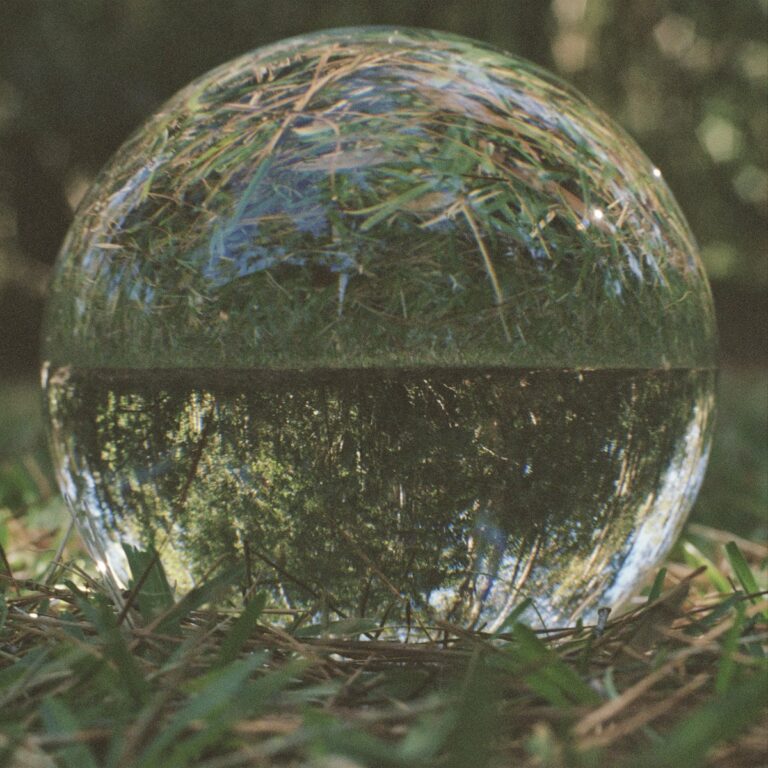
24-year-old minimalist and surreal photographer Samantha Cavet, born in Venezuela, is currently based in Madrid, Spain. Samantha has been fascinated with photography from a very young age; she remembers the time-capsule appeal of old photographs, intrigued by the chance to imagine old moments that had been visually captured. It wasn’t until last year, however, that Samantha began to take a more serious approach to her personal work. This new attitude to her hobby was sparked by a trip where the young photographer captured everything she missed seeing during the pandemic. Her minimalistic approach to photography stems from wanting to give importance to things we tend to pay little attention to, or overlook entirely. Samantha cites her thirst for learning and improvement as her main source of inspiration in the creative field, and while other photographers, artists and musicians have been influential, she is first and foremost attracted to scenes that satisfy her and are visually alluring. When scrolling through Samantha’s collection of photos on Instagram or Twitter, it’s easy to notice the celestial sphere is central to her work. The creator explains this magnetic appeal: “The sky fascinates me, I’m always looking at it in complete awe. I feel like it’s a large canvas that changes every second and there is always something interesting and prepossessing to see”.

Artist Spotlight: Floatie

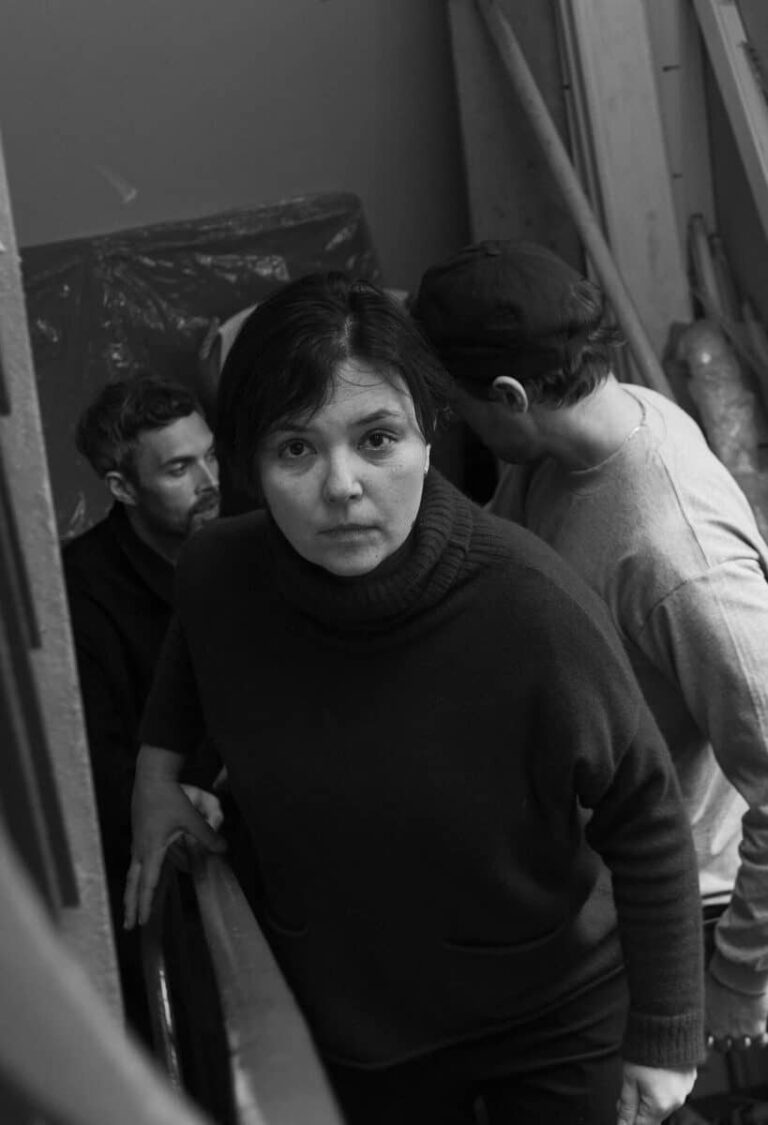
Chicago-based band Floatie – the quartet of singer-guitarist Sam Bern, singer-bassist Joe Olson, multi-instrumentalist Will Wisniewski, and drummer Luc Schutz – released their debut album just last week, but their friendship goes back nearly a decade. Before Bern started writing new material with Olson and Schutz under the name Floatie in 2017, the trio had previously performed together as Spooky Action Space Captain, while Olson had recorded Bern’s duo Date Stuff; Wisniewski, who joined Floatie in summer 2019, was also in a group with Olson called Hundred Heads. Having earned a reputation in Chicago’s tight-knit live scene, playing shows with Ratboys, Pile, Spirit of the Beehive, Moontype, and others, the band tracked their first full-length, Voyage Out, with producer Seth Engel at Pallet Sound studios at the tail of end of 2019. Despite the pandemic upending their plans just as they were about to mix the record, the songs’ layered, ever-evolving arrangements make for an adventurous listen that’s as easy to get lost in as it easy to simply enjoy, thanks in no small part to the group’s natural yet mysterious synergy.

We caught up with Floatie for this edition of our Artist Spotlight interview series to talk about how the band came together, the process of recording their debut album, and more.


I know you all sort of ran in the same musical circles in the Chicago scene before you created Floatie, but I was wondering if you could talk about how the four of you started to form a closer bond.

Will: We were in two different bands that went on tour together for a month – we went from Chicago to the West Coast and then back down through the southern part of America. I didn’t really know Sam or Lu well before that, but we really all became super close on that tour, just camping and playing shows and being super stoked about each other’s bands the whole time.

Joe: And then we all moved in with each other.

Will: [laughs] Yeah, we ended the tour and then we immediately moved in with each other, not even joking. It was inevitable that we would start playing together in one band eventually.

Why do you say it was inevitable?

Will: We were just always around each other. Or maybe I just say it was inevitable, it’s like a wishful thinking thing. I had always wanted to play music with Sam but we were in two separate bands – I wanted to do crossover and collaboration stuff but it was just, like, not the right time. But I know we wanted it to happen.

What are some things that you bonded over – was it mostly just music?

Sam: Yeah, pretty much. In the big house we lived in, we had a basement area and all of our combined gear and everything was in there. So, you know, you come home and you hear something emanating from downstairs and then you could just go down and join and see what they were up to. And yeah, we bond over music but also comedy.

Will: Videos of people going down waterslides on YouTube and stuff like that.

As most friend groups do, I suppose. [laughter]

Sam: Yeah, in one way or another.

But it’s something I can hear in the music, just the chemistry that you all share. There’s a lot of intricacies to your sound, but it’s also just a joy to listen to and I think that’s something that comes from that sense of connection. I know you were playing together for a while before recording your debut, so I’m curious how that relationship evolved over time.

Will: So, me and Joe were in a band, Sam and Luc were in a different band. And then Joe and Sam and Luc were in the same band together and I was off doing my own thing for a while, and I would go and see them play when they first started Floatie for the first year and a half or something. I was just fanboying in the audience, but being like, “Man, I wish I was in this band playing stuff with them at the same time.”

Sam: Why didn’t we – we didn’t think about it for so long and I don’t know why.

Will: Yeah, there was one time where it didn’t even occur to me that I would want to be playing music live or anything, I was sort of making stuff at home alone, in total isolation. And eventually, it was Luc’s birthday, I think, and we were all hanging out at the barbecue. And we were in the kitchen just talking about music and you were like, “So why aren’t you in Floatie yet?” [laughter]

Sam: We were talking and I was like, “Wait a second, why don’t you just come join the band,” and Will was like, “Wait, really?” [laughter]


Obviously, this is your first release as Floatie, but you’ve been playing live as a band for a few years now. How did you go about channeling that dynamic that you’d built in a live setting into more of a studio environment?

Joe: We tracked everything in the studio first live – we did the drums and the bass and the guitars together, so the album itself sort of has that live feeling, I think, because of the way we tracked the instruments together.

Luc: Our friend, Seth, who recorded us, he’s been to so many of our live shows, so he kind of knew how to [channel that].

Joe: We used to practice in the basement at the house that Luc and I live in now, and when we started the record, Seth came over to the basement and we played him all the songs. We told him we want this to sound like us playing really loud in the basement, and so I think we just tried to channel that but in a much larger room.

What do you feel he brought to the recording process?

Sam: He’s so nice and supportive and just great at keeping everybody – you know, we’re hearing the same thing over and over again and he somehow has a way of keeping you excited about it and feeling good.

Will: Everything he does, he’s super excited to do. It’s not like, “Oh, I guess I could set something up and it might sound a little better,” you know, he’s like jumping at you [laughs] –  he’s really gassing you up the whole time. It really makes for an exciting recording atmosphere.

Do you mind sharing some memories from that week of recording?

Sam: Oh, there was a vending machine [laughter]. And none of us really even drink soda or anything like that, but there was, like, a question mark button, a random drink button, and everyone just became obsessed with it. So we would take breaks and go downstairs and get all the dollars that we had together and just put them in the machine and click the random button and see what came out. It was honestly horrifying seeing the recycling bin with the cans of random soda. We didn’t want to drink, we just wanted the thrill of pushing the button.

Will: Yeah, sometimes you’d get, like, Cherry Pepsi, and it was like, “Dang, the mystery button has got some good stuff behind it.” And then other times you would get some really weird one-off thing. Oh, the thrill of that button!

Sam: I know, I’m getting, like, “Whoo!” [laughter] But also, hearing all the parts with such clarity for the first time – because I was just thinking about it now, people would take videos of the show you know, like a little Story, and then they would tag us. And after the show I’d look through them and listen and I’d be like, “Damn, Will, that was really good!” I could not hear ever hear what was going on. It’s like we really waited till the last minute to hear what each other was playing.

Will: Yeah, it’s like looking in the mirror for the first time.

To move more into the songwriting side of things, I was wondering, when you have a spark of inspiration, how much do you discuss those ideas with each other before you kind of flesh them out? For example, I know that the album was influenced by a lot of adventure books, and ‘Castleman’ in particular was inspired by The Count of Monte Cristo.

Sam: I think if I bring a riff to practice or something that I’m excited about and we all start to play it, and if somebody is having trouble with the vibe they want to add to it, then we’ll have a discussion, like, “Oh, what were you thinking about when you wrote it?”

Will: Yeah, like what can I play along with you that doesn’t make this suck [laughter].

Sam: But if nobody’s getting it, then I’ll be like, “Okay, I’m going to step up here. You’ve been in prison for 14 years for a crime you didn’t commit. You’ve escaped jail. Okay, now go.”

In terms of the lyrics specifically, when you approach more personal topics – I was thinking of ‘Catch a Good Worm’, for example, which explores the concept or the falseness of binaries – do you find yourselves having these kinds of conversations, even outside the creative context?

Sam: We do have those talks because, you know, it’s what the songs are about and we’re all really good friends. It’s also part of my life, and so…

Luc: Therefore a part of ours.

Sam: Yeah, therefore a part of ours.

Joe: We all love Sam’s lyrics and we have these conversations about our personal lives and we’re all very close, but ultimately, the lyrics are – we just trust Sam to do what they will with them. These are things that we talk about, but the lyrics themselves really are mostly Sam.

Will: I never ask what they mean either.

Sam: Well, we talk about them though. Because, I mean, we would probably talk about them anyway, but we’ve been getting more questions about them specifically than we imagined, which is good – we’re all really excited that people are into it and want to know more, but that also sort of forces us to talk about them more and break them down a little bit. And so, because we’ll do all the interviews together, having those conversations helps that whole process.

I assume the lyrics were written a while ago. Having these conversations now, has that made you reflect back on them any differently?

Sam: When I wrote them, it kind of felt like it was like, “Dear Diary…” And then having conversations about them with my friends and also to share them with other people, it’s been really nice. To feel like this is less something that I need to deal with alone and more so, like, “Let’s share it and talk about it.”

Will: It’s funny, there’s one line on the album, “If only you would wash your hands, you wouldn’t get sick as much.” And that was written pre-pandemic. I was listening to that and I was like, “Whoa, what did Floatie know, and when?” [laughter]

How do you feel now that the album’s been released and the response it’s been getting overall?

Luc: It’s been really exciting.

Sam: Yeah, we’ve been freaking stoked.

Will: Totally wild.

Joe: It’s interesting to actually read what people think about it and write about it in so many different ways – almost none of our music projects have ever really garnered any reviews, really, or at least minimally. But I think mostly we’re just really excited now that it’s behind us to work on new stuff. We just set up our rehearsal space as a recording studio.

Is there anything that you feel like you want to explore more moving forwards, musically or conceptually?

Sam: I’d say more adventure novels, definitely. You know, there’s a lot out there, not enough time… Trying not to think about it too much. But also, I think writing more all together. This time I’m really excited for the group effort instead of, like, I’m writing this song in my room alone and then bring it to practice and then everybody adds what they want. Now we have this sort of semi-blank slate and this awesome new space to work together.

Joe: I think we’re also very excited to travel and tour again together. It’s been a long time and it will be a long time still, but it’s definitely something we’re all very much looking forward to.


This interview has been edited and condensed for clarity and length. 

Floatie’s Voyage Out is out now via Exploding in Sound.

5 Best Character Arcs in Sex Education So Far

0

Sex Education is Netflix’s hit comedy series created by British-Australian Laurie Nunn. The show is primarily a comedy, but the story is heartfelt and empowering. Asa Butterfield stars as Otis Milburn, the son of a sex therapist, Jean Milburn (Gillian Anderson). Otis’s bubbly best friend Eric (Ncuti Gatwa) balances out his introverted awkwardness, but when resident genius Maeve Wiley (Emma Mackey) proposes they start a sex therapy clinic at school, Otis is pushed out of his comfort zone.

Most episodes are framed by Otis and Maeve’s clients and their respective issues, which makes even the side characters feel fleshed out and well-rounded. These side characters often complete mini character arcs within a single episode, while the main characters continue to grow and evolve throughout the series. Some – like Otis, Eric, and Jean – seem to still have a long way to go before truly changing at their cores. Others have already developed significantly in the show’s first two seasons.

Adam Groff

Adam is the son of Moordale Secondary’s Headmaster, Michael Groff. After being assigned to work on a class project together, Adam discovers all of Jean’s “weird sex sh**” in Otis’s house. The next day, Otis is humiliated when a video of his mum is circulated at school. Otis tracks Adam down, but he’s having problems of his own.

Adam has been having trouble with his girlfriend Aimee, largely because he feels too much pressure. He admits to Otis that it’s hard being the Headmaster’s son and living up to the rumors about him. Otis helps Adam take ownership of his identity, but that doesn’t stop Adam from bullying Eric in the hallways.

Later in the season, Adam realizes he’s attracted to Eric when they have detention together. Still, he continues to treat Eric poorly in public and is unable to show him affection because he’s ashamed of his sexuality.

In season 2, Mr. Groff sends Adam away to a military school, where he’s wrongly expelled after protecting a gay couple. He returns to Moordale a changed man, hoping to make amends with Eric, who already has a boyfriend. At home, Adam tries to please his dad, but Mr. Groff finds ways to belittle Adam every chance he gets.

Adam finds small successes at work, where he befriends Otis’s girlfriend Ola. She helps him accept that sexuality is fluid, and he listens to her problems and helps her express her anger safely. By the end of the season, after getting some advice from his mum, Adam decides to prove that he’s brave enough to love Eric, and he proclaims his feelings in front of the entire school – including his father.

Aimee Gibbs

Aimee Gibbs is introduced as shallow, slightly frivolous, and not very bright. Nevertheless, she’s Maeve’s best friend, though the two keep their friendship a secret from Aimee’s clique, “the Untouchables”. Throughout the first season, Aimee realizes that the Untouchables don’t have her best interests at heart and that it’s Maeve who truly cares about her. Even though Maeve doesn’t have the best reputation around school, Aimee publicly ditches her old clique to hang out with Maeve.

In season 2, Aimee spends most of her time with Maeve and her first steady boyfriend, Steve. Though they’re two of Moordale’s top academic performers, they love and support Aimee wholeheartedly. Aimee makes a cake for Maeve’s birthday after deciding she’s going to be a baker. She’s on her way to school with the cake when a man assaults her on the bus. Maeve insists that they report the incident, though Aimee doesn’t want to make a fuss.

It’s only later that the experience starts to make an impact on Aimee. She stops taking the bus and making physical contact with Steve. When the girls (Aimee, Maeve, Olivia, Viv, Ola, and Lily) get detention after being wrongfully accused of slandering a female teacher, Maeve and Ola start bickering until Aimee shuts them up. She finally admits that she’s been struggling in the wake of the assault, and the girls all share their experiences of being harassed by males.

Surrounded by her supportive friends, Aimee is able to gather the courage to speak about her experience. The girls then go to a scrapyard and let their anger out by smashing old junk. They cheer for Aimee in what is one of the most empowering moments of the series. The next day, they all meet Aimee at the bus stop and board it with her. Later, Aimee tells Steve about what happened and accepts his emotional support.

Maeve Wiley

Maeve is one of Moordale’s top academic performers, but she’s not ready to own her achievements in season 1. She mostly keeps her head down, makes fun of the school curriculum, and writes other people’s papers for extra cash. But when Adam receives the credit for an essay she wrote for him, Otis encourages her to take what she deserves – in this case, the trophy prize. He leaves it in her trailer at the end of the season, which inspires Maeve to be braver.

In season 2, she accepts Miss Sands’s invitation to become a member of the Moordale Aptitude Scheme, a class for bright students who are looking for more ways to ensure college acceptances. Maeve also joins the Moordale Quiz Heads, but sabotages her own place on the team several times. Miss Sands is the one to encourage her to keep going, especially after Maeve is too afraid to read out an essay about where she sees herself in a few years’ time. Coming from a financially disadvantaged background and having no family around, Maeve’s dreams are simply to have a house with windows and chairs so that she doesn’t feel so lonely.

Miss Sands tells her she could do a lot better than that, but Maeve still struggles not to feel like a disappointment, especially when her mum returns to Moordale, a young toddler in tow. Maeve slowly begins opening up to her, but when she finds drugs in her possession, she has no choice but to call Child Services. Preoccupied, Maeve doesn’t perform to her best abilities for the Quiz Heads, leaving her feeling like a failure. Otis, Aimee, and Miss Sands are always there to remind Maeve how capable she is, but in the end, it’s Maeve who decides which direction her life will take.

She knows that reporting her mother is the right thing, even if she feels horrible about it in the moment. She also knows that she should put herself first, so she decides to stop worrying so much about boys, whether it be Jackson, Otis, or potentially her new neighbour Isaac. Instead, Maeve pours her energy into her studies and her friendship with the girls.

Jackson Marchetti

Jackson is Moordale Secondary’s newest Head Boy, a star athlete, motivated, ambitious, creative, and academic. He’s also casually sleeping with Maeve, at first wishing to keep their relationship a secret, then changing his mind and expressing his desire to date her. She’s elusive, so Jackson asks Otis for advice and does exactly the opposite of what Maeve would ever want from a potential romantic partner: he makes a grand gesture. He sings Billy Ocean’s “Love Really Hurts Without You” in front of their classmates. At first, Maeve is embarrassed, but she soon gives in.

Maeve still has her reservations, but Jackson isn’t aware of this. He’s grappling with other issues, like the pressure he feels from his mother to perform well at swimming. He latches on to Maeve and her brother Sean. Though he’s dependent on them, especially Maeve, the relationship is mostly a healthy and positive one. They support each other and are matched in intellect and maturity, which can’t be said of Otis and Maeve at this stage. It’s clear that Maeve doesn’t love Jackson as much as he loves her, and she didn’t even want a boyfriend to begin with. Viewers can see it from a while away, but Jackson is shocked when their relationship falls apart.

He’s heartbroken for the first time in his life and isn’t really himself anymore. Even so, he does everything he can to ensure Maeve isn’t expelled from Moordale after Mr. Groff finds her brother’s drugs at the school dance. In season 2, Jackson continues feeling anxiety surrounding swimming. He even injures himself to get out of training for a while, during which time he makes a new friend and finds a new hobby.

His new tutor, Viv, quickly becomes his friend, and she’s unlike anyone else in his life. She’s supportive, frank, and incredibly smart. She helps Jackson prepare for his role as Romeo in the school musical and encourages him to tell his mother how he feels about swimming. When he harms himself a second time, Viv is the one to go to his moms and report his behavior. Of course, Jackson is angry at her in the moment, but it’s the right thing to do. It helps Jackson be honest with his mother and rebuild their mother-son relationship. Jackson also comes around to Viv and their friendship becomes purer, free of the transactional dynamic on which it’s first established.

Maureen Groff

Maureen is one of the unsung heroes in Sex Education. In season 1, she’s rarely seen, but the storyline in season 2 allows her more room to be. She finally asserts her autonomy in her marriage, informing Michael that she wants a divorce. In season 1, she’s a bystander to his bullying of Adam, but in season 2, she defends her son and takes him under her wing. She gives him inspiring and invaluable advice that Adam takes in stride, having just learned the same lessons herself.

Importantly, Maureen branches out and finds a friend in Jean Milburn, who works at the school in season 2. She finally gains the courage to talk to Jean about her personal troubles, both sexual and marital. The two women find that they enjoy each other’s company outside of therapy, and their adventures together are some of the most empowering moments of the series so far.

Maureen takes ownership of her life and control of her destiny in season 2, which embodies what most of the characters are trying to do. Hopefully, her journey of growth will continue into season 3, when Michael will no longer be living with her and Adam.