Seduction and revenge collide in The Polygamist, a South African telenovela streaming on Netflix. With 22 episodes available, it’s the kind of show you can’t look away from, especially if you like your entertainment as steamy and twisty as possible.
Fans seem to agree. The Polygamist is among the most-watched non-English titles on the platform. With 2 million views this week, it’s also the #1 show in three countries. Could this mean a second installment is on the way?
The Polygamist Season 2 Release Date
At the time of writing, Netflix hasn’t officially renewed the series for more episodes.
However, it’s early days. As long as viewers keep tuning in, there’s a good chance it will make a comeback.
“Where The Polygamist goes is up to Netflix. I mean, of course, we spend so much time investing in the story, having a great time telling it, loving it. We are super excited to watch it along with the rest of South Africa and the world, and I think there’s always a desire to see more”, producer Thuli Zuma said.
If Netflix does renew the drama, The Polygamist season 2 could arrive sometime in summer 2027.
The Polygamist Cast
Gugu Gumede as Joyce Gomora
Sdumo Mtshali as Jonas Gomora
Kwanele Mthethwa as Matipa Nkosi
Kenneth Nkosi as Magesh Gomora
Noluthando Shabalala as Mpume Gomora
Wonder Ndlovu as Menzi Gomora
Celeste Ntuli as Essie Gomora
Lwazi Keith Tshebesha as Sarah Gomora
Luyanda Zwane as Lindani Mbatha
What Could Happen in The Polygamist Season 2?
Inspired by the novel by Sue Nyathi, The Polygamist centres on Jonasi Gomora, a self-made CEO whose status conceals years of infidelity.
Publicly, Jonasi and his wife Joyce project the image of a power couple. Behind closed doors, Jonasi maintains multiple relationships, manipulating the women around him while trying to preserve his image.
As his affairs become impossible to hide, though, the lives of several women intertwine. Jonasi’s empire starts to crumble, and the women are forced to finally confront the damage he has caused. They must also decide whether they’re ready to reclaim control over their own destiny.
The show is over-the-top, which makes it particularly binge-worthy. By the time the finale rolls around, viewers aren’t left with many questions. Even so, The Polygamist season 2 could focus on the next generation, given that Jonasi’s son begins exhibiting some of his father’s behaviour.
“After watching the series, if I were to write a sequel, I would certainly look at the children’s lives growing up in that setup,” Zuma also said.
We’re sure a second installment would be just as juicy.
Are There Other Shows Like The Polygamist?
If you enjoyed The Polygamist, you might also like Fatal Seduction or Unspeakable Sins.
If you like reality competitions, you’re probably familiar with Outlast. The show, which debuted in 2023, places 16 players in the Alaskan wilderness and follows them as they attempt to survive the elements. The third season or spin-off series switches things up.
In Outlast: The Jungle, players venture to a remote tropical island where they battle it out for a big cash prize.
The premise remains enticing, as the competition is currently ranked #3 on the global Netflix charts. With 3.3 million views this week, it’s also a Top 10 show in 46 countries. Could a follow-up be on the way?
Outlast: The Jungle Season 2 Release Date
At the time of writing, Netflix hasn’t announced anything official about Outlast: The Jungle season 2 or Outlast season 4, depending on what type of setting they go for next.
That said, this current season dropped in two parts, and the final episodes just became available. The streaming service might be waiting to assess viewership. Given that the numbers are good, we expect a renewal to be around the corner.
If all goes well, new episodes of the reality series could arrive sometime in 2027.
Outlast: The Jungle Season 2 Cast
Since we don’t know for sure whether the show will return, there’s also no word on casting. The roster of contestants will likely be made public closer to a future premiere date. Until then, you can check out the cast for the first season of Outlast: The Jungle here.
What Is Outlast: The Jungle About?
In Outlast: The Jungle, 16 strangers from various backgrounds are dropped into a tropical environment and challenged to survive while competing for a $1 million prize. Despite entering the game as individuals, they can only win as part of a team. That rule makes cooperation both a necessity and a weapon.
The heat, relentless rain, insects, and scarce food sources make daily survival difficult. Even so, physical hardship is only one part of the equation. Contestants must build shelters, start fires, secure drinking water, and forage or hunt, all while navigating shifting alliances. As the days pass, relationships become increasingly complicated. That makes the show particularly addictive.
As long as Outlast: The Jungle season 2 happens, it will likely follow the same format. The tropical landscape is just as tricky to navigate as the frozen one.
Are There Other Shows Like Outlast: The Jungle?
If you’re into Outlast: The Jungle, you might like some of the other competition series streaming on Netflix. The list includes Battle Camp, Physical: 100, Squid Game: The Challenge, and Surviving Paradise.
“The first song I wrote for Slippers was a kid’s song,” says Slippers’ Madeline Babuka Black over Google Meets. “I was nannying at the time and just so annoyed at how bad the shows I was watching with the kid were.” Chugging on an iced coffee, she says Paw Patrol was like her number one enemy. “A lot of that stuff is so pandering.” The song ‘Monkey Over There’ – released in 2019 on the Here’s Some Slippers EP – marries a deadpan, Liz Phair-ish vocal delivery, surreal lyrics about a sombre simian (“He just sits there/ And reads New York Times“) with a mid-track flex into a shimmering ’60s bop. And in one minute, thirty-four seconds it captured the essence of Slippers’ music: garage pop with a whimsical edge. But speaking to Babuka Black, it becomes clear that there’s a specificity to the sounds she is pursuing. “I think the ‘90s-does-the-’60s thing is something I’m attracted to,” she says, referencing bands like Jellyfish. “I like a lot of bands inspired by The Kinks or The Beatles. A lot of the songwriting from that era feels like a home base for me: I like the storytelling. I think The Kinks are masters of making songs that are funny and ‘slice of life’.”
She could be describing Slippers’ new album, Slippers 08, the follow-up to their debut 2024’s So You Like Slippers? It brims with situational sunshine, beautifully realised fuzzed-up sonic textures and gauzy songwriting that feels instantly canon. “I do think a lot of music sounds a little too perfect these days,” Babuka Black says while admitting a love for Joe Meek’s recording aesthetic and early experimentation. The baroque ‘Reading Lucy’s Diary’, “about a husband and wife – and the husband’s cheating and the wife knows it,” is a great example, inspired by the story-songs of The Kinks but also Of Montreal (“Kevin Barnes is an incredible poet and lyricist”) and Saint Etienne’s Good Humour. “There’s one song on that album that’s like a soap opera: ‘You’re my sister – don’t take my man!’”
The songwriting for the new album began in an experimental setting. “I did this thing called a Song Salon with other musicians where you try and write 12 songs in 12 hours,” she recalls. “I couldn’t do that – but it turned into ‘why don’t we try to write a song in one day, from start to finish.” Getting input from the collective of songwriters was “a great way to get out of your own way and be like, ‘Okay, I need a verse here.'”
The collaborative nature of the Song Salon bled into Slippers 08. “I had a bunch of friends who played on the record,” she says. Growing up her father played bluegrass music which fed into communal ideas about playing together. “With bluegrass there’s kind of no limit to how many people are playing.” Music was a feature of her extended family. “My grandma played dulcimer, my cousin is a composer and in my family there are several preachers. I grew up going to an Episcopal church and there’s a lot of old school choir music going on.” Writing and recording her first song when she was three (‘Fleas That Mite You Bite You’), Babuka Black’s nascent music career grew in parallel to one in the other creative arts.
“I used to be a balloon artist. I got fired because somebody thought I was stealing their balloon designs,” she says. “I need to make a TV show about the balloon community because there’s something about them that’s so incredible. They all used to date each other.” A more successful route was animation. Mirroring her music, she fell in love with the ’90s-meet-’60s aesthetic on kids’ shows like The Power Puff Girls, Dexter’s Lab and Cow and Chicken. She moved from Atlanta to New York to pursue her studies in animation and that parallel career seems to be thriving: she’s made two films. Music provides a balm when animation gets too lonely. “Being part of the music community gets me out of animation which can be solitary. With music you have to be physically there to do it.”
Unlike So You Like Slippers, which was largely recorded on a four-track, Slippers 08 is a more expansive affair but begins the same way. “Being a drummer, usually the way we do it is I’ll do a scratch take while playing the drums, which is kind of psycho.” Babuka Black says she likes being behind the drums when playing live. “You have a beverage holder, you have a little seat. It just feels more comfortable,” she says, adding that she likes the meditative state it puts you in. “I can close my eyes and if I’m singing and playing, I have no room for any thoughts at that point because I’m in survival mode. You’re in the moment.”
Babuka Black’s favourite song on the new album is the deceptively breezy chamber pop of ‘Wasted Tonight’, featuring some tragi-comic lines about a stumbling drunk (“Said I don’t care/ It’s an anti-social affair”). “I’m sober now,” she says. “I was thinking about my friends from high school and college and you’d go out and get wasted.”
The codependent relationship between alcohol and musicians is well-documented. “Drinking and music go hand in hand, they’re besties. Everybody who does music not under the influence – that’s quite brave.” Babuka Black says she remembers being younger and feeling frustrated when her music wasn’t taking off faster than it did. “Thank fudcking God they didn’t happen because I would have tanked. Without being under the influence of drugs and alcohol it’s so much easier for me to take myself seriously,” she says. “I’m grateful for my sobriety. As an alcoholic it’s just not sustainable for me to go on tour and expect my body to keep up with how much I want to drink.”
With the release of her second animated short film set to premiere at the Fantasia Festival in Montreal, she’s also planning some new material. “I’m hopefully going to record a new record in September with Ross Farbe in New Orleans. He’s really into weird recording techniques.” She also hopes to up the ante for future live shows. “I need to freaking learn magic for Slippers. If I could do some magic tricks in the show. That’s the next step.”
A comfortable townhouse should support restful sleep, maintain a manageable temperature, and allow for smooth movement from one room to another. Cosmetic appeal matters far less once regular routines take over. Buyers benefit from judging light, sound, air flow, storage, and travel strain with care. Those checks provide a clearer picture of how the home will support workdays, recovery, family routines, and aging in place.
Layout First
A sensible review of a Townhouse (ทาวน์เฮ้าส์) often starts with circulation, stair pitch, room width, and privacy between active zones and sleeping areas. Buyers should notice whether the plan allows easy movement, quiet rest, and practical use of every corner. Tight passages, awkward turns, or poorly placed doors can increase fatigue. A balanced layout often feels calmer, even without a larger recorded area.
Light and Air
Daylight helps regulate mood, visual comfort, and household energy use. Windows facing open spaces create a more inviting atmosphere, which reduces the need for artificial lighting during the day.
Cross ventilation also deserves close inspection. Air that moves through front and rear openings may lower heat buildup and stale odor. Buyers should open windows, check screens, and observe whether nearby walls block breeze or trap warmth indoors.
Noise Control
Noise has direct effects on sleep depth, concentration, and stress. Buyers should visit the property during rush hours, late afternoons, and evenings, because sound levels often change significantly across the day.
Solid doors, sealed frames, and thicker partitions may reduce disruption from roads or adjoining homes. If the unit faces a busy street, acoustic comfort becomes far more important than decorative finishes.
Storage That Works
A home feels less restful when daily items spill into shared living spaces. Built-in cabinets, under-stair compartments, and a useful service zone can keep belongings contained without crowding rooms. Buyers should picture where shoes, bedding, pantry supplies, cleaning tools, and seasonal items would actually go. Poorly placed storage creates friction. Good placement supports smoother routines, faster cleaning, and less visual strain across the week.
Kitchen and Bathroom Basics
These two areas affect comfort more than many buyers expect at first glance. The kitchen should allow for safe movement, durable work surfaces, and enough outlets for routine appliances. Bathrooms need proper drainage, quick drying, and stable water pressure. Buyers should run taps, flush toilets, and inspect grout, seals, and corners. Small faults here can lead to moisture damage, repeated repair bills, and daily inconvenience.
Parking and Access
Parking width, turning radius, gate clearance, and the walk from car space to entry all shape daily effort. Homes used by older adults, children, or people carrying groceries benefit from direct, unobstructed access. During rain or intense heat, convenient arrival can make a meaningful difference in overall comfort.
Location and Daily Rhythm
Commute length affects sleep timing, meal patterns, stress load, and time available for exercise or family contact. Buyers should map regular routes to work, school, shops, and medical care. Safe footpaths, nearby transport, and reliable local services are also important. Comfort depends partly on the area around the home, not just interior features.
Construction Quality
True comfort often rests on details hidden behind paint and tile. Buyers should inspect cracks, ceiling marks, door alignment, floor level, and any sign of dampness. Loose outlets or weak circuit capacity may point to future expense. Asking about wall materials and roof insulation can also reveal how the unit handles heat gain and sound transfer. Solid construction usually supports lower maintenance and steadier indoor conditions.
Shared Services
Townhouse projects usually depend on common roads, drainage, lighting, waste handling, and basic security. Buyers should ask who manages those systems and how repairs are scheduled. Poor upkeep outside the unit can still affect sleep, hygiene, and convenience inside it. Drain covers, curb conditions, and garbage areas offer useful clues during a visit. Community rules should also fit the household’s habits and needs.
Budget Beyond Price
The purchase price tells only part of the story. Buyers should count transfer fees, loan charges, repairs, furnishing costs, utility demands, and monthly common expenses before deciding. A cheaper unit may become more difficult to maintain if travel expenses remain high or if defects become evident early on. Financial strain can cause stress and affect household stability. Clear budgeting helps keep the choice practical, durable, and easier to live with over time.
Conclusion
The most comfortable townhouse is one that supports rest, easy movement, practical storage, and sustainable daily routines. Buyers who examine layout, air flow, noise, access, workmanship, and ongoing costs can judge comfort with greater precision. A careful visit, paired with specific questions, helps households choose a property that will feel livable, steady, and supportive for years.
If Bottega Veneta is good at one thing, it’s weaving leather. Its intrecciato technique, now one of the industry’s most instantly readable patterns, didn’t start as a design idea. It started as a limitation. In the late ’60s and early ’70s in Veneto, Bottega Veneta’s workshops had a simple problem: the machines weren’t really up to the leather. So instead of upgrading the fantasy, they cut the napa into strips and wove it together until it behaved. No logos, no branding layers, just leather doing its job a bit too well. Fifty years later, a production limitation is still running a brand my half-blind mother can spot from a mile away.
Nearly two years earlier, which, given the past year’s designer musical chairs, already feels like a decade ago, Matthieu Blazy launched the brand’s first-ever fragrance collection, all while looking to its intrecciato story and its birthplace. Now Louise Trotter circles back to the same idea. Everything about Altais bigger, including the distance from the original concept: more fragrances, more markets, lower price points, and a looser connection to its centre. Trotter’s ten intrecciato glass bottles force one Italian ingredient at a time to make friends with one coming from well outside the brand’s home country, “expressing a cross-cultural exchange through scent.”
Balliamo (Italian for let’s dance) is already a favorite, combining Italy’s sweetest white figs with a deeper American cedarwood and the fantasy of a garden-party setting that basically sells itself. What actually sits inside gardens is Montebello, both the brand’s leather atelier and its new perfume. In case you’re wondering what those trees might smell like, think of zesty blood oranges and pines. The bottled scent, however, is backed by Tunisia’s neroli, the essential oil from bitter orange blossoms. And where gardens aren’t involved, leather, unrefined salt, saffron, plum, and vanilla are.
Phoebe Green has announced her sophomore album, PREMATURE NOSTALGIA. The follow-up to 2022’s Lucky Me is set for release on October 2 via The Green Dream Machine/Absolute. It’s led by the woozy, cathartic single ‘There’s Always Someone Kicking the Seat’. Check it out and find the album cover and tracklist below.
Green wrote and produced the LP alongside her sister Lucy – a producer of contemporary classical and electronic music in her own right – between their shared flat in Manchester and their parents’ home in Lytham St Annes. “The album mostly explores my tendency to be extremely sentimental and attach value to every little thing – feeling nostalgic before a moment is even over and trying to control the grieving process by going through the motions prematurely in order to prepare myself,” Green shared in a press release.
Commenting on ‘There’s Always Someone Kicking the Seat’, she said: “We wanted this song to feel extremely visceral, as though the listener is experiencing the story firsthand; it was written in a similar way to ‘Reinvent’ lyrically where I just wanted to get an experience off my chest and melodically nothing fit, so I ended up just talking. It’s maybe my only proper break-up song, and Lucy really beautifully encapsulated the chaotic emotional journey sonically. It felt really fitting for the verses to feel quite matter of fact, recounting events, then melancholic choruses followed by a cathartic outro.”
PREMATURE NOSTALGIA Cover Artwork:
PREMATURE NOSTALGIA Tracklist:
1. Showing Off
2. There’s Always Someone Kicking The Seat
3. I Don’t Play It Cool, I Play It Steaming [feat. Katherine Parlour]
4. Polluting You With Me
5. Screen Glow Halo
6. Clothes Still On
7. Double Vodka Lemonade
8. Pressing The Bruise
9. Happy Birthday
10. Silver
11. Gum for the Aftertaste
In this segment, we showcase the most notable albums out each week. Here are the albums out on June 19, 2026:
Tierra Whack, WHACK’S MUSEUM
Tierra Whack is right in her comfort zone on WHACK’S MUSEUM: “Aura so bright, it could light arenas,” she sings on the mixtape’s focus track, ‘Totem’. Self-described as her “first true rap project,” it boasts 12 tracks and no features. “A single bar can hold three different meanings,” Whack said in press materials. “Sometimes, I’m saying one thing on the surface but underneath it breaks down into double and triple entendres. WHACK’S MUSEUM isn’t meant to just be heard. It’s meant to be examined.”
Nashville’s Styrofoam have followed up 2024’s Real Time with a playful, shapeshifting new album called Any River. Its songs emerged out of jam sessions at Lou Turner and Trevor Nikrant’s home studio before being recorded in Louisville with Roadhouse bandmate and Equipment Pointed Ankh mastermind Jim Marlowe. The cover photo was shot near the studio and shows the band in front of the south fork of Beargrass Creek, an inlet of the Ohio River. Bonnie “Prince” Willy had this to say about the record in press materials: “It’s a sweet alignment of forces, cooperative and collaborative. Music City has reasons for reputations good and not-so-much; here on Any River we feel the sunlight-creep of solid vibes, carrying with them reasons to anticipate the forever-uplift of gentle groove.”
Pond are back with Terrestrials, the follow-up to 2024’s Stung!. When they started working on the album, the Australian psychedelic rock band set a few boundaries for themselves: No fuzz pedals, no ballads, and no “Pink Floyd shit.” They drew inspiration from ’80s post-punk, new wave, and goth rock, aiming for a “goths at the pub” sound particularly influenced by the Church, Magazine, Midnight Oil, and the Sisters of Mercy. The record was preceded by the title track, ‘Two Hands’, ‘Through the Heather’, and ‘Skyworks’.
Dream Me a Dream is the final studio album of Tucker Zimmerman, who passed away in January at the age of 84. The record was set to be announced the week of Zimmerman’s death, but wasn’t detailed until March, along with the release of the single ‘Sun in Scorpio’. The cult-beloved singer-songwriter gave his label, Big Potato, the following description of the gorgeous LP: “The Little Prince by way of the pen of Antoine de Saint Exupéry said ‘Draw me a sheep’ and I said to the the Little Prince ‘Dream me a dream’ overheard by Nick HOO (Big Potato Nick) who said ‘Record me a song’ so I recorded a song and then one or two more and just like that whip crack away and snap dragon fingers we had an album and just like that pump up the jambalaya and kick the chandelier Nick’s got the tracks mixed and mastered and pressed into 12” discs that say hallelujah and great balls of fire on the cover and that’s all I’m going to say about the outer wheels of this wagon as it rolls into your life the inner clockworks too intricate and deep to make language suffer so if you want more go to the Little Prince ask him to draw you a Dream of Now and Memory…”
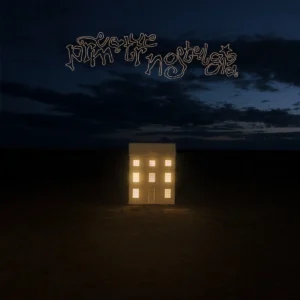
Swamp Dogg, Swamp Dogg Contemplates The Afterlife; Daniel Lanois, Belladonna Nocturne; Office Dog, Prime Corner; Wild Up, Julius Eastman Vol. 5: Gay Guerrilla; Hard-Fi, Sweating Someone Else’s Fever; Swim Deep, Hum; PJ Morton, Saturday Night, Sunday Morning; Seabuckthorn, Never the Same River; Quiet Houses, we’re all in love; Sha Ray & DJ Haram, Critical Thot; Peaceful Image.exe, Right Here, Right Now; Lindsay Schoolcraft, Harrowing; Zoon, HAPPY THOUGHT SCHOOL; Simi Fyda, In My Personal Heaven, I’m the Devil’s Spawn.
FKA twigs has teamed up with Lil Yachty for a new single called ‘On Your Mind’. It marks her first new solo material since last year’s Euxsexua Afterglow, the companion album to Eusexua. Check out the thumping track below.
“i wrote this song with yachty in the evening after a long dance rehearsal when i had found out that my previous manager and production team had not got me visa’s in time to go to coachella and complete my headline EUSEXUA USA tour,” twigs wrote. “i stayed late in the dance studio manically practicing in the hopes that the news was not true, and in denial that somehow i would still make it across the sea to perform for my amazing and loyal fans if i just practiced a bit more. it never ceases to amaze me how pain can manifest into the hardest and most euphoric sonics. i think making songs like this keeps me on my toes and reminds me that i am not in control.”
“i am giving this back story because after completing my first arena tour of the USA and EU it feels like the perfect time to release it in celebration of what as artists we can overcome when we believe in ourselves and others believe in us,” she continued. “i feel so full, thank you for coming to see BODY HIGH, thank you for continuing to grow with me. thank you for what we are building next. everything happens for a reason and my reason for making music and art will always be you.”
Our Verdict: X-VPN Free is one of the few free VPNs that feels genuinely usable, thanks to unlimited data, no sign-up, and an independently verified no-logs policy rarely seen among free VPNs.
Rating
Overall: 8.8/10 ★★★★☆
Category
Score
Rating
Free Plan Value
9.4/10
★★★★★
Privacy & Security
8.8/10
★★★★☆
Speed
8.5/10
★★★★☆
Ease of Use
9.2/10
★★★★★
Streaming & Everyday Use
7.9/10
★★★★☆
When it comes to free VPNs, the biggest question is rarely whether they work at all. It is whether they are usable enough to rely on beyond a quick test. Many free VPNs still come with the same familiar compromises: strict data caps, forced sign-ups, or privacy trade-offs that make the “free” label feel less appealing on closer inspection. That is what makes X-VPN worth a closer look in 2026. Its free version promises unlimited data, no registration, and still shares the same no-logs foundation as the paid service, X-VPN has also now completed an independent no-logs audit conducted by Deloitte.
For this review, we looked at both X-VPN Free and X-VPN Premium to answer a simple but important question: is the free version actually enough for everyday use?
Free Plan Overview
X-VPN Free makes a surprisingly good first impression. Unlike many free VPNs, it does not cut you off after a few gigabytes of data or force you to sign up before you can even connect. You get unlimited data, and you can start using it without creating an account, which already makes it feel more practical than a lot of free alternatives.
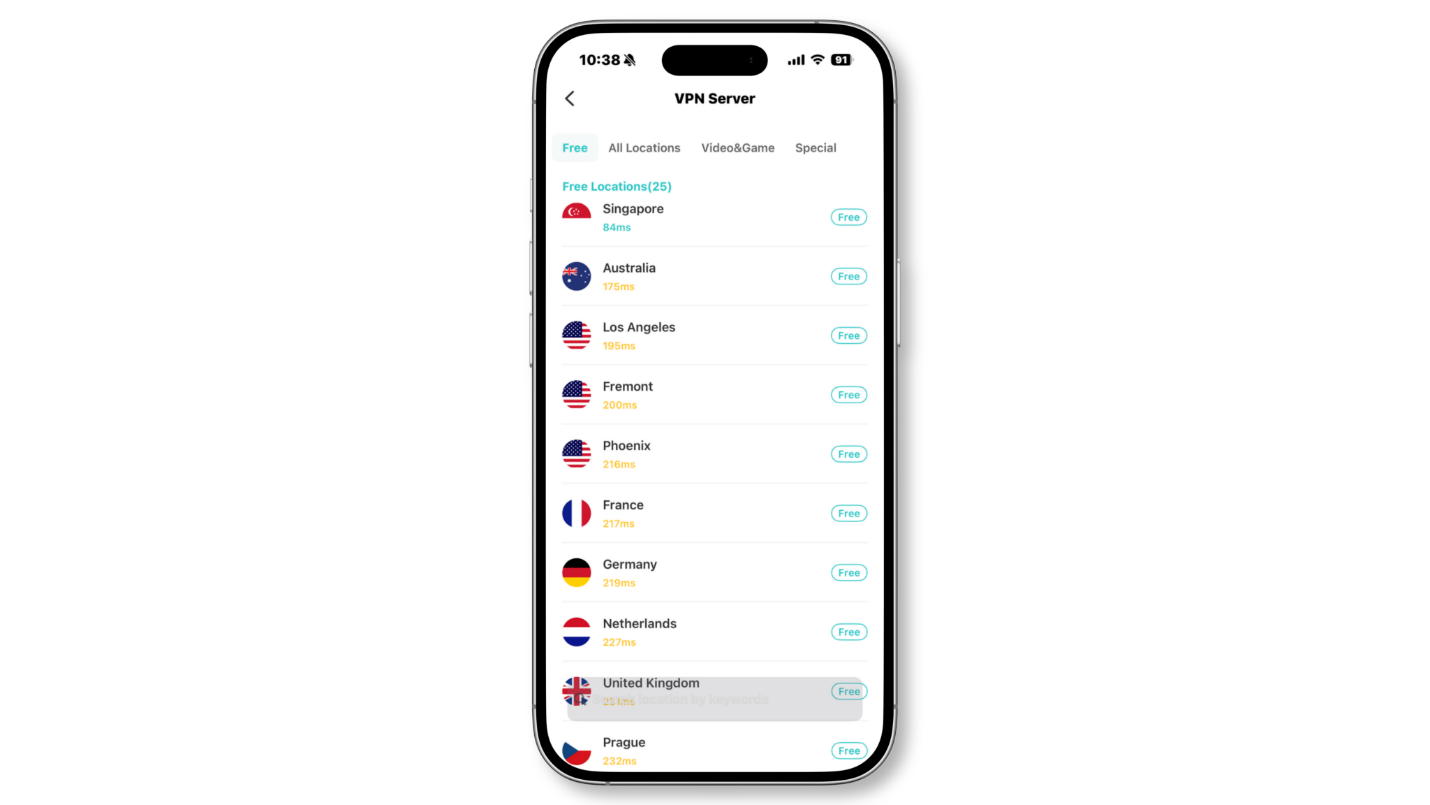
The free server offering is also better than I expected. In actual use, the free plan gives access to 26 locations, including popular regions like the US, Canada, the UK, France, Australia, Spain, and Germany. On iOS and Android, I could manually choose locations instead of being limited to automatic server assignment, which already makes the free version feel more flexible than many competing free VPNs. In the US, there are even city-level options, so the overall experience feels less restricted than what you usually get from a free VPN.
Another thing I like is that X-VPN Free is not overly restrictive when it comes to device support. It works on Windows, macOS, iOS, Android, Chromebook, and as a Chrome extension, so it is accessible on most of the platforms people actually use.
Put together, the unlimited data, solid device compatibility, and relatively large free server network make X-VPN Free feel more genuinely usable than many free VPNs. It is still not a replacement for the paid plan, but for a free option, it offers more everyday value than I expected.
Security & Privacy
The Free Plan Still Gets The Same No-Logs Foundation
One of the biggest weaknesses of many free VPNs is that privacy often feels like a premium-only promise. X-VPN Free makes a stronger impression here because it is built on the same no-logs foundation as the paid version. In practical terms, that means the free plan is not presented as a throwaway product with weaker privacy terms attached to it. That alone gives it a more credible position than many free VPN services that ask users to trade convenience for data collection.
The Audit Gives X-VPN A More Current Privacy Story
X-VPN’s privacy case also looks stronger in 2026 because the service has now completed an independent no-logs audit conducted by Deloitte. That matters because many older reviews of X-VPN were written before this update, which means they no longer reflect the product’s current privacy position. For a free VPN especially, that makes a real difference. Users are not just asking whether the service costs nothing to use, but whether using it comes with privacy trade-offs that undermine the whole point of having a VPN in the first place.
X-VPN Does Not Collect Identifying Activity Data
According to the audit-related materials, X-VPN does not track, collect, or store identifying activity data such as users’ IP addresses, destination IP addresses, browsing history, visited websites, VPN server usage, DNS queries, downloaded content, VPN connection timestamps, or sensitive payment detail. That is the kind of detail that matters more than a broad marketing promise.
The Free Version Still Covers The Essentials
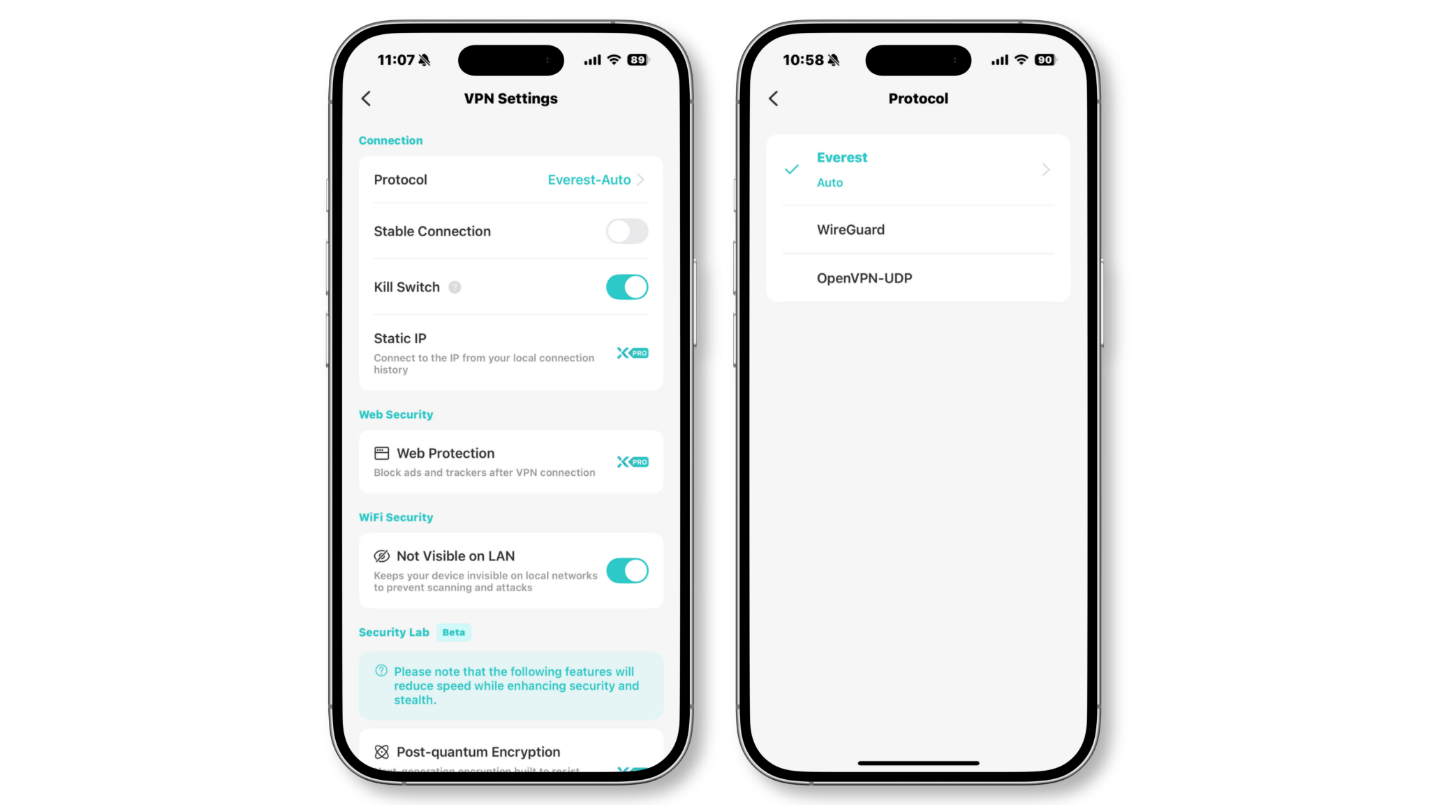
On the security side, X-VPN Free includes the basics that users would reasonably want from a day-to-day VPN. The free plan includes AES-256 encryption, with a kill switch, which we successfully enabled on our iPhone without signing in, and supports open-source protocols such as WireGuard and OpenVPN. Those inclusions help the free tier feel like a real privacy tool rather than a heavily stripped-down demo. For a free VPN, that is one of X-VPN’s stronger selling points.
Speed
X-VPN Free Delivered Fast And Stable Speeds In Our Testing
In our testing, X-VPN’s free version performed strongly for a free VPN, with speeds that felt both fast and stable. Rather than simply connecting and looking fine for a moment, it stayed responsive across regular browsing, app use, and streaming, which made the free version feel practical to keep turned on instead of something that only works in short bursts. On Mac, we also tested V2Ray and saw a clear improvement in performance, with download speeds dropping only slightly.
The Speed Drop Was Minimal When Connected To The Fastest Server
The strongest result came when using the fastest server option. In that setup, the performance drop felt very small, and the connection remained smooth enough that the VPN did not feel intrusive in normal use.
Streaming
Access To Streaming Content Felt Fairly Stable In Testing
What stood out most was that streaming access did not feel overly hit-or-miss. In our testing, X-VPN Free was able to access mainstream streaming content with a level of consistency that felt better than expected from a free VPN. That was helped by the fact that the free plan includes 1,000+ free servers across 26 locations, while iOS and Android also support manual server selection, giving users more control when trying to access different regional libraries instead of relying solely on automatic routing. In practice, we were able to access Netflix US in testing. It makes the free version feel more usable in practice than many services that technically connect but fail to deliver a flexible viewing experience.
Playback Stayed Smooth Enough For Casual Use
Access alone is not enough if speeds fall apart once a video starts. Here, X-VPN Free held up reasonably well. Playback remained stable enough in normal use, and the overall experience felt smooth enough for casual viewing instead of becoming a stop-start exercise in buffering and reconnecting. For users who mainly want a free VPN that can handle light streaming alongside browsing and everyday privacy protection, that makes X-VPN Free a more convincing option than many capped or clearly throttled competitors.
Ease of Use
X-VPN Free is Unusually Easy to Start Using
One of the strongest things about X-VPN Free is how little effort it takes to get started. The free plan does not require registration or even an email address before use, which removes one of the most common points of friction in free VPN apps. Instead of asking users to create an account first and only then test the product, X-VPN lets them download the app and connect almost immediately. That gives the free version a more practical, user-friendly feel from the start.
The App Feels Approachable Rather than Overcomplicated
Ease of use is not only about sign-up, of course. In practice, X-VPN also benefits from a cleaner, more beginner-friendly experience than many users might expect. The interface feels straightforward, and the overall setup is simple enough that new users can start using it with one click or tap the button.
Broad Platform Support Makes the Free Plan More Flexible
X-VPN Free also feels more convenient because it is not limited to a narrow set of devices. The free version is available on Windows, macOS, iOS, Android, Chromebook, and Chrome Extension, which makes it easier to try across different platforms without changing the basic experience. It also supports unlimited simultaneous connections on the free tier, which gives users much more flexibility than a typical free VPN setup. That helps the free plan feel less like a one-device trial and more like a usable everyday service.
Unlimited Data Makes The Experience Feel More Relaxed
The usability advantage is also helped by the fact that X-VPN Free comes with unlimited data. That changes the tone of the product in a meaningful way. Instead of constantly watching a usage counter or treating the VPN as something to switch on only occasionally, users can leave it on more naturally as part of regular browsing and light streaming. Combined with the no-sign-up approach and broad platform support, that makes X-VPN Free feel easier to live with over time, not just easier to test for five minutes.
Limitations
The Free Plan Leaves Out X-VPN’s More Advanced Features
X-VPN Free is generous in the areas that matter most for basic use, but it does not include the more advanced tools that help define the premium version. Features such as split tunneling, multi tunneling, dedicated servers for streaming and gaming, and post-quantum encryption are reserved for Premium. That does not weaken the core value of the free plan for casual browsing and light streaming, but it does mean users with more specific needs will reach the ceiling of the free tier much sooner.
Mobile Ads Are Still Part Of The Free Experience
The other trade-off is that the mobile version includes ads. That is not unusual for a free VPN, but it still affects the overall experience, especially for users who want the cleanest possible interface. X-VPN Free remains easy to use, but the presence of ads on mobile is one of the clearer reminders that this is still a free product rather than a fully unrestricted version of the service.
Verdict
X-VPN Free makes a stronger case for itself than most free VPNs do. It offers the things that matter most in daily use: unlimited data, no sign-up, vast server numbers, broad platform support, and a free tier that still feels fast, stable, and easy to use. Just as importantly, it does not treat privacy as a premium-only benefit. X-VPN is operated by Singapore-based LIGHTNINGLINK NETWORKS PTE. LTD., and because Singapore is outside the Fourteen Eyes alliance, that helps reduce some of the jurisdictional concerns users may have around government data requests in the first place. The free version shares the same audited no-logs policy as the premium plan, and X-VPN has now completed an independent no-logs audit conducted by Deloitte, which gives the product a much more up-to-date privacy story than many older reviews reflect.
It is not a full replacement for X-VPN Premium. More advanced features such as split tunneling, multi-tunneling, dedicated servers for streaming and gaming, and post-quantum encryption still sit on the paid side, and mobile ads remain part of the free experience. But those limitations do not take away from the bigger picture. For users who want a free VPN that feels genuinely usable rather than tightly restricted, X-VPN Free is one of the best free VPNs currently available.
FAQ
Is X-VPN’s Free Version Worth Using?
Yes. X-VPN’s free version is worth using. It offers unlimited data, does not require sign-up, includes 1,000+ free servers across 26 locations, and remains practical enough for everyday browsing, light streaming, and general privacy use. That combination gives it more real-world value than many free VPNs manage to offer.
Does X-VPN’s Free Version Keep Logs?
No. X-VPN’s free version follows the same no-logs policy foundation as the premium plan, and the service has completed an independent no-logs audit conducted by Deloitte. According to the audit results, X-VPN does not track, collect, or store identifying activity data such as users’ IP addresses, browsing history, visited websites, DNS queries, downloaded content, sensitive payment detail, or VPN connection timestamps.
Is X-VPN’s Free Version Fast?
Yes. In our testing, X-VPN Free felt both fast and stable enough for normal daily use. The speed drop was especially small when connected to the fastest server, and the free network’s 1,000+ servers across 26 locations also gave the mobile version more flexibility when selecting farther servers manually. In practice, that helped the free plan stay responsive enough for browsing, casual streaming, and everyday use without feeling heavily restricted.
Thumbnail images can blur together when you are faced with a grid of games, making it hard to spot true differences from a distance. Inside a busy lobby like Glorion Casino, reading the small written cues on each game card offers practical guidance beyond the artwork alone. Taking a closer look at these details lets you predict what sort of experience a game offers before you decide to launch it on Glorion Casino.
It is easy to be drawn in by bold visuals or themes, but it is the concise descriptors on game cards that deliver useful, at-a-glance facts about each title. These markers are often designed to summarize pace, complexity, or the way outcomes unfold, helping players avoid unwanted surprises in their selection. By focusing on repeatable cues—such as keyword tags and format identifiers—players can compare games more meaningfully. This approach makes it simpler to match personal preferences to the many options available at this casino without having to open multiple games blindly.
Signal versus noise when browsing casino games
Large thumbnails and dramatic names are made to grab your attention, yet they reveal little about how a game actually plays. Animation and bold themes might suggest a certain style, but they rarely tell you much about what happens from one round to the next. Instead, it is the subtler overlays, tags, or lines of text on the game card that point to real differences in structure and gameplay. Adopting a checklist mindset, players can target the practical details, steering clear of purely decorative features. This way, browsing the casino lobby becomes a process fueled by information instead of impulse, making the search for that next game more purposeful on Glorion Casino.
As you scan through options, you will notice that some cards highlight plain descriptors such as reel count or feature tags, while others use more promotional or vague phrases. Consistent terms like paylines, grid layouts, or feature types allow direct comparison across providers, while oversized icons and creative slogans often add clutter without aiding decision-making. With practice, spotting factual, repeatable information becomes second nature, making it easier to recognize which titles fit your desired style of play. Eventually, these visual patterns help you navigate through the lobby with more confidence, reducing time spent on trial-and-error exploring.
Decoding the most helpful details before clicking
For slot games, looking at layout notes like “5×3” or “6 reels” provides insight into screen structure before a game even loads. Such details can tell you whether a title offers a more classic setup or an expanded play field, altering how active or relaxed each spin may feel. Cards that specify paylines or “ways to win” indicate if victories are determined by fixed lines or by connecting symbols in broader patterns. When you see references to “cluster pays,” it means matching adjacent symbols is key rather than lining up on conventional win lines. On this casino, concise tags like these do more to inform than an artistic theme, giving you genuine clues about what gameplay will be like without opening extra tabs or windows.
Bonus feature tags further clarify what sort of events break up regular spins—labels such as “free spins,” “hold and spin,” or “multipliers” let you estimate how often bonus features might happen versus the typical base game flow. Some cards go as far as to offer volatility or variance ratings, which can be thought of as indicators for frequency and size of prize swings. A high variance note signals that wins may be less common but can be larger, while a low variance tag points to more frequent, steadier returns across gameplay. At Glorion Casino, using these honest labels helps you align game selection with your preference for quiet stretches or bursts of excitement, all without falling for buzzwords like “thrilling” or “legendary.”
Spotting what matters on table and card game tiles
Table and card game selections reveal the most through rule-set cues and format markers included in their names. Titles with terms like “classic,” “multi-hand,” or “switch” signal major differences in how games progress and the types of decisions you make. Mention of side bets or alternative payouts tells you there will be extra layers to the gameplay, which could involve more buttons or options every turn. The names themselves often serve as the fastest filter in this casino, since visuals rarely communicate subtle rule changes. Paying close attention to format or variant labels saves time and leads to a better match between your expectations and the chosen game.
Speed and interface information further separate table games: some cards offer hints about rapid-fire rounds or the presence of extra actions per turn. Short descriptors such as “fast” or the presence of multiple seat options signal a certain pacing or level of engagement before you even load the table. It helps to look for series naming conventions or explicit variant-markers, which make it obvious what distinguishes one card from another in the same game family. The clear, minimal descriptions on this casino’s table games are designed so you can quickly sort through options and choose something that matches your current mood or the amount of time you have. By sticking to these most visible, straightforward clues, choosing your next option on Glorion Casino becomes less of a gamble and more of an informed, efficient decision.







 Tierra Whack is right in her comfort zone on

 Nashville’s Styrofoam have followed up 2024’s Real Time with a playful, shapeshifting new album called

 Pond are back with Terrestrials, the follow-up to 2024’s Stung!. When they started working on the album, the Australian psychedelic rock band set a few boundaries for themselves: No fuzz pedals, no ballads, and no “Pink Floyd shit.” They drew inspiration from ’80s post-punk, new wave, and goth rock, aiming for a “goths at the pub” sound particularly influenced by the Church, Magazine, Midnight Oil, and the Sisters of Mercy. The record was preceded by the title track,
 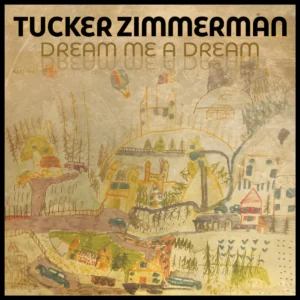 Dream Me a Dream is the final studio album of Tucker Zimmerman, who passed away in January at the age of 84. The record was set to be announced the week of Zimmerman’s death, but wasn’t detailed until March, along with the release of the single ‘Sun in Scorpio’. The cult-beloved singer-songwriter gave his label, Big Potato, the following description of the gorgeous LP: “The Little Prince by way of the pen of Antoine de Saint Exupéry said ‘Draw me a sheep’ and I said to the the Little Prince ‘Dream me a dream’ overheard by Nick HOO (Big Potato Nick) who said ‘Record me a song’ so I recorded a song and then one or two more and just like that whip crack away and snap dragon fingers we had an album and just like that pump up the jambalaya and kick the chandelier Nick’s got the tracks mixed and mastered and pressed into 12” discs that say hallelujah and great balls of fire on the cover and that’s all I’m going to say about the outer wheels of this wagon as it rolls into your life the inner clockworks too intricate and deep to make language suffer so if you want more go to the Little Prince ask him to draw you a Dream of Now and Memory…”