Culture has never been confined by geography, and nowhere is this more evident today than in the world of video games. Once dismissed as a niche hobby, gaming has become one of the most powerful cultural bridges of the 21st century. Online communities, global releases, and cross-cultural storytelling have created a shared space where players from vastly different backgrounds can connect, collaborate, and compete.
Language as a Gateway, Not a Barrier
One of the most striking aspects of modern gaming is how it challenges the idea that language is a barrier to enjoyment. Titles such as Ghost of Tsushima, its sequel Ghost of Yotei, and Silent Hill f demonstrate how players are increasingly embracing games in their original languages. Many choose to experience Ghost of Tsushima with Japanese voice acting and English subtitles, immersing themselves in the rhythms and cadences of the culture it depicts. Similarly, Silent Hill f, set in 1960s Japan, is designed to be played with Japanese dialogue, offering authenticity that resonates across linguistic divides.
This willingness to engage with games in their native languages reflects a broader shift in global entertainment. Just as international cinema and music have found mainstream audiences without needing to conform to English-language norms, games are proving that emotion, atmosphere, and storytelling transcend words. Players are not deterred by subtitles; instead, they see them as a bridge to richer, more authentic experiences.
Shared Worlds, Shared Cultures
Beyond individual titles, online gaming communities have become spaces where language differences are negotiated in real time. Whether collaborating in Fortnite, competing in League of Legends, or exploring vast open worlds in Final Fantasy XIV, players often communicate through a mix of text, voice, and even non-verbal cues. Emotes, pings, and visual signals allow for collaboration that bypasses linguistic boundaries, creating a kind of universal gaming shorthand.
Esports has amplified this phenomenon on a global stage. Tournaments in Seoul, Los Angeles, or Berlin attract audiences of millions, many of whom follow the action regardless of the language of commentary. The spectacle itself becomes the common language, uniting fans in shared excitement.
Global Exchange and Evolving Leisure
The games industry thrives on cultural exchange, with ideas and innovations travelling as freely as the players themselves. Japanese studios have long shaped the design of Western role-playing games, while European indie developers have pioneered mechanics later adopted by American giants. This constant cross-pollination ensures that no single region dominates the creative landscape; instead, gaming evolves as a global dialogue, enriched by diverse perspectives and traditions.
This interconnectedness extends beyond design into the ways societies approach leisure itself. In South Korea, high-tech esports arenas draw crowds comparable to major sporting events, while in Europe and North America, competitive gaming has become a mainstream spectacle. At the same time, conversations about recreation increasingly reflect regional attitudes towards regulation and cultural norms, from the booming esports infrastructure of Seoul to the growing interest in a casino in UAE, which illustrates how globalisation is reshaping not only how we play but also how we frame leisure within society.
Together, these trends highlight how gaming is no longer confined to consoles and PCs but is part of a broader cultural conversation. The blending of design influences and evolving leisure practices demonstrates that play is both a creative and social force, capable of bridging borders and reflecting the shifting values of a connected world.
The Power of Play
Ultimately, the globalisation of gaming is not about erasing differences but celebrating them. A teenager in Manchester might spend an evening immersed in a Japanese horror game, team up with Brazilian players in an online battle, and watch a South Korean esports final, all in the same week. Each of these experiences adds a new layer to the shared cultural fabric, reminding us that creativity and connection are at their most powerful when they travel, transform, and unite.
Far from being a barrier, language in gaming has become a gateway, an invitation to step into another world, to hear its voices, and to understand its stories on their own terms. In doing so, games prove that play is a truly universal language.
The through-line of Peiyan Zou’s practice is neither material nor a typology but a way of seeing a computational gaze that treats LiDAR not as a survey instrument but as a cultural medium. Across city landscape, architecture, interiors, and time-based art, Zou turns point clouds into arguments about perception: how measurement becomes image, how error becomes form, and how machine vision can widen the moral and imaginative range of creation. A London based artist designer and researcher, he has been recognised with the RIBA Donaldson Medal, the Bartlett Medal, and the Fitzroy Robinson Drawing Prize. He works at the seam between technical exactitude and poetic disturbance.
Zou says: “I try to use LiDAR’s so called ‘errors’ rather than fix them. The variety in my practice from objects, interiors, and architecture comes from one aim: exploring a more universal, future adaptable method of creation, where machine vision is part of the toolkit.”
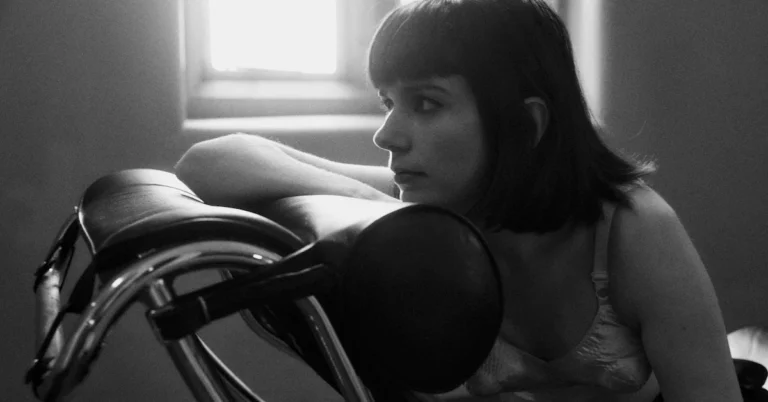
Peiyan Zou in his studio, seated on Coccyx— a piece he designed for Wedge’s Epoch I collection
Architecture: From “As-Sensed” to “As-Built”
Zou’s LiDAR driven research into architectural and urban perception follows a clear arc. It begins with early student projects, moves through the AIA New York hosted PlanScapeArch Conference 2024 keynoted by Iain Macdonald, and extends into the context of the 2025 Venice Biennale. Here, LiDAR is recast not as a street “capture” device but as a medium for expressing urban uncertainty: occlusion, motion blur, and spectral drift, the very phenomena that conventional pipelines try to erase. Rather than sanitise them, Zou keeps and activates these traits, letting confidence scores and imaging artefacts drive sensing and volumetric reconstruction. The result is an as sensed urbanism that treats noise as civic information, not computational waste.
In Peter Cook’s studio, most visibly on the Serpentine × LEGO 2025 project and under NDA on Saudi commissions, Zou has been the quiet engine behind customised parametric toolsets. As Architectural Designer, he turns concepts into actionable geometry and feeds the results back into the design loop, working at the boundary between workflow and authorship.
Recently he has extended this method to the digital twinning of Sir Peter Cook’s drawings. These are not simple copies but dynamic and interactive counterparts. In collaboration with Norwich University of the Arts on the Peter Cook Wonder Hub, Peiyan contributed to the interior exhibition design and integrated these twins into the spatial narrative. The result preserves the temperament of the originals while opening new modes of interpretation, including animated presentations, VR experiences, and live 3D models generated from 2D drawings. This work lays a clear pathway from pieces on the studio wall to a responsive computational platform.
Interiors: Performance as a Material
As Director and co-founder of Wedge, Zou translates scanning logics into inhabitable façade details and interior objects. He has built a generative toolkit in which LiDAR-based sampling seeds the form and surface behavior of furniture and cladding—a future-facing spatial experiment developed with Chinese manufacturers and labs rather than a parametric “style.” The medium is silica sand, 3D-printed with a biodegradable resin binder; the material can be disassembled and reused up to eight cycles.
“Imagine a chair at home,” he notes. “Two years later you return it to Wedge. We mill and sieve it, reload the sand, and reprint a table. Furniture stops being a fixed object and becomes geometry that adapts to need.”
This proposition is already in production. Wedge has launched market-ready pieces at 3daysofdesign in Copenhagen, at London Design Festival, and at Material Matters, and has delivered what is billed as the first mass-produced, silica-sand-printed furniture for a Swiss hotel client. ELLE Decoration UK recognised the strength of this approach and selected Wedge for an exclusive feature during London Design Festival, the only exhibitor to receive this distinction and to represent Material Matters. The studio is now scaling into more spatial commissions, including landscape components for a new project in Denmark and an experimental dining environment for a noted restaurant, with Zou treating Wedge as a multi-scalar playground. The stakes are clear: this reframes computation from prototyping myth to supply-chain reality, tying algorithmic authorship to durability, sustainability, and novel materials, while testing a bold commercial pathway for his machine-vision design methodology.
Zou’s artistic practice orbits the ethical dimension of machine vision. From the Peckham Rye Old Waiting Room to galleries in Hackney, he treats LiDAR point clouds as paint, as a photographic medium, and as a sculptural substrate. The data can be layered, abraded, and made to flow. His visual language of fracture, erosion, and apparition grows from a refusal to “correct” the scan. Errors are not edited out; they are inscribed as structure, implicating the viewer. If the machine looks for us, what do we still ask of the image? Moving between design and art contexts, the work declares a hybrid grammar that is both proposition and tool, much as painters once used the camera obscura to pursue realism.
“This isn’t a side project that wandered in from my architectural journey,” Zou notes. “My education at The Bartlett School of Architecture taught me to think about architecture from non-architectural angles. “I value not only the novelty of this method but its rigour. It is a way of working in which drawing, making, research, and experimenting strengthen one another.” Seen across venues, exhibitions, and collaborations, a clear picture comes into focus: an artist designer using advanced technologies to explore how we see and feel space, pointing toward futures that may be more posthuman in how they sense the world.
A Grammar of “Constructive Uncertainty”
What distinguishes Zou’s practice is his refusal to police the boundary between tool and medium. In architecture, LiDAR unsettles the authority of spatial measurement. In interiors, it choreographs encounters between the body and recyclable materials. In art, it stands in for the camera obscura’s pinhole and exposes our appetite for augmented vision. For him, technology is a grammar whose language shifts with context. That portability keeps the work singular without slipping into techno kitsch. His computational instruments—sampling, voxelisation, and error field transforms—stay legible whether scripting a façade, shaping a seat, or composing scan-based photographs.
The risks are real. Without a careful ethics of selection—what to keep and what to erase—the poetics of the artefact can slide into mannerism. Zou’s strongest works confront this directly and bind aesthetics to responsibility. Is a city sensed, and if so, by whom, under what conditions, and to what ends. When these questions are made explicit, the work’s beauty hardens into critique.
Peiyan Zou’s contribution is to reposition frontier technologies as civic instruments: tools that do not simply optimise workflows but reorganise how we attend to the world. He insists that computation carries a responsibility to perception, and his projects model a practice in which architecture, interior design, and art serve as three theatres for the same argument. When treated with care, uncertainty isn’t a flaw in our tools. It is part of the world we share. In this spirit, Zou’s LiDAR aesthetic is less about ever finer scans and more about a truer way of living in and with places.
Margaret Sohn has returned with ‘Tourist Mind’, their first Miss Grit release since 2023’s Follow the Cyborg. “It’s about how curiosity for other people’s thoughts can slowly disorient you and make it harder to return to yourself,” they remarked. Listen to the swirling, atmospheric track below.
Oneohtrix Point Never has announced a new album titled Tranquilizer. The follow-up to 2023’s Again is set for release on November 17 via Warp. The album was inspired by Daniel Lopatin’s discovery of “a vast archive of ’90s sample CDs had vanished from the Internet Archive,” as well as a routine visit to the dentist. Today, he’s previewed it with three hypnotic instrumentals: ‘For Residue’, ‘Bumpy’, and ‘Lifeworld’. That last one also comes with a video that Lopatin directed himself. Take a listen and find the LP’s cover art and tracklist below.
“It’s a record shaped by commercial audio construction kits from a bygone era — an index of clichés turned inside out,” Lopatin said in a press release. It is a return to a process-oriented form of music making for me that I felt best evoked a certain kind of madness and ennui in the heart of culture today.”
Tranquilizer Cover Artwork:
Tranquilizer Tracklist:
1. For Residue
2. Bumpy
3. Lifeworld
4. Measuring Ruins
5. Modern Lust
6. Fear of Symmetry
7. Vestigel
8. Cherry Blue
9. Bell Scanner
10. D.I.S. 11. Tranquilizer
12. Storm Show
13. Petro
14. Rodl Glide
15. Waterfalls
As autumn settles across city streets and golden leaves begin to fall, fashion turns its focus toward refinement, texture, and individuality. Neiman Marcus welcomes Fall 2025 with a collection that celebrates the evolution of modern femininity. This season’s new arrivals embrace artistry, craftsmanship, and versatility, offering garments that are as expressive as they are timeless.
From bold prints to sculptural silhouettes, these six designs, by Johnny Was, L’Agence, Rebecca Vallance, Rails, ALEMAIS, and Cinq à Sept, capture the confidence, creativity, and elegance that define the contemporary woman. Each piece is a statement, a story, and an invitation to rediscover what it means to dress with meaning.
Johnny Was – Natalie Kaleidoscope-Print Mesh Tee ($148)
Vibrant, free-spirited, and endlessly versatile, the Natalie Kaleidoscope-Print Mesh Tee by Johnny Was embodies the artistic soul of the brand. Priced at $148, this long-sleeve top is crafted from lightweight mesh, offering a breathable, body-skimming fit that feels effortless against the skin.
The print is a masterpiece of color and geometry, featuring radiant shades of red, sapphire blue, violet, and gold woven together in a kaleidoscopic pattern that celebrates individuality. The crew neckline and pullover style make it practical, while the vibrant design transforms it into a statement piece.
Perfect for layering, the Natalie Tee pairs beautifully with tailored blazers, denim jackets, or structured skirts, adapting easily from daywear to evening. Its sheer texture adds depth and sophistication, lending an element of artful edge to any ensemble. The piece is ideal for women who embrace color as an extension of personality, creative, bold, and unapologetically expressive.
L’Agence – Una Knit Cardigan ($550)
The Una Knit Cardigan from L’Agence, priced at $550, is an ode to understated luxury. It captures the brand’s signature blend of Parisian polish and California ease, creating a piece that feels both chic and inviting.
Made from a soft boucle-style knit, this cardigan offers texture and warmth without heaviness. The rich chocolate-brown tone gives it a sense of depth, while structured shoulders and a cropped silhouette add a modern touch. The fit is tailored to flatter, sitting neatly at the waist for a feminine shape.
Its most striking feature is the row of gold embossed dome buttons that gleam subtly against the knit fabric, exuding quiet sophistication. The cardigan transitions seamlessly from workday elegance to evening refinement. It can be styled with high-waisted trousers, silk skirts, or classic denim, making it an adaptable essential.
L’Agence continues to master the art of refined simplicity. The Una cardigan is not merely a layering piece; it is a wardrobe foundation, timeless, versatile, and undeniably elegant.
Rebecca Vallance – Mischa Cutout Jersey Column Gown ($795)
For moments that call for poise and drama, the Mischa Cutout Jersey Column Gown by Rebecca Vallance offers effortless glamour. Priced at $795, this gown redefines eveningwear through minimalist architecture and fluid form.
The gown is crafted from a premium stretch jersey, designed to sculpt and flatter while maintaining comfort. Its deep wine hue evokes sophistication and complements the season’s palette of rich, earthy tones. The long sleeves and high jewel neckline create a sleek profile, while the gathered waist and metallic cutout detail add dimension and intrigue.
At approximately 58 inches in length, the gown falls gracefully to the floor, with a subtle back slit allowing for movement. Every seam and curve is precisely placed to enhance natural shape without excess ornamentation.
Rebecca Vallance is renowned for her structured, feminine designs, and the Mischa gown perfectly encapsulates that vision. It is ideal for black-tie events, elegant dinners, and red-carpet occasions, offering the kind of confidence that comes only from impeccable tailoring. With its sculptural silhouette and refined sensuality, the Mischa gown turns simplicity into sophistication.
Rails – Alanna Check Long-Sleeve Blouse ($198)
The Alanna Check Long-Sleeve Blouse by Rails, priced at $198, is a modern reinterpretation of the timeless check pattern. It brings together comfort, versatility, and charm, embodying the brand’s relaxed yet elevated aesthetic.
Made from a lightweight cotton blend, the blouse feels soft and breathable while maintaining its structure. The chocolate and cream check pattern evokes the warmth of fall, creating a look that feels familiar yet distinctly refined. Delicate details such as a ruffled stand collar, seamed yoke, and button cuffs add an air of subtle romance.
The blouse drapes beautifully, making it easy to style for different occasions. Pair it with denim for casual weekends, or tuck it into tailored pants or a pencil skirt for a work-ready ensemble. Its versatility lies in its simplicity, an everyday piece that feels luxurious in both design and construction.
Rails has built its reputation on creating wardrobe essentials that bridge comfort and sophistication, and the Alanna blouse is no exception. It captures the effortless charm of the modern woman, natural, poised, and quietly confident.
ALEMAIS – Clemenza Silk Midi Shirtdress ($790)
The Clemenza Silk Midi Shirtdress from ALEMAIS, priced at $790, is a true statement of artistry and craftsmanship. Crafted from 100 percent silk, it exudes movement, lightness, and elegance. The design is an homage to vintage bohemian glamour, brought to life through a contemporary lens.
Its paisley print is bold and mesmerizing, featuring golden ochre, rose pink, and olive green hues that create a visual rhythm across the flowing silk. The classic shirtdress silhouette provides structure through a button-down front and shirt collar, while balloon sleeves and a self-tie belt add softness and definition.
The midi length strikes a perfect balance between sophistication and ease. Worn with ankle boots and a crossbody bag, it channels relaxed daytime elegance. Paired with heels and statement jewelry, it transforms into evening-ready refinement.
ALEMAIS is known for infusing storytelling into design, and the Clemenza dress tells a story of artistry and freedom. It appeals to women who see fashion as an extension of creativity, those who seek clothing that expresses identity, history, and beauty in every thread.
Cinq à Sept – Hooded Vegan Leather Combo Blazer ($495)
Modern, versatile, and effortlessly cool, the Hooded Vegan Leather Combo Blazer by Cinq à Sept redefines contemporary tailoring. Priced at $495, it merges sleek sophistication with urban sensibility.
The exterior is made from high-quality vegan leather (polyurethane) that mimics the texture and luster of genuine leather while aligning with sustainable, cruelty-free values. What sets this piece apart is its innovative design: a drawstring knit hood and matching cuffs are seamlessly integrated into the blazer’s structure, creating a perfect fusion of streetwear and tailoring.
The design includes a notched collar, single-breasted front, and slim fit that contours the body. The combination of textures, smooth leather and soft knit, adds contrast and versatility. It can be styled with jeans and sneakers for a casual city look or paired with tailored trousers and heels for a bold, modern take on professional dressing.
Cinq à Sept is celebrated for its ability to blend femininity with strength, and this blazer exemplifies that vision. It is designed for the woman who is confident in her individuality, dynamic, adaptable, and effortlessly sophisticated.
The Neiman Marcus Woman: Style Redefined
Each of these pieces captures a facet of who the Neiman Marcus woman is today. She is multifaceted, confident, and deeply attuned to the language of luxury. Her wardrobe is not about trends; it is about authenticity. She dresses to express, not impress.
The Johnny Was Natalie Tee mirrors her creativity and love for color. The L’Agence Una Cardigan speaks to her appreciation for structure and timeless craftsmanship. The Rebecca Vallance Mischa Gown embodies her quiet confidence and poise. The Rails Alanna Blouse reflects her effortless sophistication. The ALEMAIS Clemenza Dress reveals her artistic spirit, while the Cinq à Sept Blazer captures her modern edge and independence.
Together, these designs form a tapestry of style that is elegant, expressive, and enduring. From luxurious fabrics to intricate details, each garment showcases the Neiman Marcus commitment to quality and individuality. Whether priced at $148 or $795, every piece offers a distinct voice within the same symphony of refined design.
This season, Neiman Marcus reminds us that true style is not about extravagance, it is about presence. It is the confidence that comes from wearing something beautifully made, the ease of feeling both powerful and comfortable, and the joy of dressing for oneself.
Fall 2025 is a celebration of the art of dressing well. These new arrivals are more than clothing; they are expressions of identity, craftsmanship, and timeless grace. In every thread, color, and cut lies the promise of elegance, modern, meaningful, and unmistakably Neiman Marcus.
Disclaimer: This article may contain affiliate links, and we may earn a commission if you make a purchase through these links.
International travel can be both exciting and enlightening, but it can also be stressful and challenging. Travel forces you to face unfamiliar places and situations and make quick decisions, which isn’t always easy to deal with, but it’s certainly a part of why people love to travel so much.
Thankfully, there are ways to make things easier and avoid undue stress. The number one piece of advice experienced travelers can tell you is quite simple: be prepared. Packing the right things can save you a lot of headaches down the line.
On the flip side, bag space is at a premium whenever you’re travelling. Unless you’re traipsing around the world in a private jet, you’ll need to carefully pick and choose what to bring with you.
Here are 6 often forgotten travel items which you should consider bringing on your trip, based on the opinions of seasoned travelers.
To be clear, the list deals with overlooked essentials, which means we won’t be discussing the basics like toiletries and rain coats. Instead, we’ll focus on items that most people don’t even think about, but which can make almost any trip significantly easier.
1. Universal Power Adapter
Anyone with a bit of worldly experience can tell you that power plugs aren’t universal. Different countries often use different plugs, sockets, and even voltages in their power outlets. The further away you are from home, the more likely you are to run into this issue.
At best, this can leave you stranded without a way to charge your electronics, which is a major setback in this day and age. At worst, plugging your devices into outlets with mismatched voltages can damage them.
With that in mind, a universal power adapter can be a true lifesaver. This simple and relatively affordable gadget allows you to plug your electronic devices into different types of power outlets around the world by providing the correct physical plug shape and a universal voltage range.
Universal power adapters are small, convenient, and an excellent addition to any traveler’s kit.
2. Virtual SIM Card
The humble phone is likely the most useful and ubiquitous tool for modern travelers. However, going to different countries means that you have to consider whether you’ll be able to use your phone without incurring massive roaming charges.
For most people, the answer is simple: get a SIM card from a local carrier or provider. Better yet, there are companies out there that provide SIM cards specifically designed for international travel, such as OneSimCard and GigSky. These are especially useful for people who frequently pass through international borders without sticking to one place for too long.
Enter virtual SIM cards, also known as an eSIM. These ‘cards’ are essentially software that functions like a traditional physical SIM card, allowing you to connect to cellular networks for calls and data. However, they don’t require you to actually swap any physical cards.
Not only does this save you time because you don’t have to fumble around swapping cards in your phone, but it also means you don’t have to worry about losing any tiny Nano SIMs. It’s a win-win and an incredibly convenient option.
3. VPN
Travelers often have to rely on public networks for their internet access. Airports, hotels, coffee shops – they’re all very helpful in that regard, but these public networks leave you exposed to hackers and other dangers.
A VPN (Virtual Private Network) is a service that encrypts your data and protects it by routing it through a secure tunnel. It essentially masks your online activity.
Besides added safety, VPNs have other uses. For example, they can help you bypass geo-restrictions for specific online content. These restrictions sometimes exist due to censorship, but are often a matter of copyright issues.
Besides the obvious practical benefits, a VPN can also grant you access to entertainment from anywhere in the world. Services such as Netflix and Amazon Prime often offer different movies and shows in different countries due to licensing. VPNs allow you to sidestep these restrictions and enjoy these services’ entire libraries. They are also handy for other forms of geo-sensitive entertainment, such as using sites based offshore to play your favorite casino games seamlessly without any jurisdiction limitations.
4. Multitool
Multitools are versatile tools that combine multiple folding implements into one handy item. These typically include knives, can and bottle openers, scissors, screwdrivers, and a variety of other useful tools.
The most well-known example of a multitool is the famous Swiss Army Knife. It’s a perfect showcase of why you might want one: a large collection of handy things crammed into one tiny, foldable package.
While it seems like an obvious pick, most people these days don’t really consider that they might need a screwdriver or a can opener on the go. What are the chances that you’ll need any of this unless you’re hiking or camping?
Our answer? You’d be surprised. Most multitool implements fall into the category of “you don’t really need one until you really need one.”
However, keep in mind that you likely won’t be able to take a multitool into an aeroplane cabin. If you opt to pack one, leave it in your luggage while flying.
5. Water Bottle With a Filter
One of the first things people end up asking when they visit a new location is: Can I drink the tap water here?
The answer is sometimes ‘yes’, sometimes ‘no’, and sometimes ‘yes, but you probably shouldn’t.’
Either way, access to clean drinking water is absolutely crucial – we assume we don’t have to argue this point too much. That’s why a reusable water bottle is something no traveler should ever be without.
However, some reusable water bottles come with a built-in filter, and they can be a game-changer. These can filter most waterborne bacteria and parasites, letting you drink almost any water from almost any source without worry.
You’ll save a lot of energy, time, and money not having to worry about clean drinking water. Better yet, reusable bottles are great for the environment, so it’s another win-win situation.
6. Ziplock Bags
Ziplock bags can be incredibly useful for travel because they’re just so versatile, easy to pack, and can accomplish a lot of things. Let’s consider some possible travel use cases for ziplock bags.
For starters, they are handy for general packing purposes. They’re affordable, transparent, and come in different sizes, which can be used to categorize luggage.
Secondly, they are great for storing small, easily lost items such as jewellery or medicine. Not having to rummage through your luggage to find that little earring or vitamin pill will save you a lot of frustration.
Thirdly, ziplock bags are great for isolating certain items from others. For example, you can use them to prevent shampoos, lotions, and other liquids from leaking all over your clothes. You can also use them to separate dirty clothes from clean ones, or generally handle wet items.
We’re just getting started, too: you can also pack food and keep it fresh for longer; store liquids to comply with airport security; protect cameras and phones from moisture or dust, and a lot more.
In short, ziplocks are some of the handiest items to have in your travel bag.
Conclusion
Packing for international travel is all about efficiency: getting a lot of value while using as little space as possible.
Thankfully, travelling is literally a worldwide market, and many products have been developed specifically to cater to travelers, ranging from travel storage bags to collapsible furniture. Other times, common items such as ziplock bags or multitools stand out as being incredibly handy for travel.
Many overlooked essentials for travelers can help your next journey go a lot smoother. Hopefully, this article helped you pack smarter and plan better.
Ninja Gaiden 4 is just inches away from its official launch. This upcoming release also marks the comeback of the popular action title. It returns after more than 10 years without a new entry. The previous installment in the game series was back in 2012. Now, it is back to deliver the classic high-octane combat gameplay for fans. Plus, there will be modern innovations. So, long-time players and newbies can expect a thrilling experience.
Story and Characters
As announced by Team NINJA, this 4th entry takes place in a near-future Tokyo consumed by an ancient curse. Likewise, the story introduces a new protagonist — Yakumo. He is a young ninja prodigy who needs to fight cybernetic ninja soldiers and creatures to save the city. On top of that, he must confront his fate tied to the legendary Ryu Hayabusa.
Aside from Yakumo and Ryu, other characters also play crucial roles in this tale:
Kagachi – Supreme Commander of the Divine Dragon Order
Misaki – Chief Strategist of the Raven Clan
Seori – Priestess
Tyran – Martial Arts Master of the Raven Clan
Umi – Comms Specialist of the Raven Clan
Combat and Gameplay
Based on the official website, Ninja Gaiden 4 will bring an evolved take on the epic hack-and-slash combat. In particular, the key features include the Bloodraven Form of Yakumo and the Gleam State of Ryu. These basic actions result in powerful attacks. Similarly, players can find many other actions and techniques that elevate the fighting aspect.
At the same time, the game has an expansive weapon arsenal. It allows players to choose what matches their needs and preferences. Likewise, this feature helps them develop their own style in combat.
System Requirements
To play with the best gaming experience, the developers provided two sets of ideal PC requirements.
Processor: Intel Core i5-8400 or AMD Ryzen 5 3400G
Sound Card: 16-bit 48 kHz
Storage: 100 GB available space
Recommended PC specs:
DirectX: Version 12
Graphics: NVIDIA GeForce RTX 2060 Super (VRAM 8GB) or AMD Radeon RX 5700XT (VRAM 8GB)
Memory: 16 GB RAM
OS: Windows 10/11, 64-bit
Processor: Intel Core i5-10400 or AMD Ryzen 5 3600
Sound Card: 16-bit 48kHz
Storage: 100 GB available space
Note: A fast SSD is also required for installation.
Editions and Release Schedule
The game arrives in a Standard Edition and a Deluxe Edition. Specifically, players will get only the base game in the Standard, while the Deluxe comes with extra perks. In passing, these bonuses are as follows:
Future DLC
Skins
Weapon Set
In-game currency
In-game items
Ninja Gaiden 4 officially comes out on October 21. Meanwhile, the release times of the game may differ depending on the region. Some areas may have access to download the game as early as October 20. It will be available across the Microsoft Store, PS5, Steam, Xbox Game Pass, and Xbox Series X|S.
Sabrina Carpenter pulled double duty as host and musical guest on last night’s episode of Saturday Night Live. She performed Man’s Best Friend‘s lead single ‘Manchild’ on a bedroom-themed stage, followed by the live debut of ‘Nobody’s Son’. She also reprised her role in Kelsey’s crew for a new Domingo sketch, which opened the episode. Check it out below.
Carpenter made her debut on SNL in May 2024, performing her hit single ‘Espresso’ as well as a medley of two songs from 2022’s Emails I Can’t Send. She also appeared during the show’s 50th anniversary special, joining Paul Simon for a performance of Simon and Garfunkel’s ‘Homeward Bound’.
A pen pal is a friend with whom you exchange letters, often without meeting in person. It’s a simple but meaningful way to build friendships through written communication. The term originates from the tradition of writing letters by hand, though today it also includes digital correspondence.
Slowly is a mobile app that brings this timeless experience into the modern world. It lets you connect with pen pals across the globe, share interests, write thoughtful letters, and collect virtual stamps that celebrate different cultures.Messages take time to arrive, recreating the feeling of anticipation that comes with traditional mail, slowing the pace of connection and making every letter feel special. Through Slowly, users can meet people from all walks of life and explore the world on smartphones, without the need for postage or complicated arrangements.
What Are the Benefits of Having a Pen Pal on Slowly?
Language learning and practice
Consistent writing helps you improve vocabulary, grammar, and tone in a real-world context. Slowly makes language learning natural and enjoyable, you learn while sharing real stories.
Cultural exchange and broader perspective
You can discover about another country’s customs, daily life, food, holidays, and values. Alll from someone who actually lives there.
Communication and writing skills
Keeping a regular writing habit encourages focus, thoughtfulness, and clear self-expression.
Friendship and social connection
You gain a new friend who offers support, curiosity, and shared experiences. Slowly makes this easier by matching people who share similar interests.
Empathy and perspective
Reading about someone else’s life helps you see the world through their eyes, an experience that often builds understanding beyond borders.
Personal development and reflection
Writing about your own thoughts and feelings can help you clarify values, goals, and emotions. It’s a gentle way to understand yourself better.
Low-pressure, intentional relationships
Pen pal friendships on Slowly grow naturally, without the rush of instant replies. The slower rhythm gives both space for reflection and sincerity.
Nostalgic and creative connections
For many, letter writing brings back warm memories or sparks creativity, through shared stories, or simple greetings, celebrations or moments exchanged across borders.
Are There Cultural Differences in Pen Pal Interactions?
Yes — cultural norms can shape how people write and connect in fascinating ways. Being aware of these differences can make your pen pal experience more respectful and rewarding.
Communication Style
Directness versus indirectness: Some cultures value direct, clear communication, while others use more indirect cues and politeness strategies
Formality: Many cultures expect a more formal tone when you’re new to someone, particularly in introductions or when sharing personal details
Taking time to understand your pen pal’s style — and being gentle in your own — builds mutual comfort.
Conversation topics
Personal boundaries: What is comfortable to share (family, income, politics, religion) differs. Some cultures may consider certain topics to be very personal from the start
Safe topics: In some places, people may prefer to discuss everyday life and interests rather than controversial issues
What’s appropriate to share varies by culture. While some enjoy discussing family, politics, or religion, others may prefer everyday life, hobbies, or food.
Privacy and Boundaries
Personal information: Standards for sharing addresses, photos, or contact details vary. Some pen pals may wait longer before exchanging personal data
Digital privacy: Attitudes toward monitoring online interactions, social media, and online behavior vary
Holidays and Customs
Celebrations: Pen pals can exchange greetings and stories connected to local holidays, dietary traditions, or cultural rituals
Language and etiquette: Ways of greeting, expressions of gratitude, and respect shown in letters can reflect cultural etiquette
Exchanging stories about local holidays, food traditions, or cultural events can be a wonderful way to learn from one another — and virtual stamps on Slowly often reflect these celebrations beautifully.
Language Use
Language proficiency: One or both pen pals may be using a foreign language, which affects tone and clarity in letters
Idioms and humor: Humor and idiomatic expressions may not translate well; clarifying questions are common
Idioms and jokes can sometimes get lost in translation. Patience, curiosity, and simple language help letters feel friendly and clear.
Tips for Navigating Cultural Differences
Start with neutral topics: daily life, hobbies, music, food, travel
Ask open, respectful questions: “What is a typical day like in your city?” “What traditions are important to your family?”
Be patient with language barriers: If you’re writing in a non-native language, keep sentences simple and offer clarifications if needed
Share context about your culture: Brief explanations can help avoid misunderstandings
Agree on boundaries early: what topics are comfortable, how you will exchange contact details, and how often you will write
Conclusion
A pen pal is someone you exchange letters with over time — often across great distances — to share thoughts, stories, and friendship. These relationships grow through writing rather than face-to-face meetings, making them a unique way to build connection, empathy, and understanding.
Whether through traditional mail or modern apps like Slowly, pen pal friendships offer a meaningful way to connect with others, learn about different cultures, improve language skills, and develop lasting relationships built on thoughtful, intentional communication.
Does your wig ever feel like a dead giveaway? That stiff hairline, unnatural shine, or awkward fit can scream “FAKE!” and drain your confidence. You’re not alone. Many wig wearers struggle with this exact frustration. The good news? Achieving an authentic look is possible, whether you’re rocking human hair or need to make a synthetic wig look real. This guide cuts through the overwhelm, giving you 12 actionable, expert-backed tips on how to make a wig look natural. Let’s dive in!
Ensure Human Hair Wig
The first and most important step in learning how to make a wig look natural is choosing a human hair wig. Why? Human hair inherently behaves like your own bio hair. It boasts a natural texture, movement, weight, and shine that synthetic fibers cannot perfectly replicate. Furthermore, human hair offers unparalleled versatility: you can style it with heat tools and even color it to match your exact preferences, which is essential for a seamless blend.
However, if you’re on a tighter budget, synthetic wigs can still work with the right techniques. To make synthetic wigs look real, focus on selecting fibers with a matte finish rather than overly shiny ones. Trimming the ends, adding layers, or using dry shampoo can also make a significant difference. Some synthetic wigs now even come with pre-plucked hairlines or lace fronts that enhance realism.
Pick a Style that Suits You
The most stunning wig can look odd if it doesn’t suit you. So another key tip on how to make a wig look natural is choosing a style that matches your features and lifestyle.
Length & Layers: Opt for a length close to your usual style, or slightly longer or shorter for a subtle change. Face-framing layers add softness and realism.
Color Match: Choose a shade within 1-2 levels of your natural root color or eyebrow tone for an undetectable grow-out. Avoid drastic contrasts unless you’re committed to frequent touch-ups.
Curl Pattern: Match your wig’s texture (straight, wavy, curly) to your bio hair’s natural pattern at the roots or nape for seamless blending.
Density Matters: Ultra-dense, “Barbie hair” volume looks artificial. Select light-to-medium wig density (150% – 180%) for believable movement and scalp visibility.
Choose the Right Size
A perfectly sized wig is fundamental to how to make a wig look real. Ill-fitting wigs are obvious—they can slip, bulge, gap, or feel too tight. A well-fitting cap hugs your head snugly, creating a natural base. This lets the hair fall and move naturally, with the hairline sitting perfectly for a natural look.
Here’s how to measure your head for the best fit:
Circumference: Use a soft tape measure around your head, starting at your front hairline (about 1/4 inch above your eyebrow), going above your ears, and around the fullest part at the back of your head.
Front to Nape: Measure from your front hairline center down over the crown to the bony bump at the base of your skull.
Ear to Ear (Front): Measure from the top of one ear, across your forehead (about 1 inch above the eyebrow), to the top of the other ear.
Ear to Ear (Over Top): Measure from the top of one ear, over the crown of your head, to the top of the other ear.
Temple to Temple (Behind Head): Measure from one temple, around the back of your head below the occipital bone, to the other temple.
Purchase Lace Front Wigs
One of the easiest ways to achieve a seamless look is to invest in a lace front wig. The thin lace at the front blends naturally with your skin, making it look like the hair is growing directly from your scalp. This invisible hairline is a major advantage when learning how to style a wig to look natural. There are several types of lace front wigs you can choose from:
13×4 Lace Front Wig: Offers a natural hairline across the forehead with enough parting space for versatile styles.
13×6 Lace Front Wig: Provides deeper parting for those who want more styling flexibility and a realistic middle or side part.
360 Lace Wig: Features lace all around the hairline, allowing you to wear your hair in ponytails or updos.
Cut Lace to Fit Your Face
Simply having a lace front wig isn’t enough; customizing it to complement your face shape is critical for how to make a wig look real. Trimming the lace allows the hairline to follow your natural contours, softening features and enhancing realism. Follow these steps to trim your lace:
Secure the wig: Place the wig on your head and adjust it to your natural hairline. Use clips to keep it steady.
Outline the shape: With a white eyeliner pencil, lightly trace the lace along your natural hairline. Follow your forehead curves instead of cutting in a straight line.
Trim gradually: Remove the wig and use small scissors to cut along the outline in short, careful snips. Avoid cutting too close — leave a tiny bit of lace for blending.
Test the fit: Put the wig back on and check if the lace follows your natural contour. Adjust if needed.
Consider Root Color
A natural-looking root is another secret to making a wig look natural. Wigs with darker or shadowed roots create the illusion that hair is growing directly from your scalp, adding depth and dimension. This subtle transition makes the wig blend more seamlessly with your skin tone and natural hairline.
If your wig has a uniform color that looks too flat, you can consider bleaching or tinting the roots to soften the contrast. Many human hair wigs also come pre-dyed with natural-looking roots, saving you extra effort. For synthetic wigs, using a root touch-up spray or hair powder can help create the same effect and make synthetic wigs look real.
Pluck and Set the Hairline
A dense, uniform hairline is one of the clearest signs that a wig isn’t real. To make a wig look natural, you’ll need to pluck some strands along the front to mimic the way natural hairlines appear—slightly uneven and lighter at the edges. This simple step reduces bulkiness and helps the wig blend better with your skin.
When plucking, place the wig on a mannequin head or wear it securely on your head. Use tweezers to carefully remove hairs along the front in small sections, focusing on the areas near the temples and forehead. Avoid over-plucking, as this can leave gaps that are difficult to fix.
Equally important is setting the hairline in the right position. Align the lace just above your natural hairline rather than too far forward or back. This ensures your wig looks balanced and frames your face naturally.
Create Natural Parting
A harsh, perfectly straight, or overly wide part screams artificial. One of the most effective tricks on how to style a wig to look natural is creating a realistic parting. Real parts have subtle imperfections – slight scalp visibility, wispy baby hairs escaping, and varied density along the line. Here are some tips for achieving a natural parting:
Use a lace wig: Lace material at the top allows you to part the hair freely, giving you flexibility in styling.
Define the part with heat or water: Use a flat iron on low heat (for human hair wigs) or spray water and comb through to set the part smoothly.
Match your scalp tone: Apply a little concealer or foundation along the lace parting to mimic your natural scalp color.
Vary the part: Try switching between the middle and side parts for a more natural, lived-in look.
Use Glue if Needed
Glueless wigs are convenient and comfortable, but sometimes a little extra security is necessary—especially if you want your wig to stay flawless all day. To make a wig look natural, using wig glue or adhesive can help the lace melt seamlessly into your skin, creating an undetectable hairline. When applying glue, keep these tips in mind:
Clean your forehead area to remove oils before applying.
Use a thin, even layer of adhesive along your natural hairline.
Allow the glue to become tacky before pressing the lace down for the best hold.
Finish by tying a scarf around the hairline for a few minutes to set the look.
Add Bangs if Desired
Adding bangs is a simple yet effective way to soften your look and disguise the wig’s hairline. For anyone wondering how to make a wig look real, bangs can be a great option since they naturally cover the lace at the front, reducing the need for glue or advanced blending techniques. If you plan to DIY your bangs, follow these steps:
Step 1. Place the wig securely on your head or a mannequin stand.
Step 2. Section off the front hair where you want bangs.
Step 3. Use sharp scissors to cut gradually, starting longer than desired — you can always trim shorter later.
Step 4. Style with a flat iron or round brush to shape the bangs naturally.
However, if you’re not confident in cutting wigs, it’s safer to purchase a wig that already comes with bangs. Pre-styled wigs save time and minimize the risk of mistakes while still offering a natural finish.
Maintain Wigs Regularly
No matter how high-quality your wig is, regular care is essential for keeping it looking fresh and natural. Proper maintenance prevents tangling, dryness, and shedding — all of which can make your wig look dull or artificial. If you’re learning how to make a wig look natural, consistent upkeep is just as important as styling.
To maintain your wig, wash it every 7–10 wears with a gentle, sulfate-free shampoo, followed by a lightweight conditioner. Always detangle with a wide-tooth comb, starting from the ends and working upward. Store your wig on a mannequin head or in a satin bag to help it hold its shape. For human hair wigs, occasional deep conditioning or heat protection spray will keep the strands soft and shiny.
Buy Wigs from the Best Shop
Where you buy your wig is as crucial as how you style it. Achieving true realism starts with a high-quality foundation, and purchasing from a reputable, specialized vendor like Megalook Hair that guarantees you get the premium materials and craftsmanship essential for how to make a wig look natural.