Based in Brighton, UK, October Days is an indie two-piece consisting of musician and producer Ronan Goron and vocalist/lyricist Sasha Danswan. They released their entirely self-produced debut album, October Days, back in April, and while it’s just 6 tracks long, its fusion of a distinctly contemporary lo-fi/ dream pop aesthetic with classic psychedelic sounds and coming-of-age lyrics renders it anything but forgettable – it sounds both nostalgically vintage and unmistakably modern. There’s a certain amiable warmth to the dreamy synths and hazy melodies of the record combined with the natural intimacy and occasional fogginess of the bedroom pop-style production that not only evokes that not-so-distant time of year that gives the duo its name, but also makes you want to keep coming back to it. Take the playful and memorable ‘Ocean Song’, for example, which lends itself nicely to the upbeat remix that’s the bonus track, or the hushed confessions of ‘Take Your Time’, or the surprisingly lush, ethereal ambiance of ‘Cold Light’, the longest and most sonically stunning cut here, transcending the listener to new heights. With their new single, ‘Flying Planes’, October Days have refined their songwriting and cleaned up the rougher edges of their production without sacrificing any of the intimate melodic charm of their debut, which makes us particularly excited about their next full-length effort.
We caught up with Ronan and Sasha for this edition of our Artist Spotlight segment, where we showcase up-and-coming artists and give them a chance to talk a bit about their music.
When did you start making music together as October Days?
R: I’d already worked out some of the instrumentals and chord progressions in (surprisingly) October of 2018, but the first collaborative part was when Sasha wrote the lyrics for what would eventually become track 1, Ocean Song, in early 2019. Funnily enough, that song was originally called ‘The Sailor And His Wife’ but I thought that title had too much sea-shanty vibes.
S: Yeah, the first song we made together was Ocean Song, however, separately Ronan had been making music for the majority of his life, and when I was younger, I had an interest in songwriting but never really pursued it until I met Ronan.
What are some of your influences? Are they similar, or do they differ?
S: The lyrics mostly came from my past experiences. For example, Without A Sound is influenced by my own and some of my friend’s experiences being in a toxic relationship, mainly focusing on friendships and romantic relationships. Another example is Cold Light, which is dedicated to my step mother who passed away when I was little, and I was recalling the confusion and sense of loss I experienced as a young person.
R: Musically, that album is influenced a lot by the 60s-inspired hypnagogic/psych rock wave of the 2000s, with artists like Ariel Pink and Panda Bear, who emulated that vintage, now quite lo-fi sounding aesthetic. Also bands like The Doors, The Beach Boys and other 60s era rock groups were a big inspiration on this aesthetic, especially the use of reverb, distant-sounding drums and the like. I like think of the album as trying to create modern-sounding pop songs but within the constraints of 60s technology.
Can you talk a bit about your collaborative writing process? Does the music or the lyrics come first, and how do you combine them?
S: My main role is to create the lyrics and melody within each song. Once Ronan is happy with his instrumental, he will send it to me. From there I create lyrics and a melody that fit with the mood and rhythm of the song. Then I send him a voice recording of the song, which he then mixes into the instrumental.
R: It’s a very communicative process that’s all about bouncing off each other’s ideas, whereby we don’t necessarily need to be in the same room (or even country) to create the songs. Also in the new album we’re making, there’s a song which Sash wrote both the music and lyrics for, so it’s not always a totally fixed writing process.
What was it like recording your debut album, October Days? Were there any challenges?
 R: Although we were both on our freshman year at university, the process was actually pretty smooth and relaxed. As someone who is a drummer first and foremost, learning guitar was quite a challenge as I was nowhere near proficient enough to play it on every song…but I still did. Also the software was incredibly restrictive, though I quite like that restrictiveness, as it challenges you to be more creative instead of relying on super fancy production tricks. Again, I was sort of viewing the production side as “if they couldn’t achieve this effect in the 60s, then I can’t do it now”.
S: Personally, I don’t think I experienced many challenges in creating the album. Prism was probably the most challenging song to write as I struggled to land on a concept to write about for a while. However, in all it was such a fulfilling experience being able to listen to all the songs gradually come to life, and being able to create a meaningful piece of work with Ronan has been a blessing.
Can you tell us a few words about the cover art?
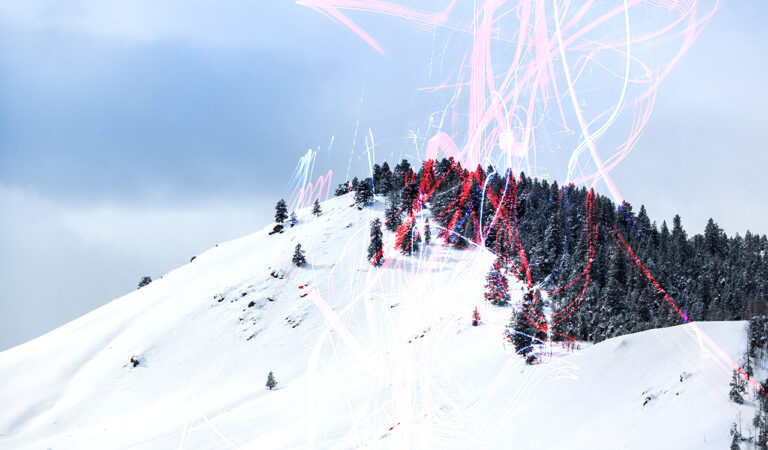
S: Ronan and our good mate Anelisa Montoya created the album cover for ‘October Days’ while Ronan created the cover for the single Flying Planes. I enjoy the psychedelic atmosphere the album cover creates, as it blends elements of the songs together but pronounces the dreamy quality that connects all the songs together. The Flying Planes cover art reminds me of the view outside of a window plane, with misty clouds coloured by a sunset – which strongly reflects the tone of the song.
R: For the October Days album, I like the idea that the album begins in an ocean-setting and ends in the sky (hence the song titles) so I wanted some artwork that would reflect both. I initially asked Anelisa to paint some sea/sky imagery which I then edited and cut with various photos of buildings in Brighton (the city we live in) to kind of create a surreal scene of a city submerged underwater – half painted and half real. Also, synthetically, we viewed the music as quite dark so we wanted this scene to be at nighttime with subdued colours.
What would you say your latest single ‘Flying Planes’ is about?
S: Personally, the song is dedicated to Ronan and my home, Australia. At the time I was writing the lyrics, he had recently bought plane tickets to visit me for the first time in Australia when I moved back there for a few months during the holidays. As such, I wrote the song for Ronan to welcome him to experience my home and share a part of who I am. I also dedicated the song to Australia, as I had not been there for a long time and wanted to express the beauty and grandness of the land I was missing. I used iconic land features to emphasis its uniqueness and my appreciation for it, such as ‘follow streams with gold beneath,’ is a reference to the natural richness of the land, and ‘where plains meet morning rays’ references the vastness and grandeur of the sweeping plains of the Australian outback.
Am I right to point out that the production is a little bit cleaner compared to October Days? Were you trying out a slightly different sonic direction with this one?
R: We definitely wanted to get a crisper, more pleasing sound for Flying Planes, as it was just too simple and lovely a song to give the same treatment as the album. To get that airy, floaty effect like you’re amongst the clouds, I didn’t want to overcrowd the music or make the guitar super scratchy, so yeah it’s certainly a different sonic vibe from the album. The new songs we’ve been working on kind of follow on from that!
S: As Ronan and I continue developing our musical skills there has been an obvious improvement in the quality of the songs. As we are currently creating our next album, I have already noticed my writing have become more experimental and creative in the themes and actual lyrics in the songs. I can’t even begin to describe how intricate, imaginative and thoughtful Ronan’s instrumentals have become.
What’s next for October Days?
S: I am actually incredibly excited for our next album, which should be released next year (maybe even a single before then.) We have really pushed ourselves with this project and have created interesting and offbeat music that I am very excited to share with everyone!
R: Yeah, we recorded eight new songs – it’s quite different from the first one – definitely more of a homage to indie rock and guitar music, but we think it’s some of the best stuff we’ve done and also can’t wait to share it.

 Post Malone, Hollywood’s Bleeding: The latest release from superstar Post Malone is a 17-track follow-up to his 2018 album, Beerbongs & Bentleys. It features the already-released single, ‘Circles’, while the tracklisting reveals a track featuring Ozzy Osbourne and Travis Scott, as well as other contributions from the likes of Halsey, Future, SZA, Young Thug, Swae Lee, and more. Post Malone’s star-studded third album also features hits ‘Wow’ and ‘Sunflower’, the latter of which was featured on Spider-Man: Into the Spider-Verse.
 Iggy Pop, Free: This is the eighteenth studio album from American punk icon Iggy Pop following his critically acclaimed 2016 album Post Pop Depression. “This is an album in which other artists speak for me, but I lend my voice,” Iggy says. “By the end of the tours following Post Pop Depression, I felt sure that I had rid myself of the problem of chronic insecurity that had dogged my life and career for too long. But I also felt drained. And I felt like I wanted to put on shades, turn my back, and walk away. I wanted to be free.” As a result, the album is more “uniquely somber and contemplative” than his previous releases.
 Bat for Lashes, Lost Girls: Singer-songwriter Natasha Kahn, aka Bat for Lashes, returns with her fifth studio album titled Lost Girls, her first since 2016’s The Bride. The album was teased on social media, with one video featuring a number for a hotline that, when dialed, asked callers to leave a message about a lost girl called Nikki. Kahn has drawn inspiration from 80s culture for the record, citing influences such as Bananarama, Cyndi Lauper, The Blue Nile and film composer John Williams.
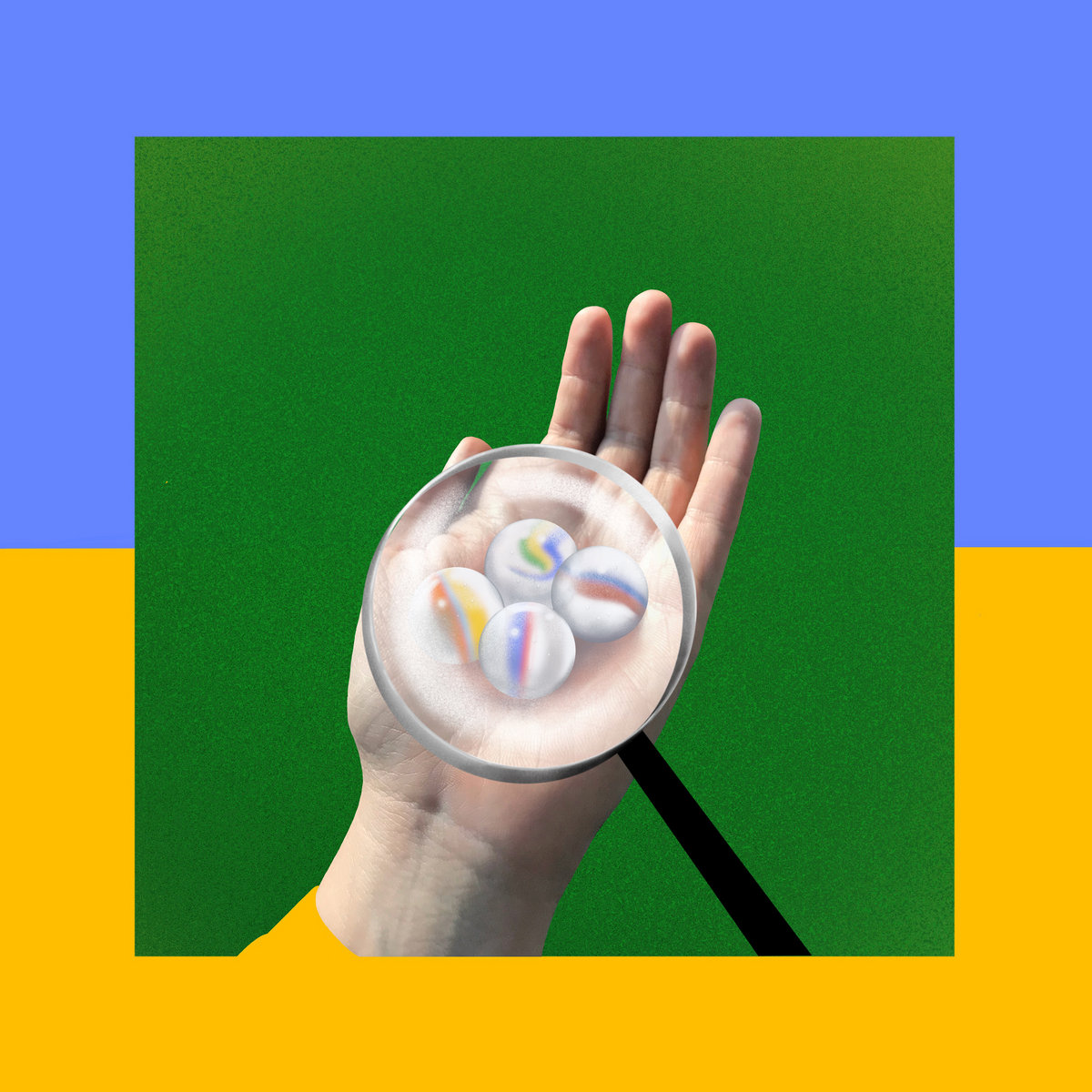 Frankie Cosmos, Close it Quietly: Indie folk group Frankie Cosmos have released their fourth studio effort, Close it Quietly, out now via Sub Pop. Co-produced by Gabe Wax, a press statement describes the album, which follows last year’s Vessel, as “a continual reframing of the known, taking the band’s trademark micro-universe and upending it, spilling outwards into a swirl of referentiality that’s a marked departure from earlier releases, imagining and reimagining motifs and sounds throughout the album.”
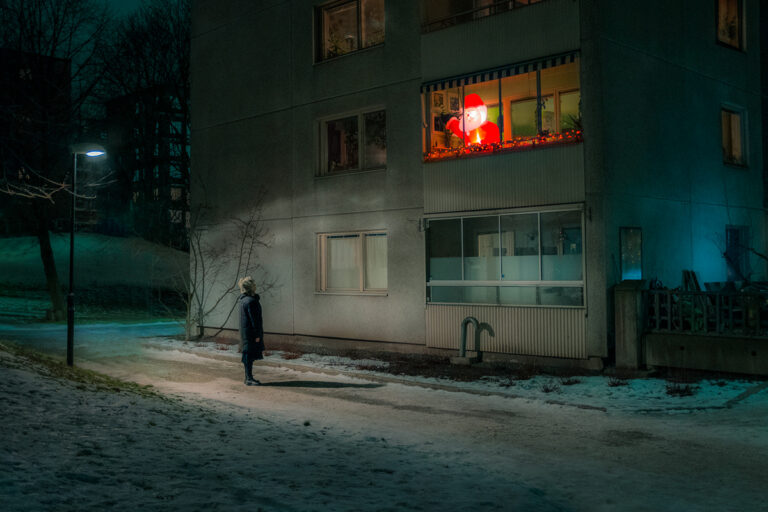

 If Lana Del Rey’s work has often felt like the definition of style over substance, then Norman Fucking Rockwell! is the album that changes it all. The pop singer-songwriter’s sixth full-length release is a record full of emotional substance – not only her best material yet, but also her bravest and most mature. Del Rey lays her soul bare on every single track here, and it feels painfully honest at times: “If you hold me without hurting me/ You’ll be the first who ever did,” she sings on ‘Cinnamon Girl’, as if whispering close to your ear, while a similar sentiment comes through on ‘Happiness is a butterfly’: “If he’s a serial killer, then what’s the worst that can happen to a girl who’s already hurt?” Producer Jack Antonoff, who has produced for the likes of Lorde, Taylor Swift, and St. Vincent in the past few years, doesn’t alter Del Rey’s sound all that much; but his subtle contributions provide the groundwork for her elegantly quiet voice to shine rather than drown in reverb as it often does, while adding instrumental embellishments here and there. It’s also Del Rey’s most musically coherent album, and at 67 minutes, rather than feeling overlong – another pop album full of filler designed for Spotify playlists – nearly every song (with the possible exception of ‘The Next Best American Record’, the weakest cut here), is impressively heart-wrenching and well-written. But Del Rey saves the best for last, a raw piano ballad with her voice front and center titled ‘hope is a dangerous thing for a woman like me to have – but I have it’, where she likens herself to Sylvia Plath, takes a stab at her critics (“They write that I’m happy, they know that I’m not”, she sings, a reference to the discourse surrounding her previous album Lust for Life), pours her heart out, and holds on to a tiny glimmer of hope – just enough to rise from the ashes, like Lady Lazarus herself.
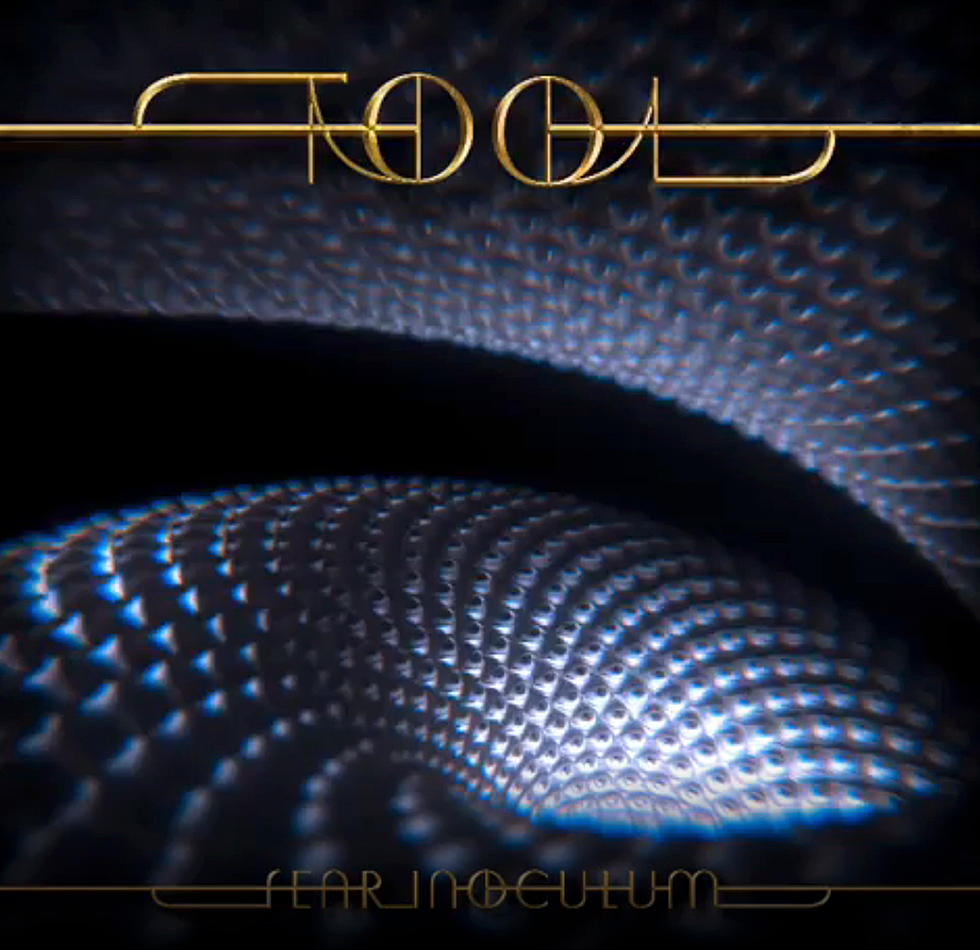 To match the massive hype surrounding their first new album in 13 years, Tool understandably had to make Fear Inoculum their most ambitious effort yet. Every Tool album so far has been more than an hour long, but this one clocks in at nearly 90 minutes, with most tracks being 10-minute-plus progressive metal epics. And yet, it’s somehow sadly their most disappointing album as well; although almost every song here would sound impressive on its own, in the context of the record, the band’s approach starts to grow stale, as they rehash a lot of the same ideas over and over to the point where the album becomes monotonous, frequently repetitive, and at worst, exhausting. There are certainly stand-out, solid moments here, like the track ‘Invincible’, where Maynard James Keenan express the band’s concern with staying relevant in the contemporary music scene through familiar war metaphors (“Warrior struggling to remain consequential”), or ‘7empest’, which remains hypnotically engaging throughout its 15-minute runtime. But, utilizing similar structures and themes, other tracks just aren’t exciting enough to justify their length, while the interludes don’t offer much either. Tool’s comeback feels a little bit like the latest Quentin Tarantino movie: technically masterful, characteristically aggressive (though the violence – or heaviness – is curiously watered down), featuring some undeniably virtuoso performances (drummer Danny Carey shines the most on the album) and a morbid sense of humour, but ultimately overlong and occasionally vapid.
 Legendary Chicago rapper Common comes through with a breezy, soulful, and mostly laid-back album to accompany his recently released memoir. There’s nothing really extraordinary here, but it’s not trying to be – unlike his previous full-length release, 2016’s upbeat and politically charged Black America Again, Let Love is an easy-going, occasionally inspirational affair (despite what lead single ‘Hercules’ would have you think), with reliably competent rapping from an experienced artist who comfortably acknowledges and incorporates the new generation of hip-hop into his sound (he references the likes of Cardi B while featuring artists like Daniel Caesar and BJ the Chicago Kid alongside older souls like Swizz Beatz and Jill Scott). You can probably guess the main theme of the album from its title – or the title of nearly every song here, which includes the world ‘love’ – be it love for hip-hop masquerading as romantic love (‘HER Love’), or a generic love for God on ‘God is Love’. But the most heartwarming moment is ‘Show Me that You Love’, where Common sings about his relationship with his daughter with admirable honesty, admitting his mistakes and trying to view things from her perspective in the chorus: “Show me that you’re there/ Show me that you care/ I’ve been looking for you/ But you don’t wanna share,” Jill Scott sings on the chorus. This is dad rap at its finest. Unfortunately, much of the album is ultimately forgettable, but it’s a pleasant, sometimes moving listen while it’s on.
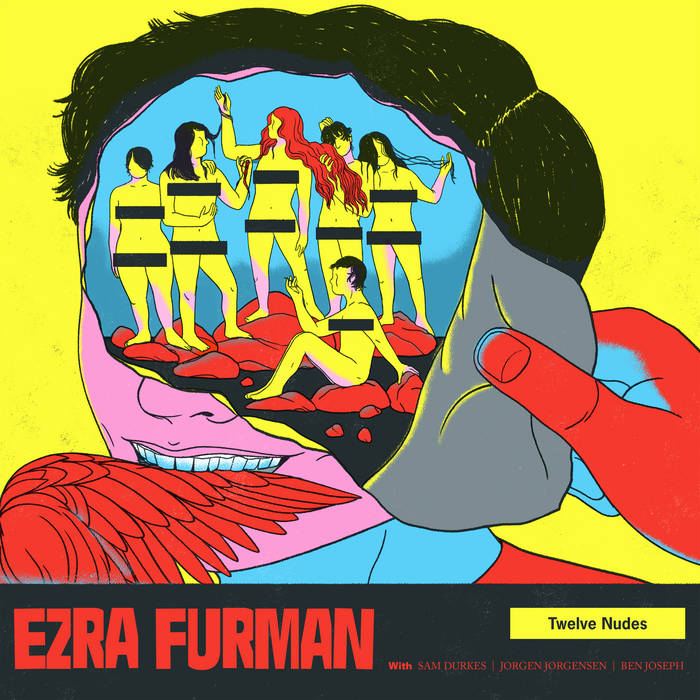 If Ezra Furman’s previous album, Transangelic Exodus, was an angry but meticulously crafted and ambitious concept album, Twelve Nudes channels that same kind of societal fury, this time in a raw and manically brief fashion. A ‘spiritually queer punk’ record, as Furman aptly described it, the indie songwriter’s eighth full-length release is filled with exhilarating, frantic garage rock tunes with the distortion cranked up and Furman’s unbridled, howling vocals as impassioned as ever. It’s a short but fun ride, with infectiously catchy songs like the opening single ‘Calm Down aka I Should Not Alone’ or the fast-paced ‘My Teeth Hurt’, but there’s a lot of personal pain behind these deceptively simple tunes. “Remember I tried to ask what it means to be a man? They threw me in the back of a truck and they tied my hands,” Furman laments on ‘Transition from Nowhere to Nowhere’, while on ‘Trauma’ he maturely proclaims, “Years roll on and they still have not dealt with our trauma”. It’s not as if there aren’t any playful songs here, though; the tongue-in-cheek ‘I Wanna Be Your Girlfriend’, by far the most musically accessible song on the record, is also the most lyrically subversive, making the impact of Furman’s gender-defying lines all the more potent: “All my friends are writing their resumes/ My responsible friends are applying for jobs/ But me, I was considering ditching Ezra, and going by Esme”. At the end of the day, despite all the pain and frustration, Furman suggests with the title of the closing track, ‘What Can You Do But Rock n’ Roll?’.