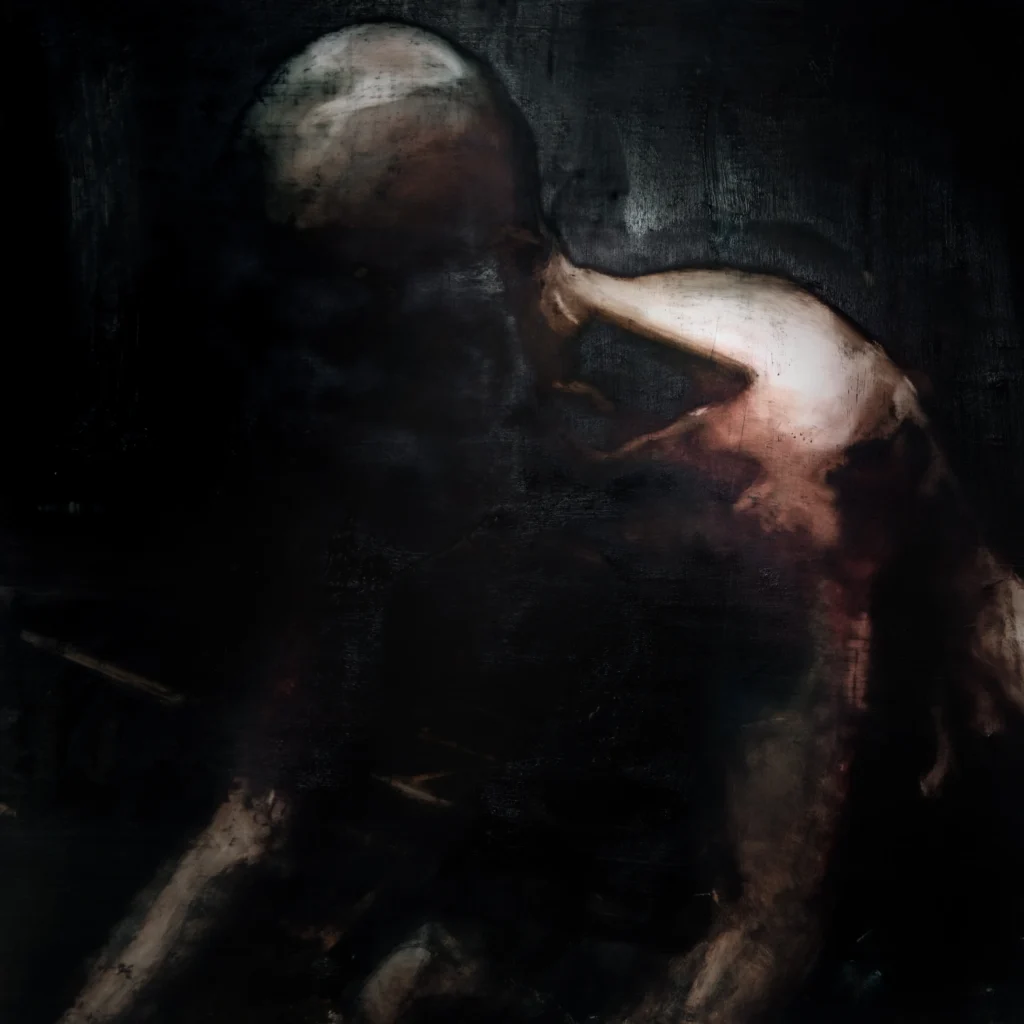
Manchester artist Blackhaine has announced his debut album, Saints in the Wethouse, with the lead single ‘Consumer’. The 12-track LP arrives November 13 via XL Recordings. Check out the Elena Isolini-directed video for ‘Consumer’ below.
Executive produced by Wraith9, the follow-up to 2022’s Armour II EP features contributions from Rainy Miller, Croww, Space Afrika, Ship Sket, Vanessa Bedoret, and Gabe Evans. Blackhaine will premiere the record live this weekend at his headline appearance at Warsaw’s Unsound Festival.
Saints in the Wethouse Cover Artwork:
Saints in the Wethouse Tracklist:
1. Cold Shoulder
2. Northside Needs Me
3. Hostel / Valium
4. 5 Days
5. Consumer
6. Born From Wound [Floodlights]
7. The Wind
8. Pyrex
9. Never Alone
10. Artwork
11. Spirit
12. Saints in the Wethouse
In this segment, we round up the best albums released each month. From This Is Lorelei to Tinashe, here are, in alphabetical order, the best albums of September 2026.
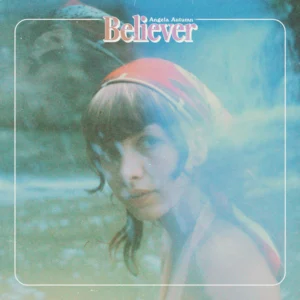
Angela Autumn, Believer
Taking shape in the wake of heartbreak, Believer was written across the South and Appalachia: in a treehouse outside Asheville, in the Tennessee woods, and in an empty warehouse near Chattanooga. Throughout it, Angela Autumn marries ample restlessness and nimble restraint in her search for a kind of light: “For a guarantee of sunshine, I got the blues,” the Nashville-based singer-songwriter sings on ‘My Alchemy’, in a voice that’s alternately airy, warm, and gutsy. But she puts faith in the idea that the blues – like any other genre or place she may choose to briefly inhabit – is somewhere you can store memories for all time, even before they get to live inside you. Read our Artist Spotlight interview with Angela Autumn.
“What will we live for beyond the valley of the shadow of the fear of all men?” That’s final question on the last track of Emma Ruth Rundle’s new album, These Killing Times, and hushed as ‘Oceans of Time’ may sound, it certainly doesn’t resign itself to a life of solitude. Doomful and devastating though it often feels, it’s worlds removed from any kind of isolationist perspective; Rundle widens not only her sonic palette but her non-musical reference points, moving across centuries through nods to Macbeth and Gone Girl while hammering down on the same themes of perpetual violence, patriarchal systems, and longing for redemption. These Killing Times succeeds not in colouring outside our bleak reality, or even imagining a path through it, but consolidating every possible reaction to the darkness – fear, yes, but also anger, unification, and even hope – as part of the same towering whole. Read our inspirations interview with Emma Ruth Rundle.
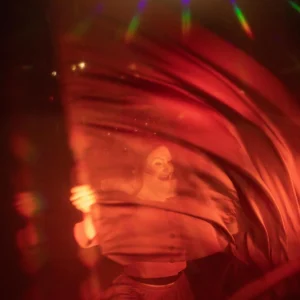
The third track on Gilla Band’s new album, ‘Alogia’, is Greek for “without words,” connoting an inability to speak. Pugnello is not only the kind of masterful record that leaves you speechless but serves as the opposite of functional music: the Irish band’s uncompromising blend of noise and dance styles relentlessly capitalizes on the most dysfunctional corners of the human brain. On the follow-up to 2022’s Most Normal, they sound simultaneously like a group in rueful disrepair and in complete control of their internal machinations. Though its mechanized rhythms and corrosive textures will be the main draw for many, it is not a record you turn to solely for its instrumental qualities; Dara Kiely’s lyrics are by turns silly, surrealist, and as heavy as the music. The more you try to find the words for it, the more it speaks for itself.
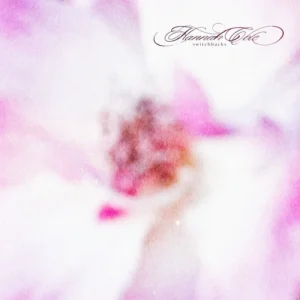
Following a series of EPs, Hannah Cole and her longtime collaborator and partner, Josef Kuhn, wrote and recorded Switchbacks at their home studio over the last two years. Even as an amalgamation of influences that includes Bully, Alex G, and Cocteau Twins – not to mention the heavier shoegaze bands the record’s mixer Sonny Diperri has worked with, from My Bloody Valentine to Julie – it conjures a well-defined, multidimensional sound most artists don’t arrive at until several LPs into their career, each song dynamically peppered with distinctive details. On her debut album, Cole peers into the future while treasuring the ecstatic moments of creativity on which it may depend, acknowledging that the promise of success is as fuzzy as memory itself. Read our Artist Spotlight interview with Hannah Cole.
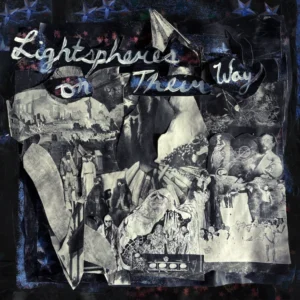
Lily Seabird zooms all the way out on Lightspheres on Their Way. Though revolving around many of the same themes, it stands in almost striking contrast to the rough-hewn intimacy of last year’s Trash Mountain, transposing its emotional volatility to a tangibly spiritual realm. The Vermont singer-songwriter is thinking less about a period of time, or a place in time, than the very nature of it: “Time’s a vortex coming in all directions/ Where I could live in memories for days,” she sings on the fittingly sprawling ‘Portal to the Past’, memory being the engine her music runs on to move through trauma. To title her most illuminating and dynamic record to date, she invents a word that encompasses it and every other catalyzing force in our lives. Her performances retain an awe-inspiring physicality even as her lyrics flirt with the metaphysical; by the end, you feel like she’s homing in on a universe all her own. Read the full review.
Taking their name from a 1970s children’s book about magical beings returning light to the sky, Starcleaner Reunion honed their spacey, kaleidoscopic indie rock style on a couple of EPs, 2023’s Club Estrella and 2024’s Café Life, before getting to work on their debut LP. The songs on the self-produced Umbrella are by turns jittery, hazy, and whimsical, showcasing a band whose converging taste opens up the imagination rather than leading to predictable songforms. There is more than a touch of nostalgia in a lot of Jo Roman’s lyrics: “I seem to be wanting the same old song,” she sings on the opening ‘Theme’, but Starcleaner Reunion have a way of twisting and reshaping familiar textures into new, uncanny territory. Read our Artist Spotlight interview with Starcleaner Reunion.
Billed as his debut proper, 2024’s Box for Buddy, Box for Star cemented Nate Amos as an artist who could cohesively translate both his melodic and production skills to a singer-songwriter framework. The Singer in My Band, the singer-songwriter’s first LP for Matador, marks not a shift in style so much as towards the purity of his songwriting, becoming a little meta but never more than it strives for universality. It’s strikingly vibrant from start to finish, even on a track sung from the perspective of someone who turns out to be – spoiler alert – dead. There’s humour, in the vastest sense of the word, in the anguish, romance, and mortal fears of its characters. “You can laugh at love here,” Amos sings on the closing track, not making a promise so much as affirming what you’ve already experienced. Read the full review.
These days, every pop star wants to make a concept album. Every pop star says things like, “For me, the album is so much better in its entire context,” as Tinashe did in a recent Stereogum cover story. (Not everyone is against AI and “the TikTokification of it all,” though.) What sets Popstar – the artist’s eighth LP and first on a major label (Atlantic) since parting ways with RCA in 2019 – apart is how its outsized ambition and sense of intentionality feels unequivocally like a product of self, one both unburdened and conflicted about its place in the industry. Brilliant, self-assured, and tapped-in, the album has little to say and a lot to emote about its titular subject, warping, relaying, and dissecting the singer’s experience like a lover would at the end of a long day. “The American Dream is outdated,” she sings on ‘Crash Out’, living her own while sounding totally of-the-moment. Read the full review.
“You don’t want a familiar feeling,” Felix Walworth sings on ‘Real Love’, the opening track of their first Told Slant album in six years. Even at its most romantic, What’s Up is not exactly heartwarming so much as evocative of a “low fire burning,” and more than on any previous record, Walworth allows their simmering frustration to spill over into outrage, mingle with grief, and melt back into tenderness, resulting in their most dynamic record to date. Tracking everything to an eight-track reel-to-reel, they brought together Hannah Pruzinsky (aka h. pruz, also their collaborator in Sister.), their Florist bandmates Emily Sprague and Jonnie Baker, as well as Hellen Ballentine (aka Skullcrusher), Mari Rubio (aka more eaze), and Elijah Wolf – familiar names if you’ve been following Walworth’s work or the New York scene to which they’re embedded, but all of whom help fill the record with thorny, uncompromising details. Read our inspirations interview with Told Slant.
Most brands spend months refining a logo, a colour palette and a typeface, yet leave their sound to chance. Every jingle, notification and piece of hold music says something about who you are. Working with a sonic branding agency turns those scattered sounds into a coherent identity that people recognise, sometimes before they even see your logo. But how do you choose the sound that truly fits your brand?
Start with your brand, not with the music
A sonic identity is not a matter of taste. The question is not “What music do we like?” but “What should our brand sound like?” Before any composition begins, clarify your positioning, your values and the emotions you want to trigger. A bank aiming to reassure and an energy drink aiming to excite will not call on the same tempo, instruments or harmonies.
A useful exercise is to describe your brand with three or four adjectives, then ask how each one could be translated into sound. “Warm” might suggest acoustic instruments, “innovative” might point to electronic textures, “accessible” might call for a simple, easy-to-hum melody.
Know the building blocks of a sonic identity
Sonic branding goes far beyond a short jingle. A complete identity usually includes:
A sonic logo: a short signature of a few seconds, used at the end of ads, videos or at key moments of the customer journey.
A brand theme: a longer piece of music that expresses the brand’s personality and can be adapted into many versions.
Functional sounds: notifications, confirmations and interface sounds for apps, websites or connected products.
Brand voice: the tone, gender, accent or delivery used in voice assistants, phone systems and advertising.
Not every brand needs all of these on day one. Start with the touchpoints where your customers actually hear you.
Think in terms of consistency and flexibility
The best sonic identities work everywhere. The same musical DNA should be recognisable in a 30-second TV spot, a social media video, a trade show stand and a customer service line. This requires a system rather than a single track: a core melody or motif that can be rearranged for different formats, moods and cultures.
Test before you roll out
Sound triggers strong emotional reactions, so it is worth testing your options with real listeners. Do they associate the sound with your brand values? Is it memorable? Does it become irritating after repeated listening? These questions help you avoid a costly mistake once the identity is deployed across all channels.
Rely on experts close to your market
Choosing a sonic identity combines strategy, composition and audience insight. Partnering with specialists helps you avoid clichés and build a sound that lasts over time. For brands looking to develop or adapt their audio identity for the American market, our Agency in New York works with teams to design sounds rooted in their strategy and suited to local audiences.
Your brand already makes noise. The goal is to make sure it says the right thing.
As China’s digital economy continues to expand and its games industry accelerates its global reach, a growing number of Chinese technology and design professionals are contributing to international innovation teams, taking on increasingly important roles in global product design, digital services, and cross-industry collaboration.
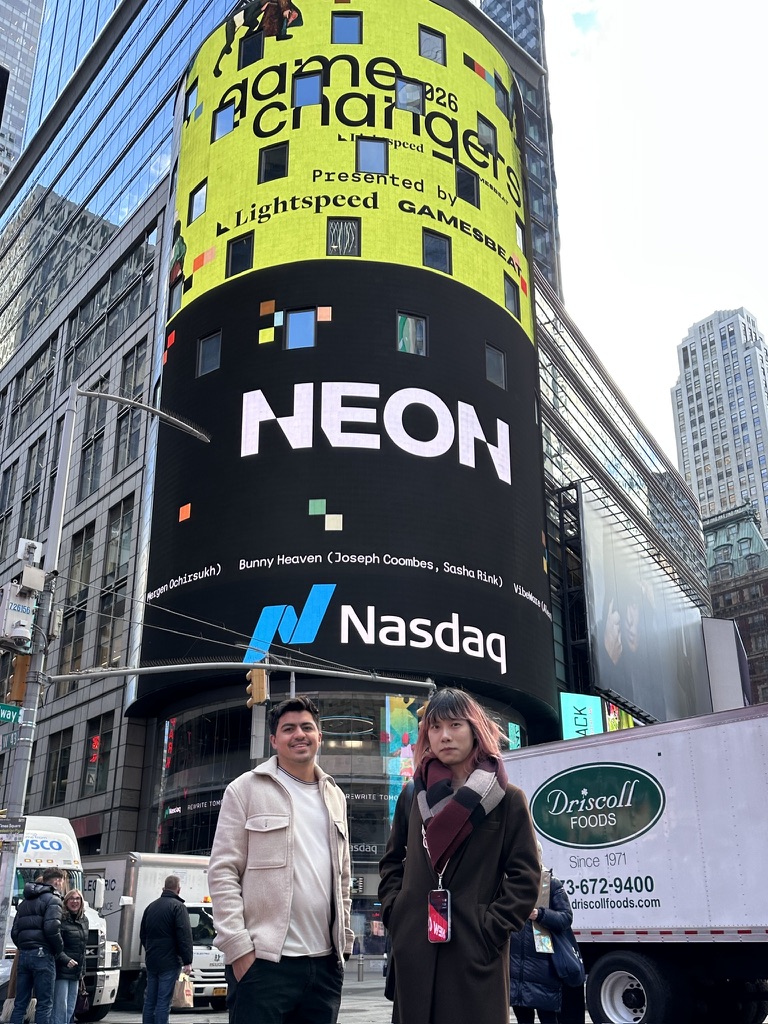
In November 2025, leading global venture capital firm Lightspeed and GamesBeat, a prominent games-industry publication, jointly announced the Game Changers 2026 list. Neon, a U.S.-based commerce infrastructure company for games, was selected as one of 25 gaming and technology startups worldwide. Presented in partnership with Nasdaq, the honorees were subsequently featured on the Nasdaq MarketSite display in Times Square, New York. Neon earned industry recognition in significant part for the strength of its end-to-end product experience. Behind that system is Yi Chen, the company’s China-born Head of Design, whose work has brought them growing visibility across the global games industry.
With years of experience spanning cross-media and digital product design, Chen now serves as Head of Design at Neon, leading the company’s core product-experience strategy. From player-facing web shops, checkout, and payment flows to the administrative tools, analytics dashboards, and design systems used by game developers and publishers, Chen leads a multidisciplinary design practice that spans both consumer and enterprise experiences.
“Excellent product design goes far beyond the interface. What matters most is understanding how people actually behave and use products within different cultural contexts,” Chen said.
In Chen’s view, game-commerce infrastructure sits between two groups: developers seeking more direct relationships with their players, and a global audience whose languages, payment habits, and digital ecosystems vary widely. Design teams must create a coherent global experience while respecting and adapting to the needs of local markets.
Chen’s path into design did not begin with internet products. Before moving into digital product design, they worked across book design, cultural and creative products, brand identity, and multimedia.
Book design taught Chen how to structure information and shape a narrative. Brand design deepened their understanding of visual consistency and user trust. Cultural and creative work sharpened their sensitivity to context and expression, while multimedia design developed their command of interaction feedback, timing, and cross-media storytelling. These seemingly disparate experiences ultimately converged in digital product design, forming a distinctive and integrated design perspective.
“Whether the work is a book, a brand system, or a payment flow, design must ultimately return to the human experience,” Chen said.
The medium may have shifted from printed pages to digital interfaces, but the central challenge remains the same: how to communicate information efficiently, reduce cognitive load, and build lasting trust between people and products. As Chen moved into global products, this inquiry expanded to include differences in behavior and expectations across cultures.
Payments offer a revealing lens on those differences. In China, mobile payments are deeply embedded in daily life, and users expect digital transactions to be fluid, convenient, and integrated. In Europe and North America, privacy, payment security, risk management, and global compliance are equally important dimensions of the experience. These priorities are not mutually exclusive; in global products, they increasingly interact, converge, and evolve together.
The Neon products Chen helps design offer a vivid example of that convergence.
According to public information, Neon provides direct-to-consumer commerce infrastructure for the games industry, including official web shops, checkout, global payments, and merchant-of-record services. Its products must make browsing, purchasing, and payment clear, seamless, and trustworthy for players, while also enabling game developers and publishers to manage catalogs, configure live operations, analyze data, and navigate complex commercial requirements.
Among the partnerships highlighted on Neon’s website is Yodo1, a Chinese games company. The two companies have worked closely on the web shop for Transformers: Earth Wars, reflecting a broader trend of Chinese game companies using global commerce infrastructure to expand in overseas markets. Neon’s publicly presented global payment network also includes Alipay and WeChat Pay, payment methods familiar to Chinese users, helping global products connect distinct regional digital-commerce ecosystems.
In July 2026, Neon announced a $13 million Series A financing round, with leading South Korean games company KRAFTON participating as a strategic investor. GamesBeat reported that Neon and KRAFTON signed a partnership agreement in the summer of 2025 under which KRAFTON would leverage Neon’s payments and commerce infrastructure. For Chen, collaborations across regions do more than extend a product’s reach; they require design teams to continually deepen their understanding of the real needs of users and partners in different markets.
“We are rarely designing for a single audience. We are designing for people in different countries, shaped by different payment habits and digital ecosystems,” Chen said. Truly excellent global products, they added, do not simply transplant one model into a new market. They adapt and improve continuously, grounded in a deep understanding of local culture, user needs, and industry conditions.
In recent years, Chinese game companies have accelerated their expansion overseas, while collaboration across the global games value chain has grown more closely interconnected. At the same time, the experience China’s internet industry has accumulated in mobile payments, digital commerce, and user experience is increasingly being studied and incorporated by international product teams.
Chen sees this two-way exchange as a defining feature of global digital-economy integration. Chinese game companies are becoming more deeply embedded in global industry networks, while international technology companies are moving faster to understand Asian markets and China’s digital ecosystem. Chinese designers with cross-cultural experience are emerging as important links between different product philosophies, user habits, and ways of working.
From books, cultural products, brand identity, and multimedia to digital products and global game-commerce infrastructure, Chen has never regarded their career as a series of disconnected stages. To them, design is not merely a tool or medium, but an ongoing way of understanding the relationships between people and information, people and technology, and people and the wider world.
As a member of an international innovation team, Chen describes their role as a bridge: bringing an understanding of Chinese internet products and cultural context into global product practice, while learning from design approaches across markets and helping different digital ecosystems connect more smoothly and effectively.
As the digital economy continues to deepen, more Chinese technology and design professionals with international perspectives are working at the forefront of global innovation. They are contributing directly to international product development while witnessing China’s digital-economy experience become increasingly integrated into global value chains—building bridges for exchange, mutual learning, and shared progress across countries, cultures, and user communities.
Saturday morning in an Albanian household in the U.S. usually starts the same way: coffee, dishes clinking, and the TV already tuned to a channel from home before anyone’s asked for it.
A parent working the night shift catches the news at midnight instead of seven. A student catches an episode between classes. A grandparent still expects hers live, at the usual hour. A TV shqip live app lets all three fit Albanian-language programming into whatever day they actually have, instead of saving it for holidays.
The practical step often starts with a search for said app for Albanian TV (shkarko shqip TV), but the value shows up after that, once the habit sets in: a comedy sketch becomes an inside joke, a news interview starts a discussion about a hometown nobody’s seen in years.
How Language Becomes Something People Use
By the early 2010s, researchers using U.S. Census data found second-generation Albanian-Americans already outnumbered the first generation, and the population has kept growing since. Practically, most Albanian kids in these households now learn English at school and Albanian mainly at home.
Children who hear Albanian mainly from parents or grandparents may know household phrases yet struggle with faster speech, slang, or regional accents. Television widens the range of voices they encounter. A presenter speaks differently from a sitcom character; a caller on a talk show may use words that belong to another region. Research on heritage-language households — mostly from other immigrant communities, since Albanian-specific studies are scarce — finds family exposure matters most, but the range of a child’s exposure predicts how completely they hold onto the language. Media doesn’t replace that exposure; it adds to it.
That difference matters. Formal language classes have clear value, but family viewing offers language in social situations: teasing, disagreement, affection, everyday courtesy. A child who repeats a line from Portokalli is practicing timing as well as vocabulary. When an older relative explains why the joke works, the explanation includes cultural knowledge that a dictionary cannot provide.
Film Holds Personal and Social Memory
Albanian films can connect private recollection with wider history. Older viewers may remember where they first saw a film, who quoted it at home, or which scenes were discussed for years. Younger relatives meet the same work from another position, noticing the clothing, apartment interiors, or family expectations before they understand the historical setting.
That shared viewing works even when people disagree about it. A parent might defend a film because of who they were when they first saw it — the film itself doesn’t need defending. Their kids don’t owe it the same loyalty, and they shouldn’t pretend to. The disagreement is the useful part: it gives two generations a reason to talk about the same thing in different terms, which happens less often than it should.
Television Gives Families a Shared Clock
Regular programs create another kind of continuity. A family may watch E Diela Shqiptare over Sunday lunch, follow a favorite comedy together, or call relatives after a major interview. Even when household members live in different cities, knowing that others have seen the same program creates an easy reason to call.
This routine survives changes in technology because the reason for it never changes. People want to know what their relatives are talking about. They want their kids to recognize a voice or a face from home without being told who it is. A Tuesday evening with the TV on does more for that than a wedding or a national holiday ever could since those days already carry their own weight; it’s the ordinary evenings that need the reminder.
Keep the Screen Connected to Real Life
Film and television work best when they lead back into family activity. Ask a grandparent which actor everyone knew, cook a dish mentioned in a program, compare how two generations interpret a character, or write down an unfamiliar phrase. These responses turn watching into participation without making it feel like homework.
The strongest cultural habits are often modest. One weekly program, one Albanian film each month, or one family group-chat discussion can keep language and memory in use. Across distance, screens provide common references, but relatives give those references meaning. Culture remains alive when people quote it, question it, laugh at it, and pass it on in their own words. TVALB, the leading provider of Albanian television and entertainment in the United States and Canada, exists for exactly this: to make sure an ordinary evening at home never has to wait for a plane ticket or a holiday on the calendar.
Mei Semones has announced her sophomore album, Howl. Following 2025’s Animaru, it marks the Brooklyn-based musician’s first LP for Verve and Interscope. The 11-track effort is led by the title track, which arrives alongside a Takuto Shimpo-directed video. Check it out and find the album cover and tracklist below.
“I was so happy I got to shoot the ‘Howl’ music video in Tokyo with Takuto Shimpo and his team,” Semones said in a statement. “My idea for the video was ‘convenience’ store worker by day, guitar-obsessed werewolf at night, and I love how Takuto was able to perfectly bring that idea to life in this video.”
“Sometimes making music feels like howling into the universe,” she added. “I make music because I like it, because it feels instinctual — but it also connects me to people close and far. I like to think of this music as my howl.”
Mogwai have announced a new compilation, Happy Tears, collecting highlights and rarities spanning the group’s 31-year history. Out January 8 via Rock Action, it also features a new collaboration with Iggy Pop called ‘Underground’. Check it out below.
In a press release, Pop said:”I’ve always liked Mogwai. The opening of the track reminded me of the crushing modern loneliness. The sung vocal, which was arranged by Matt Sweeney, felt like it was made for someone who is pissed off and doesn’t mind saying so.”
In his 2022 book Spaceships Over Glasgow: Mogwai, Mayhem and Misspent Youth, Mogwai leader Stuart Braithwaite wrote: “Hearing the Stooges had been a life-changing moment for me. Their self-titled album was pretty much my bible. It was druggy, dumb and completely primal. I’d never heard anything quite like it and even though that band had pretty much fallen apart by the time I was born, I grew to love the three Stooges albums as much as any music I’d heard. I had a VHS video of Iggy playing live and I watched it over and over. His performance was unlike anything or anyone I’d seen before. The spectacle was great but it was his voice and songs that really captured me.”
The new compilation will be accompanied by the release of Happy Tears: The Story of Mogwai, a new audio documentary made with production company Cup & Nuzzle.
Happy Tears Cover Artwork:
Happy Tears Tracklist:
1. Yes! I Am A Long Way From Home
2. I’m Jim Morrison I’m Dead
3. Hunted By A Freak
4. Take Me Somewhere Nice
5. Boltfor
6. CODY
7. Brand New Paths to Helicon 1
8. How To Be A Werewolf
9. Auto Rock
10. Remurdered
11. Ritchie Sacramento
12. Lion Rumpus
13. Underground [feat. Iggy Pop]
1. Angels vs Aliens
2. Die 1 Dislike!
3. Ether (with The KNDS Fairey Band – Live)
4. The Sun Smells Too Loud (Holden remix)
5. If Not Destroyed: True
6. Full Blast Michael
7. Hingmy Malmsteen
8. Dracula Family
9. Harry Patter
10. Ritchie Sacramento (Other Two remix)
11. Nick Drake
12. Owl Mince
13. Mogwai Fear Satan (Live)
Starcleaner Reunion is an NYC-based band composed of vocalist and tambourine player Jo Roman, guitarists Pat Drummond and Neil Torman, and bassist Adam Kenter. All four members grew up in the small town of town of Springfield, New Jersey, meeting in high school and playing together in various configurations, though it wasn’t until Drummond moved to New York from Montreal that Starcleaner Reunion solidified. Taking their name from a 1970s children’s book about magical beings returning light to the sky, the group honed their spacey, kaleidoscopic indie rock style on a couple of EPs, 2023’s Club Estrella and 2024’s Café Life, before getting to work on their debut LP. The songs on the self-produced Umbrella are by turns jittery, hazy, and whimsical, showcasing a band whose converging taste opens up the imagination rather than leading to predictable songforms. There is more than a touch of nostalgia in a lot of Roman’s lyrics: “I seem to be wanting the same old song,” she sings on the opening ‘Theme’, but Starcleaner Reunion have a way of twisting and reshaping familiar textures into new, uncanny territory.
We caught up with Starcleaner Reunion for this edition of our Artist Spotlight interview series to talk about growing up in Springfield, their group dynamic, bootleg live recordings, and more.
I often speak to musicians who start playing in bands in middle school and high school, but it’s rare to interview a band that actually grew up playing together. Could you share some early memories of getting to know each other and your love of music through that connection?
Neil Torman: We all are from a pretty small town, where you eventually know anyone who’s interested in music. We all became connected through that in varying ways. Pat and I had the same guitar teacher; Adam and I became friends at a certain point, and we all had a band together. We were just so close and grew up in parallel that, playing with other people, you just appreciate that connection even more.
Jo Roman: I’m the youngest out of all these guys, so I kind of met everyone through the years in high school. I met Adam first, because we were in marching band together. [laughs] But I guess I didn’t expect to be in my first band in high school with Adam and Neil. I was looking for members to fill up my first band with our other friends that had a project. Adam was our drummer and Neil was our guitarist then, and then we started working together for almost seven years with that project. I knew Pat through high school, too, but I feel like my first collaboration with him was when he had his own side projects in Montreal. I got to sing on something with his project, and that was really cool. And then we just came to be. So I feel like it happened in increments from 2012 up to when we started Starcleaner. We’ve always been in the same bubble, we always talk to each other, and we’re always doing things together – hitting up each other for going to shows and stuff like that.
Adam Kenter: I remember Pat was in a band before we were even really close. I remember seeing them play at the St. James Fair.
Pat Drummond: Adam and Neil were listening to cooler music, and I was younger than them, so I wasn’t listening to the coolest music yet, and I was playing in this band, and we sucked. And then I met them, and I was like, “This band I’m playing in is so bad, we have to start a new thing.” So I started hanging out with Adam and Neil. And it was great. We just had such similar tastes. We just wanted to explore and listen to all kinds of music. We gravitated towards krautrock, psych pop, and older stuff, and then we’d go to Adam’s garage and jam, and write music, and play a DIY show in New Jersey.
AK: It was so seamless. I can’t believe it took that long for the three of us to even start playing together. This was before we started the project with Jo, the three of us.
PD: Yeah, that was our first band, and that kind of broke up when I went to college, so then the three of them started playing with Jo.
JR: They taught me all that music, and then I shared my tastes, and then we blossomed. [laughs]
AK: We were doing Pavement and New Order covers and stuff like that. Very entry-level alternative music, just getting into that stuff. It was really fun. We still have five songs we recorded that we never did anything with, but they’re still on my computer.
Do you remember the first DIY show the four of you played together?
JR: We played at the Red House in Boonton. Adam actually showed us videos of that, and Pat, you were playing keyboard in that, which is so crazy.
PD: I know. We had the Nord on stage.
AK: All of our friends and family from New Jersey came in the torrential downpour.
JR: Oh my god, yeah, it was a rainy day.
PD: They had a board of all the bands, and it said Starcleaner Reunion, and people were like, “Oh, Starcleaner’s back together?”
NT: It took us a while to sort of defeat that. People were like, “Were you a band before…?”
JR: We got that for a whole year, I feel like. Every show was like, “What’s the reunion?”
I just realized, it was pouring rain on your first show, and your first full-length is called Umbrella.
JR: Oh my god!
NT: I actually completely forgot that it was raining that day until just now. I like that connection.
AK: Yeah, we didn’t think anyone was gonna come. Boonton is a random-ass town in New Jersey, 30 or 40 minutes west of where we were all living – this town on a huge hill.
Which makes me want to ask, do you feel like you have similar memories and associations with the small town you grew up in? Especially now, having toured together and traveled together, is your upbringing something that comes up in conversation?
AK: I feel like it’s implemented in our lives every day. We’re always talking about Springfield in any fashion, whether it’s a funny story or something like that.
JR: Yeah, I feel like we have a conversation like that every other week, even with other Springfield friends. We’re reminiscing about old stores that used to exist in our town, just walking around.
NT: It’s funny, because every time somebody who isn’t from there comes to hang out with us there, they’re just like, “This looks like nothing. This is anywhere in the USA.”
JR: Every time we have a guest in the van, we’re like, “We’re gonna give you the tour of Springfield right now, because we’re here right now.” We’re driving around, we’re like, “That’s the street that our friend lives on, and that’s the street that we live on.” It’s really fun. It’s like a shared experience, a deep-rooted connection to this random town in New Jersey. Yeah.
AK: Our parents all still live there. We’re constantly there.
Is there a recent or favorite Springfield story that really paints a picture for you?
JR: Adam, I remember we were talking about Libby’s, because that was this pharmacy and ice cream place that was on Mountain Ave, and I used to get grasshopper and mint ice cream from there all the time when I was a kid. We were all just like, “Oh my god, Libby’s!”
AK: Bro, we’d be buying Webkinz there.
NT: Springfield is kind of split into two parts in a way. We all lived in the basin, but then there was a part of the town that was very separate, but still in the town, that was on a hill, and it was called The Top.
JR: Oh my god, The Top!
NT: It was just up this 5–10 minute drive up this road with no street lights into the forest., and I remember I had a good friend who lived up there. I was over at her house all the time, and a lot of times, I would be walking down in the middle of the night with no street lights or anything, just wandering back home. I was thinking about that recently.
AK: Her backyard was where I got stoned for the first time. [laughter]
NT: Yeah, mine too. I was debating whether to go there, but walking down this hill, stoned as fuck, cars coming back and forth – that’s a core memory.
AK: Being stoned for the third time, walking to her basement, and they’re playing the animated Pink Floyd: The Wall movie. Standing like two feet from the television screen.
That reminds me of the music video for ‘Never Out or Even’.
AK: That was filmed right next to where we’re talking about.
What made this configuration of the band stick for you? Was it just a matter of time, or do you feel like there’s also something about your dynamic as a group that made it work?
NT: When you have such a long-standing history with someone, you know people really well, you develop a mutual taste, where you spend so many years sort of showing each other music. I think that it creates this bond where you don’t really even want to make music with anyone else, because you feel like you’re starting from scratch. It just makes writing feel really good, because you have this trust of knowing the other person is going to play the best thing. Everybody’s going to play exactly what it needs, and it creates this really nice synergy.
AK: We have a huge Venn diagram of musical interests, and the center is way larger than the sides. Almost all completely overlapping.
JR: But I feel like over time, when we started working on this project together, it all started sitting into place. And we were like, “Oh, we should write more things, because it’s working, it’s really working.” It’s just been like that ever since.
AK: Even now, when we find new music to be inspired by, I feel like we’re all on the same page.
JR: It’s very natural. It’s, like, freakishly natural. [laughs]
I’d love to talk about how that trust extends to also the artist that you’ve been working with since the EPs, Paul Descamps, and having that visual throughline.
NT: It’s funny, I don’t think there was ever an intended through-line, it sort of just became that way when we kept using him. The first thing we ever decided as a band, literally day one – or even day zero, before we had a name or any music – we were all unanimously like, “This guy’s art is so cool, we should see if he’s interested in making some art for our nascent musical project.” He was really down and really friendly. We were like, “This is so cool, it feels so fresh.” It’s cartoonish and colorful, and it was just not something we’d seen much of. In a lot of music in our realm of indie rock, it there’s a lot of tropes or similarities in visuals that all felt like they were blending into each other, and it felt like it’d be cool to have something that doesn’t feel like it’s indie rock art. Like, he does a lot of art for French rappers – in addition to it just being something we really liked looking at, in terms of musical context, it felt really different.
JR: In relation to the LP too, I feel like he puts so much attention to detail in his work where you just want to keep staring at it, because you’re just finding something new every time you look in there. He does a lot of texture play and fun color balance and stuff like that. I feel like with the art that he made for us for this LP, it parallels the attention to detail that we put into making our tracks, because we just overloaded our songs with textures and different sounds. When I look at the album cover now and listen to the songs that we recorded, there’s so much detail and texture in both things. It’s always made sense to have him do our work, because he always surprises us with these crazy details that we usually never really ask for. We’re always like, “Here’s the album, draw something around that, you’re always doing a really great job.” And he’ll send us something crazy, and we’re like, “Damn, he did a good job!”
NT: On the part about it being a throughline, I think that it exponentially gets even cooler when a band just has the same art style throughout, because I feel like it’s really bold, having an overarching world or whatever. When you stack it up in a discography layout, it all looks really cohesive.
You mentioned it came before even the name, and I’m curious if you remember the moment you decided on Starcleaner Reunion. Did you just stumble upon that old children’s book, or were you thinking about it for a while?
NT: I was the one who came across that book, and it was one of those things where it instantly struck me as a cool band name. We had a huge note of different band name potentials, and we were going back and forth for a bit, but that was always in the running. That show we were talking about before at the Red House – the first show we ever played – I think literally that day we were still figuring out what band name to do. They were even messaging us, “What even is your band name?” And we ended up deciding on something else, but when we got to that show, they had written Starcleaner Reunion on the board – I guess we had told them that at one point, but we had changed it since then. But then they wrote that, so we were like, “I guess we’re just this now.” But not in a disappointed way, because we were obviously happy about it. It was just funny because we couldn’t decide, and that was what made the final decision for us.
PD: We were so close to being called Motobike.
AK: I thought we were gonna be called Earthworks.
NT: I thought it was Decollage, dude.
PD: Nah, we could not have been Decollage.
JR: I’m glad the venue decided for us this name. [laughs]
Adam, you mentioned you still have some early demos on your computer, and you recently showed a video of your first performance. Do you tend to keep a record of everything band-related?
AK: Yeah, I try to save a lot of stuff to a hard drive or Google Drive. I wish I saved more stuff, but anytime someone would give us a show recording, I’ll save it. We have the entire recording from our first show on MP3, with some iPhone videos that friends have sent. There’s an iPhone video of us doing a Carole King cover.
NT: The one time we ever did a cover.
JR: I tend to save a lot of stuff, too. I have a lot of random videos and photos and stuff just also on my Google Drive and hard drive.
You talked about some bands you were getting into collectively – was part of that digging into their back catalog of live recordings and bootlegs?
JR: I feel like when I get into new music, bands, or artists, or whatever, I like watching their older live performances just to see how they play their songs live.
NT: Yeah. I like this band, Les Rallizes Dénudés, which is this noise rock band from Japan, and their discography is zero studio recordings, it’s all live bootlegs. Just really fun to go through, because they play it differently every time, and it’s like, sometimes it’s so blown out from the noise that it creates this shrieking wall. I like that aspect, I like hearing the live sound, because for them, that is their discography.
JR: It’s fun to dig for that stuff, too. I feel like when I started listening to Stereolab a long time ago, I was really involved in a Stereolab Facebook fan group. Before the newest compilations had come out of their songs, people were posting untitled things, being like, “There’s this demo I just found online,” and I’d be like, “Oh my god, guys, I just found a demo on the Facebook group,” and we’d listen to it. And now it’s on the compilations. AK: Bootleg rarities compilations, and now they’re all official.
JR: Remember I made a bootleg album for the Facebook group, and I posted it online? I was like, “Enjoy guys, I found every single link to every song and made it into an album for you, and I made a bootleg album cover for it.” It’s fun to collect like that.
NT: When you get really into a band, you just want to hear every scrap. You just can’t get enough. It’s a good feeling.
Maybe those Starcleaner recordings will come to light in that way in the future.
NT: Yeah, we’ll upload them in 30 years.
AK:.On a tour two years ago, we made all these cassette tapes that were just a bunch of home demos, just songs we jammed on together. It was that, in addition to our first EP and singles. We made 50 of them, and I think we sold maybe 15 or 20, and the rest all disappeared. We don’t know what happened to them.
NT: I thought we sold all 50 of them.
AK: No, we made two batches – the first batch, we sold all of them. I’m waiting for someone to upload those songs, eventually.
Neil, you said before that starting a new band would feel like starting from scratch. I wonder if there was a tiny bit of that when it came to starting work on your first album, where anything is possible. What was your collective mood in the summer of 2025, when you had just finished your biggest tour and got back into the studio?
NT: I think it was mostly positive, because we got off that tour, and we were all talking in the tour van, like, “Yeah, it’s probably time to make a record.” Most of the songs were written already – it wasn’t like we were writing them in the studio, really. So we had a list of things to record, and we knew that that was the next thing to do. We just jumped into the studio, aka Adam’s garage in Springfield, we just knew what we wanted to do, and we were sort of experimenting along the way.
AK: We were kind of caught in a whirlwind after we signed with TBA; we just kept playing shows, which was amazing, but we knew we needed to start working on this album, and we were playing half of the album songs live at that point. We’re like, “When can we start recording?” because we’d just been playing these songs for so long already.
JR: I think closer to the end of tour, we were in the car picking dates to meet up to start recording. We were already thinking about how to make the most of our time back at home – all of us having to go back to work after touring for five weeks, getting our life back together again. But we made it happen, we were so excited.
NT: Pat and I just bunkered down at Adam’s parents’ house for days at a time and just relaxed, day-to-day tracking stuff.
JR: And I’d come for two days and record all my vocals.
NT: I think we started recording a little bit before that tour, in the winter, but we aborted the sessions and started fresh. Which is to say, we kind of knew even before the tour that’s what we were trying to do.
AK: I was living in Jersey still, so they would come a couple days over the weekend or something and hang out, and we would record for the weekend. Some days, Neil and Pat would be at my house, and I would have to go to work for a couple hours, and I’d come home, and they’d still be recording. It was really fun to work around and keep at it. After we finished recording, we’d just play Call of Duty.
NR: I just watch, I don’t play that stuff.
AK: I got Neil addicted to it when we were living together in Montclair.
NT: It’s a really mindless dopamine injector.
AK: There was a four-month period where both of us were unemployed.
NT: So we called that work. We’re like, “Gotta clock into the office.”
AK: We’d wake up, we’d meet in the living room, and we’d clock into Call of Duty for six hours.
NT: But it’s cool, because it’s the kind of game you could play music behind, so we would rock all kinds of records and play COD all day.
I guess that’s a way of soaking in influences as well at the same time.
AK: Listening to The Kinks while using a sniper rifle.
NT: Like the most whimsical music while murdering.
JR: Can’t relate.
Listening to the album, there’s a variety of additional instrumentation that feels evenly peppered throughout the record, but I’m curious how much of the horns, the violin, or the clarinet were written into the songs.
JR: We had the foundation of some of the songs, and before the recording process, every time we played these songs live, I literally turned to these guys and was like, “I literally can hear a violin in this part, we need to make that work when we start recording.” For other songs, I’d hear other specific things, and I would remember recording quick voice memos to not forget, like me singing a violin part into the voice memo. And then for others, we just had our friends experiment and try something new, because we were very interested in what instrument they had to offer. For example, Tallulah and her aluminum cello for ‘Never Odd or Even’, at the end – we just wanted that instrument in that song. We were like, “Let’s just experiment together,” and we spent a couple hours recording with her in her studio, and it was just sounding crazy.
AK: We definitely wanted to just include our friends on the album.
JR: Which song did Drew play on again?
NT: Drew played clarinet on ‘Docking in Oslo’.
JR: I loved that.
NT: It almost always starts with a guitar part or a bass riff, and once we have the skeletal structure of the song, that’s when the other instruments come in. It comes a little bit later in the song process as opposed to being there at the start.
The interplay between the guitars, and between the bass and the percussion, feels really intricate – but the thing, I think, that stands out is that it’s not really segmented in that conventional way; it moves between different configurations. How are you conscious of these dynamics playing out when you’re working out a song?
JR: I definitely am always aware of how instruments can sound with my vocals. If I’m doing vocal-heavy parts of a song, if I do have an idea for the balance of an instrument behind my vocals, I feel like I’m always thinking hard about how to fit that in to make it work.
NT: A very early influence was Television – that kind of thing where it’s more impressionistic playing as opposed to stacking things in a rhythm vs. lead kind of way. But then also stuff where Pat and I could both be playing chords, and then Adam’s doing the lead riff on bass. That’s just the kind of stuff we’ve always been drawn to – that feels like a very baseline impulse of writing for us.
PD: I think that it’s something that I’m aware of, but we don’t have to force it. It comes really naturally, and I think that kind of comes from how long we’ve been playing with each other. We know how to write together so that it becomes more interesting than, “Here’s your rhythm, here’s your lead, here’s your bass part.”
AK: I just try to make it the most fun for myself as a bass player. I feel like a lot of bands don’t capitalize on bass as an instrument. They kind of just use it as a space filler on the EQ. But I guess it’s also the role of the bassist to not overplay and not take up too much space, so I feel like I’m trying to find that line where it’s coming up with parts that are really fun for me to play, while also not just being crazy.
JR: I love when you’re crazy, though. I love Adam’s basslines in our songs. They’re so good!
NT: I feel like it really adds to it. Multiple people have been like, “Adam is the secret weapon in the band.” He’s always going low-key crazy on the bass, in the most tasteful way.
JR: I feel like the way that he plays bass makes our band very distinctive and unique. Obviously there’s catchy vocal melodies, and you gravitate towards the crazy guitars just playing with each other, but I feel like the basslines really stay. I find myself singing the basslines because they’re just so catchy. NT: I love playing more simplistic chords and just having the bass be the lead line. I think that’s one of the most interesting configurations.
AK: You can’t just play the root notes, that’s boring.
Part of it is the notes you’re playing, the bassline itself, but I will say what draws me, too, is the tone and fluidity of textures across songs and even instruments.
AK: I guess we’re all pretty nerdy about the tonal qualities of our instruments. We spend a lot of time fucking around with what we like. For bass, a lot of the time during shows, there’s too much of a farty noise, so I would end up cutting a lot of the mids. I looked it up on Google, just to see what people were saying, and there was a Reddit post that was like, “What are the biggest mistakes you learned as a bassist?” And the top comment was like, “You should never cut the mids on your bass.” I was like, “This guy’s got it all wrong.”
NT: We break the rules of convention in this band – and on a gear level.
This interview has been edited and condensed for clarity and length.
Exactly 39 years from the original series premiere date, a new version of A Different World is taking Netflix by storm. A revival of the late ‘80s show, it introduces another generation of characters you will have no problem rooting for.
With 4.2 million views this week, the show is currently among the most-watched on the streaming platform. It’s also #1 in eight countries. Does that mean a follow-up is on the way? Here’s what we know so far.
A Different World Season 2 Release Date
At the time of writing, Netflix has yet to renew the series for more episodes.
That said, reviews are positive, and viewership numbers are strong. As long as people keep tuning in, a follow-up might be just around the corner.
If all goes well, A Different World season 2 could arrive sometime in late 2027.
A Different World Cast
Maleah Joi Moon as Deborah
Alijah Kai as Rashida
Cornell Young IV as Shaquille
Jordan Aaron Hall as Amir
Kennedi Reece as Hazel
Chibuikem Uche as Kojo
Elijah J. Roberts as Jalen
What Is A Different World About?
A Different World is a sequel to the popular sitcom of the same name that aired from 1987 to 1993. Set almost 40 years after the original, it returns to the fictional Hillman College, a historically Black university.
This time around, the story revolves around Deborah Wayne, the daughter of Dwayne Wayne and Whitley Gilbert. Deborah arrives at Hillman for her freshman year. Determined to figure out who she is without being defined by her parents’ accomplishments, she quickly forms a close friend circle.
From there on, the show explores college life and the changes that come with it. Like the original, it’s a mix of comedy, romance, friendship, and social commentary. Several legacy characters return, but the focus is very much on the present.
While A Different World season 2 isn’t a sure bet just yet, the first installment does a great job of making you cheer on the new characters. It also ends with a lot of story threads up in the air, hinting there’s more story for us to sink our teeth into. Hopefully, we’ll get a chance to do just that.
Are There Other Shows Like A Different World?
If you enjoyed A Different World, you might also like The Fresh Prince of Bel-Air, Dear White People, Grown-ish, All American, Felicity, and Greek.
These days, every pop star wants to make a concept album. Every pop star says things like, “For me, the album is so much better in its entire context,” as Tinashe did in a recent Stereogum cover story. (Not everyone is against AI and “the TikTokification of it all,” though.) What sets Popstar – the artist’s eighth LP and first on a major label (Atlantic) since parting ways with RCA in 2019 – apart is how its outsized ambition and sense of intentionality feels unequivocally like a product of self, one both unburdened and conflicted about its place in the industry. Brilliant, self-assured, and tapped-in, the album has little to say and a lot to emote about its titular subject, warping, relaying, and dissecting the singer’s experience like a lover would at the end of a long day. “The American Dream is outdated,” she sings on ‘Crash Out’, living her own while sounding totally of-the-moment.
1. Sunglasses
Popstar steps forward by tapping into its most avant-garde tendencies, recruiting Machinedrum and Arca for a glitched-up beat that divinizes the plasticity of pop music as much as its accessibility. “There’s a billion of us, but there’s only one of me/ A independent shorty and they’re so intimidated by it,” Tinashe flaunts, sounding not just singular but untethered from the real world. That’s her favorite part, she tells us, presumably of fame. What’s thrilling as a listener is that it’s the first sign she’s letting us in on it.
2. Too Easy
On an album that overflows with effortless confidence, ‘Too Easy’ is the charged-up moment of recognition: “I know that I’m a superstar/ And they hate to see I’ve come so far.” Dialing up the pace, it urges you to turn the volume up at just the right time.
3. Melatonin
The album’s longest track and best single offers a strangely satisfying fusion of its rhythmic and melodic eccentricities – its frantic flow makes no concessions to its immaculate hook. A meeker artist would follow up ‘Too Easy’ with a slower tune, but Tinashe won’t compromise the album’s momentum so easily.
4. Empty Stadium
But she will naturally make space for a moment of nocturnal vulnerability – Tinashe sings of a recurring dream that finds her standing onstage by herself, awaiting applause that never comes. With Machinedrum back on production alongside Fred Ball, the track balances traditionally balladic instrumentation – lone strings that carry the chorus back to the verse – with eerie details that point to the surreal nature of the lyrics. Commanding your attention most of all, though, is Tinashe’s singing, swinging up and down from one line to the next with such force that when she sings, “I put the work in and I waited,” the aforementioned effortlessness appears as something of a feint. Of course she’s put the work in; of course she’s been slept on. Perhaps no amount of applause could ease the anxiety, but it’s long overdue.
5. Flashbacks
The album lingers in that dreamy mode a little longer, this time getting equal parts heartfelt and horny over delicate, floaty pianos. On any other record, ‘Flashbacks’ would scan as a yawning interlude, but the experimental production keeps a touch of the surreal in ways that render it a highlight.
6. Overdramatic
Barely a minute long, ‘Overdramatic’ finds Tinashe pinching herself back to confidence. A pleasant jazziness infiltrates the air, with Arnetta Johnson’s trumpet gliding smoothly over a simple beat; it’s time for everyone to cool down.
7. I’d Rather Be Alone
It takes an album’s worth of songs – if the album is as long as 2023’s BB/ANG3L, the first in the trilogy that Popstar completes – for Tinashe to lean into more conventional R&B. Zack Sekoff and Ricky Reed’s production slightly overburdens Tinashe’s kinetic flow, which gets clogged up by a tangle of electric guitar solos.
8. Crash Out
Snapping seamlessly into place, the album’s designated freakout also contains the most honest assessment of Tinashe’s relationship to fame: “Don’t need validation, but it would be nice/ I can’t pretend/ All my enemies getting in my head.” Being real doesn’t mean she can’t go crazy; in Popstar’s universe, they’re mutually inclusive.
9. Pillow Fight
Twirling around a hypnotic piano loop, ‘Pillow Fight’ assumes a more traditional structure (again with Reed on production), but the layering of ideas is ingenious, giving form to the mingling of “oxytocin and adrenaline” (melatonin certainly’s not part of the equation) that Tinashe sings about. A surge of bass obstructs any sense of sleepiness, making the rush of excitement sound vaguely unsettling.
10. Nobody Wanna Dance Anymore
We’ve got a winner in the category of “the kids don’t wanna dance” songs of 2026, and arriving so soon after Miley Cyrus’ latest album, it’s crazy how much more the bass persuades on Popstar – and especially ‘Nobody Wanna Dance Anymore’, its dancefloor standout. It’s contextualized just right in the sequence of the album, too: “Between a late night and sweet romance/ Can’t lie, I’d rather just dance.” If you’re keeping your hands in your pockets, clapping, or, God forbid, on your phone, a jolt of guilt should instantly hit your body.
11. Twentyfive Eight
Tinashe offsets Popstar’s catchiest cut with its wooziest, an off-kilter, Smerz-y tune contemplating the exchange rate between the love of the game and the game itself. “If you win the rat race and you come in first place/ Then you’re still a rat,” she quips. And yet…
12. The Show Must Go On
The word “popstar” loops and warbles, giving a proper introduction to the title track while twisting the concept itself.
13. Popstar
Tinashe’s widescreen pop ambition couldn’t shine brighter on the title track, which has all the markings of a classic noughties hit. But the star isn’t stuck in the past so much as lost in the moment, making the best of “a pretty little mess” – a phrase Grace Ives would use, though ‘Popstar’ is grand in every way possible.
14. Brainrot
Tinashe sells nonchalance as well as starry-eyed ambition, channeling Erika de Casier (whose collaborator Nick León has already remixed the track) over a sparkly Casey Mattson-produced beat. Even her carelessness sounds infectious.
15. Cloud 9
Restless and hard-hitting, ‘Cloud 9’ revives the frenetic pulse of the album’s A-side highlights, no longer yearning for but celebrating nearly stratospheric love (“Your sex almost sending me to space”). Placed after ‘Brainrot’, it makes for a potent one-two punch before the album’s acoustic conclusion.
16. Heavy Weight
On a record as dizzying as Popstar, the stripped-back closer doesn’t feel trite; its simple-heartedness is grounding. There’s irony to Tinashe singing about being weighed down on the lightest track here, feeling stuck while being poised for a breakthrough. She’ll have to pass the torch someday; right now, she’s bravely carrying it.




 Taking shape in the wake of heartbreak,


 The third track on Gilla Band’s new album, ‘Alogia’, is Greek for “without words,” connoting an inability to speak.
  Following a series of EPs, Hannah Cole and her longtime collaborator and partner, Josef Kuhn, wrote and recorded Switchbacks at their home studio over the last two years. Even as an amalgamation of influences that includes Bully, Alex G, and Cocteau Twins – not to mention the heavier shoegaze bands the record’s mixer Sonny Diperri has worked with, from My Bloody Valentine to Julie – it conjures a well-defined, multidimensional sound most artists don’t arrive at until several LPs into their career, each song dynamically peppered with distinctive details. On her debut album, Cole peers into the future while treasuring the ecstatic moments of creativity on which it may depend, acknowledging that the promise of success is as fuzzy as memory itself.
  Lily Seabird
 Taking their name from a 1970s children’s book about magical beings returning light to the sky,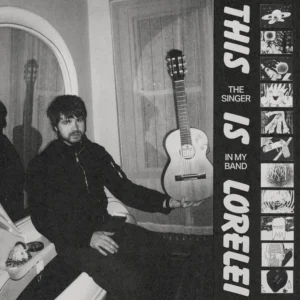
 These days, every pop star wants to make a concept album. Every pop star says things like, “For me, the album is so much better in its entire context,” as
 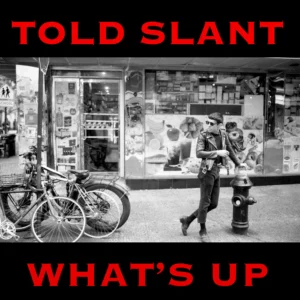 “You don’t want a familiar feeling,” Felix Walworth sings on ‘Real Love’, the opening track of their first Told Slant album in six years. Even at its most romantic, What’s Up is not exactly heartwarming so much as evocative of a “low fire burning,” and more than on any previous record, Walworth allows their simmering frustration to spill over into outrage, mingle with grief, and melt back into tenderness, resulting in their most dynamic record to date. Tracking everything to an eight-track reel-to-reel, they brought together Hannah Pruzinsky (aka