The modern dating culture is interesting to behold. The public perception of online dating has shifted from almost a tongue-in-cheek means to end up in trouble to a true means of finding love. Unfortunately, films don’t often reflect this truth and instead opt to treat the concept of online dating quite poorly. We’re going to take a look at how this transformation took place over time, as evidenced by some of our favorite films.
Swiped
The modern form of online dating is criticized as being too simplistic and hedonistic in this film. A group of college students develops a potent hookup app to allow students to have a one-night stand. The people on the dating service enjoy anonymity but also face limitations due to their school having a small population of people from which to choose. This outcome is contrary to what happens in real life, as evidenced by Steamylocals, a dating service that connects local people for dates. The short-term relationships developed on this site occur without much in the way of identifying information, just as people like. The major difference is that users can control the search area in which they look for matches instead of being kept to a single school campus.
Eurotrip
If we go a little farther back in time, then you will discover films like Eurotrip that take on the concept of online dating. Unlike other uplifting romance films of the time, Eurotrip does not necessarily treat online dating fairly. In this story, a young man meets a woman online from Germany. Through a series of miscommunications and mistranslations, the young man decides to cut her out of his life because he thinks she is an online predator. Of course, the truth is revealed, and the man decides to go remedy this mistake and be with the woman he loves. The unfortunate part is that this movie made online dating seem unlikeable at first. It wasn’t until the young man discovers that he is actually talking to an educated, beautiful woman that online dating is seen as a beneficial way to meet people. Many people probably missed that message along the way.
You’ve Got Mail
One of the earliest movies that took on the topic of online dating was You’ve Got Mail. This delightful love film brought Tom Hanks and Meg Ryan together again. This film explores the anonymity of online dating and the impact that it can have on people that might not appear to get along at first glance. Two people that can’t stand each other in real life benefit from having the everyday challenges of their lives stripped away to allow them to fall in love online. Eventually, they are able to reconcile the two aspects of their life, and they decide that they would be a great couple together. As we’ve mentioned before, local dating services are very helpful in connecting people from a similar area. Still, the chances of two people who hate each other connecting on one of those sites are bound to be one in a million.
Online dating has not always gotten a fair evaluation in films, and these three movies show different takes on online dating. Sometimes it’s viewed as a sweet means to connect people, but it’s portrayed inaccurately. The true online dating experience often caters to the unique needs of various people through specific dating outcomes, cultural approaches, and much more. Individuals seeking online dating experiences are bound to find something that appeals to them by honestly thinking about what they expect and need from a dating site and then finding the one that works best for them.
Between Japanese Breakfast’s Jubilee, Faye Webster’s I Know I’m Funny haha, and now Torres’ Thirstier, it would seem that indie artists are finally starting to see the light at the end of the tunnel. If the idea of a joyful indie record once sounded oxymoronic or markedly uncool, the fact that it’s now the main hook behind some of the genre’s biggest albums of the year could be interpreted either as a sign of change or simply a different marketing strategy. After all, you could hardly make the case that any of those albums are simply about joy – both Japanese Breakfast’s Michelle Zauner and Faye Webster have a knack for traversing a wide range of moods, mapping the subtle contradictions that make up overwhelming emotions. Mackenzie Scott, the artist behind Torres, is no less of a sharp or eclectic songwriter, but her fifth studio album is by far the most consistently bombastic and exuberant of the bunch, for which “joyful” is truly an apt description – no small feat for a record that includes the line “now all I can do is cry and worry.”
Part of the sense of catharsis one gets from listening to Thirstier comes from having witnessed Scott’s personal and artistic journey. From her earliest releases, songwriting served as a means of examining the effects of her religious upbringing as well as different facets of her identity, and her constant experimentation marked her as an artist always striving to find the right sound for that restless introspection. Rather than trying to carve a space for all her contradictions, the new album acknowledges past struggles while channeling all the urgency and directness of her previous releases into a gloriously catchy and anthemic record. “I’ve been conjuring this deep, deep joy that I honestly didn’t feel for most of my life. I feel like a rock within myself,” she said in a statement, and part of that stability came from Scott’s relationship with her partner, the visual artist Jenna Gribbon. Thirstier finds happiness not by pretending she suddenly knows the answers to all the questions that have tormented her, but by focusing on and celebrating the strength of her devotion.
Our natural attachment to this kind of personal narrative may be partly what makes the album enjoyable, but Scott, along with co-producers Rob Ellis and Peter Miles, have done a great job of sonically capturing those bursts of euphoria. Thirstier is powered by blistering hooks, gleaming synths, and dynamic percussion, all of which serve to augment the kinetic energy and outsized ambition of Scott’s writing. The sheer infectiousness of songs like ‘Don’t Go Puttin Wishes in My Head’, ‘Hug From a Dinosaur’, and the title track was undeniable when they came out as singles, buoyed by some of Torres’ biggest and most danceable choruses, and they lose none of their fervour alongside more intimate cuts like ‘Big Leap’ and ‘Kiss the Corners’. These are less memorable but vital in their own way, making the louder moments feel all the more invigorating.
‘Keep the Devil Out’ contains both worlds, a thrilling closing statement that makes the whole album feel like a kind of exorcism. In the album’s thornier moments, like the whirring post-chorus of ‘Are You Sleepwalking?’, you can feel a different intensity creeping up: “Funny, isn’t it, how my nerves can’t even tell the difference/ Between pain and pleasure,” she sings on ‘Hands in the Air’. Scott recently spoke about the negative connotations of being called intense, and Thirstier harnesses that energy in gratifying and often surprising ways. Halfway through the closer’s hellish, uneasy vacillations, the atmosphere opens up as heavenly synths invoke Scott’s epiphany: “Get a load of this/ I had a vision/ Tomorrow we rise/ From our deep-sea slumber/ Make ourselves a new world order/ I have got all the hope I need.” By this point, Scott has already managed to bring that vision to life, but seeing it thrive in the midst of such chaos is a testament to her newfound confidence.
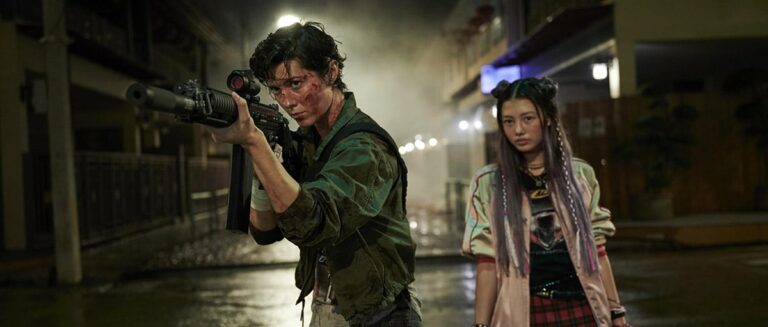
Kate, a meticulous and preternaturally skilled assassin, is the perfect specimen of a finely tuned killer at the height of her game. But when she uncharacteristically blows an assignment targeting a yakuza member in Tokyo, she quickly discovers she’s been poisoned, a brutally slow execution that gives her less than 24 hours to claim revenge on her killers. As her body swiftly declines, Kate develops an unlikely bond with the teenage daughter of one of her past victims.
The cast for the film include Woody Harrelson, Mary Elizabeth Winstead, Tadanobu Asano, Jun Kunimura, Miyavi, Michiel Huisman, Miku Martineau and more.
KATE will become available on Netflix from the 10th of September.
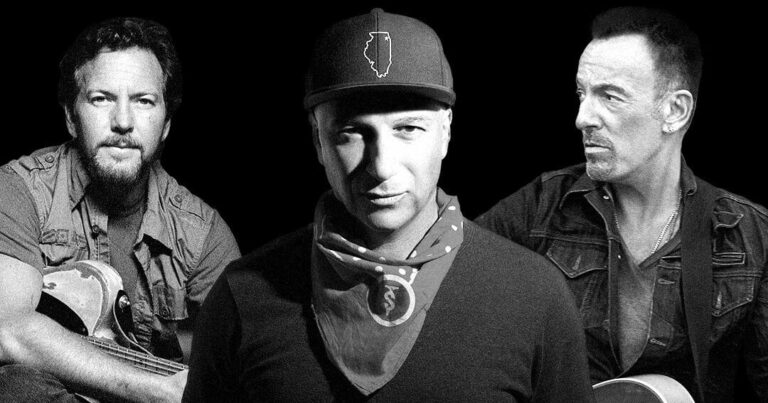
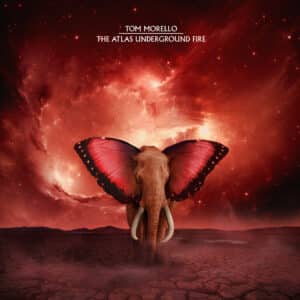
Tom Morello has released a cover of AC/DC’s ‘Highway to Hell’, featuring Bruce Springsteen and Pearl Jam’s Eddie Vedder. It’s set to appear on the Rage Against The Machine co-founder’s newly announced album, The Atlas Underground Fire, which arrives on October 15 via Mom + Pop. Listen to the cover below and scroll down for the record’s tracklist and cover art.
“Our version of ‘Highway to Hell’ pays homage to AC/DC but with Bruce Springsteen and Eddie Vedder, bringing this legendary song into the future,” Morello said in a press release. “One of the greatest rock’n’roll songs of all time sung by two of the greatest rock’n’roll singers of all time. And then I drop a shredding guitar solo. Thank you and good night.”
In addition to Bruce Springsteen and Eddie Vedder, The Atlas Underground Fire includes contributions from Bring Me the Horizon, phem, Damian Marley, Sama’ Abdulhadi, Mike Posner, Phantogram, Chris Stapleton, and more. The LP was recorded at Morello’s home studio in Los Angeles. “During lockdown I had no access to an engineer so I had to record all of the guitar parts on the voice memo of my phone,” he explained. “This seemed like an outrageous idea but it led to a freedom in creativity in that I could not overthink any of the guitar parts and just had to trust my instincts.”
Morello added: “This record was a life raft in a difficult time that allowed me to find new ways of creating new global artistic connections that helped transform a time of fear and anxiety into one of musical expression and rocking jams.”
In 2018, Morello released the album The Atlas Underground.
The Atlas Underground Fire Cover Artwork:
The Atlas Underground Fire Tracklist:
1. Harlem Hellfighter
2. Highway to Hell [feat. Bruce Springsteen and Eddie Vedder]
3. Let’s Get the Party Started [feat. Bring Me the Horizon]
4. Driving to Texas [feat. Phantogram]
5. The War Inside [feat. Chris Stapleton]
6. Hold the Line [feat. Grandson]
7. Naraka [feat. Mike Posner]
8. The Achilles List [feat. Damian Marley]
9. Night Witch [feat. Phem]
10. Charmed I’m Sure [feat. Protohype]
11. Save Our Souls [feat. Dennis Lyxzén]
12. On the Shore of Eternity [feat. Sama’ Abdulhadi]
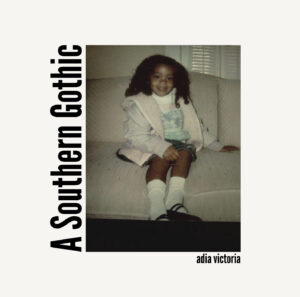
Adia Victoria has announced a new album called A Southern Gothic. The follow-up to the singer-songwriter’s 2019 record Silences lands September 17 via Canvasback/Parlophone Records. The LP features guest contributions from Jason Isbell, Margo Price, and The National’s Matt Berninger. Today’s announcement comes with the release of the new single ‘Magnolia Blues’. Check out a video for the track below, and scroll down for the album’s cover artwork and tracklist.
Victoria explained in a statement:
In an unpublished manuscript in 1933, William Faulkner spoke on the Southerner’s ‘need to talk, to tell, since oratory is our heritage.’
After a year spent in my room in Nashville, I wondered what stories I had to tell. Often the only view of the South beyond my window was the magnolia tree in my backyard. It blocked the rest of the world from my sight. I limited my gaze to its limbs, its leaves and the obscene bloom of its iconic white flower.
The magnolia has stood as an integral symbol of Southern myth making, romanticism, the Lost Cause of the Confederates and the white washing of Southern memory. ‘Magnolia Blues’ is a reclaiming of the magnolia – an unburdening if its limbs of the lies it has stood for. This song centers the narrative of a Black Southern woman’s furious quest to find her way back home to the South under the shade of her Magnolia.
‘Magnolia Blues’ is an ode to Southern Black folk—too often hemmed out of what we mean when we say ‘Southerner’ – and it is also an ode to the South itself. To rescue it from – in the words of William Faulkner – ‘a make believe region of swords and magnolias and mockingbirds which perhaps never existed.’
Of the album, she added: “With this project, I was so anchored in the past and the Black brilliance that came before me that it was kind of a road map. They said, ‘Sweetie, we’re gonna locate you, and we’re gonna allow you to move it forward.’”
A Southern Gothic Cover Artwork:
A Southern Gothic Tracklist:
Magnolia Blues
Mean-Hearted Woman
You Was Born To Die [feat. Kyshona Armstrong, Margo Price & Jason Isbell]
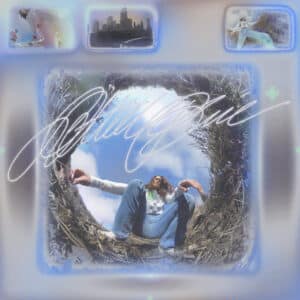
New York City-based trio Wet have announced their new album, Letter Blue, sharing a video for the new single ‘Larabar’. The album, which marks the third full-length from the group and the rejoining of founding guitarist Marty Sulkow, is out October 22 via AWAL. Check out the Andrew Theodore Balasia-directed visual for ‘Larabar’ and find the LP’s cover art and tracklist below.
The album’s 10 tracks were written by vocalist Kelly Zutrau and produced by member Joe Valle, with co-writing and co-production credits from Toro y Moi’s Chaz Bear, Buddy Ross, and Dev Hynes aka Blood Orange on ‘Bound’. Zutrau said in a statement about the new track:
Step into the light for the very first time. ‘Larabar’ was a little breakthrough in the album process, the first song that came together that everything else formed around. It’s about a relationship cycle that becomes a loop – Eventually a feedback loop – Obsessively repeating, breaking up, getting back together, breaking up again. How memory distorts reality, solitude vs. company, accountability, guiltiness, loving someone who left and what to do when they come back and on and on, etc..
1. Over and Over
2. On Your Side
3. Clementine
4. Far Cry
5. Blades of Grass
6. Bound [feat. Blood Orange]
7. Only One
8. Letter Blue
9. Only Water
10. Larabar
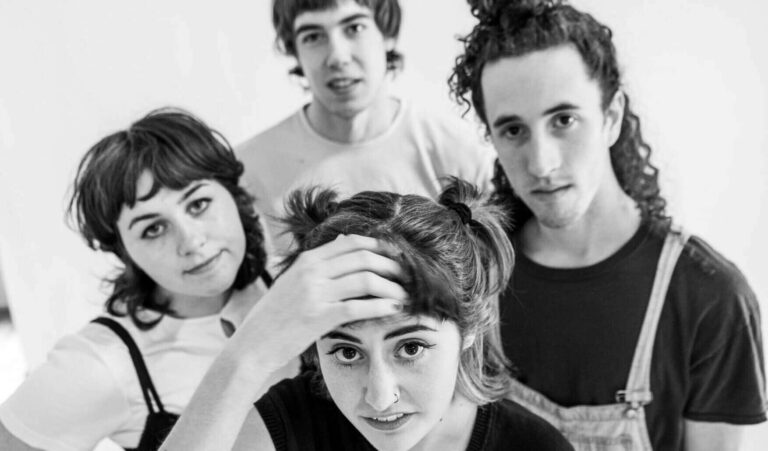
Lunar Vacation have announced their debut album, Inside Every Fig Is A Dead Wasp, which comes out October 29 via Keeled Scales. The record was produced by Daniel Gleason of Grouplove. To accompany the announcement, the Atlanta-based band have released the new single ‘Mold’, alongside a music video directed by Rach Rios Rehm. Check it out below and scroll down for the LP’s cover artwork and tracklist.
According to vocalist/guitarist Grace Repasky, ‘Mold’ is about “navigating the oddities and strange tides of West Coast culture, specifically L.A., and influencer lifestyle for the first time. We played a festival out there and it felt like I was in an immersive Instagram advertisement. It kind of freaked me out. To make it all more confusing, the song also deals with having feelings for someone wrapped up in that culture and the conflicting feelings of wanting to fit in.”
Of the video, Maggie Geeslin explained: “We looked no further than Rachael to direct this one. We’ve been friends for years and working with her on this project was a no-brainer. We told her we wanted something funky and she worked her magic, cooking up a world of absurdity. We had such a good time, in fact, that Grace tattooed the address of the studio where we filmed on their leg at the wrap party.”
Earlier this summer, Lunar Vacation released the single ‘Shrug’.
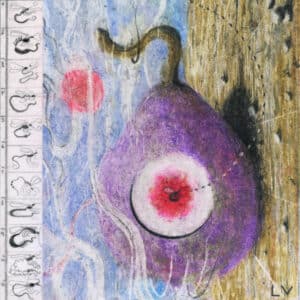
Inside Every Fig Is A Dead Wasp Cover Artwork:
Inside Every Fig Is A Dead Wasp Tracklist:
1. Purple Dreams no. 4
2. Peddler
3. Shrug
4. Where is Everyone?
5. Making Lunch (Not Right Now)
6. Cutting Corners
7. The Waiting Game
8. Mold
9. Gears
10. Anemone
11. But Maybe
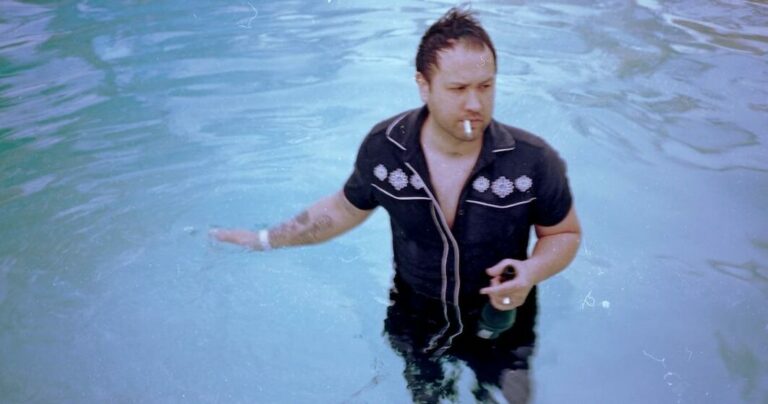
Unknown Mortal Orchestra have shared a new single called ‘That Life’. The track arrives with an accompanying music video directed by Lydia Fine and Tony Blahd, which features a dancing blue puppet created by puppeteer and fabricator Laura Manns (The Muppets and Sesame Street). Check it out below.
“I saw this painting by Hieronymus Bosch called The Garden of Earthly Delights and in the painting there was a mixture of crazy stuff going on, representing heaven, earth, and hell,” frontman Ruban Nielson explained in a press release. “When I was writing this song, That Life, I was imaging the same kind of ‘Where’s Waldo’ (or ‘Where’s Wally’ as we call it in New Zealand, Australia, and the UK) of contrasting scenes and multiple characters all engaged in that same perverse mixture of luxury, reverie, damnation, in the landscape of America. Somewhere on holiday under a vengeful sun.”
Earlier this summer, Unknown Mortal Orchestra shared ‘Weekend Run’, their first proper single since releasing 2018’s Sex & Food.
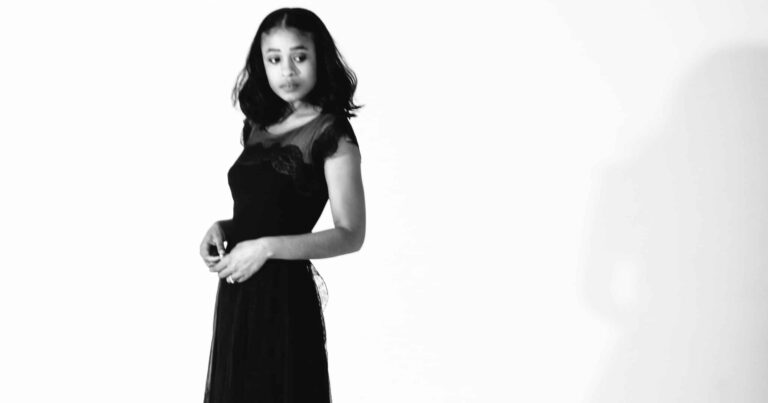
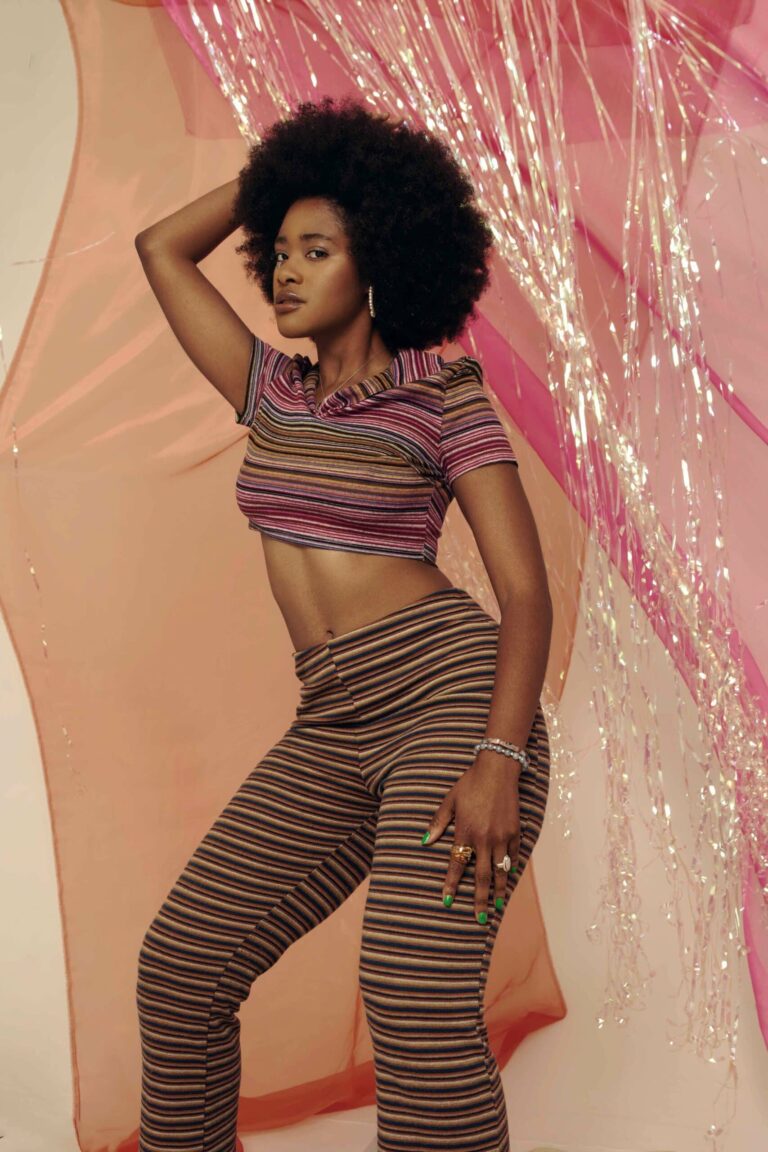
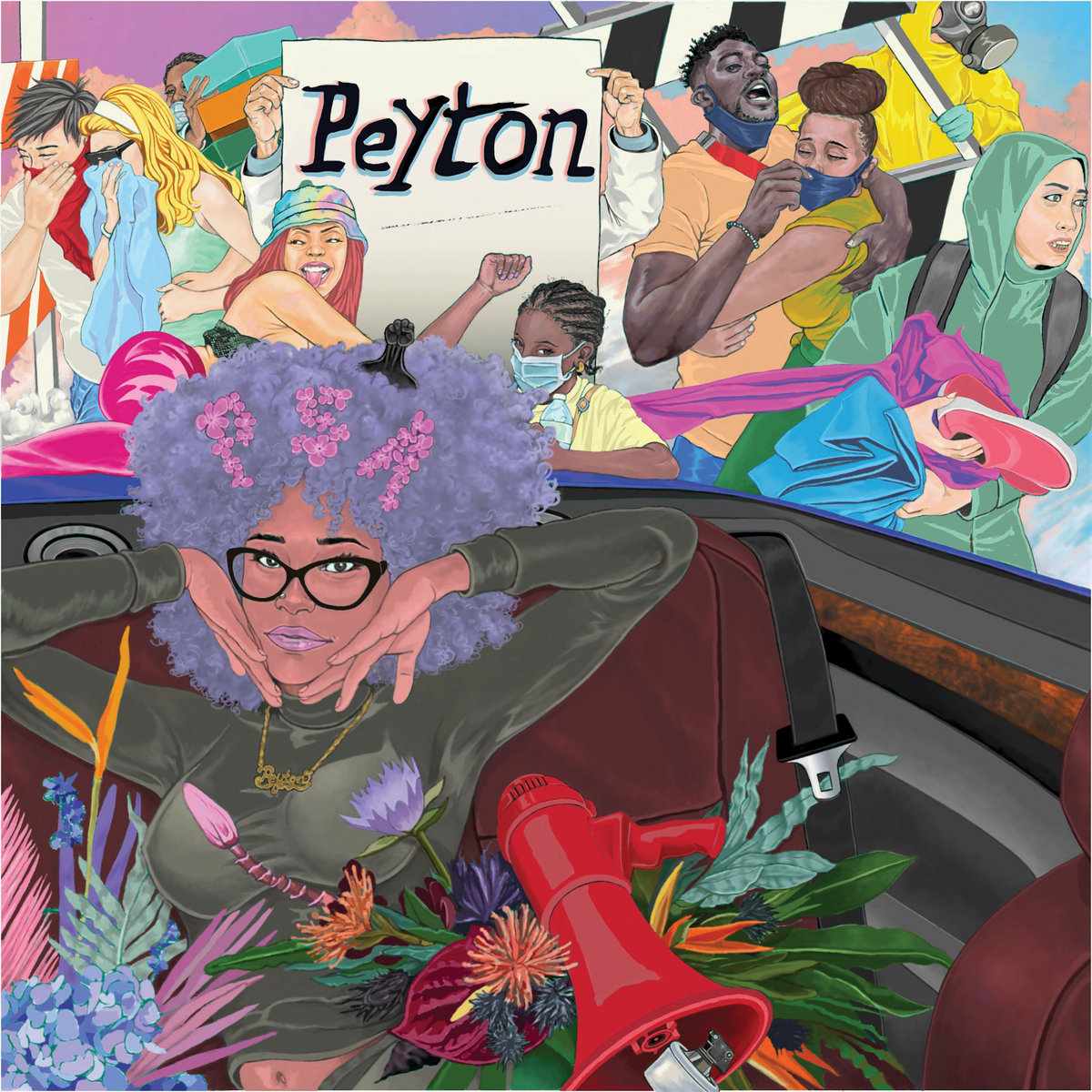
Born and raised in Houston, Texas, singer-songwriter Peyton grew up surrounded by music. A trained vocalist and violinist, she started immersing herself in music at a young age through her family, including her late grandmother, Theola Booker, a Grammy-nominated gospel singer who once taught Beyoncé to play piano. After a series of independent releases in the mid-2010s, Peyton signed a deal with Stones Throw and issued her label debut, 2019’s Reach Out EP, which was followed by a string of one-off singles the following year, including the Steve Lacy collaboration ‘Verbs’. Her first proper album, PSA, whose cover artwork recalls that of Erykah Badu’s New Amerykah Part One, dropped earlier this month. Peyton began writing the songs on the LP in 2018 before working with several producers including Biako, Jay Anthony, Vicky Farewell, Julia Lewis and Keys & Krates, and the result is a progressive R&B album as playful as it is dreamy, as carefree as it is refined. That it ends with a cover of ‘Pure Imagination’ from Willy Wonka & the Chocolate Factory is entirely fitting: it’s a wonderful collection of songs buyoed by a sense of youthful optimism and unbridled creativity.
We caught up with Peyton for this edition of our Artist Spotlight interview series to talk about her earliest musical memories, the inspirations behind her new album PSA, and more.
Do you mind sharing some of your earliest musical memories?
My earliest memory of music is my dad rocking me to sleep playing ‘Dragonfly Summer’ by Michael Franks. I also can recall being in my mom’s hometown, Liberty, Texas, and being at my grandpa’s house smelling detergent from the washing machine, and while he’s cleaning hearing ‘Call My Name’ by Prince playing. And listening to Destiny Fulfilled by Destiny’s Child in the car with my mom after school or late at night on a late drive.
What were your first attempts at songwriting and performing like?
I was very little, and I would just always perform my songs for my grandma. [laughs] She taught me how to be a well-rounded individual, teaching me work ethic, how to be humble. She was a musician herself, so I got to watch her firsthand. Because I was her travel buddy, I would go with her to gigs and got to watch her in those settings, and she would tell me the do’s and don’ts in certain settings. She didn’t always tell me certain things; it’s just how she carried herself and I saw people respond to that. And of course, as a kid, I thought, “Oh, well, that’s the only way to be,” you know?
Are there any specific memories that come to mind of travelling with her?
She worked in different settings – church, education, theatre, all sorts of things, and she travelled a lot. I remember – well, it was one instance where I went with her to a church that she was either being honoured at or playing with the choir, and they were having some sort of celebration. And we were all waiting in line to get refreshments, and I remember just being a kid, thinking, “Oh, I’m a kid, so forget all these adults, I’m going to get whatever I want first.” [laughs] And she’s like, “No, this is not your church, we’re all the same, so you need to wait just like everyone else.” Those are definitely humbling teaching moments.
Also, she got me my first gig, playing my violin at some sort of event. And, you know, teaching me how to set my rate and giving my best for what I’m paid for. [laughs] Just continuing to teach me good work ethic.
So much of your new album draws on your experiences from young adulthood. Were you consciously reflecting back on a certain time, or was it something that just came naturally?
It was more so a case where I was creating and I began to understand what I was doing. [laughs] Usually when I make any body of work, I’m not like, “Okay, I’m gonna make an album about this and it’s gonna be like this.” My creative process doesn’t really work like that because that can be very limiting and can feel forced. So, I was just creating things and I began to see a pattern and just continued to build from there.
The general themes that I was saying was that, for one – not really a theme, but the first two songs I made for the project was ‘It’s Been So Long’ and ‘Ppl Say’, and I’m like, “These songs sound very big, so I want to create other songs that fit this mould and sound just as big.” And then from there, that’s when I started kind of curating the album, but even then, I still just go with the flow of things. And if I made something and I’m like, “Oh, this is not really fitting,” then I would just be like, “Oh, it’s for something else.” But yeah, I really took my time with this. The themes that I came to notice are, you know, some sort playfulness; there’s a lot of playfulness when it comes to what I’m talking about and how I present it. And there are a lot of musical motifs, which I also think is pretty playful. The whole thing really plays on my childlike nature. [laughs]
I was wondering how much of that was you being nostalgic about the way you were in the past, and how much is just a reflection of your personality now.
Yeah, that’s just how I am. [laughs] Obviously I’m an adult, but I do hold on to my childlike nature in a sense. When it comes to the arts and creativity and the beauty of life, I’m definitely impressionable.
In what way?
I’m just ready to take things all. I just like the simplicity in a lot of things and see the beauty and a lot of things that maybe can be taken for granted as you get older.
You mentioned ‘It’s Been So Long’, and that’s one of my favourites on the record. To the extent that you’re comfortable talking about this, what kind of headspace were you in when you were writing that song specifically?
It was one of those things where I was just freestyling the lyrics and they just came so easily, and then I started to understand the direction of where I was going. I had always wanted to write a song about the acceptance and realization of losing a loved one. So it was cool to finally have the words to say, and it just kind of came so easily and just flowed out of me. And that’s what I liked about a lot of the songs on this album, is that they just came so easy to me when it comes to the lyrics and how I felt, because they were just my true feelings. I have lost some really important loved ones, and I just thought, you know, everyone has experienced losing someone so dear to them and wanting to tell them something they feel like they can’t tell them, because they’re not here physically. I think it’s important to not feel alone in that because when you lose someone so special, you can feel a bit lost.
The production on the album is so dreamy and lush. Were you worried about maintaining a balance between the sound of the album and your vocal presence?
Well, I just had a feeling it would all work out. [laughs] And I had a lot of great musicians who made sure that there was a lot of balance, so I didn’t have to think about that too hard. Especially having Itai Shapira as the executive producer, he definitely helped with that balance. He is just so talented and very brilliant.
How did that collaboration come about?
Me and Itai connected at the beginning of 2019, and I thought it was so cool that he reached out to my management and he was just saying he really wanted me to work in his studio whenever I was in Los Angeles. He’s currently at Revival Studio – it’s known for being owned by one of the members of Earth, Wind & Fire. We ended up making time, I scheduled some time to come to Los Angeles, and before we got together I was telling him, you know, I’m really interested in making things sound like this or are reminiscent of this and that. When I was telling him my general idea of what I wanted, he just completely elevated what I was thinking to another level, which was really awesome. And from there, I think we just really clicked when we met.
What kind of conversations did you have in terms of what you wanted to achieve?
I was thinking of, like, I love the dreaminess that the Isley Brothers brought. And I really wanted to showcase my vocal range, so I was thinking of artists that really showcase their vocal range and things that are fitting for them. My range goes pretty high, so, you know, thinking of Minnie Ruperton and Mariah Carey and Bilal. Just so many different artists, just sending him music every day, like, “What do you think about this? I want to play on this element, I like the drums for this, I love the synths on this song.” Just really trying to get him to get to know who I am as a music lover period to even begin to create.
Each song in the album seems to focus on a very specific emotion, but it still feels like a very cohesive experience. In your mind, what is it that connects the songs, lyrically and musically?
Well, I think overall it’s very dreamy. It’s like being in a dream or a state of wonder and deep thought, or just being in your own little bubble.
Which relates to what you said about the childlike nature of it.
Yeah, that’s exactly what I was gonna say. It definitely connects with that too. I feel like as being an adult, you definitely kind of censor yourself – not like I was going crazy with the things I would say, but I was just very free. And I think kids are like that too.
Why did you decide to end the album with a cover of ‘Pure Imagination’?
It’s a song that I’ve always been moved by since I was young. It would just bring me to tears, honestly. The lyrics are so simplistic and so real, and with my own songwriting, I try to be as simplistic as possible but still have a meaningful message behind it all. So that was something that represented how I approach things as an artist myself. And also, the message rings true to my heart – you know, you can create a beautiful life, a beautiful path for yourself, and you can change the world, you’re capable of moving others and making things move in your life. You just have to believe and see all of the possibilities. And then also, that song is from Willy Wonka, so that also goes along with the theme of childlike nature and just holding on to that.
Is that something that drives you personally and creatively, that message?
Yeah, definitely. That you can make a difference with the gifts that you were blessed with, and even if you feel like maybe it’s not possible, you just have to do it. Anything you want, just do it.
What are your own dreams and ambitions for the future?
I want to continue to reach others and be able to see the world and connect with so many different people and help others the best I can as I move forward in life. You know, I hope to just connect with many people who can relate to me and I can relate to them and meet other like-minded musicians and artists and just people in general. I want my music to just reach as many people as possible.
This interview has been edited and condensed for clarity and length.